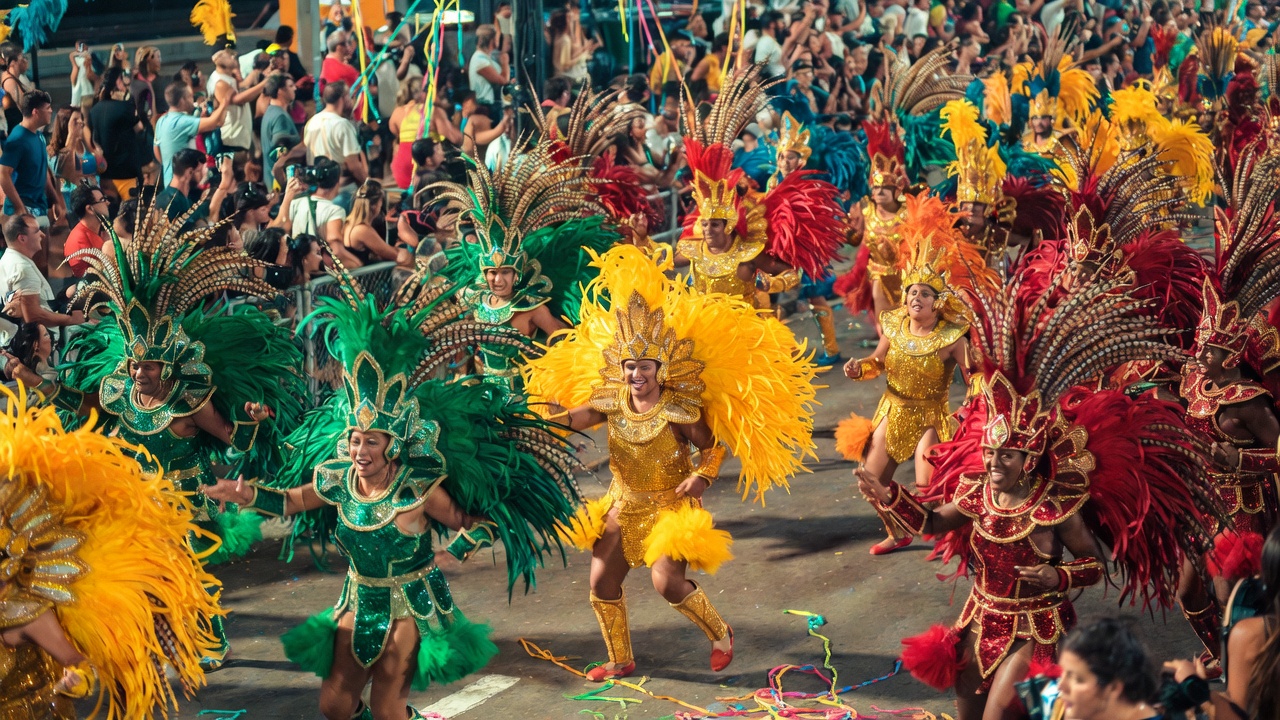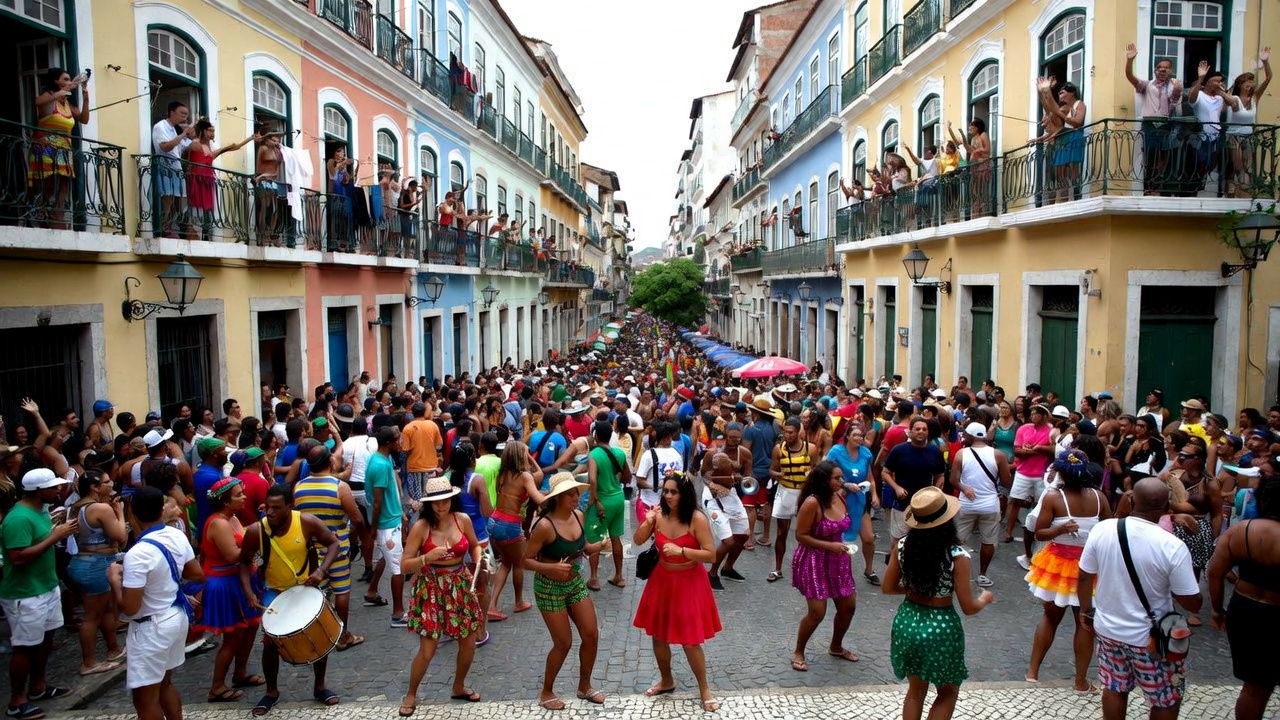
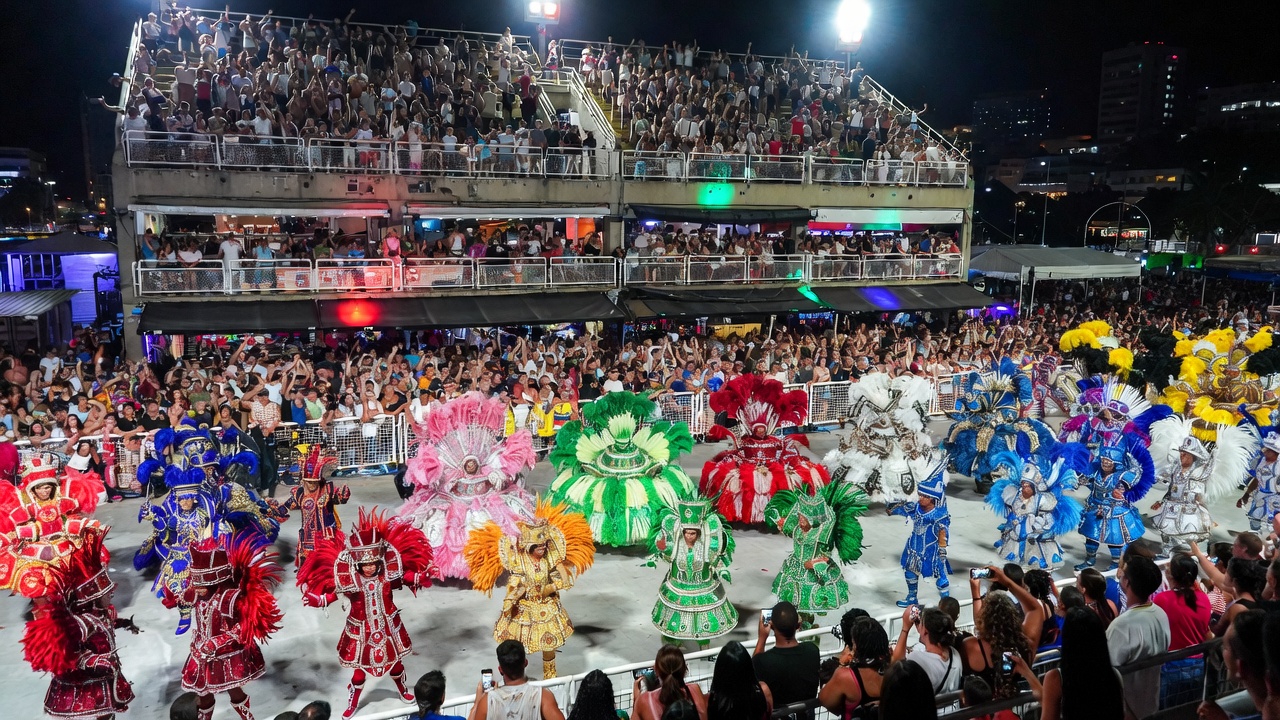
The sun dips below the horizon over Guanabara Bay, painting the sky in shades of orange and pink. Suddenly, the distant sound of drums echoes through the narrow streets of Santa Teresa. Within minutes, thousands of people—cariocas (Rio locals) and travelers alike—are dancing together, covered in glitter, streamers, and pure joy. This is not the Sambódromo. This is not a ticketed event. This is a bloco de rua, and it represents the beating heart of Rio de Janeiro’s Carnaval.
While the dazzling parades at the Sambódromo capture global headlines, the true spirit of Brazilian Carnaval lives in the blocos—free street parties that transform Rio into the world’s largest open-air celebration. With over 500 official blocos attracting more than 7 million revelers during Carnaval season, these street parties offer an authentic, democratic, and unforgettable experience that no parade ticket can replicate.
Whether you’re planning your first trip to Rio or returning to discover new neighborhoods, this comprehensive guide will help you navigate the beautiful chaos of Carnaval blocos, from legendary processions in Copacabana to hidden gems in the historic center.
What Are Blocos de Rua and Why Do They Matter?
Before diving into logistics, it’s essential to understand what makes blocos such a profound cultural phenomenon. The word “bloco” translates roughly to “block” in English, referring to groups of people who parade through city blocks. But this translation fails to capture the essence of what these gatherings represent.
Blocos emerged in the early 20th century as neighborhood celebrations organized by working-class communities who couldn’t afford fancy club memberships or parade costumes. They were democratic by design—open to everyone regardless of social class, race, or background. This egalitarian spirit remains the defining characteristic of blocos today.
Unlike the highly choreographed Sambódromo parades that can cost hundreds of dollars to attend, blocos are completely free. There are no tickets, no reserved seats, no VIP sections. The millionaire stands next to the street vendor. The tourist dances with the grandma from the favela. In a country still grappling with profound inequality, blocos represent a rare space where social barriers dissolve in a sea of music, sweat, and cerveja gelada (cold beer).
The Anatomy of a Bloco
Every bloco follows a similar structure, though each develops its own unique identity:
| Element | Description |
|---|---|
| Banda | The musical ensemble, typically featuring brass instruments, drums (especially surdos and caixas), and singers |
| Trio Elétrico | Large truck equipped with powerful speakers carrying the band (larger blocos only) |
| Estandarte | The ornate banner or flag identifying the bloco, often carried at the front |
| Concentração | The gathering point where the bloco assembles before the parade |
| Dispersão | The end point where the bloco officially dissolves |
| Cordão | Security rope separating the band from the crowd (some blocos only) |
The banda is the soul of any bloco. These musicians—often volunteers who rehearse year-round—play a repertoire that typically includes classic marchinhas (traditional Carnaval songs from the golden era), contemporary Brazilian pop hits, and often original compositions created specifically for that bloco. The best bandas develop cult followings, with devotees tracking them from neighborhood to neighborhood throughout the season.
History of Rio Street Carnaval Parties: From Entrudo to Mega-Blocos
To truly appreciate modern blocos, one must understand their historical roots. The story of Brazilian street Carnaval begins not with samba, but with a chaotic Portuguese tradition called Entrudo.
The Wild Origins: Entrudo in Colonial Brazil
When Portuguese colonizers brought Carnaval to Brazil in the 17th century, celebrations primarily took the form of Entrudo—a rowdy festival where people hurled water, flour, eggs, and various liquids at each other in the streets. The chaos was so intense that authorities repeatedly attempted to ban the practice, with limited success.
The phrase “joga água, joga farinha” (throw water, throw flour) echoed through colonial streets. While authorities considered Entrudo barbaric, the common people loved it. Sound familiar? The establishment has been clutching its pearls at Carnaval chaos for four centuries.
The Birth of Organized Blocos: 1889-1950
The late 19th century saw the emergence of organized groups who wanted to elevate street Carnaval beyond flour fights. Cordões (literally “cords” or “ropes”) were the first organized street groups, often forming around specific neighborhoods or worker communities.
The Rancho Carnavalesco movement of the early 1900s brought more sophistication, introducing coordinated costumes, choreography, and original music. These ranchos laid the groundwork for modern samba schools while simultaneously inspiring the more informal blocos that celebrated alongside them.
Key historical blocos that shaped Rio’s street Carnaval tradition:
- Cordão do Bola Preta (founded 1918) – The oldest and largest bloco still active today
- Bloco das Carmelitas (founded 1990) – Revitalized the Santa Teresa bloco scene
- Banda de Ipanema (founded 1965) – Pioneered LGBTQ+ visibility at Carnaval
The Dark Years and Renaissance: 1960s-2000s
During Brazil’s military dictatorship (1964-1985), street Carnaval declined significantly. Authorities viewed large, spontaneous gatherings with suspicion, and the regime actively promoted the controlled environment of the Sambódromo (inaugurated in 1984) over unpredictable street celebrations.
The democratic opening brought gradual revival, but the true renaissance of blocos began in the early 2000s. What happened? A combination of factors, as explained by RIOTUR (Rio’s official tourism organization):
- Nostalgia among older generations who remembered pre-dictatorship street celebrations
- Rejection of commercialism by younger cariocas seeking authentic experiences
- Social media enabling grassroots organization and information sharing
- Official city support recognizing blocos’ tourism and cultural value
The numbers tell the story dramatically. In 2000, Rio had approximately 50 registered blocos. By 2024, that number exceeded 500, with combined attendance surpassing 7 million people across the Carnaval season.
Best Rio Carnaval Blocos for First-Time Visitors
With hundreds of blocos to choose from, newcomers often feel overwhelmed. Where do you even begin? The following selection represents the most accessible, tourist-friendly blocos that deliver authentic experiences without requiring insider knowledge.
Cordão do Bola Preta: The Mother of All Blocos
When: Saturday before Carnaval (main parade), plus additional dates Where: Centro (downtown Rio), starting near Praça Tiradentes Size: Up to 2 million attendees at peak Best For: Those seeking the quintessential massive bloco experience
If you attend only one bloco during your Rio visit, make it Bola Preta. Founded in 1918, this institution has grown from a small neighborhood gathering into the world’s largest street party. Yes, larger than any New Year’s celebration, music festival, or sporting event. The Guinness World Records has recognized Bola Preta’s attendance figures multiple times.
The bloco’s name means “Black Ball,” referencing the simple black and white polka-dot costume that defines its identity. Wearing these dots is essentially mandatory—you’ll find cheap polka-dot everything (shirts, dresses, hats, suspenders) sold throughout Rio in the weeks before Carnaval. Don’t show up without dots; you’ll feel painfully conspicuous.
What to expect:
- Extreme crowds – This is not hyperbole. The sea of people extends for kilometers.
- Classic marchinhas – Bola Preta’s repertoire emphasizes traditional Carnaval songs
- Multi-generational attendance – Grandparents bring grandchildren; it’s truly for all ages
- Street vendors everywhere – Beer, water, snacks, and portable toilets (banheiros químicos) are readily available
Pro tip: Arrive at the concentração by 7 AM despite the parade officially starting at 9 AM. Position yourself near the banda if you want to actually hear the music. Alternatively, embrace the madness and let the crowd carry you.
Banda de Ipanema: Where Carnaval Meets Counterculture
When: Multiple dates throughout Carnaval season Where: Ipanema (starts near Praça General Osório) Size: 40,000-80,000 attendees Best For: LGBTQ+ travelers, art lovers, those seeking creative costumes
Founded in 1965 during the height of Brazil’s cultural revolution, Banda de Ipanema has always attracted Rio’s artistic and intellectual crowds. The bloco became legendary for its embrace of LGBTQ+ participants long before such visibility was socially acceptable—a revolutionary act during dictatorship years.
Today, Banda de Ipanema remains famous for elaborate, creative costumes. Forget basic polka dots; here you’ll see:
- Drag queens in stunning handmade creations
- Political satire costumes mocking current events
- Artistic installations worn as body art
- Theme-coordinated groups who plan costumes months in advance
The musical repertoire leans toward classic MPB (Música Popular Brasileira) and vintage marchinhas, creating a more sophisticated soundtrack than some party-focused blocos.
Monobloco: The Percussion Powerhouse
When: Carnaval Saturday and additional dates Where: Varies (often Aterro do Flamengo or Centro) Size: 500,000+ attendees Best For: Music enthusiasts, dancers, those who appreciate technical musicianship
Monobloco isn’t just a bloco—it’s a bateria (percussion ensemble) phenomenon. Founded by musician Pedro Luís in 2000, this group helped ignite the modern bloco renaissance by demonstrating that street Carnaval could feature world-class musicianship.
The Monobloco sound is distinctive: 100+ drummers playing in perfect synchronization, creating rhythmic waves that literally vibrate through your body. The repertoire spans generations, from Carnaval classics to funk, pop, and even international hits given the Brazilian treatment.
Why Monobloco matters:
- Professional-quality live music – Many Monobloco musicians are session professionals
- Dancing-focused energy – The rhythm practically forces your body to move
- Inclusive atmosphere – Despite the size, the crowd tends toward respectful revelry
- Strategic logistics – Generally well-organized with clear routes
Sargento Pimenta: For Beatles Fans in Brazil
When: Multiple dates during pre-Carnaval and Carnaval proper Where: Varies (often Ipanema or Zona Sul neighborhoods) Size: 80,000-150,000 attendees Best For: Rock music fans, Anglophone visitors, those seeking familiar songs
Here’s a mind-bending concept: The Beatles played entirely in samba and marchinha style. That’s the genius of Sargento Pimenta (Sergeant Pepper), one of Rio’s most beloved thematic blocos.
Every Beatles song you know gets transformed into a Brazilian rhythm. “Come Together” becomes a batucada groove. “Hey Jude” turns into a crowd-singalong marchinha. “Here Comes the Sun” practically writes itself as a tropical anthem. The effect is simultaneously familiar and wonderfully strange.
Costume guidance: Obviously, Sgt. Pepper uniforms are popular. But anything Beatles-related works: Yellow Submarine themes, Abbey Road crosswalk groups, Yoko Ono tributes (respectfully done), and creative mashups of British and Brazilian imagery.
Bloco das Carmelitas: Santa Teresa’s Crown Jewel
When: Carnaval Friday and other dates Where: Santa Teresa (starts near Largo das Neves) Size: 20,000-40,000 attendees Best For: Those seeking neighborhood authenticity, Instagram photographers, cobblestone appreciators
The Carmelitas (Carmelite nuns) bloco single-handedly revitalized Santa Teresa’s street Carnaval scene when it launched in 1990. The founding legend claims that a nun from the nearby Carmelite convent escaped to join Carnaval, inspiring the bloco’s theme.
Why Santa Teresa matters:
This bohemian hillside neighborhood offers something Centro blocos cannot: stunning scenery. The parade winds through narrow cobblestone streets lined with colonial architecture, street art, and panoramic views of downtown Rio. The aesthetic is unmatched.
Costume requirement: White clothing (representing nun’s habits) is traditional. Many attendees go further with nun habits, wimples, and habits modified with decidedly un-nun-like embellishments. The irreverent religious satire is part of the charm.
Important note: Santa Teresa’s narrow streets limit crowd capacity. Arrive early or accept that you may watch from adjacent streets rather than the main route.
Complete Guide to Rio Bloco Schedule and Calendar
Understanding Rio’s Carnaval calendar is crucial for planning your bloco attendance. The celebration extends far beyond the official four days, creating a season that can span nearly two months.
Understanding the Carnaval Timeline
| Period | Timing | Characteristics |
|---|---|---|
| Pre-Carnaval (Pré-Carnaval) | 4-6 weeks before Carnaval | Smaller blocos, rehearsals, neighborhood gatherings |
| Carnaval Week | Friday through Tuesday before Ash Wednesday | Peak activity, major blocos, maximum crowds |
| Post-Carnaval | Up to one week after Ash Wednesday | Smaller blocos for die-hards, ressaca (hangover) celebrations |
For 2025, Carnaval officially runs from February 28 through March 4, with Ash Wednesday falling on March 5. However, blocos begin parading in late January and continue into mid-March.
How to Find Updated Bloco Schedules
Bloco schedules are notoriously fluid. A bloco might change its date, route, or starting time with minimal notice. Here’s how to stay informed:
- Official RIOTUR Website – riotur.rio publishes the official registered bloco calendar
- Veja Rio Magazine – Local publication with comprehensive listings
- Blocos de Rua do Rio – Dedicated website tracking all blocos
- Instagram and Facebook – Follow specific blocos for real-time updates
- Hotel concierge – Often have printed schedules and local knowledge
Sample Bloco Itinerary: Experiencing Different Neighborhoods
For visitors staying a full week, here’s how to experience Rio’s bloco diversity:
Day 1 (Friday): Start with Carmelitas in Santa Teresa for intimate neighborhood vibes. Evening: Rest.
Day 2 (Saturday): Morning: Bola Preta in Centro for the mega-bloco experience. Afternoon: Recovery. Evening: Banda de Ipanema in Zona Sul.
Day 3 (Sunday): Morning: Simpatia é Quase Amor in Ipanema (excellent for families). Afternoon: Monobloco.
Day 4 (Monday): Cordão do Boitatá in Lapa for percussion excellence. Evening: Explore smaller neighborhood blocos.
Day 5 (Tuesday – Mardi Gras): Multiple options throughout the day. End with Bloco da Preta (Gil’s block) for music industry quality.
What to Wear to Rio Carnaval Blocos: Costume Ideas and Practical Tips
Dressing for blocos requires balancing creativity with practicality. You’ll be standing for hours, sweating profusely, and navigating dense crowds. Yet showing up in plain clothes signals that you didn’t get the memo.
Essential Clothing Principles
DO wear:
- Light, breathable fabrics – Cotton or moisture-wicking materials
- Comfortable shoes – Broken-in sneakers or sandals with straps (NOT flip-flops)
- Minimal accessories – Everything gets sweaty, lost, or broken
- Bright colors and glitter – The more the better
- Costume elements – Even simple accessories (tutus, leis, cat ears) count
DON’T wear:
- Expensive clothing – Beer will be spilled on you. Accept this.
- New shoes – Blisters will ruin your Carnaval
- Heels or platforms – Injury waiting to happen on uneven streets
- Heavy costumes – Heat exhaustion is real
- Culturally insensitive costumes – More on this below
Popular Bloco Costume Themes
| Costume Type | Description | Best For |
|---|---|---|
| Hawaiano | Hawaiian shirts, leis, tropical prints | Easy, last-minute, always appropriate |
| Fantasia (Fantasy) | Fairies, superheroes, mythical creatures | Creative types |
| Casal (Couples) | Coordinated costumes for pairs or groups | Groups traveling together |
| Temático (Themed) | Matching the specific bloco’s theme | Dedicated bloco followers |
| Drag | Gender-bending, often elaborate | Confident revelers |
| Político | Satirical costumes mocking politicians | Locals with context knowledge |
Cultural Sensitivity in Costume Selection
Brazilian Carnaval has a complicated relationship with cultural appropriation. While the festival traditionally celebrates creative freedom, certain costume choices cause genuine offense:
Avoid:
- Indigenous headdresses – Disrespectful to Brazil’s native peoples, who face ongoing discrimination
- Blackface or brownface – Never acceptable
- Stereotypical “ethnic” costumes – Mexican sombreros, Asian conical hats, etc.
- Religious figures treated disrespectfully – Sexy nun is borderline; mocking specific religious figures crosses lines
Context matters: Brazilians themselves navigate these waters imperfectly. Your best guide is observing what local attendees wear and erring toward creative originality rather than cultural borrowing.
Glitter: The Great Debate
Biodegradable glitter has become increasingly important as environmental awareness grows. Traditional plastic glitter contributes to microplastic pollution that enters Rio’s waterways.
Many blocos now explicitly request eco-friendly options. Look for:
- Biodegradable cosmetic glitter (made from plant cellulose)
- Cornstarch-based body glitter
- Temporary metallic tattoos as alternatives
Rio’s environmental organizations have pushed hard on this issue, and conscious revelers increasingly comply. You can purchase biodegradable options at pharmacies and costume shops throughout the city.
Safety Tips for Rio Street Carnaval Parties
Let’s address the elephant in the room: Rio de Janeiro has safety challenges. Street Carnaval concentrates massive crowds, alcohol consumption, and valuable targets (tourists) in public spaces. However, with reasonable precautions, millions of people enjoy blocos safely every year.
What to Bring (and What to Leave Behind)
Bring:
- Small crossbody bag worn in front of your body
- Minimal cash (enough for beer and snacks)
- One credit/debit card (contactless payment is widespread)
- Phone with tracking enabled (share location with travel companions)
- Photocopy of passport (never carry originals)
- Small sunscreen (Brazilian sun is intense)
- Mini hand sanitizer
- Tissue packets (bathrooms may lack supplies)
Leave at hotel:
- Jewelry (including wedding rings)
- Expensive watches
- Designer bags
- Passport and original documents
- Large amounts of cash
- Obvious camera equipment (phone cameras suffice)
Street Smart Behavior
Stick together. Carnaval crowds are easier to navigate with companions. Establish meeting points in case of separation.
Stay aware despite the fun. Pickpockets work these crowds professionally. Common tactics include:
- Distracting you with conversation while accomplices work
- “Accidentally” spilling drinks on you
- Staged arguments or fights that draw attention
- Aggressive sellers who get too close
Trust your instincts. If a situation feels wrong, move away. The crowd offers safety; isolated areas do not.
Know your limits. Alcohol dehydrates. The Brazilian sun intensifies quickly. Heat exhaustion and alcohol poisoning send tourists to hospitals every year. Drink water between beers—this advice sounds obvious but becomes difficult to follow amid the party atmosphere.
Emergency Resources
| Service | Phone Number | Notes |
|---|---|---|
| Tourist Police | 2332-2924 | Multilingual officers trained for visitor assistance |
| SAMU (Emergency Medical) | 192 | Free emergency ambulance service |
| Fire Department | 193 | |
| Military Police | 190 | |
| Your country’s embassy | Varies | Save number before traveling |
Women’s Safety at Blocos
Women traveling to Rio Carnaval should be aware of specific dynamics. Brazilian culture includes a concept called “beijar” (kissing)—the practice of initiating kisses with strangers during Carnaval. While some participate enthusiastically and consensually, others find it aggressive.
Your rights:
- You can always refuse. “Não” means no, regardless of Carnaval traditions.
- Aggressive persistence is harassment. Brazilian law recognizes importunação sexual (sexual harassment) as a crime.
- Bystanders will often help. Saying “me ajuda” (help me) loudly will attract assistance.
Several blocos now actively promote consent culture and have volunteer safety teams. Bloco das Mulheres Rodadas, for example, was founded partially to create safer spaces for women.
Best Neighborhoods for Rio Carnaval Street Parties
Rio’s geography profoundly shapes the bloco experience. Each neighborhood offers distinct characteristics, crowds, and atmospheres.
Centro: The Historic Heart
Vibe: Massive crowds, historic architecture, classic Carnaval Major blocos: Bola Preta, Cordão do Boitatá, Cacique de Ramos Getting there: Metro to Cinelândia, Carioca, or Uruguaiana stations
Rio’s downtown transforms during Carnaval. Colonial-era buildings provide stunning backdrops as hundreds of thousands fill streets normally dominated by office workers. The flat terrain makes long parade routes possible, though shade is limited.
Pros: Largest blocos, excellent metro access, vendors everywhere Cons: Extreme heat without shade, overwhelming crowds, less residential character
Santa Teresa: The Bohemian Hillside
Vibe: Artistic, intimate, neighborhood-focused Major blocos: Carmelitas, Céu na Terra, Bloco das Carmelitas Getting there: Taxi/Uber (the bondinho tram has limited capacity during blocos)
The narrow cobblestone streets of Santa Teresa create an entirely different bloco atmosphere. Smaller crowds (relatively speaking) wind through a neighborhood still genuinely lived-in, passing street art, colonial mansions, and hole-in-the-wall bars. The hills provide workout-level inclines but also stunning views.
Pros: Beautiful scenery, artistic crowds, more manageable sizes, cooler temperatures (higher elevation) Cons: Limited bathroom options, challenging terrain for those with mobility issues, streets can become gridlocked
Ipanema and Leblon: Beach Neighborhood Elegance
Vibe: Upscale, creative costumes, beach-adjacent Major blocos: Banda de Ipanema, Simpatia é Quase Amor, Bloco do Barbas Getting there: Metro to General Osório (Ipanema) or Jardim de Alah (Leblon)
The famous beach neighborhoods bring their characteristic style to Carnaval. Expect better-funded sound systems, more elaborate costumes, and a crowd that includes Rio’s social elite alongside visitors. Post-bloco, the beach is right there for recovery swims.
Pros: Beautiful surroundings, post-party beach access, excellent restaurants and hotels nearby Cons: Higher prices, sometimes more attitude than other neighborhoods, crowds spill onto beach blocking access
Lapa: Nightlife District Gone Daytime
Vibe: Gritty, authentic, music-focused Major blocos: Quizomba, Bloco Virtual, numerous smaller blocos Getting there: Metro to Cinelândia, walk to Lapa
Lapa is Rio’s traditional nightlife district, home to samba clubs that operate year-round. During Carnaval, the area’s bars and clubs extend their parties into the streets. The famous Arcos da Lapa (Lapa Arches) provide iconic backdrops.
Pros: Authentic samba culture, excellent street food, nightlife continues after blocos Cons: Can feel sketchy after dark in some areas, fewer daytime blocos than other neighborhoods
Zona Norte: Working-Class Authenticity
Vibe: Local, traditional, community-focused Major blocos: Cacique de Ramos, Bafo da Onça, neighborhood-specific blocos Getting there: Various metro and train lines depending on specific location
For travelers seeking experiences beyond the tourist trail, Zona Norte neighborhoods like Madureira, Olaria, and Ramos offer blocos where foreign visitors are genuine novelties. These blocos often have deeper community roots and more traditional musical repertoires.
Pros: Authentic local experience, welcoming communities, less crowded Cons: Fewer tourist services, language barriers more pronounced, longer travel times from Zona Sul hotels
How to Join a Bloco as a Foreigner: Insider Tips
Simply showing up at a bloco qualifies as “joining”—these are open public events. But truly participating rather than just observing requires understanding some cultural nuances.
Learn the Songs (At Least a Few)
Nothing separates insiders from tourists more clearly than who knows the lyrics. Several songs appear at nearly every bloco:
Essential songs to learn:
- “Cidade Maravilhosa” – Rio’s unofficial anthem, almost always played
- “Mamãe Eu Quero” – Classic marchinha that everyone knows
- “Ó Abre Alas” – Historic march from 1899, still performed
- “Cabeleira do Zezé” – Catchy chorus that crowds love
- “Jardineira” – Another vintage classic with memorable melody
YouTube has countless tutorials. The Museu do Carnaval do Rio de Janeiro offers resources on traditional songs and their histories.
Even learning just the refrains (estribilhos) allows meaningful participation. Blocos sing verses and refrains in call-and-response patterns; knowing when to jump in on “Ó! Ó! Ó!” or “É! É! É!” makes you part of the collective.
Portuguese Phrases for Bloco Survival
| Portuguese | Pronunciation | Meaning |
|---|---|---|
| Cerveja gelada | ser-VAY-zhah zheh-LAH-dah | Cold beer |
| Água, por favor | AH-gwah, por fah-VOR | Water, please |
| Quanto custa? | KWAN-too KOOS-tah | How much? |
| Onde fica o banheiro? | ON-jee FEE-kah oo ban-YAY-roo | Where is the bathroom? |
| Me ajuda | mee ah-ZHOO-dah | Help me |
| Que bloco é esse? | kee BLO-koo eh EH-see | What bloco is this? |
| Pode tirar foto? | POH-jee chee-RAR FOH-too | Can I take a photo? |
| Maravilhoso! | mah-rah-vee-YO-zoo | Wonderful! |
Engage, Don’t Just Observe
Cariocas generally welcome engaged visitors. Some suggestions:
- Dance – Nobody cares if you have rhythm; everyone appreciates effort
- Make eye contact and smile – This is a celebration of connection
- Compliment costumes – “Que fantasia linda!” (What a beautiful costume!) opens conversations
- Accept invitations – If people gesture you into their group, join them
- Offer to take photos for groups – Simple kindness that creates connection
Bloco Etiquette: Unwritten Rules
Do:
- Stay hydrated and look out for others who seem unwell
- Clean up after yourself (street sweepers work overtime during Carnaval, but still)
- Tip vendors fairly (prices are already elevated during Carnaval)
- Step aside if the banda’s cordão needs to pass
- Respect residents living along parade routes
Don’t:
- Climb on structures, monuments, or private property
- Throw objects (glass bottles are particularly dangerous)
- Block designated emergency access routes
- Harass anyone for photos (especially people in elaborate costumes)
- Assume everyone wants to interact with tourists
Traditional Rio Carnaval Music: Understanding Marchinhas and Samba
The music at blocos isn’t random playlist shuffling. Understanding the genres and their significance deepens the experience immeasurably.
Marchinha: The Sound of Golden Age Carnaval
Marchinhas dominated Brazilian Carnaval from the 1920s through the 1960s. These songs feature:
- Simple, catchy melodies designed for crowd singing
- Humorous, often satirical lyrics commenting on politics, relationships, and daily life
- Duple meter (2/4 time) that creates a bouncy, walking rhythm
- Call-and-response structures encouraging participation
Classic marchinhas remain bloco staples because they’re engineered for crowd participation. Composers wrote them specifically for untrained voices to sing together. Contemporary hit songs, however catchy, rarely achieve the same collective magic.
Legendary marchinha composers:
- Braguinha (João de Barro) – Wrote “Yes, Nós Temos Bananas” and numerous classics
- Lamartine Babo – Created “O Teu Cabelo Não Nega” and other anthems
- Noel Rosa – Bridged marchinha and samba traditions
Samba: The Heartbeat of Brazil
While marchinhas provide Carnaval’s playful soundtrack, samba represents Brazil’s deeper musical soul. At blocos, you’ll encounter several samba subgenres:
Samba-enredo: The complex, narrative songs created by samba schools for Sambódromo parades. These tell stories and can run 5+ minutes. Some blocos play shortened versions.
Samba de roda: The oldest samba form, originating in Bahia. Circle dancing and call-response singing characterize this style recognized by UNESCO as Intangible Cultural Heritage.
Pagode: A more intimate, party-focused samba style that emerged in the 1970s. Smaller blocos often lean toward pagode’s conversational energy.
Contemporary Additions
Modern blocos increasingly mix traditional repertoire with:
- Funk carioca – Rio’s bass-heavy favela-born genre
- MPB (Música Popular Brasileira) – Sophisticated Brazilian pop
- International hits – Given Brazilian rhythm treatments
- Axé – Bahian carnival music with African influences
Some traditional purists complain about this musical diversity. But the best blocos balance innovation with tradition, introducing younger generations to classic songs while keeping the energy contemporary.
Food and Drinks at Rio Carnaval Street Parties
Fueling a full day of dancing requires strategy. Here’s what to expect and how to navigate bloco gastronomy.
Street Vendor Essentials
Vendors at blocos sell from coolers, carts, and makeshift stands. Standard offerings include:
| Item | Typical Price (2025) | Notes |
|---|---|---|
| Cerveja (beer) | R$5-10 per can | Skol, Brahma, Antarctica most common |
| Água (water) | R$3-5 per bottle | Buy frequently; don’t skip |
| Água de coco (coconut water) | R$5-8 | Excellent for hydration |
| Espetinho (meat skewer) | R$8-15 | Grilled beef, chicken, or sausage |
| Misto quente (grilled ham and cheese) | R$8-12 | Quick energy |
| Pipoca (popcorn) | R$3-5 per bag | Light, salty, satisfying |
| Caipirinha | R$10-20 | Street versions vary wildly in quality |
Cash is king. While contactless payment expands, many street vendors operate cash-only. Small bills (R$5, R$10, R$20) make transactions easier.
Pre-Gaming and Post-Bloco Eating
Smart revelers eat substantial meals before entering the bloco chaos. Neighborhood restaurants and bakeries (padarias) offer:
- Pão de queijo – Cheese bread balls, perfect pre-party snack
- Coxinha – Fried chicken croquettes
- Pastel – Deep-fried pastries with various fillings
- Açaí na tigela – Açaí bowls for energy
After blocos, seek out botecos (casual bars) for recovery meals:
- Feijoada – Black bean stew with pork (traditional, heavy, restorative)
- Caldinho – Light broths served in shot glasses
- Petiscos – Brazilian bar snacks similar to tapas
Alcohol Strategies
Pace yourself. Blocos run 4-8 hours. Starting with multiple caipirinhas guarantees an early exit.
Alternate alcoholic and non-alcoholic drinks. The 1:1 rule (one water for every beer) might feel excessive but prevents disaster.
Eat something fatty before drinking. The Brazilian concept of “forrar o estômago” (lining the stomach) has merit—food slows alcohol absorption.
Recognize dehydration signs: Headache, dizziness, dark urine, and fatigue indicate you need water and possibly shade, not another beer.
Getting Around Rio During Carnaval Season
Transportation during Carnaval presents unique challenges. Streets close for blocos. Public transit operates extended hours but crowds create delays. Strategic planning prevents hours lost to logistics.
Public Transportation During Carnaval
Metro:
Rio’s metro system (MetrôRio) is generally the best option for Carnaval travel. During official Carnaval dates, service extends to 24 hours on weekends. Key stations:
- General Osório – Ipanema blocos
- Cinelândia – Centro blocos
- Uruguaiana – Centro blocos
- Jardim de Alah – Leblon blocos
Purchase a reloadable MetrôRio card to avoid ticket lines. The single-ride fare is R$6.90 (as of 2025).
Important: Expect significant crowding at stations nearest major blocos. Allow extra time and consider walking to less crowded stations.
Bus:
Regular buses continue operating but face severe delays as routes intersect bloco routes. Air-conditioned “frescão” buses connect Zona Sul beaches to Centro with more comfort.
Ride-Sharing and Taxis
Uber, 99, and similar apps work in Rio but face challenges during Carnaval:
- Surge pricing reaches extreme levels (5-10x normal rates)
- Street closures mean pickup/dropoff locations may be far from your actual location
- Cell service congestion at crowded blocos can prevent app functionality
Regular taxis sometimes refuse short rides or demand flat rates during peak times. Negotiate before entering.
Pro tip: Schedule rides home before you start drinking heavily. Set phone reminders for departure times.
Walking: Often the Best Option
For Zona Sul blocos, walking is frequently faster than any vehicle. The beachfront promenade and interconnected neighborhoods make pleasant walking routes:
- Copacabana to Ipanema: 30-40 minutes along the beach
- Ipanema to Leblon: 15-20 minutes
- Centro neighborhoods: Mostly flat and walkable between blocos
Wear comfortable shoes and carry water. Rio’s January-March heat is formidable.
Staying in Rio During Carnaval: Accommodation Tips
Carnaval accommodation books months in advance at premium prices. Strategic choices significantly impact your experience.
Best Neighborhoods to Stay
For first-time visitors:
- Ipanema – Central to many blocos, beach access, safe, excellent dining
- Copacabana – More budget options, direct metro access, beach atmosphere
- Leblon – Quieter, upscale, adjacent to Ipanema
For adventurous travelers:
- Santa Teresa – Walking distance to unique blocos, bohemian atmosphere
- Lapa – Nightlife access but more gritty
- Centro – Business hotels often have availability and lower weekend rates
Accommodation Types
| Type | Price Range (Carnaval) | Pros | Cons |
|---|---|---|---|
| Luxury hotels | R$2,000-5,000+/night | Security, service, amenities | Premium pricing, corporate atmosphere |
| Boutique hotels | R$800-2,000/night | Character, local flavor | Limited availability |
| Airbnb | R$400-1,500/night | Space, kitchen, local neighborhoods | Variable quality, cancellation risks |
| Hostels | R$100-300/night | Budget-friendly, social | Noise, shared facilities, peak crowds |
| Pousadas | R$300-800/night | Brazilian charm, breakfast included | Smaller rooms, limited amenities |
Book early. Six months in advance is not excessive for Carnaval. Properties near major bloco routes sell out first.
Check cancellation policies carefully. Carnaval bookings often carry stricter terms than normal periods.
Family-Friendly Rio Carnaval Blocos: Bringing Children to the Street Parties
Carnaval with children is absolutely possible—and Brazilian families do it routinely. However, family-friendly bloco experiences require specific planning.
Best Blocos for Families with Children
Simpatia é Quase Amor (Ipanema) This aptly-named bloco (“Warmth is Almost Love”) deliberately cultivates family-friendly atmosphere. Expect:
- Daytime hours with earlier endpoints
- Lower alcohol intensity than nighttime blocos
- Parents with strollers and toddlers throughout
Blocão do Urso (Zona Sul) The teddy bear-themed bloco welcomes stuffed animals and children enthusiastically. Sweet, silly, and deliberately innocent.
Bloco Infantil Coruja (Tijuca) Specifically designed for children, featuring kid-friendly music and early afternoon timing.
Safety Tips for Carnaval with Kids
Timing matters. Morning blocos (9 AM-2 PM) suit families far better than afternoon-evening events when alcohol consumption peaks.
Position strategically. Stay near the front of blocos where the band plays, avoiding the densest crowds farther back.
Hearing protection. Brazilian sound systems are LOUD. Bring children’s ear protection.
Identification. Write your contact number on your child’s arm in permanent marker. In crowds of hundreds of thousands, separation happens.
Exit strategy. Know your escape routes before entering crowds. Identify landmarks, not just street names.
Manage expectations. Children tire faster than adults. Plan for shorter attendance windows and don’t force continued participation.
LGBTQ+ Guide to Rio Carnaval Blocos
Rio de Janeiro has long been celebrated as one of the world’s most LGBTQ+-friendly destinations, and Carnaval amplifies this reputation dramatically. The city’s blocos include some of the most visible and joyful queer celebrations anywhere.
Top LGBTQ+ Blocos
Banda de Ipanema Historically the most important LGBTQ+ bloco, with 60+ years of radical visibility. Drag queens, creative costumes, and a proudly diverse crowd.
Bloco das Mulheres Rodadas Founded by women, for women—with strong lesbian and feminist representation. Creates intentionally safe spaces within Carnaval chaos.
Bloco da Preta Organized by iconic Brazilian singer Preta Gil, this bloco attracts massive LGBTQ+ attendance with its inclusive, celebrity-studded atmosphere.
Me Esquece Newer bloco that’s become a favorite of Rio’s younger queer community.
Practical Information
PDA (Public Displays of Affection): Rio is relatively tolerant, and Carnaval creates even more accepting spaces. Same-sex couples display affection openly at most blocos.
Costume freedom: Gender non-conforming and drag costumes are celebrated, not just tolerated. Carnaval’s temporary suspension of normal rules explicitly includes gender presentation.
Safety note: While Rio is generally LGBTQ+-friendly, harassment can occur. The collective safety of large blocos provides protection, but stay aware of your surroundings, especially after blocos disperse.
Legal protections: Brazil’s Supreme Court recognized homophobia and transphobia as crimes equivalent to racism in 2019, providing legal recourse for discrimination.
Environmental Impact of Rio Street Carnaval
With millions of participants and tons of waste generated, blocos create significant environmental pressure. Conscious travelers can minimize their impact.
Reducing Your Carnaval Footprint
Glitter: As noted earlier, choose biodegradable options. Microplastics from traditional glitter enter waterways and harm marine life in Guanabara Bay.
Cups and cans: Rio has implemented reusable cup programs at some blocos. Support these initiatives when available.
Trash: Carry your garbage to bins rather than dropping it. Yes, many people litter. Be better.
Transportation: Use public transit. The metro produces far less carbon per person than ride-shares or taxis.
Water consumption: Single-use plastic bottles multiply during Carnaval. Consider bringing a reusable bottle and refilling at water stations where available.
City Cleanup Efforts
The municipal cleaning company (COMLURB) deploys thousands of workers during Carnaval. According to COMLURB, the 2024 Carnaval generated over 800 tons of waste requiring collection. Workers begin cleanup immediately as blocos disperse, often working through the night.
Appreciating this labor—and minimizing the burden you create—represents basic respect for the city hosting your celebration.
Beyond the Blocos: Other Carnaval Experiences in Rio
While blocos offer the most accessible Carnaval experiences, other options complement street parties beautifully.
Sambódromo Parades
The famous parade ground hosts samba school competitions throughout Carnaval weekend. Tickets range from:
- Arquibancadas (bleachers): R$200-600 – Authentic experience with local crowds
- Cadeiras (seats): R$500-1,500 – Better views, more comfort
- Frisas/Camarotes (box seats): R$1,500-10,000+ – VIP treatment, food included
The Special Group schools (top tier) parade Sunday and Monday nights. Tickets sell quickly; book through LIESA, the league organizing the competition.
Samba School Rehearsals
Before the Sambódromo parades, samba schools host rehearsals (ensaios) at their headquarters, primarily in Zona Norte. These events, running from December through pre-Carnaval, offer:
- Closer interaction with dancers and musicians
- Lower costs than parade tickets
- Authentic neighborhood atmospheres
Notable schools include Mangueira, Portela, Salgueiro, and Beija-Flor.
Baile Funk Parties
Rio’s funk carioca scene runs parallel to traditional Carnaval. Baile funk parties in various neighborhoods offer bass-heavy dancing distinct from samba. These events skew younger and can involve locations ranging from registered clubs to informal favela gatherings.
Safety note: Research specific events carefully. Some baile funk locations present higher security risks than tourist-oriented blocos.
Planning Your Trip: Practical Checklist
Before You Go
- [ ] Book accommodation 3-6 months in advance
- [ ] Purchase international health insurance covering Brazil
- [ ] Check visa requirements for your nationality (many countries enjoy visa-free entry)
- [ ] Download bloco schedule apps and bookmark key websites
- [ ] Learn basic Portuguese phrases and Carnaval song lyrics
- [ ] Purchase biodegradable glitter and comfortable shoes
Packing Essentials
- [ ] Costumes/costume elements for multiple days
- [ ] Comfortable broken-in shoes (minimum 2 pairs)
- [ ] Small crossbody bag
- [ ] High-SPF sunscreen
- [ ] After-sun lotion (you will get burned)
- [ ] Portable phone charger
- [ ] Earplugs (for sleeping, not blocos)
- [ ] Electrolyte packets
- [ ] Basic first-aid supplies
- [ ] Copies of important documents
Budget Planning
| Category | Budget (per day) | Mid-Range (per day) | Luxury (per day) |
|---|---|---|---|
| Accommodation | R$100-200 | R$400-800 | R$2,000+ |
| Food/Drinks | R$100-150 | R$200-400 | R$500+ |
| Transportation | R$20-50 | R$50-150 | R$300+ (private car) |
| Blocos | Free | Free | Free |
| Extras (costumes, etc.) | R$50-100 | R$100-300 | R$500+ |
| Daily Total | R$270-500 | R$750-1,650 | R$3,300+ |
Final Thoughts: Why Rio Carnaval Blocos Change How You See the World
After dancing through your first bloco, drenched in sweat and beer and glitter, your concept of public celebration will permanently shift. The blocos demonstrate something profound: joy can be collective, spontaneous, and free.
In an era of ticketed experiences, VIP access, and Instagram-optimized events, Rio’s street Carnaval insists that the best parties belong to everyone. The banker dances next to the bus driver. The tourist makes lifelong friends with the local grandmother. The music carries on whether cameras capture it or not.
This is not to romanticize—blocos involve exhaustion, occasional conflict, serious safety considerations, and environmental impact. The celebration occurs in a city marked by inequality, where favela residents and beach-neighborhood elites share the same streets for four magical days before returning to deeply separated lives.
But for those days, something transcendent happens. The cordão disappears, both the literal rope around some bandas and the metaphorical boundaries that normally divide. People who would never otherwise meet share drinks, dances, and genuine human connection.
Venha para o Rio. Entre no bloco. Dance até o sol nascer.
Come to Rio. Join the bloco. Dance until the sun rises.
Frequently Asked Questions About Rio Carnaval Blocos
Are Rio blocos really free? Yes. All official blocos are free public events. No tickets, no reservations, no VIP sections. You simply show up.
Do I need to speak Portuguese? No, but basic phrases dramatically improve the experience. Most cariocas appreciate any effort to communicate in Portuguese, and bloco songs become much more meaningful when you understand the lyrics.
Is it safe to bring my phone? Yes, with precautions. Keep it in a secured bag worn in front of your body. Use it for photos but avoid lengthy distracted scrolling that makes you a target.
What’s the best bloco for beginners? Banda de Ipanema or Simpatia é Quase Amor offer manageable sizes with excellent music and accessible locations.
Can I go to blocos alone? Yes, many people do. However, traveling with at least one companion increases safety and makes logistics easier.
How crowded do blocos really get? Major blocos like Bola Preta reach crowds where movement becomes genuinely restricted. You will be touched by strangers constantly. If this creates anxiety, choose smaller neighborhood blocos.
What if I’m not a “party person”? Smaller, morning blocos offer celebration without club-like intensity. Families with children attend these regularly. The atmosphere resembles a community festival more than a nightclub.
How do I find bathrooms? Portable toilets (banheiros químicos) line major bloco routes. Lines can be long; plan accordingly. Some bars along routes allow restroom use for customers.
What’s the weather like during Carnaval? Hot and humid. Rio in February-March averages 30-35°C (86-95°F) with high humidity. Afternoon rain showers are common but usually brief.
Can I bring alcohol to blocos? Street drinking is legal in Rio. Many people bring coolers with beer. However, street vendors offer cold drinks conveniently throughout all blocos.
This guide was written after extensive firsthand research during multiple Rio Carnaval seasons. Prices, dates, and specific logistics may change; always verify current information through official sources before traveling.