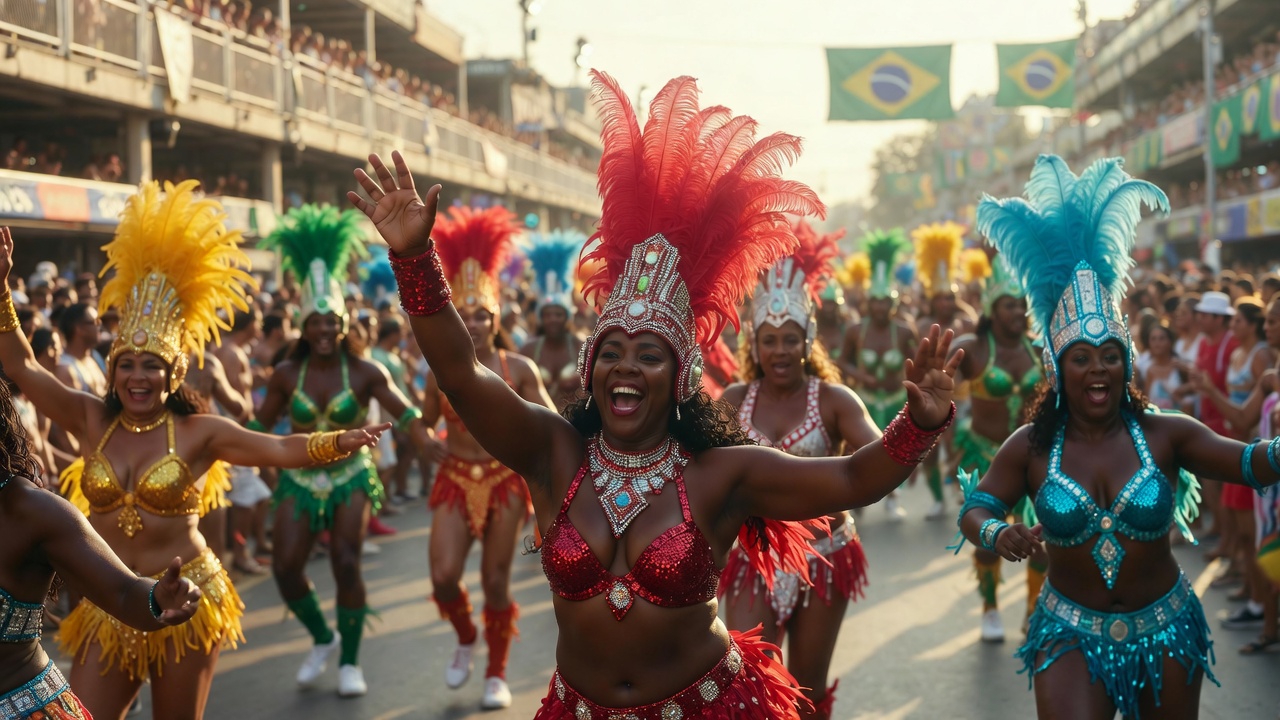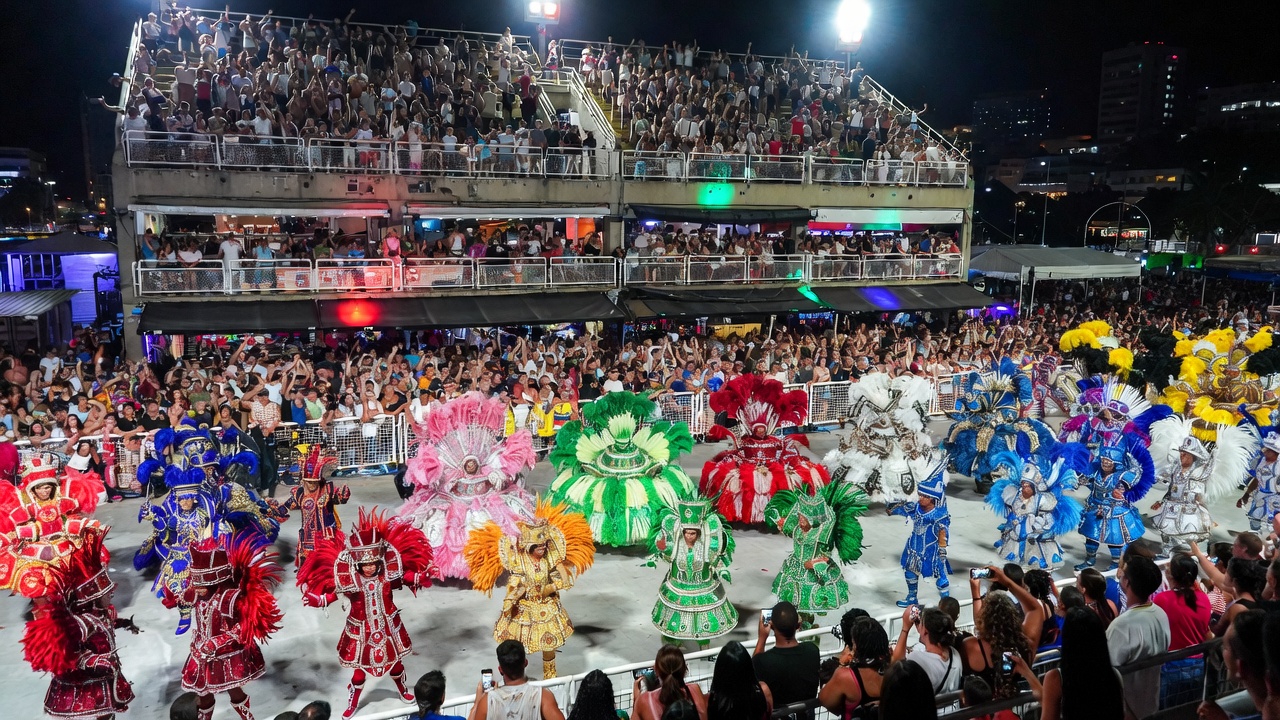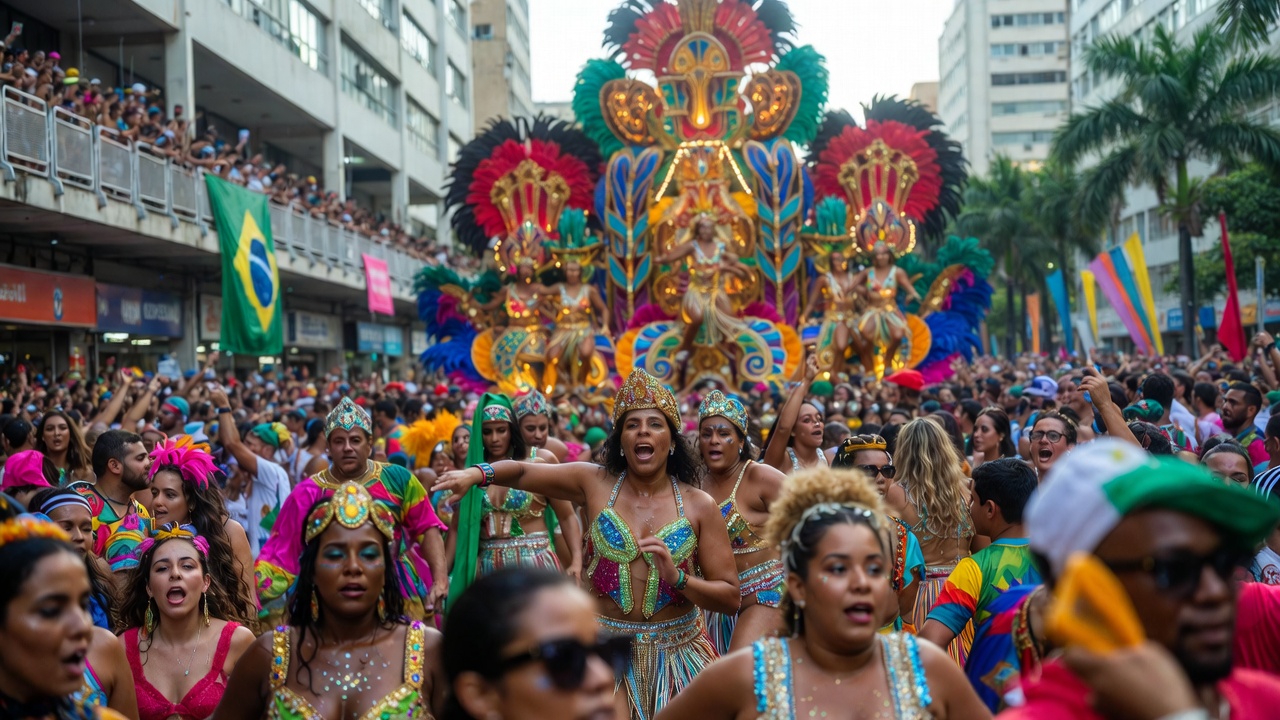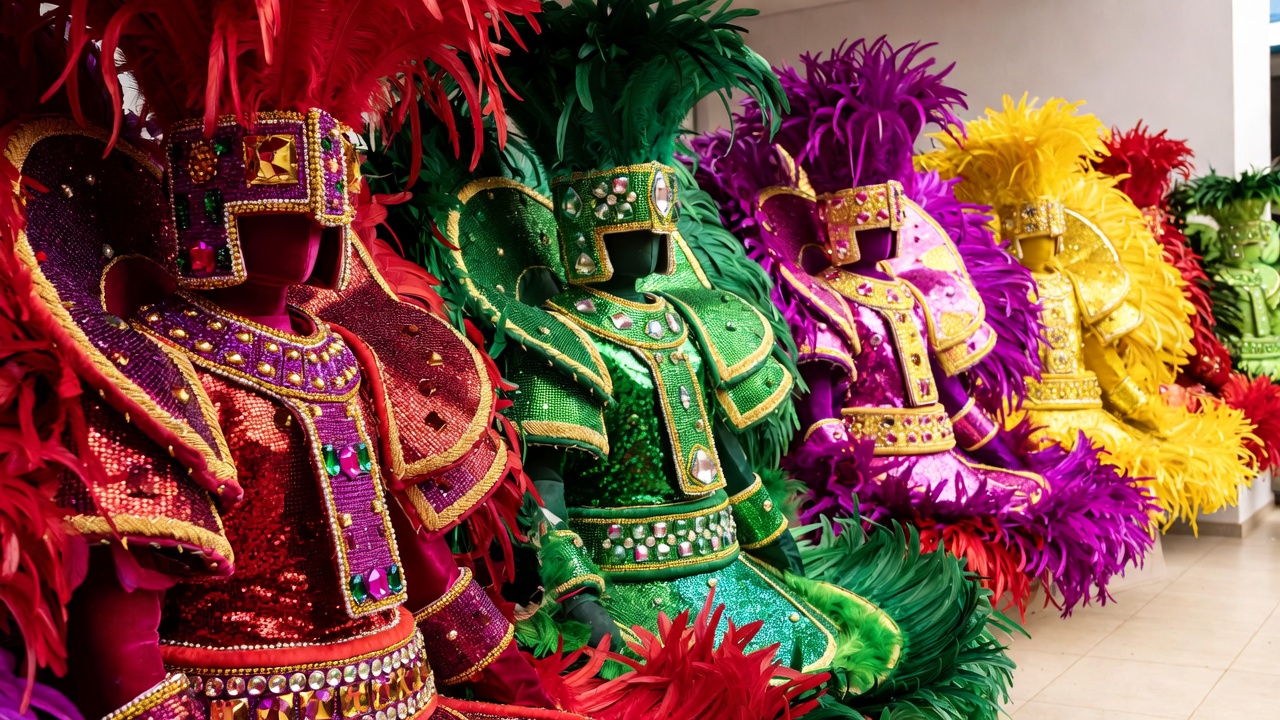
There’s a moment, just before dawn on Carnival Sunday, when the Sambadrome in Rio de Janeiro transforms into something almost otherworldly. The air buzzes with anticipation. Drums thunder in the distance. And then—a wave of color, feathers, and pure Brazilian alegria (joy) floods the avenue. The costumes of Rio Carnival are not merely clothing; they are wearable art, cultural storytelling, and the visual heartbeat of the greatest show on Earth.
Whether you’re planning to march with a samba school, dance through the blocos (street parties), or simply want to bring a touch of Carioca magic to your wardrobe, this comprehensive guide will walk you through everything you need to know about Rio Carnival costumes. From the history woven into every sequin to practical DIY tips and the best places to buy authentic pieces, consider this your passport to dressing like a true folião (reveler).
The Rich Cultural History Behind Rio Carnival Costumes
Before we dive into the sparkle and feathers, it’s essential to understand what makes these costumes so profoundly meaningful. Rio Carnival costumes are not a modern invention—they represent centuries of cultural fusion, resistance, and celebration.
The roots of Carnival costuming in Brazil trace back to the Portuguese entrudo, a festival brought by colonizers in the 18th century that involved water fights and playful mischief. In those early days, participants wore simple masks inspired by European masquerade balls. But Brazil, being the cultural melting pot it is, refused to keep things simple for long.
African influences, introduced by enslaved peoples, revolutionized Carnival aesthetics. Vivid colors, elaborate featherwork, and intricate beadwork became hallmarks of the celebration. Indigenous Brazilian elements added another layer—natural materials, earth tones, and motifs drawn from the Amazon rainforest found their way into costumes. By the late 19th century, Rio Carnival had developed a distinctly Afro-Brazilian flavor that persists to this day.
The true transformation came in the 1930s with the emergence of escolas de samba (samba schools). These community organizations, born in Rio’s favelas and working-class neighborhoods, elevated costume-making into a competitive art form. According to research documented by Away&Co, samba schools began using costumes to tell complex narratives—historical, mythological, and often political—transforming the parade into a moving tapestry of Brazilian identity.
Today, as noted by Sambadrome.com, Rio has over 200 samba schools divided into five leagues, each creating thousands of handmade costumes annually. The craftsmanship is staggering: some elaborate pieces take months to create and can cost upwards of $10,000 USD.
Understanding the Different Types of Rio Carnival Costumes
Not all Carnival costumes are created equal. In fact, what you wear depends entirely on how you plan to experience the festivities. Let’s break down the main categories:
Sambadrome Parade Costumes: The Height of Spectacle
The Sambadrome—officially named Passarela Professor Darcy Ribeiro—is where the magic reaches its peak. Designed by legendary architect Oscar Niemeyer and inaugurated in 1984, this purpose-built stadium hosts the competitive parades of Rio’s elite samba schools.
If you’re parading at the Sambadrome, your costume is your ticket. Each samba school is divided into alas (wings), and every wing wears costumes specific to their role in the school’s narrative. According to RioCarnaval.org, the school is entirely responsible for designing and manufacturing these pieces, which are tailored to reflect the annual theme.
The main types of Sambadrome costumes include:
| Costume Type | Description | Typical Price Range |
|---|---|---|
| Ground Wing (Ala de Chão) | Standard parade costume worn by most participants; unisex design | $200 – $500 USD |
| Deluxe Ground Wing | Shinier version with more feathers and embellishments | $400 – $800 USD |
| Float Costumes (Fantasia de Carro Alegórico) | Worn by those riding on the elaborate floats; highly ornate | $800 – $2,000+ USD |
| Destaques | For featured performers; the most elaborate and expensive | $2,000 – $10,000+ USD |
According to TGW Travel Group, ground costumes typically range from $500 to $1,200 USD when purchased through travel agencies, though prices vary based on the school’s prestige and the costume’s complexity.
Bloco Street Party Costumes: Freedom and Creativity
While the Sambadrome represents structured grandeur, the blocos represent Carnival’s democratic heart. These street parties—numbering over 500 officially registered in Rio—are where creativity runs wild and rules are meant to be broken.
As The Culture Trip notes, bloco outfits follow the golden rule: “less is more.” The Brazilian summer heat (temperatures often exceed 35°C/95°F) demands lightweight, breathable clothing. Men typically wear bermuda shorts and go topless; women often opt for short shorts and bikini tops.
But here’s what makes blocos special: many have specific costume themes. Research from Next Stop Brazil highlights some of Rio’s most creative themed blocos:
- Bloco das Carmelitas (Santa Teresa): Participants dress as nuns, honoring a local legend about a Carmelite nun who escaped her convent to join Carnival
- Cordão da Bola Preta (Centro): Everyone wears black and white polka dots—one of Rio’s oldest and most beloved blocos
- Bloco do Sargento Pimenta: Beatles-themed costumes accompany Beatles songs adapted to samba rhythms
- Amigos da Onça (Flamengo): Jaguar and feline-inspired costumes celebrate the Brazilian big cat
- Banda de Ipanema: Known for its LGBTQ+ friendly atmosphere, with many attendees wearing colorful or drag-inspired costumes
The beauty of bloco costumes lies in their accessibility. You don’t need thousands of dollars or months of preparation. A good costume can be as simple as a colorful bikini, some glitter, and a homemade headpiece.
Carnival Ball Costumes: Elegance Meets Extravagance
For those seeking a more refined Carnival experience, Rio’s famous balls offer a different dress code entirely. Events like the Magic Ball at the Copacabana Palace require a more sophisticated approach—think elegant evening wear with Carnival flair.
Masquerade elements are particularly popular at these events. A beautifully crafted mask, a tailored suit or stunning gown, and strategic embellishments create the perfect ball costume. Men might wear colorful linen suits or thematic costumes; women often opt for glamorous dresses adorned with feathers or sequins.
Traditional Samba Costume Elements and Their Meaning
Every element of a traditional samba costume carries significance. Understanding these components helps you appreciate the artistry—and create more authentic DIY versions.
The Headpiece: Crown of Carnival
The cabeça (headpiece) is arguably the most dramatic element of any samba costume. Ranging from simple feathered headbands to towering structures that can weigh several kilograms, the headpiece draws the eye and defines the silhouette.
Key headpiece styles include:
- Feathered Crowns: Using ostrich, peacock, or pheasant plumes arranged in graduated heights
- Sculptural Pieces: Wire frames covered with fabric, gems, and decorative elements
- Themed Designs: Animals, flowers, mythological creatures, or abstract shapes reflecting the school’s narrative
As documented by Barracudas Carnival Band, authentic Rio-style headpieces use metal wire frames professionally welded together, then covered with felt and decorated with beads, jewels, and sequins.
The Bikini: Foundation of the Look
The sequined bikini is perhaps the most iconic image associated with Rio Carnival. But these aren’t ordinary swimsuits—they’re architectural achievements in miniature.
Traditional construction involves:
- Metal underwire frames for the top, covered with wire and felt
- Lined felt bottoms with side fastenings for adjustability
- Layer upon layer of hand-sewn sequins, rhinestones, and acrylic jewels
- School colors prominently featured throughout
For ground wing costumes, the bikini component is typically included as part of the overall ensemble, with additional pieces like arm cuffs, leg pieces, and collar elements completing the look.
Backpack Structures: Wings of Fantasy
The costa (back piece or backpack) transforms the human form into something fantastical. These structures—often resembling wings, fans, or elaborate sculptural forms—can extend several feet in all directions.
Construction materials include:
- Aluminum rods for the frame (lightweight yet sturdy)
- Fiberglass rods for curved elements
- Lycra, sequined fabric, or organza for covering
- Ostrich and pheasant feathers for drama
- LED lights for nighttime visibility (increasingly popular)
These pieces require harness systems to distribute weight across the shoulders and hips, allowing performers to dance for hours without injury.
Accessories: The Finishing Touches
No samba costume is complete without accessories:
- Arm cuffs and bracelets: Matching the main costume’s materials and colors
- Leg pieces: Feathered anklets or cuffs
- Neck pieces: Elaborate collars or necklaces
- Shoes: Platform heels for experienced sambistas, or decorated sneakers for comfort
- Gloves: Often fingerless and heavily embellished
Creative DIY Rio Carnival Costume Ideas for Every Budget
You don’t need a samba school’s budget to look spectacular at Carnival. With creativity and some basic crafting skills, you can create stunning costumes at a fraction of the cost.
Budget-Friendly DIY Carnival Costume Ideas Under $50
1. The Glitter Goddess
- Base: Basic bikini in a vibrant color (or one you already own)
- Add: Body glitter, stick-on gems, temporary metallic tattoos
- Accessorize: Dollar store feather boa, DIY flower crown
- Cost estimate: $20-40
2. The Tropical Bird
- Base: Green, blue, or orange clothing
- Add: Craft feathers from craft stores attached to a headband
- Accessorize: Face paint in complementary colors, feathered arm cuffs made from elastic and feathers
- Cost estimate: $30-50
3. The Themed Bloco Regular
- Base: Clothing matching your chosen bloco’s theme (polka dots for Bola Preta, sunflowers for Bloco Que Pena Amor)
- Add: Themed accessories (nun habit from thrift store for Carmelitas, Beatles wigs for Sargento Pimenta)
- Cost estimate: $15-40
Mid-Range DIY Projects: $50-150
4. The Showgirl Headpiece
Creating your own headpiece is one of the most rewarding DIY projects. As documented on TikTok tutorials, here’s a basic approach:
Materials needed:
- Foam visor or crown base ($5-10)
- Craft wire for structure ($5)
- Hot glue gun and sticks ($10)
- Ostrich feathers in graduated sizes ($30-60)
- Rhinestones and sequin trim ($15-25)
- Fabric to cover base ($10)
Steps:
- Create your base using the foam visor or crown
- Build height by attaching wire extensions
- Cover the base with fabric
- Attach feathers starting from the back, layering forward
- Embellish with rhinestones and sequin trim
- Add a chin strap for security
Total cost: $75-120 Time required: 3-5 hours
5. The Complete Ground Costume Replica
For a more authentic look, consider creating a full ensemble:
- Bikini conversion: Purchase a plain bikini and cover with sequins sewn or glued on ($30 for bikini + $20 for sequins)
- Arm cuffs: Elastic bands covered in matching fabric and embellishments ($15)
- Headpiece: Follow the instructions above ($75-120)
- Accessories: Feathered leg pieces, matching earrings ($20)
Total cost: $140-200 Time required: 10-15 hours across multiple sessions
Advanced DIY: The Full Backpack Experience ($150+)
For the ambitious crafter, creating a backpack structure is the ultimate challenge. According to insights from Barracudas Carnival Band, here’s what you’ll need:
Materials:
- Aluminum rods (6-8mm diameter) for the frame
- Strong fabric straps for the harness
- Lightweight fabric for covering
- Large quantity of feathers (budget $50-100 just for feathers)
- Structural reinforcement materials
Key tips:
- Sketch your design first and calculate the weight distribution
- Keep it balanced so you can move comfortably
- Test the harness before adding decorations
- Consider LED strips for nighttime visibility
- Plan for storage and transport—these pieces are fragile
Essential Materials for Making Authentic Carnival Costumes
Whether you’re creating a simple headpiece or a full competition-worthy ensemble, quality materials make all the difference.
Feathers: The Heart of Carnival Glamour
| Feather Type | Characteristics | Best Uses | Price Range |
|---|---|---|---|
| Ostrich Plumes | Fluffy, dramatic, available in many colors | Headpieces, back pieces, fans | $3-15 per feather |
| Peacock Feathers | Iridescent eye pattern, elegant | Accents, headpieces | $2-8 per feather |
| Pheasant Feathers | Long, slender, natural patterns | Wings, tails, back pieces | $1-5 per feather |
| Rooster/Coque Feathers | Dense, colorful, good for coverage | Costumes, collars, arm pieces | $10-20 per bundle |
| Marabou Feathers | Soft, fluffy, downy texture | Trim, boas, accent pieces | $5-10 per yard |
Pro tip: Purchase feathers online from wholesale suppliers like Amazon, Etsy, or specialty craft stores. Buying in bulk significantly reduces costs compared to retail craft store prices.
Fabrics and Textiles
Best fabrics for Carnival costumes:
- Lycra/Spandex: Stretchy, form-fitting, ideal for bikini bases
- Sequin Fabric: Pre-attached sequins for quick coverage
- Organza: Sheer, lightweight, great for layered effects
- Lamé: Metallic finish, catches light beautifully
- Velvet: Luxurious texture for more structured pieces
Embellishments
- Rhinestones: Available in flat-back (for gluing) or sew-on varieties
- Sequins: Flat, cupped, or shaped versions in countless colors
- Acrylic Gems: Larger statement pieces for focal points
- Sequin Trim: Pre-assembled strips for quick application
- Crystal Chains: For draping and movement
Tools You’ll Need
Essential tools for costume-making include:
- Heavy-duty hot glue gun (low-temp for delicate materials, high-temp for structure)
- Sewing machine (optional but helpful)
- Wire cutters and pliers
- Fabric scissors
- Measuring tape
- Needle and thread in various colors
Where to Buy Authentic Rio Carnival Costumes
Ready to skip the DIY and purchase a professional costume? Here are your best options, from Rio de Janeiro itself to international online retailers.
Buying Official Samba School Costumes to Parade in Rio
If you’re planning to actually parade at the Sambadrome, purchasing an official costume is your only option—and it’s an experience worth the investment.
How it works:
- Contact authorized sellers: Rio.com recommends contacting costume specialists directly via WhatsApp
- Choose your school and date: Schools parade on specific nights, and costume availability varies
- Provide your measurements: Costumes are made to order
- Costumes become available: Typically from November until a few weeks before Carnival
- Delivery: Costumes can be delivered to your hotel in Rio or shipped internationally
Authorized costume providers include:
| Provider | Contact Method | Notes |
|---|---|---|
| Sambadrome.com | Website booking | Comprehensive options, reliable |
| RioCarnaval.org | Website booking | Multiple school options |
| Rio Carnival Tickets | Website/Email | Delivery to Rio hotels included |
| TGW Travel Group | Website | Bundled with travel packages |
| Specialist Contacts | Jorge (+55 21 97005-5353), Tainá (+12243915852) |
Important considerations:
- Your costume IS your parade entry ticket—you don’t need separate admission
- Costumes are made to order, so book early
- You’ll need to arrive at the Sambadrome 2 hours before your school’s parade time
- After the parade, the costume is yours to keep
- Watching the parade requires separate tickets, even if you paraded
Shopping for Costumes in Rio de Janeiro
If you prefer to shop in person, Rio offers several excellent options:
SAARA Market: The Budget-Friendly Paradise
The legendary SAARA market in downtown Rio is where Cariocas themselves shop for Carnival gear. With over 600 stores spread across pedestrian streets like Rua da Alfândega, Rua Buenos Aires, and Rua Senhor dos Passos, you’ll find everything from feathers and sequins to complete ready-made costumes.
What to expect at SAARA:
- Prices: Significantly cheaper than tourist areas
- Selection: Overwhelming variety of accessories, fabrics, trims, and costumes
- Atmosphere: Crowded, loud, exciting—especially in the weeks before Carnival
- Bargaining: Expected and encouraged
- Hours: Monday-Friday 9am-6pm, Saturday 9am-2pm
- Getting there: Metro station Uruguaiana
Tips for shopping at SAARA:
- Go early on weekdays to avoid the largest crowds
- Wear comfortable shoes—you’ll be walking for hours
- Keep valuables secure in a crossbody bag
- Bring cash for easier bargaining
- Compare prices at multiple stalls before buying
- Look for stores on Rua Senhor dos Passos and Rua da Alfândega for the best costume selections
As The Rio Times reports, SAARA becomes particularly bustling during Carnival season, with locals hunting for “sparkly costumes, headdresses and quirky accessories.”
Other Shopping Locations in Rio
- Copacabana Beach vendors: Street sellers offer accessories and simple costumes, convenient but pricier
- Ipanema and Leblon shops: Higher-end costume accessories, better quality
- Shopping Nova América: Mall with costume stores and fashion boutiques
- Feira Hippie de Ipanema (Sundays): Artisan market with unique handmade pieces
Online Retailers for International Shoppers
Can’t make it to Rio before Carnival? These online stores ship worldwide:
Professional Samba Costumes:
| Store | Specialization | Ships To | Price Range |
|---|---|---|---|
| Charismatico | Full samba costumes, custom orders | Worldwide | $150-$1,000+ |
| Etsy (search “Rio Carnival DIY”) | Materials, accessories, some complete costumes | Varies by seller | $10-$500+ |
| Amazon | Feathers, sequins, basic costume pieces | Worldwide | $5-$200 |
DIY Materials:
- FeatherPlace.com: Wide variety of feathers, wholesale pricing
- MJTrim.com: Professional-grade trims and embellishments
- B&J Fabrics: Specialty costume fabrics
- Rhinestones Unlimited: Crystals and gems
What to Wear to Different Carnival Events: A Complete Style Guide
Knowing what to wear where is crucial for enjoying Carnival comfortably and appropriately.
Sambadrome Spectator Dress Code
If you’re watching the parade from the stands rather than participating, your costume needs are simpler:
Recommended:
- Colorful, light, casual clothing
- Comfortable shoes (you’ll be sitting for hours, but also standing and dancing)
- Something sparkly or festive
- Rain protection (sudden showers are common)
Avoid:
- Heavy costumes that restrict movement
- Valuable jewelry (crowds can be tight)
- All black or dull colors (embrace the festivity!)
Street Bloco Survival Guide
The blocos demand practical thinking above all else. As The Culture Trip emphasizes: wear trainers, leave the heels at home.
The ideal bloco outfit:
- Footwear: Sneakers or closed-toe sandals (streets have broken glass)
- Bottoms: Shorts for men, shorts or skirts for women
- Tops: Tank tops, bikini tops, or going shirtless (for men)
- Accessories: Hats for sun protection, sunglasses, minimal jewelry
- Bag: Small crossbody or fanny pack for essentials only
- Costume elements: Glitter, face paint, simple headbands, themed accessories
What to bring to a bloco:
- Sunscreen (essential!)
- Cash in small bills
- Phone in a waterproof case
- Small water bottle
- ID (photocopy, not original)
Family-Friendly Carnival Attire
Attending Carnival with children? Several blocos cater specifically to families:
- Bloco da Pracinha (Leblon): Relaxed, child-friendly atmosphere
- Gigantes da Lira (Laranjeiras): Circus performers, playful costumes
For kids, think comfortable, bright, and washable. DIY headbands with feathers, face paint, and colorful t-shirts work perfectly. Many parents create matching family costumes for the occasion.
Cultural Sensitivity and Respecting Carnival Traditions
As a traveler or Carnival participant, understanding and respecting the cultural significance of what you’re wearing matters enormously.
Appreciating Without Appropriating
Carnival costumes represent centuries of Afro-Brazilian culture, Indigenous traditions, and immigrant influences. When choosing your costume:
Do:
- Learn about the history and meaning of traditional elements
- Support local artisans and authentic costume makers
- Participate respectfully in the festivities
- Ask questions and show genuine interest in the culture
Don’t:
- Wear costumes that mock or stereotype any culture
- Use sacred or religious imagery inappropriately
- Assume that anything goes because “it’s Carnival”
- Remove or alter traditional elements without understanding their significance
Understanding the Passista and Mestre-Sala/Porta-Bandeira Roles
Some costume styles are earned, not purchased. The passistas (featured samba dancers) and mestre-sala/porta-bandeira (flag bearer pair) wear specific costumes that represent the highest honor in samba schools. These are not appropriate for tourists to copy without context.
If you’re offered the chance to parade in a highlight costume, understand the responsibility it carries. You represent the school’s image and can affect their competition scores.
Preparing Your Costume for Travel to Rio
Bringing a costume to Rio? Here’s how to get it there safely:
Packing Tips for Delicate Costumes
- Invest in proper storage: Large garment bags or costume bags
- Protect feathers: Wrap in tissue paper, pack separately from main pieces
- Carry delicate items on the plane: Don’t check fragile headpieces
- Bring repair supplies: Extra glue, needle and thread, spare sequins
- Consider shipping ahead: For very large pieces, ship to your hotel
Last-Minute Repairs in Rio
Even with careful packing, things break. In Rio:
- SAARA market has everything you need for repairs
- Your hotel concierge may know local seamstresses
- Samba school contacts can assist if you’re parading
Caring for Your Carnival Costume After the Celebration
Whether you create or buy your costume, proper care extends its life:
Cleaning and Storage
- Don’t wash immediately: Let everything dry completely first
- Remove loose glitter and debris gently
- Spot clean rather than full washing when possible
- Store flat or hanging in breathable garment bags
- Keep away from direct sunlight to prevent fading
- Add silica gel packets to prevent moisture damage
Repurposing Costume Elements
Don’t let your Carnival investment gather dust:
- Feathers: Use in home décor or other craft projects
- Headpieces: Wear to themed parties, Halloween, or Pride events
- Fabric and trim: Repurpose into new creations
- Photos: Your best souvenir—document everything!
Budget Planning: How Much Does a Rio Carnival Costume Really Cost?
Let’s break down realistic budgets for different approaches:
Budget Tier 1: The Frugal Folião ($20-50)
What you get:
- Basic themed costume for blocos
- Glitter, face paint, simple accessories
- Items purchased at SAARA or brought from home
Best for: Street party participation, first-time Carnival-goers
Budget Tier 2: The Creative DIYer ($100-300)
What you get:
- Handmade headpiece
- Embellished bikini or costume base
- Quality accessories
- Time investment: 15-30 hours
Best for: Crafters, those wanting unique pieces, repeat visitors
Budget Tier 3: The Authentic Experience ($400-800)
What you get:
- Official samba school ground costume
- Parade participation
- Professional-quality handmade pieces
- Lifetime memory
Best for: Those wanting to parade, bucket-list experiences
Budget Tier 4: The Full Spectacle ($1,000+)
What you get:
- Deluxe or float costume
- Prominent parade position
- Elaborate, competition-quality pieces
- VIP treatment from samba schools
Best for: Serious Carnival enthusiasts, special celebrations
Trending Carnival Costume Ideas for 2026
Each year brings new trends while honoring traditions. Based on recent seasons and emerging patterns:
Sustainability in Carnival Fashion
Increasingly, samba schools and individual foliões are embracing sustainable materials. Look for:
- Recycled fabric costumes
- Repurposed materials in DIY creations
- Locally-sourced feathers and natural materials
- Vintage elements incorporated into new designs
Technology Meets Tradition
LED elements continue to grow in popularity:
- Light-up headpieces for nighttime blocos
- Fiber optic feathers in headpieces
- Interactive elements that respond to music
Inclusive Design
Modern Carnival costume makers are expanding offerings for:
- Plus-size designs with proper construction
- Adaptive costumes for people with disabilities
- Gender-neutral options beyond traditional male/female designs
- Family matching sets for group celebrations
Your Rio Carnival Costume Checklist
Before you go, ensure you have:
For Parade Participants
- [ ] Official costume purchased and confirmed
- [ ] Measurements provided to costume makers
- [ ] Comfortable shoes for parade (some costumes include footwear)
- [ ] Small bag for essentials (to leave with friends during parade)
- [ ] Costume-safe undergarments
- [ ] Light robe or coverup for travel to Sambadrome
For Bloco Attendees
- [ ] Themed costume or colorful clothing
- [ ] Comfortable closed-toe shoes
- [ ] Sunscreen (waterproof)
- [ ] Hat or headpiece for sun protection
- [ ] Small secure bag
- [ ] Rain poncho (just in case)
- [ ] Cash in small bills
- [ ] Face paint and/or glitter
- [ ] Portable phone charger
For DIY Costume Makers
- [ ] All materials purchased and tested
- [ ] Costume fully assembled and tried on
- [ ] Repair kit (glue, thread, spare embellishments)
- [ ] Practice wearing for extended periods
- [ ] Travel plan for delicate pieces
Final Thoughts: The Spirit Behind the Sparkle
In the end, the most important thing about a Rio Carnival costume isn’t how much it cost or how many feathers it contains. It’s the spirit with which you wear it.
Carnival in Rio is about alegria—pure, unbridled joy. It’s about communities coming together, about celebrating life despite hardships, about expressing identity through artistry. When you put on that costume—whether it’s a $5,000 destaque ensemble or a $20 bloco outfit you assembled from thrift store finds—you’re participating in something profound.
The samba schools that spend all year creating their costumes aren’t just making clothes. They’re telling stories. They’re honoring ancestors. They’re making political statements. They’re keeping traditions alive while pushing creative boundaries. When you join them on the Sambadrome runway or dance alongside thousands in a bloco, you become part of that living tradition.
So go ahead—embrace the glitter, the feathers, the sequins. Let the costume transform you. Because at Carnival, everyone becomes a little more than they usually are. That’s the magic.
Boa diversão e bom Carnaval! (Have fun and happy Carnival!)
Frequently Asked Questions About Rio Carnival Costumes
Q: Do I need to know how to samba to parade in a costume?
A: No! Ground wing participants don’t need formal samba training. You’ll learn basic steps during the gathering before the parade. The energy of 90,000 spectators will carry you through.
Q: Can I buy a costume and just watch the parade?
A: The costume serves as your parade entry only. To watch from the stands, you need separate tickets. Many visitors parade one night and watch another.
Q: What happens to my costume after the parade?
A: It’s yours to keep! You can ship it home, wear it to after-parties, or bring it as an incredible souvenir.
Q: Is glitter safe for skin?
A: Choose cosmetic-grade glitter for application on skin. Craft glitter can cause irritation. Biodegradable glitter is increasingly popular and environmentally responsible.
Q: Can men wear elaborate samba costumes?
A: Absolutely! Many male positions in samba schools wear spectacular costumes. For blocos, men frequently don creative, themed outfits.
Q: How early should I book a parade costume?
A: As soon as they become available—typically November for the following year’s Carnival. Popular schools and dates sell out quickly.
The Art and Craft of Samba School Costume Production
Behind every stunning costume that graces the Sambadrome lies a remarkable story of community effort, artistic vision, and painstaking craftsmanship that unfolds over nearly a year.
Inside Samba City: Where Dreams Become Reality
Cidade do Samba (Samba City), located in Rio’s port zone, is the industrial heart of Carnival costume production. This purpose-built complex houses the workshops of Rio’s top samba schools, where thousands of artisans work year-round to bring each school’s annual vision to life.
Walking through these warehouses during production season reveals an extraordinary operation. Seamstresses hunch over sewing machines, attaching thousands of sequins by hand. Metalworkers weld the skeletal frames of enormous back pieces. Feather specialists sort and arrange plumes by size, color, and quality. The air smells of glue, fabric, and the particular metallic scent of fresh sequins.
The production timeline typically follows this pattern:
| Month | Activity |
|---|---|
| March-April | Theme selection and concept development |
| May-July | Design creation, material sourcing |
| August-October | Prototype construction, wing assignments |
| November-December | Mass production begins, costumes available for purchase |
| January-February | Final adjustments, fitting sessions, parade preparation |
According to industry estimates, a single elite samba school may produce between 3,000 and 5,000 individual costumes for their parade, representing millions of dollars in materials and labor.
The Carnavalesco: Visionary Artists of Carnival
Every samba school employs a carnavalesco—the artistic director responsible for conceptualizing the entire parade. This visionary creates the theme (enredo), designs the floats (carros alegóricos), and oversees costume design for every wing of the school.
Famous carnavalescos like Paulo Barros, Rosa Magalhães, and Leandro Vieira have achieved celebrity status in Brazil. Their creative visions determine everything from color palettes to the narrative arc told through costumes. A carnavalesco might draw inspiration from Brazilian history, mythology, social issues, or even abstract concepts—and translate these ideas into wearable art.
The relationship between concept and costume is crucial. When Beija-Flor won the 2025 Rio Carnival championship with a parade honoring their late carnival director Laila, every costume element reinforced the emotional narrative. This integration of storytelling and design is what elevates Rio Carnival above other celebrations worldwide.
The Economics of Carnival Costume Production
The costume industry represents a significant economic engine for Rio de Janeiro. Consider these figures:
- Direct employment: Thousands of artisans, seamstresses, designers, and support workers
- Indirect employment: Fabric suppliers, feather importers, metalworkers, logistics companies
- Seasonal surge: Employment spikes dramatically from October through February
- Community impact: Many samba schools are based in favelas, providing crucial local employment
For participants purchasing costumes, the investment supports this entire ecosystem. Your $500 ground costume helps fund community programs, maintains the school’s physical infrastructure, and keeps traditional craftsmanship alive.
Regional Variations: Carnival Costumes Across Brazil
While Rio de Janeiro’s Carnival captures international attention, other Brazilian cities offer distinct costume traditions worth exploring.
Salvador, Bahia: African Heritage Meets Carnival
Salvador’s Carnival has a completely different character from Rio’s, and the costumes reflect this difference. Rather than competitive samba school parades, Salvador features trios elétricos—massive sound trucks that crawl through the streets surrounded by dancers.
Key Salvador costume elements include:
- Abadás: The uniform t-shirts required to participate in blocos (called blocos de trio)
- Afro-Brazilian influences: Bold prints, African-inspired patterns, natural materials
- Baiana dress: The traditional white dress with elaborate lace, turbans, and religious significance
- Orixá-inspired designs: Costumes honoring Candomblé deities with specific colors and symbols
The aesthetic in Salvador tends toward flowing fabrics and bold patterns rather than the sequined bikinis of Rio. The African heritage of Bahia shines through every costume choice.
Recife and Olinda, Pernambuco: Frevo and Giant Puppets
The twin cities of Recife and Olinda host Brazil’s most whimsical Carnival, famous for:
- Frevo dancers: Wearing colorful clothing and wielding small umbrellas in acrobatic dances
- Bonecos gigantes: Giant puppets (up to 3.5 meters tall) carried through the streets of Olinda
- Maracatu costumes: Elaborate royal court attire honoring African kings and queens
The Homem da Meia Noite (Midnight Man) bloco opens Olinda’s Carnival at midnight, with attendees wearing top hats and black clothing to match the giant puppet that leads them.
São Paulo: Urban Sophistication
São Paulo’s Carnival has grown enormously in recent decades, with its own Sambadrome hosting competitive parades. Costume styles mirror Rio’s but with distinct touches:
- Contemporary design influences: More experimental, avant-garde interpretations
- Corporate sponsorship: Higher budgets sometimes mean more elaborate costumes
- Urban bloco culture: Street parties with creative, pop-culture-inspired costumes
Making the Most of Your Carnival Costume Experience
Beyond creating or purchasing your costume, maximizing the experience requires strategic planning and cultural awareness.
Pre-Carnival Preparations: Rehearsals and Practice
Many samba schools hold public rehearsals (ensaios) in the months leading up to Carnival. Attending these offers multiple benefits:
- Learn the samba-enredo: Every school’s theme has a specific song you should know
- Practice movement: Get comfortable dancing in costume-like conditions
- Meet community members: Build connections with locals
- Experience authentic samba: The rehearsals have their own electric atmosphere
Even if you’re not parading, rehearsals provide a taste of Carnival culture at a fraction of the cost and crowd size.
Physical Preparation for Costume Wearing
Wearing a full samba costume is physically demanding. The Carioca practice of “Projeto Verão” (Project Summer) represents locals’ approach to preparation—months of diet and exercise before Carnival.
For parade participants, consider:
- Cardiovascular fitness: You’ll be moving continuously for 75-90 minutes
- Core strength: Important for maintaining posture with heavy headpieces or back pieces
- Heat tolerance: Practice wearing costume elements in warm conditions
- Footwear break-in: Never wear new shoes for the parade
Photography and Documentation
Your Carnival costume deserves proper documentation. Tips for capturing the experience:
- Pre-parade photos: Take professional photos before the costume gets worn
- Action shots: Designate a friend or hire a photographer for parade moments
- Detail shots: Close-ups of craftsmanship preserve the artistry
- Video: The movement and sound of Carnival demand video documentation
- Social media: Use relevant hashtags (#RioCarnival, #Carnaval2026) for community connection
The Future of Carnival Costumes: Innovation and Tradition
As Carnival evolves, costume design continues to push boundaries while honoring centuries of tradition.
Technological Integration
Modern samba schools increasingly incorporate technology:
- 3D printing: Creating costume components impossible to make by hand
- LED integration: Programmable lights synchronized to music
- Projection mapping: Some floats now feature projected imagery that interacts with costumes
- Sustainable materials: Biodegradable glitter, recycled fabrics, solar-powered lights
Environmental Consciousness
The environmental impact of Carnival has come under scrutiny, leading to important changes:
- Feather sourcing: Ethical practices and sustainable feather farms
- Material recycling: Schools repurposing elements from previous years
- Biodegradable alternatives: Natural materials replacing plastics
- Costume rental programs: Reducing single-use culture
Inclusivity Advances
Contemporary Carnival increasingly celebrates diversity:
- Body-positive designs: Costumes celebrating all body types
- Accessible costumes: Modifications for wheelchair users and those with mobility challenges
- Gender-fluid options: Moving beyond rigid male/female costume categories
- Intergenerational participation: Designs appropriate for all ages
Expert Tips from Carnival Veterans
Drawing from decades of combined experience, here are insider recommendations:
For First-Time Parade Participants
“Your first parade, you won’t remember anything except the overwhelming emotion. Don’t try to capture it all—just feel it. The muscle memory of the experience stays forever.” — Maria, 15-year Mangueira member
For DIY Costume Makers
“Start simple and build up. Many first-time makers try to create the most elaborate headpiece possible and end up frustrated. Master the basics, then get ambitious.” — Carlos, costume designer
For Bloco Enthusiasts
“The costume matters less than the energy you bring. I’ve seen people in simple t-shirts have more fun than people in expensive outfits. It’s about letting go.” — Ana, bloco organizer
For International Visitors
“Brazilians appreciate when visitors make genuine efforts to participate respectfully. Learn a few Portuguese phrases, try the samba steps, and embrace the chaos. We love sharing our culture.” — Jorge, Rio tourism professional
Additional Resources and Planning Tools
Recommended Apps for Carnival Planning
- Rio Street Carnival (Blocos schedule and locations)
- Google Maps offline (Download Rio maps before traveling)
- XE Currency (Real-time currency conversion)
- Google Translate (Portuguese language assistance)
Essential Portuguese Phrases for Costume Shopping
| English | Portuguese | Pronunciation |
|---|---|---|
| How much does it cost? | Quanto custa? | KWAN-toh KOOS-tah |
| Do you have it in [color]? | Tem em [cor]? | Taym EM [color] |
| Can you give me a discount? | Pode fazer um desconto? | POH-jay fah-ZAIR oom des-KOHN-toh |
| I’m looking for a costume | Estou procurando uma fantasia | es-TOH pro-ku-RAN-do OO-mah fan-ta-ZEE-ah |
| Where is the samba school? | Onde é a escola de samba? | OHN-jay eh ah es-KOH-lah jay SAM-bah |
Important Contacts and Websites
- Official Rio Carnival: riocarnaval.org
- Rio Tourism Board: visit.rio
- Sambadrome Tickets: sambadrome.com
- Bloco Schedule: Check Time Out Rio closer to Carnival dates
This guide is updated annually to reflect the latest trends, prices, and recommendations. For the most current Carnival dates and information, visit official Rio Carnival resources.
All prices are estimates and subject to change. Currency conversions based on January 2026 exchange rates.