Discover the heart of Africa in February—where solemn remembrance meets breathtaking adventure, and a nation’s unwavering spirit inspires travelers from around the globe.
Introduction: Why February is the Perfect Time to Visit Rwanda
February holds a special place in the Rwandan calendar. It marks the transition from the short dry season into the longer rains, offering travelers warm temperatures, lush green landscapes, and fewer crowds than peak season months. But beyond the favorable weather conditions, February presents a unique cultural opportunity: the chance to witness National Heroes’ Day on February 1st—one of Rwanda’s most significant national observances.
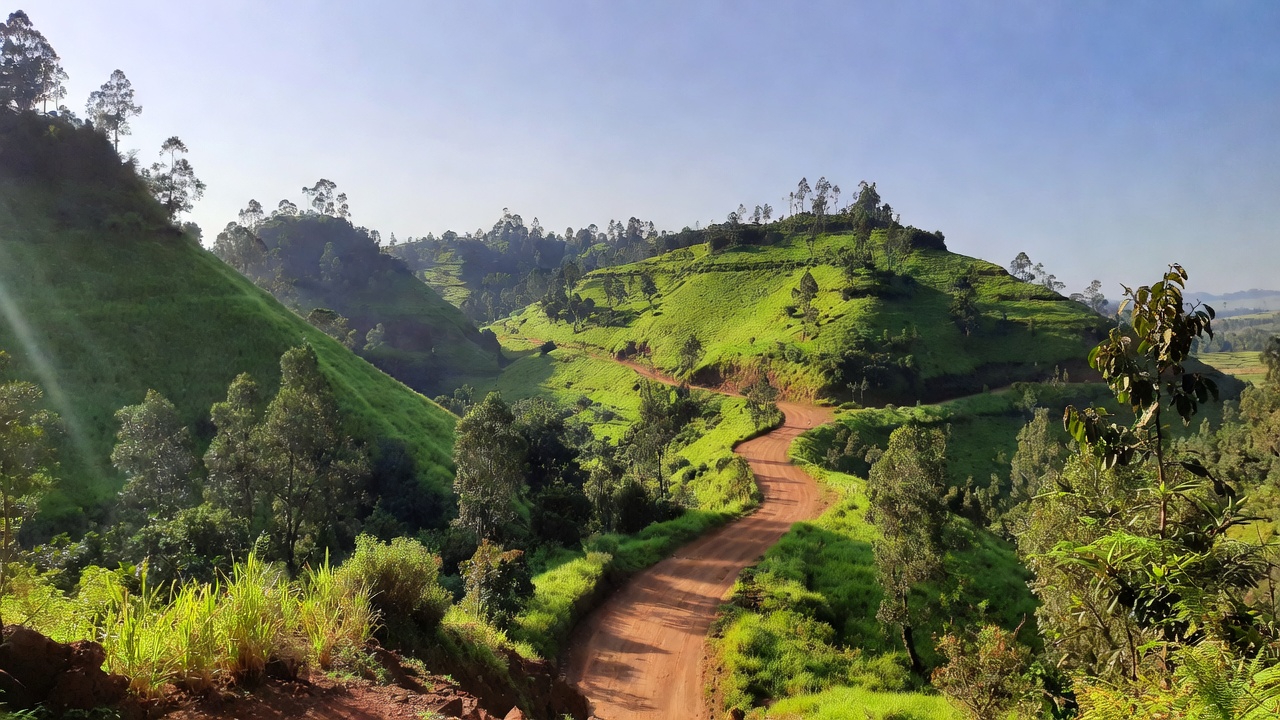
This comprehensive guide will take you through everything you need to know about visiting Rwanda in February, from understanding the profound significance of National Heroes’ Day to planning unforgettable experiences with mountain gorillas, chimpanzees, and the stunning landscapes that have earned this nation its nickname: “The Land of a Thousand Hills.”
Whether you’re a cultural enthusiast seeking authentic experiences, an adventure traveler dreaming of gorilla trekking, or someone who wants to understand how a nation rebuilds itself with dignity and resilience, this guide will help you plan a meaningful and memorable February journey to Rwanda.
Understanding Rwanda National Heroes Day February 1st Celebrations
National Heroes’ Day (Uyu Munsi w’Intwari in Kinyarwanda) is observed annually on February 1st throughout Rwanda. This public holiday stands as one of the most significant national observances, honoring remarkable individuals who demonstrated unwavering courage, selflessness, and commitment to the common good.
The Deep Meaning Behind National Heroes Day in Rwanda
National Heroes’ Day holds a profound place in the hearts of the nation, carrying deep cultural and historical meaning for every citizen. The celebration serves multiple purposes:
- Remembrance of those who sacrificed their lives for Rwanda’s liberation
- Inspiration for future generations to embody heroic values
- National unity through shared recognition of common heritage
- Education about Rwanda’s history and cultural values
The Three Categories of Rwandan Heroes You Should Know
Rwanda’s heroes are classified into three distinct categories, each representing different levels of sacrifice and achievement:
| Category | Meaning | Characteristics | Notable Examples |
|---|---|---|---|
| Imanzi | Supreme Heroes | Ultimate sacrifice, outstanding importance | Major General Fred Rwigema, Unknown Soldier |
| Imena | Great Heroes | Exemplary deeds of selflessness and dedication | King Mutara III Rudahigwa, Agathe Uwilingiyimana |
| Ingenzi | Distinguished Heroes | Remarkable ideas and achievements | Currently no inductees (recognition ongoing) |
The Imanzi represent the highest category of heroes who demonstrated supreme sacrifice. Major General Fred Gisa Rwigema exemplifies this category, with his leadership and sacrifice being central to Rwanda’s liberation struggle.
How Rwanda Celebrates National Heroes Day
The celebrations begin early in the morning and continue throughout the day with various activities:
Official Ceremonies:
- President Paul Kagame and First Lady Jeannette Kagame lay wreaths at the National Heroes Mausoleum in Remera Sector, Gasabo District of Kigali.
- Senior government officials, diplomatic corps, and families of fallen heroes participate
- A moment of silence is observed in remembrance
Community Celebrations:
- Celebrations are taken to the grassroots across the country, where Rwandans gather at the village level to pay tribute to the heroes who shaped the future of Rwanda.
- Traditional dances, songs, and poems honoring fallen heroes
- Sports activities including soccer, basketball, sitting volleyball, and cycling
- Educational discussions about heroic values
Heroes’ Week Activities: Several activities are held during the Heroes’ Week, including discussions about heroic values, concerts and sports games such as soccer, basketball, sitting volleyball and cycling.
Best Time to Visit Rwanda Weather Guide for February Travel
Understanding Rwanda’s climate is essential for planning a successful trip. Despite its location just two degrees south of the equator, Rwanda’s high altitude provides a remarkably pleasant tropical highland climate.
Rwanda February Weather What to Expect
January and February tend to be the warmest and driest months of the year, although there is always a chance of rain. Here’s what you can expect:
Temperature Ranges:
| Location | Daytime High | Nighttime Low | Rainfall |
|---|---|---|---|
| Kigali | 28°C (82°F) | 16°C (61°F) | Moderate |
| Volcanoes National Park (Kinigi) | 23°C (73°F) | 13°C (55°F) | Heavy |
| Gisenyi (Lake Kivu) | 23°C (73°F) | 17°C (63°F) | Heavy |
| Rwamagana | 28°C (82°F) | 18°C (64°F) | Moderate (74mm) |
Why February Falls in Rwanda’s Short Dry Season
Rwanda uniquely has two dry seasons and two rainy seasons. February falls at the end of the short dry season, which runs from December through February. This timing offers several advantages:
Benefits of February Travel:
- ✓ Drier conditions for hiking and trekking
- ✓ Better wildlife visibility
- ✓ Fewer tourists than peak season (June-September)
- ✓ Discounted gorilla permits often available
- ✓ Pleasant temperatures for outdoor activities
Considerations:
- ✗ Higher elevation areas (Volcanoes NP) may still experience rain
- ✗ Late February sees increasing rainfall
- ✗ Trails can be muddy in mountainous regions
The weather at this time is relatively similar to January, concluding the short dry season. The start of the month will be drier than the end, making February the start of a great time to track chimpanzees, and gorillas in the same safari.
What to Pack for Rwanda February Trip
Based on February conditions, here’s your essential packing list:
Clothing:
- Light, breathable layers for daytime
- Warm jacket or sweater for evenings and high altitudes
- Waterproof rain jacket
- Long pants and long-sleeved shirts (protection from vegetation during treks)
- Sturdy hiking boots with good grip
- Comfortable walking shoes for city exploration
Gear:
- Quality sunscreen and sunglasses
- Insect repellent
- Reusable water bottle
- Daypack for excursions
- Camera with good zoom lens
- Binoculars for wildlife viewing
Rwanda Gorilla Trekking in February Complete Guide
For many travelers, gorilla trekking is the primary reason to visit Rwanda. February offers excellent conditions for this once-in-a-lifetime experience, and understanding the process will help you maximize this extraordinary encounter.
Gorilla Trekking Permit Cost Rwanda 2025
As of 2024, the cost of a single gorilla permit in Rwanda is US$1,500 for visitors from outside Africa. Here’s the complete breakdown:
| Visitor Category | Permit Cost |
|---|---|
| Foreign Tourists (Non-African) | $1,500 USD |
| African Country Citizens/Residents | $500 USD |
| East African Community Citizens | $200 USD |
| Rwandan Citizens | $200 USD |
Important February Discount: A discount of 30% is offered on gorilla permits during the low season, from November to May. This reduces the cost for non-African residents to US$1,050 during these months.
Conditions for the discount:
- Prebook at least two nights in either Akagera National Park or Nyungwe National Park
- Or one night in each park
What the Rwanda Gorilla Permit Includes
The gorilla permit only covers entrance to the relevant national park, the guided trek, and a maximum of one hour with the gorillas. It does not include porter fees, tips to trackers and guides, or any costs relating to accommodations, transport, meals or other activities.
Additional Costs to Budget:
- Porter fees: $15-20 USD (highly recommended)
- Tips for guides and trackers: $10-20 USD each
- Transportation to/from Volcanoes National Park
- Accommodation near the park
- Meals and beverages
How to Book Rwanda Gorilla Permits
A total of 96 gorilla permits for Volcanoes National Park are usually available on any given day. This breaks down into eight permits daily for each of the 12 habituated gorilla groups that can be visited.
Booking Options:
- Through a Tour Operator (Recommended)
- Operators handle all logistics
- Package deals include accommodation and transport
- Expert guidance throughout
- Directly Through Rwanda Development Board (RDB)
- Visit the official RDB website
- Requires more planning and coordination
- Best for experienced independent travelers
Booking Timeline:
- Peak season (June-September): Book 3-6 months in advance
- February (shoulder season): Book 1-3 months in advance
- Permits often sell out, so early booking is essential
Gorilla Families in Volcanoes National Park
Rwanda has 12 habituated gorilla families available for tourism, each with unique characteristics:
| Group Name | Group Size | Silverbacks | Characteristics |
|---|---|---|---|
| Susa | 38+ | Multiple | Largest family, highest altitude, most challenging trek |
| Sabyinyo | ~15 | 1 | Accessible, often easiest trek |
| Amahoro | ~18 | 1 | “Peaceful” group, mid-range difficulty |
| Agashya | ~25 | 1 | Active group, moderate trek |
| Kwitonda | ~20 | 1 | Named after former silverback |
| Hirwa | ~16 | 1 | “Lucky” group, friendly demeanor |
| Umubano | ~12 | 1 | Split from Amahoro group |
| Bwenge | ~11 | 1 | Research-focused group |
| Ugenda | ~11 | 1 | Mobile group, varying locations |
| Muhoza | ~11 | 1 | Newer tourism group |
| Pablo | Variable | 1+ | Historic group |
| Karisimbi | Variable | 1 | Named after volcanic peak |
What to Expect on Your Gorilla Trek
Morning Briefing (7:00 AM):
- Report to Volcanoes National Park Headquarters in Kinigi
- Receive briefing on gorilla behavior and trekking rules
- Each morning, park authorities assign each trekker to a specific habituated gorilla family. These assignments depend on prior-day tracking data, group size, physical fitness levels, and terrain difficulty preferences.
The Trek:
- Duration: 1-6+ hours depending on gorilla location
- Terrain: Steep, sometimes muddy, through bamboo forests
- Altitude: 2,500-4,000 meters above sea level
- Difficulty: Moderate to challenging
The Encounter:
- Maximum one hour with the gorillas
- Minimum distance: 7 meters (21 feet)
- No flash photography
- No eating or drinking near gorillas
- Stay calm and follow guide instructions
Age Requirements: A minimum age of 15 years is strictly enforced. No upper age limit is imposed on gorilla trekkers, but it is quite a physically demanding activity.
Kigali City Tour Guide Top Things to Do in Rwanda’s Capital
No Rwanda trip is complete without exploring Kigali, the nation’s vibrant capital. Kigali is a fascinating example of a future-focused African city. This remarkably clean, safe, and progressive city offers profound historical sites, thriving arts scenes, and delicious culinary experiences.
Kigali Genocide Memorial Museum Visit Guide
The Kigali Genocide Memorial is perhaps the most important site to visit in Rwanda. The Kigali Genocide Memorial is the final resting-place for 250,000 victims of the Genocide against the Tutsi. It is also a driver in Rwanda’s extraordinary journey towards healing and reconciliation.
What to Expect:
- The three narrative sections of this exhibition outline Rwandan history before the 1994 Genocide against the Tutsi; the events of the genocide itself, and Rwanda’s journey of post-genocide justice, reconciliation and renewal.
- Audio guides available in multiple languages
- Children’s Memorial: A particularly moving section
- Memorial gardens for quiet contemplation
Visitor Information:
| Detail | Information |
|---|---|
| Location | Gisozi District, Kigali |
| Hours | Daily, 8:00 AM – 5:00 PM |
| Admission | Free (donations appreciated) |
| Duration | 2-3 hours recommended |
| Photography | Limited areas only |
Tips for Your Visit:
- Allow sufficient time—this is not a site to rush
- Bring tissues; the experience is emotionally intense
- Consider hiring a guide for deeper understanding
- Visit the gardens afterward for reflection
- Dress respectfully (no shorts or sleeveless tops)
Best Cultural Experiences in Kigali Rwanda
1. Nyamirambo Walking Tours Nyamirambo, Kigali’s Muslim quarter, is one of the city’s most vibrant areas for bars, restaurants, and general merriment. The Nyamirambo Women’s Center offers excellent tours led by local women, including:
- Market visits
- Cooking classes
- Traditional craft workshops
2. Inema Arts Center Inema Arts Center houses some of Kigali’s best and brightest talent. The gallery was founded by brothers Emmanuel Nkuranga and Innocent Nkurunziza, and hosts the work of fourteen different Rwandan artists.
3. Traditional Milk Bars Cows are incredibly important to Rwandan culture, symbolizing wealth, prosperity, and identity. Milk bars in the Nyamirambo or Kimisagara neighborhoods are classically Kigali, designated with the phrase ‘Amata Meza’ (fresh milk in Kinyarwanda).
4. Kimironko Market Kimironko Market is the best—and busiest—place in town. It’s a lively, sprawling marketplace selling fresh local produce, and colorful handcrafted goods and fabrics from across East Africa.
Additional Kigali Attractions Worth Visiting
Presidential Palace Museum: The Presidential Palace, once home to President Habyarimana, is located in Kanombe. The remains of the presidential plane are still visible on the grounds.
Mount Kigali: Mt. Kigali looms over the rest of the city. This beautiful mountain can be hiked, biked, or driven up, and the views from the top stretch on for miles.
Kigali Convention Centre: The Convention Center, completed in 2016, is one of Kigali’s most interesting and colorful buildings, attached to the Radisson Hotel.
Amahoro Stadium: Amahoro is the largest stadium in Rwanda with a capacity of 30,000. Soccer matches are held there regularly.
Rwanda National Parks Complete Tourism Guide
Rwanda boasts four national parks, each offering unique experiences. February is an excellent time to explore these protected areas.
Volcanoes National Park Gorilla Trekking Experience
Located in northwestern Rwanda, Volcanoes National Park is the crown jewel of Rwandan tourism.
Park Highlights:
- Home to endangered mountain gorillas
- Golden monkey trekking
- Volcano hiking (Mt. Bisoke, Mt. Karisimbi)
- Dian Fossey’s former research station
- Stunning volcanic landscapes
February Conditions:
- End of short dry season
- Good trekking conditions overall
- Occasional afternoon showers possible
- Less crowded than peak months
Activities Beyond Gorillas:
| Activity | Duration | Cost (approx.) | Difficulty |
|---|---|---|---|
| Gorilla Trekking | 2-8 hours | $1,500 permit | Moderate-Hard |
| Golden Monkey Trek | 2-4 hours | $100 permit | Easy-Moderate |
| Mt. Bisoke Hike | 6-7 hours | $75 permit | Challenging |
| Mt. Karisimbi Hike | 2 days | $300 permit | Very Challenging |
| Dian Fossey Grave Visit | 3-4 hours | $75 permit | Moderate |
| Cave Exploration | 2-3 hours | $50 permit | Easy |
Nyungwe Forest National Park Chimpanzee Trekking
Spectacular mountains, extreme endemism, adventurous activities and unique biodiversity—Nyungwe is one of Africa’s most extraordinary tourism destinations.
Park Overview:
- Nyungwe is one of Africa’s oldest rainforests, staying green even through the Ice Age, which explains its diversity.
- Over 1,000 square kilometers of montane rainforest
- 13 primate species including chimpanzees
- 300+ bird species, 30 endemic to the Albertine Rift
- The Nyungwe Canopy Walkway is one of the park’s signature attractions, suspended about 60 meters above the forest floor.
Top Activities:
1. Chimpanzee Trekking
- The excursion can last from one to four hours but you will definitely hear the chimpanzees from the moment you enter the forest.
- Permit cost: ~$90 USD
- Best times: Early morning
2. Canopy Walkway
- Suspended about 60 meters above the forest floor and stretching around 200 meters, the walkway offers unforgettable views of the rainforest canopy.
- Cost: ~$60 USD
- Duration: 1-2 hours
3. Zipline Adventure
- The Nyungwe Zipline is the longest zipline in East Africa. This thrilling experience takes visitors on an aerial journey over the biodiverse Nyungwe Forest, covering nearly 2 kilometers across three sections.
4. Colobus Monkey Tracking
- Track a “super troop” of over 400 Angolan black and white colobus monkeys
- One of the largest primate troops in Africa
February Conditions: June to September and December to February are the best months for hiking, canopy walk, and zipline activities. Chimpanzee trekking is available year-round.
Akagera National Park Big Five Safari
Located in eastern Rwanda, Akagera National Park offers a classic African savanna experience.
Park Highlights:
- Only Big Five destination in Rwanda (lion, leopard, elephant, rhino, buffalo)
- 100,000 hectares of savanna, lakes, and wetlands
- Managed by African Parks in partnership with RDB
- Boat safaris on Lake Ihema
Wildlife to Spot:
- Elephants
- Lions (reintroduced in 2015)
- Rhinos (reintroduced in 2017)
- Giraffes
- Zebras
- Hippos
- Crocodiles
- 500+ bird species
February Advantages:
- Dry conditions improving wildlife visibility
- Animals congregate around water sources
- Good photography conditions
- Fewer visitors than peak season
Lake Kivu Rwanda Relaxation and Water Activities
Lake Kivu, nestled between Rwanda and the Democratic Republic of Congo, is one of Africa’s Great Lakes. Covering an area of approximately 2,700 square kilometers, it is one of the most scenic freshwater lakes in the world.
Why Visit Lake Kivu:
- Unique among African lakes, Kivu is free of crocodiles and hippos, making its waters exceptionally safe for swimming and water sports.
- Perfect for relaxation after gorilla trekking
- Beautiful beaches and stunning sunsets
- Rich local culture and fishing traditions
Top Lake Kivu Activities:
| Activity | Description | Best Location |
|---|---|---|
| Swimming | Safe, bilharzia-free waters | Gisenyi beaches |
| Kayaking | Explore islands and shoreline | Kibuye |
| Boat Tours | Visit Monkey Island, Peace Island | All towns |
| Congo Nile Trail | 227km hiking/biking trail | Along eastern shore |
| Coffee Tours | Visit local plantations | Surrounding hills |
| Fishing | Traditional and sport fishing | Throughout lake |
Lakeside Towns:
Gisenyi (Rubavu) is the busiest of the lakeside towns, with wide beaches, a range of hotels, and the easiest access to Volcanoes National Park. Kibuye (Karongi) is slower, greener, and perfect for days spent kayaking, reading, or sipping tea with a view. Cyangugu (Rusizi) is the southernmost outpost—close to Nyungwe Forest, ideal for birders.
Rwanda Visa Requirements and Entry Information 2025
Planning your Rwanda trip begins with understanding entry requirements.
Rwanda Tourist Visa Application Guide
Travelers can obtain a Rwandan visa through the following procedures: Obtain a 30-day tourist visa at the port of entry for $50 (single entry) or $70 (multiple entry).
Visa Options:
| Visa Type | Duration | Cost | Availability |
|---|---|---|---|
| Single Entry Tourist | 30 days | $50 USD | On arrival/Online |
| Multiple Entry Tourist | 90 days | $70 USD | On arrival/Online |
| East Africa Tourist Visa | 90 days | $100 USD | On arrival/Online |
| Transit Visa | 72 hours | $30 USD | On arrival/Online |
Visa-Free and Visa-Exempt Countries
Citizens of country members to the African Union, Commonwealth and La Francophonie can get free visas upon arrival in Rwanda for a visit of 30 days.
90-Day Visa-Exempt Countries:
- Singapore
- Philippines
- Indonesia
- Haiti
- Mauritius
- Seychelles
- Qatar
- And many African nations
East Africa Tourist Visa Benefits
The East Africa Tourist Visa is excellent value for travelers visiting multiple countries:
The East African visa allows entry to Kenya, Rwanda, and Uganda for tourism over a period of 90 days. The traveler must enter the region from the country that issued the visa.
Benefits:
- Cost: $100 USD (vs. $50 each for individual visas)
- Multiple entries to all three countries
- Valid for 90 days
- Apply online or on arrival
Required Documents for Rwanda Entry
Essential Documents:
- Valid Passport (minimum 6 months validity, at least one blank page)
- Visa (obtained in advance online or on arrival)
- Yellow Fever Certificate (if arriving from endemic country)
- Return/Onward Flight Ticket
- Proof of Accommodation
No Longer Required:
- COVID-19 vaccination certificate
- COVID-19 test results
Rwanda Travel Safety Tips and Cultural Etiquette
Rwanda consistently ranks as one of Africa’s safest countries for tourists.
Is Rwanda Safe for Tourists in 2025
Rwanda has a reputation for being one of the safest countries in Africa, with low crime rates and a stable political environment.
Safety Highlights:
- Very low crime rate
- Strong police presence
- Clean, well-maintained infrastructure
- Welcoming local population
- No major health risks beyond typical tropical precautions
Rwanda Cultural Customs Travelers Should Know
Important Etiquette:
Don’t eat in public. Unlike the rest of Africa, you will hardly find any food carts or food being sold openly. Rwandans take this rule seriously. Eat at designated spots.
Dress Code: While there is no strict dress code, make sure you are properly dressed. Flip flops in public are frowned upon.
Environmental Practices:
- Plastic bag ban: Rwanda banned single-use plastic bags in 2008
- Carry a reusable bag for shopping
- Dispose of waste properly
Social Customs:
- Greet people with both hands extended
- Remove shoes when entering homes
- Ask permission before photographing people
- Respect quiet times on Sundays (community service day: Umuganda)
- Avoid discussing ethnic divisions or the genocide casually
Health Precautions for Rwanda Travel
Recommended Vaccinations:
- Yellow Fever (required if from endemic country)
- Hepatitis A and B
- Typhoid
- Tetanus/Diphtheria
- Rabies (for rural travelers)
Malaria Prevention:
- Take prophylaxis medication (consult your doctor)
- Use insect repellent with DEET
- Sleep under mosquito nets
- Wear long sleeves/pants at dusk
Water Safety: Avoid drinking tap water. Drinking tap water may not kill you, but best avoid it if you’re not used to it. Most hotels and restaurants have free water stations where you can fill up your bottle.
Sample Rwanda February Itinerary 7 Days
Here’s a comprehensive itinerary maximizing your February visit:
Day 1: Arrival in Kigali – National Heroes Day Celebrations
Morning:
- Arrive at Kigali International Airport
- Clear immigration and customs
- Transfer to your hotel
Afternoon:
- Rest and acclimatize
- If visiting on February 1st, observe Heroes’ Day celebrations
- Light exploration of your neighborhood
Evening:
- Welcome dinner at a local restaurant
- Try traditional Rwandan dishes: brochettes, plantains, beans
- Early rest for the adventures ahead
Accommodation: Kigali Serena Hotel, Hotel des Mille Collines, or Retreat by Heaven
Day 2: Kigali City Cultural Immersion
Morning:
- Visit the Kigali Genocide Memorial (allow 2-3 hours)
- Guided tour with audio guide
- Reflection time in memorial gardens
Afternoon:
- Lunch at a local restaurant
- Explore Nyamirambo neighborhood with local guide
- Visit milk bars and local markets
- Stop at Inema Arts Center
Evening:
- Dinner at Republika Lounge or Fusion restaurant
- Experience Kigali’s vibrant nightlife scene
Day 3: Transfer to Volcanoes National Park
Morning:
- Early departure from Kigali (2.5-3 hour drive)
- Scenic drive through the “thousand hills”
- Stop at viewpoints for photos
Afternoon:
- Arrive in Musanze/Ruhengeri area
- Check into lodge
- Visit Twin Lakes (Burera and Ruhondo) for afternoon boat trip
- Optional: Visit local Iby’Iwacu Cultural Village
Evening:
- Pre-trek briefing at lodge
- Early dinner and rest
- Prepare equipment for morning trek
Accommodation: Bisate Lodge (luxury), Five Volcanoes Boutique Hotel (mid-range), or La Locanda (budget)
Day 4: Gorilla Trekking Experience
Early Morning:
- Light breakfast by 5:30 AM
- Depart for park headquarters by 6:30 AM
- Arrive for 7:00 AM registration and briefing
Morning-Afternoon:
- Receive group assignment
- Trek into the forest (1-6+ hours)
- Magical hour with mountain gorillas
- Return trek to headquarters
- Receive gorilla trekking certificate
Late Afternoon:
- Return to lodge for well-deserved rest
- Download photos and relive the experience
Evening:
- Celebratory dinner
- Share stories with fellow trekkers
- Optional: Golden monkey trek briefing for next day
Day 5: Golden Monkeys and Transfer to Lake Kivu
Morning:
- Optional: Golden Monkey Trekking (2-3 hours)
- Return to lodge for breakfast and checkout
Late Morning/Afternoon:
- Scenic drive to Lake Kivu (3-4 hours)
- Pass through beautiful countryside
- Arrive in Gisenyi (Rubavu)
- Check into lakeside accommodation
Evening:
- Swim in Lake Kivu
- Watch sunset over the lake
- Dinner at beachside restaurant
Accommodation: Serena Lake Kivu, Kivu Paradis Hotel, or Paradise Kivu
Day 6: Lake Kivu Relaxation and Activities
Morning:
- Sleep in and leisurely breakfast
- Boat trip to nearby islands
- Visit fishing villages
- Optional: Kayaking or paddleboarding
Afternoon:
- Coffee plantation tour
- Sample local brews
- Learn about Rwanda’s coffee industry
Evening:
- Watch the “singing fishermen” at dusk
- Traditional fishermen use lamps to attract fish while singing
- Final lakeside dinner
Day 7: Return to Kigali and Departure
Morning:
- Early breakfast
- Drive back to Kigali (3 hours)
- Stop at craft markets for souvenirs
Afternoon:
- Final shopping at Kimironko Market
- Light lunch in Kigali
- Transfer to airport for departure
Rwanda February Travel Budget Planning Guide
Understanding costs helps you plan effectively. Here’s a comprehensive budget breakdown:
Budget Traveler (Per Person, 7 Days)
| Category | Estimated Cost |
|---|---|
| Accommodation (basic hotels/guesthouses) | $250-350 |
| Gorilla Permit (discounted) | $1,050 |
| Other park fees | $150 |
| Transportation (public/shared) | $100-150 |
| Food (local restaurants) | $150-200 |
| Miscellaneous | $100 |
| Total | $1,800-2,000 |
Mid-Range Traveler (Per Person, 7 Days)
| Category | Estimated Cost |
|---|---|
| Accommodation (3-4 star hotels) | $600-900 |
| Gorilla Permit (full price) | $1,500 |
| Other park fees | $200 |
| Transportation (private vehicle + guide) | $400-500 |
| Food (quality restaurants) | $300-400 |
| Activities | $200-300 |
| Total | $3,200-3,800 |
Luxury Traveler (Per Person, 7 Days)
| Category | Estimated Cost |
|---|---|
| Accommodation (luxury lodges) | $2,000-4,000 |
| Gorilla Permit | $1,500 |
| Other park fees | $300 |
| Transportation (private vehicle, flights) | $800-1,200 |
| Food (fine dining) | $500-700 |
| Exclusive activities | $500-800 |
| Total | $5,600-8,500 |
Money-Saving Tips for Rwanda Travel
- Book gorilla permits during low season (November-May) for 30% discount
- Combine parks to qualify for permit discount
- Stay in Musanze instead of luxury lodges near the park
- Use public buses (Virunga Express, Volcano Express) between cities
- Eat at local restaurants instead of hotel restaurants
- Book through local operators rather than international companies
- Travel in a group to share vehicle and guide costs
How Rwanda Honors Its Heroes Through Tourism and Resilience
Understanding Rwanda’s journey from tragedy to triumph adds profound meaning to any visit.
Rwanda’s Remarkable Post-Genocide Recovery
The 1994 Genocide against the Tutsi devastated Rwanda, killing over one million people in just 100 days. Yet the country has emerged as one of Africa’s most remarkable success stories:
Economic Achievements:
- Average 7-8% GDP growth annually
- Ranked among easiest places to do business in Africa
- Tourism now a major economic driver
- Clean, safe infrastructure throughout
Social Reconciliation:
- Gacaca courts processed over 1 million cases
- National unity emphasized over ethnic division
- “Ndi Umunyarwanda” (I am Rwandan) identity
- Community service (Umuganda) every last Saturday
Environmental Leadership:
- First country to ban plastic bags (2008)
- Strong wildlife conservation efforts
- Mountain gorilla population growing
- Sustainable tourism focus
How Tourism Supports Rwandan Communities
When you visit Rwanda, your tourism dollars make a real difference:
Gorilla Permit Revenue Distribution:
- 10% directly to communities around national parks
- Park management and ranger salaries
- Anti-poaching efforts
- Infrastructure development
Community Benefits:
- Employment opportunities (guides, porters, hospitality)
- Revenue sharing for schools and health centers
- Improved roads and utilities
- Cultural preservation support
Speaking at celebrations, Rwanda’s minister of National Unity and Civic Engagement urged Rwandans—particularly leaders, educators, and parents—to instill fundamental Rwandan values like patriotism, unity, and heroism in the younger generation.
Practical Information for Rwanda February Visitors
Getting to Rwanda International Flights
Kigali International Airport (KGL) is the main gateway:
Direct Flights From:
- Europe: Brussels, Amsterdam, London
- Middle East: Dubai, Doha
- Africa: Nairobi, Johannesburg, Addis Ababa, Entebbe
Major Airlines Serving Kigali:
- RwandAir (national carrier)
- Kenya Airways
- Ethiopian Airlines
- Qatar Airways
- Emirates
- Brussels Airlines
- KLM
Getting Around Rwanda Transportation Options
Private Vehicle with Driver:
- Most comfortable option
- Cost: $100-200/day including driver
- Recommended for safari itineraries
Public Buses:
- Virunga Express, Volcano Express, Stella Express
- Clean, reliable, affordable
- Regular routes between major cities
Moto-taxis (Motorcycles):
- Popular in cities
- Always wear helmet (provided)
- Negotiate price beforehand
Ride-Sharing:
- Yego Moto app available in Kigali
- Similar to Uber
Rwanda Currency and Payment Methods
Currency: Rwandan Franc (RWF)
Exchange Rates (approximate):
- 1 USD ≈ 1,200 RWF
- 1 EUR ≈ 1,300 RWF
- 1 GBP ≈ 1,500 RWF
Payment Options:
- Cash widely accepted
- Credit cards at major hotels and restaurants
- Mobile money (MTN Mobile Money, Airtel Money) very common
- ATMs available in cities
Rwanda SIM Cards and Internet Access
Providers:
- MTN Rwanda (largest network)
- Airtel Rwanda
Purchasing:
- Available at airport
- Bring passport for registration
- Data packages affordable ($5-10 for several GB)
Connectivity:
- Good coverage in cities and tourist areas
- Limited signal in remote national park areas
- Most hotels have WiFi
Conclusion: Experience Rwanda’s Heart and Soul in February
February offers a unique window into Rwanda’s soul. As you witness National Heroes’ Day celebrations, you’ll understand how this remarkable nation honors its past while building an inspiring future. The warm February weather creates ideal conditions for tracking mountain gorillas through misty forests, exploring ancient rainforests, and relaxing by Lake Kivu’s tranquil shores.
But beyond the incredible wildlife and stunning landscapes, what makes Rwanda truly special is its people—their resilience, their warmth, and their unwavering commitment to unity and progress. When you visit Rwanda in February, you’re not just a tourist; you become part of a continuing story of hope and renewal.
Key Takeaways for Your February Rwanda Trip:
✓ Book early – Even in shoulder season, gorilla permits sell fast ✓ Embrace the culture – Attend Heroes’ Day events if your dates align ✓ Take your time – This country deserves more than a rushed visit ✓ Support local – Choose community-based tourism operators ✓ Come with an open heart – Rwanda’s story will move you
The Land of a Thousand Hills awaits. In February, those hills are green, the wildlife is abundant, and a nation’s spirit of resilience shines brighter than ever. Your Rwanda adventure begins now.
For the latest information on Rwanda travel, visit Visit Rwanda and the Rwanda Development Board. For visa information, check the Rwanda Directorate General of Immigration and Emigration.