Discover the ultimate travel guide to experiencing Rwanda’s National Heroes’ Day celebration while exploring one of Africa’s most captivating destinations. From gorilla trekking to cultural immersion, this comprehensive guide covers everything you need to plan an unforgettable East Africa adventure.
What is Rwanda National Heroes’ Day and When Is It Celebrated?
Rwanda National Heroes’ Day falls on February 1st every year. This significant public holiday honors individuals who made extraordinary sacrifices for the country. The celebration commemorates those who fought for peace, unity, and the nation’s development.
The holiday carries deep meaning for Rwandans. It recognizes heroes who upheld the highest values of patriotism. The day serves as both remembrance and inspiration. If February 1st falls on a weekend, the following Monday becomes a public holiday. This creates a perfect long weekend opportunity for international travelers.
Heroes’ Day honors three categories of national heroes:
| Category | Description | Examples |
|---|---|---|
| Imanzi | Ultimate heroes who showed supreme sacrifice | Major General Fred Rwigyema |
| Imena | Heroes known for great sacrificial acts | Prime Minister Agathe Uwilingiyimana |
| Ingenzi | Living heroes with remarkable achievements | Contemporary leaders and community builders |
The 2026 celebration marks another important milestone in Rwanda’s journey of unity and reconciliation. Planning your East Africa trip around Heroes’ Day offers unique cultural experiences unavailable at other times.
Why Visit Rwanda During the Heroes’ Day Long Weekend?
Experience Authentic Cultural Celebrations in Kigali
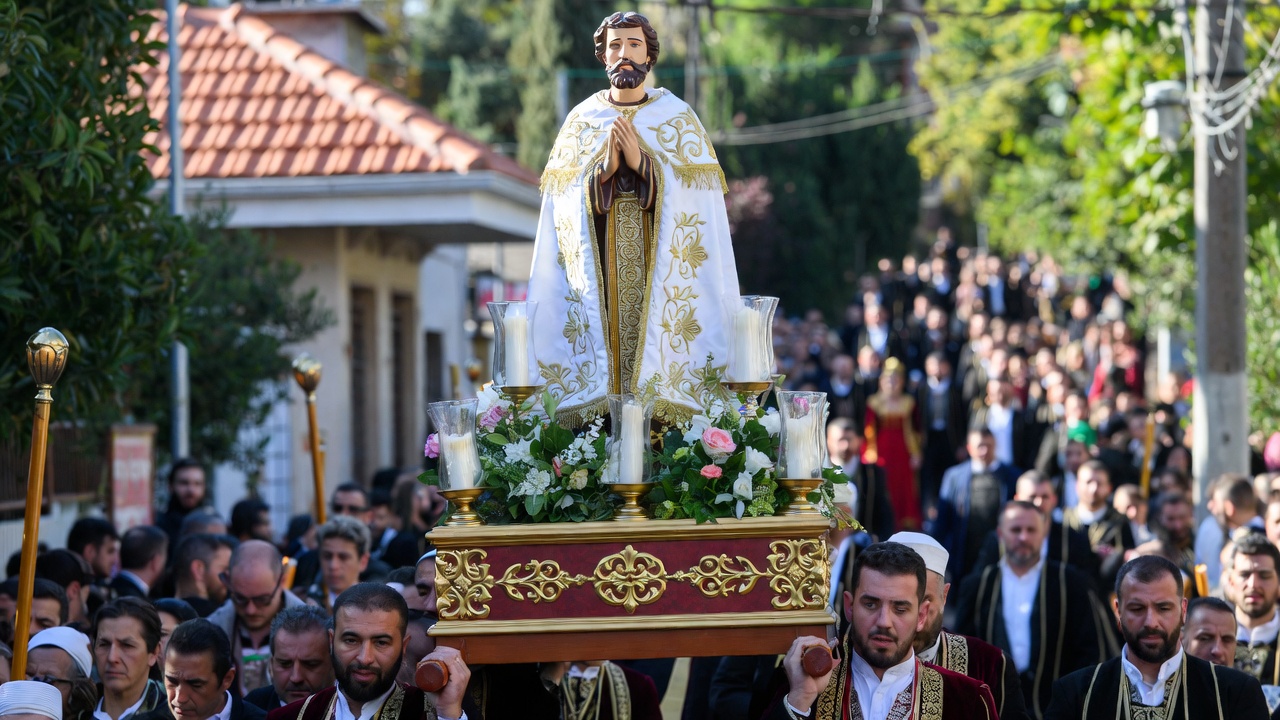
The Heroes’ Day celebration in Rwanda presents extraordinary opportunities for cultural tourism. Visitors can witness wreath-laying ceremonies at the National Heroes Mausoleum in Remera Sector, Gasabo District. President Paul Kagame and the First Lady traditionally lead these ceremonies.
The celebrations extend beyond official ceremonies. Heroes’ Week activities include:
- Cultural discussions about heroic values
- Traditional music concerts in Kigali
- Sports events including soccer, basketball, and cycling
- Community gatherings at village level across the country
- Poetry readings celebrating fallen heroes
These events provide authentic Rwandan cultural experiences rarely accessible to tourists. The atmosphere combines solemn remembrance with celebration of national progress.
February Weather Makes Perfect Travel Conditions
Traveling to Rwanda in February offers excellent weather conditions. This period falls within the short dry season running from December through February. Expect:
- Daytime temperatures around 21-28°C (70-82°F) in Kigali
- Minimal rainfall compared to wet seasons
- Clear skies ideal for gorilla trekking photography
- Comfortable hiking conditions in Volcanoes National Park
The best time to visit Rwanda for gorilla trekking aligns perfectly with this period. Trails remain drier. Visibility improves. Your once-in-a-lifetime gorilla encounter becomes even more memorable.
Beat the Peak Season Crowds
February sits between Rwanda’s two primary tourist seasons. The main dry season runs June through September. This means fewer crowds at major attractions. You’ll experience:
- Easier gorilla permit availability
- Better accommodation choices
- More intimate wildlife encounters
- Potential discounts on some services
The Rwanda Development Board occasionally offers 30% discounts on gorilla permits during low season months. This can reduce your permit cost from $1,500 to $1,050 when combined with stays at Akagera or Nyungwe National Parks.
Complete Rwanda Visa Requirements for International Travelers
How to Get a Rwanda Tourist Visa in 2025-2026
Rwanda maintains one of Africa’s most traveler-friendly visa policies. Most nationalities can obtain visas through multiple convenient methods.
Visa-on-Arrival is available to citizens of all countries. Simply present your documents at Kigali International Airport or land borders. The process takes minutes.
| Visa Type | Duration | Cost | Processing |
|---|---|---|---|
| Single Entry Tourist | 30 days | $50 USD | Same day |
| Multiple Entry Tourist | 90 days | $70 USD | Same day |
| East African Tourist Visa | 90 days | $100 USD | 3 working days |
| Commonwealth Citizens | 30 days | Free | On arrival |
Pro Tip: Commonwealth citizens—including those from the UK, Canada, Australia, and New Zealand—receive free 30-day visas on arrival. This makes Rwanda exceptionally accessible for British and Canadian travelers.
Required Documents for Rwanda Entry
Prepare these documents before your trip to Rwanda:
- Valid passport with at least 6 months validity
- At least one blank passport page for entry stamps
- Proof of accommodation booking
- Return or onward flight ticket
- Yellow fever vaccination certificate (required if arriving from endemic countries)
- Cash in US dollars for visa payment (credit cards sometimes unavailable at borders)
The Rwanda Directorate General of Immigration and Emigration provides official visa information. Apply for e-Visas online before departure if you prefer advance processing.
The East African Tourist Visa Advantage
The East African Tourist Visa offers exceptional value for multi-country itineraries. This joint visa covers Rwanda, Kenya, and Uganda for 90 days of travel. At $100 USD, it costs less than obtaining separate visas.
Key requirements:
- Apply through the first country you’ll visit
- Enter through the issuing country first
- Move freely between all three countries
- Valid for tourism purposes only
This visa transforms your Rwanda Heroes’ Day weekend into a broader East Africa safari adventure. Combine gorilla trekking with Kenya’s Maasai Mara or Uganda’s Bwindi Forest.
Planning Your Rwanda Long Weekend Itinerary Around February 1st
4-Day Heroes’ Day Weekend Rwanda Itinerary
This optimized itinerary maximizes your long weekend in Rwanda. It balances cultural experiences with world-class wildlife encounters.
Day 1 (January 31): Arrive in Kigali
- Arrive at Kigali International Airport
- Airport transfer (15 minutes to city center, approximately RWF 10,000/$15 USD by taxi)
- Check into your Kigali hotel
- Evening: Explore Kimihurura neighborhood or enjoy dinner at Heaven Restaurant
- Rest and adjust to East African time
Day 2 (February 1 – Heroes’ Day): Kigali Cultural Experience
- Morning: Attend Heroes’ Day ceremonies if publicly accessible
- Visit the Kigali Genocide Memorial (allow 2-3 hours)
- Lunch at a local restaurant
- Afternoon: Explore Inema Arts Center or Niyo Art Gallery
- Evening: Experience Heroes’ Day concert celebrations
Day 3 (February 2): Volcanoes National Park Gorilla Trekking
- Early departure to Musanze (2-2.5 hours from Kigali)
- 7:00 AM briefing at Kinigi Park Headquarters
- Gorilla trek (2-8 hours depending on gorilla location)
- One magical hour with mountain gorillas
- Return to Kigali or stay near Volcanoes National Park
Day 4 (February 3): Departure or Extension
- Optional: Golden monkey trekking ($100 permit)
- Return to Kigali for afternoon flight
- Alternatively: Extend to Lake Kivu or Akagera National Park
Extended 7-Day Rwanda Safari Itinerary
For travelers with more time, this week-long Rwanda itinerary offers comprehensive exploration:
| Day | Location | Activities |
|---|---|---|
| 1 | Kigali | Arrival, city orientation |
| 2 | Kigali | Heroes’ Day, Genocide Memorial |
| 3 | Volcanoes NP | Gorilla trekking |
| 4 | Volcanoes NP | Golden monkey trek, Dian Fossey trek |
| 5 | Lake Kivu | Transfer, beach relaxation |
| 6 | Nyungwe Forest | Chimpanzee trekking, canopy walk |
| 7 | Kigali | Return, departure |
This itinerary takes advantage of the 30% gorilla permit discount by including Nyungwe National Park.
Rwanda Gorilla Trekking Guide: Everything You Need to Know
How Much Do Rwanda Gorilla Permits Cost?
The Rwanda gorilla permit cost in 2025-2026 remains $1,500 USD per person. This price applies to international visitors. The Rwanda Development Board (RDB) sets this rate.
Permit pricing breakdown:
| Visitor Category | Permit Cost |
|---|---|
| International tourists | $1,500 USD |
| Foreign residents of Rwanda/EAC | $500 USD |
| East African Community citizens | $200 USD |
| Rwandan citizens | $200 USD |
The permit covers:
- Park entrance fees
- Professional guide services
- One hour with habituated gorilla family
- Tracking through Volcanoes National Park
Not included: Porter fees (approximately $20), tips, transportation, accommodation, or meals.
How to Book Rwanda Gorilla Trekking Permits
Only 96 gorilla permits are available daily in Rwanda. Each of the 12 habituated gorilla families receives maximum 8 visitors per day. Booking well in advance—3-6 months—is essential, especially around holidays.
Booking options:
- Through Rwanda Development Board – Book directly at Visit Rwanda Bookings
- Through licensed tour operators – Often easier and includes complete packages
- Combined safari packages – Include permits with accommodation and transport
Important booking rules:
- Permits are non-refundable for no-shows or cancellations
- Minimum age: 15 years strictly enforced
- Permits are non-transferable to other people
- Sick visitors may be denied access (75% refund if unable to trek)
What to Expect During Gorilla Trekking in Volcanoes National Park
Your Rwanda gorilla trekking experience begins at 7:00 AM at Kinigi Park Headquarters. Here’s what happens:
Pre-Trek Briefing:
- Park rangers explain rules and safety protocols
- Groups are assigned specific gorilla families
- Assignments consider fitness levels and trekking preferences
The Trek:
- Duration varies from 30 minutes to 6+ hours
- Altitude ranges from 2,500m to 4,000m
- Terrain includes bamboo forests, steep slopes, and dense vegetation
- Armed rangers accompany each group for safety
The Encounter:
- Strict one-hour time limit with gorillas
- 7-meter minimum distance from gorillas
- No flash photography permitted
- Remain calm and quiet during observation
Post-Trek:
- Receive commemorative gorilla trekking certificate
- Return to Kinigi by mid-afternoon (typically)
Essential Packing List for Gorilla Trekking Rwanda
Pack these items for your gorilla safari in Rwanda:
Clothing:
- Long-sleeved shirt (protection from stinging nettles)
- Long trousers (khaki or earth tones preferred)
- Waterproof rain jacket
- Sturdy waterproof hiking boots (ankle support essential)
- Gaiters (protect legs from thorns and insects)
- Warm fleece or sweater (temperatures drop at altitude)
- Wide-brimmed hat
- Gardening gloves (for grabbing vegetation while climbing)
Equipment:
- Camera with zoom lens (100-400mm ideal)
- Extra camera batteries (cold drains batteries faster)
- Waterproof camera cover
- Small daypack
- Sunscreen
- Insect repellent
- Sufficient water (2-3 liters recommended)
- Energy snacks
Strongly Recommended:
- Hire a porter ($20) – They carry your bag and assist on difficult terrain
- Trekking poles – Available for rental at park headquarters
Top Rwanda Attractions to Visit During Your Long Weekend
Kigali Genocide Memorial: Understanding Rwanda’s History
The Kigali Genocide Memorial stands as the most important historical site in Rwanda. Located in Gisozi, it serves as the final resting place for over 250,000 genocide victims.
What to expect:
- Main exhibition documenting events before, during, and after the 1994 genocide
- Children’s memorial featuring life-sized photographs of young victims
- “Wasted Lives” exhibition comparing global genocides
- Memorial gardens for quiet contemplation
- Wall of Names honoring identified victims
Visitor information:
- Opening hours: 9:00 AM – 5:00 PM daily (last entrance 4:00 PM)
- Entrance fee: Free (donations welcomed)
- Audio guide: $15 USD (highly recommended)
- Minimum time needed: 2-3 hours
- Age restriction: Children under 12 not permitted
The memorial closes on the last Saturday morning of each month for Umuganda community service. Plan accordingly.
Volcanoes National Park: More Than Just Gorillas
Volcanoes National Park Rwanda offers diverse experiences beyond gorilla trekking:
Golden Monkey Trekking ($100 permit)
- Easier than gorilla trekking
- Playful endangered primates
- Excellent photography opportunities
- No group size limits
Dian Fossey Tomb Trek
- Visit the legendary primatologist’s final resting place
- Learn about her groundbreaking gorilla research
- Trek through beautiful bamboo forest
- Half-day activity
Mount Bisoke Hike
- Summit crater lake at 3,711 meters
- Challenging full-day trek
- Stunning volcanic landscapes
- Incredible photography opportunities
Iby’Iwacu Cultural Village
- Experience traditional Rwandan culture
- Meet former poachers turned community guides
- Traditional dance performances
- Support community conservation efforts
Lake Kivu: Rwanda’s Beach Paradise
Lake Kivu provides the perfect relaxation after intense gorilla trekking. Located along Rwanda’s western border, this stunning freshwater lake offers:
- Beautiful beaches at Gisenyi and Kibuye
- Water sports including kayaking, swimming, and boat cruises
- Scenic drives along the lake shore
- Nyamyumba Hot Springs near Gisenyi
- Island-hopping excursions
The lakeside towns offer excellent boutique accommodations ranging from budget guesthouses to luxury resorts. Consider spending 1-2 nights here to decompress.
Nyungwe Forest National Park: Chimpanzee Trekking and Canopy Walk
Nyungwe Forest represents one of Africa’s oldest rainforests. This biodiversity hotspot offers:
Chimpanzee Trekking
- Track habituated chimp communities
- Easier permit availability than gorillas
- Cost: $90 USD per person
- Morning treks starting at 5:00 AM
Canopy Walkway
- East Africa’s first canopy walk
- 200 meters long, 60 meters above forest floor
- Incredible bird and monkey viewing
- Spectacular rainforest vistas
Colobus Monkey Trek
- Home to world’s largest troop of black-and-white colobus
- Up to 400 individuals in one group
- Easier spotting than chimps
The One&Only Nyungwe House provides luxury accommodation on a tea plantation at the park’s edge.
Akagera National Park: Big Five Safari Experience
Akagera National Park completes Rwanda’s wildlife offerings. This savanna ecosystem in eastern Rwanda features:
- Big Five animals (lion, leopard, elephant, rhino, buffalo)
- Game drives morning and afternoon
- Boat safaris on Lake Ihema
- Night drives for nocturnal species
- Bird watching with 500+ species
Akagera provides the closest thing to a classic East African safari in Rwanda. Combine with Volcanoes National Park for diverse wildlife experiences.
Where to Stay in Rwanda: Best Accommodation Options
Luxury Hotels in Kigali for Discerning Travelers
Kigali offers world-class accommodation options for every budget:
Ultra-Luxury:
- Kigali Marriott Hotel – 5-star property with stunning city views, outdoor pool, spa
- Kigali Serena Hotel – Elegant rooms, beautiful gardens, excellent restaurants
- Radisson Blu Hotel & Convention Centre – Modern amenities, central location
Boutique Luxury:
- Heaven Restaurant & Boutique Hotel – Made in Rwanda focus, saltwater pool, excellent restaurant
- The Retreat by Heaven – Eco-friendly, private pools, full spa services
- The Pinnacle – Pan-African elegance, Rebero Hill location
Mid-Range:
- 2000 Hotel Downtown Kigali – Business-friendly, family amenities
- Lemigo Hotel – Clean rooms, great reception, good value
- Hotel des Mille Collines – Historic property featured in “Hotel Rwanda”
Budget-Friendly:
- Discover Rwanda Youth Hostel – Dorms from $10-15 USD
- Various guesthouses – Private rooms from $20-40 USD
Best Lodges Near Volcanoes National Park
Accommodations near Musanze (gateway to gorilla trekking):
Ultra-Luxury (from $1,500+ per night):
- Singita Kwitonda Lodge – Ultimate luxury, shares border with park
- Bisate Lodge – Wilderness Safaris property, volcano views
- One&Only Gorilla’s Nest – 21 suites, incredible service
High-End ($300-800 per night):
- Sabyinyo Silverback Lodge – Classic charm, convenient location
- Virunga Lodge – Stunning views, community-owned
- Five Volcanoes Boutique Hotel – Excellent value luxury
Mid-Range ($100-300 per night):
- Mountain Gorilla Nest Lodge – Reliable option, good location
- Amakoro Songa Lodge – Boutique property, volcano views
- Kinigi Guest House – Budget-friendly, basic comfort
Book accommodation well in advance for the Heroes’ Day weekend. Properties near Volcanoes National Park fill quickly.
Essential Rwanda Travel Tips and Cultural Etiquette
Important Cultural Dos and Don’ts in Rwanda
Rwanda has specific customs visitors should respect. Understanding Rwandan culture enhances your experience and shows respect.
DO:
- Greet people warmly – Rwandans value courtesy
- Learn basic Kinyarwanda phrases – “Muraho” (hello), “Murakoze” (thank you)
- Dress modestly – Especially in Kigali; save safari wear for parks
- Accept hospitality graciously – Rwandans are generous hosts
- Exchange money at official forex bureaus – Better rates than hotels
DON’T:
- Ask about ethnicity – Rwandans identify only as Rwandans now
- Bring plastic bags – Banned nationwide (use paper bags)
- Eat or drink in public streets – Culturally frowned upon
- Photograph people without permission – Always ask first
- Discuss genocide insensitively – Approach the topic respectfully
Money and Currency in Rwanda
The Rwandan Franc (RWF) is the official currency. However, US dollars are widely accepted at tourist establishments.
Current exchange rates (approximate):
- 1 USD ≈ 1,300 RWF
- 1 EUR ≈ 1,400 RWF
- 1 GBP ≈ 1,650 RWF
Money tips:
- Bring US dollars dated post-2003 (older bills often rejected)
- ATMs available in Kigali (limited elsewhere)
- Visa cards more widely accepted than Mastercard
- Forex bureaus offer better rates than hotels or banks
- Carry cash for markets, tips, and rural areas
Tipping guidelines:
- Gorilla trackers: $10-20 USD per person
- Porters: $10-20 USD per person
- Safari guides: $10-15 USD per day
- Hotel staff: Discretionary, appreciated
- Restaurants: 10% at upmarket establishments
Health and Safety Considerations for Rwanda Travel
Rwanda ranks among Africa’s safest countries. Crime rates remain low. The streets of Kigali are clean and well-maintained. However, standard precautions apply.
Health preparations:
- Yellow fever vaccination required from endemic countries
- Malaria prophylaxis recommended (consult travel doctor)
- Altitude preparation for gorilla trekking (2,500-4,000m)
- Motion sickness medication if prone (mountain roads are winding)
- Travel insurance with medical evacuation coverage essential
Safety tips:
- Don’t display valuables in crowded areas
- Use official taxis or arrange hotel transport
- Avoid walking alone after dark
- Keep copies of passport in separate location
- Register with your embassy (US travelers: STEP program)
Combining Rwanda with Other East Africa Destinations
Rwanda and Kenya: The Perfect Two-Week East Africa Itinerary
Combining Rwanda gorilla trekking with Kenya safari creates the ultimate East Africa adventure. Direct flights connect Kigali to Nairobi in approximately 1.5 hours.
Sample 14-day itinerary:
Days 1-4: Rwanda
- Kigali exploration including Heroes’ Day
- Gorilla trekking in Volcanoes National Park
- Golden monkey trek or Dian Fossey hike
Days 5-8: Maasai Mara, Kenya
- World-famous savanna safari
- Big Five game viewing
- Great Migration (seasonal)
- Maasai cultural experiences
Days 9-11: Amboseli or Lake Nakuru
- Elephant herds with Kilimanjaro backdrop
- Flamingos and rhinos at Lake Nakuru
Days 12-14: Nairobi and Departure
- Nairobi National Park
- Giraffe Centre, Elephant Orphanage
- Departure
The East African Tourist Visa simplifies this multi-country adventure.
Rwanda and Uganda Gorilla Trekking Comparison
Both countries offer mountain gorilla experiences. Here’s how they compare:
| Factor | Rwanda | Uganda |
|---|---|---|
| Permit cost | $1,500 USD | $800 USD |
| Travel time from capital | 2-3 hours | 8-10 hours |
| Terrain difficulty | Generally easier | More challenging |
| Forest visibility | Better (bamboo) | Dense rainforest |
| Number of gorilla groups | 12 families | 20+ families |
| Tourism infrastructure | More developed | More rustic |
Many travelers do gorilla trekking in both countries. Each experience offers unique perspectives. Rwanda provides convenience and ease. Uganda offers adventure and lower cost.
Creating Your Custom East Africa Multi-Country Safari
For the ultimate East Africa safari experience, consider this comprehensive route:
- Rwanda (4-5 days): Kigali, Heroes’ Day, gorilla trekking
- Uganda (3-4 days): Bwindi gorillas, Queen Elizabeth NP
- Kenya (4-5 days): Maasai Mara, Lake Nakuru
- Tanzania (3-4 days): Serengeti, Ngorongoro Crater
Total duration: 14-18 days
Budget considerations:
- Budget: $150-250 USD per day (excluding permits)
- Mid-range: $300-500 USD per day
- Luxury: $800-2,000+ USD per day
Work with reputable East African tour operators who specialize in multi-country itineraries. They handle logistics, permits, and cross-border requirements seamlessly.
Budget Planning: How Much Does a Rwanda Trip Cost?
Complete Rwanda Travel Budget Breakdown
Understanding Rwanda trip costs helps you plan effectively. Here’s a comprehensive budget breakdown:
Flights to Rwanda:
- From USA/Europe: $800-1,500 USD round trip
- From UK: £600-1,200 GBP round trip
- From East Africa hubs: $200-400 USD round trip
Visa costs:
- Tourist visa: $50-70 USD
- Commonwealth citizens: Free
Accommodation per night:
- Budget hostels/guesthouses: $15-50 USD
- Mid-range hotels: $80-150 USD
- Luxury lodges: $300-800 USD
- Ultra-luxury: $1,000-3,000+ USD
Activities:
- Gorilla permit: $1,500 USD
- Golden monkey permit: $100 USD
- Chimpanzee permit (Nyungwe): $90 USD
- Kigali city tour: $30-50 USD
- Genocide Memorial: Free (donations welcome)
Daily expenses:
- Meals at local restaurants: $10-20 USD
- Meals at tourist restaurants: $20-50 USD
- Local transport: $5-15 USD
- Tips and miscellaneous: $10-20 USD
Sample Rwanda Trip Budgets
Budget Traveler (per person, 4 days):
| Item | Cost |
|---|---|
| Flights | $1,000 |
| Visa | $50 |
| Accommodation (4 nights) | $200 |
| Gorilla permit | $1,500 |
| Food | $100 |
| Transport | $150 |
| Miscellaneous | $100 |
| TOTAL | $3,100 |
Mid-Range Traveler (per person, 7 days):
| Item | Cost |
|---|---|
| Flights | $1,200 |
| Visa | $50 |
| Accommodation (7 nights) | $700 |
| Gorilla permit | $1,500 |
| Golden monkey | $100 |
| Food | $300 |
| Private transport | $400 |
| Activities | $200 |
| TOTAL | $4,450 |
Luxury Traveler (per person, 7 days):
| Item | Cost |
|---|---|
| Flights (business class) | $4,000 |
| Visa | $50 |
| Luxury lodges (7 nights) | $5,000 |
| Gorilla permit | $1,500 |
| All activities | $500 |
| Private guide/vehicle | $1,000 |
| Fine dining | $500 |
| TOTAL | $12,550 |
Getting to Rwanda: Flights and Transportation
International Flights to Kigali Airport
Kigali International Airport (KGL) serves as Rwanda’s primary gateway. The airport recently underwent renovations and offers modern facilities.
Airlines serving Kigali:
- RwandAir – National carrier, extensive African network
- Ethiopian Airlines – Via Addis Ababa hub
- Kenya Airways – Via Nairobi
- Brussels Airlines – Direct from Brussels
- KLM – Via Amsterdam
- Qatar Airways – Via Doha
- Turkish Airlines – Via Istanbul
Flight times to Kigali:
- From London: 9-12 hours (with connection)
- From New York: 15-20 hours (with connection)
- From Nairobi: 1.5 hours
- From Addis Ababa: 2 hours
- From Dubai: 6 hours
Airport tips:
- Arrive 3 hours before international departures
- Visa on arrival available (have USD cash ready)
- Currency exchange available at arrivals
- SIM cards purchasable at airport
- Taxis to city center: RWF 10,000 ($15 USD)
Getting Around Rwanda: Transport Options
Within Kigali:
- Moto-taxis (motorcycle taxis): Cheapest option, helmets required
- Regular taxis: Negotiate fare before departure
- Ride-hailing apps: Available but limited
- Hotel transfers: Most convenient for tourists
Between cities:
- Private car hire: Recommended for tourists ($80-150 per day with driver)
- Public minibuses: Budget option (uncomfortable, slow)
- Tour operator transport: Included in most safari packages
Key distances from Kigali:
- To Musanze (Volcanoes NP): 90 km, 2-2.5 hours
- To Gisenyi (Lake Kivu): 150 km, 3-4 hours
- To Huye (Butare): 135 km, 2.5-3 hours
- To Nyungwe Forest: 225 km, 5-6 hours
- To Akagera NP: 100 km, 2-2.5 hours
Important note: Most roads are paved and well-maintained. However, mountain roads feature numerous curves. Motion sickness medication recommended for sensitive travelers.
Frequently Asked Questions About Rwanda Travel
Is Rwanda Safe for Tourists?
Yes, Rwanda is exceptionally safe for tourists. The country consistently ranks among Africa’s safest destinations. Kigali is considered one of the continent’s cleanest and most secure cities.
Security measures include:
- Low crime rates nationwide
- Strong police presence in tourist areas
- Armed rangers during gorilla treks
- Stable political environment
Standard precautions apply: avoid displaying valuables, don’t walk alone at night in unfamiliar areas, and use official transport services.
Do I Need Vaccinations for Rwanda?
Yellow fever vaccination is required if arriving from endemic countries. This includes most neighboring African nations.
Recommended vaccinations:
- Hepatitis A and B
- Typhoid
- Routine vaccines (MMR, tetanus)
- Malaria prophylaxis (consult travel doctor)
Visit a travel health clinic 4-6 weeks before departure for personalized advice.
What Language Do They Speak in Rwanda?
Rwanda has four official languages:
- Kinyarwanda – Local language, spoken by all Rwandans
- English – Widely used in tourism and business
- French – Common among older generation
- Swahili – Regional lingua franca
English suffices for tourist interactions. Learning a few Kinyarwanda phrases shows respect and delights locals.
Is Gorilla Trekking Worth the Cost?
Absolutely. Gorilla trekking consistently ranks among the world’s top wildlife experiences. The $1,500 permit cost directly supports:
- Mountain gorilla conservation programs
- Local community development projects
- Anti-poaching patrols and ranger salaries
- Habitat protection efforts
The mountain gorilla population has grown from approximately 600 to over 1,000 individuals. This success story results directly from tourism revenue. Your permit purchase contributes to this ongoing conservation miracle.
What’s the Best Time to Visit Rwanda for Gorillas?
The best months for gorilla trekking are:
- June to September (long dry season)
- December to February (short dry season)
However, gorillas can be tracked year-round. Rainy season offers:
- Fewer tourists
- Potential permit discounts
- Lush, photogenic landscapes
- Gorillas often at lower elevations
The Heroes’ Day weekend in February falls during optimal trekking conditions.
Final Thoughts: Make Your Rwanda Heroes’ Day Trip Unforgettable
Planning your East Africa trip around Rwanda’s Heroes’ Day offers unique advantages. You’ll witness meaningful cultural celebrations. You’ll enjoy excellent February weather. You’ll potentially benefit from off-peak pricing.
Key takeaways for your trip:
- Book gorilla permits 3-6 months in advance – They sell out quickly
- Arrange accommodation early – Especially for Heroes’ Day weekend
- Respect local customs – No plastic bags, dress appropriately, ask before photographing
- Allow buffer time – Rwanda deserves more than a rushed visit
- Consider combining destinations – East Africa offers incredible diversity
Rwanda represents Africa’s remarkable resilience. From the tragedy of 1994, the nation has emerged as a beacon of progress, conservation, and unity. Heroes’ Day celebrates this journey while honoring those who made it possible.
Your visit supports continued development. Your gorilla permit funds conservation. Your tourism dollars reach local communities. Travel to Rwanda isn’t just adventure—it’s participation in an extraordinary story of renewal.
Start planning your Heroes’ Day Rwanda adventure today. The mountain gorillas await in their misty volcanic home. The people of Rwanda welcome you with open arms. And an unforgettable East Africa experience beckons.
Understanding Rwanda’s Remarkable Transformation
From Tragedy to Triumph: Rwanda’s Tourism Renaissance
Rwanda’s journey from the devastating 1994 genocide to becoming Africa’s top ecotourism destination represents one of history’s most remarkable national transformations. Understanding this context deepens your appreciation for every aspect of your visit.
The country has invested heavily in sustainable tourism development. Wildlife populations have recovered dramatically. Infrastructure improvements have made travel convenient. Safety has become a cornerstone of the national identity.
Key achievements since 1994:
- Mountain gorilla population increased from approximately 620 to over 1,000
- Kigali became Africa’s cleanest city through innovative environmental policies
- Economic growth averaging 7-8% annually
- Universal healthcare and free education implemented
- Gender equality leadership with highest percentage of women in parliament globally
This transformation makes Heroes’ Day celebrations particularly poignant. The holiday honors those who made these achievements possible through their sacrifice.
Rwanda’s Environmental Leadership in Africa
Rwanda leads Africa in environmental conservation policies. The nationwide plastic bag ban implemented in 2008 was among the world’s first. Monthly Umuganda community service sees all citizens participate in cleanup and development activities.
Environmental initiatives you’ll notice:
- Spotlessly clean streets throughout the country
- Protected wetlands and green spaces in urban areas
- Community-based conservation programs around all national parks
- 10% of tourism revenue goes directly to local communities
- Recycling and waste management systems in major towns
Your tourism dollars directly support these conservation efforts. The gorilla permit fee structure ensures long-term species protection while benefiting surrounding communities.
Deeper Dive: Rwanda’s National Parks Ecosystem
Volcanoes National Park: Home of the Mountain Gorillas
Volcanoes National Park (Parc National des Volcans) protects Rwanda’s share of the Virunga Mountains. This volcanic chain stretches across Rwanda, Uganda, and the Democratic Republic of Congo.
Park statistics:
- Size: 160 square kilometers
- Elevation range: 2,400m to 4,507m
- Established: 1925 (Africa’s first national park)
- Mountain gorillas: Approximately 604 individuals in the Virunga Massif
- Habituated gorilla families: 12 (available for tourism)
- Daily permits: 96 maximum
The Virunga Volcanoes:
| Volcano | Elevation | Status | Trekking Available |
|---|---|---|---|
| Karisimbi | 4,507m | Dormant | Yes (2-day trek) |
| Bisoke | 3,711m | Dormant | Yes (crater lake hike) |
| Sabyinyo | 3,634m | Extinct | Yes |
| Gahinga | 3,474m | Dormant | Yes |
| Muhabura | 4,127m | Dormant | Yes |
Beyond gorillas, the park supports golden monkeys, forest elephants, spotted hyenas, and over 200 bird species. The Afro-alpine habitat above 3,500m hosts unique endemic plants.
Nyungwe Forest National Park: Africa’s Oldest Rainforest
Nyungwe Forest represents one of Africa’s oldest and largest montane rainforests. Scientists estimate its age at over 100 million years. This biodiversity hotspot survived the ice ages that eliminated most African forests.
Nyungwe statistics:
- Size: 1,020 square kilometers
- Elevation range: 1,600m to 2,950m
- Chimpanzee population: Approximately 500 individuals
- Primate species: 13 (highest density in East Africa)
- Bird species: 310+ (including 29 endemic to Albertine Rift)
- Tree species: 200+
- Orchid species: 140+
Activities in Nyungwe:
| Activity | Cost | Duration | Difficulty |
|---|---|---|---|
| Chimpanzee trekking | $90 USD | 3-6 hours | Moderate |
| Canopy walkway | $60 USD | 2-3 hours | Easy |
| Colobus monkey trek | $50 USD | 2-4 hours | Easy-Moderate |
| Waterfall hikes | $30-50 USD | 2-4 hours | Varies |
| Birding walks | $50 USD | 3-5 hours | Easy |
The canopy walkway offers breathtaking perspectives. Suspended 60 meters above the forest floor, the 200-meter walkway provides unique viewing opportunities for monkeys and birds.
Akagera National Park: Classic African Safari
Akagera National Park provides Rwanda’s Big Five safari experience. After years of conservation efforts, the park now hosts healthy populations of all iconic African species.
Park statistics:
- Size: 1,122 square kilometers
- Ecosystem: Savanna, wetland, montane forest
- Lions: Reintroduced in 2015
- Black rhinos: Reintroduced in 2017
- Elephants: Over 100 individuals
- Bird species: 500+
Safari activities:
| Activity | Cost | Best Time |
|---|---|---|
| Day game drive | $40 USD + park fee | Early morning, late afternoon |
| Night game drive | $50 USD + park fee | After dark |
| Boat safari (Lake Ihema) | $50 USD | Morning or afternoon |
| Guided walking safari | $40 USD + park fee | Morning |
Park entry fees:
- Foreign tourists: $50 USD per day
- Foreign residents: $30 USD per day
- East African citizens: $20 USD per day
Akagera provides excellent value compared to more famous East African parks. Wildlife densities rival the Serengeti, while visitor numbers remain modest.
Rwandan Cuisine: What to Eat During Your Visit
Traditional Rwandan Foods You Must Try
Rwandan cuisine reflects the country’s agricultural heritage. Expect hearty, flavorful dishes featuring fresh ingredients.
Must-try dishes:
Ugali (Ubugali): A thick porridge made from cassava flour. This staple accompanies most meals. The texture resembles polenta. Eat it by pinching small portions to scoop sauces and stews.
Isombe: Cassava leaves pounded smooth and cooked with spinach, eggplant, and palm oil. Rich in nutrients and deeply satisfying.
Brochettes: Grilled meat skewers found everywhere from street vendors to upscale restaurants. Options include beef, goat, chicken, and sometimes fish.
Mizuzu (Fried Plantains): Sweet plantains sliced and fried until golden. Served as a side dish or snack.
Ikinyiga: Traditional fermented milk similar to yogurt. Slightly tangy and refreshing.
Matoke: Steamed green bananas, often mashed with beans or served alongside stews.
Best Restaurants in Kigali
Fine Dining:
- Heaven Restaurant – Fusion cuisine, training restaurant for hospitality students
- The Hut – Rwandan fine dining, beautiful setting
- Repub Lounge – Modern African cuisine, rooftop views
Mid-Range:
- Chez Lando – Classic Rwandan dishes, local favorite
- Brachetto – Italian cuisine, excellent pizzas
- Bourbon Coffee – Local chain, great coffee and light meals
Budget-Friendly:
- Kimironko Market – Street food stalls, authentic experience
- Local buffets – RWF 2,000-4,000 ($1.50-3 USD) for filling meals
Coffee Culture: Rwanda produces exceptional specialty coffee. The high altitude and volcanic soil create beans with bright acidity and fruity notes. Visit Question Coffee for quality single-origin brews.
Photography Tips for Your Rwanda Adventure
Best Camera Gear for Gorilla Trekking
Capturing stunning gorilla images requires the right equipment and technique.
Recommended camera setup:
- Camera body: Full-frame mirrorless or DSLR (high ISO performance crucial)
- Lens: 70-200mm f/2.8 or 100-400mm zoom
- Backup lens: 24-70mm for environmental shots
- Extra batteries: Cold and humidity drain batteries quickly
- Memory cards: Multiple high-capacity cards
- Waterproof camera bag: Essential protection
Camera settings for gorillas:
- ISO: 1600-6400 (forest floor is dark)
- Aperture: f/2.8-5.6 (maximize light)
- Shutter speed: 1/250s minimum (gorillas move)
- Focus mode: Continuous autofocus
- Flash: Prohibited (disturbs gorillas)
Photography tips:
- Arrive early for briefing; better groups get assigned to fitter trekkers
- Stay low when photographing; eye-level creates connection
- Focus on eyes – they tell the story
- Include environment – context matters
- Be patient – wait for natural behaviors
- Silence your camera – quiet shutter modes preferred
- Respect the hour limit – don’t rush shots
Drone Regulations in Rwanda
Recreational drone use requires permits in Rwanda. Commercial use demands additional authorization.
Drone rules:
- Register with Rwanda Civil Aviation Authority
- Obtain flight permits before travel
- No flying over national parks without special permission
- No flying over government buildings or military installations
- No flying above 400 feet altitude
Most tourists leave drones at home due to permit complexity. Smartphone footage and traditional cameras suffice for memorable documentation.
Sustainable and Responsible Tourism in Rwanda
How Your Visit Supports Conservation
Rwanda pioneered community-based conservation in Africa. Understanding how tourism supports conservation enhances your experience.
Revenue distribution from gorilla permits:
- 10% goes directly to communities surrounding national parks
- Funds support schools, health centers, and infrastructure
- Former poachers become trackers and guides
- Community members become conservation stakeholders
Conservation success stories:
- Mountain gorillas increased from 620 (1989) to 1,000+ (2024)
- Golden monkey populations stabilizing
- Lions reintroduced to Akagera after 20-year absence
- Black rhinos thriving in protected areas
How to Be a Responsible Tourist in Rwanda
Environmental responsibility:
- Never leave trash in parks or towns
- Use refillable water bottles (avoid single-use plastic)
- Stay on designated trails during treks
- Don’t touch vegetation unnecessarily
- Respect wildlife distances (7 meters minimum from gorillas)
Cultural responsibility:
- Ask permission before photographing people
- Support local businesses over international chains
- Purchase authentic crafts directly from artisans
- Tip fairly – tourism employment matters
- Learn some Kinyarwanda – shows respect
Health responsibility for gorillas:
- Don’t trek if you’re sick (gorillas susceptible to human diseases)
- Maintain distance even if gorillas approach
- Turn away when coughing or sneezing
- Follow guide instructions precisely
Practical Information Summary
Essential Rwanda Travel Checklist
Before booking:
- [ ] Verify passport validity (6+ months required)
- [ ] Check visa requirements for your nationality
- [ ] Book gorilla permits (3-6 months ahead)
- [ ] Arrange travel insurance with medical evacuation
- [ ] Consult travel health clinic
Before departure:
- [ ] Pack appropriate clothing (no plastic bags!)
- [ ] Arrange airport transfer
- [ ] Confirm accommodation reservations
- [ ] Download offline maps
- [ ] Copy important documents
- [ ] Obtain USD cash (post-2003 bills)
Documents to carry:
- [ ] Passport
- [ ] Visa confirmation (if obtained in advance)
- [ ] Yellow fever certificate (if applicable)
- [ ] Travel insurance documents
- [ ] Hotel confirmations
- [ ] Gorilla permit confirmation
- [ ] Emergency contact numbers
Useful Kinyarwanda Phrases
| English | Kinyarwanda | Pronunciation |
|---|---|---|
| Hello | Muraho | moo-RAH-ho |
| Good morning | Mwaramutse | mwah-rah-MOOT-say |
| Thank you | Murakoze | moo-rah-KO-zay |
| Please | Mbabarira | mm-bah-bah-REE-rah |
| Yes | Yego | YEH-go |
| No | Oya | OH-yah |
| How are you? | Amakuru? | ah-mah-KOO-roo |
| I’m fine | Ni meza | nee MEH-zah |
| Goodbye | Murabeho | moo-rah-BEH-ho |
| How much? | Ni angahe? | nee ahn-GAH-hey |
Rwandans deeply appreciate any effort to speak their language. Even basic greetings earn warm smiles.
Final Thoughts: Make Your Rwanda Heroes’ Day Trip Unforgettable
Planning your East Africa trip around Rwanda’s Heroes’ Day offers unique advantages. You’ll witness meaningful cultural celebrations. You’ll enjoy excellent February weather. You’ll potentially benefit from off-peak pricing.
Key takeaways for your trip:
- Book gorilla permits 3-6 months in advance – They sell out quickly
- Arrange accommodation early – Especially for Heroes’ Day weekend
- Respect local customs – No plastic bags, dress appropriately, ask before photographing
- Allow buffer time – Rwanda deserves more than a rushed visit
- Consider combining destinations – East Africa offers incredible diversity
- Embrace the cultural experience – Heroes’ Day adds meaningful context to your journey
- Support local communities – Your tourism dollars make real differences
Rwanda represents Africa’s remarkable resilience. From the tragedy of 1994, the nation has emerged as a beacon of progress, conservation, and unity. Heroes’ Day celebrates this journey while honoring those who made it possible.
Your visit supports continued development. Your gorilla permit funds conservation. Your tourism dollars reach local communities. Travel to Rwanda isn’t just adventure—it’s participation in an extraordinary story of renewal.
Start planning your Heroes’ Day Rwanda adventure today. The mountain gorillas await in their misty volcanic home. The people of Rwanda welcome you with open arms. And an unforgettable East Africa experience beckons.
Ready to book your Rwanda trip? Contact the Rwanda Development Board for official tourism information, or work with reputable tour operators who specialize in East African safaris. Have you visited Rwanda? Share your experiences in the comments below!