Discover the Land of a Thousand Hills during one of its most meaningful national celebrations
Introduction: Why Visit Rwanda During National Heroes’ Day 2026
Rwanda National Heroes’ Day 2026 falls on Sunday, February 1st, with the observed public holiday on Monday, February 2nd. This powerful commemoration offers travelers a unique opportunity to experience Rwandan culture, history, and national pride at its most authentic. Unlike any other time of year, Heroes’ Day provides visitors with deep cultural immersion while exploring one of Africa’s most remarkable transformation stories.
Rwanda has emerged as one of Africa’s top travel destinations in 2026. The country combines breathtaking natural beauty with profound historical significance. During Heroes’ Day celebrations, the entire nation honors those who sacrificed for Rwanda’s liberation and peace. Travelers gain extraordinary insight into how this small Central African nation rebuilt itself into a model of progress and reconciliation.
This comprehensive guide covers everything you need to know about visiting Rwanda for National Heroes’ Day 2026. From understanding the holiday’s significance to planning your itinerary, booking accommodations, and experiencing world-famous gorilla trekking, you’ll find all the essential travel information here.
What Is Rwanda National Heroes’ Day and Why Does It Matter
National Heroes’ Day is an official public holiday observed on February 1st each year throughout Rwanda. The day honors exceptional Rwandans who demonstrated supreme sacrifice, patriotism, and outstanding achievements for their country. Both the public and private sectors recognize this holiday with ceremonies, cultural activities, and moments of reflection.
The Three Categories of Rwandan National Heroes
Rwanda recognizes its heroes in three distinct categories, each with specific criteria:
| Category | Description | Notable Examples |
|---|---|---|
| Imanzi | Supreme heroes who demonstrated the highest sacrifice and served as ultimate examples | Major General Fred Gisa Rwigema, The Unknown Soldier |
| Imena | Heroes known for extraordinary acts of supreme sacrifice and high importance | King Mutara III Rudahigwa, Prime Minister Agathe Uwilingiyimana |
| Ingenzi | Living heroes recognized for remarkable achievements and ongoing service | Various contemporary leaders (list not publicly published) |
The Imanzi category represents the pinnacle of heroism. Currently, it includes only Major General Fred Gisa Rwigema, who died during the liberation struggle in 1990, and the Unknown Soldier, who represents all fighters who perished during the 1990-1994 Liberation Struggle.
Historical Significance Behind Heroes’ Day Celebrations
Heroes’ Day commemorates Rwanda’s complex journey through tragedy and triumph. The holiday remembers those who fought during the Liberation Struggle from 1990 to 1994 and honors victims of the 1994 Genocide against the Tutsi. Between 500,000 and one million people lost their lives during those dark hundred days.
The Chancellery for Heroes, National Orders, and Decorations of Honour (CHENO) oversees the recognition process. Each year, new proposals for national heroes undergo rigorous evaluation based on proven integrity, patriotism, sacrifice, vision, and courage.
Best Time to Visit Rwanda: Why February Is Ideal for Travelers
February in Rwanda offers excellent conditions for tourism. The month falls within the short dry season (December to February), providing pleasant weather and optimal travel conditions throughout the country.
Rwanda Weather in February: What to Expect
| Location | Average Temperature | Rainfall | Conditions |
|---|---|---|---|
| Kigali | 22°C (72°F) | 91mm over 11 days | Warm and pleasant |
| Volcanoes National Park | 16-21°C (61-70°F) | Higher rainfall | Cool, occasional showers |
| Lake Kivu | 23-25°C (73-77°F) | Moderate | Warm and comfortable |
| Akagera National Park | 24-28°C (75-82°F) | Lower rainfall | Hot during day, warm evenings |
According to Expert Africa’s climate guide, February marks the end of the short dry season as rainfall slowly increases. However, conditions remain excellent for both city exploration and wildlife activities.
Why February Offers Perfect Conditions for Gorilla Trekking
The short dry season provides drier forest trails and easier trekking conditions in Volcanoes National Park. Gorillas are generally easier to locate as they forage in predictable areas. Morning mists clear relatively quickly, allowing for better photography opportunities.
Additionally, February represents the low season for tourism in Rwanda. This means:
- Lower accommodation prices throughout the country
- Better availability for gorilla permits
- Fewer crowds at popular attractions
- Potential discounts on permit prices for multi-park visits
How to Experience Rwanda National Heroes’ Day Celebrations in Kigali
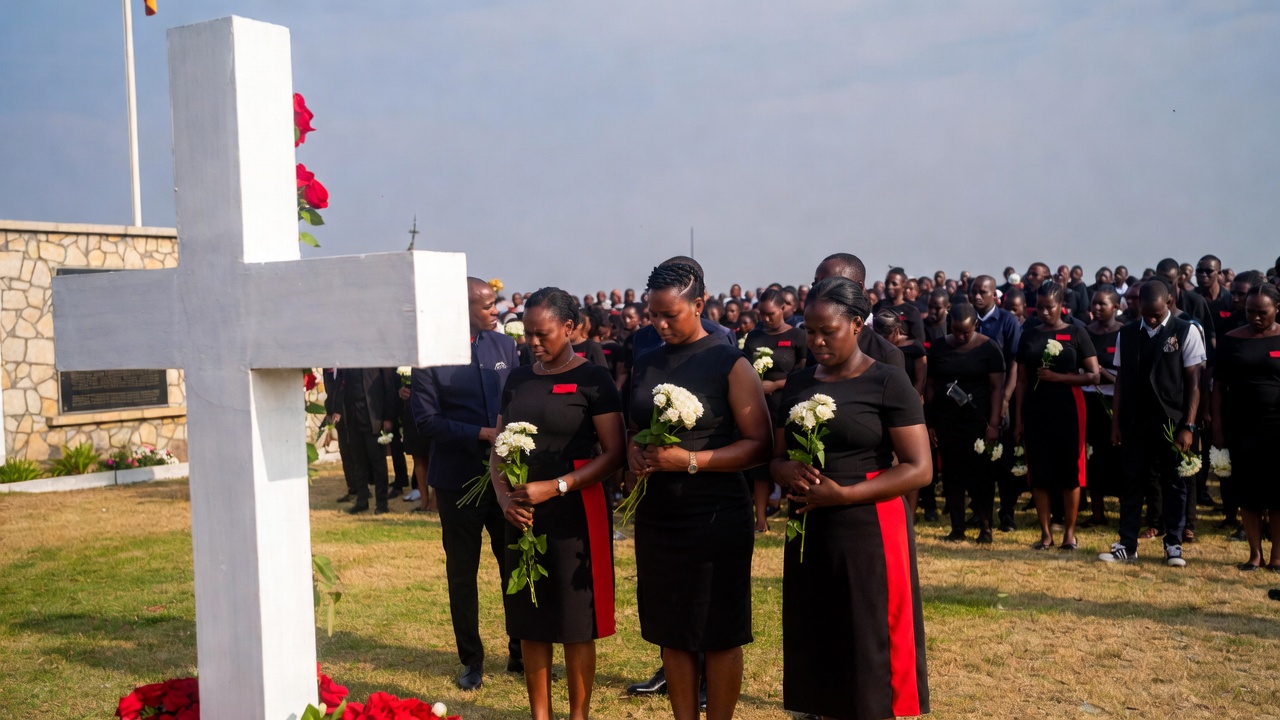
The main Heroes’ Day celebrations take place in Kigali, Rwanda’s capital city. The official ceremony occurs at the National Heroes Mausoleum, where the President and First Lady lay wreaths to honor fallen heroes.
Official Ceremonies and Public Events on February 1st 2026
The day begins with solemn ceremonies at the National Heroes Mausoleum. Government officials, dignitaries, and citizens gather to pay tribute. The program typically includes:
- Wreath-laying ceremony by the President and First Lady
- Speeches honoring Rwandan heroes past and present
- Cultural performances featuring traditional dances, songs, and poems celebrating bravery
- Community gatherings in villages across the country
Throughout Rwanda, sessions are held where speakers discuss how youth can emulate national heroes. These educational programs emphasize values of sacrifice, patriotism, and national unity.
Traditional Celebrations: Dances, Songs, and Cultural Performances
Rwandan cultural performances during Heroes’ Day showcase the nation’s rich artistic heritage. Traditional Intore dancers perform athletic routines once reserved for royal celebrations. These performances feature elaborate costumes, dramatic movements, and traditional instruments.
Poetry recitations honoring fallen heroes form an important part of celebrations. Rwandans share stories of bravery, sacrifice, and the journey toward reconciliation. These oral traditions help preserve history while inspiring future generations.
Essential Rwanda Visa Requirements and Entry Information for 2026
Planning your Rwanda trip requires understanding current entry requirements. Rwanda maintains one of Africa’s most welcoming visa policies for international travelers.
Visa-Free Entry and Visa-on-Arrival Countries
According to Rwanda’s Directorate General of Immigration and Emigration, citizens of the following groups receive visa waivers:
| Country Group | Visa Status | Stay Duration |
|---|---|---|
| East African Community | Free entry pass | 6 months |
| African Union members | Visa-free upon arrival | 30 days |
| Commonwealth nations | Visa-free upon arrival | 30 days |
| La Francophonie members | Visa-free upon arrival | 30 days |
Additionally, nationals from Singapore, Indonesia, Qatar, Philippines, Haiti, and several African nations receive 90-day visa-free entry.
How to Obtain a Tourist Visa for Rwanda
For visitors requiring visas, Rwanda offers convenient options:
Visa on Arrival:
- Available to citizens of all countries
- Cost: $50 USD (single entry, 30 days) or $70 USD (multiple entry, 90 days)
- Processing: Immediate at port of entry
Online e-Visa:
- Apply through Rwanda’s official immigration portal
- Processing time: Approximately 3 working days
- Pay online or upon arrival
East African Tourist Visa:
- Covers Rwanda, Kenya, and Uganda
- Cost: $100 USD
- Valid: 90 days, multiple entry
- First entry must be the issuing country
Important Entry Requirements Checklist
| Requirement | Details |
|---|---|
| Passport validity | Minimum 6 months beyond travel date |
| Empty passport pages | At least one full page required |
| Proof of funds | May be requested |
| Return ticket | Recommended |
| Yellow fever | Certificate may be required |
| Plastic bags | Prohibited – pack items in paper bags |
Important note: Rwanda strictly enforces its plastic bag ban. Do not bring single-use plastic bags into the country. Airport security may confiscate them upon arrival.
Getting to Kigali: Flights and Transportation Options
Kigali International Airport (KGL) serves as Rwanda’s primary gateway. The airport sits approximately 15 minutes from central Kigali, making transfers quick and convenient.
International Flight Options to Rwanda in 2026
Major airlines connecting to Kigali include:
- RwandAir (national carrier with extensive regional network)
- Ethiopian Airlines (via Addis Ababa)
- Kenya Airways (via Nairobi)
- Qatar Airways (via Doha)
- Turkish Airlines (via Istanbul)
- Brussels Airlines (via Brussels)
- KLM (via Amsterdam)
No direct flights currently operate from the United States or United Kingdom. Most travelers connect through Addis Ababa, Nairobi, or Dubai.
Airport Transfers and Ground Transportation
| Transportation Option | Cost (Approx.) | Notes |
|---|---|---|
| Hotel shuttle | Often complimentary | Book in advance |
| Airport taxi | RWF 10,000-15,000 ($10-15 USD) | Negotiable rates |
| Motorcycle taxi (moto) | RWF 2,000-5,000 | Budget option |
| Private transfer | $20-40 USD | Pre-arranged |
For convenience, book airport transfers through your hotel or tour operator in advance.
Where to Stay in Kigali: Best Hotels for Every Budget
Kigali offers accommodation ranging from luxury five-star hotels to budget-friendly guesthouses. The city’s cleanliness and safety make all areas comfortable for tourists.
Luxury Hotels in Kigali for Premium Travelers
Kigali Marriott Hotel ⭐⭐⭐⭐⭐
- Location: City center
- Features: Multiple restaurants, outdoor pool, full-service spa
- Price range: $200-400/night
- Perfect for: Business travelers and luxury seekers
Kigali Serena Hotel ⭐⭐⭐⭐⭐
- Location: Kiyovu, overlooking the city
- Features: 500-seat auditorium, magnificent ballroom, landscaped gardens
- Price range: $180-350/night
- Perfect for: Conference attendees and refined travelers
The Retreat ⭐⭐⭐⭐⭐
- Location: Quiet residential area
- Features: Eco-friendly solar power, sustainable teak furniture
- Price range: $150-300/night
- Perfect for: Eco-conscious luxury travelers
Mid-Range Hotels Offering Excellent Value
Four Points by Sheraton Kigali ⭐⭐⭐⭐
- Central location with modern amenities
- Price range: $100-180/night
- Excellent service and comfortable rooms
Radisson Blu Hotel & Convention Centre ⭐⭐⭐⭐
- Connected to Kigali Convention Centre
- Price range: $120-200/night
- Outdoor spa and fitness facilities
Hôtel Des Mille Collines ⭐⭐⭐⭐
- Historic hotel featured in the film Hotel Rwanda
- Garden and hill views
- Price range: $90-160/night
Budget Accommodation Options in Kigali
| Hotel | Star Rating | Price Range | Features |
|---|---|---|---|
| Five to Five Hotel | ⭐⭐⭐ | $30-60/night | Near airport, clean rooms |
| 5 Swiss Hotel | ⭐⭐ | $25-50/night | City center location |
| Discover Rwanda Youth Hostel | Hostel | $15-30/night | Dormitories and private rooms |
According to Tripadvisor, budget-conscious travelers should consider visiting December through February when hotel prices are generally lowest.
Top Attractions to Visit in Kigali During Your Trip
Kigali has transformed into one of Africa’s most dynamic cities. The capital combines historical significance with modern development, offering diverse attractions for every interest.
Kigali Genocide Memorial: Understanding Rwanda’s History
The Kigali Genocide Memorial stands as the most important historical site in Rwanda. Located in the Gisozi district, this powerful memorial serves as the final resting place for over 250,000 victims of the Genocide against the Tutsi.
Visitor Information:
- Opening hours: 9:00 AM – 5:00 PM (last entry 4:00 PM), 7 days per week
- Entrance fee: Free (donations welcomed)
- Audio guide: $15 USD (highly recommended)
- Ubumuntu Package: $30 USD (includes audio guide, rose for memorial, and café WiFi)
- Time required: Allow at least 2-2.5 hours
The memorial features three permanent exhibitions:
- Main Exhibition (basement floor): Documents Rwanda’s history, the genocide, and the aftermath
- Our Future Lost: Dedicated to children killed during the genocide
- Wasted Lives: Explores the Holocaust and other 20th-century genocides
According to the Kigali Genocide Memorial website, children under 12 are not permitted. Visitors must dress respectfully and are prohibited from walking on mass graves.
Art Galleries and Cultural Centers Worth Exploring
Inema Arts Center
- Founded by brothers Emmanuel Nkuranga and Innocent Nkurunziza
- Features contemporary African art, painting, sculpture, and mixed media
- Home to traditional dance classes and the Nziza Workshop
- Open daily 8:00 AM – 8:00 PM
Niyo Art Gallery
- Showcases Rwanda’s emerging artistic talent
- Features painting, sculpture, dance, and music
- Safe space for artistic experimentation
Markets and Shopping Experiences in Kigali
Kimironko Market
- The busiest market in Kigali
- Products from Uganda, Kenya, and DRC
- Fresh produce, fabrics, clothing, household items
- Perfect for experiencing local life
Caplaki Crafts Market
- Traditional masks, paintings, jewelry
- Musical instruments and souvenirs
- Great for authentic Rwandan crafts
Gorilla Trekking in Rwanda: The Ultimate Wildlife Experience
No visit to Rwanda is complete without gorilla trekking in Volcanoes National Park. Rwanda protects approximately one-third of the world’s remaining mountain gorilla population, with over 600 individuals living in the Virunga Mountains ecosystem.
Rwanda Gorilla Permit Costs and Booking Information for 2026
| Visitor Category | Permit Cost 2026 | Notes |
|---|---|---|
| Foreign non-residents | $1,500 USD | Standard rate |
| Foreign residents | $500 USD | Proof required |
| East African citizens | $200 USD | ID required |
| Rwandan citizens | $200 USD | ID required |
Low Season Discount (November-May): Travelers who spend at least two nights in Akagera or Nyungwe National Parks may qualify for a 30% discount, reducing the permit to $1,050 USD.
How to Book Your Gorilla Trekking Permit
Booking Methods:
- Through a tour operator (recommended for first-time visitors)
- Directly via the Rwanda Development Board website
- At Volcanoes National Park headquarters (limited last-minute availability)
Important booking tips:
- Book 2-6 months in advance for peak season dates
- Permits sell out quickly during December-February and June-September
- Only 96 permits are available daily (8 visitors × 12 habituated groups)
What to Expect During Your Gorilla Trek
Your gorilla trekking experience begins at Kinigi headquarters near Musanze. Here’s what the day looks like:
7:00 AM – Briefing at park headquarters 8:00 AM – Trek begins (duration varies from 1-6 hours depending on gorilla location) Upon finding gorillas – One hour observation time Return – Trek back to headquarters
Essential packing list:
- Sturdy hiking boots with ankle support
- Long pants and long-sleeved shirt
- Rain jacket
- Garden gloves (for gripping vegetation)
- Plenty of water
- Snacks
- Camera (no flash photography)
Age and Health Requirements for Trekking
| Requirement | Details |
|---|---|
| Minimum age | 15 years old (strictly enforced) |
| Health screening | Conducted before each trek |
| Cold/flu symptoms | Will result in denied participation (no refund) |
| Physical fitness | Moderate to good fitness recommended |
| Distance from gorillas | 7 meters minimum must be maintained |
Beyond Gorillas: Other National Parks and Wildlife Experiences
Rwanda offers diverse wildlife experiences beyond gorilla trekking. Consider extending your trip to explore other remarkable parks.
Akagera National Park: Big Five Safari Experience
Located in eastern Rwanda, Akagera National Park offers classic Big Five safari experiences. Just two hours from Kigali, the park supports:
- Lions (reintroduced in 2015)
- Rhinos (both black and white species reintroduced)
- Elephants
- Buffalo
- Leopards (rare sightings)
Best time to visit: Dry season (June-September) for concentrated wildlife viewing
Nyungwe Forest National Park: Chimpanzee Tracking
Rwanda’s largest remaining tropical rainforest offers:
- Chimpanzee tracking experiences
- 13 primate species including colobus monkeys
- Canopy walk suspended 50 meters above the forest floor
- Over 300 bird species
Lake Kivu: Relaxation and Water Activities
Africa’s sixth-largest lake offers:
- Beach relaxation at resort towns
- Kayaking and paddleboarding
- Island tours to Amahoro and Napoleon islands
- Fresh fish restaurants serving sambaza and tilapia
- Hot springs at Gihaya Island
Traditional Rwandan Food: What to Eat During Your Visit
Rwandan cuisine features fresh, locally-sourced ingredients with simple preparation methods that highlight natural flavors. Most traditional dishes are vegetarian by default, though meat dishes are enjoyed during special occasions.
Must-Try Traditional Rwandan Dishes
| Dish | Description | Where to Find |
|---|---|---|
| Brochettes | Grilled meat skewers (goat, beef, or fish) with spices | Street vendors, bars, restaurants |
| Isombe | Cassava leaves with groundnuts and palm oil | Traditional restaurants |
| Ugali | Maize flour dough served with stews | Everywhere |
| Matoke | Steamed green bananas | Home cooking, local eateries |
| Agatogo | Plantain stew with vegetables and peanuts | Traditional restaurants |
| Ibirayi | Rwandan-style fried potatoes with spices | Street food stalls |
Popular Rwandan Beverages to Sample
Rwandan Coffee
- World-renowned for quality
- Grown in high-altitude regions
- Available at cafés throughout Kigali
- Try it at Question Coffee for the full experience
Ikivuguto
- Traditional fermented milk drink
- Tangy and probiotic-rich
- Available at milk bars in Nyamirambo
Urwagwa (Banana Beer)
- Traditional fermented banana beverage
- Consumed during celebrations
- Slightly sweet and tangy
Best Restaurants for Authentic Rwandan Cuisine
Heaven Restaurant & Boutique Hotel
- Gourmet twists on traditional dishes
- Local ingredient focus
- Beautiful garden setting
The Hut
- Cozy atmosphere in Kigali hills
- Authentic Rwandan specialties
- Gorgeous views
Chez Lando
- Vibrant atmosphere
- Traditional brochettes and plantains
- Popular with locals and tourists
Nyamirambo Women’s Center
- Cooking classes available
- Hands-on cultural experience
- Support local women’s initiatives
Cultural Etiquette and Tips for Respectful Travel in Rwanda
Understanding Rwandan customs ensures respectful and meaningful interactions during your visit.
Important Cultural Considerations
Do:
- Greet people warmly and take time for pleasantries
- Use both hands when giving or receiving items
- Dress modestly, especially at memorial sites
- Learn basic Kinyarwanda greetings (Muraho = Hello)
- Accept hospitality graciously
Don’t:
- Ask about ethnicity (Rwandans identify simply as Rwandan)
- Discuss the genocide unless initiated by locals
- Eat in public on the streets
- Bring plastic bags into the country
- Take photos of military installations or personnel
Practical Travel Tips for Rwanda
Safety: Rwanda is one of Africa’s safest countries. Crime rates are low, and tourist areas are well-policed. However, basic precautions apply:
- Avoid displaying expensive items
- Use hotel safes for valuables
- Carry copies of passport and visa
Money:
- Currency: Rwandan Franc (RWF)
- Exchange rate: Approximately 1 USD = 1,200-1,300 RWF
- Credit cards accepted at hotels and upscale restaurants
- Carry cash for markets and small purchases
- ATMs widely available in Kigali
Communication:
- Official languages: Kinyarwanda, English, French, Swahili
- English widely spoken in tourism areas
- Local SIM cards available at airport
- Good mobile coverage throughout the country
Complete 7-Day Rwanda Itinerary Including Heroes’ Day 2026
Day 1 (Saturday, January 31): Arrival in Kigali
- Arrive at Kigali International Airport
- Transfer to hotel
- Evening: Explore Nyamirambo neighborhood
- Dinner: Try brochettes at a local restaurant
Day 2 (Sunday, February 1): National Heroes’ Day Celebrations
- Morning: Observe ceremonies at National Heroes Mausoleum (if public access available)
- Afternoon: Visit Kigali Genocide Memorial
- Evening: Cultural performances and celebrations
- Note: Many businesses closed for public holiday
Day 3 (Monday, February 2): Kigali City Exploration
- Morning: Inema Arts Center and art galleries
- Lunch: Heaven Restaurant
- Afternoon: Kimironko Market shopping
- Evening: Rooftop drinks at Khana Khazana Sky Lounge
Day 4 (Tuesday, February 3): Transfer to Volcanoes National Park
- Morning: Drive to Musanze (2.5 hours)
- Check in at lodge near Volcanoes National Park
- Afternoon: Cultural village visit or golden monkey tracking
- Evening: Early dinner and rest before gorilla trek
Day 5 (Wednesday, February 4): Gorilla Trekking Day
- 5:00 AM: Wake up and breakfast
- 7:00 AM: Briefing at Kinigi headquarters
- 8:00 AM onwards: Gorilla trek (duration varies)
- Afternoon: Return and rest
- Evening: Celebrate your experience
Day 6 (Thursday, February 5): Lake Kivu
- Morning: Drive to Lake Kivu (3-4 hours)
- Afternoon: Relax at lakeside resort
- Water activities or Congo Nile Trail hiking
- Sunset dinner overlooking the lake
Day 7 (Friday, February 6): Return to Kigali and Departure
- Morning: Leisure time at Lake Kivu
- Afternoon: Drive back to Kigali (3-4 hours)
- Evening: Last-minute shopping or departure
How Much Does a Trip to Rwanda Cost in 2026
Budget Breakdown for Rwanda Travel
| Category | Budget ($) | Mid-Range ($) | Luxury ($) |
|---|---|---|---|
| Accommodation (per night) | $30-60 | $100-180 | $200-400+ |
| Meals (per day) | $20-30 | $40-60 | $80-150 |
| Gorilla permit | $1,500 | $1,500 | $1,500 |
| Internal transport | $50-100 | $150-250 | $300-500 |
| Activities | $50-100 | $150-300 | $400-800 |
| Total (7 days) | $2,000-2,500 | $3,000-4,000 | $5,000-8,000+ |
Money-saving tips:
- Visit during low season (February qualifies!)
- Book multi-park visits for gorilla permit discounts
- Use local transport between cities
- Eat at local restaurants rather than hotel dining
- Book accommodations in advance for better rates
Health and Safety Information for Rwanda Travelers
Recommended Vaccinations and Health Precautions
Consult a travel health clinic 6 weeks before departure. Common recommendations include:
| Vaccination/Precaution | Recommendation |
|---|---|
| Yellow Fever | May be required for entry |
| Hepatitis A & B | Recommended |
| Typhoid | Recommended |
| Rabies | Consider if doing extensive wildlife activities |
| Malaria prophylaxis | Recommended for rural areas |
| COVID-19 | Check current requirements |
Travel Insurance Recommendations
Essential coverage should include:
- Medical evacuation (important for remote trekking areas)
- Trip cancellation (gorilla permits are non-refundable)
- Emergency medical expenses
- Baggage loss
Rwanda’s medical facilities in Kigali are adequate for basic needs, but serious conditions may require evacuation to Nairobi or home country.
Frequently Asked Questions About Visiting Rwanda for Heroes’ Day
Is Rwanda safe for tourists in 2026?
Yes, Rwanda is considered one of Africa’s safest countries. The capital Kigali consistently ranks as the cleanest and safest city on the continent. Tourist areas are well-policed, and violent crime against visitors is extremely rare.
Can tourists attend Heroes’ Day ceremonies?
While the official ceremony at the National Heroes Mausoleum is primarily for dignitaries, visitors can observe celebrations throughout the city. Cultural performances, community gatherings, and educational events welcome respectful observers.
Do I need a guide for Kigali?
Guides are not required for Kigali exploration but can enhance your experience, particularly at historical sites. The Kigali Genocide Memorial offers guided tours with survivors sharing personal stories.
Is February good for gorilla trekking?
February offers excellent trekking conditions. As part of the short dry season, trails are drier than during rainy months. The lower tourist volume means better permit availability.
How far in advance should I book gorilla permits?
Book 2-6 months in advance for high season (June-September, December-February). Last-minute permits may be available during low season months but are never guaranteed.
What is Umuganda and will it affect my visit?
Umuganda is Rwanda’s monthly community cleaning initiative held on the last Saturday of each month. On this day (which falls on January 31, 2026, just before Heroes’ Day):
- Most transportation services are suspended 8:00 AM – 11:00 AM
- Shops and markets closed during this time
- Plan activities accordingly
Conclusion: Experience Rwanda’s Heart and Soul During Heroes’ Day 2026
Rwanda National Heroes’ Day 2026 offers travelers an extraordinary window into the soul of this remarkable nation. The combination of solemn remembrance, cultural celebration, and national pride creates an experience unlike any other African destination.
From the moving ceremonies honoring those who sacrificed for Rwanda’s liberation to the world-famous gorilla encounters in misty volcanic forests, your February 2026 visit promises unforgettable moments. The pleasant weather, lower tourist numbers, and potential permit discounts make this an ideal time to explore the Land of a Thousand Hills.
Rwanda’s transformation from tragedy to triumph stands as one of history’s most inspiring stories. By visiting during Heroes’ Day, you become part of that ongoing narrative—witnessing how a nation honors its past while building an ambitious future.
Book your trip now to secure gorilla permits and preferred accommodations. Whether you’re drawn by wildlife, history, culture, or all three, Rwanda rewards thoughtful travelers with experiences that last a lifetime.
Complete Packing List for Rwanda Heroes’ Day Trip
Packing appropriately ensures comfort throughout your Rwanda adventure. The diverse terrain and activities require thoughtful preparation.
Clothing Essentials for Rwanda Travel
For City Exploration (Kigali):
- Lightweight, breathable clothing
- Long pants or skirts (modest dress recommended)
- Comfortable walking shoes
- Light jacket for cool evenings
- Sunhat and sunglasses
For Gorilla Trekking:
- Long-sleeved hiking shirt (earth tones preferred)
- Long hiking pants (tuck into socks to prevent insect bites)
- Waterproof rain jacket
- Sturdy, waterproof hiking boots with ankle support
- Garden gloves for gripping vegetation
- Gaiters (optional but recommended)
- Backpack cover for rain protection
For Memorial Sites:
- Respectful, modest attire
- Shoulders and knees covered
- Comfortable but presentable shoes
- Tissues (visits can be emotional)
Essential Gear and Accessories
| Item | Purpose | Priority |
|---|---|---|
| Binoculars | Wildlife viewing | High |
| Camera with zoom lens | Photography | High |
| Reusable water bottle | Hydration | Essential |
| Daypack | Carrying supplies | Essential |
| First aid kit | Minor injuries | Essential |
| Sunscreen SPF 30+ | Sun protection | High |
| Insect repellent | Mosquito protection | High |
| Headlamp | Early morning activities | Medium |
| Power adapter | European-style plugs (Type C, J) | Essential |
| Portable charger | Phone/camera backup | High |
What NOT to Bring to Rwanda
Prohibited items:
- Single-use plastic bags (strictly enforced)
- Drones (require special permits)
- Camouflage clothing (may cause issues)
- Large amounts of foreign currency without declaration
Photography Tips for Capturing Rwanda’s Beauty
Rwanda offers extraordinary photographic opportunities from mountain gorillas to vibrant markets. Understanding local guidelines ensures both great shots and respectful behavior.
Gorilla Photography Best Practices
Camera Settings:
- Use fast shutter speeds (1/500s minimum) for active gorillas
- High ISO (3200-6400) for dense forest conditions
- Aperture priority mode at f/4-5.6 for sharp subjects
- Burst mode to capture fleeting expressions
Important Rules:
- Flash photography is prohibited (disturbs gorillas)
- Maintain 7-meter distance (shorter lenses require cropping)
- Keep camera movements slow and deliberate
- Avoid continuous clicking sounds
Recommended Equipment:
- Telephoto lens (70-200mm or 100-400mm)
- Fast prime lens (85mm f/1.8 for portraits)
- Weather-sealed camera body
- Extra memory cards and batteries
Memorial Site Photography Guidelines
The Kigali Genocide Memorial permits outdoor photography but prohibits photography inside exhibitions. Media professionals require permits from the Ministry of National Unity and Civic Engagement.
Respectful photography tips:
- Ask permission before photographing visitors
- Focus on architecture and gardens, not mourning individuals
- Use photography to honor, not sensationalize
- Consider whether your photos serve a meaningful purpose
Street Photography in Kigali
Rwandans are generally friendly toward photographers but always ask permission before capturing portraits. Market vendors often appreciate having their work photographed and may expect small purchases in return.
Day Trips and Excursions from Kigali
Extend your Heroes’ Day experience with fascinating day trips accessible from Rwanda’s capital.
Ntarama Genocide Memorial Church
Distance: 30 kilometers south of Kigali
Travel time: Approximately 45 minutes
This somber site preserves a church where approximately 5,000 Tutsis were killed during the genocide. Unlike Kigali’s memorial, Ntarama retains victims’ belongings and remains where they fell, creating a powerful, visceral experience.
Nyamata Genocide Memorial
Distance: 35 kilometers south of Kigali
Travel time: Approximately 1 hour
Another church-turned-memorial where approximately 10,000 people sought refuge before being massacred. Together with Ntarama, these sites offer crucial context for understanding the genocide’s scale.
Bugesera District Cultural Tour
This district southeast of Kigali offers:
- Reconciliation villages where genocide survivors and perpetrators live as neighbors
- Traditional Intore dance performances
- Coffee plantation tours
- Community craft cooperatives
Lake Muhazi Day Trip
Distance: 60 kilometers northeast of Kigali
Travel time: Approximately 1.5 hours
This scenic lake offers:
- Kayaking and paddleboarding
- Fishing excursions
- Lakeside restaurants
- Bird watching opportunities
Understanding Rwanda’s Remarkable Transformation Story
Visiting during Heroes’ Day provides exceptional insight into Rwanda’s journey from tragedy to one of Africa’s most progressive nations.
Post-Genocide Recovery and Reconciliation
Rwanda’s recovery represents one of history’s most remarkable national transformations. Key elements include:
Gacaca Courts (2002-2012): Community-based justice system that processed approximately 1.9 million cases related to genocide crimes. These courts prioritized reconciliation over retribution, requiring perpetrators to acknowledge their crimes and seek forgiveness.
Unity and Reconciliation Programs: Government-led initiatives eliminated ethnic identification cards and discouraged ethnic labels. Today, Rwandans identify simply as “Rwandan” rather than by ethnic group.
Economic Development: Rwanda has achieved consistent 7-8% annual GDP growth since 2000. The country ranks among Africa’s easiest places to do business and has become a technology and innovation hub.
Umuganda: Community Service Tradition
On the last Saturday of each month, Rwandans participate in Umuganda, mandatory community service. Citizens clean streets, repair infrastructure, and complete community projects together. This tradition reinforces national unity and collective responsibility.
For visitors: Plan around Umuganda morning (8:00 AM – 11:00 AM). Most transport and businesses are unavailable during this time.
Vision 2050: Rwanda’s Ambitious Future
Rwanda’s development goals include:
- Achieving upper-middle-income status by 2035
- Becoming a knowledge-based economy
- Achieving universal health coverage
- Maintaining environmental sustainability
Visitors witness this ambitious progress throughout their trip, from modern infrastructure to innovative conservation programs.
Sustainable and Responsible Tourism in Rwanda
Rwanda has positioned itself as a leader in sustainable tourism practices. Visitors can support these efforts through conscious travel choices.
Conservation Contributions
The $1,500 gorilla permit directly funds conservation efforts:
- 10% goes directly to communities near Volcanoes National Park
- Remaining funds support ranger salaries, anti-poaching patrols, and veterinary care
- Revenue enabled mountain gorilla population recovery from approximately 620 individuals in 1989 to over 1,000 today
Eco-Friendly Accommodation Options
Many Rwandan lodges prioritize sustainability:
Wilderness Bisate Lodge (Volcanoes NP)
- Built using local materials and labor
- Active forest restoration program
- Solar and hydro power
Nyungwe House (Nyungwe Forest)
- Tea plantation conversion
- Community employment focus
- Waste reduction programs
The Retreat (Kigali)
- Solar-powered operations
- Sustainable teak furniture
- Local sourcing policies
How Travelers Can Minimize Impact
Do:
- Choose locally-owned accommodations when possible
- Purchase crafts directly from artisans
- Use reusable water bottles (tap water is generally safe in Kigali after filtering)
- Respect wildlife viewing distances
- Follow guide instructions during treks
Avoid:
- Single-use plastics (banned anyway)
- Bargaining excessively with local vendors
- Feeding or touching wildlife
- Leaving trails during hikes
- Littering anywhere
Special Events and Festivals in Rwanda Throughout 2026
While Heroes’ Day provides the occasion for your February visit, Rwanda hosts numerous events throughout the year.
Kwita Izina (Gorilla Naming Ceremony)
When: September (date varies)
Where: Volcanoes National Park
Rwanda’s premier conservation celebration names all baby gorillas born in the previous year. The event features cultural performances, celebrity guests, and conservation speeches.
Kigali Up Festival
When: July
Where: Various Kigali venues
Annual music festival showcasing Rwandan and international artists across multiple genres.
Rwanda Film Festival (Hillywood)
When: Various dates
Where: Kigali and regional locations
Celebrates Rwandan and African cinema with screenings, workshops, and industry events.
Ubumuntu Arts Festival
When: Various dates
Where: Kigali Genocide Memorial Amphitheater
Performance art addressing humanity’s challenges, hosted at the memorial grounds.
Emergency Contacts and Useful Information
Important Phone Numbers
| Service | Number |
|---|---|
| Emergency (Police, Fire, Ambulance) | 112 |
| Tourist Police | 0788 311 031 |
| RDB Tourism Office | +250 252 576 514 |
Embassy Information
United States Embassy
- Address: KG 593 Street, Kigali
- Phone: +250 252 596 400
British High Commission
- Address: KG 593 Street, Kigali
- Phone: +250 252 554 512
Medical Facilities in Kigali
King Faisal Hospital – Primary referral hospital with emergency services
Rwanda Military Hospital – Comprehensive medical care
Legacy Clinic – Popular with expatriates
Final Thoughts: Making the Most of Your Rwanda Heroes’ Day Experience
Visiting Rwanda during National Heroes’ Day 2026 offers something precious: the opportunity to witness a nation’s ongoing journey of remembrance, reconciliation, and renewal. This isn’t merely tourism—it’s participation in one of humanity’s most inspiring stories of resilience.
The heroes honored on February 1st represent different eras and different sacrifices, but they share a common thread of placing country above self. As a visitor, you honor their legacy simply by bearing witness, learning their stories, and carrying Rwanda’s message of hope to the world.
Beyond the ceremonies and memorials, Rwanda rewards curious travelers with unparalleled wildlife encounters, stunning landscapes, warm hospitality, and a capital city that defies stereotypes about African development. The mountain gorillas alone justify the journey, but those who stay discover a country far more complex and captivating than any single attraction.
Start planning now. Book your gorilla permits, reserve accommodations near Volcanoes National Park, and allow extra days to explore beyond the typical itinerary. Rwanda reveals its depths to those who take time to look.
Murakoze cyane (Thank you very much) for considering Rwanda for your 2026 travels. The Land of a Thousand Hills awaits.
Planning your Rwanda trip? Share your questions in the comments below, and happy travels!