A comprehensive travel and cultural guide to Lebanon’s most cherished Christian holiday, celebrated on February 9th
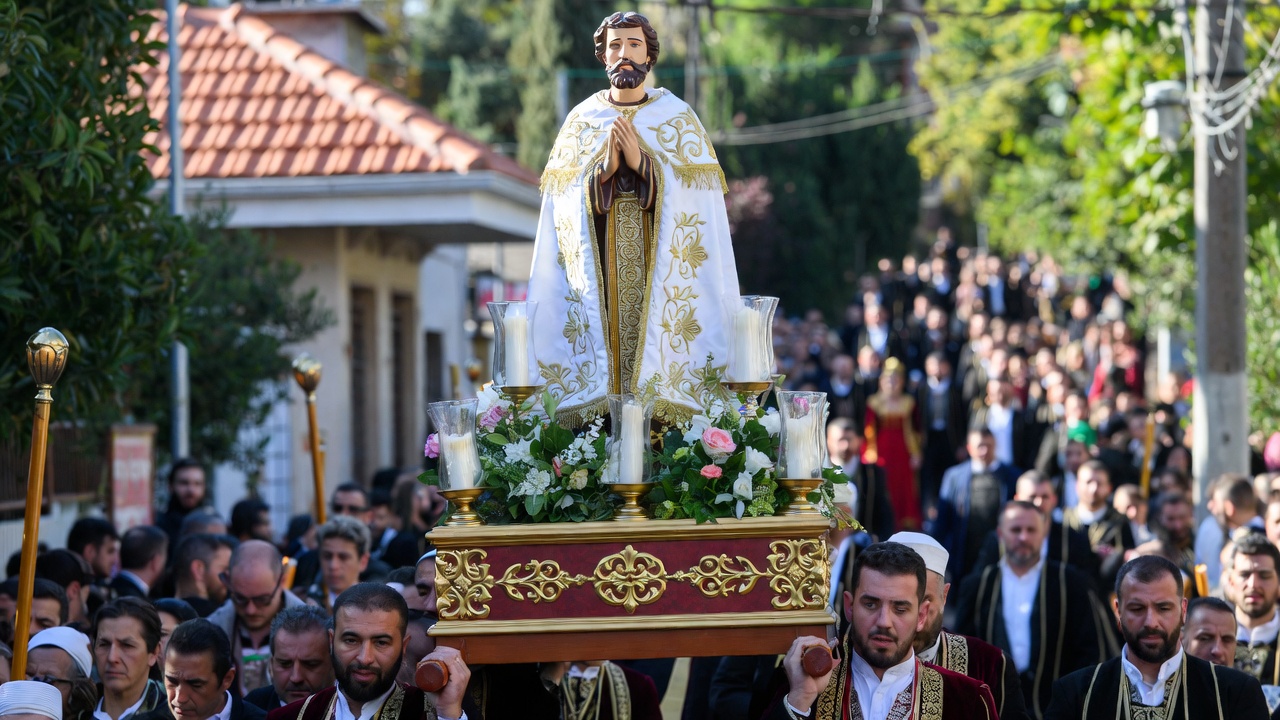
Every year on February 9th, bells ring across the mountain villages of Lebanon. Incense rises through ancient stone churches. Families gather around tables laden with traditional dishes. This is Saint Maroun’s Day—a national holiday that honors the spiritual father of one of the world’s most resilient Christian communities.
In 2026, Saint Maroun’s Day falls on Monday, February 9th. For Maronite Christians in Lebanon and the global diaspora, this date marks far more than a public holiday. It represents a celebration of faith, identity, and a 1,600-year-old spiritual heritage that has survived persecution, migration, and political upheaval.
Whether you are a traveler planning a visit to Lebanon, a member of the Maronite diaspora reconnecting with your roots, or simply curious about this ancient tradition, this guide will walk you through everything you need to know about Saint Maroun’s Day 2026.
Who Was Saint Maroun? The Life and Legacy of the Maronite Founder
Saint Maroun—also spelled Maron, Marun, or Maro—was a fourth-century hermit monk whose teachings gave birth to an entire Christian denomination. Understanding his life is essential to appreciating the feast celebrated in his honor.
Birth and Early Life in Ancient Syria
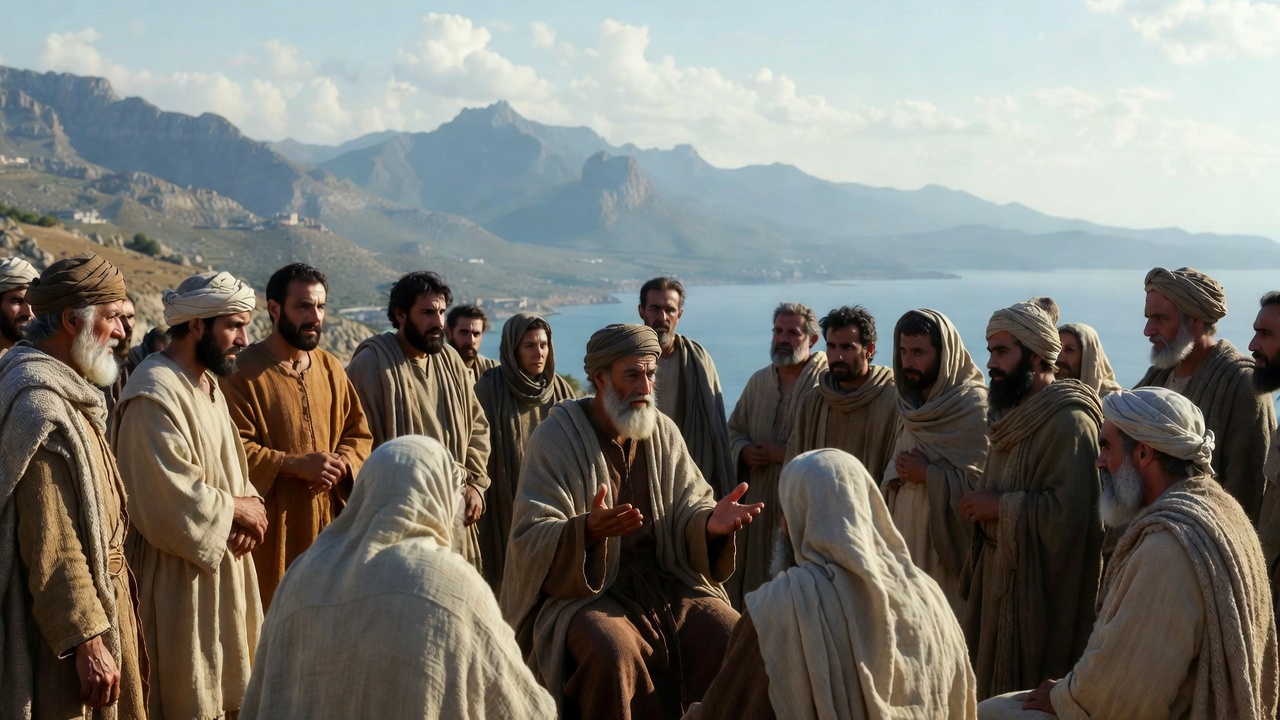
Saint Maroun was born around 350 AD in the region of Cyrrhus, located in what is now modern-day Syria, near the Turkish border and not far from Aleppo. The exact details of his early years remain shrouded in history. What we know comes primarily from the writings of Theodoret of Cyrrhus, a fifth-century bishop and historian who documented the lives of Syrian monks.
Theodoret described Maroun as “the one who has planted for God the garden which flourishes now in the region of Cyr.” This poetic tribute captures Maroun’s lasting spiritual impact on the region.
The Ascetic Life on the Mountain
Maroun chose a life of extreme asceticism. He retreated to an abandoned pagan temple on a hilltop, which he converted into a Christian place of worship. There, he exposed himself to the harshest elements—scorching summers and freezing winters—as a form of spiritual discipline.
His practices included:
- Open-air living without shelter
- Continuous prayer and meditation
- Fasting and physical mortification
- Spiritual counseling for visitors who sought his wisdom
Despite his solitary lifestyle, Maroun’s reputation for holiness and healing spread throughout the Roman Empire. People traveled great distances to receive his blessings and spiritual guidance.
Friendship with John Chrysostom
One of the most significant historical connections to Saint Maroun comes from Saint John Chrysostom, one of the early Church’s greatest preachers. Around 405 AD, Chrysostom wrote a letter to Maroun from exile, expressing deep love and respect:
“We are bound to you by love and interior disposition, and see you here before us as if you were actually present… We address ourselves to your honour and assure you that we hold you constantly in our minds and carry you about in our souls wherever we may be… please pray for us.”
This letter confirms Maroun’s high standing among prominent Christian leaders of his time.
Death and Spiritual Legacy
Saint Maroun died around 410 AD. According to historical accounts, his death sparked such intense devotion that villages fought over the right to bury his remains. The exact location of his tomb remains debated. Some historians suggest he was buried in Arethusa (modern-day al-Rastan) along the Orontes River. Others point to Brad village north of Aleppo.
After his death, Maroun’s disciples built a monastery in his honor. This Beth-Maroun (House of Maroun) became the spiritual center of what would eventually become the Maronite Church.
How Did the Feast of Saint Maroun Begin? History of February 9th Celebrations
The celebration of Saint Maroun’s feast day has evolved considerably over sixteen centuries. Understanding this evolution provides insight into the holiday’s current significance.
From January to February: The Date Change
Originally, the Maronite Church celebrated Saint Maroun’s feast on January 5th. This date corresponded with the consecration of the church in Kfarhai built in his honor. However, in the seventeenth century, the celebration was officially moved to February 9th.
This change aligned the feast with the liturgical calendars used by the broader Catholic Church. The February date has remained consistent ever since.
Papal Recognition and Indulgences
Pope Benedict XIV granted special significance to the feast by offering a plenary indulgence to all faithful who visited a Maronite church on February 9th. This papal recognition elevated the day’s importance and encouraged wider participation.
In 2011, the connection between Rome and the Maronites was further strengthened when Pope Benedict XVI unveiled a statue of Saint Maroun on the outer wall of Saint Peter’s Basilica in Vatican City. The 15-foot statue depicts Maroun holding a miniature Maronite church. An inscription in Syriac reads: “The righteous will flourish like a palm tree, they will grow like a cedar of Lebanon.”
National Holiday Status in Lebanon
Lebanon declared Saint Maroun’s Day an official national holiday. Government offices, banks, and schools close for the day. The holiday reflects Lebanon’s unique confessional political system, where religious communities maintain distinct public holidays.
This is an important holiday for Lebanese Maronite Christians who account for about 22% of the total population of Lebanon.
What Is the Maronite Church? Understanding Lebanon’s Largest Christian Denomination
To fully appreciate Saint Maroun’s Day, one must understand the church that bears his name. The Maronite Church occupies a unique position within global Christianity.
Eastern Catholic Identity
The Maronite Church is an Eastern Catholic sui iuris particular church in full communion with the Pope and the worldwide Catholic Church. Its official name is the Antiochene Syriac Maronite Church. Several characteristics distinguish it:
| Feature | Description |
|---|---|
| Leadership | Patriarch of Antioch and All the East, currently Cardinal Bechara Boutros al-Rahi |
| Patriarchal Seat | Bkerké, northeast of Beirut |
| Liturgical Language | Classical Syriac (Aramaic) and Arabic |
| Rite | West Syriac Rite, adapted from the Antiochene tradition |
| Communion Status | Full communion with Rome |
The Only Eastern Church Without an Orthodox Counterpart
The Maronite church is one of the largest Eastern rite churches, prominent especially in modern Lebanon. The church is in canonical communion with the Roman Catholic Church and is the only Eastern rite church that has no counterpart outside that union.
This means that unlike the Byzantine, Coptic, or Armenian churches—which have both Catholic and Orthodox branches—the Maronite Church has always maintained communion with Rome.
The Aramaic Connection
One of the most profound aspects of Maronite worship is its use of Syriac-Aramaic, the language spoken by Jesus Christ. During the Maronite liturgy, certain prayers—including the words of consecration and the invocation of the Holy Spirit—are recited in this ancient tongue.
“You’ll be able to understand the liturgy quickly… and be able to hear lots of parts in Aramaic… the words of consecration, the call of the Holy Spirit that’s used in the language that Jesus spoke.”
This linguistic continuity creates a powerful spiritual connection to Christianity’s earliest days.
Where to Celebrate Saint Maroun’s Day 2026 in Lebanon
Lebanon offers numerous locations to experience authentic Saint Maroun’s Day celebrations. From ancient monasteries to urban cathedrals, the options reflect the diversity of Maronite heritage.
Bkerké: The Vatican of Lebanon
The Patriarchal See at Bkerké serves as the administrative and spiritual center of the Maronite Church worldwide. Located northeast of Beirut in the Kesrouan district, Bkerké hosts special celebrations on Saint Maroun’s Day.
Patriarch Cardinal Bechara Boutros al-Rahi typically presides over a solemn liturgy attended by political figures, diplomats, and religious leaders. The setting—a grand stone complex overlooking the Mediterranean—embodies Maronite tradition meeting modern Lebanon.
Visitor Information:
- Location: Bkerké, Mount Lebanon
- Access: Open to visitors; modest dress required
- Events: Special liturgy, often broadcast nationally
The Sacred Qadisha Valley: UNESCO World Heritage Site
For those seeking a deeper spiritual experience, the Qadisha Valley (also called Kadisha Valley) offers an unparalleled pilgrimage. This dramatic gorge in northern Lebanon has sheltered Christian monasticism since the earliest centuries of Christianity.
The Qadisha valley is one of the most important early Christian monastic settlements in the world. Its monasteries, many of which are of a great age, stand in dramatic positions in a rugged landscape.
Key Monasteries to Visit:
- Monastery of Qannubin – Served as the seat of Maronite Patriarchs for 500 years, carved into cliffsides
- Monastery of Saint Anthony of Qozhaya – One of Lebanon’s oldest monasteries, home to the Middle East’s first printing press (1585)
- Our Lady of Hauqqa Monastery – A 13th-century site still home to hermits
- Mar Lichaa (Saint Elisha) Monastery – Former residence of Maronite bishops, shared with Discalced Carmelites
The valley’s name comes from the Aramaic word meaning “sacred”—a fitting description for this rugged sanctuary that protected persecuted Christians for centuries.
Saint Charbel Monastery in Annaya
Saint Charbel Makhlouf (1828-1898) was a Maronite monk canonized in 1977. His monastery in Annaya attracts millions of pilgrims annually. Many Maronites combine Saint Maroun’s Day celebrations with a visit to Saint Charbel’s tomb, seeking intercession and healing.
The monastery complex includes:
- The original monastery where Charbel lived
- His hermitage cell
- His tomb site
- A modern basilica
Beirut Celebrations
The capital city hosts celebrations at several prominent Maronite churches:
- Saint George Maronite Cathedral – Located in downtown Beirut, this historic cathedral was damaged during the civil war and carefully restored
- Saint Maroun Church – Various parishes dedicated to the patron saint hold special liturgies
- Our Lady of Lebanon Cathedral – Major celebrations in the Harissa shrine area
Traditional Foods and Feasting: What to Eat on Saint Maroun’s Day
Lebanese hospitality shines brightest during religious celebrations. Saint Maroun’s Day gatherings feature the full glory of Lebanese cuisine.
The Mezze Tradition
No Lebanese feast is complete without mezze—an array of small dishes shared family-style. Traditional mezze includes:
| Dish | Description |
|---|---|
| Hummus | Creamy chickpea dip with tahini, lemon, and garlic |
| Baba Ghanoush | Smoky roasted eggplant dip |
| Tabbouleh | Finely chopped parsley salad with bulgur, tomatoes, mint, and lemon |
| Fattoush | Mixed salad with crispy pita chips |
| Labneh | Strained yogurt drizzled with olive oil |
| Kibbeh Nayeh | Raw lamb and bulgur mixture—the ultimate delicacy |
| Grape Leaves | Stuffed with rice, meat, and spices |
Kibbeh: Lebanon’s National Dish
Kibbeh holds special significance in Lebanese culture, often appearing at celebrations and holidays. Kibbeh, the national dish of Lebanon, is a ground lamb dish that goes perfectly with chickpea salad or tabbouleh.
The dish takes many forms:
- Kibbeh Nayeh – Raw preparation, similar to steak tartare
- Kibbeh Bil Sanieh – Baked in layers with pine nuts
- Kibbeh Maklieh – Deep-fried into torpedo or ball shapes
- Kibbeh Hamdah – In lemony broth as soup
Traditional kibbeh combines lean ground lamb or beef, fine bulgur wheat, onions, and aromatic spices like cinnamon and allspice. Many families guard their kibbeh recipes as treasured heirlooms.
Manousheh: The Lebanese Breakfast Staple
While not exclusive to Saint Maroun’s Day, manousheh (Lebanese flatbread) often accompanies morning prayers and celebrations. Topped with za’atar (a blend of thyme, sesame seeds, and sumac), cheese, or ground meat, this simple bread represents everyday Lebanese comfort food.
Sweet Endings
Lebanese desserts provide the perfect conclusion to feast day celebrations:
- Baklava – Layered phyllo pastry with nuts and honey syrup
- Ma’amoul – Shortbread cookies filled with dates, pistachios, or walnuts
- Namoura – Semolina cake soaked in sweet syrup
- Sfouf – Turmeric-spiced cake with pine nuts
How Maronites Around the World Celebrate: The Global Diaspora
Perhaps no Christian community has dispersed as widely as the Maronites. Understanding this diaspora helps explain why Saint Maroun’s Day resonates far beyond Lebanon’s borders.
The Scale of Maronite Migration
According to various sources the Maronite diaspora is estimated to be somewhere between 7 and 12 million individuals, much larger than the Maronite population living in their historic homelands in Lebanon, Syria, Cyprus, Israel, and Palestine.
This means that more Maronites live outside Lebanon than within it. Major diaspora communities exist on every inhabited continent.
Regional Population Estimates
| Country/Region | Estimated Maronite Population |
|---|---|
| Lebanon | ~1,062,000 |
| Brazil | ~550,000 |
| Argentina | ~750,000 |
| United States | ~215,000 |
| Australia | ~160,000 |
| Mexico | ~160,000 |
| Canada | ~85,000 |
| France | ~52,000 |
Sources: Maronite Heritage statistics and Annuario Pontificio estimates
Why So Many Left Lebanon
Several historical events drove mass emigration:
- Economic hardship under Ottoman rule (late 19th century)
- The Great Famine of World War I – Killed an estimated one-third to one-half of Lebanon’s population
- The 1860 Mount Lebanon civil war – Maronite-Druze conflict
- Lebanese Civil War (1975-1990) – 15 years of devastating conflict
- Post-2020 economic collapse – Ongoing financial crisis
Celebrations in the Americas
Brazil hosts one of the largest Maronite communities outside Lebanon. The Eparchy of Our Lady of Lebanon of São Paulo serves hundreds of thousands of faithful. Saint Maroun’s Day celebrations include:
- Special liturgies in Portuguese and Arabic
- Cultural festivals featuring Lebanese food and music
- Community gatherings at Maronite cultural centers
Argentina’s Buenos Aires Eparchy of San Charbel similarly serves a massive community. Many Argentines of Lebanese descent maintain strong connections to their heritage.
In the United States, Maronite parishes hold special celebrations in cities with significant Lebanese-American populations:
- Brooklyn, New York – Eparchy of Saint Maron
- Los Angeles – Eparchy of Our Lady of Lebanon
- Detroit, Michigan – Large Lebanese-American community
- Cleveland, Ohio – Historic Maronite presence
Traditional Lebanese and Syrian family recipes are prepared by parishioners and served with the hospitality that is a trademark of our community.
Australian Celebrations
Sydney serves as the center of Australian Maronite life, with the Eparchy of Saint Maron of Sydney overseeing approximately 160,000 faithful. Saint Maroun’s Day events include:
- Cathedral liturgies in Sydney
- Community dinners and cultural programs
- Youth gatherings and educational events
The Maronite Liturgy: What to Expect at a Saint Maroun’s Day Mass
Attending a Maronite liturgy—especially on Saint Maroun’s Day—offers a profound spiritual and cultural experience. Here’s what visitors can expect.
Unique Elements of Maronite Worship
The Maronite liturgy differs from the Roman (Latin) Mass in several ways:
Language:
- Prayers alternate between Syriac-Aramaic and the local language (Arabic in Lebanon, English or Portuguese elsewhere)
- The words of consecration are recited in Aramaic
Physical Gestures:
- Worshippers bow their heads rather than genuflect (kneel on one knee)
- The sign of the cross may be made differently
Music and Chanting:
- Extensive use of chanting with roots in fourth and fifth-century traditions
- Arabic music elements blend with ancient Syriac hymns
Incense:
- Liberal use of incense throughout the service
- Symbolizes prayers rising to heaven
Communion:
- Typically received standing
- Unleavened bread used (following Latin practice adopted after the 1736 Synod of Mount Lebanon)
The Structure of the Divine Liturgy
The Maronite Divine Liturgy (called Qurbono or Holy Offering) follows this general structure:
- Preparation Rites – Vesting, incensation, entrance prayers
- Liturgy of the Word – Scripture readings, homily
- Liturgy of the Eucharist – Preparation of gifts, Eucharistic prayer, communion
- Dismissal – Final blessing
The Saint Maroun’s Day liturgy includes special prayers and hymns honoring the patron saint. The celebrant typically wears white or gold vestments, symbolizing joy and glory.
Attending as a Non-Maronite
Maronite churches welcome visitors of all backgrounds. Non-Catholics may attend the entire liturgy but should not receive communion unless they meet specific criteria. Modest dress is expected—covered shoulders and knees for both men and women.
Planning Your Trip: Practical Travel Guide for Lebanon in February 2026
Visiting Lebanon for Saint Maroun’s Day requires careful planning. February offers pleasant weather and lower tourist numbers, making it an ideal time to explore.
Weather Conditions in February
Lebanon’s February climate varies dramatically by elevation:
| Region | Temperature Range | Conditions |
|---|---|---|
| Beirut (coast) | 10-17°C (50-63°F) | Mild, occasional rain |
| Mount Lebanon | 0-8°C (32-46°F) | Cold, snow possible |
| Bekaa Valley | 2-12°C (36-54°F) | Cool, dry |
| Qadisha Valley | -2-10°C (28-50°F) | Cold, snow at higher elevations |
Pack layers and waterproof clothing. If visiting mountain monasteries, bring warm clothing and sturdy footwear.
Visa Requirements
Most nationalities can obtain a free 30-day visa on arrival at Beirut-Rafic Hariri International Airport. This visa can often be extended for two additional months.
Important: Lebanon strictly prohibits entry to anyone with evidence of travel to Israel in their passport. This includes Israeli stamps, visas, or stamps from land border crossings between Israel and its neighbors.
Getting Around
Lebanon’s compact size makes most attractions accessible as day trips from Beirut:
| Destination | Distance from Beirut | Travel Time |
|---|---|---|
| Bkerké | 30 km | 45 minutes |
| Qadisha Valley | 120 km | 2-2.5 hours |
| Annaya (Saint Charbel) | 40 km | 1 hour |
| Byblos | 40 km | 45 minutes |
| Baalbek | 85 km | 1.5-2 hours |
Options for getting around include:
- Rental car – Most flexible option; international driving permit recommended
- Private driver/guide – Many tour operators offer day trips
- Shared taxis (service) – Affordable but less predictable
- Buses – Depart from Cola and other stations; no fixed schedules
Accommodation Suggestions
Book accommodation well in advance for Saint Maroun’s Day weekend, as domestic travelers also take advantage of the holiday.
Beirut:
- Multiple international hotels (Hilton, Four Seasons, Phoenicia)
- Boutique hotels in Gemmayzeh and Achrafieh neighborhoods
- Budget options in Hamra district
Mountain Areas:
- Guesthouses near the Cedars of God
- Monastery stays (some monasteries offer basic accommodation)
- Hotels in Bcharre town overlooking Qadisha Valley
Safety Considerations
Beirut has historically been known as the Paris of the East, but we believe it deserves its own recognition without the comparison to their former occupiers.
As of early 2026, most of Lebanon remains safe for tourism, though travelers should:
- Check their government’s latest travel advisories
- Avoid the southern border region with Israel
- Stay informed about local developments
- Exercise normal urban caution in cities
Personal crime against tourists remains relatively uncommon. The Lebanese people are renowned for their hospitality and generally welcome foreign visitors warmly.
Currency and Costs
Lebanon uses the Lebanese Pound (LBP), though US dollars are widely accepted and often preferred. ATMs dispense both currencies. Credit cards are accepted at major establishments.
Due to economic challenges, Lebanon has become more affordable for visitors spending in foreign currency. However, ensure you have access to cash, as ATM availability can vary.
Sacred Sites Beyond the Feast: Maronite Pilgrimage Destinations
For travelers extending their visit beyond Saint Maroun’s Day, Lebanon offers numerous sacred sites connected to Maronite heritage.
Our Lady of Lebanon (Harissa)
Perched atop a mountain overlooking Jounieh Bay, the Shrine of Our Lady of Lebanon features a massive white statue of the Virgin Mary. The site offers:
- Stunning panoramic views
- A cable car (téléphérique) from Jounieh
- Maronite and Melkite churches
- Pilgrimage facilities
The Cedars of God (Horsh Arz el-Rab)
The ancient cedar forests hold profound spiritual significance. Cedars of Lebanon are mentioned over 100 times in the Bible. The remaining grove—some trees over 1,000 years old—represents both natural wonder and sacred heritage.
Nearby are the remains of the great forest of cedars of Lebanon, highly prized in antiquity for the construction of great religious buildings.
Saint Rafqa’s Monastery
Saint Rafqa (1832-1914) was a Lebanese Maronite nun canonized in 2001 by Pope John Paul II. Known for offering her own suffering to Christ, she remains beloved among Maronites. Her monastery in Jrabta welcomes pilgrims.
Blessed Hardini’s Monastery
Blessed Nimatullah al-Hardini (1808-1858) served as the spiritual master of Saint Charbel. His monastery in Kfifane preserves his memory and continues monastic traditions.
The Modern Maronite Church: Leadership and Contemporary Issues
Understanding the Maronite Church’s current context enriches appreciation for Saint Maroun’s Day celebrations.
Patriarch Bechara Boutros al-Rahi
Cardinal Bechara Boutros al-Rahi has served as the 77th Maronite Patriarch since his election on March 15, 2011. Key facts about his leadership:
- Born: February 25, 1940, in Himlaya, Lebanon
- Cardinal: Created by Pope Benedict XVI in November 2012
- Historic first: First Maronite Cardinal Patriarch to participate in a papal conclave (2013)
The Patriarch has been a vocal advocate for Lebanese sovereignty and neutrality. He has called for Lebanon to remain outside regional conflicts while addressing internal governance challenges.
Challenges Facing Lebanese Maronites
The Maronite community confronts several contemporary challenges:
- Emigration – Economic crisis continues driving young professionals abroad
- Political gridlock – Lebanon’s confessional system creates recurring governance challenges
- Regional instability – Conflicts in neighboring Syria and with Israel affect Lebanon
- Demographic shifts – Christian percentage of population has declined over decades
The Church’s Social Role
Despite challenges, the Maronite Church maintains:
- Extensive school networks providing education across Lebanon
- Hospitals and healthcare facilities
- Social services for refugees and vulnerable populations
- Cultural preservation programs
Connecting with Maronite Heritage: Resources for Diaspora Members
For Maronites living abroad or descendants exploring their heritage, Saint Maroun’s Day offers an opportunity for reconnection.
Finding a Maronite Parish
The Maronite Church maintains parishes throughout the diaspora. In the United States, two eparchies serve the faithful:
- Eparchy of Saint Maron of Brooklyn – Serves the eastern United States
- Eparchy of Our Lady of Lebanon of Los Angeles – Serves the western United States
Similar structures exist in:
- Canada – Eparchy of Saint Maron of Montreal
- Australia – Eparchy of Saint Maron of Sydney
- Brazil – Eparchy of Our Lady of Lebanon of São Paulo
- Argentina – Eparchy of San Charbel of Buenos Aires
- Mexico – Eparchy of Our Lady of the Martyrs of Lebanon
Maronite Organizations
Several organizations support diaspora communities:
- National Apostolate of Maronites (NAM) – U.S.-based organization promoting Maronite heritage
- World Maronite Union – Global network connecting diaspora communities
- Maronite Foundation in the World – Lebanese-based organization supporting diaspora relations
Learning Maronite Traditions
Resources for learning about Maronite heritage include:
- Liturgical education programs at local parishes
- Syriac language classes offered by some communities
- Cultural festivals held throughout the year
- Pilgrimage tours to Lebanon organized by parishes and tour operators
Frequently Asked Questions About Saint Maroun’s Day 2026
When is Saint Maroun’s Day 2026?
Saint Maroun’s Day 2026 falls on Monday, February 9th. This creates a long weekend for Lebanese residents, as Sunday precedes the Monday holiday.
Is Saint Maroun’s Day a public holiday in Lebanon?
Yes. Saint Maroun’s Day is an official national holiday in Lebanon. Banks, government offices, and many businesses close. Some shops and restaurants remain open, especially in tourist areas.
Can non-Maronites attend Saint Maroun’s Day celebrations?
Absolutely. Maronite churches welcome visitors of all backgrounds to attend liturgies and celebrations. Non-Catholics should refrain from receiving communion but may participate in other aspects of worship.
What should I wear to a Maronite church?
Modest dress is expected. Both men and women should cover shoulders and knees. Women do not need to cover their heads unless entering certain traditional monasteries.
Do Maronites fast before Saint Maroun’s Day?
Saint Maroun’s Day occurs during the period before Lent. While not a fasting day itself, observant Maronites may practice personal devotions in preparation for the feast.
Is it safe to visit Lebanon in February 2026?
Most of Lebanon remains safe for tourism. Travelers should:
- Check current government advisories
- Avoid border regions with Israel
- Stay informed about local conditions
- Use common sense urban precautions
How do I find a Maronite church near me?
The Maronite eparchies maintain online directories of parishes. In the United States, visit the websites of the Brooklyn and Los Angeles eparchies. Australian Maronites can contact the Sydney eparchy.
Understanding the Maronite Cross: Symbolism and Meaning
One of the most recognizable symbols of Maronite identity is the distinctive three-barred cross. This unique design carries deep theological and historical significance.
The Three Crossbars
Unlike the Latin cross with one horizontal bar or the Eastern Orthodox cross with two bars, the Maronite cross features three horizontal crossbars. Each bar carries symbolic meaning:
- Upper bar – Represents the inscription placed above Christ’s head (“Jesus of Nazareth, King of the Jews”)
- Middle bar – The main crossbeam where Christ’s hands were nailed
- Lower bar – The footrest (suppedaneum) where Christ’s feet were nailed
Together, the three bars are often interpreted as representing the Holy Trinity—Father, Son, and Holy Spirit—unified in the mystery of redemption.
Connection to the Cedars of Lebanon
The Maronite cross’s design also evokes the Cedars of Lebanon, trees deeply embedded in Maronite identity and frequently mentioned in Scripture. The towering, spreading branches of the cedar mirror the cross’s structure, connecting earthly Lebanon to heavenly salvation.
A Syriac inscription often accompanying the cross reads: “The righteous will flourish like a palm tree, they will grow like a cedar of Lebanon” (Psalm 92:12). This verse appears on Saint Maroun’s statue at the Vatican.
Using the Maronite Cross
Maronite faithful wear the cross as jewelry, display it in homes, and feature it prominently in churches. During Saint Maroun’s Day, crosses are often decorated with flowers or displayed alongside images of the patron saint.
Traditional Music and Hymns: The Soundscape of Saint Maroun’s Day
Music plays a central role in Maronite worship and celebration. The soundscape of Saint Maroun’s Day blends ancient Syriac chanting with Arabic musical traditions.
Syriac Hymnody
Maronite sacred music draws heavily on the Syriac hymn tradition, particularly works attributed to Saint Ephrem the Syrian (306-373 AD). Ephrem, often called the “Harp of the Spirit,” composed thousands of hymns in Syriac that remain central to Maronite worship.
Key characteristics of Syriac hymnody include:
- Modal melodies based on Eastern musical scales
- Antiphonal singing between priest and congregation
- Poetic texts rich in biblical imagery and symbolism
- Meditative repetition of key phrases
Arabic Musical Influences
After the Arab conquest of the Levant, Maronites gradually incorporated Arabic musical elements into their worship. This created a distinctive blend:
- Syriac texts set to Arabic-influenced melodies
- Traditional Arabic instruments occasionally accompanying worship
- A musical style unique to Lebanese Christianity
Specific Saint Maroun’s Day Hymns
On the feast day, Maronite congregations sing hymns specifically honoring their patron saint. One traditional hymn praises Maroun as:
“Blessed are you, Saint Maroun, for you became a prayer on the lips of the faithful, and a living example for the people who bear your name and will be known as Maronites to the end of the age.”
This text from the Maronite Qurbono (liturgy) captures the community’s devotion to their spiritual father.
The Monasteries of Saint Maroun: Living Spiritual Communities
The monastic tradition that Saint Maroun initiated continues in Lebanon through active religious orders. Understanding these communities deepens appreciation for Saint Maroun’s Day.
The Lebanese Maronite Order (LMO)
Founded in 1695 at Mar Lichaa Monastery in the Qadisha Valley, the Lebanese Maronite Order represents the continuation of Maroun’s ascetic tradition. Monks take vows of:
- Poverty – Renouncing personal possessions
- Chastity – Celibacy and purity
- Obedience – Submission to superiors and Church authority
- Humility – Following Maroun’s example of simple living
The order operates schools, retreat centers, and social service organizations throughout Lebanon and the diaspora.
The Lebanese Mariamite Maronite Order
This order, to which Patriarch Bechara al-Rahi belongs, focuses on both contemplative prayer and active ministry. Members serve in parishes, schools, and missionary contexts worldwide.
Hermits in the Modern Era
Remarkably, the eremitic (hermit) tradition continues in Lebanon. In the Qadisha Valley, individuals still live in solitary caves and hermitages, following the pattern Saint Maroun established sixteen centuries ago.
Wadi Qadisha is the sole place in Lebanon where you can find hermits living in total seclusion.
These modern hermits receive special permission from Church authorities. Their presence connects contemporary Maronites to their earliest spiritual roots.
Children and Youth: Passing on Maronite Traditions
Saint Maroun’s Day provides opportunities for passing Maronite heritage to younger generations. Families and parishes organize activities that make the feast meaningful for children.
Educational Activities
Maronite parishes often organize:
- Saint Maroun coloring pages depicting the hermit monk
- Craft projects creating Maronite crosses or cedar trees
- Story time sessions recounting Saint Maroun’s life
- Lebanese cooking classes teaching traditional recipes
Youth Programs
Older children and teenagers participate through:
- Serving at the altar during feast day liturgies
- Folk dance performances (dabke) at parish celebrations
- Choir participation singing traditional hymns
- Community service projects honoring Saint Maroun’s healing ministry
Cultural Identity Formation
For diaspora families, Saint Maroun’s Day serves as a crucial touchpoint for cultural identity. Children born outside Lebanon learn about their heritage through:
- Language exposure to Arabic and Syriac phrases
- Food traditions prepared by grandparents
- Church attendance in distinctively Eastern liturgies
- Stories of ancestral villages and migration journeys
This intergenerational transmission ensures that Maronite identity survives even centuries after families left Lebanon.
The Economic Impact of Saint Maroun’s Day Tourism
Religious tourism represents a significant sector of Lebanon’s economy. Saint Maroun’s Day contributes to this through various channels.
Domestic Tourism
Lebanese families often travel within the country during the holiday:
- Mountain resorts near the Cedars see increased bookings
- Restaurants in traditional villages serve celebratory meals
- Hotel occupancy rises in pilgrimage destinations
International Religious Tourism
Growing numbers of diaspora Maronites return to Lebanon for significant holidays. This “roots tourism” benefits:
- Airlines serving Beirut
- Hotels and guesthouses
- Local guides and tour operators
- Artisan shops selling religious items
Economic Challenges and Opportunities
Lebanon’s recent economic difficulties have complicated tourism development. However, the same currency devaluation that hurts Lebanese citizens makes travel more affordable for visitors paying in dollars or euros.
Tourism operators hope that religious events like Saint Maroun’s Day can help revive an industry crucial to Lebanon’s recovery.
Digital Age Celebrations: Saint Maroun’s Day Online
Modern technology has transformed how Maronites celebrate their feast day, particularly for diaspora communities.
Livestreamed Liturgies
Major Maronite churches now broadcast Saint Maroun’s Day liturgies online:
- The Patriarchate streams celebrations from Bkerké
- Diaspora parishes offer virtual participation options
- Social media platforms enable real-time sharing
This digital access allows Maronites worldwide—including those far from any parish—to participate spiritually in the feast.
Social Media Engagement
On February 9th, Maronite-related hashtags trend across platforms:
- Family photos from celebrations
- Historical information about Saint Maroun
- Traditional recipe shares
- Messages of community solidarity
Online Educational Resources
Maronite institutions have developed digital resources explaining:
- The life of Saint Maroun
- Maronite liturgical traditions
- Lebanese Christian history
- Syriac language basics
These resources support both personal learning and catechetical programs.
Interfaith Dimensions: Saint Maroun’s Day in Multi-Religious Lebanon
Lebanon’s religious diversity means Saint Maroun’s Day occurs within a multi-faith context. Understanding interfaith dynamics enriches appreciation for the holiday.
Relations with Other Christian Communities
Lebanon hosts numerous Christian denominations:
| Denomination | Approximate Population |
|---|---|
| Maronite Catholic | 22-25% of population |
| Greek Orthodox | 8% |
| Melkite Catholic | 5% |
| Armenian Apostolic | 4% |
| Other Christian | 3% |
While each community maintains distinct traditions, Saint Maroun’s Day often occasions ecumenical goodwill. Religious leaders exchange greetings, and some non-Maronites attend celebrations.
Christian-Muslim Relations
Lebanon’s delicate confessional balance means Christian holidays carry political as well as religious significance. Saint Maroun’s Day:
- Affirms Christian presence in Lebanese national identity
- Demonstrates religious pluralism’s possibility
- Occasions public statements from political leaders of all backgrounds
Lebanese Muslims often acknowledge the holiday, with leaders extending greetings to Christian compatriots.
The Druze Connection
Historically, Maronites and Druze share deep connections in Lebanese history. The Maronite Catholics and the Druze founded modern Lebanon in the early eighteenth century, through a governing and social system known as the “Maronite-Druze dualism.”
While the 1860 civil war created painful memories, subsequent generations have rebuilt cooperative relationships. Saint Maroun’s Day occurs within this complex historical context.
Artistic Representations: Saint Maroun in Visual Art
Iconography and visual art depicting Saint Maroun have developed over centuries. These images shape how Maronites visualize their patron saint.
Traditional Iconographic Elements
Saint Maron is often portrayed in a black monastic habit with a hanging stole, accompanied by a long crosier staffed by a globe surmounted with a cross.
Common elements in Saint Maroun’s iconography include:
- Black monastic robes indicating his hermit lifestyle
- Pastoral staff (crosier) symbolizing spiritual authority
- Open-air setting referencing his outdoor asceticism
- Healing gestures depicting his gift for curing the sick
- Mountain backgrounds evoking his Taurus Mountain retreat
The Vatican Statue
The most prominent modern representation is the 15-foot statue installed at Saint Peter’s Basilica in 2011. Commissioned by the Maronite Church and created by Spanish sculptor Marco Augusto Dueñas, the statue depicts Maroun holding a miniature Maronite-style church.
This statue occupies the last available niche on Saint Peter’s exterior—a powerful symbol of Maronite integration within the universal Catholic Church.
Contemporary Artistic Expressions
Modern Maronite artists continue creating works inspired by Saint Maroun:
- Paintings blending Byzantine iconographic traditions with contemporary styles
- Sculptures for churches and public spaces
- Digital art shared through social media
- Stained glass windows in newly built parishes
Conclusion: The Enduring Spirit of Saint Maroun
Saint Maroun’s Day 2026 offers an invitation—to prayer, to cultural exploration, and to connection with a community whose roots stretch back sixteen centuries.
In Lebanon, the feast brings together sacred tradition and national identity. Church bells echo from mountain villages. Families gather for elaborate meals. Pilgrims climb rocky paths to ancient monasteries. The Aramaic prayers that once rang out in Syrian hills now resound in cathedrals from São Paulo to Sydney.
For the Maronite diaspora, February 9th provides an annual touchstone—a reminder of heritage preserved through generations of migration and assimilation. Whether attending liturgy at a local parish or simply preparing a traditional kibbeh recipe, diaspora Maronites reconnect with something larger than themselves.
And for travelers and curious observers, Saint Maroun’s Day opens a window into one of Christianity’s most fascinating traditions. The Maronites have survived centuries of persecution, geographic isolation, and political turmoil. Their story—of resilience, faith, and cultural adaptation—holds universal lessons.
As you plan your own observance of Saint Maroun’s Day 2026, remember the hermit monk who retreated to a Syrian hilltop nearly two millennia ago. His spiritual descendants now span the globe, united by traditions he could never have imagined but would surely recognize. The incense still rises. The ancient words still echo. And the garden he planted continues to flourish.
Have you celebrated Saint Maroun’s Day before? Share your experiences and traditions in the comments below.