Your Ultimate Guide to Experiencing the Greatest Show on Earth
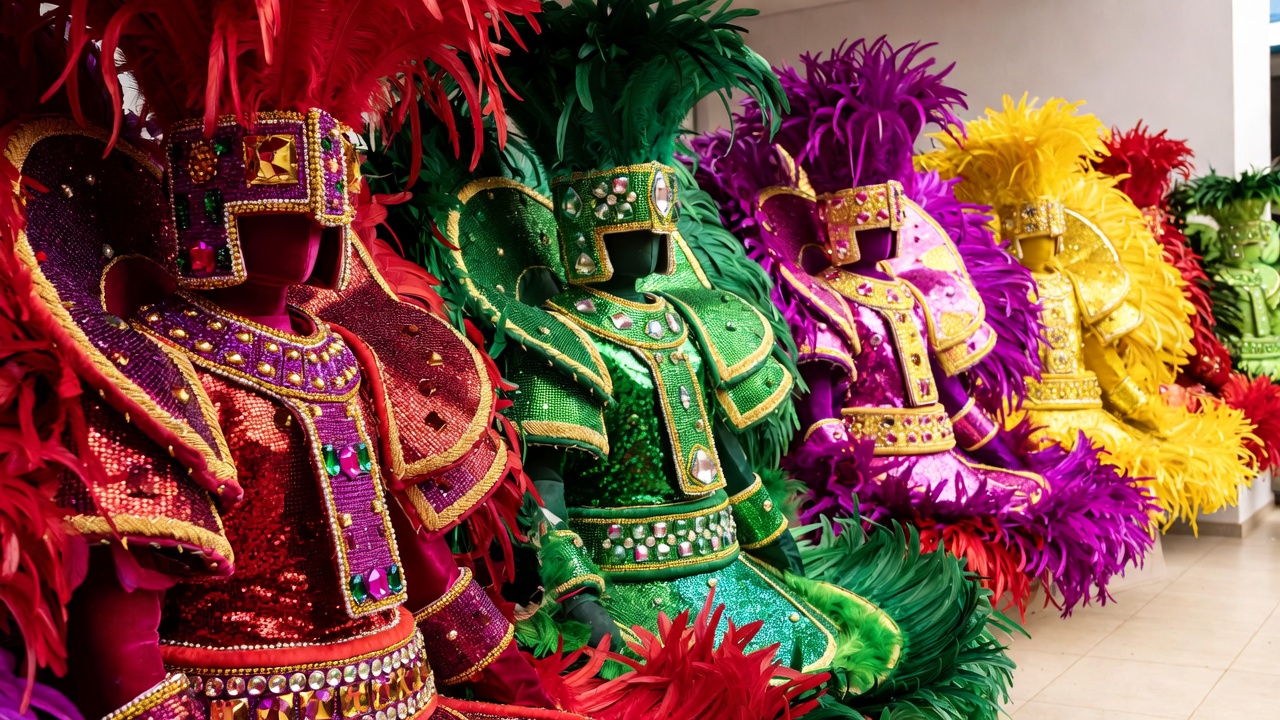
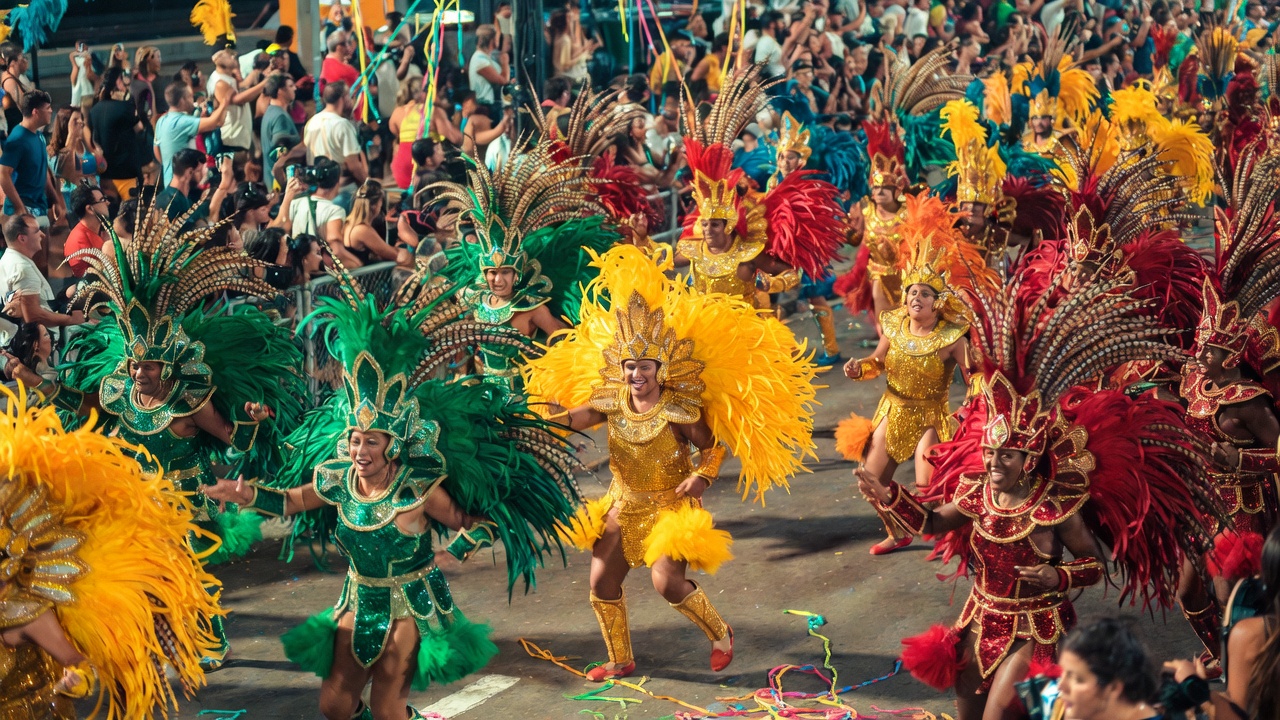
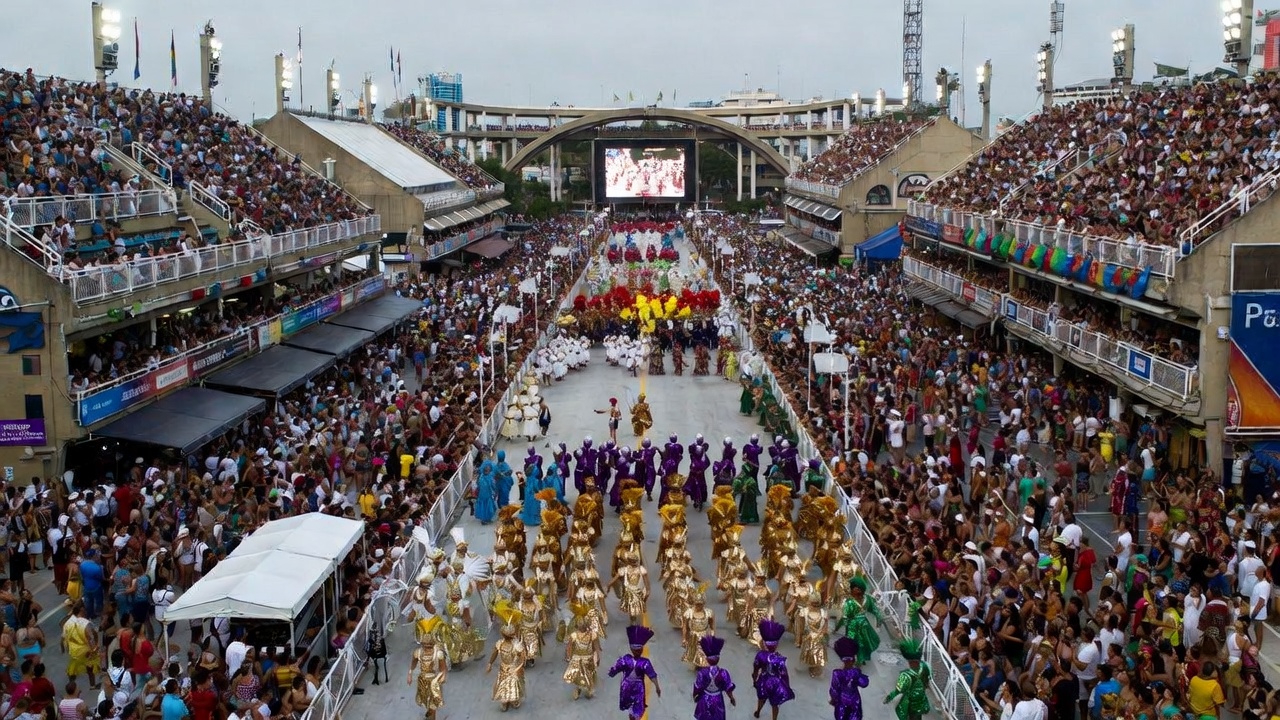
The drums begin at dusk. Thousands upon thousands of performers, draped in feathers that catch the stadium lights like captured stars, march down the 700-meter runway that has become synonymous with Brazilian culture itself. This is the Sambadrome Marquês de Sapucaí—the beating heart of Rio de Janeiro’s Carnival and arguably the most spectacular parade venue on the planet.
I’ve been fortunate enough to attend Carnival in Rio seven times over the past fifteen years, and I can tell you without hesitation: nothing prepares you for the sensory overload of your first night at the Sambadrome. The ground literally vibrates beneath your feet. The air smells of sweat, perfume, and street food. And the colors—my God, the colors—seem to exist in spectrums that shouldn’t be possible.
But here’s the thing that most first-time visitors don’t realize: experiencing the Sambadrome properly requires planning, insider knowledge, and a willingness to navigate one of the most complex ticketing systems in the world of live events. Get it right, and you’ll witness cultural magic. Get it wrong, and you’ll spend your night squinting at distant floats from an obstructed-view seat you paid far too much for.
This guide exists to make sure you get it right.
What Is the Sambadrome and Why Does It Matter to Brazilian Culture?
Before we dive into logistics, let’s understand what you’re actually attending. The Sambadrome isn’t just a parade venue—it’s a sacred space in Brazilian cultural identity, a concrete temple built specifically for the worship of samba.
Designed by the legendary Brazilian architect Oscar Niemeyer and inaugurated in 1984, the Sambadrome Marquês de Sapucaí replaced the informal parade routes that had wound through Rio’s streets since the early 20th century. Niemeyer’s vision was audacious: create a permanent structure that could accommodate 90,000 spectators while providing the perfect acoustic and visual environment for samba schools to showcase their artistry.
The venue stretches 700 meters through the Cidade Nova neighborhood, flanked on both sides by tiered seating sections. At one end sits the Praça da Apoteose (Apotheosis Square), where floats make their dramatic final appearance before judges render their verdicts. At the other end, schools gather in nervous anticipation, performing last-minute costume adjustments and vocal warm-ups.
Each samba school spends an entire year preparing for their 65-80 minutes of glory. We’re talking about organizations with thousands of members, multi-million-dollar budgets, and creative teams that rival Hollywood production companies. The themes they develop explore everything from African mythology to environmental activism to the history of coffee cultivation. This isn’t just dancing—it’s living theater on a scale that exists nowhere else on Earth.
Understanding the Rio Carnival Parade Schedule and Competition Structure
The Sambadrome hosts parades throughout Carnival week, but not all nights are created equal. Understanding the schedule is crucial for both your experience and your budget.
The Carnival Parade Hierarchy Explained
Rio’s samba schools operate within a promotion-and-relegation system similar to European football leagues. Here’s how it breaks down:
| League | Local Name | Parade Nights | Number of Schools | Ticket Price Range |
|---|---|---|---|---|
| Special Group | Grupo Especial | Sunday & Monday | 12 schools (6 per night) | $$$$ (Premium) |
| Gold Series | Série Ouro | Friday & Saturday | 16 schools (8 per night) | $$ (Moderate) |
| Silver Series | Série Prata | Earlier in week | Variable | $ (Budget) |
| Champions’ Parade | Desfile das Campeãs | Following Saturday | Top 6 schools | $$$ (High) |
The Special Group nights (Sunday and Monday) are what most international visitors dream about. These feature the elite samba schools—names like Mangueira, Portela, Beija-Flor, and Viradouro—competing for the coveted championship title. The production values are astronomical, with floats reaching heights of 12 meters and thousands of performers per school.
However, here’s an insider secret that I wish someone had told me before my first trip: the Série Ouro (Gold Series) parades on Friday and Saturday night offer incredible value. You’ll see schools fighting desperately for promotion to the Special Group, which means they bring everything they’ve got. The passion is palpable, tickets cost a fraction of the price, and the atmosphere among Brazilian locals tends to be even more authentic because fewer tourists attend.
Key Dates for Rio Carnival 2024 and 2025
Carnival dates shift annually based on the Easter calendar. Here are the relevant dates:
2024:
- Friday, February 9th: Série Ouro (Night 1)
- Saturday, February 10th: Série Ouro (Night 2)
- Sunday, February 11th: Special Group (Night 1)
- Monday, February 12th: Special Group (Night 2)
- Saturday, February 17th: Champions’ Parade
2025:
- Friday, February 28th: Série Ouro (Night 1)
- Saturday, March 1st: Série Ouro (Night 2)
- Sunday, March 2nd: Special Group (Night 1)
- Monday, March 3rd: Special Group (Night 2)
- Saturday, March 8th: Champions’ Parade
Book early. Premium seats for Special Group nights can sell out six months in advance, particularly in sectors with the best views.
Sambadrome Seating Chart: A Complete Sector-by-Sector Breakdown
This is where things get complicated—and where most visitors make costly mistakes. The Sambadrome’s seating is divided into numbered sectors, each offering a dramatically different experience. Let me walk you through every option.
Grandstand Sectors (Arquibancadas): The Budget-Friendly Option
The arquibancadas are concrete bleacher-style seats that line both sides of the parade route. They’re numbered 1 through 13 on the odd side (facing the parade’s left) and 2 through 12 on the even side (facing the parade’s right).
What to expect:
- Unreserved seating (first-come, first-served within your sector)
- Basic concrete benches without backrests
- Shared bathroom facilities with long lines
- No food or drink service (you’ll need to venture to concession areas)
- Spectacular atmosphere and local crowd energy
Best grandstand sectors:
- Sector 9 is widely considered the sweet spot—close enough to see details, far enough from the entry point that schools have hit their stride
- Sectors 7 and 11 offer similar experiences at slightly lower prices
- Avoid Sector 1 and Sector 13 unless you specifically want to see schools at the very beginning or end of their performance
Pro tip: Arrive at least two hours before the first school enters if you want decent seating in the arquibancadas. Brazilians know that the best spots go fast, and they’ll bring coolers, blankets, and entire family groups to stake their claim.
Box Seats (Frisas): The Premium Ground-Level Experience
Frisas are ground-level box seats positioned directly along the parade route, separated from the performers by only a waist-high barrier. This is as close as you can get to the action without actually marching in the parade.
What to expect:
- Reserved seating (your specific seat is assigned)
- Cushioned chairs with backrests
- Private service areas with better bathroom access
- Waiters serving food and drinks directly to your seat
- Unparalleled proximity to performers, floats, and the battery section (bateria)
The frisas are divided into sections along the parade route. Sectors 3 and 5 frisas are particularly coveted because they’re positioned where schools typically reach their peak energy—not too early, not too late.
The catch: Frisa seats are expensive, often ranging from $400-$800 USD for Special Group nights. They also sell out extremely quickly, sometimes within hours of being released.
Covered Boxes (Camarotes): The VIP Sambadrome Experience
If money is no object and you want a full-service experience, camarotes are private suites and covered viewing areas that offer the ultimate in comfort and exclusivity.
Types of camarotes:
- Standard Camarotes: Covered seating with chairs, private bar access, and buffet food service. Expect to pay $500-$1,000 per person.
- Premium Camarotes: All-inclusive packages featuring open bars, gourmet buffet, air-conditioned lounges, and dedicated service staff. These can run $1,000-$2,500 per person.
- Celebrity Camarotes: Ultra-exclusive suites where Brazil’s rich and famous congregate. Unless you have connections or bottomless funds, these aren’t accessible to regular visitors.
The most famous camarotes include:
- Camarote Allegria: Known for attracting celebrities and international guests
- Camarote Sapucaí: Offers excellent views from covered positions
- Camarote Brahma: Sponsored by the beer company, with a party atmosphere
Important consideration: While camarotes offer comfort and amenities, some visitors feel removed from the authentic energy of Carnival. You’re watching from behind glass, surrounded by other wealthy tourists, rather than immersed in the Brazilian crowd. For your first Sambadrome experience, I’d actually recommend the arquibancadas or frisas—you can always upgrade to a camarote in future years.
Apotheosis Square (Praça da Apoteose): The Grand Finale View
At the far end of the Sambadrome sits the Praça da Apoteose, where parades conclude and schools take their final bows. Seating here—called the Tourist Sector in some ticket systems—offers a unique perspective.
Advantages:
- You see the complete pageantry as floats and performers fill the entire square
- Schools often save special choreography or effects for this moment
- Prices tend to be lower than prime runway sectors
Disadvantages:
- You only see each school for a few minutes as they finish
- The energy is different—more finale than climax
- Some argue you miss the “journey” of watching schools progress down the runway
How to Buy Sambadrome Tickets: Official Channels and Trusted Resellers
Now we arrive at the most stressful part of Carnival planning: actually securing tickets. The process has improved in recent years, but it still requires vigilance and quick action.
Official LIESA Ticket Sales
LIESA (Liga Independente das Escolas de Samba) is the governing body that organizes the Special Group parades. They control official ticket sales through their designated platforms.
Official ticket website: Tickets are typically sold through platforms authorized by LIESA, with sales beginning approximately three months before Carnival. The official portals accept international credit cards, but be prepared for Portuguese-language interfaces.
What to know about official sales:
- Tickets release in batches, with the first batch offering the widest selection
- Popular sectors (7, 9, 11 arquibancadas and prime frisas) sell within hours
- International credit cards sometimes get flagged for fraud protection—call your bank beforehand
- Print your tickets or have PDF copies available, as digital verification can be unreliable at stadium gates
Authorized Resellers and Tour Packages
If official tickets are sold out—or if you prefer English-language support—several authorized resellers cater to international visitors:
Reputable reseller options:
- Bookers International: Long-standing agency with good reputation among English-speaking visitors
- Rio Carnival Guide: Offers ticket-only purchases and full packages
- Carnival Travel: Australian-based agency with experience serving international clients
Expect to pay 30-50% markups through resellers, which cover their service fees, English support, and the convenience factor. Whether this premium is worth it depends on your comfort level navigating Portuguese websites and your risk tolerance for last-minute complications.
Warning: How to Avoid Sambadrome Ticket Scams
Ticket fraud is rampant during Carnival season. Every year, visitors arrive at the Sambadrome only to discover their expensive “tickets” are worthless counterfeits. Protect yourself:
- Never buy tickets from individuals on the street or beach
- Be extremely wary of “last-minute deals” that seem too good to be true
- Verify reseller legitimacy through TripAdvisor reviews and travel forums
- Use credit cards (not wire transfers or cash) for purchase protection
- Cross-check any agency’s physical address and contact information
If someone approaches you in Copacabana offering “exclusive Sambadrome tickets at amazing prices,” walk away immediately.
What Sector Should You Choose? Recommendations by Visitor Type
After years of attending and helping friends navigate this decision, I’ve developed specific recommendations based on what kind of experience you’re seeking.
For First-Time Visitors Who Want the Full Experience
My recommendation: Sector 9 Arquibancada (Odd Side)
Here’s why: Sector 9 places you at the heart of the parade route, where schools are fully warmed up and performing at peak intensity. The odd-side sectors face the parade floats’ “presentation side” (schools design their floats with one side as the primary visual face). You’ll be surrounded by Brazilian families and die-hard samba enthusiasts, which creates infectious energy. And the price—typically $100-$200 for Special Group nights—leaves budget for other Carnival experiences.
For Couples Seeking a Romantic Carnival Experience
My recommendation: Sector 5 or 7 Frisa
The ground-level proximity creates an intimate feeling despite the massive venue. You’ll be close enough to make eye contact with performers, feel the percussion in your chest, and smell the elaborate costumes as they pass. Waiters bring drinks to your seat, eliminating the need to navigate crowds. It’s expensive, but the memory of experiencing Carnival together from this vantage point is genuinely priceless.
For Photography Enthusiasts
My recommendation: Sector 11 Arquibancada (Higher rows)
Photographers benefit from elevation—you’ll capture wider shots that show the scale of floats and formations. Sector 11 offers excellent angles as schools approach and pass, giving you time to adjust settings and frame shots. Bring a telephoto lens (200mm minimum) for performer details and a wide-angle for environmental shots. Note that tripods are generally not permitted in grandstand areas due to space constraints.
For Visitors on a Tight Budget
My recommendation: Série Ouro nights (Friday or Saturday) in Sectors 11 or 7
You’ll spend a fraction of what Special Group tickets cost while still witnessing extraordinary performances. The Série Ouro schools are fighting for their lives—promotion to the Special Group means prestige, sponsorship money, and community pride. Some of the most emotionally intense performances I’ve ever seen occurred in these “lower league” parades.
For Families with Older Children (12+)
My recommendation: Camarote with family-friendly reputation
The Sambadrome can be overwhelming for families—long nights, enormous crowds, limited facilities. A camarote provides climate-controlled comfort, reliable bathroom access, food service, and a safer environment. Children under 12 shouldn’t attend due to the late hours (parades run past midnight) and the intensity of the crowd experience.
Sambadrome Survival Guide: What to Wear, Bring, and Leave Behind
Getting your logistics right can mean the difference between an unforgettable night and an uncomfortable ordeal. Here’s what fifteen years of experience has taught me.
What to Wear to Rio Carnival Parades
Essential clothing choices:
- Light, breathable fabrics: Rio in February is scorching hot, even at night. Cotton or moisture-wicking materials are your friends.
- Comfortable closed-toe shoes: You’ll walk significant distances, stand for hours, and navigate stairs. Leave the heels and sandals at your hotel.
- Something you don’t mind getting dirty: You’ll encounter spilled drinks, dusty concrete, and crowded conditions. Don’t wear your designer whites.
- A light rain jacket or poncho: February falls within Rio’s rainy season. Brief showers are common.
What Brazilian women often wear: Bright colors, shorts or light dresses, comfortable wedges or flats, minimal jewelry. Many wear the colors of their favorite samba school.
What Brazilian men often wear: Shorts, polo shirts or t-shirts (often samba school merchandise), comfortable sneakers. Suits and formal wear would look absurd.
What to avoid: Heavy makeup that will melt in the humidity, expensive jewelry that could attract thieves, white clothing that stains easily, anything you’d be devastated to lose.
What to Bring to the Sambadrome
Essentials checklist:
- ✅ Printed tickets (multiple copies) plus digital backup
- ✅ Passport or government ID (required for entry)
- ✅ Cash (Brazilian reais) for vendors and tips—cards aren’t accepted everywhere
- ✅ Fully charged smartphone with offline maps downloaded
- ✅ Portable phone charger (you’ll be taking many photos and videos)
- ✅ Small backpack or crossbody bag that stays close to your body
- ✅ Sunscreen (the grandstands have limited cover, and evening sun is still strong)
- ✅ Hand sanitizer and tissues (bathrooms may lack supplies)
- ✅ Earplugs (the bateria drums can exceed 100 decibels up close)
- ✅ Light snacks (energy bars, crackers—venues are expensive)
- ✅ Water bottle (plastic bottles permitted; stay hydrated in the heat)
What NOT to Bring to the Sambadrome
Leave these at your hotel:
- ❌ Expensive jewelry, watches, or accessories
- ❌ Large camera bags or professional equipment (attracts attention and is awkward to manage)
- ❌ Glass bottles (prohibited at entry)
- ❌ Large umbrellas (obstruct views; use a poncho instead)
- ❌ Laptops, tablets, or valuable electronics beyond your phone
- ❌ Excessive cash (bring only what you’ll need for the night)
Getting to the Sambadrome: Transportation Options and Safety Tips
The Sambadrome sits in Centro, roughly equidistant from the tourist hubs of Copacabana, Ipanema, and Santa Teresa. Getting there requires planning, especially given Carnival’s traffic chaos.
Metro Transportation to Sambadrome Rio
The Rio Metro is the smartest choice for most visitors. Two stations serve the Sambadrome:
- Praça Onze (Line 1): The primary station for Sambadrome access, located at the parade entry end
- Central (Lines 1 and 2): A few blocks’ walk from the venue, but less crowded
Metro tips:
- Purchase a stored-value MetroRio card in advance—lines at ticket windows during Carnival are brutal
- The metro runs extended hours during Carnival, typically until 2:00-3:00 AM on parade nights
- Expect crowds: You’ll be packed into cars with fellow Carnival-goers, which is actually part of the experience
- The return journey is the challenge: After the final school finishes (often 5:00-6:00 AM), everyone leaves simultaneously. Be patient or time your exit strategically.
Taxi and Ride-Share Options
Uber and 99 (Brazil’s dominant ride-share app) operate throughout Rio, but Carnival nights present challenges:
- Surge pricing can be astronomical—I’ve seen 5x multipliers after the parades end
- Finding your driver in the chaos near the Sambadrome is genuinely difficult
- Many drivers avoid the area during peak hours due to traffic and safety concerns
If you must use a car service, arrange pickup several blocks from the venue at a landmark you can locate easily. Pre-negotiated private transfers through your hotel may cost more upfront but save significant hassle.
Walking and General Safety
The area immediately surrounding the Sambadrome is well-policed during Carnival. However:
- Don’t walk alone through unfamiliar neighborhoods at night, particularly after the parades when crowds have dispersed
- Stick to major streets and well-lit areas
- Keep valuables concealed and maintain awareness of your surroundings
- Trust your instincts: If a situation feels wrong, remove yourself immediately
The vast majority of Carnival visitors experience no safety issues whatsoever. But Rio does have higher crime rates than many visitors’ home cities, and maintaining situational awareness is important.
Insider Tips From Experienced Carnival Visitors
These are the lessons that don’t appear in guidebooks—the hard-won wisdom from repeat visitors who’ve made every possible mistake so you don’t have to.
Timing Your Arrival Perfectly
For arquibancada (grandstand) seats:
Arrive three hours before the first school enters if you want prime seating. Yes, this sounds excessive. Yes, it’s necessary. Brazilian families stake out positions early, and the best spots—center of the section, elevated enough for sight lines, close enough to stairs for bathroom access—go fast.
Bring entertainment for the wait. Download movies to your phone, bring a book, or simply people-watch. The pre-parade atmosphere, with vendors hawking beer and visitors from around the world settling in, is genuinely enjoyable.
For frisa and camarote seats:
Your seating is reserved, so timing is more flexible. Arriving 60-90 minutes before the first school gives you time to get oriented, order drinks, and soak in the anticipation without the anxiety of finding a seat.
Eating and Drinking Strategy
Before arriving: Eat a substantial meal at your hotel or a restaurant outside the Sambadrome area. Venue food is overpriced, the lines are long, and the options are limited. You want energy for a marathon night, not hunger distracting you from the spectacle.
Inside the venue: Budget approximately R$50-100 (roughly $10-20 USD) for drinks and snacks. Beer is the overwhelming choice—Antarctica and Brahma dominate—served in plastic cups. Water costs more than you’d expect, which is why bringing your own bottle makes sense.
Alcohol pacing: It’s tempting to drink heavily given the party atmosphere, but remember: you’re looking at 6-8 hours in the venue, plus transportation on either end. Pace yourself or you’ll crash before the best schools perform. I’ve seen too many visitors pass out drunk by the third school and miss the highlights entirely.
Understanding What You’re Watching
The parades aren’t random celebration—they’re judged competitions with specific criteria:
- Bateria (Percussion): The drum section’s power, precision, and ability to maintain rhythm throughout
- Samba-Enredo (Theme Song): The quality and performance of the school’s original samba composition
- Harmonia (Harmony): Coordination between singing, dancing, and percussion
- Evolução (Evolution): How smoothly the school progresses through the Sambadrome
- Alegorias e Adereços (Floats and Props): Artistic quality, size, and creativity of the floats
- Fantasias (Costumes): Design, creativity, and execution of performer costumes
- Comissão de Frente (Front Commission): The vanguard group that opens each performance
- Mestre-Sala e Porta-Bandeira (Flag Bearer Pair): The costumed pair performing traditional dances with the school’s flag
- Enredo (Theme/Storyline): How well the overall narrative is developed and presented
Download a parade schedule with school times and themes before arriving. Understanding that Mangueira’s parade celebrates Yoruba deities while Beija-Flor’s explores the history of indigenous resistance transforms your viewing from spectacle into meaningful cultural experience.
Capturing Memories Without Missing the Experience
The smartphone trap: I’ve watched tourists spend entire parades viewing through their screens, capturing hours of footage they’ll never watch again while missing the visceral, in-person experience entirely.
My approach:
- First school: Put the phone away completely. Absorb the sensory overload with your full attention. Let it wash over you.
- Middle schools: Take strategic photos and short video clips—the opening float, a spectacular costume, a particularly intense moment.
- Final schools: Phone away again for the closing experience.
You’ll end up with representative documentation without sacrificing the genuine experience you traveled thousands of miles to have.
Making Friends and Connecting with Locals
Brazilians at Carnival are extraordinarily welcoming to visitors who show genuine interest and respect. Some tips:
- Learn basic Portuguese phrases: “Que escola você torce?” (Which school do you support?) is a fantastic conversation starter
- Show enthusiasm: Dance, clap, sing along when you can. Participation matters more than skill.
- Buy locals beers: A universal gesture of goodwill that opens conversations
- Ask questions: Brazilians love explaining Carnival traditions and are flattered when foreigners take genuine interest
- Don’t be the stereotypical tourist: Avoid condescending attitudes or treating the spectacle as mere “entertainment” rather than cultural expression
Some of my richest Carnival memories involve conversations with multigenerational families explaining why their grandmother has supported Portela for 60 years, or young men describing what it means to march in their first parade after growing up in the community surrounding a particular school.
Beyond the Sambadrome: Experiencing Carnival in Rio’s Streets
While the Sambadrome parades represent Carnival’s formal expression, the true spirit of Rio Carnival lives in the streets. No visit is complete without experiencing at least one bloco.
What Are Carnival Blocos?
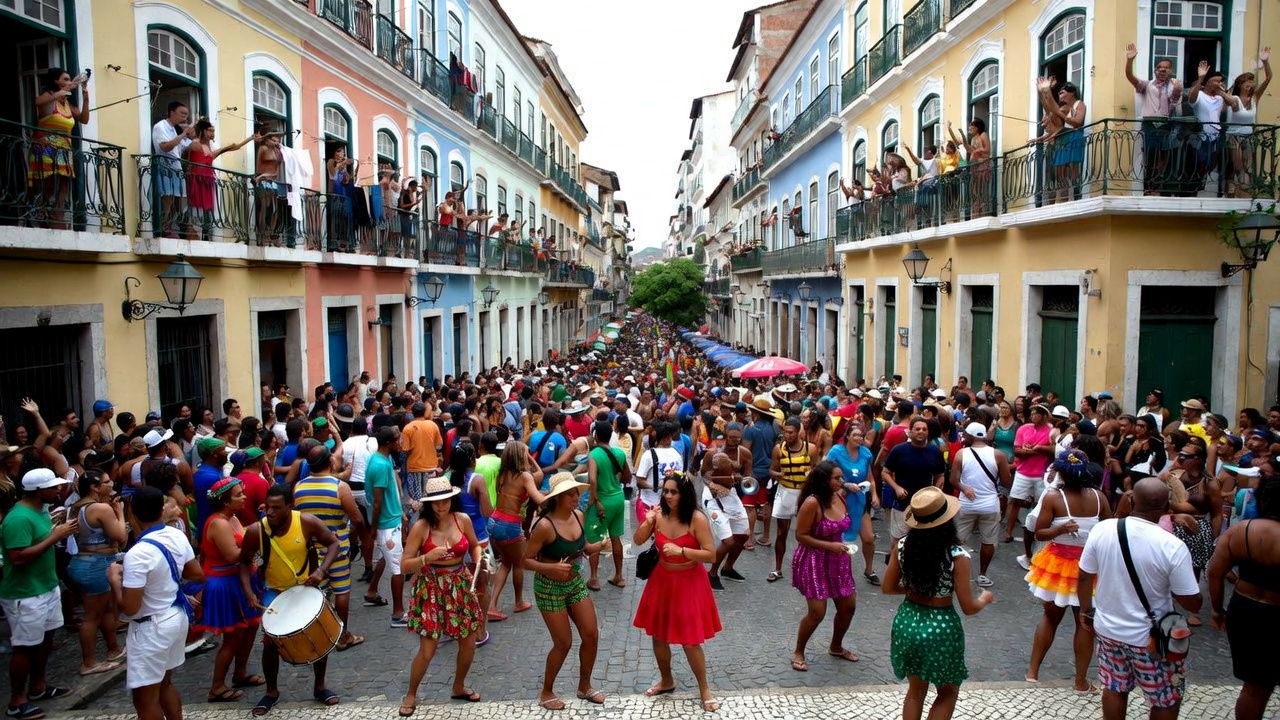
Blocos are street parties—ranging from intimate neighborhood gatherings of a few hundred to massive mobile festivals with over a million participants. They’re free to attend, democratic by nature, and scattered throughout the city during Carnival week.
Famous blocos include:
- Cordão do Bola Preta: One of the oldest and largest, attracting over 2 million revelers in Centro
- Banda de Ipanema: The LGBTQ+ community’s beloved celebration in Ipanema
- Monobloco: Known for professional-quality percussion and infectious energy
- Carmelitas: Santa Teresa’s charming neighborhood celebration
Bloco survival tips:
- Wear minimal valuables (ideally none)
- Bring only essential cash in a waterproof pouch
- Stay with a group and establish meeting points
- Hydrate aggressively—heat stroke is a real risk
- Download bloco schedules from apps like Blocos de Rua RJ
Street Carnival vs. Sambadrome: Which Should You Prioritize?
Both. Absolutely both.
The experiences complement each other perfectly. The Sambadrome offers structured spectacle, world-class production values, and the competition’s dramatic tension. Street blocos offer spontaneous joy, democratic participation, and connection with ordinary Brazilians celebrating together.
If forced to choose: First-time visitors should prioritize one Sambadrome night (ideally Special Group) and multiple bloco experiences. The street carnival is more accessible, more authentic in certain ways, and costs nothing beyond transportation and refreshments.
Frequently Asked Questions About Sambadrome Tickets and Attendance
How far in advance should I book Sambadrome tickets?
Ideally 3-4 months for Special Group nights if you want choice of sectors. Premium frisa seats can sell out within days of release. Série Ouro tickets are more available closer to the event but still benefit from advance booking.
Are children allowed at the Sambadrome?
Children are permitted but not recommended for those under 12 due to late hours (parades run past midnight, often until 5-6 AM), intense crowds, and limited facilities. Children under 5 receive free entry in arquibancada sectors when accompanied by adults.
Can I leave and re-enter the Sambadrome?
No. Once you exit, re-entry is not permitted. Plan accordingly for the full duration.
What happens if it rains during the parade?
Parades continue in light rain. Severe storms may cause temporary delays, but cancellations are extremely rare. Schools and performers are prepared for weather, and the show goes on. Bring a light poncho and embrace the possibility.
Is there a dress code for the Sambadrome?
No formal dress code exists. However, costumes and festive attire are welcomed. Many visitors wear colors supporting favorite schools or general Carnival accessories (glitter, beads, colorful clothing).
How long do the parades last?
Each school performs for 65-80 minutes. On Special Group nights, six schools parade with brief intervals between, meaning the total event runs approximately 7-8 hours from first school entry to final school exit.
Can I buy tickets at the gate?
Sometimes, but this is risky. Gate sales occur when tickets remain, but popular sectors sell out entirely. Prices at the gate often exceed online prices, and you’re vulnerable to scams from unofficial sellers. Always book in advance.
Are the parades accessible for visitors with disabilities?
The Sambadrome has designated accessible seating areas and elevator access to some sectors. Contact LIESA or authorized resellers when booking to arrange appropriate accommodation. Wheelchair access is limited in arquibancada sections but available in certain frisas and camarotes.
What language is spoken at the Sambadrome?
Portuguese is the dominant language. Announcements, signage, and vendor interactions occur in Portuguese. However, during Carnival, many Rio residents working in tourism speak English, and fellow international visitors are plentiful. Download a translation app and learn basic Portuguese phrases before arriving.
The Cultural Significance of Samba Schools: Understanding What You’re Witnessing
To truly appreciate the Sambadrome experience, visitors should understand the profound cultural institution they’re observing.
Samba Schools Are Community Organizations
Despite the name, escolas de samba are not music schools—they’re community organizations centered in Rio’s favelas and working-class neighborhoods. Founded in the early 20th century, they provided social structure, cultural identity, and creative outlet for communities marginalized by Brazilian society.
Today, major schools like Mangueira, Portela, Salgueiro, and Beija-Flor are deeply woven into their communities’ identities. Generations of families participate together. Children grow up dreaming of marching in the parade. The elderly pass down traditions and songs.
The Year-Long Preparation Process
What you witness in 80 minutes represents twelve months of work by thousands of people:
- Creative development: Directors, designers, and composers develop the year’s theme (enredo) beginning shortly after the previous Carnival
- Samba composition: Songwriters compete to create the samba-enredo, the theme song that will be sung throughout the parade
- Costume and float construction: Workshops operate year-round, employing hundreds of artisans
- Rehearsals: Weekly community rehearsals begin months before Carnival, building participation and perfecting choreography
- Community fundraising: Resources come from sponsorships, merchandise, and community contributions
The Economic and Social Impact
Carnival generates an estimated $2 billion annually for Rio’s economy and supports hundreds of thousands of jobs. For samba school communities, the parades provide year-round employment and cultural purpose.
Witnessing the Sambadrome isn’t just tourism—it’s participation in a cultural ecosystem that sustains marginalized communities. Your ticket purchase directly supports this system.
Planning Your Complete Carnival Trip: Accommodation and Logistics
Where to Stay During Rio Carnival
Copacabana and Ipanema remain the most popular tourist bases, offering:
- Beach access for daytime relaxation
- Numerous hotel options across price ranges
- Metro access to the Sambadrome
- Street blocos within walking distance
Santa Teresa appeals to visitors seeking bohemian atmosphere and escape from tourist density, though transportation options are more limited.
Centro puts you closest to the Sambadrome but offers fewer amenities and can feel deserted outside business hours.
Expect inflated prices. Hotels commonly charge 3-5x normal rates during Carnival week. Booking 6+ months in advance secures better rates and availability.
How Many Days Should You Spend in Rio for Carnival?
Minimum recommendation: 5 nights
- Arrival day: Rest, orient yourself, attend an evening bloco
- Day 2: Beach time, explore neighborhoods, evening bloco or Série Ouro parade
- Day 3: Recovery, cultural sightseeing, Special Group night
- Day 4: Street blocos, second Special Group night or rest
- Day 5: Departure buffer (flights during Carnival week experience delays)
Ideal duration: 7-10 nights
This allows you to attend multiple parade nights, experience various blocos, recover adequately, and explore Rio beyond Carnival activities.
A Final Reflection: Why the Sambadrome Matters
I’ve attended festivals on six continents. I’ve witnessed religious celebrations in India, tribal ceremonies in Papua New Guinea, and musical events across Europe and the Americas. Nothing—and I mean nothing—compares to the Sambadrome.
It’s not merely the spectacle, though the spectacle is extraordinary. It’s not just the music, though the music moves something primal in you. It’s not even the human achievement of coordinating thousands of performers in synchronized celebration.
What makes the Sambadrome transcendent is what it represents: the irrepressible human need to create beauty, to build community, and to transform suffering into joy.
These samba schools emerged from communities that faced poverty, racism, and marginalization. They transformed their limited resources into the most spectacular cultural production on Earth. They built organizations that give purpose and identity to generations of participants. They created art that moves millions to tears and celebration every year.
When you sit in those concrete grandstands, surrounded by Brazilians singing songs they’ve known since childhood, watching a grandmother weep as her community’s school makes its triumphal entrance, you’re witnessing something profound about human possibility.
The Sambadrome isn’t entertainment. It’s testament.
Your Sambadrome Checklist: Final Summary
Before you book those flights, let’s review everything you need:
Three months before:
- [ ] Book Sambadrome tickets through official channels or authorized resellers
- [ ] Reserve accommodations (expect premium pricing)
- [ ] Arrange international travel and verify passport validity
One month before:
- [ ] Research samba schools and parade themes for your nights
- [ ] Download Rio Metro and translation apps
- [ ] Notify your bank of international travel
- [ ] Arrange travel insurance covering event tickets
One week before:
- [ ] Print physical ticket copies
- [ ] Prepare venue bag with essentials
- [ ] Download bloco schedules
- [ ] Learn basic Portuguese phrases
Day of parade:
- [ ] Eat substantial meal before departing
- [ ] Arrive 2-3 hours early for grandstand seating
- [ ] Stay hydrated throughout the night
- [ ] Surrender to the experience
The drums will beat. The feathers will shimmer. And for one magical night, you’ll understand why Brazilians call it the Greatest Show on Earth.
Bem-vindo ao Carnaval. Welcome to Carnival.
Have you attended the Sambadrome? Share your experiences and questions in the comments below. And if you found this guide helpful, share it with fellow travelers planning their own Carnival adventure.