Introduction: What Is Seollal and Why Is It Korea’s Most Important Holiday?
Seollal (설날), the Korean Lunar New Year, stands as one of the most significant traditional holidays in South Korea. This ancient celebration marks the first day of the lunar calendar and typically falls between late January and mid-February on the Gregorian calendar. For millions of Korean families, Seollal represents far more than a simple calendar change—it embodies the very essence of Korean cultural heritage, family bonds, and ancestral reverence.
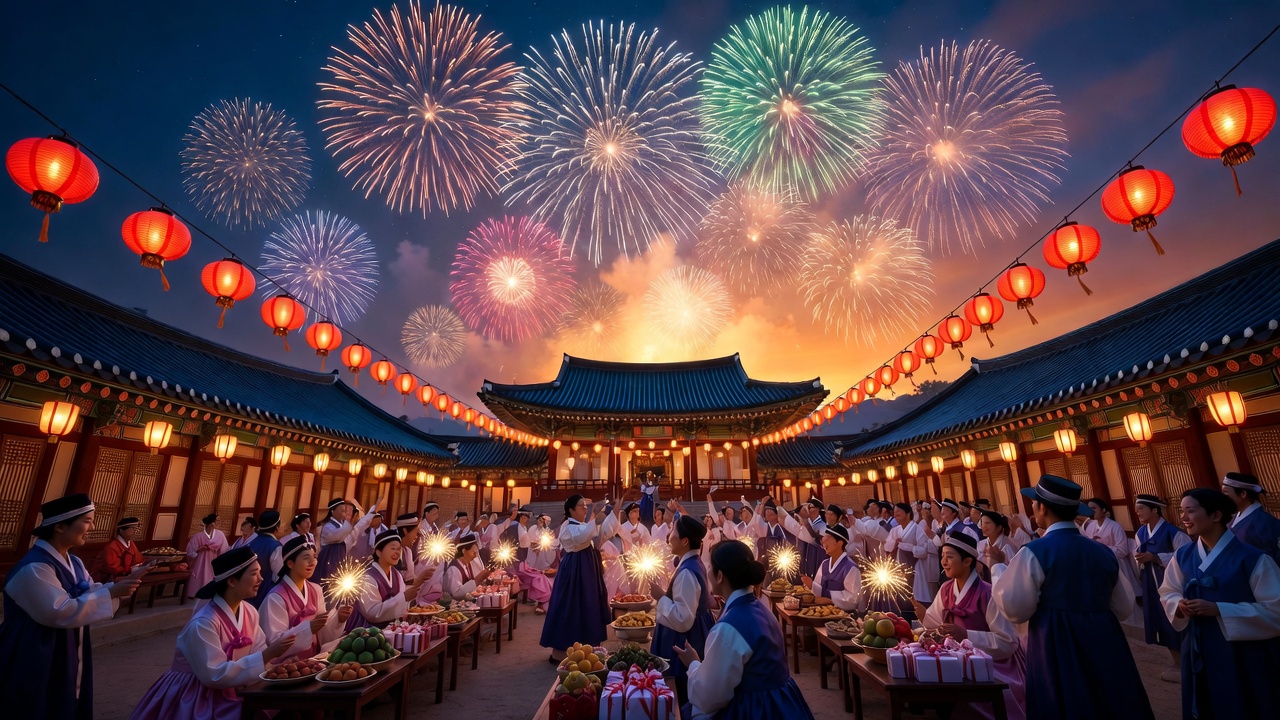
Unlike Western New Year celebrations that often focus on parties and fireworks, Seollal traditions center on ancestor worship ceremonies and multi-generational family reunions. The holiday spans three days: the day before Seollal, Seollal itself, and the day after. During this period, Korea essentially comes to a standstill as families gather to honor their ancestors, share traditional meals, and strengthen familial ties that stretch back countless generations.
According to the Korea Tourism Organization, over 30 million Koreans travel domestically during the Seollal holiday period, creating one of the largest annual migrations in the country. This massive movement of people reflects the deep cultural importance placed on returning to one’s hometown to celebrate with family.
In this comprehensive guide, we will explore every aspect of Seollal rituals and customs, from the intricate ancestor worship ceremonies called Charye to the beloved tradition of Sebae (New Year’s bowing). Whether you’re a cultural enthusiast, a traveler planning to visit Korea during Lunar New Year, or someone of Korean heritage seeking to reconnect with your roots, this article will provide you with an in-depth understanding of this beautiful celebration.
The Historical Origins of Korean Lunar New Year Celebrations
Ancient Roots of Seollal in Korean History
The origins of Seollal celebrations trace back over 2,000 years in Korean history. Historical records from the Three Kingdoms Period (57 BCE – 668 CE) document Lunar New Year observances across the Korean peninsula. The ancient kingdoms of Goguryeo, Baekje, and Silla each developed their own New Year customs, many of which have evolved into the traditions we see today.
During the Goryeo Dynasty (918-1392), Seollal became officially recognized as one of the nine major holidays. The Joseon Dynasty (1392-1897) further codified Seollal rituals, particularly emphasizing Confucian principles of filial piety and ancestor veneration. These Confucian ideals continue to shape modern Seollal practices.
The Meaning Behind the Word “Seollal”
The etymology of “Seollal” offers fascinating insight into its cultural significance:
| Korean Term | Meaning | Cultural Significance |
|---|---|---|
| 설 (Seol) | “New” or “unfamiliar” | Represents the fresh start of a new year |
| 날 (Nal) | “Day” | Indicates the specific day of celebration |
| 설날 (Seollal) | “New Year’s Day” | The complete term for Korean Lunar New Year |
The word “Seol” carries connotations of something new, unfamiliar, and full of potential. This linguistic root reflects the Korean belief that Seollal marks a time of renewal and fresh beginnings.
Seollal During Japanese Colonial Rule and Its Revival
During the Japanese colonial period (1910-1945), Korean cultural practices faced severe suppression. The Japanese authorities attempted to replace Seollal with the Western New Year celebration. However, Korean families secretly maintained their Lunar New Year traditions, demonstrating remarkable cultural resilience.
After Korea’s liberation in 1945 and particularly following the establishment of the Republic of Korea, Seollal experienced a gradual revival. In 1985, the South Korean government officially designated Seollal as a national holiday, restoring its rightful place in Korean culture. This recognition came after decades of advocacy by cultural preservation groups.
Understanding Charye: The Sacred Korean Ancestor Worship Ceremony
What Is Charye and Why Is It Central to Seollal?
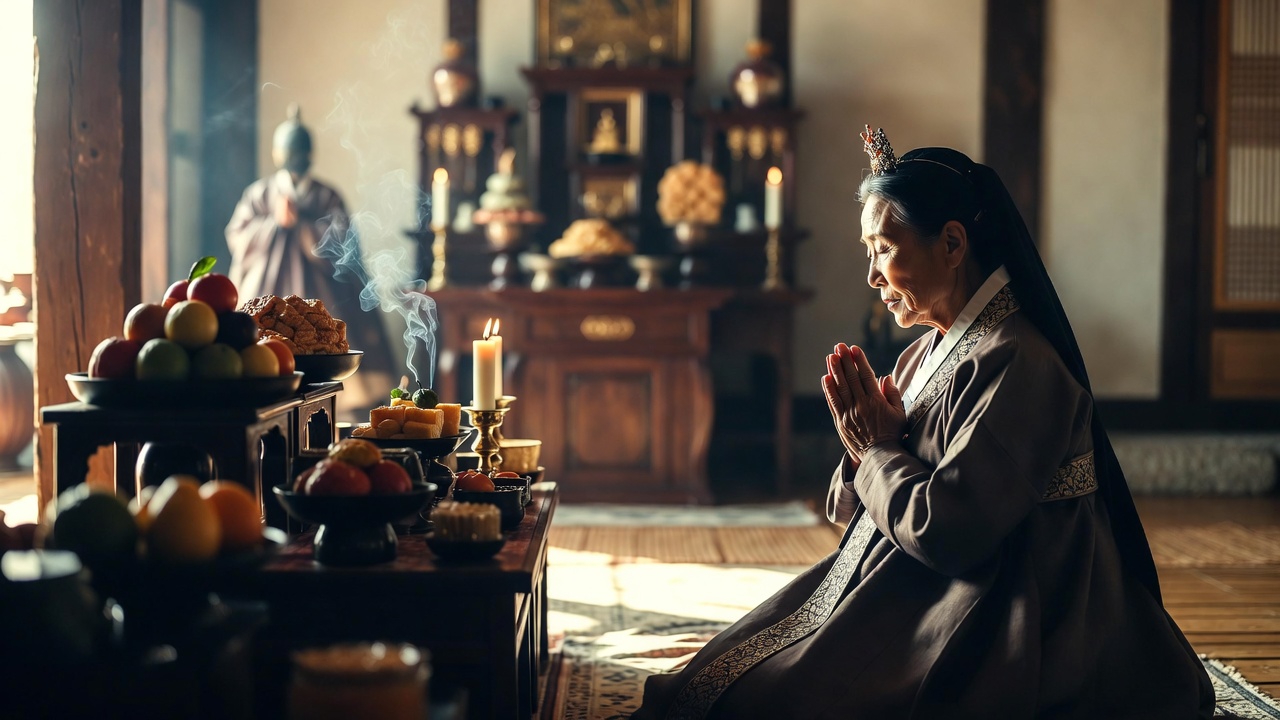
Charye (차례) represents the cornerstone of Seollal celebrations—a solemn and deeply meaningful ancestor memorial ceremony. The word “Charye” combines “cha” (tea) and “rye” (ritual), though the ceremony involves much more than tea offerings. This traditional Korean ancestor worship ritual honors deceased family members up to four generations back.
The ceremony reflects the Confucian principle of filial piety (효도, hyodo), which extends beyond caring for living parents to honoring ancestors who have passed. Koreans believe that ancestors’ spirits return to visit their descendants during Seollal, making the Charye ceremony a sacred opportunity for reunion across the veil of mortality.
Step-by-Step Guide to Performing Charye Ritual
The Charye ceremony follows a precisely ordered set of procedures passed down through generations. While regional variations exist, the fundamental structure remains consistent:
1. Preparing the Ancestral Table (Jesasang)
The family sets up a special table called Jesasang (제사상) facing north. The arrangement follows specific rules:
- Front row (south): Fruits and sweets
- Second row: Vegetables and side dishes
- Third row: Main dishes including meat and fish
- Fourth row: Rice, soup, and alcohol
- Back row (north): Ancestral tablets or photographs
2. The Arrangement Principles
Traditional placement follows several important rules:
| Principle | Korean Term | Meaning |
|---|---|---|
| 어동육서 | Eo-dong-yuk-seo | Fish on the east, meat on the west |
| 두동미서 | Du-dong-mi-seo | Fish head facing east, tail facing west |
| 홍동백서 | Hong-dong-baek-seo | Red fruits on the east, white on the west |
| 조율이시 | Jo-yul-i-si | Dates, chestnuts, pears, persimmons (in order) |
| 생동숙서 | Saeng-dong-suk-seo | Raw foods on east, cooked on west |
3. The Ceremony Sequence
The ritual proceeds through these stages:
- Gangshin (강신): Inviting ancestral spirits
- Choheon (초헌): First offering of alcohol by eldest male
- Aheon (아헌): Second offering by next eldest male
- Jongheon (종헌): Final offering
- Samsi (삼시): Placing spoons and chopsticks in rice and soup
- Hapje (합제): Family bowing together
- Eumbok (음복): Sharing the ceremonial food
Modern Adaptations of Traditional Charye Ceremony
While traditional Charye strictly followed patriarchal conventions, modern Korean families have begun adapting the ceremony to reflect contemporary values. Key changes include:
- Women increasingly participate in offering rituals, not just food preparation
- Simplified table arrangements accommodate smaller living spaces
- Virtual participation allows overseas family members to join via video call
- Vegetarian and dietary accommodations respect individual preferences
According to a 2023 survey by Gallup Korea, approximately 65% of Korean families still perform Charye, though the practice is more common among older generations and rural communities.
Traditional Seollal Foods: The Culinary Heart of Korean New Year
Tteokguk: The Essential Korean New Year Rice Cake Soup
No Seollal celebration is complete without Tteokguk (떡국), the iconic Korean rice cake soup that Koreans believe grants an additional year of age and good fortune. This simple yet deeply symbolic dish features sliced rice cakes in a savory broth.
The Symbolism of Tteokguk:
- White color: Represents purity and a fresh start
- Oval shape of rice cakes: Symbolizes coins and prosperity
- Long rice cake rolls: Represent longevity before slicing
- Eating the soup: Marks officially becoming one year older
Traditional Tteokguk Recipe Components:
| Ingredient | Korean Name | Purpose |
|---|---|---|
| Rice cakes | 가래떡 (Garaetteok) | Main ingredient |
| Beef broth | 소고기 육수 | Savory base |
| Egg | 달걀 | Garnish (separated yellow and white) |
| Green onion | 파 | Aromatics and color |
| Sesame oil | 참기름 | Flavor enhancement |
| Seaweed | 김 | Optional garnish |
Jeon: Korean Savory Pancakes for Ancestral Offerings
Jeon (전), or Korean savory pancakes, represent another essential component of Seollal cuisine. These pan-fried delicacies appear both on the Charye table and as family snacks throughout the holiday.
Popular varieties include:
- Donggeureong-ddaeng (동그랑땡): Meat and tofu patties
- Nokdujeon (녹두전): Mung bean pancakes
- Pajeon (파전): Green onion pancakes
- Saengseonjeon (생선전): Fish pancakes
- Hobakjeon (호박전): Zucchini pancakes
Japchae: Glass Noodles for Celebration
Japchae (잡채), the beloved Korean glass noodle dish, graces both the ancestral table and the family dining table. This colorful dish features sweet potato noodles stir-fried with vegetables and meat, seasoned with soy sauce and sesame oil.
Complete Seollal Food Table Setting Guide
A properly prepared Seollal food table includes:
For Charye Ceremony:
- Tteokguk (rice cake soup)
- Jeon assortment
- Galbi-jjim (braised short ribs)
- Namul (seasoned vegetables)
- Fresh and dried fruits
- Rice cakes (tteok)
- Traditional alcohol (cheongju)
For Family Meals:
- All ceremonial foods
- Mandu (Korean dumplings)
- Bulgogi or galbi
- Various kimchi varieties
- Traditional sweets (hangwa)
Sebae: The Beautiful Korean New Year Bowing Tradition
Understanding the Deep Meaning of Sebae
Sebae (세배) stands as one of the most touching and visually striking Seollal customs—the traditional deep bow performed by younger family members to their elders. This Korean New Year bowing ritual expresses respect, gratitude, and wishes for the elders’ health and longevity.
The word “Sebae” combines “se” (new year) and “bae” (bow), literally meaning “New Year’s bow.” This tradition reinforces Confucian hierarchical relationships and the Korean cultural emphasis on respecting elders.
How to Perform Sebae: Proper Techniques for Men and Women
The traditional Sebae bow differs between men and women, reflecting historical gender distinctions in Korean ceremonial practices.
For Men (Keunjeol – 큰절):
- Stand with feet together, hands at sides
- Raise both hands to eye level, palms facing forward
- Lower to kneeling position, left hand over right hand
- Bow forward until forehead touches hands on the floor
- Hold the bow for a count of three
- Rise while keeping hands together
- Return to standing position
- Make a half bow to finish
For Women (Keunjeol – 큰절):
- Stand with feet together, hands clasped at waist level
- Lower to kneeling position gracefully
- Place hands on the floor, right hand over left
- Bow forward gently, forehead approaching hands
- Rise to kneeling, then to standing position
- Make a half bow to complete
Sebaetdon: The Tradition of New Year’s Money
After receiving Sebae, elders traditionally give Sebaetdon (세뱃돈), or New Year’s money, to younger family members. This monetary gift:
- Symbolizes good wishes for the coming year
- Rewards respectful behavior shown through the bow
- Transfers prosperity from one generation to the next
- Typically comes in clean, crisp bills placed in decorative envelopes
The amount varies based on the relationship and the giver’s means. Children often receive Sebaetdon from multiple relatives, making Seollal financially exciting for younger generations.
Traditional New Year’s Greetings and Wishes
During Sebae, family members exchange traditional Korean New Year greetings:
| Korean Greeting | Romanization | English Meaning |
|---|---|---|
| 새해 복 많이 받으세요 | Saehae bok mani badeuseyo | Please receive lots of New Year’s blessings |
| 건강하세요 | Geonganghaseyo | Please be healthy |
| 만수무강하세요 | Mansumugangaseyo | May you enjoy eternal youth and good health |
| 새해에는 하시는 일 모두 잘 되세요 | Saehae-eneun hasineun il modu jal doeseyo | May everything you do succeed in the new year |
Traditional Korean Clothing: Wearing Hanbok During Seollal
The Significance of Hanbok in Seollal Celebrations
Hanbok (한복), the traditional Korean clothing, takes center stage during Seollal celebrations. Wearing Hanbok during the Lunar New Year:
- Honors Korean cultural heritage and tradition
- Shows respect during the Charye ceremony
- Creates a festive atmosphere for family gatherings
- Connects generations through shared cultural practice
Guide to Seollal Hanbok for Different Family Members
Different Hanbok styles suit various family members:
For Women (여성 한복):
- Jeogori (저고리): Short jacket with long ribbons
- Chima (치마): Long, high-waisted wrap skirt
- Norigae (노리개): Decorative pendant accessories
- Beoseon (버선): Traditional padded socks
For Men (남성 한복):
- Jeogori (저고리): Longer jacket than women’s version
- Baji (바지): Wide-legged trousers
- Durumagi (두루마기): Long overcoat
- Gat (갓): Traditional hat (rarely worn today)
For Children (아동 한복):
- Colorful, playful versions of adult Hanbok
- Often feature bright colors like rainbow stripes (saekdong)
- Easier to move in for play and activities
Where to Buy or Rent Hanbok for Korean New Year
For visitors to Korea or those seeking authentic Hanbok:
Purchase Options:
- Gwangjang Market in Seoul offers traditional and affordable Hanbok
- Insadong features artisan Hanbok shops
- Online retailers like Korean Tourism Organization’s recommended shops
Rental Options:
- Many areas near Gyeongbokgung Palace offer Hanbok rentals
- Rental typically costs 15,000-50,000 KRW (approximately $12-40 USD)
- Most rentals include basic accessories
Traditional Korean New Year Games and Activities
Yutnori: The Most Popular Korean New Year Board Game
Yutnori (윷놀이) reigns as the most beloved traditional Korean New Year game. This exciting board game brings together all generations for competitive fun during Seollal gatherings.
How to Play Yutnori:
Equipment:
- Four wooden sticks (yut)
- Game board (yutpan) with marked spaces
- Four game pieces per team
Basic Rules:
- Divide into two teams
- Take turns throwing the four sticks
- The combination of flat and round sides determines movement
- First team to move all pieces around the board wins
Stick Throw Results:
| Result Name | Configuration | Spaces Moved |
|---|---|---|
| 도 (Do) | 1 flat side up | 1 space |
| 개 (Gae) | 2 flat sides up | 2 spaces |
| 걸 (Geol) | 3 flat sides up | 3 spaces |
| 윷 (Yut) | 4 flat sides up | 4 spaces + extra throw |
| 모 (Mo) | All round sides up | 5 spaces + extra throw |
Neolttwigi: Korean Seesaw Jumping Game
Neolttwigi (널뛰기), the traditional Korean seesaw game, features prominently in Seollal celebrations. Unlike Western seesaws, participants:
- Stand on each end of a long board
- Jump alternately, sending each other into the air
- Compete for height and balance
- Traditionally played by women during holidays
This game originated during times when women had limited opportunities to see beyond household walls, allowing them to catch glimpses of the outside world during their jumps.
Jegichagi: Korean Shuttlecock Kicking
Jegichagi (제기차기) challenges players to keep a traditional Korean shuttlecock (jegi) in the air using only their feet. This game:
- Develops coordination and agility
- Can be played solo or competitively
- Originated during the Goryeo Dynasty
- Remains popular among children during Seollal
Tuho: Traditional Arrow Throwing Game
Tuho (투호), the Korean arrow throwing game, dates back to ancient Chinese court games adopted by Korean nobility. Players:
- Throw arrows or sticks into a tall narrow pot
- Earn points based on successful throws
- Often play in teams during family gatherings
Yeonnal Ligi: Korean Kite Flying Traditions
Yeonnal Ligi (연날리기), or kite flying, carries special significance during Seollal. Traditional Korean kites:
- Feature rectangular shapes with central holes
- Display colorful designs and patterns
- Are often released on the 15th day of the lunar month
- Symbolize releasing bad luck when the string is cut
Regional Variations in Korean Lunar New Year Celebrations
Seollal Traditions in Different Korean Provinces
While Seollal celebrations share common elements across Korea, regional variations add unique flavors to the holiday:
Seoul and Gyeonggi Province:
- Urban adaptations of traditional customs
- Department store gift sets popular for family visits
- Traffic congestion creates unique “Minjeok Dae-idae” (great migration)
Jeolla Province:
- Known for elaborate food preparations
- Hongeo-samhap (fermented skate) may appear on ancestral tables
- Strong preservation of traditional customs
Gyeongsang Province:
- Hoe (raw fish) features more prominently
- Historically maintained strict Confucian traditions
- Strong ancestral grave visiting customs
Jeju Island:
- Unique shamanistic elements blend with Confucian practices
- Pork dishes feature more prominently than beef
- Distinctive dialect used in ceremonies
Gangwon Province:
- Buckwheat dishes appear more frequently
- Mountain vegetables feature in ceremonial foods
- Cold weather influences indoor celebration styles
North Korean Seollal Celebrations
In North Korea, Seollal celebrations have evolved differently due to political circumstances:
- Government emphasizes visiting statues of leaders during the holiday
- Traditional elements like Charye continue in many families privately
- International reports suggest varying levels of celebration observance
- Some traditional foods remain popular despite economic challenges
Visiting Korea During Seollal: A Complete Travel Guide
What to Expect When Traveling to Korea During Lunar New Year
Planning a trip to Korea during Seollal requires understanding the unique circumstances:
Challenges:
- Mass migration: Millions travel during this period
- Business closures: Many shops and restaurants close
- Transportation: Heavy traffic and crowded public transit
- Accommodation: Premium prices and limited availability
Opportunities:
- Authentic cultural experiences at palaces and folk villages
- Special Seollal events and performances
- Less crowded tourist areas as Koreans visit hometowns
- Traditional village experiences in rural areas
Best Places to Experience Seollal Traditions in Korea
1. Korean Folk Village (한국민속촌)
Located in Yongin, Gyeonggi Province, the Korean Folk Village offers:
- Traditional house demonstrations
- Live performances of folk games
- Authentic Charye ceremonies
- Hanbok experiences
2. National Folk Museum of Korea (국립민속박물관)
Adjacent to Gyeongbokgung Palace in Seoul:
- Exhibitions on Seollal traditions
- Traditional game demonstrations
- Cultural workshops
- Free admission
3. Namsangol Hanok Village (남산골한옥마을)
In central Seoul:
- Traditional house tours
- Folk performances
- New Year cultural programs
- Traditional food tastings
4. Gyeongbokgung Palace (경복궁)
Seoul’s main palace offers:
- Special Seollal ceremonies
- Free admission for Hanbok wearers
- Royal court recreations
- Traditional performances
Seollal Travel Tips for Foreign Visitors
Practical Advice:
| Aspect | Recommendation |
|---|---|
| Booking | Reserve transportation and accommodation 2-3 months ahead |
| Timing | Travel before or after the main 3-day holiday period |
| Food | Identify restaurants that remain open; hotel restaurants are reliable |
| Money | Have cash available as some businesses only accept cash |
| Respect | Observe ceremonies quietly; ask before photographing |
Modern Seollal: How Contemporary Koreans Celebrate Korean New Year
The Evolution of Seollal Traditions in Modern Korea
Contemporary Seollal celebrations balance traditional practices with modern lifestyles:
Traditional Elements That Persist:
- Charye ancestor ceremonies (though sometimes simplified)
- Sebae bowing and Sebaetdon
- Tteokguk consumption
- Family gatherings
Modern Adaptations:
- Video calls connect overseas family members
- Simplified Charye accommodates busy schedules
- Restaurant dining replaces some home cooking
- Shorter visits due to urbanization
Technology and Korean Lunar New Year Celebrations
Digital technology has transformed Seollal in several ways:
Communication:
- Kakao Talk (Korea’s dominant messaging app) sends New Year greetings
- Video conferencing enables remote Sebae
- Social media shares celebration photos
Commerce:
- Online shopping for Seollal gifts has grown exponentially
- Digital Sebaetdon transfers via mobile banking
- E-commerce Seollal sales rival those of traditional markets
Entertainment:
- Streaming services offer special Seollal programming
- Mobile games feature Lunar New Year events
- Virtual reality experiences recreate traditional celebrations
Seollal Gift-Giving Culture in Contemporary Korea
Gift sets (선물세트) play a major role in modern Seollal. Popular choices include:
Traditional Gifts:
- Hanwoo beef (premium Korean beef) sets
- Dried seafood assortments
- Traditional snacks (hangwa)
- Quality fruits (apples, pears)
Modern Gifts:
- Health supplements (ginseng, vitamins)
- Skincare sets from Korean brands
- Spam gift sets (surprisingly popular in Korea)
- Cooking oil assortments
- Coffee sets
Gift-giving etiquette includes:
- Giving to in-laws, parents, and benefactors
- Using both hands when presenting gifts
- Receiving gifts graciously without immediate opening
- Reciprocating appropriately
The Spiritual Significance of Korean Ancestor Worship
Confucian Philosophy Behind Seollal Ancestor Veneration
Korean ancestor worship during Seollal stems from Confucian principles introduced during the Joseon Dynasty. Key philosophical concepts include:
Filial Piety (효, Hyo):
- The fundamental virtue in Confucian ethics
- Obligation extends to deceased ancestors
- Expression through ritual honors ancestral spirits
Continuity of Life:
- Ancestors live on through descendants
- Maintaining family lineage fulfills cosmic duty
- Rituals nourish ancestral spirits
Social Harmony:
- Proper relationships maintain societal order
- Rituals reinforce family hierarchy
- Shared ceremonies strengthen bonds
Shamanism and Folk Beliefs in Seollal Traditions
Beyond Confucianism, Korean shamanism (무속, musok) influences Seollal practices:
Fortune-Telling (운세, unse):
- New Year’s fortune reading remains popular
- Traditional seers (점쟁이) see increased business
- Modern apps offer digital fortune services
Protection Rituals:
- Some families perform protective rites
- Bokjori (decorative strainers) hung to catch good luck
- First dream of the year (새해 첫 꿈) considered prophetic
Spirit Beliefs:
- Ancestral spirits return during Seollal
- Food offerings nourish these spirits
- Proper rituals ensure family prosperity
The Psychology of Korean Ancestor Memorial Rituals
Modern psychological research suggests ancestor memorial rituals provide:
- Sense of continuity and belonging
- Processing of grief through structured ritual
- Family cohesion through shared activities
- Cultural identity reinforcement
- Intergenerational bonding opportunities
Seollal and Korean Identity: Cultural Significance in the Modern World
How Seollal Strengthens Korean Cultural Identity
For Koreans both in Korea and abroad, Seollal serves as a powerful marker of cultural identity:
For Koreans in Korea:
- Reinforces traditional values amid rapid modernization
- Provides annual reconnection with heritage
- Maintains family structures despite urbanization
For Korean Diaspora:
- Connects overseas Koreans to their roots
- Transmits cultural knowledge to younger generations
- Creates community among dispersed populations
According to the Overseas Koreans Foundation, approximately 7.3 million ethnic Koreans live outside the Korean peninsula, many of whom celebrate Seollal to maintain cultural connections.
Teaching Seollal Traditions to the Next Generation
Preserving Seollal customs for future generations requires intentional effort:
Educational Approaches:
- School programs teaching traditional customs
- Community center workshops
- Family storytelling during gatherings
- Children’s books about Seollal
Hands-On Learning:
- Involving children in food preparation
- Teaching traditional games
- Practicing Sebae and greetings
- Creating traditional crafts
Digital Resources:
- Video tutorials on rituals
- Interactive apps for learning customs
- Virtual museum experiences
- Online communities for sharing
Seollal in the Global Context: Korean New Year Worldwide
As Korean culture gains global popularity through K-pop, K-dramas, and Korean cuisine, Seollal awareness has also grown internationally:
Global Celebrations:
- Koreatown celebrations in major cities (Los Angeles, New York, Sydney)
- Cultural centers hosting Seollal events
- Korean restaurants offering special menus
- Museums featuring Lunar New Year exhibitions
Cultural Exchange:
- Similarities with Chinese New Year and Vietnamese Tết recognized
- Unique Korean elements gain appreciation
- International visitors seek authentic experiences
Seollal Recipes: How to Make Traditional Korean New Year Foods at Home
Authentic Tteokguk Recipe for Korean Lunar New Year
Traditional Tteokguk (Korean Rice Cake Soup)
Ingredients:
- 2 cups sliced rice cakes (tteok)
- 8 cups beef broth (or anchovy broth for lighter version)
- 200g beef brisket
- 2 eggs
- 3 green onions
- 2 cloves garlic
- 1 tablespoon soy sauce
- Salt and pepper to taste
- Toasted seaweed (optional garnish)
Instructions:
- Prepare rice cakes: Soak dried rice cakes in cold water for 30 minutes until softened
- Make broth: Simmer beef with garlic and onion for 40 minutes; strain
- Prepare garnishes: Separate eggs; make thin omelets with yolk and white; slice into strips
- Cook soup: Return broth to heat; add rice cakes; cook until soft and floating (5-7 minutes)
- Season: Add soy sauce, salt, and pepper to taste
- Serve: Ladle into bowls; top with egg strips, sliced green onion, and seaweed
Easy Mandu Recipe for Seollal Family Gatherings
Korean Dumplings (Mandu)
Ingredients for Filling:
- 200g ground pork
- 200g firm tofu (pressed and crumbled)
- 1 cup kimchi (chopped and squeezed dry)
- 2 green onions (minced)
- 1 egg
- 1 tablespoon sesame oil
- Salt and pepper
Ingredients for Wrapper:
- Pre-made mandu wrappers (or homemade dough)
Instructions:
- Make filling: Combine all filling ingredients; mix well
- Wrap dumplings: Place 1 tablespoon filling in wrapper center; fold and seal edges
- Cook: Steam for 10 minutes, or pan-fry until golden and crispy
- Serve: Offer with soy-vinegar dipping sauce
Frequently Asked Questions About Korean Lunar New Year Traditions
When Is Seollal 2025 and Future Dates?
Seollal follows the lunar calendar, falling on different Gregorian dates each year:
| Year | Seollal Date | Day of Week |
|---|---|---|
| 2025 | January 29 | Wednesday |
| 2026 | February 17 | Tuesday |
| 2027 | February 6 | Saturday |
| 2028 | January 26 | Wednesday |
| 2029 | February 13 | Tuesday |
Is Seollal the Same as Chinese New Year?
While Seollal and Chinese New Year fall on the same date (first day of the lunar calendar), they are distinct celebrations:
Similarities:
- Same calendar date
- Family reunion emphasis
- Ancestor veneration
- Special foods
- Gift-giving customs
Differences:
- Korean-specific foods (Tteokguk vs. Chinese dishes)
- Different ceremonial practices
- Unique games and activities
- Distinct cultural symbolism
- Different traditional clothing (Hanbok vs. Qipao/Hanfu)
Can Non-Koreans Participate in Seollal Celebrations?
Absolutely! Non-Koreans are welcome to experience Seollal:
- Visit cultural events at Korean cultural centers
- Attend celebrations in Koreatowns
- Experience Korean folk villages during the holiday
- Learn and practice traditions with Korean friends
- Enjoy Seollal foods at Korean restaurants
What Should I Wear to a Seollal Celebration?
Dress code recommendations:
- Hanbok: Ideal for formal family ceremonies
- Semi-formal attire: Appropriate for family gatherings
- Neat, clean clothing: Minimum expectation
- Avoid: Overly casual wear (torn jeans, workout clothes)
Conclusion: The Enduring Beauty of Seollal Traditions
Seollal represents far more than a date on the calendar—it embodies the Korean people’s profound respect for family, ancestors, and cultural heritage. From the solemn Charye ancestor worship ceremonies to the joyful Sebae bowing rituals, from the delicious Tteokguk rice cake soup to the exciting Yutnori board games, every element of Seollal carries deep meaning and centuries of tradition.
As Korea continues to modernize and globalize, Seollal traditions face both challenges and opportunities. Younger generations balance career demands with family obligations. Overseas Koreans adapt customs to new environments. Technology enables new forms of connection while changing traditional practices.
Yet the core essence of Seollal—honoring those who came before, strengthening family bonds, and welcoming a new year with hope—remains as relevant as ever. These universal values resonate across cultures and time, explaining why Seollal continues to captivate not only Koreans but also cultural enthusiasts worldwide.
Whether you’re a Korean reconnecting with heritage, a visitor planning a trip to Korea during Lunar New Year, or simply someone curious about this beautiful tradition, we hope this comprehensive guide has illuminated the rich tapestry of Seollal rituals, ancestor worship, and family reunions. May your Seollal be filled with blessings, and as Koreans say: 새해 복 많이 받으세요 – May you receive many blessings in the new year!
The Role of Women in Traditional and Modern Seollal Celebrations
Historical Burdens: Women’s Labor During Korean Lunar New Year
Historically, Seollal placed enormous burdens on Korean women, particularly daughters-in-law (며느리, myeoneuri). Traditional expectations included:
Pre-Seollal Preparations:
- Shopping for ingredients at markets
- Cleaning the entire house
- Preparing special ceremonial items
- Pressing and preparing Hanbok for all family members
During Seollal:
- Waking earliest to prepare food
- Cooking all ceremonial dishes
- Serving family members throughout the day
- Cleaning after meals
- Receiving limited participation in ceremonies
This disparity led to the common Korean saying: “Seollal is a holiday only for men.” The phrase captured the reality that while men enjoyed relaxation and games, women faced exhausting labor.
The Great Seollal Gender Equality Debate in Korea
In recent years, Korean society has engaged in heated debates about gender equality during Seollal. Several developments have emerged:
Changing Attitudes:
- Surveys show younger generations expect more equitable division of labor
- Social media campaigns highlight women’s Seollal burdens
- Men increasingly participate in cooking and cleaning
Practical Solutions Adopted by Modern Families:
- Shared cooking responsibilities across genders
- Outsourced food preparation through catering services
- Restaurant celebrations instead of home cooking
- Simplified ceremonies reducing overall workload
- Rotating hosting duties between families
According to research by the Korean Women’s Development Institute, attitudes are shifting, though traditional expectations persist, especially in older generations and rural areas.
Tips for Navigating Seollal Family Dynamics
For those experiencing tension around Seollal expectations:
| Challenge | Strategy |
|---|---|
| Unequal labor expectations | Discuss and divide tasks before the holiday |
| Pressure from in-laws | Set boundaries respectfully but firmly |
| Financial stress from gifts | Agree on family gift-giving limits |
| Travel exhaustion | Consider alternating years between families |
| Dietary restrictions | Communicate needs early |
Seollal Photography Guide: Capturing Korean New Year Memories
Best Photo Opportunities During Korean Lunar New Year
Document your Seollal experience with meaningful photographs:
Family Moments:
- Group photos in Hanbok before ceremonies
- Children receiving Sebaetdon
- Multi-generational Sebae bowing
- Elders sharing stories with younger members
Food Photography:
- The complete Charye table setup
- Tteokguk in traditional bowls
- Food preparation in the kitchen
- Family meals together
Cultural Elements:
- Traditional games in progress
- Hanbok details and accessories
- Ancestral tablets and offerings
- Traditional home decorations
Photography Etiquette During Seollal Ceremonies
Respectful documentation requires awareness:
- Ask permission before photographing ceremonies
- Avoid flash photography during solemn rituals
- Silence camera sounds during prayers
- Focus on your own participation rather than constant documentation
- Share photos considerately with family members before posting online
Health and Wellness During Korean New Year Celebrations
Managing Seollal Stress and Holiday Fatigue
The Seollal holiday period can bring both joy and stress. Common challenges include:
Physical Health Concerns:
- Overeating rich traditional foods
- Lack of sleep during preparations
- Travel exhaustion from long journeys
- Back pain from traditional floor seating
Mental Health Considerations:
- Family tension and conflict
- Pressure from relatives’ questions
- Grief for deceased family members
- Social anxiety at large gatherings
Practical Wellness Tips for a Healthy Seollal
Maintain wellbeing during the holiday:
- Pace your eating: Enjoy traditional foods in moderation
- Stay hydrated: Drink water between alcoholic beverages
- Take breaks: Step outside for fresh air when needed
- Sleep adequately: Don’t sacrifice rest for preparations
- Set boundaries: It’s okay to decline certain activities
- Process emotions: Allow space for both joy and grief
- Practice self-compassion: Holidays don’t have to be perfect
Economic Impact of Seollal on Korean Society
The Seollal Economy: Spending Patterns and Business Impact
Seollal significantly impacts the Korean economy:
Consumer Spending:
- Gift set purchases surge in weeks before the holiday
- Transportation sector sees massive revenue increases
- Traditional markets experience peak sales periods
- Online shopping platforms offer special Seollal promotions
Business Patterns:
- Most businesses close during the three-day holiday
- Restaurants and entertainment venues that remain open charge premiums
- Tourism industry sees mixed effects (domestic travel up, inbound tourism unchanged)
According to data from the Bank of Korea, Seollal-related consumer spending reaches into the trillions of Korean won annually.
Seollal Traffic and the “Minjeok Dae-idae” Great Migration
The mass exodus from cities during Seollal creates unique economic and logistical challenges:
Traffic Statistics:
- Express bus terminals process millions of passengers
- KTX high-speed rail sells out weeks in advance
- Highway traffic can extend travel times by 3-5x normal duration
- Airports see increased domestic flights
Economic Implications:
- Lost productivity during extended travel
- Fuel consumption increases dramatically
- Accident rates unfortunately rise
- Innovative services emerge (carpool apps, alternative routes)
Seollal in Korean Media and Pop Culture
How K-Dramas Portray Korean Lunar New Year Traditions
Korean dramas frequently feature Seollal episodes, offering cultural insight:
Common Drama Tropes:
- Family secrets revealed during gatherings
- Romantic partners meeting parents for the first time
- Generational conflicts over traditional expectations
- Nostalgic hometown returns
- Children’s excitement about Sebaetdon
These portrayals both reflect and shape Korean attitudes toward the holiday.
K-Pop and Seollal: Idol Group New Year Content
K-pop agencies capitalize on Seollal for fan engagement:
- Special holiday content (YouTube videos, VLives)
- Hanbok photo shoots shared with fans
- New Year’s greeting messages
- Traditional game challenges between members
- Special merchandise with Seollal themes
For international fans, these content pieces provide valuable cultural education alongside entertainment.
Seollal in Korean Cinema and Literature
Korean films and books have explored Seollal themes:
- Family dynamics during holiday gatherings
- Rural-urban divides highlighted by holiday returns
- Generational conflicts over traditions
- Nostalgia and memory connected to childhood holidays
- Social commentary on changing Korean values
Comparing Korean Seollal with Other Asian Lunar New Year Celebrations
Seollal vs. Chinese Spring Festival (Chunjie)
| Aspect | Korean Seollal | Chinese Spring Festival |
|---|---|---|
| Duration | 3 days official | 15 days traditionally |
| Key Food | Tteokguk | Dumplings, fish |
| Key Color | Various | Red (dominant) |
| Money Envelopes | Sebaetdon | Hongbao |
| Greeting | 새해 복 많이 받으세요 | 新年快乐 / 恭喜发财 |
| Fireworks | Minimal tradition | Extensive tradition |
| Lion/Dragon Dance | Rare | Common |
Seollal vs. Vietnamese Tết Nguyên Đán
| Aspect | Korean Seollal | Vietnamese Tết |
|---|---|---|
| Key Food | Tteokguk | Bánh chưng/Bánh tét |
| Ancestor Worship | Charye ceremony | Cúng ông bà |
| Decorations | Minimal | Peach blossoms, kumquat trees |
| Duration | 3 days official | 7+ days traditionally |
| Key Activities | Sebae, Yutnori | Visiting, flower viewing |
Seollal vs. Japanese Shōgatsu
| Aspect | Korean Seollal | Japanese Shōgatsu |
|---|---|---|
| Calendar | Lunar calendar | Solar calendar (since Meiji era) |
| Date | Late Jan/Feb | January 1-3 |
| Key Food | Tteokguk | Osechi-ryōri, mochi soup |
| Temple Visits | Less common | Hatsumode (first shrine visit) |
| Decorations | Minimal | Kadomatsu, shimekazari |