Korea’s rich cultural tapestry comes alive during its traditional holidays. Seollal and Chuseok stand as the two most significant celebrations in the Korean calendar. These festivals shape family bonds, preserve ancient customs, and offer travelers unique cultural experiences. But what sets them apart?
This comprehensive guide explores every dimension of these beloved Korean holidays. We’ll dive deep into their origins, rituals, foods, and modern celebrations. Whether you’re planning a trip to South Korea or simply curious about Korean culture, this post will give you everything you need to know.
What Is Seollal? Understanding the Korean Lunar New Year
Seollal (설날) is the Korean Lunar New Year. It falls on the first day of the lunar calendar. This typically occurs between late January and mid-February on the Gregorian calendar. Seollal is one of the most important traditional holidays in Korea.
The celebration marks the beginning of a new year. It emphasizes family reunions, ancestral rites, and fresh starts. Koreans believe that how you spend Seollal sets the tone for the entire year ahead.
Seollal is a three-day national holiday in South Korea. The day before, the day of, and the day after Seollal are all official public holidays. This extended break allows families to travel long distances for reunions.
The word “Seollal” has ancient roots. Some scholars trace it to the word “설” (seol), meaning “unfamiliar” or “new.” Others connect it to “살” (sal), meaning “year” or “age.” Both interpretations highlight the holiday’s focus on new beginnings.
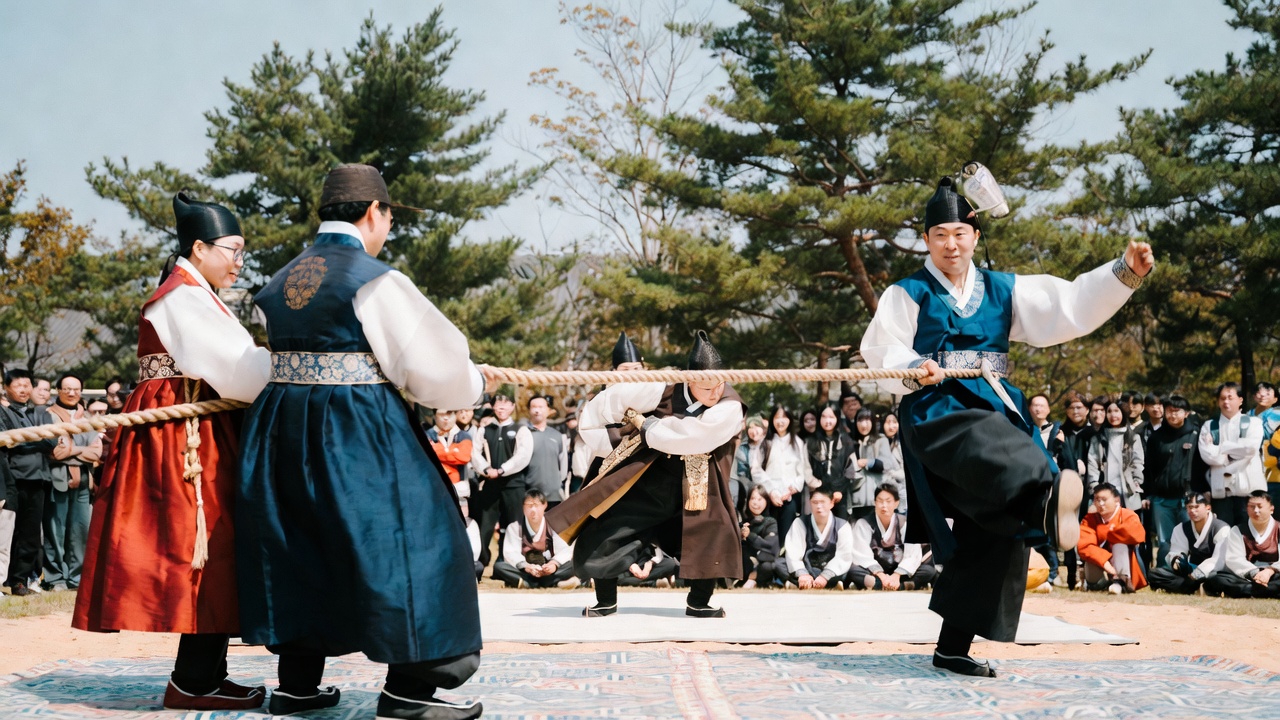
During Seollal, Koreans wear hanbok (traditional clothing). They perform sebae (New Year’s bow) to elders. They eat tteokguk (rice cake soup). They play traditional games. Every ritual carries deep cultural significance.
What Is Chuseok? The Korean Harvest Festival Explained
Chuseok (추석) is the Korean Harvest Festival. It falls on the 15th day of the 8th lunar month. This usually occurs in September or early October. Chuseok celebrates the autumn harvest and gives thanks for the year’s bounty.
The name “Chuseok” combines “chu” (秋, autumn) and “seok” (夕, evening). Another name for this festival is Hangawi (한가위). This traditional term means “the great middle of autumn.”
Like Seollal, Chuseok is a three-day national holiday. South Korean businesses, schools, and government offices close. Millions of people travel to their hometowns. This mass migration creates one of the world’s largest annual human movements.
Chuseok has agricultural origins. It began as a celebration of the successful rice harvest. Farmers would offer the first grains to their ancestors. They would feast, dance, and give thanks under the full autumn moon.
During Chuseok, Koreans visit ancestral graves. They perform charye (ancestral memorial rites). They eat songpyeon (half-moon rice cakes). They watch the full moon and make wishes. The festival blends gratitude, remembrance, and celebration.
Origins and History: How Seollal and Chuseok Began
The Ancient Roots of Seollal Korean New Year Traditions
Seollal’s origins stretch back thousands of years. The celebration predates the Three Kingdoms period (57 BCE – 668 CE). Ancient Korean communities marked the lunar new year with ceremonies and feasts.
The Samguk Sagi (삼국사기), Korea’s oldest surviving history book, mentions New Year celebrations. The text describes how ancient Koreans gathered to honor ancestors and welcome the new year. These practices laid the foundation for modern Seollal traditions.
During the Joseon Dynasty (1392-1910), Seollal became firmly established. The Confucian-influenced government standardized many rituals. The sebae custom and charye ceremonies took their current forms. Social hierarchies were reinforced through formal New Year greetings.
Japanese colonial rule (1910-1945) suppressed Korean traditional holidays. The colonial government promoted the Gregorian New Year instead. However, Koreans continued celebrating Seollal privately. The holiday survived as an act of cultural resistance.
After Korean independence in 1945, Seollal regained official status. In 1985, the South Korean government designated it a national holiday again. In 1989, the three-day holiday format was established. Today, Seollal is one of Korea’s most cherished celebrations.
The Historical Significance of Chuseok Harvest Festival
Chuseok’s history is equally ancient. Some scholars trace it back to ancient moon worship rituals. The full moon of the 8th lunar month held special significance for agricultural societies.
The Samguk Sagi records Chuseok celebrations in the Silla Kingdom (57 BCE – 935 CE). King Yuri allegedly started a month-long weaving contest between two teams of women. The losing team had to prepare a feast for the winners on Chuseok. This tradition included music, dancing, and games.
During the Goryeo Dynasty (918-1392), Chuseok was one of nine national holidays. The royal court held elaborate ceremonies. Common people celebrated with feasts and community gatherings.
The Joseon Dynasty further formalized Chuseok traditions. Charye rituals became standardized. The making of songpyeon became a family tradition. Grave visits and ancestral rites became mandatory customs for filial descendants.
Like Seollal, Chuseok faced suppression during Japanese occupation. The colonial government tried to replace it with Japanese holidays. But Korean families maintained their traditions in private. Chuseok represented Korean identity and cultural continuity.
Today, Chuseok stands alongside Seollal as Korea’s most important holiday. Both celebrations connect modern Koreans to their ancestors and cultural heritage.
When Do Seollal and Chuseok Fall? Korean Holiday Dates Explained
Understanding the dates of Korean holidays can be confusing. Both Seollal and Chuseok follow the lunar calendar. Their Gregorian calendar dates change every year.
Seollal Lunar New Year Date Calculation
Seollal falls on the first day of the first lunar month. This corresponds to the second new moon after the winter solstice. The date ranges from January 21 to February 20 on the Gregorian calendar.
Here are recent and upcoming Seollal dates:
| Year | Seollal Date | Day of Week |
|---|---|---|
| 2023 | January 22 | Sunday |
| 2024 | February 10 | Saturday |
| 2025 | January 29 | Wednesday |
| 2026 | February 17 | Tuesday |
| 2027 | February 6 | Saturday |
The three-day holiday includes the day before, Seollal itself, and the day after. If these days fall near a weekend, the government may declare additional substitute holidays.
Chuseok Harvest Festival Date Calculation
Chuseok falls on the 15th day of the 8th lunar month. This is the day of the full moon nearest the autumn equinox. The date ranges from September 8 to October 8 on the Gregorian calendar.
Here are recent and upcoming Chuseok dates:
| Year | Chuseok Date | Day of Week |
|---|---|---|
| 2023 | September 29 | Friday |
| 2024 | September 17 | Tuesday |
| 2025 | October 6 | Monday |
| 2026 | September 25 | Friday |
| 2027 | September 15 | Wednesday |
The three-day Chuseok holiday follows the same structure as Seollal. Extended weekends are common when the dates align with regular weekends.
Why Korean Holidays Follow the Lunar Calendar
Korea has used the lunar calendar for millennia. Agricultural societies needed to track lunar cycles for planting and harvesting. The full moon marked important dates for ceremonies and gatherings.
The Gregorian calendar became Korea’s civil calendar in 1896. But traditional holidays maintained their lunar calendar dates. This preserves the original astronomical and agricultural significance of these celebrations.
Many East Asian countries share this lunar calendar tradition. Chinese New Year falls on the same day as Seollal. The Mid-Autumn Festival in China, Vietnam, and other countries coincides with Chuseok.
Key Differences Between Seollal and Chuseok: A Comprehensive Comparison
While Seollal and Chuseok share similarities, they have distinct characteristics. Understanding these differences enhances appreciation for both holidays.
Seasonal Timing and Atmosphere Differences
Seollal occurs in late winter. The weather is cold, often below freezing. Snow may cover the ground in many regions. The atmosphere focuses on new beginnings and fresh starts.
Chuseok occurs in early autumn. The weather is mild and pleasant. Harvest season creates abundance and gratitude. The full moon adds a romantic, contemplative atmosphere.
This seasonal difference affects every aspect of the celebrations. Clothing, activities, and moods differ significantly between the two holidays.
Philosophical and Spiritual Meanings
Seollal emphasizes beginnings and renewal. The new year brings hopes for good fortune. Koreans make resolutions and set intentions. The focus is forward-looking.
Chuseok emphasizes gratitude and remembrance. The harvest celebration gives thanks for the year’s blessings. Ancestor worship honors those who came before. The focus balances past and present.
Both holidays incorporate ancestor worship. But the emotional tone differs. Seollal asks ancestors for blessings in the coming year. Chuseok thanks ancestors for the year’s bounty.
Visual and Aesthetic Differences
Seollal colors tend toward bright, auspicious tones. Red, yellow, and vibrant colors symbolize luck and prosperity. Decorations feature New Year themes.
Chuseok colors reflect autumn harvest themes. Earth tones, greens, and natural colors predominate. Decorations feature agricultural and lunar motifs.
The hanbok styles differ too. Seollal hanbok often feature brighter colors and more elaborate designs. Chuseok hanbok may include more subdued, elegant autumn tones.
Traditional Food Comparison: Seollal vs Chuseok Korean Holiday Dishes
Food is central to both Korean holidays. But the traditional dishes differ significantly. Each reflects the season and holiday’s meaning.
Tteokguk: The Essential Seollal Rice Cake Soup
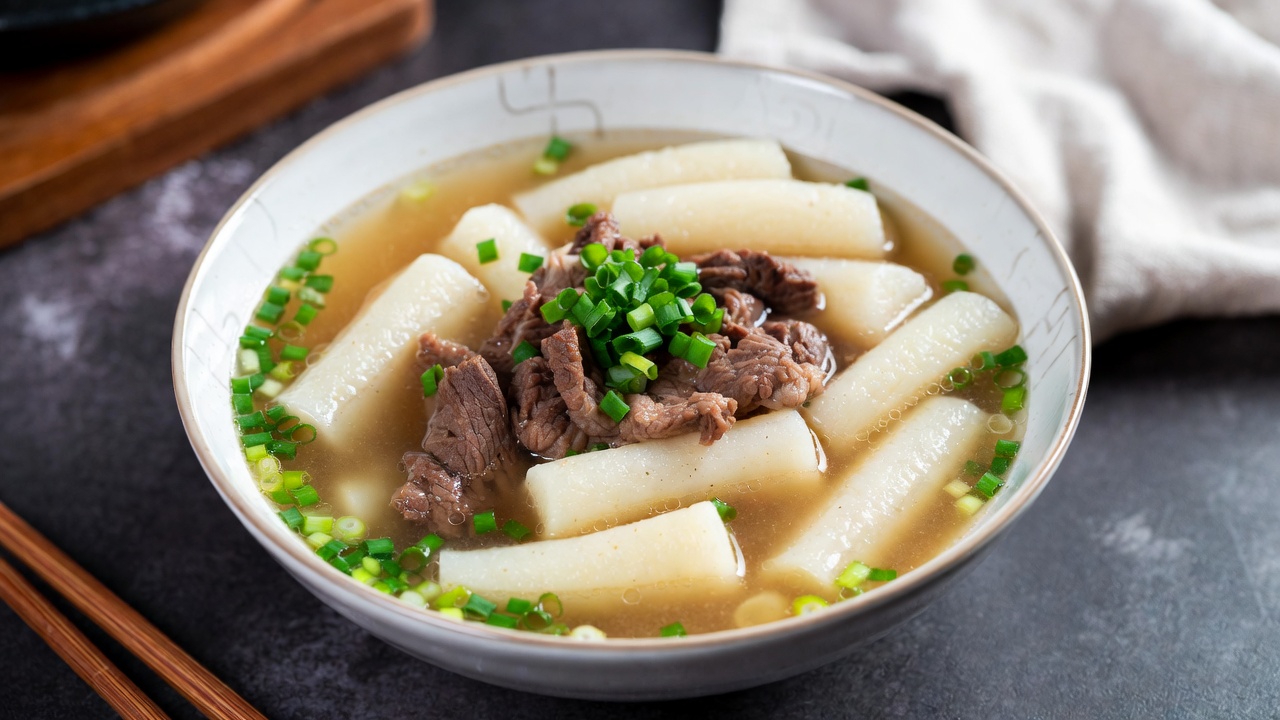
Tteokguk (떡국) is the defining food of Seollal. This rice cake soup is mandatory for the New Year celebration. Koreans believe you must eat tteokguk to age one year.
The dish consists of sliced rice cakes in clear beef broth. Toppings include egg, green onions, and sometimes dumplings. The white color symbolizes purity and a fresh start.
The oval rice cake slices resemble coins. They symbolize prosperity and wealth for the new year. Some families add mandu (dumplings) to create tteok-manduguk.
Making tteokguk is relatively simple:
- Soak rice cake slices in water
- Prepare beef broth with garlic and soy sauce
- Add rice cakes and cook until soft
- Top with egg, seaweed, and green onions
- Serve hot in individual bowls
Every Korean family has their own tteokguk variation. Some use chicken broth. Others add different toppings. The core meaning remains the same.
Songpyeon: The Iconic Chuseok Half-Moon Rice Cakes
Songpyeon (송편) is the signature food of Chuseok. These half-moon shaped rice cakes are filled with sweet ingredients. The name comes from the pine needles used during steaming.
Songpyeon fillings include:
- Sesame seeds with honey
- Sweet red beans
- Chestnuts
- Mung beans
- Brown sugar and cinnamon
The half-moon shape represents growth and potential. It symbolizes hopes for fulfillment and completion. The shape also references the full moon of Chuseok.
Making songpyeon is a family activity:
- Knead rice flour dough with hot water
- Divide into small balls
- Flatten and add filling
- Shape into half-moons
- Steam on a bed of pine needles
- Brush with sesame oil
A Korean saying states that making beautiful songpyeon means you’ll have a beautiful spouse or children. Family members compete playfully to make the prettiest rice cakes.
Complete Seollal vs Chuseok Food Comparison Table
| Aspect | Seollal Foods | Chuseok Foods |
|---|---|---|
| Signature Dish | Tteokguk (rice cake soup) | Songpyeon (half-moon rice cakes) |
| Main Ingredient | Sliced rice cakes | Rice flour dough |
| Preparation | Soup-based, served hot | Steamed, served warm or cold |
| Symbolism | New year, aging, prosperity | Harvest, gratitude, fulfillment |
| Family Activity | Less labor-intensive | Making songpyeon together |
| Seasonal Foods | Winter vegetables, dried foods | Fresh autumn produce |
| Fruits | Dried persimmons, jujubes | Fresh pears, apples, grapes |
| Drinks | Sujeonggwa (cinnamon punch) | Fresh rice wine, fruit juices |
Other Traditional Foods for Korean Holidays
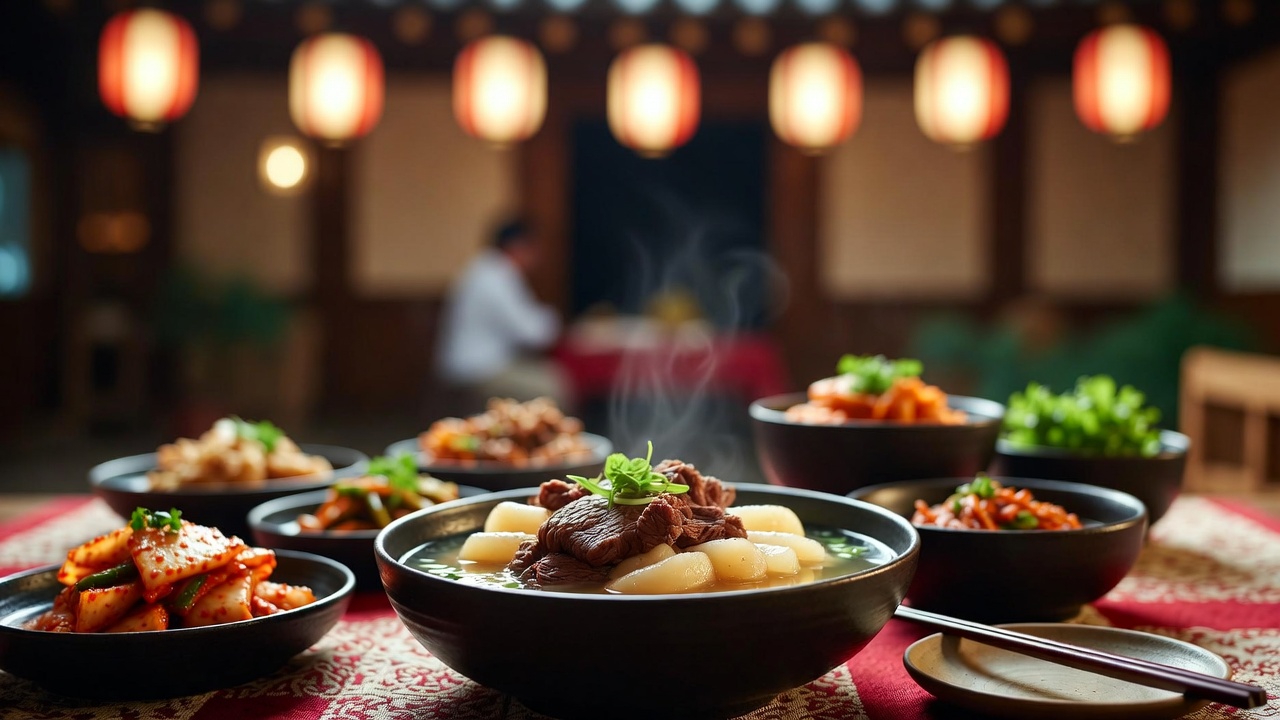
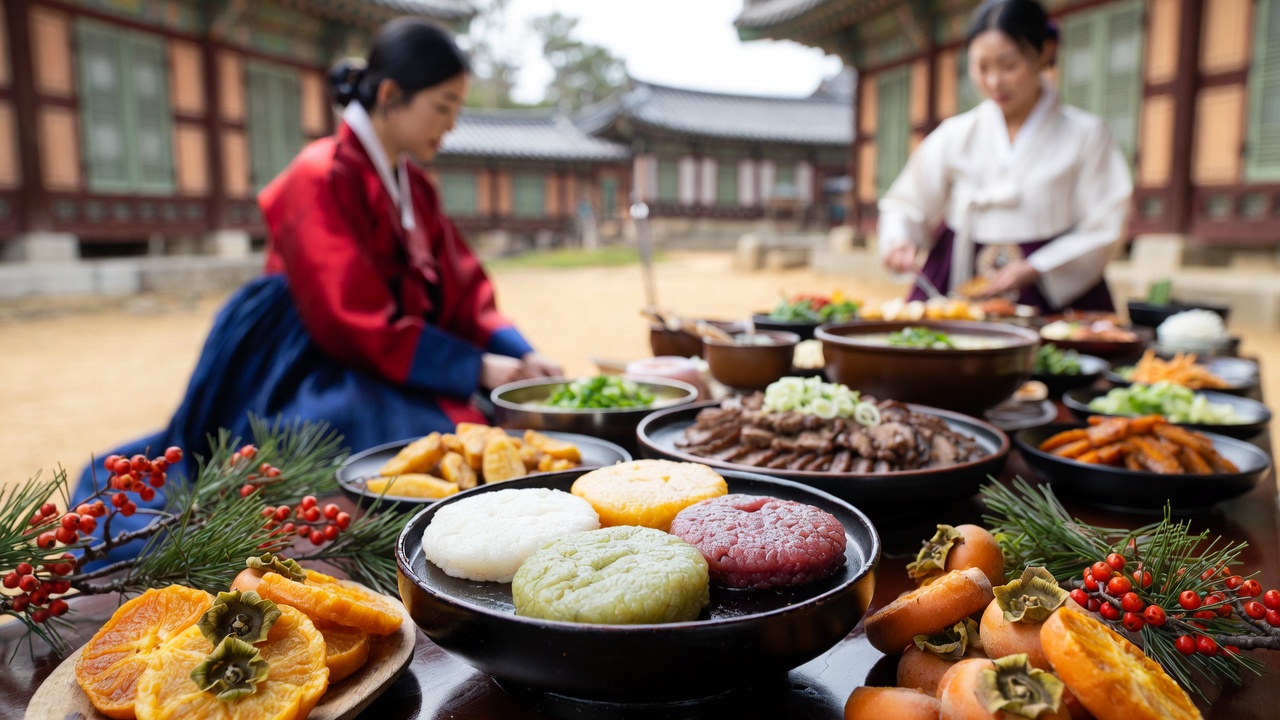
Both holidays feature elaborate jesa (ancestral rite) food tables. These include:
Shared Foods:
- Japchae (glass noodles with vegetables)
- Jeon (Korean pancakes) — meat, fish, and vegetable varieties
- Galbi (marinated beef short ribs)
- Bulgogi (marinated beef)
- Namul (seasoned vegetables)
- Fresh and dried fruits
Seollal-Specific Foods:
- Mandu (dumplings)
- Yakgwa (honey cookies)
- Gangjeong (sweet rice puffs)
Chuseok-Specific Foods:
- Toranguk (taro soup)
- Baekju (rice wine)
- Fresh harvest fruits
Ancestral Rites and Ceremonies: Charye and Seongmyo Traditions
Ancestor worship forms the spiritual core of both holidays. The rituals demonstrate respect, gratitude, and family continuity.
What Is Charye? Korean Ancestral Memorial Rites Explained
Charye (차례) is the ancestral memorial ceremony performed during Korean holidays. The ritual involves preparing food offerings and paying respects to deceased ancestors.
The ceremony follows strict traditional protocols:
- Setting the Jesa Table: Food is arranged according to specific rules. Fish head faces east. Red fruits go east, white fruits go west. Rows represent different food categories.
- Performing Bows: Family members bow deeply before the ancestral table. The order follows generational hierarchy.
- Offering Food and Drink: Rice wine is poured. Rice bowl lids are opened. The ancestors are symbolically invited to eat.
- Burning the Jibang: A paper with ancestors’ names is burned. This sends the message to the spiritual realm.
- Shared Meal: After the ceremony, family members eat the food together. This connects living and deceased family members.
Charye differs slightly between Seollal and Chuseok. Seollal charye features tteokguk as the main offering. Chuseok charye features songpyeon and fresh harvest foods.
Seongmyo: Visiting Ancestral Graves During Korean Holidays
Seongmyo (성묘) means visiting ancestral graves. This practice is important for both holidays but especially emphasized during Chuseok.
During Chuseok, families visit their ancestors’ graves. They clear weeds and clean the burial sites. They offer food and perform bows. This practice, called beolcho (벌초), typically happens before Chuseok.
Grave visits serve multiple purposes:
- Physical maintenance of burial sites
- Spiritual connection with ancestors
- Family bonding across generations
- Teaching younger generations about family history
During Seollal, grave visits are less common. The cold winter weather makes outdoor ceremonies difficult. Most families focus on charye at home instead.
Regional Variations in Korean Ancestral Rites
Ancestral rite practices vary by region and family tradition. Some notable differences include:
- Jeolla Province: Elaborate food preparations with many dishes
- Gyeongsang Province: Simpler ceremonies with essential items
- Northern refugees: Ceremonies facing north toward ancestral homeland
- Buddhist families: Modified rituals incorporating Buddhist elements
- Christian families: Adapted ceremonies without some traditional elements
Modern families often simplify traditional rituals. But the core purpose remains unchanged: honoring ancestors and maintaining family connections.
Traditional Activities and Games: How Koreans Celebrate Both Holidays
Beyond food and rituals, Korean holidays feature distinctive activities. Games, dances, and traditions make celebrations memorable.
Popular Seollal Games and Activities
Yutnori (윷놀이) is the most popular Seollal game. This traditional board game involves throwing wooden sticks. Players move pieces around a board based on their throws.
How to play Yutnori:
- Teams take turns throwing four wooden sticks
- The throw pattern determines movement spaces
- Pieces move around a square board with shortcuts
- First team to move all pieces around wins
- Strategy involves blocking opponents and choosing paths
Other Seollal activities include:
- Neolttwigi (널뛰기): Traditional seesaw jumping
- Jegichagi (제기차기): Kicking a shuttlecock-like object
- Yeon Nalligi (연날리기): Kite flying
- Paengichigi (팽이치기): Top spinning
- Tuho (투호): Arrow throwing into a pot
These games traditionally helped pass time during the cold winter holiday. Many involve physical activity to stay warm.
Popular Chuseok Games and Activities
Ganggangsullae (강강술래) is a traditional Chuseok circle dance. Women hold hands and dance under the full moon. They sing traditional songs while circling.
The dance has historical origins. Some legends say women performed it to make the army appear larger during invasions. UNESCO recognized Ganggangsullae as Intangible Cultural Heritage in 2009.
Other Chuseok activities include:
- Ssireum (씨름): Traditional Korean wrestling
- Daljip Taeugi (달집태우기): Moon house burning ritual
- Dalgugyeong (달구경): Full moon watching
- Charye and seongmyo: Ancestral rites and grave visits
- Songpyeon making: Family rice cake preparation
Chuseok activities often involve the outdoors. The pleasant autumn weather encourages outdoor gatherings and celebrations.
Seollal vs Chuseok Activities Comparison
| Activity Type | Seollal | Chuseok |
|---|---|---|
| Signature Game | Yutnori (board game) | Ssireum (wrestling) |
| Group Activity | Indoor games | Ganggangsullae dance |
| Physical Games | Neolttwigi, Jegichagi | Ssireum competitions |
| Watching Activity | First sunrise | Full moon viewing |
| Food Activity | Making mandu | Making songpyeon |
| Setting | Mostly indoors (winter) | Mostly outdoors (autumn) |
Sebae and Holiday Greetings: Korean New Year vs Chuseok Customs
Greeting rituals differ significantly between the two holidays. Seollal’s sebae custom has no direct Chuseok equivalent.
What Is Sebae? The Korean New Year Bow Tradition
Sebae (세배) is the deep bow performed during Seollal. Younger family members bow to elders. Elders give blessings and often money in return.
The sebae ritual follows specific steps:
- Kneel on a cushion facing the elder
- Place hands on the floor (men: left over right, women: right over left)
- Bow deeply, touching forehead to hands
- Rise to kneeling position
- Listen to elder’s blessing
- Receive sebaetdon (New Year’s money)
Sebaetdon traditionally comes in white envelopes. Parents and grandparents give money to children. Amounts vary based on relationship closeness and financial means.
Traditional Seollal greetings include:
- “새해 복 많이 받으세요” (Saehae bok mani badeuseyo) – “Receive many blessings in the new year”
- “건강하세요” (Geonganghaseyo) – “Be healthy”
- “만사형통하세요” (Mansahaengtonghaseyo) – “May everything go well”
Chuseok Greetings and Customs
Chuseok lacks the formal sebae ritual. But respectful greetings remain important. Younger generations still show respect to elders.
Traditional Chuseok greetings include:
- “풍성한 한가위 되세요” (Pungseonghan hangawi doeseyo) – “Have a bountiful Chuseok”
- “즐거운 추석 보내세요” (Jeulgeoun chuseok bonaeseyo) – “Have a happy Chuseok”
- “행복한 추석 되세요” (Haengbokan chuseok doeseyo) – “Have a happy Chuseok”
Gift-giving is common during both holidays. Chuseok gifts traditionally include:
- Fruit sets (apples, pears, grapes)
- Beef or meat sets
- Ginseng and health products
- Spam and canned goods sets (uniquely Korean)
- Traditional sweets
The focus is on sharing the harvest’s abundance. Gifts express gratitude and strengthen relationships.
Hanbok Fashion: Traditional Korean Clothing for Seollal and Chuseok
Wearing hanbok (한복) is traditional for both holidays. But styles and colors may differ based on the season and occasion.
Seollal Hanbok Styles and Colors
Seollal hanbok often features bright, auspicious colors. Red, pink, yellow, and gold symbolize luck and prosperity. Elaborate embroidery adds elegance.
Women’s Seollal hanbok includes:
- Jeogori (저고리): Short jacket
- Chima (치마): Full wrap-around skirt
- Goreum (고름): Decorative tie ribbons
- Accessories: Norigae (ornamental pendants), headpieces
Men’s Seollal hanbok includes:
- Jeogori (저고리): Jacket
- Baji (바지): Wide-legged pants
- Joggi (조끼): Vest
- Magoja (마고자): Outer jacket
- Hat: Traditional gat for formal occasions
Children often wear saekdong jeogori (색동저고리). These feature rainbow-striped sleeves. The colorful design represents innocence and wishes for good fortune.
Chuseok Hanbok Styles and Colors
Chuseok hanbok may feature more subdued colors. Autumn tones like burgundy, forest green, gold, and brown reflect the harvest season. Natural fabrics feel comfortable in mild weather.
The basic hanbok elements remain the same. But fabric weight differs. Summer-weight or transitional fabrics suit Chuseok’s autumn timing.
Modern Hanbok Trends for Korean Holidays
Modern Koreans increasingly wear modernized hanbok or “생활한복” (saenghwal hanbok). These comfortable versions blend traditional aesthetics with practical design.
Modern hanbok features:
- Simplified construction
- Comfortable fabrics
- Contemporary colors
- Easier wearing methods
- Casual styling options
Some families forego hanbok entirely. Western formal wear or smart casual attire is acceptable. But traditional hanbok remains popular, especially for photos and formal gatherings.
Hanbok rental services are available in tourist areas. Visitors can experience wearing traditional Korean clothing during holidays. Popular rental locations include Gyeongbokgung Palace and Bukchon Hanok Village.
Travel Tips: Visiting Korea During Seollal and Chuseok Holidays
Planning a trip to Korea during major holidays requires special consideration. Both Seollal and Chuseok dramatically affect travel and tourism.
What to Expect When Traveling to Korea During Seollal
Seollal creates unique travel conditions:
Advantages:
- Experience authentic Korean culture
- See traditional ceremonies and activities
- Enjoy special holiday performances
- Visit less-crowded tourist attractions (after family gatherings)
Challenges:
- Many businesses close for 3+ days
- Restaurants may be closed
- Transportation is extremely crowded
- Accommodation prices increase
- Limited public services
Travel recommendations for Seollal:
- Book accommodation early — Hotels fill quickly
- Research open restaurants — Many close for the holiday
- Visit palaces — Special holiday programs occur
- Join temple stays — Temples remain open and offer programs
- Expect transportation delays — Millions travel simultaneously
- Plan around the peak — Travel before or after the main days
What to Expect When Traveling to Korea During Chuseok
Chuseok travel conditions are similar:
Advantages:
- Beautiful autumn weather
- Harvest season abundance
- Special performances and events
- Full moon viewing opportunities
Challenges:
- Extreme transportation congestion
- Many closed businesses
- Higher prices
- Crowded tourist spots after the holiday
Travel recommendations for Chuseok:
- Enjoy outdoor activities — Weather is ideal
- Visit traditional villages — Folk villages hold special events
- Watch the full moon — Find good viewing spots
- Book KTX trains early — Tickets sell out weeks ahead
- Try traditional experiences — Making songpyeon, wearing hanbok
- Visit after the rush — Late holiday period is less crowded
Best Places to Experience Korean Holiday Traditions
Traditional folk villages:
- Korean Folk Village (Yongin) — Special holiday programs
- Namsangol Hanok Village (Seoul) — Free performances
- Hahoe Folk Village (Andong) — UNESCO World Heritage site
- Jeonju Hanok Village — Traditional atmosphere
Palaces and historical sites:
- Gyeongbokgung Palace — Holiday opening, free hanbok admission
- Changdeokgung Palace — Secret Garden tours
- Deoksugung Palace — Nighttime opening events
- Jongmyo Shrine — Ancestral rites demonstrations
Cultural experiences:
- National Folk Museum of Korea — Holiday exhibitions
- National Museum of Korea — Special programs
- Temple stays — Peaceful alternative to crowded cities
- Rural homestays — Experience family celebrations
The Great Korean Holiday Migration: Understanding Holiday Travel Patterns
Both Seollal and Chuseok trigger massive population movements. Understanding these patterns helps with travel planning.
Why Do Millions of Koreans Travel During Holidays?
Korean holiday travel stems from several factors:
Cultural importance of hometown visits:
- Meeting extended family
- Performing ancestral rites
- Maintaining family connections
- Visiting ancestral graves
Urban-rural population distribution:
- Most Koreans live in cities
- Ancestral hometowns are often rural
- Graves are typically in countryside locations
Limited holiday time:
- Korean workers have limited vacation days
- Holidays provide rare family reunion opportunities
- Three-day breaks allow meaningful visits
Holiday Traffic Statistics and Data
The Korean holiday migration is among the world’s largest annual population movements. According to the Korea Transport Institute, tens of millions of trips occur during each holiday period.
Typical holiday travel statistics:
| Metric | Seollal | Chuseok |
|---|---|---|
| Total trips | 35-40 million | 35-40 million |
| Highway traffic increase | 200-300% | 200-300% |
| Peak travel day | Day before holiday | Day before holiday |
| Return peak | Day after holiday | Day after holiday |
| Average travel time | 2-4x normal | 2-4x normal |
Transportation modes used:
- Personal vehicles: 70-80%
- Express buses: 10-15%
- KTX/trains: 5-10%
- Airplanes: 2-5%
Tips for Navigating Holiday Traffic in Korea
For visitors during Korean holidays:
- Avoid peak travel days — The day before and after the main holiday
- Travel at off-peak times — Late night or very early morning
- Book transportation early — KTX and bus tickets sell out
- Consider alternatives — Rent a car for flexibility, or stay in one place
- Use navigation apps — Naver Maps or Kakao Maps show real-time traffic
- Pack snacks and entertainment — Traffic jams can last hours
Modern Celebrations: How Seollal and Chuseok Have Evolved
Korean holidays continue evolving. Modern lifestyles are reshaping traditional celebrations.
How Younger Generations Celebrate Korean Holidays Today
Changing attitudes among young Koreans:
- Less emphasis on elaborate rituals
- Simplified food preparations
- Alternative gathering formats
- International travel during holidays
- “Reverse” sebae (elders visiting children)
Technology’s impact:
- Video calls with distant relatives
- Online sebae and greetings
- Delivery food replacing home cooking
- Social media sharing of celebrations
New traditions emerging:
- Holiday gift boxes instead of homemade food
- Restaurant reservations for family meals
- Staycations instead of hometown visits
- Volunteer activities during holidays
Gender Roles and Holiday Labor Discussions
Traditional Korean holidays place heavy burdens on women. Cooking, cleaning, and serving fall primarily on daughters-in-law. This has sparked social discussion.
Traditional expectations:
- Women prepare all holiday food
- Women serve meals to family
- Women clean up afterward
- Little help from male family members
Modern changes:
- Increasing male participation
- Shared cooking responsibilities
- Restaurant meals instead of home cooking
- Smaller, simplified celebrations
- “Holiday labor” becoming public discourse
According to surveys by Korean Women’s Development Institute, women still perform the majority of holiday labor. But awareness is increasing, and some families are changing.
The Commercialization of Korean Traditional Holidays
Like holidays worldwide, Seollal and Chuseok have become commercial events.
Commercial aspects:
- Department store gift set sales
- Holiday bonus and gift-giving expectations
- Travel and tourism industry promotions
- Food industry marketing
- Entertainment programming
Popular holiday gifts by category:
- Food sets — Hanwoo beef, fruits, spam sets
- Health products — Ginseng, vitamins, honey
- Personal care — Luxury cosmetics, toiletries
- Household items — Cooking oil, cookware sets
- Gift cards — Department stores, cash equivalents
The holiday gift market reaches billions of dollars annually. Retailers compete intensely for holiday spending.
Seollal and Chuseok in Popular Culture: K-Drama and K-Pop References
Korean holidays frequently appear in Korean popular culture. Understanding these references enhances media appreciation.
Korean Holiday Scenes in K-Dramas
Many K-dramas feature holiday episodes. Common Seollal scenes include:
- Family gathering tensions — Meeting partner’s parents
- Sebae ceremonies — Formal bowing to elders
- Traditional food preparation — Kitchen bonding or conflicts
- Hanbok wearing — Beautiful traditional costume scenes
- Relationship reveals — Introducing significant others
Common Chuseok scenes include:
- Songpyeon making — Romantic hand-holding scenes
- Moon watching — Confession scenes under full moon
- Family reunions — Plot revelations during gatherings
- Grave visits — Emotional ancestor scenes
Popular K-dramas with memorable holiday scenes include “Reply” series, “Hospital Playlist,” “Crash Landing on You,” and many family dramas.
K-Pop Holiday Content and Special Releases
K-pop artists often release holiday content:
- Holiday greetings videos — Artists wishing fans happy holidays
- Traditional costume content — Idols wearing hanbok
- Special variety shows — Holiday-themed entertainment
- Fan meeting events — Virtual holiday celebrations
Major K-pop entertainment companies produce special holiday content. This strengthens fan connections across cultural boundaries.
Comparing Korean Holidays to Similar Celebrations Worldwide
Seollal and Chuseok have counterparts in other cultures. Understanding these connections reveals shared human traditions.
Seollal vs Chinese New Year vs Japanese New Year
| Aspect | Korean Seollal | Chinese New Year | Japanese New Year |
|---|---|---|---|
| Calendar | Lunar | Lunar | Solar (Jan 1) |
| Duration | 3 days | 15 days | 3-7 days |
| Key Food | Tteokguk | Dumplings, fish | Osechi, mochi |
| Money Giving | Sebaetdon | Hongbao | Otoshidama |
| Greeting | Sebae (bow) | Various | Hatsumode (shrine) |
| Colors | Various | Red dominant | Red and white |
Chuseok vs Mid-Autumn Festival vs Thanksgiving
| Aspect | Korean Chuseok | Chinese Mid-Autumn | American Thanksgiving |
|---|---|---|---|
| Timing | 8th lunar month | 8th lunar month | 4th Thursday, November |
| Key Food | Songpyeon | Mooncakes | Turkey |
| Theme | Harvest, ancestors | Moon, family | Gratitude, harvest |
| Moon Focus | Yes | Yes | No |
| Grave Visits | Yes | Sometimes | No |
| Duration | 3 days | 3 days | 1-4 days |
These comparisons show common human needs to mark seasons, honor ancestors, and gather with family.
Practical Information: Seollal and Chuseok Travel Planning Guide
Planning a Korea trip around major holidays requires detailed preparation. This section provides practical information.
Accommodation Booking Strategies
For Seollal trips:
- Book hotels 2-3 months in advance
- Consider guesthouses for authenticity
- Look at hanok stays for cultural experience
- Check temple stay programs
- Expect 20-50% price increases
For Chuseok trips:
- Book even earlier (peak travel season)
- Consider locations outside Seoul
- Rural pensions offer unique experiences
- Glamping and camping are popular
- Airbnb may have better availability
Restaurant and Food Options During Holidays
What’s typically open:
- Hotel restaurants
- International chain restaurants
- Some convenience stores
- Select tourist-area restaurants
- Temple cafeterias
What’s typically closed:
- Local Korean restaurants
- Small businesses
- Most non-chain stores
- Local markets
Food strategies:
- Stock up on snacks beforehand
- Identify 24-hour options
- Hotel restaurants as backup
- Convenience store meals
- Delivery apps (limited options)
Transportation Booking Tips
KTX (Korea Train Express):
- Book exactly when tickets open (usually 1 month ahead)
- Use Korail website or app
- Consider standing tickets if sold out
- Off-peak times have better availability
Express Buses:
- Book through Kobus website
- Multiple companies, multiple routes
- Generally more available than trains
- Longer travel times during traffic
Flights:
- Domestic flights sell out quickly
- Check Jeju Air, Jin Air, T’way for budget options
- Book 2-3 months ahead
- International flights also fill up (Koreans traveling abroad)
Rental Cars:
- Available but expensive during holidays
- Expect major traffic delays
- Navigation apps essential
- Book early for best rates
Frequently Asked Questions About Seollal and Chuseok
Is Seollal or Chuseok More Important in Korea?
Both holidays hold equal cultural importance. They are the two biggest traditional holidays in Korea. Some families may emphasize one over the other based on personal traditions.
Seollal marks the new year and focuses on fresh beginnings. Chuseok celebrates the harvest and emphasizes gratitude. Most Koreans consider both essential family occasions.
Can Foreigners Participate in Korean Holiday Celebrations?
Yes, foreigners are welcome to participate in Korean holidays. Many cultural sites offer special programs during Seollal and Chuseok. Temple stays accept international guests. Folk villages demonstrate traditional activities.
Some Korean families invite foreign friends to join celebrations. This depends on individual relationships. Cultural tours may offer holiday experience packages.
What Gifts Are Appropriate for Korean Holidays?
Traditional holiday gifts include:
- Fruit sets — Premium apples, pears, grapes
- Meat sets — Hanwoo beef, galbi sets
- Health products — Ginseng, vitamins, honey
- Food sets — Spam, cooking oil (surprisingly popular)
- Cash or gift cards — Appropriate for close relations
Avoid:
- Sets of four (associated with death)
- Knives or scissors (cutting relationships)
- Shoes (walking away)
- Clocks (counting down life)
How Do Korean Americans Celebrate Seollal and Chuseok?
Korean Americans maintain holiday traditions in various ways:
- Community events — Korean churches and community centers hold celebrations
- Modified traditions — Simplified rituals adapted to American life
- Korean restaurants — Special holiday menus
- Family gatherings — Potlucks with traditional foods
- Video calls — Connecting with relatives in Korea
Many Korean American communities hold public Seollal and Chuseok events. These offer cultural experiences to both Korean Americans and interested others.
Do North Koreans Celebrate Seollal and Chuseok?
Yes, North Koreans celebrate both holidays. However, celebrations differ from South Korea.
North Korean Seollal:
- Official holiday
- Visits to statues of leaders
- Modified ancestral rites
- Tteokguk and traditional foods
North Korean Chuseok:
- Also an official holiday
- Grave visits when possible
- Songpyeon making
- State-organized celebrations
The holidays maintain cultural continuity across the divided peninsula. Separated families often think of each other during these times.
Conclusion: Experiencing the Heart of Korean Culture Through Seollal and Chuseok
Seollal and Chuseok represent the soul of Korean culture. These holidays connect generations, honor ancestors, and strengthen family bonds. Understanding their differences and similarities enriches any appreciation of Korea.
Seollal welcomes the new year with hope and fresh beginnings. Tteokguk, sebae, and New Year games create joyful winter celebrations. The holiday looks forward while honoring the past.
Chuseok gives thanks for the harvest under the autumn moon. Songpyeon, grave visits, and family feasts celebrate abundance. The holiday balances gratitude for the present with remembrance of ancestors.
For travelers, both holidays offer unique cultural experiences. Plan carefully around closures and crowds. Seek out cultural programs and traditional activities. Embrace the slower pace and family focus.
For cultural enthusiasts, studying these holidays reveals Korean values. Family loyalty, respect for elders, ancestral veneration, and seasonal awareness all shine through holiday traditions.
Whether you visit Korea during these special times or simply learn about them from afar, Seollal and Chuseok offer windows into Korean hearts and homes. These ancient celebrations continue thriving in modern times, connecting Koreans to their heritage while evolving with contemporary life.
May your holidays be filled with family, good food, and meaningful traditions — 새해 복 많이 받으세요 and 풍성한 한가위 되세요!
Additional Resources for Learning About Korean Holidays
Official Tourism Information:
- Visit Korea — Korea Tourism Organization official site
- Korea.net — Korean government cultural portal
Cultural Institutions:
- National Folk Museum of Korea — Holiday exhibitions and information
- Korean Cultural Center — Cultural programs worldwide
Language Learning:
- Talk To Me In Korean — Holiday vocabulary lessons
- KBS World — Holiday programming and cultural content
This comprehensive guide to Seollal and Chuseok was written by a world folklore expert dedicated to sharing the beauty of global traditions. For more cultural travel content, explore our other guides to festivals and customs around the world.