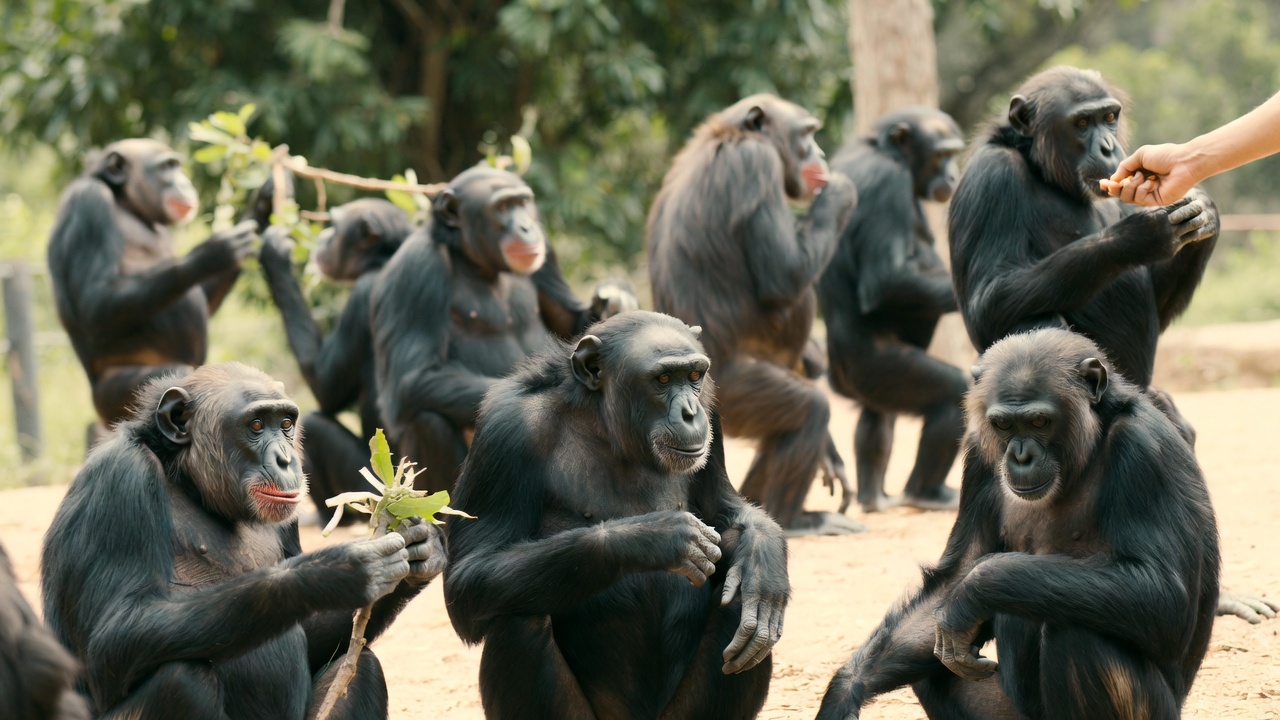

Every year on February 20th, animal lovers around the world unite to celebrate one of the most heartwarming unofficial holidays on the calendar: Love Your Pet Day. This special occasion transcends borders. It speaks a universal language. It reminds us of the extraordinary bond between humans and their furry, feathered, or scaly companions.
As someone who has traveled to over 60 countries documenting festivals, customs, and cultural celebrations, I can tell you this: the love between humans and animals is one of the most consistent threads woven through every culture I’ve encountered. From the sacred cows of India to the pampered pets of Paris, from the working dogs of the Arctic to the temple cats of Japan—our relationship with animals defines our humanity.
But Love Your Pet Day isn’t just about spoiling our existing companions with extra treats and belly rubs. It’s an invitation. A call to action. A perfect opportunity to open your heart and home to a pet in need through adoption or fostering.
In this comprehensive guide, we’ll explore why Love Your Pet Day represents the ideal moment to welcome a new family member, how adoption and fostering save lives, and what you need to know to make this life-changing decision.
What is Love Your Pet Day and Why Do We Celebrate It Every February 20th?
Love Your Pet Day falls on February 20th annually. Unlike many holidays with ancient origins or religious significance, this celebration emerged from the modern pet industry and animal welfare movement. Its exact origins remain somewhat mysterious—much like trying to trace the source of a viral internet cat video.
What we do know is this: the day gained significant traction in the early 2000s. Pet supply companies, animal shelters, and veterinary organizations embraced it enthusiastically. Social media transformed it into a global phenomenon.
The Cultural Significance of Pet Celebration Days Around the World
| Country | Pet-Related Holiday | Date | Tradition |
|---|---|---|---|
| United States | National Love Your Pet Day | February 20 | Extra treats, photos, adoption events |
| Japan | Cat Day (Neko no Hi) | February 22 | Cat cafés offer specials, shrine visits |
| Russia | Day of Cats | March 1 | Charitable donations to shelters |
| Mexico | Day of the Dog | July 21 | Blessing ceremonies, adoption fairs |
| United Kingdom | National Pet Day | April 11 | Charity walks, pet pageants |
| Australia | RSPCA Cupcake Day | August | Fundraising bake sales for animals |
This global tapestry of pet celebrations reveals something profound: our love for animals knows no borders. Different cultures, different dates, but the same universal affection.
The Pet Adoption Crisis: Understanding Why Millions of Animals Need Homes Today
Before we dive into the joys of adoption, we must confront an uncomfortable truth. Approximately 6.3 million companion animals enter U.S. animal shelters every year, according to data from the ASPCA (American Society for the Prevention of Cruelty to Animals). Of these, roughly 3.1 million are dogs and 3.2 million are cats.
The numbers are staggering. The reality behind them is heartbreaking.
Key Statistics About Pet Homelessness You Should Know
- 920,000 shelter animals are euthanized annually in the United States alone
- Only 4.1 million shelter animals are adopted each year
- Approximately 710,000 stray animals are returned to their owners annually
- 23% of dogs and 31% of cats entering shelters are euthanized
- The average shelter stay for a dog is approximately 2 weeks before adoption
- Senior pets and black-colored animals face significantly longer shelter stays
These statistics aren’t meant to overwhelm you. They’re meant to illuminate the urgent need for compassionate individuals willing to adopt or foster.
Why Do So Many Pets End Up in Shelters?
Understanding the root causes helps us address the problem:
- Owner surrender – Life changes like moving, financial hardship, or new allergies
- Stray intake – Lost pets or abandoned animals found by animal control
- Breeding overflow – Puppy mills and irresponsible breeding practices
- Behavioral issues – Often stemming from lack of training or socialization
- Housing restrictions – Landlords prohibiting pets or breed restrictions
The good news? You can be part of the solution. Love Your Pet Day provides the perfect catalyst for change.
Benefits of Adopting a Pet from a Shelter Instead of Buying from a Breeder
When you adopt from a shelter or rescue organization, you’re not just getting a pet. You’re saving a life. But the benefits extend far beyond that noble act.
Health and Financial Benefits of Pet Adoption
Adopted pets are typically healthier than you might expect. Most shelters ensure animals are:
- Spayed or neutered before adoption
- Vaccinated and microchipped
- Tested for common diseases (heartworm, FeLV, FIV)
- Assessed for temperament and behavior
This pre-adoption care can save you hundreds of dollars in initial veterinary costs. According to the Humane Society of the United States, the average cost of purchasing a dog from a breeder ranges from $500 to $3,000+, while adoption fees typically range from $50 to $350.
Comparison: Adoption vs. Buying from a Breeder
| Factor | Shelter Adoption | Breeder Purchase |
|---|---|---|
| Average Cost | $50 – $350 | $500 – $3,000+ |
| Spay/Neuter Included | Yes (usually) | No (additional $200-$500) |
| Vaccinations Included | Yes (usually) | Varies |
| Microchipping | Often included | Rarely included |
| Behavioral Assessment | Yes | No |
| Health Guarantee | Varies by shelter | Varies by breeder |
| Waiting Period | Same day to 1 week | Weeks to months |
| Fighting Pet Overpopulation | Yes | No |
The Emotional Rewards of Giving a Shelter Pet a Second Chance
There’s something indescribable about the bond formed with a rescued animal. Shelter pets often seem to understand they’ve been given a second chance. Countless adopters report that their rescue animals display extraordinary gratitude and loyalty.
Dr. Stanley Coren, professor of psychology at the University of British Columbia and author of numerous books on canine behavior, notes that adopted dogs often form strong attachment bonds with their new families, sometimes more rapidly than dogs acquired from breeders.
How to Know if You’re Ready to Adopt a Pet: Essential Questions to Ask Yourself
Adoption is a commitment. A beautiful, rewarding, life-changing commitment—but a commitment nonetheless. Before you head to the shelter on Love Your Pet Day, ask yourself these crucial questions:
Lifestyle Compatibility Assessment
1. Do you have enough time?
- Dogs require 30 minutes to 2+ hours of exercise daily
- Cats need 15-30 minutes of interactive play
- All pets need companionship and attention
2. Can you afford a pet?
- Annual dog ownership costs average $1,500 – $4,000
- Annual cat ownership costs average $1,000 – $2,500
- Emergency vet visits can cost $500 – $5,000+
3. Is your living situation stable and pet-friendly?
- Check your lease for pet policies and restrictions
- Consider your space constraints
- Think about your neighborhood (parks, walking areas)
4. Is everyone in your household on board?
- All family members should agree to the adoption
- Consider existing pets and their temperaments
- Account for allergies or phobias
5. Are you prepared for the long term?
- Dogs live 10-15 years on average
- Cats can live 15-20+ years
- Some exotic pets live even longer
If you answered “yes” to all of these, you might be ready to adopt. If some answers gave you pause, consider fostering first—but we’ll get to that shortly.
Best Types of Pets to Adopt Based on Your Lifestyle and Living Situation
Not every pet suits every person. Matching your lifestyle with the right animal ensures a successful adoption. Here’s a comprehensive guide:
Pet Recommendations by Living Situation
| Living Situation | Recommended Pets | Considerations |
|---|---|---|
| Small Apartment | Cats, small dogs (under 25 lbs), fish, hamsters | Space limitations, noise considerations |
| Suburban Home | Medium to large dogs, multiple cats, rabbits | Yard access, more space for play |
| Rural Property | Large dogs, farm animals, outdoor cats | More exercise options, predator awareness |
| Senior Living | Calm adult cats, senior dogs, birds | Lower energy needs, companionship focus |
| Active Single | High-energy dogs, young cats | Exercise companion, adventure partner |
| Family with Kids | Family-friendly breeds, guinea pigs, rabbits | Gentle temperament, durability |
Why Adopting Adult and Senior Pets Can Be the Best Decision
Puppies and kittens get all the attention. Their videos flood social media. Their adoption rates soar. But here’s what experienced adopters know: adult and senior pets offer incredible advantages.
Benefits of adopting adult pets:
- What you see is what you get – Personality is fully developed
- Often already trained – Many know basic commands and are house-trained
- Calmer energy levels – Less destructive behavior
- Gratitude factor – Senior pets often bond deeply with adopters
- Lower time commitment – Less training and supervision required
Programs like Senior Dogs Across America specifically focus on connecting older dogs with loving homes. The Petfinder database allows you to filter searches by age, making it easy to find mature companions.
The Complete Guide to Fostering Pets: Saving Lives Without the Long-Term Commitment
Not ready for forever? Consider fostering. Pet fostering is one of the most impactful things you can do for animal welfare, and Love Your Pet Day is the perfect time to start.
What Exactly is Pet Fostering and How Does It Work?
Fostering means providing temporary care for shelter animals in your home. The duration varies:
- Emergency fosters: 24 hours to 2 weeks
- Short-term fosters: 2 weeks to 2 months
- Long-term fosters: 2+ months until adoption
- Medical fosters: Recovery from illness, injury, or surgery
- Behavior fosters: Socialization and training support
- Hospice fosters: End-of-life care for terminally ill animals
Why Animal Shelters Desperately Need Foster Families
Shelters face constant capacity challenges. When you foster, you literally save two lives: the animal you take home AND the animal who can now occupy that shelter space.
According to Best Friends Animal Society, one of the leading no-kill advocacy organizations, fostering is the single most effective way to reduce shelter euthanasia rates.
Fostering benefits include:
- Reduces shelter crowding and improves conditions for all animals
- Provides crucial socialization for animals in home environments
- Helps assess temperament for better adoption matching
- Saves lives of animals who might otherwise be euthanized
- Prepares animals for adoption through training and stability
The Foster-to-Adopt Option: Try Before You Commit
Many organizations offer foster-to-adopt programs. This arrangement lets you:
- Take an animal home on a trial basis
- Assess compatibility with your lifestyle, family, and existing pets
- Make an informed decision about permanent adoption
- Return the animal without guilt if it’s not the right fit
This low-pressure approach removes the fear of commitment that prevents many potential adopters from taking the leap.
How Different Cultures Around the World Celebrate and Honor Their Pets
As a folklore expert, I find endless fascination in how different cultures express love for their animal companions. Love Your Pet Day may be an American creation, but honoring pets is a global tradition.
Japan: The Land of Cat Cafés and Pet Shrines
Japan’s relationship with pets is unique and deeply culturally embedded. Cat cafés originated in Taipei, Taiwan, but Japan transformed them into a global phenomenon. Tokyo alone has over 150 cat cafés where visitors can enjoy coffee alongside feline companions.
But Japan’s pet culture goes deeper. Pet blessing ceremonies at Shinto shrines are common. The famous Ōkuninushi shrine in Shimane Prefecture is particularly known for pet blessings. Owners bring their dogs, cats, and even hamsters to receive prayers for health and longevity.
India: The Sacred Bond Between Humans and Animals
In India, animals aren’t just pets—many are considered sacred. During the Hindu festival of Kukur Tihar (also known as Kukur Puja), celebrated in Nepal and parts of India, dogs receive special honor. They’re garlanded with marigolds, marked with tika powder, and offered delicious treats.
The festival recognizes dogs as messengers of Yamaraj, the god of death, and honors their loyalty and companionship. It’s essentially a national Love Your Pet Day focused specifically on dogs.
Mexico: Blessing of the Animals Tradition
In Mexico and other Latin American countries, the Bendición de los Animales (Blessing of the Animals) takes place annually on January 17th, the feast day of Saint Anthony the Abbot, patron saint of animals.
Pet owners bring their animals to church courtyards, where priests sprinkle holy water and offer blessings. From chihuahuas to chickens, from cats to iguanas—all are welcome. This tradition beautifully combines spirituality with love for animal companions.
Thailand: The Reverence for Temple Animals
Thailand’s Buddhist temples often serve as sanctuaries for stray animals. Temple cats and dogs are cared for by monks and visitors alike. The concept of making merit (tam bun) by caring for stray animals is deeply ingrained in Thai culture.
Many Thai people specifically visit temples to feed the animals as an act of spiritual devotion. This cultural practice essentially serves as daily Love Your Pet Day celebrations.
Step-by-Step Guide to Adopting a Pet from a Local Animal Shelter
Ready to take the plunge? Here’s your comprehensive roadmap to successful adoption.
Pre-Adoption Preparation Checklist
Before visiting the shelter:
- [ ] Research breeds and species that match your lifestyle
- [ ] Prepare your home with pet-proof measures
- [ ] Purchase essential supplies (food, bowls, bed, crate, litter box)
- [ ] Find a veterinarian in your area
- [ ] Discuss responsibilities with family members
- [ ] Check local pet licensing requirements
- [ ] Review your budget for ongoing pet expenses
The Adoption Process: What to Expect
Step 1: Research and Select a Shelter or Rescue
Start with reputable organizations. Check Adopt-a-Pet and Petfinder to browse available animals in your area. Read reviews and visit shelter websites.
Step 2: Visit and Meet Available Animals
Schedule a visit during non-peak hours for more personalized attention. Spend time with potential matches—ask to take dogs for walks or sit in cat rooms.
Step 3: Complete the Application
Most shelters require applications that ask about:
- Your living situation
- Pet ownership history
- Veterinary references
- Work schedule and lifestyle
- Other household members and pets
Step 4: Home Check (If Required)
Some rescues conduct home visits to ensure safe, appropriate environments. Don’t be intimidated—they’re ensuring the best match, not judging your housekeeping.
Step 5: Meet and Greet with Existing Pets
If you have other animals, many shelters facilitate introductions before finalizing adoption. This critical step prevents incompatible matches.
Step 6: Finalize Paperwork and Pay Fees
Review all documentation carefully. Understand what’s included (vaccines, spay/neuter, microchip) and any ongoing requirements.
Step 7: Take Your New Family Member Home
Congratulations! The journey begins. Remember that adjustment periods are normal—give your new pet time to decompress.
Essential Pet Care Tips for First-Time Adopters and New Pet Owners
Bringing a pet home is just the beginning. Successful pet ownership requires knowledge, patience, and commitment. Here are expert tips to ensure your adopted pet thrives.
The 3-3-3 Rule for Newly Adopted Pets
This guideline helps set realistic expectations:
First 3 Days:
- Your pet may be overwhelmed and shut down
- Limited eating, hiding, or anxiety are normal
- Give them quiet space and time
First 3 Weeks:
- They’re starting to settle in
- You’ll see more of their true personality
- Begin establishing routines and boundaries
First 3 Months:
- Your pet feels truly at home
- Full personality emerges
- Bond is solidified
Critical Health Care Steps for Your Newly Adopted Pet
Within the first week:
- Schedule a veterinary checkup – Even if the shelter provided care
- Establish a feeding routine – Consistency aids digestion and comfort
- Begin basic training – Positive reinforcement from day one
- Create a safe space – A quiet area where your pet can retreat
- Pet-proof your home – Remove hazards, secure trash, protect valuables
Common Mistakes First-Time Pet Owners Make
Avoid these pitfalls:
- Overwhelming with freedom – Limit space initially, expand gradually
- Changing food abruptly – Transition slowly to avoid digestive upset
- Expecting immediate bonding – Trust takes time
- Skipping training – Basic obedience benefits everyone
- Neglecting socialization – Expose to varied experiences positively
- Ignoring veterinary care – Preventive care saves money and lives
Special Love Your Pet Day Activities and Events to Celebrate With Your Adopted Pet
Once you’ve welcomed your new companion, Love Your Pet Day becomes even more special. Here are meaningful ways to celebrate:
Fun Activities to Bond With Your Newly Adopted Pet
For Dogs:
- Scenic hiking adventures – Explore local trails together
- Dog-friendly restaurant patios – Many establishments welcome leashed dogs
- Pet store shopping spree – Let them pick a new toy
- Professional photo session – Capture your new family member
- Training class enrollment – Bond while learning together
- Dog park socialization – Meet other pups and owners
For Cats:
- New puzzle feeders or interactive toys – Mental stimulation matters
- Window perch installation – Bird watching enrichment
- Cat-safe plant garden – Grow catnip or cat grass
- Cozy new bed or blanket – Comfort is king
- Laser pointer play session – Classic entertainment never fails
- DIY cardboard cat castle – Creative and affordable enrichment
Community Events and Volunteer Opportunities
Many shelters host special Love Your Pet Day adoption events. Even after you’ve adopted, you can:
- Volunteer at local shelters – Walk dogs, socialize cats, assist staff
- Donate supplies – Shelters always need food, blankets, toys
- Foster additional animals – Expand your impact
- Share your adoption story – Inspire others on social media
- Organize neighborhood pet celebrations – Build community connections
Heartwarming Adoption Success Stories That Will Inspire You to Open Your Heart
Real stories remind us why adoption matters. These tales of transformation exemplify the magic that happens when humans open their homes to shelter animals.
From Shelter Kennels to Therapy Work
Consider the story of Ricochet, a golden retriever adopted from a California shelter. Originally trained as a service dog, she couldn’t complete the program due to her chase instinct. Instead, she became a world-famous surfing therapy dog, helping veterans with PTSD, children with special needs, and individuals facing challenges.
Ricochet has raised over $1 million for charity and touched countless lives—all because someone gave a shelter dog a chance.
Senior Dog Finds Forever Home After Years of Waiting
At Best Friends Animal Sanctuary in Utah, a senior dog named Einstein waited over 400 days for adoption. His age and medical needs deterred potential adopters. Finally, a family saw past his gray muzzle to his golden heart.
Einstein spent his remaining years surrounded by love, proving that senior pets have so much to give when given the opportunity.
From Street Stray to Social Media Star
Tuna, the chiweenie (Chihuahua-dachshund mix) with a pronounced overbite, was abandoned on the streets of San Diego. After adoption, his unique appearance and personality made him an Instagram sensation with millions of followers.
More importantly, Tuna’s fame has raised awareness about rescue pets and helped countless other shelter animals find homes.
How to Support Animal Shelters Even If You Cannot Adopt or Foster
Not everyone can adopt or foster. Housing restrictions, allergies, travel schedules, or other circumstances may prevent pet ownership. But you can still make a tremendous impact.
Alternative Ways to Help Homeless Pets
Financial Support:
- Monthly donations – Predictable income helps shelters budget
- Sponsor a shelter pet – Cover food, medical, or housing costs
- Memorial donations – Honor a beloved pet who passed
- Matching gift programs – Many employers match charitable donations
Time and Talent:
- Volunteer regularly – Shelters need reliable help
- Professional services – Offer photography, marketing, or legal assistance
- Transport assistance – Help move animals between locations
- Event planning – Organize adoption drives and fundraisers
Material Donations:
- Food and treats – Always needed
- Bedding and blankets – Comfort for shelter animals
- Cleaning supplies – Essential for sanitary conditions
- Office supplies – Administrative needs exist too
Advocacy:
- Share shelter posts – Social media amplifies reach
- Educate others – Promote adoption over purchasing
- Support legislation – Back animal welfare laws
- Report neglect – Be a voice for voiceless animals
The Future of Pet Adoption: Technology, Trends, and Innovations
The animal welfare landscape continues evolving. New technologies and approaches are transforming how we connect homeless pets with loving families.
Virtual Adoption Events and Online Pet Matching
The pandemic accelerated virtual adoption technologies. Organizations like ASPCA and Petfinder enhanced their digital platforms, allowing:
- Video meet-and-greets with available animals
- AI-powered matching algorithms based on lifestyle questionnaires
- Virtual reality shelter tours
- Live-streamed adoption events
Data-Driven Approaches to Reducing Euthanasia
Organizations now use predictive analytics to identify at-risk animals and target resources effectively. The Human Animal Support Services (HASS) model focuses on keeping pets in homes rather than just increasing shelter adoptions.
The No-Kill Movement Milestone
According to Best Friends Animal Society, the United States is closer than ever to achieving no-kill status (defined as saving at least 90% of shelter animals). In 2025, over 80% of U.S. communities have achieved this milestone—a dramatic improvement from just a decade ago.
Conclusion: Make Love Your Pet Day the Beginning of Your Adoption Journey
Love Your Pet Day isn’t just another hashtag holiday. It’s an invitation to transform lives—both yours and a homeless animal’s.
Whether you choose to adopt a playful puppy, a wise senior cat, a misunderstood pit bull, or a special-needs rabbit, you’re making a profound statement. You’re choosing compassion over convenience. Love over indifference. Life over euthanasia.
The statistics are clear. The need is urgent. The rewards are immeasurable.
This February 20th, consider these final thoughts:
- Every shelter pet deserves a chance – Will you provide one?
- Adoption saves two lives – The pet you take home and the one who takes their place
- Fostering is adoption’s powerful ally – Even temporary homes make permanent differences
- Support takes many forms – Financial, time, or advocacy all matter
- Love multiplies when shared – Your family gains as much as the pet
As I’ve witnessed in my travels across cultures and continents, the human-animal bond transcends language, borders, and differences. It speaks to something fundamental in our nature—our capacity for unconditional love.
So this Love Your Pet Day, I challenge you: Share the love. Visit your local shelter. Fill out a foster application. Donate to a rescue organization. Share an adoptable pet’s photo on social media.
One small act of love can change everything.
Frequently Asked Questions About Pet Adoption and Love Your Pet Day
Q: When is Love Your Pet Day 2025? A: Love Your Pet Day is celebrated annually on February 20th. In 2025, it falls on a Thursday.
Q: How much does it cost to adopt a pet from a shelter? A: Adoption fees typically range from $50 to $350 depending on the animal, shelter, and included services (spay/neuter, vaccinations, microchipping).
Q: Can I adopt a pet if I live in an apartment? A: Absolutely! Many cats, small dogs, and other pets thrive in apartments. Check your lease for pet policies and consider breeds suited to smaller spaces.
Q: What’s the difference between adopting and fostering? A: Adoption is permanent – you become the legal owner. Fostering is temporary – you provide care until the animal finds a forever home.
Q: How long does the adoption process take? A: It varies by organization. Some allow same-day adoptions, while others require applications, home checks, and waiting periods of several days to weeks.
Q: Are shelter pets healthy? A: Most shelters provide veterinary care, vaccinations, and health assessments before adoption. Many adopted pets are as healthy as those from breeders.
Ready to find your new best friend? Visit Petfinder, Adopt-a-Pet, or your local animal shelter to browse adoptable pets in your area. This Love Your Pet Day, be the reason a shelter animal finds their forever home.
Share this article to spread awareness about pet adoption. Together, we can make every day Love Your Pet Day.
#LoveYourPetDay #AdoptDontShop #PetAdoption #ShelterPets #FosteringSavesLives #AnimalWelfare #RescuePets