A Complete Guide to Finding Authentic Indian Handicrafts at Agra’s Premier Cultural Festival
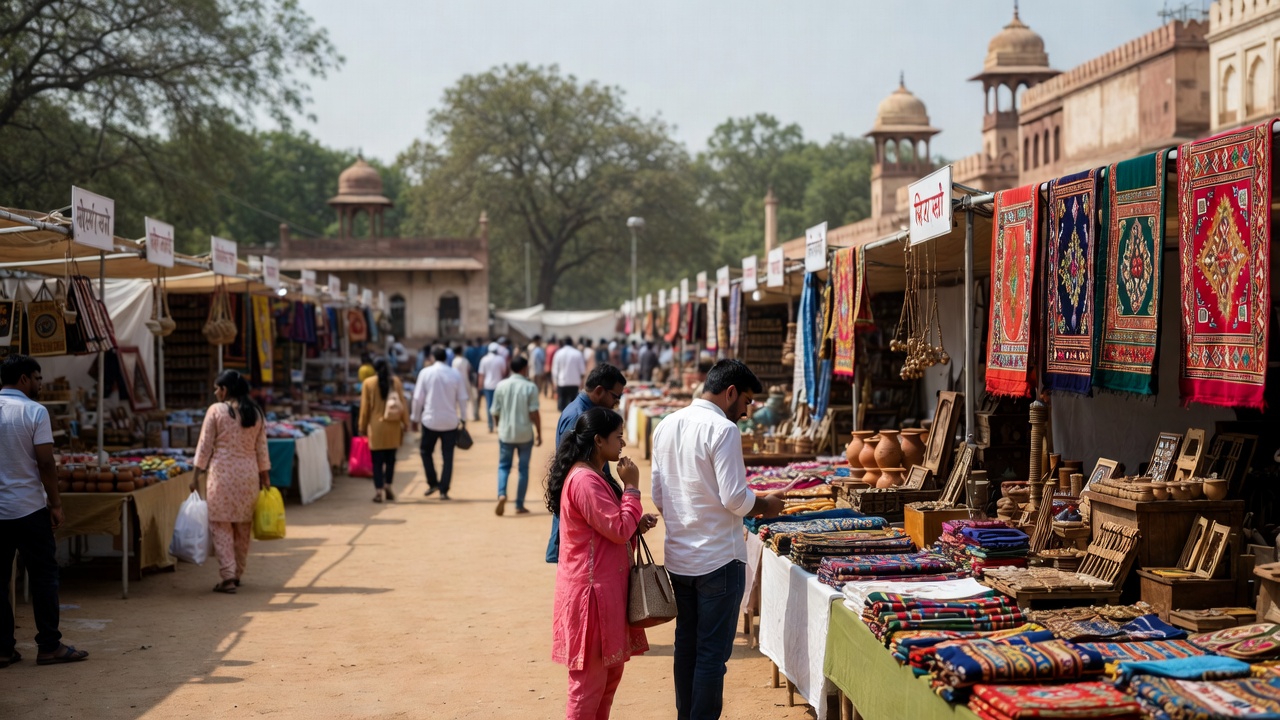
The first rays of February sunlight had barely touched the white marble dome of the Taj Mahal when I found myself wandering through the sprawling grounds of Shilpgram, the craftsmen’s village that transforms each year into one of India’s most spectacular shopping destinations. The air carried the heady mix of sandalwood incense, freshly cooked petha, and the earthy scent of clay pottery being shaped by weathered hands. This was my third visit to Taj Mahotsav, yet the magic of discovering extraordinary artisan products among hundreds of stalls never diminishes.
For travelers seeking authentic Indian souvenirs beyond the typical tourist trinkets, Taj Mahotsav presents an unparalleled opportunity. This ten-day cultural extravaganza, held annually in the shadow of the world’s most romantic monument, brings together master craftsmen from twenty-nine Indian states, each showcasing centuries-old traditions that have been passed down through generations. Whether you are hunting for exquisite marble inlay work, handwoven textiles, or rare regional specialties, this festival delivers an experience that permanent shops in Agra simply cannot match.
In this comprehensive guide, I will walk you through everything you need to know about shopping at Taj Mahotsav—from identifying genuine products to mastering the art of respectful bargaining, from understanding price ranges to discovering hidden artisan gems that most tourists overlook.
What Is Taj Mahotsav Festival and Why Is It Famous for Shopping?
Taj Mahotsav is an annual ten-day cultural festival organized by the Uttar Pradesh Tourism Department in collaboration with local authorities. Launched in 1992, the festival was conceptualized to celebrate India’s rich artistic heritage while boosting tourism in Agra beyond the typical Taj Mahal visit. The event takes place at Shilpgram, an open-air complex located near the eastern gate of the Taj Mahal, typically during the last week of February when Agra’s weather is most pleasant for outdoor activities.
The festival has earned its reputation as a premier destination for authentic Indian handicrafts for several compelling reasons:
| Feature | Why It Matters for Shoppers |
|---|---|
| Direct artisan access | Buy directly from craftsmen, eliminating middlemen markups |
| Pan-India representation | Products from 29 states gathered in one location |
| Government curation | Quality control ensures authentic handmade products |
| Competition pricing | Multiple vendors for similar items create competitive rates |
| Live demonstrations | Watch artisans create products, verifying authenticity |
| Festival atmosphere | Relaxed bargaining in celebratory environment |
The festival attracts approximately 400 to 500 artisan stalls each year, organized into themed pavilions representing different craft traditions. This concentration of talent means you can compare quality and prices across multiple vendors within minutes—something impossible when visiting scattered shops across different cities.
According to the Uttar Pradesh Tourism website, the festival welcomes over half a million visitors during its ten-day run, with craft sales generating significant revenue that goes directly to participating artisans. This economic model has made Taj Mahotsav a crucial platform for preserving traditional crafts that might otherwise disappear in our age of mass production.
When to Visit Taj Mahotsav for the Best Shopping Experience
Timing your visit strategically can significantly impact both the quality of your shopping experience and the prices you will pay. The festival typically runs from February 18th to February 27th, though exact dates vary slightly each year based on the lunar calendar and administrative decisions. Always verify current dates through official channels before planning your trip.
Best Days for Serious Shopping at the Festival
Weekday mornings offer the optimal shopping conditions. Most tourists visit on weekends, creating crowded conditions that make careful product examination difficult. Artisans are also more relaxed during quieter periods and more willing to engage in detailed conversations about their work.
The opening days (first two to three days) present unique advantages. Artisans arrive with fresh inventory and enthusiasm. They have not yet made sales, making them more flexible on pricing. Products that sell quickly—particularly unique, high-quality pieces—disappear early. However, some stalls may still be setting up during the first day.
Mid-festival (days four through seven) represents the sweet spot for most shoppers. All stalls are fully operational. Artisans have settled into their rhythm. Prices have stabilized after initial testing. Crowds are manageable on weekdays.
The final days offer clearance-style pricing as artisans prefer selling remaining stock over transporting it home. However, selection diminishes significantly. Premium pieces are likely gone. What remains might include damaged items or less desirable colors and sizes.
Daily Schedule for Shopping
| Time | Advantages | Disadvantages |
|---|---|---|
| Morning (10 AM – 12 PM) | Fresh artisans, calm atmosphere, best lighting for examining products | Some stalls opening late |
| Afternoon (2 PM – 5 PM) | Peak activity, all stalls open, demonstrations ongoing | Most crowded, hot weather possible |
| Evening (5 PM – 9 PM) | Beautiful illumination, cultural performances, relaxed vendors | Poor lighting for quality inspection, tired vendors |
For serious collectors and discerning buyers, I recommend arriving when gates open at 10 AM. Spend the morning examining premium items and marking stalls for return visits. Take a midday break during peak heat. Return in the late afternoon to finalize purchases and enjoy evening cultural programs.
Authentic Marble Inlay Work From Agra: The Crown Jewel of Taj Mahotsav Souvenirs
No visit to Taj Mahotsav is complete without exploring the marble inlay pavilions, where artisans practice the same pietra dura technique used to embellish the Taj Mahal itself. This intricate art form, known locally as Parchin Kari, involves embedding semi-precious stones into white Makrana marble to create floral patterns, geometric designs, and elaborate scenes.
The craft arrived in India during the Mughal era, brought by Italian artisans invited by Emperor Shah Jahan to beautify his architectural projects. Over four centuries, Indian craftsmen have refined and indigenized the technique, developing distinctive patterns and color combinations that distinguish Agra’s work from European traditions.
What Makes Agra Marble Inlay Unique
Makrana marble from Rajasthan forms the foundation of genuine Agra inlay work. This same marble was used to construct the Taj Mahal, prized for its luminous white color and exceptional durability. Authentic pieces use solid marble slabs, not marble powder reconstituted with resin.
The semi-precious stones embedded in genuine inlay work include:
- Lapis lazuli — Deep blue stone from Afghanistan, extremely expensive
- Malachite — Vibrant green with distinctive banding patterns
- Mother of pearl — Iridescent shell material for white highlights
- Carnelian — Orange-red stone providing warm accents
- Jasper — Available in multiple colors for detail work
- Onyx — Black stone for contrast and outlining
Artisans create grooves in the marble surface using hand tools, then carefully shape stone pieces to fit precisely. Quality work shows no gaps between stones and marble—the fit should be so precise that you cannot feel transitions when running your finger across the surface.
Price Guide for Marble Inlay Products at Taj Mahotsav
Prices vary enormously based on size, stone quality, and design complexity. The following ranges represent fair prices for authentic handmade pieces:
| Product | Entry-Level | Mid-Range | Premium |
|---|---|---|---|
| Coasters (set of 6) | ₹800 – ₹1,500 | ₹1,500 – ₹3,000 | ₹3,000 – ₹6,000 |
| Small plates (6 inch) | ₹1,200 – ₹2,500 | ₹2,500 – ₹5,000 | ₹5,000 – ₹12,000 |
| Decorative boxes | ₹2,000 – ₹4,000 | ₹4,000 – ₹10,000 | ₹10,000 – ₹30,000 |
| Tabletops (small) | ₹15,000 – ₹30,000 | ₹30,000 – ₹75,000 | ₹75,000+ |
| Large decorative pieces | ₹25,000 – ₹50,000 | ₹50,000 – ₹2,00,000 | ₹2,00,000+ |
Entry-level pieces typically feature simpler floral patterns using fewer stone varieties. Mid-range items incorporate more complex designs with better stone quality. Premium pieces represent true collector items with exceptional craftsmanship, rare stones, and intricate detailed work.
How to Identify Genuine Handmade Marble Inlay
Counterfeit marble inlay—often made from reconstituted marble powder with printed or painted designs—floods tourist markets throughout India. At Taj Mahotsav, government curation reduces but does not eliminate such products. Apply these tests:
The temperature test: Genuine marble remains cool to the touch even in warm weather. Composite materials warm quickly when held.
The transparency test: Hold thin marble pieces toward sunlight. Authentic Makrana marble shows slight translucency. Reconstituted material appears opaque.
The sound test: Tap marble gently with your fingernail. Genuine marble produces a clear, ringing tone. Composites sound dull.
The surface test: Run your fingers across inlay work. Authentic pieces feel completely smooth—stones sit flush with marble. Poor work reveals gaps or raised edges.
The weight test: Real marble is notably heavy. Composite pieces feel surprisingly light for their size.
Watch the artisan work: The most reliable verification comes from observing craftsmen at their stations. Genuine artisan stalls at Taj Mahotsav often feature working demonstrations. Spending fifteen minutes watching the painstaking process of cutting and fitting stones eliminates doubt about authenticity.
Traditional Agra Leather Goods: Handcrafted Footwear and Accessories
Agra’s leather craft tradition stretches back centuries, predating even the Mughal era. The city’s location along ancient trade routes and access to quality raw materials from Rajasthan established a thriving leather industry that continues today. Taj Mahotsav showcases this heritage through dedicated leather pavilions featuring everything from traditional juttis to contemporary bags.
Agra Leather Jutties and Mojaris: Traditional Indian Footwear
The iconic jutties (also spelled juttis) and mojaris represent Agra’s most distinctive leather contribution to Indian fashion. These flat, closed-toe shoes feature upturned points, elaborate embroidery, and comfortable construction perfected over generations.
Key characteristics of authentic Agra juttis:
- Hand-stitched construction — No machine stitching visible
- Vegetable-tanned leather — Softer, more flexible than chrome-tanned
- Traditional embroidery — Zardozi, resham, or mirror work
- Layered soles — Multiple leather layers for durability
- No synthetic components — Entirely natural materials
The embroidery work distinguishes different price points. Basic juttis feature simple thread embroidery. Mid-range pieces incorporate metallic threads and small mirrors (shisha). Premium juttis may include zardozi work—gold or silver metallic threads creating raised patterns—and semi-precious stone embellishments.
Expect to pay:
- Simple embroidered juttis: ₹400 – ₹800
- Metallic thread/mirror work: ₹800 – ₹1,500
- Zardozi juttis: ₹1,500 – ₹3,500
- Bridal/heavily embellished: ₹3,500 – ₹8,000+
Fitting tip: Traditional juttis are designed to stretch and mold to your feet over time. Purchase them snug but not painfully tight. They will become more comfortable with wear. Many artisans can also adjust sizing on the spot.
Leather Bags and Accessories at the Festival
Beyond footwear, Agra’s leather artisans produce excellent bags, wallets, belts, and small accessories. Look for:
- Hand-tooled leather — Patterns carved directly into leather surface
- Vegetable-dyed colors — Richer, more natural tones than synthetic dyes
- Brass hardware — Traditional fittings superior to cheap zinc alternatives
- Natural linings — Cotton or lighter leather interior
Camel leather products deserve special attention. This distinctive material, sourced from Rajasthan, offers unique texture and exceptional durability. Genuine camel leather has a slightly grainy surface and pleasant natural aroma. It develops beautiful patina with age.
Zardozi Embroidery and Textile Treasures: Lucknow Meets Agra
Zardozi, the ancient art of embroidering with metallic threads, represents one of India’s most regal textile traditions. While Lucknow claims the craft’s spiritual home, Taj Mahotsav brings master zardozi artisans from across Uttar Pradesh to display their extraordinary work.
The word zardozi derives from Persian—zar meaning gold and dozi meaning embroidery. During Mughal times, this technique adorned royal garments, elephant trappings, and palace furnishings. Today, it graces wedding attire, decorative items, and high-fashion pieces.
Types of Zardozi Work Available at Taj Mahotsav
Karchob zardozi — The heaviest, most elaborate style. Thick metallic threads create raised patterns stuffed with cotton to achieve three-dimensional effects. Historically used for royal ceremonial pieces. Extremely expensive due to material and labor intensity.
Kamdani zardozi — Flatter, more delicate work featuring fine metallic threads and sometimes sequins. More wearable than karchob. Popular for contemporary fashion applications.
Gota patti — Rajasthani variation using flat metallic ribbon folded into patterns. Lighter weight, more affordable, vibrant appearance. Common on festive clothing and home décor.
What to Buy: Zardozi Products Worth Collecting
| Product | Starting Price | What to Look For |
|---|---|---|
| Clutch bags | ₹800 – ₹3,000 | Even stitching, secure closures, quality velvet base |
| Table runners | ₹1,500 – ₹8,000 | Density of work, complexity of design |
| Wall hangings | ₹2,000 – ₹15,000 | Traditional motifs, finishing quality |
| Cushion covers | ₹600 – ₹2,500 | Colorfast threads, proper sizing |
| Jewelry boxes | ₹400 – ₹2,000 | Functional hinges, velvet lining |
When examining zardozi work, flip the piece over. Quality work looks nearly as neat on the reverse as on the front. Sloppy back stitching indicates rushed, inferior craftsmanship.
Chikankari Embroidery: Lucknow’s Gift to Taj Mahotsav
Chikankari represents another textile treasure available at the festival. This delicate white-on-white embroidery tradition from Lucknow involves up to thirty-six different stitches, each producing distinctive textures. Master artisans may spend weeks completing a single garment.
Authentic chikankari characteristics:
- Hand-embroidered — Never machine stitched
- Shadow work visible — Finest pieces show patterns from both sides
- Multiple stitch types — Quality work combines several techniques
- Fine fabric base — Usually cotton, sometimes silk or organza
The most prized chikankari features shadow work (pashni), where close stitching creates darker areas visible through sheer fabric. This technique requires exceptional skill and commands premium prices.
Brass and Metalwork From Moradabad: Functional Art for Your Home
The northern Uttar Pradesh city of Moradabad has earned the title “Brass City of India,” producing an estimated 60% of India’s brass handicraft exports. Taj Mahotsav features numerous Moradabad artisans displaying their exceptional metalwork.
Traditional Brass Items Worth Buying
Decorative vessels represent the most popular category. Intricately engraved water pots (lotas), flower vases, and serving bowls feature patterns drawn from Mughal, Persian, and Hindu artistic traditions. Larger pieces may incorporate multiple metals—copper, bronze, and silver accents alongside brass.
Candle holders and lamps range from simple functional designs to elaborate multi-armed pieces for traditional worship (puja). The peacock lamp design, featuring a bird with spread tail feathers, remains perennially popular and distinctly Indian.
Decorative plates and trays showcase the finest engraving work. Wall-hanging plates may depict religious scenes, royal courts, or natural motifs. Serving trays combine beauty with function.
How to Evaluate Brass Quality
Solid brass versus plated items — The most important distinction. Solid brass maintains its beauty for generations with proper care. Plated items—steel or aluminum coated with thin brass layer—deteriorate quickly.
The magnet test: Carry a small magnet when shopping. Solid brass is non-magnetic. If a magnet sticks, the item contains iron or steel with brass plating only.
The weight test: Solid brass feels substantially heavier than plated alternatives.
The sound test: Struck gently, solid brass produces a clear, resonant ring. Plated items sound dull.
Look for quality marks: Reputable manufacturers often stamp items with brass grade indicators. “Pure brass” or “solid brass” markings, while not guarantees, suggest legitimacy.
| Item | Fair Price Range | Red Flag Price |
|---|---|---|
| Small decorative pots | ₹300 – ₹800 | Under ₹150 |
| Candle holders (pair) | ₹400 – ₹1,200 | Under ₹200 |
| Engraved plates (medium) | ₹600 – ₹2,000 | Under ₹300 |
| Large decorative pieces | ₹2,000 – ₹10,000+ | Under ₹800 |
Extremely low prices almost always indicate plated goods. Brass raw material alone costs significant amounts. Labor for hand engraving adds considerably. If a price seems impossibly cheap, it probably involves inferior materials or machine production.
Hand-Knotted Carpets and Rugs: Agra’s Weaving Heritage
Agra’s carpet weaving tradition arrived with Mughal emperors who imported Persian master weavers to establish royal workshops. Over centuries, these techniques merged with Indian aesthetic sensibilities to create distinctively Indo-Persian styles. Taj Mahotsav features carpet weavers from Agra and surrounding regions displaying their extraordinary work.
Understanding Carpet Types at the Festival
Hand-knotted carpets represent the pinnacle of the craft. Each knot is individually tied by hand onto vertical warp threads. Knot density—measured in knots per square inch (KPSI)—indicates quality level. Higher counts mean finer, more detailed designs and greater durability.
| Quality Level | Knots Per Square Inch | Characteristics |
|---|---|---|
| Commercial grade | 80 – 150 KPSI | Visible knots, simpler patterns |
| Medium quality | 150 – 300 KPSI | Good detail, durable construction |
| Fine quality | 300 – 500 KPSI | Excellent detail, heirloom pieces |
| Exceptional | 500+ KPSI | Museum quality, investment pieces |
Hand-tufted carpets use a different technique—yarn punched through backing fabric with a gun-like tool, then glued. Much faster production means lower prices but shorter lifespan and less value retention.
Flatweave rugs (dhurries) involve interlocking warp and weft threads without knots. Lighter weight, reversible, more affordable. Excellent for casual use.
Materials Matter: Wool, Silk, and Blends
Wool carpets offer the best balance of beauty, durability, and value. Quality wool—particularly from highland sheep—develops lustrous patina over decades. Most practical choice for regular use.
Silk carpets showcase the finest detail possible. Thinner fibers permit higher knot counts and more intricate designs. Primarily decorative—silk cannot withstand heavy foot traffic. Significantly more expensive than wool.
Wool-silk blends combine silk highlights with wool foundations. The silk portions catch light beautifully while wool provides durability. Popular compromise between practicality and luxury.
Synthetic materials sometimes appear in festival stalls. Artificial silk (rayon, mercerized cotton) mimics silk’s appearance but lacks its strength and aging characteristics. Not necessarily inferior—synthetics serve purposes—but should be priced accordingly.
The Burn Test for Fiber Verification
Request permission to extract and burn a single fiber from carpet fringe. Wool burns slowly, smells like burning hair, and leaves crushable ash. Silk behaves similarly but with finer, lighter ash. Synthetics melt rather than burn, often with chemical odors, leaving hard plastic residue.
Reputable sellers welcome this test. Those who refuse may have something to hide.
Jewelry and Semi-Precious Stones: Affordable Elegance From Jaipur Artisans
The Pink City of Jaipur dominates India’s jewelry industry, and Taj Mahotsav brings Jaipur’s skilled jewelers to Agra each year. The festival offers exceptional opportunities to purchase semi-precious stone jewelry, Kundan work, and traditional Indian designs at prices below Jaipur retail.
Popular Semi-Precious Stones and Their Significance
Indian jewelry tradition assigns meaning and beneficial properties to various stones. Whether you embrace these beliefs or simply appreciate natural beauty, understanding stone significance enriches your shopping experience.
| Stone | Traditional Significance | Price Level |
|---|---|---|
| Lapis lazuli | Wisdom, truth, inner peace | High |
| Turquoise | Protection, good fortune | Medium-High |
| Amethyst | Clarity, spiritual growth | Medium |
| Citrine | Prosperity, positive energy | Medium |
| Garnet | Passion, vitality | Low-Medium |
| Peridot | Renewal, growth | Medium |
| Moonstone | Feminine energy, intuition | Medium |
| Tiger’s eye | Courage, confidence | Low-Medium |
| Rose quartz | Love, emotional healing | Low |
| Coral | Protection, vitality | Medium-High |
Kundan and Meenakari: Traditional Indian Jewelry Techniques
Kundan jewelry involves setting uncut gemstones (polki) in gold using lac (natural resin) rather than prongs. This ancient technique creates distinctive pieces where stones appear to float within gold surroundings. Quality Kundan work requires exceptional skill—stones must sit perfectly level within their settings.
Meenakari refers to colorful enamel work applied to metal—usually the reverse side of Kundan pieces. Master meenakars paint intricate patterns using mineral-based pigments, then fire the piece to fuse colors permanently. Fine meenakari displays rich, even colors without bubbling or bare spots.
Combination pieces—Kundan work on front, meenakari on reverse—represent traditional Indian jewelry at its finest. Both techniques require years of training to master.
Price Expectations for Festival Jewelry
Taj Mahotsav jewelry prices typically run 20-30% below Jaipur showroom rates due to reduced overhead and competitive environment. However, enormous quality variation exists. Establish expectations before shopping:
Silver jewelry with semi-precious stones:
- Simple pendants: ₹300 – ₹1,500
- Earrings: ₹200 – ₹2,000
- Bracelets: ₹500 – ₹3,000
- Statement necklaces: ₹1,500 – ₹15,000
Fashion jewelry (non-precious metals):
- Earrings: ₹100 – ₹500
- Necklaces: ₹200 – ₹1,500
- Sets: ₹400 – ₹3,000
Kundan/Meenakari pieces vary wildly based on gold content, stone quality, and craftsmanship complexity. Entry-level fashion Kundan starts around ₹500. Premium pieces incorporating real gold and genuine polki can exceed ₹1,00,000.
Authenticity Tips for Stone Jewelry
Request documentation for expensive purchases. Reputable sellers provide certificates identifying stone types and treatments.
Examine under different lighting. Natural stones show variations; synthetics appear too perfect.
Look for inclusions. Minor natural imperfections indicate authenticity. Flawless stones are either extremely expensive or artificial.
Consider weight. Real stones feel heavier than glass or plastic imitations of similar size.
Trust your instincts about pricing. A “sapphire” ring for ₹500 is not sapphire. Genuine precious stones command significant prices regardless of setting.
Wooden Handicrafts and Carved Furniture: Artisan Traditions From Across India
Taj Mahotsav gathers woodworkers from multiple Indian traditions, creating opportunities to compare styles and techniques rarely available in single locations. From intricate Kashmiri carvings to robust Rajasthani furniture, the festival showcases wood crafts spanning the subcontinent.
Kashmiri Walnut Wood Carvings
Kashmiri artisans produce some of India’s finest carved woodwork using local walnut trees. The dense, fine-grained wood permits extraordinarily detailed carving. Traditional motifs include chinar (plane tree) leaves, floral patterns, and intricate geometric designs.
Products to consider:
- Jewelry boxes with carved lids
- Decorative trays and plates
- Furniture pieces (folding tables, small cabinets)
- Photo frames and mirrors
- Bookends and desk accessories
Quality Kashmiri work shows deep relief carving—patterns stand out prominently from backgrounds. Surface finishing should feel satiny smooth. Walnut’s natural color varies from light tan to dark brown; extremely pale “walnut” may actually be cheaper pine.
Sandalwood Crafts From Karnataka and Tamil Nadu
Sandalwood (Santalum album) produces India’s most precious wood, valued for both fragrance and carving properties. Southern Indian artisans transform this aromatic material into religious figures, decorative items, and intricate pieces that retain their scent for years.
Genuine sandalwood characteristics:
- Distinctive sweet, warm fragrance
- Pale cream to light brown color
- Fine, even grain
- Significant weight for size
- High price (₹5,000+ per kilogram for raw wood)
Beware common substitutes: “White sandalwood” often means cheaper woods with applied fragrance. If an item smells strongly of sandalwood but costs little, artificial scent likely masks inferior material.
Rajasthani Painted Wooden Items
Rajasthan’s vibrant wooden crafts feature bright colors and folk designs rather than carved detail. Items include:
- Lacquered bangles and jewelry
- Painted furniture and cabinets
- Folk toys and figurines
- Decorative boxes and containers
- Door panels and wall pieces
Jodhpur blue, Jaipur pink, and desert gold dominate color palettes. Designs often depict animals (elephants, camels, peacocks), royal scenes, or floral patterns. Quality work uses multiple lacquer coats that will not chip easily.
Regional Pottery and Terracotta: Earth Art From Indian Villages
Clay traditions spanning India’s diverse regions converge at Taj Mahotsav. Each tradition reflects local materials, cultural aesthetics, and functional requirements developed over centuries.
Blue Pottery From Jaipur
Blue pottery represents one of India’s most distinctive ceramic traditions. Despite its name, the craft uses no clay—instead combining quartz stone powder, glass, and plant gums to create a paste that fires to brilliant turquoise and cobalt patterns on white backgrounds.
The technique arrived in India via Persia and Central Asia during Mughal times. Jaipur became its Indian center after regional artisans mastered and adapted the process. Today, Jaipur blue pottery carries Geographical Indication (GI) protection, officially recognizing its regional authenticity.
Common blue pottery products:
- Decorative tiles and coasters
- Vases and flower pots
- Door knobs and drawer pulls
- Decorative plates (wall hanging)
- Tea sets and cups
Authentication tips: Genuine blue pottery feels different from standard ceramics—lighter weight, slightly grainy texture. The blue color derives from cobalt oxide; cheaper imitations may use synthetic paints that fade over time.
Khavda Pottery From Gujarat
Khavda village in Gujarat’s Kutch region produces extraordinary hand-thrown pottery decorated with distinctive geometric patterns. The village’s 400-year tradition survived only through a handful of families who continue working today.
Khavda characteristics:
- Completely hand-thrown without molds
- Red or terracotta base color
- White, black, and sometimes blue geometric designs
- Thin, surprisingly light construction
- Unglazed, natural finish
The pottery’s survival story adds emotional value to purchases. This tradition nearly disappeared before revival efforts supported by organizations like the Craft Revival Trust helped new generations learn from remaining masters.
Terracotta Products for Home and Garden
Beyond fine ceramic traditions, practical terracotta items offer affordable, authentic souvenirs. Festival stalls display:
- Planters and garden pots
- Traditional oil lamps (diyas)
- Decorative figurines
- Water storage vessels
- Kitchen items (spice containers, serving dishes)
Terracotta prices remain modest—small items from ₹50, larger pieces rarely exceeding ₹500-1,000. Their fragility makes shipping challenging, but durability improves significantly when properly fired.
Unique Regional Handicrafts From India You Won’t Find Elsewhere
Taj Mahotsav’s greatest shopping advantage lies in aggregating rare regional specialties that would otherwise require extensive travel to source. The following traditions, often overlooked by tourists, reward adventurous shoppers:
Phulkari Embroidery From Punjab
Phulkari (flower work) transforms simple cotton fabric into vibrant tapestries through dense floss silk embroidery. Traditional pieces feature geometric patterns covering nearly the entire surface in brilliant yellows, oranges, and reds.
Authentic phulkari characteristics:
- Hand-embroidered (never machine)
- Pattern visible primarily from front (flat darning stitch)
- Cotton or khadi base fabric
- Geometric rather than pictorial designs
- Vintage pieces show expected wear
Phulkari baghs (fully covered pieces used as shawls or wraps) represent the tradition’s pinnacle. Creating a single bagh requires months of work. Prices for genuine antique or high-quality contemporary baghs start around ₹5,000 and can exceed ₹50,000 for exceptional examples.
Dokra Metal Casting From Bengal and Odisha
Dokra (or Dhokra) represents one of India’s oldest metalworking traditions—lost wax casting practiced by tribal communities in Bengal, Odisha, and Chhattisgarh for over 4,000 years. The technique produces distinctively textured brass figurines, jewelry, and decorative objects.
Process overview: Artisans create clay cores wrapped in wax threads, then encase the assembly in clay molds. Heating melts wax away (hence “lost wax”), leaving hollow channels filled with molten brass. After cooling, breaking the mold reveals the finished piece—each item unique since molds cannot be reused.
Popular Dokra items:
- Animal figurines (elephants, horses, turtles)
- Tribal human figures
- Decorative lamps and holders
- Jewelry (substantial, distinctive pieces)
- Abstract sculptures
The technique’s inherent inefficiency and labor intensity mean authentic Dokra cannot be cheap. Small figurines start around ₹400-500. Larger statement pieces range from ₹2,000 to ₹15,000+.
Bamboo and Cane Crafts From Northeast India
Artisans from India’s northeastern states bring extraordinary bamboo and cane work rarely seen in typical tourist destinations. These traditions reflect the region’s forest resources and unique cultural heritage.
Products include:
- Intricately woven baskets (functional and decorative)
- Furniture (chairs, tables, storage units)
- Decorative screens and room dividers
- Traditional musical instruments
- Jewelry and accessories
Manipuri bamboo work features particularly fine craftsmanship. Naga tribal traditions incorporate distinctive geometric patterns. Assamese cane furniture combines durability with elegant design.
Petha and Agra Sweet Souvenirs: Edible Gifts From the City of Love
No discussion of Taj Mahotsav shopping is complete without addressing petha, Agra’s iconic sweet that has delighted visitors for centuries. This translucent confection made from ash gourd (white pumpkin) comes in dozens of varieties and makes perfect edible gifts.
Understanding Petha Varieties
Plain petha (ango petha): The original version—translucent, mildly sweet, with delicate texture. Pure ash gourd flavor without additional ingredients.
Dry petha (kesha petha): Similar to plain but less syrupy, longer shelf life, easier to transport.
Angoori petha: Tiny, grape-sized pieces—more concentrated sweetness.
Flavored varieties: Modern innovations include paan (betel leaf), chocolate, coconut, kesar (saffron), mango, and numerous other options. Quality varies significantly; some flavored pethas mask inferior base products.
Reputable Petha Shops at the Festival
While numerous vendors sell petha at Taj Mahotsav, seeking established brands ensures consistent quality. Panchhi Petha and Bhagat Halwai represent longtime Agra institutions with festival presence. Both maintain quality standards difficult for anonymous vendors to match.
Freshness matters enormously. Petha should appear translucent and moist, not dried or crystallized. Ask vendors when batches were made. Festival rush sometimes leads to stale stock.
Shelf life considerations:
| Type | Room Temperature | Refrigerated |
|---|---|---|
| Syrup petha | 2-3 days | 7-10 days |
| Dry petha | 10-15 days | 3-4 weeks |
| Vacuum packed | As labeled | As labeled |
For gifts requiring shipping or delayed consumption, vacuum-sealed dry petha offers the best option. Many vendors now provide professional packaging specifically for this purpose.
Other Sweet Souvenirs Beyond Petha
While petha dominates Agra’s sweet identity, the festival features confections from across India:
Gajak and rewri from Agra—sesame seed brittles perfect for winter consumption.
Mathura ke pede—fudge-like milk sweets from the nearby holy city.
Bengali sweets—sandesh, rasogolla, and chamcham from Kolkata vendors.
Rajasthani specialties—ghevar, mawa kachori, and elaborate mishtan.
How to Bargain Respectfully at Taj Mahotsav: A Cultural Guide
Bargaining forms an integral part of Indian market culture, expected by vendors and enjoyable when approached correctly. However, aggressive or disrespectful negotiation damages the experience for everyone. Understanding cultural context helps navigate this dance gracefully.
The Philosophy Behind Indian Bargaining
Indian market pricing traditionally assumes negotiation. Initial quotes—especially for tourists—build in room for discussion. This system seems strange to visitors from fixed-price cultures but serves multiple purposes:
Bargaining creates personal connection between buyer and seller. The conversation—learning about products, sharing backgrounds, finding common ground—matters beyond mere transaction.
Flexible pricing allows different buyers different rates based on perceived value and ability to pay. A wealthy tourist paying more than a local resident subsidizes artisan income while both obtain fair value.
The process enables face-saving for both parties. Sellers can offer “special discounts” for valued customers. Buyers can demonstrate discernment rather than paying whatever asked.
Effective Bargaining Strategies
Start friendly. Introduce yourself. Ask about the craft, the artisan’s background, how long they have practiced. Genuine interest opens doors; treating artisans as vending machines closes them.
Examine thoroughly before discussing price. Careful inspection signals serious buying intent and educated judgment. Rushed transactions suggest price-focused tourists who will not appreciate quality.
Ask the price only when genuinely interested. Price inquiries without purchase intent waste everyone’s time and train vendors to quote higher to serious buyers.
Offer approximately 50-60% of initial quote. This establishes negotiation range without insulting. Experienced vendors expect this opening; they have priced accordingly.
Negotiate in increments. Each counter should move closer to middle ground. Large jumps suggest arbitrary pricing without basis.
Know your walk-away point. Determine maximum price before negotiation begins. Maintain discipline when reaching it.
Walking away is acceptable. If price gaps remain unbridgeable, thank the vendor and leave. Sometimes they will call you back with better offers; sometimes they will not. Either outcome is legitimate.
Never bargain then abandon. Once seller accepts your price, honor the deal. Changing your mind after agreement is extremely rude.
What Not to Do While Bargaining
| Behavior | Why It’s Problematic |
|---|---|
| Aggressive lowballing | Insults artisan’s work and dignity |
| Threatening or demanding | Creates hostile environment |
| Comparing to factory prices | Handmade cannot compete with mass production |
| Bargaining below material cost | Shows ignorance or disrespect |
| Making false claims (“other seller offered less”) | Vendors often know each other; lies backfire |
| Excessive time-wasting | Ties up seller who could serve others |
| Bargaining for perishables | Fixed prices on food items are standard |
Packing and Shipping Your Taj Mahotsav Purchases: Practical Advice
Successfully acquiring beautiful handicrafts means nothing if items arrive home damaged. Thoughtful packing strategies protect your investment during transit.
Items to Hand-Carry
Some purchases demand personal protection:
- Delicate marble inlay — Too fragile for checked luggage
- Expensive jewelry — Security and insurance concerns
- Small brass items — Heavy but compact
- Textile pieces — Lightweight, compress easily
Allocate carry-on space for fragile valuables. Consider bringing a dedicated bag specifically for festival purchases.
Packing Materials Available at the Festival
Most Taj Mahotsav vendors offer basic wrapping—newspaper, cardboard, sometimes bubble wrap. For serious protection:
Bring supplies from home:
- Bubble wrap sheets
- Foam padding
- Packing tape
- Small boxes for delicate items
- Zip-lock bags (moisture protection)
Purchase locally:
- Agra markets sell packing materials near the festival grounds
- Hotel concierges can often source supplies
- Thermocol (Styrofoam) sheets available at local shops
Shipping Options for Large or Bulk Purchases
Large items like carpets, furniture, or bulk handicrafts may require shipping. Options include:
Vendor shipping: Established sellers often offer international shipping. Verify insurance coverage and tracking capabilities. Obtain written agreements including delivery timeframes and damage policies.
Professional shipping companies: DHL, FedEx, and local freight forwarders serve Agra. More expensive but more accountable than vendor arrangements.
India Post: The national postal service offers international parcel post at lower rates than private carriers. Slower but functional for non-urgent shipments. Insurance available.
Carry extra luggage: For moderate volumes, purchasing additional checked bags may prove cheaper than shipping. Budget carriers often charge reasonable excess baggage fees.
Documentation for Customs
Keep receipts for all significant purchases. Some items may require export documentation:
Antiques: India prohibits exporting objects over 100 years old without Archaeological Survey of India permission. Festival goods rarely qualify as true antiques, but documentation proves purchase date.
High-value items: Receipts establish declared value for customs and insurance purposes.
Carpet certificates: Reputable carpet sellers provide origin and material certificates increasingly requested by customs authorities worldwide.
Budget Planning for Taj Mahotsav Shopping: How Much to Spend
Realistic budget planning prevents both overspending and disappointing restraint when facing extraordinary offerings. Consider the following framework:
Sample Budgets by Shopping Style
Casual souvenir seeker (₹3,000 – ₹8,000):
- Small marble inlay items (coasters, small plates)
- Fashion jewelry pieces
- Textile accessories (scarves, small bags)
- Petha and sweets for gifts
- Small decorative brassware
Serious collector (₹15,000 – ₹50,000):
- Quality marble tabletops or decorative pieces
- Semi-precious stone jewelry
- Handwoven textiles (shawls, stoles)
- Small carpets or dhurries
- Multiple regional specialties
Investment-level shopping (₹50,000+):
- Premium marble inlay furniture
- Fine silk carpets
- Significant jewelry pieces
- Collectible antique textiles
- Commissioned custom work
Hidden Costs to Consider
Transportation: Taxi fares from Agra hotels to festival grounds.
Entry fees: Nominal festival entry charges (typically ₹30-50).
Shipping: Budget 15-25% of purchase price for international shipping of large items.
Packaging: Protective materials for fragile purchases.
Customs duties: Research your country’s import regulations and duty thresholds.
Currency exchange: Carry sufficient cash—many artisans cannot process cards.
Insider Tips for First-Time Taj Mahotsav Visitors
After multiple visits, certain strategies consistently enhance the festival shopping experience:
Dress comfortably but respectfully. The festival involves extensive walking on uneven surfaces. Wear supportive shoes. However, remember this remains a cultural event—avoid overly revealing clothing that might cause discomfort in traditional contexts.
Carry a tote bag. Festival grounds cover extensive areas. Consolidating purchases into a sturdy bag simplifies navigation. Consider a backpack for hands-free movement.
Bring business cards. Exchanging contact information with artisans enables future direct purchases, custom orders, and relationship building.
Photograph strategically. Ask permission before photographing artisans at work. Most welcome documentation but appreciate being asked. Photos help remember specific items when comparison shopping.
Stay hydrated. February weather is pleasant but dry. Carry water bottles—festival refreshment options are limited.
Visit food stalls strategically. The food court offers regional cuisines worth exploring, but prime meal times mean long waits. Early lunch or late dinner avoids crowds.
Attend cultural programs. Evening performances showcase classical dance, folk music, and regional traditions. These free events enrich understanding of the crafts you are purchasing.
Return visits pay dividends. Rather than exhausting yourself in one marathon session, consider multiple festival visits if your schedule permits. Fresh perspectives reveal items overlooked during initial exploration.
Why Taj Mahotsav Shopping Matters: Supporting Indian Artisan Communities
Beyond acquiring beautiful objects, purchasing directly from artisans at Taj Mahotsav contributes to cultural preservation in meaningful ways.
Traditional crafts worldwide face existential pressure from industrialization and globalization. Young people understandably pursue stable employment over uncertain artisan careers. Without markets for handmade goods, ancient techniques disappear within single generations.
Events like Taj Mahotsav demonstrate that markets for authentic handcraft persist. When international visitors purchase directly from makers, several positive outcomes follow:
Economic validation: Artisans earn fair compensation for skilled labor, encouraging continuation of traditional practices.
Knowledge transmission: Financial viability motivates teaching apprentices, including younger family members who might otherwise abandon crafts.
Quality maintenance: Discerning buyers who appreciate excellence encourage artisans to maintain high standards rather than cheapening work for mass markets.
Cultural exchange: Conversations between makers and buyers create human connections transcending transactions.
Organizations like the Crafts Council of India and government bodies like the Development Commissioner (Handicrafts) work year-round to support artisan communities. Taj Mahotsav represents one visible manifestation of these ongoing efforts.
Planning Your Complete Taj Mahotsav Experience
While this guide focuses on shopping, Taj Mahotsav offers much more than retail therapy. Contextualizing purchases within broader festival experiences deepens appreciation for what you acquire.
Beyond Shopping: Cultural Programs Worth Attending
Classical dance performances: Kathak, Bharatanatyam, Odissi, and other traditions performed by accomplished artists.
Folk performances: Regional entertainment including Rajasthani ghoomar, Punjabi bhangra, and UP folk traditions.
Music concerts: Classical instrumental performances and vocal recitals.
Art demonstrations: Live craft-making by master artisans.
Culinary experiences: Regional food stalls representing diverse Indian cuisines.
Combining Taj Mahotsav With Agra Tourism
The festival timing coincides with optimal Taj Mahal visiting conditions—pleasant weather, moderate crowds compared to peak seasons. Consider scheduling:
Sunrise Taj Mahal visit: Arrive before festival grounds open.
Morning festival shopping: When crowds remain light.
Afternoon Agra Fort exploration: UNESCO World Heritage Site complementing Taj Mahal visit.
Evening festival return: Cultural programs and illuminated craft stalls.
Next-day exploration: Fatehpur Sikri, Akbar’s abandoned capital 40 kilometers away, makes excellent day trip.
Conclusion: Making Meaningful Purchases at Taj Mahotsav
Shopping at Taj Mahotsav transcends mere acquisition. Each purchase connects you to centuries of artistic tradition, supports artisan families maintaining precious skills, and brings home objects carrying stories far richer than factory-made alternatives.
The festival’s concentrated diversity—hundreds of artisans from dozens of traditions gathered in single location—creates opportunities impossible to replicate through ordinary tourism. Where else could you compare Kashmiri walnut carving with Rajasthani lacquerwork, examine Lucknow chikankari alongside Gujarat’s Khavda pottery, negotiate directly with marble inlay masters whose techniques descend from Taj Mahal builders?
Approach your shopping with patience, curiosity, and respect. Examine products carefully. Engage artisans in conversation. Learn the stories behind what you purchase. Bargain fairly but not exploitatively. Pack thoughtfully for safe transport home.
The objects you acquire will occupy your home for years, perhaps generations. Each will carry memories of February sunlight filtering through festival pavilions, of hands weathered by decades of craft practice, of conversations that bridged cultural and linguistic divides through shared appreciation of beauty.
This is what meaningful travel shopping offers—not mere souvenirs but tangible connections to human creativity and tradition. Taj Mahotsav delivers this possibility in extraordinary abundance for those prepared to embrace it.