
A Complete Guide to Experiencing Brazil’s Greatest Festival Safely and Authentically
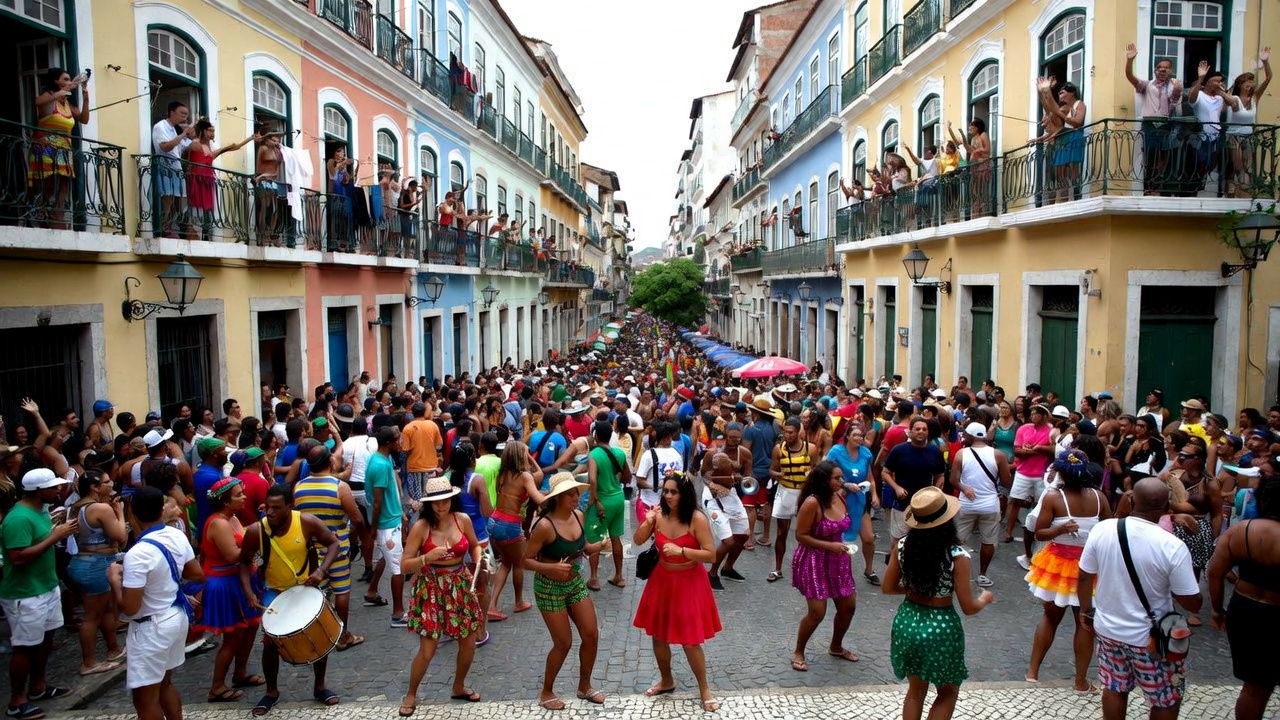
The air is thick with the scent of tropical flowers and grilled queijo coalho. Somewhere in the distance, a drum line starts its hypnotic rhythm—the unmistakable heartbeat of Rio de Janeiro Carnival. Around me, thousands of revelers move as one organism, their bodies decorated in glitter, feathers, and the kind of unbridled joy that only exists in Brazil during these sacred five days before Lent.
I remember my first solo trip to Rio during Carnival vividly. I stood at the edge of a bloco in Santa Teresa, clutching my tiny crossbody bag, wondering if I had made a terrible mistake. Two hours later, I was dancing with a group of paulistas, sharing their cooler of Skol, and learning the lyrics to “Mas Que Nada” phonetically. That trip changed everything I thought I knew about solo female travel.
Carnival in Rio de Janeiro is not just a party—it is a cultural institution, a living, breathing expression of Brazilian identity that has evolved over centuries. And yes, solo female travelers can absolutely experience it safely, authentically, and transformatively. This guide will tell you exactly how.
Is Rio de Janeiro Safe for Solo Female Travelers During Carnival?
Let me address the question that keeps many women from booking that flight: safety. The honest answer is nuanced, as it should be for any major global city hosting millions of visitors.
Rio de Janeiro has a complicated relationship with safety. The city has neighborhoods with high crime rates, particularly in favela communities and certain areas after dark. During Carnival, the sheer volume of people—approximately 7 million revelers flood the streets annually according to Riotur, the city’s tourism authority—creates both opportunities and risks.
However, here is what the headlines often miss: Carnival is one of the most heavily policed events in Brazil. The city deploys tens of thousands of military police, civil police, and municipal guards specifically for the festival. Tourist areas receive particular attention, and the festive atmosphere creates a kind of collective vigilance among revelers.
Does this mean you can wander anywhere at any hour without concern? Absolutely not. But with proper preparation, situational awareness, and respect for local customs, solo female travelers can navigate Rio Carnival successfully.
Key safety statistics to consider:
| Factor | Context |
|---|---|
| Police deployment | 30,000+ officers during Carnival week |
| Tourist areas | Enhanced security in Copacabana, Ipanema, Centro |
| Reported incidents | Higher petty theft, lower violent crime during festival |
| Emergency services | Expanded medical tents and police stations |
The Brazilian government has invested significantly in Carnival security infrastructure. Your job is to complement those efforts with smart travel practices.
Best Neighborhoods to Stay in Rio as a Solo Female Traveler
Your choice of accommodation dramatically impacts your Carnival experience. Rio is a city of distinct neighborhoods, each with its own personality, safety profile, and proximity to festivities.
Ipanema: The Gold Standard for Solo Female Visitors
Ipanema consistently ranks as the safest neighborhood for tourists in Rio de Janeiro. This affluent beachside community offers excellent infrastructure, beautiful streets for walking, and a cosmopolitan atmosphere that feels comfortable for women traveling alone.
The famous Posto 9 beach area attracts a progressive, welcoming crowd. You will find other solo travelers here, along with expats and Brazilians who are accustomed to international visitors. During Carnival, the Bloco da Simpatia de Quase Amor passes through Ipanema, offering one of the city’s most family-friendly street party experiences.
Accommodation costs in Ipanema during Carnival: Expect to pay 3-5 times normal rates. A mid-range hotel room that costs R$400 per night in February might run R$1,500-2,000 during Carnival week. Book at minimum six months in advance.
Copacabana: Central Location with Caveats
Copacabana offers proximity to major blocos and the iconic beach, but requires more vigilance. The neighborhood has higher foot traffic, more nightlife, and consequently more opportunities for petty crime.
If you choose Copacabana, stay in the blocks between the beach and Avenida Nossa Senhora de Copacabana. Avoid the inland streets closer to the hills, particularly after sunset.
The advantage of Copacabana: You are steps from the famous New Year’s Eve beach (which hosts some Carnival events), numerous metro stations, and an enormous variety of restaurants and bars.
Santa Teresa: The Bohemian Experience
For travelers seeking artistic authenticity over beach convenience, Santa Teresa offers Rio’s most charming neighborhood character. This hillside community, accessible by the historic bonde (tram) from Centro, features colonial architecture, boutique guesthouses, and some of the city’s best cultural institutions.
The Bloco das Carmelitas originated here, and Santa Teresa blocos tend to attract a creative, older crowd less focused on intense partying. For solo female travelers interested in photography, art, and cultural immersion, this neighborhood delivers.
Caution: Santa Teresa’s winding streets and elevation changes mean taxis are essential after dark. The neighborhood borders favela communities, so stay within the established tourist areas.
Lapa: For Experienced Travelers Only
Lapa is the soul of Rio’s nightlife. The famous Escadaria Selarón steps, live samba clubs, and pulsating weekend street parties make this neighborhood legendary.
I do not recommend Lapa as a base for first-time solo female visitors to Rio Carnival. The area’s energy is intoxicating but intense. Street crime increases significantly after midnight. If you want to experience Lapa—and you should—go early evening, travel with others you trust, and taxi back to your accommodation before the late hours.
What to Wear to Rio Carnival as a Woman: Packing Essentials
Packing for Carnival requires balancing celebration with practicality. Brazilian women approach Carnival fashion with intention, and you will feel more comfortable if you understand the unwritten dress code.
The Brazilian Carnival Aesthetic
Forget everything you think you know about “Carnival costumes” from movies. Those elaborate feathered fantasias are reserved for escola de samba performers in the Sambadrome parade. Street Carnival—where you will spend most of your time—follows different rules.
The Brazilian woman’s Carnival uniform typically includes:
- High-waisted denim shorts (shorts jeans): The national Carnival staple
- Crop tops or body suits: Often sparkly or brightly colored
- Comfortable sneakers or flat sandals: Never heels, never flip-flops
- Glitter: Biodegradable glitter is now preferred
- Simple fantasia accessories: Cat ears, flower crowns, simple masks
Important cultural note: Brazilian Carnival fashion is revealing by some standards, but it follows local norms. You will see Brazilian women in very short shorts and bikini tops. You will also see women in jeans and t-shirts. There is no wrong choice—wear what makes you feel confident and comfortable.
The Solo Female Traveler’s Carnival Packing List
Beyond fashion, your packing list should prioritize security and comfort.
Essential items:
| Item | Purpose |
|---|---|
| Anti-theft crossbody bag | Keep essentials secure against your body |
| Portable phone charger | Navigation and safety require battery life |
| Sunscreen SPF 50+ | Equatorial sun is brutal |
| Electrolyte packets | Combat dehydration from heat and alcohol |
| Earplugs | Street parties are extremely loud |
| Light rain jacket | February is Rio’s wet season |
| Copy of passport | Keep original in hotel safe |
| Basic first aid kit | Blister bandages, pain relievers, antihistamines |
Do not bring:
- Expensive jewelry
- Large cameras with visible straps
- Multiple credit cards
- Large amounts of cash
- Anything you cannot afford to lose
I carry approximately R$200-300 in cash per day during Carnival, my phone, one credit card, and a copy of my passport. Everything else stays locked in my accommodation.
How to Experience Blocos: The Heart of Rio Street Carnival
The blocos are Carnival’s true soul. These street parties—some attracting over a million participants—represent the democratic, participatory essence of Brazilian celebration.
Understanding Bloco Culture
A bloco is essentially a mobile party. A group of musicians (the bateria) mounts a slow-moving truck (trio elétrico in some cases) and plays while crowds follow through the streets. Each bloco has its own musical style, route, costume theme, and personality.
Rio hosts over 500 official blocos during Carnival season. Some date back decades; others emerge fresh each year. The city publishes an official calendar through Riotur that lists times, starting points, and expected crowd sizes.
Major blocos solo female travelers should know:
| Bloco Name | Vibe | Crowd Size | Best For |
|---|---|---|---|
| Cordão da Bola Preta | Traditional, massive | 2+ million | Iconic experience |
| Sargento Pimenta | Beatles covers in samba style | 500,000+ | Music lovers |
| Bloco da Preta | Preta Gil’s famous party | 1+ million | Dancing, celebrity-watching |
| Simpatia é Quase Amor | Family-friendly Ipanema | 200,000+ | First-timers, safe atmosphere |
| Bloco das Carmelitas | Bohemian Santa Teresa | 50,000+ | Artistic crowd, manageable size |
Bloco Safety Strategies for Solo Women
Experiencing blocos alone requires specific strategies.
Before the bloco:
- Research the specific bloco’s reputation and route
- Note the starting time (usually mid-morning to early afternoon)
- Identify the nearest metro stations and exit points
- Share your location with someone trustworthy
- Eat a substantial breakfast and hydrate
During the bloco:
- Position yourself near the edges rather than center of the crowd
- Stay close to mixed groups, families, or other women
- Keep your bag in front of your body, under your arm
- Do not accept drinks from strangers—buy your own from vendors
- Trust your instincts; if something feels wrong, leave
The buddy system works beautifully at blocos. I often approach groups of Brazilian women and ask, in my imperfect Portuguese, if I can stay near them. I have never been refused. Brazilians understand safety concerns and typically welcome solo female travelers into their groups with warmth.
The Best Time of Day for Solo Female Travelers at Blocos
Daytime blocos are dramatically safer than nighttime street parties. The massive blocos—Bola Preta, Bloco da Preta, Sargento Pimenta—happen during daylight hours, typically starting between 8 AM and 2 PM.
This timing is not accidental. Rio’s Carnival tradition evolved to embrace morning and afternoon celebrations precisely because daylight offers natural security. The most dangerous blocos are smaller, nighttime events in areas like Lapa, where alcohol consumption, darkness, and reduced crowd density create risks.
My recommendation for solo female travelers: Focus your bloco experiences on the major daytime events during your first Rio Carnival. These provide the authentic experience with manageable risk.
Sambadrome Parade: How to Attend Rio’s Spectacular Show
While street Carnival embodies democratic participation, the Sambadrome Desfile represents Brazilian pageantry at its most elaborate. This is the televised spectacle—the feathers, the floats, the jaw-dropping passistas dancing at impossible speeds.
What Actually Happens at the Sambadrome
The Sambadrome Marquês de Sapucaí is a purpose-built parade ground designed by Oscar Niemeyer. During Carnival, Rio’s top escolas de samba (samba schools) compete here over two nights, each presenting a 75-minute spectacle based on that year’s theme.
Each escola consists of 3,000-4,000 participants. They prepare for an entire year, investing millions of reais in costumes, floats, and choreography. The competition is genuine—judges score each escola on criteria including rhythm, costumes, floats, and overall presentation.
The Sambadrome experience is unlike anything else in global festival culture. Even as someone who has attended Carnival celebrations on four continents, I still find Rio’s parade overwhelming in the best way.
Sambadrome Ticket Categories and Prices
Understanding ticket sections is crucial for getting value from your Sambadrome experience.
| Section Type | Price Range (USD) | Experience |
|---|---|---|
| Arquibancada (bleachers) | $60-150 | Basic seating, budget option |
| Cadeiras de Pista (floor seats) | $150-400 | Better view, concrete chairs |
| Frisas (ground boxes) | $300-800 | Box seating near parade |
| Camarotes (luxury boxes) | $500-2,000+ | All-inclusive, best views |
For solo female travelers, I recommend the camarote boxes despite the higher price. These sections offer private bathrooms, included food and drinks, and a more controlled environment. The arquibancada bleachers, while cheaper, involve cramped conditions and shared facilities that can feel uncomfortable alone.
Purchase tickets only through official channels. The LIESA website (Liga Independente das Escolas de Samba) handles official sales, or book through reputable tour operators.
Sambadrome Safety for Solo Women
The Sambadrome itself is relatively controlled. You pass through security screening, and the environment is more structured than street Carnival.
Key considerations:
- Transportation to and from the venue requires planning
- The Sambadrome is in a downtown area that empties after events
- Pre-arranged taxi or ride-share is essential
- Parade nights run from approximately 9 PM to 5 AM
- Leaving mid-parade is possible but logistically challenging
I recommend booking a tour package for your first Sambadrome experience. Companies like Bookers International and Rio Carnival offer packages that include tickets, transportation, and guides—a reasonable investment for solo travelers prioritizing safety.
Brazilian Portuguese Phrases Every Solo Female Traveler Needs
Language is power in travel, and speaking even basic Portuguese transforms your Carnival experience.
Essential Carnival Vocabulary
Brazilians deeply appreciate any effort to speak Portuguese. Forget Spanish—it will mark you as a tourist who did not bother to learn the difference, and may even cause offense.
Must-know Carnival terms:
| Portuguese | Pronunciation | Meaning |
|---|---|---|
| Bloco | BLOH-koo | Street party |
| Bateria | bah-teh-REE-ah | Drum section |
| Fantasia | fahn-tah-ZEE-ah | Costume |
| Escola de samba | esh-KOH-lah jee SAHM-bah | Samba school |
| Caipirinha | kai-pee-REEN-yah | Brazil’s national cocktail |
| Cerveja | sehr-VEY-zhah | Beer |
| Banheiro | bahn-YAY-roo | Bathroom |
| Quanto custa? | KWAN-too KOOS-tah | How much? |
| Obrigada | oh-bree-GAH-dah | Thank you (female speaker) |
| Com licença | kohm lee-SEHN-sah | Excuse me |
Safety Phrases for Women
Knowing how to express discomfort clearly is crucial.
- “Me deixa em paz” (mee DAY-shah ehm pahz) — Leave me alone
- “Não, obrigada” (nahw oh-bree-GAH-dah) — No, thank you
- “Preciso de ajuda” (preh-SEE-zoo jee ah-ZHOO-dah) — I need help
- “Cadê a polícia?” (kah-DAY ah poh-LEE-see-ah) — Where are the police?
Say these phrases firmly, loudly, and without smiling. Brazilian culture tends toward warmth and physical affection, which can make Western concepts of personal space confusing. Being direct is not rude—it is clear communication.
Brazilian Carnival Culture: Understanding Before You Go
Experiencing Carnival authentically requires understanding its cultural roots. This is not a spring break party—it is a centuries-old tradition with profound significance to Brazilian identity.
The African Roots of Carnival
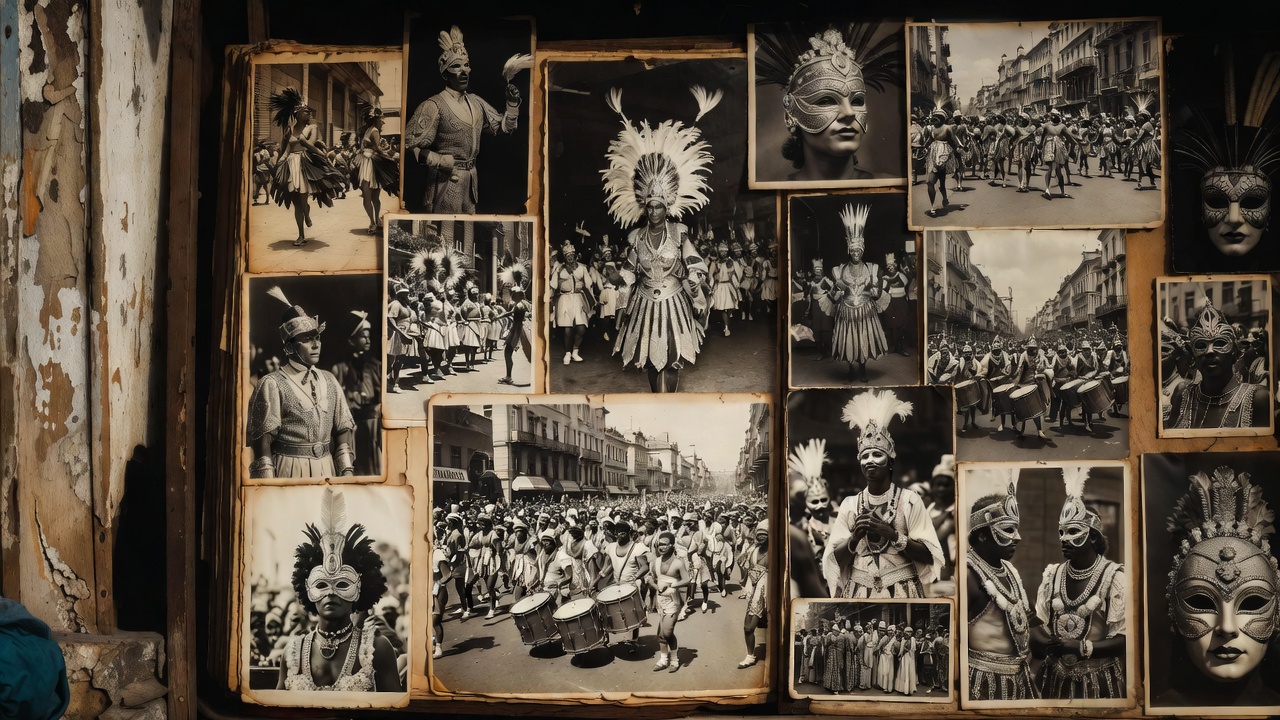
Carnival as practiced in Rio today emerged from the intersection of European Catholic tradition and African cultural practices brought by enslaved peoples. The word “Carnival” derives from Latin terms relating to the removal of meat during Lent, but the rhythm, dance, and community celebration are fundamentally African in origin.
The samba itself developed in the early 20th century in Rio’s Afro-Brazilian communities, particularly around the Praça Onze neighborhood. Understanding this history adds profound depth to your Carnival experience.
When you hear the bateria drums, you are hearing rhythms that survived the Middle Passage. When you see the elaborate passista footwork, you are witnessing dance forms preserved through generations of resistance. Carnival is celebration, yes, but it is also cultural memory and resilience.
The Religious Dimension
Carnival occupies the days immediately before Quaresma (Lent) in the Catholic calendar. While Brazil is increasingly secular, this religious timing remains important to many participants.
The traditional Carnival season opens with the crowning of Rei Momo (King Momo), a mythological figure representing the spirit of celebration. The festival officially ends at midnight on Terça-feira de Carnaval (Shrove Tuesday), after which Quarta-feira de Cinzas (Ash Wednesday) begins.
For the devout, Carnival represents a final burst of earthly pleasure before the austerity of Lent. Even non-religious participants recognize this rhythm, which is why the city essentially shuts down for Ash Wednesday recovery.
Gender and Sexuality in Brazilian Carnival
Brazil’s Carnival is notably inclusive of LGBTQ+ participants. Rio, in particular, hosts one of the world’s largest Pride celebrations and maintains a generally accepting atmosphere toward gender expression and sexuality.
During Carnival, you will see men in elaborate feminine costumes (dragões), same-sex couples dancing openly, and gender expression that transcends everyday norms. This tradition dates back centuries—Carnival has always been a time when social rules relax.
For solo female travelers, this atmosphere generally creates safety through acceptance. Harassment based on appearance or perceived sexuality is less common than in some festival environments.
However, this openness does not eliminate all risks. Sexual harassment remains a concern, and alcohol consumption can embolden inappropriate behavior. The strategies outlined throughout this guide apply regardless of sexual orientation or gender expression.
Money and Budget for Solo Female Travelers at Rio Carnival
Carnival is expensive. There is no avoiding this reality. But strategic planning can make the experience affordable without sacrificing safety or enjoyment.
Expected Costs During Carnival Week
| Expense Category | Budget Estimate (USD) | Notes |
|---|---|---|
| Accommodation (6 nights) | $800-2,500 | Hostel to mid-range hotel |
| Sambadrome tickets | $150-800 | One parade night |
| Food and drinks | $40-80/day | Street food to restaurants |
| Transportation | $20-50/day | Metro, taxi, ride-share |
| Costumes/accessories | $50-150 | Basic fantasia items |
| Miscellaneous | $100-200 | Emergencies, souvenirs |
| Total estimate | $1,500-4,000 | For one week |
Money Safety Strategies
Cash is king at street Carnival. Mobile payment and credit cards are increasingly common in Brazil, but street vendors, blocos, and informal purchases require reais.
Recommendations:
- Withdraw cash from ATMs inside banks, not street ATMs
- Use ATMs during business hours when security guards are present
- Carry a “decoy wallet” with small bills and expired cards
- Keep your main cash reserves in your accommodation safe
- Inform your bank of travel dates to avoid card freezes
I use a money belt worn under my clothing for larger bills, keeping only daily spending money in my visible crossbody bag. This strategy has served me through multiple Brazilian Carnivals without incident.
The Real Cost of “Free” Street Carnival
Here is a beautiful truth about Rio Carnival: the blocos are free. You do not pay admission to dance in the streets with millions of others.
However, “free” has limits. You will buy drinks from vendors (R$5-15 per cerveja or caipirinha). You will need transportation to and from events. You will eat. You will likely purchase glitter, accessories, or costume pieces.
Budget approximately R$150-300 per day for basic Carnival participation, even focusing on free events. This covers hydration, street food, local transportation, and incidentals.
Health and Wellness: Surviving Rio Carnival Physically
Carnival demands physical endurance. The combination of tropical heat, hours of dancing, alcohol consumption, and irregular sleep creates genuine health challenges.
Hydration: The Number One Concern
Rio in February averages 86°F (30°C) with high humidity. You will sweat constantly. Add alcohol—a diuretic—and you have a recipe for dangerous dehydration.
Hydration strategy:
- Drink at least 3-4 liters of water daily
- Alternate alcoholic drinks with water (one-for-one minimum)
- Carry electrolyte packets (available at any farmácia)
- Avoid excessive caipirinha consumption—cachaça is potent
- Eat salty foods to replace lost sodium
Signs of heat exhaustion include dizziness, nausea, headache, and confusion. If you experience these, stop immediately, find shade, drink water, and rest. Brazilian emergency services staff numerous first aid tents throughout Carnival areas.
Sun Protection
The equatorial sun is significantly stronger than temperate regions. Even overcast days carry high UV exposure.
- Apply SPF 50+ sunscreen every 2-3 hours
- Wear a hat during daytime blocos
- Seek shade during peak hours (11 AM – 2 PM)
- Wear quality sunglasses to protect eyes
I have seen countless tourists—women especially—end Carnival with painful, blistering sunburns that ruined their remaining trip. Do not become this cautionary tale.
Sleep and Recovery
Carnival runs for five official days, but the party starts the week before. Pacing yourself is essential.
My recommended approach:
- Do not try to attend everything
- Build in one full rest day mid-Carnival
- Alternate intense parade nights with lighter bloco days
- Sleep whenever you can—the party continues without you
- Accept that you will miss things; this preserves sanity
Medical Resources
Should you need medical care, Brazil’s public health system (SUS) provides free emergency services to all, including tourists. However, wait times can be long and language barriers exist.
Better options for tourists:
- Private hospitals: Hospital Samaritano (Botafogo), Hospital Copa D’Or (Copacabana)
- Private urgent care: Clínica da Família locations throughout the city
- 24-hour pharmacies: Drogaria Pacheco, Drogaria Raia (multiple locations)
Travel insurance that covers Brazil is absolutely essential. Verify your policy includes medical evacuation—Brazil’s healthcare system, while capable, may not meet standards expected by some travelers.
Solo Female Traveler Communities and Meeting Others in Rio
One of the beautiful ironies of solo travel is how rarely you actually remain alone. Rio during Carnival offers abundant opportunities to connect with fellow travelers and locals.
Hostels as Social Hubs
Even if you book a private room, staying in a hostel environment facilitates connections. Rio’s backpacker hostels organize bloco outings, group dinners, and pre-party gatherings.
Recommended hostels with strong solo traveler communities:
- Mango Tree Ipanema — Upscale hostel, excellent security, female-only dorm options
- Books Hostel Copacabana — Literary-themed, quiet, great rooftop
- Discovery Hostel Rio — Party atmosphere, organized Carnival activities
- Pura Vida Hostel — Lapa location, for experienced travelers seeking nightlife proximity
Digital Nomad and Expat Communities
Rio has a thriving community of remote workers and long-term expats. During Carnival, these communities often organize events.
Resources to explore:
- Facebook groups: “Expats in Rio de Janeiro,” “Gringos in Rio”
- Meetup.com Rio groups
- Internations Rio events
- Bumble BFF mode for friend-finding
The Art of Making Brazilian Friends
Brazilians are genuinely among the warmest people I have encountered in global travels. The cultural concept of simpatia—warmth, friendliness, conflict avoidance—means that locals often welcome solo travelers enthusiastically.
At blocos, I simply dance near groups that seem friendly and eventually catch someone’s eye. A smile, a compliment on their costume, basic Portuguese—these go far. Brazilian women in particular often adopt solo female travelers into their groups, understanding implicitly the safety concerns involved.
A cultural note: Physical affection is common in Brazilian social interaction. Expect kisses on cheeks when meeting people, casual touches during conversation, and closer personal space than Anglo cultures typically maintain. This warmth is genuine, not threatening, though it can feel unfamiliar initially.
Transportation in Rio During Carnival: Getting Around Safely
Navigating Rio’s transportation during Carnival requires flexibility. The city’s metro, buses, and ride-shares face enormous pressure, while certain areas close to vehicle traffic entirely.
Metro: The Backbone of Carnival Transport
Rio’s Metro system operates extended hours during Carnival, often running 24 hours on peak nights. Clean, safe, and air-conditioned, the metro is your best friend.
Carnival-specific metro tips:
- Download the MetrôRio app for real-time updates
- Buy a rechargeable Galeão card at any station
- Lines 1 (orange) and 2 (green) serve most Carnival areas
- Expect severe crowding after major blocos end
- Some stations close temporarily when crowds exceed capacity
Key metro stations for Carnival:
| Station | Serves |
|---|---|
| Ipanema/General Osório | Ipanema blocos, beach |
| Siqueira Campos | Copacabana |
| Carioca | Centro blocos, Lapa access |
| Uruguai | Sambadrome (closest station) |
| Praça Onze | Sambadrome (also close) |
Ride-Share Apps
Uber and 99 (Brazilian competitor) operate throughout Rio. During Carnival, surge pricing can reach 4-5x normal rates during peak times.
Recommendations:
- Book rides in advance when possible using scheduled feature
- Set pickup points slightly away from bloco concentration areas
- Always verify driver details before entering vehicle
- Share your ride status with a trusted contact
- If a driver cancels repeatedly, the area may be inaccessible
Taxis
Yellow taxis remain common in Rio. Use official taxi stands when possible, or hail clearly marked vehicles.
For solo women, ride-shares generally feel safer than taxis because of the digital record, driver ratings, and tracking capabilities. However, licensed taxis are reasonable alternatives, particularly for airport transfers.
Areas to Avoid After Dark
Be honest with yourself about risk. Certain areas become significantly more dangerous after sunset:
- Favela borders and access roads
- Lapa (particularly side streets) after 2 AM
- Praça Mauá area late night
- Any isolated streets, even in “safe” neighborhoods
- Areas where crowds have dispersed
When in doubt, call a ride. The R$30 taxi fare is infinitely cheaper than a lost phone or worse.
What Not to Do at Rio Carnival: Common Mistakes Solo Female Travelers Make
After years of attending Carnivals globally and speaking with hundreds of solo female travelers, I have observed patterns in avoidable mistakes.
Mistake 1: Trusting the “Friend” Too Quickly
Carnival’s open atmosphere can obscure predatory behavior. Not everyone who seems friendly has good intentions.
The charming local man who insists on buying you drinks, the “helpful” guide who appears from nowhere, the new backpacker “friend” who suggests leaving your hostel group—these scenarios require skepticism.
Guidelines:
- Do not accept drinks from strangers; buy your own
- Do not leave your established group with someone you just met
- Do not share your accommodation address with new acquaintances
- Do not go to secondary locations with people you do not know well
- Trust your instincts; Brazilian hospitality exists, but so do criminals
Mistake 2: Underestimating Physical Demands
I have witnessed fit, experienced travelers collapse from exhaustion by Carnival Wednesday. The combination of heat, dehydration, sleep deprivation, and constant activity breaks people.
Your first Rio Carnival is not the time to prove anything. Skip the 6 AM bloco if you need sleep. Leave the Sambadrome early if you are exhausted. Carnival will happen again next year; your health is non-negotiable.
Mistake 3: Over-Consuming Alcohol
Cachaça is deceptive. Caipirinhas taste like sweet fruit juice while delivering serious alcohol content. The festive atmosphere encourages drink after drink.
I have seen too many women black out at blocos, losing phones, bags, companions, and sometimes their safety. Set yourself a drink limit and stick to it. Alternate with water. Eat consistently. There is no shame in mild sobriety—you will actually remember your Carnival.
Mistake 4: Neglecting Basic Security
In the joy of celebration, travelers let their guard down.
- Phones held loosely while dancing
- Bags worn on backs (easily accessed by thieves)
- Expensive jewelry visible
- Large amounts of cash carried
- Passports brought to blocos
Every item you bring to a bloco should be considered at risk. Minimize accordingly.
Mistake 5: Ignoring Local Expertise
Locals know things you do not. When a Brazilian tells you not to walk down a certain street, believe them. When your hostel staff suggests a particular bloco timing, follow their advice. When someone warns about a specific area at night, heed the warning.
Cultural humility serves solo female travelers well. You are a visitor. The place has rhythms you do not yet understand. Listen and learn.
Day Trips and Activities Beyond Carnival for Solo Travelers
Even the most dedicated reveler needs breaks from Carnival intensity. Rio offers extraordinary alternatives.
Escaping the Crowds: Nature Options
Christ the Redeemer (Cristo Redentor) is significantly less crowded during Carnival, as tourists focus on street parties. Early morning visits offer shorter lines and better photography conditions.
Sugarloaf Mountain (Pão de Açúcar) offers stunning views and cable car adventure. Go at sunset for spectacular photographs and cooler temperatures.
Tijuca National Park contains the world’s largest urban rainforest. Hiking trails offer escape from noise, and the Vista Chinesa viewpoint provides one of Rio’s best panoramas.
Beach Recovery Days
Prainha Beach, approximately 40 minutes from central Rio, offers a protected cove with calm waters, fewer crowds, and a laid-back surfer atmosphere. Perfect for post-bloco recovery.
Grumari Beach, even farther from the city, provides nature reserve surroundings and remarkable tranquility compared to Copacabana or Ipanema.
For these excursions, arrange transportation through your accommodation or a reputable tour company. Do not attempt to navigate to remote beaches via public transit during Carnival chaos.
Cultural Institutions
Museu de Arte do Rio (MAR) and Museu do Amanhã in the Porto Maravilha district offer world-class exhibitions. Both are air-conditioned—a significant benefit after hours in the sun.
The Real Gabinete Português de Leitura (Royal Portuguese Reading Room) is perhaps the most beautiful library in the Americas. It is free to visit and provides a profound contrast to Carnival’s sensory overload.
Emergency Resources and Contacts for Solo Female Travelers
Prepare for emergencies before you need them.
Essential Numbers
| Service | Number | Notes |
|---|---|---|
| Military Police | 190 | Primary emergency number |
| Medical Emergency | 192 | SAMU ambulance service |
| Fire Department | 193 | Also handles rescue |
| Tourist Police | (21) 2332-2924 | English-speaking officers, Centro |
| US Consulate | (21) 3823-2000 | For American citizens |
| UK Consulate | (21) 2555-9600 | For British citizens |
Tourist Police Stations (DEATURs)
Rio operates specialized tourist police units staffed with officers who speak English and understand tourist-specific crimes.
Locations:
- Copacabana: Avenida Atlântica in front of Copacabana Palace
- Centro: Near Praça Mauá
- Mobile units: Deployed throughout major Carnival areas
What to Do If Something Happens
If robbed: Do not resist. Comply with demands. Report to tourist police afterward. File a Boletim de Ocorrência (police report) for insurance claims.
If assaulted: Seek medical attention immediately. Contact your embassy. Report to police. Reach out to support organizations like CEPIA (women’s rights organization).
If lost or separated from companions: Stay in well-lit, populated areas. Enter a business if possible. Use your phone to contact help. Ask police or obvious vendors for assistance—not random strangers.
Planning Timeline: When to Book Your Solo Female Trip to Rio Carnival
Carnival preparation requires months of advance planning.
12 Months Before
- Determine your exact Carnival dates (changes annually based on Easter)
- Begin researching accommodation options
- Set your budget framework
- Start Portuguese language basics
6-9 Months Before
- Book accommodation—this cannot wait
- Investigate Sambadrome ticket options
- Arrange flights
- Research blocos and create preliminary schedule
- Obtain travel insurance quotes
3-6 Months Before
- Purchase Sambadrome tickets
- Finalize accommodation payment
- Book any guided tours or experiences
- Arrange airport transportation
- Verify passport validity (6 months beyond travel required)
1 Month Before
- Inform bank and credit cards of travel
- Download essential apps (WhatsApp, Uber, 99, Google Translate, MetrôRio)
- Prepare copies of important documents
- Finalize packing list
- Research specific bloco schedules (released closer to Carnival)
1 Week Before
- Check Riotur official bloco calendar
- Confirm all reservations
- Exchange currency or arrange ATM access
- Review safety protocols
- Share itinerary with trusted contacts at home
Final Thoughts: Embracing Solo Female Adventure at Rio Carnival
I return to where I began—standing at the edge of that Santa Teresa bloco years ago, wondering if I had made a mistake.
The answer, definitively, was no.
That first solo Rio Carnival taught me things about myself that comfortable travel never could. I learned to trust strangers selectively. I learned to dance without self-consciousness. I learned that the world is generally good, even when caution is warranted. I learned that solo female travel to challenging destinations is not reckless—it is courageous, empowering, and profoundly rewarding.
Rio Carnival will challenge you. The crowds will overwhelm you. The noise will exhaust you. The heat will test you. And somewhere in that glorious chaos, you will find a version of yourself that only emerges when you step outside every comfort zone you know.
Is it safe? With proper preparation, yes. Is it easy? No—nothing worthwhile ever is. Is it worth it? Unquestionably.
The bateria drums call. The streets fill with feathers and glitter and joy that defies description. Millions of bodies move as one, connected by rhythm older than any of us.
You can be there. You can experience this. And you can do it alone.
Vai com Deus, viajante. Go with God, traveler. Rio awaits.
Frequently Asked Questions About Solo Female Travel to Rio Carnival
Q: What is the safest neighborhood for a solo female traveler during Rio Carnival?
A: Ipanema is widely considered the safest neighborhood for solo female tourists. It offers excellent infrastructure, a progressive atmosphere, and manageable distance to major Carnival events.
Q: How far in advance should I book accommodation for Rio Carnival?
A: Book at least 6-9 months in advance. Desirable properties sell out early, and prices increase significantly closer to Carnival dates.
Q: Can I attend blocos alone safely?
A: Yes, with preparation. Focus on major daytime blocos, position yourself near other women or families, keep valuables secure, and stay alert to your surroundings.
Q: Do I need to speak Portuguese for Rio Carnival?
A: You can manage without Portuguese, but even basic phrases dramatically improve your experience and safety. Brazilians appreciate any effort to speak their language.
Q: Is the Sambadrome safe for solo female travelers?
A: Yes, the Sambadrome is a controlled environment with security screening. The main concern is transportation to and from the venue, which should be pre-arranged.
Q: What should I do if I’m harassed at Carnival?
A: Say “não” or “me deixa em paz” (leave me alone) firmly. Move toward other women, families, or police. Do not hesitate to seek help from vendors or clearly official figures.
Q: How much money do I need for a week at Rio Carnival?
A: Budget approximately $1,500-4,000 USD for a week, depending on accommodation standards and activities. Street Carnival participation is free, but accommodation, food, transportation, and Sambadrome tickets add up.
Q: Is it safe to use ATMs during Carnival?
A: Use ATMs inside banks during business hours when security guards are present. Avoid street ATMs, particularly at night.