Introduction: Celebrating Sri Lanka’s Independence Through Cultural Shopping
Sri Lanka National Day falls on February 4th each year. This momentous occasion commemorates the island’s independence from British colonial rule in 1948. For tourists and locals alike, this celebration offers a unique window into authentic Sri Lankan culture.
Shopping during Sri Lanka Independence Day celebrations provides an immersive cultural experience. The streets of Colombo burst with patriotic fervor. Traditional crafts and local products take center stage. This guide will help you navigate the best souvenirs and local products available in Colombo during this festive period.
What you’ll discover in this guide:
- Traditional Sri Lankan handicrafts to buy during Independence Day
- Best shopping districts in Colombo for authentic souvenirs
- Cultural significance of popular Sri Lankan gifts
- Price ranges and bargaining tips for local markets
- Ethical shopping practices for sustainable tourism
Understanding Sri Lanka National Day: History and Cultural Significance
The Origins of Independence Day Celebrations
Sri Lanka gained independence on February 4, 1948. The nation celebrates this day with grand parades and cultural performances. The main ceremony takes place in Colombo at Independence Square.
Understanding this history enriches your shopping experience. Many souvenirs carry deep symbolic meaning. Traditional items reflect centuries of cultural heritage.
How Sri Lankans Celebrate National Day
| Celebration Element | Description | Shopping Connection |
|---|---|---|
| Flag hoisting ceremonies | National flag displayed nationwide | Miniature flags and patriotic merchandise |
| Military parades | Armed forces showcase at Galle Face Green | Military memorabilia and historical items |
| Cultural performances | Traditional dance and music shows | Dance costumes and musical instruments |
| Religious observances | Multi-faith ceremonies and blessings | Religious artifacts and offerings |
| Community feasts | Traditional Sri Lankan cuisine shared | Spices, tea, and food products |
Top 15 Must-Buy Sri Lankan Souvenirs in Colombo
1. Ceylon Tea: The Island’s Liquid Gold
Ceylon tea remains the most popular Sri Lankan souvenir worldwide. Sri Lanka produces some of the finest black tea globally. The distinct flavor profile sets it apart from other varieties.
Best Ceylon tea varieties to purchase:
- Nuwara Eliya Tea: Light, delicate flavor with floral notes
- Uva Tea: Medium-bodied with a distinctive character
- Dimbula Tea: Full-bodied with golden color
- Kandy Tea: Strong, rich flavor perfect for milk tea
- Sabaragamuwa Tea: Bold taste with caramel undertones
Where to buy authentic Ceylon tea in Colombo:
- Mlesna Tea Centre (Flagship Store)
- Dilmah Tea Lounge
- Basilur Tea
- Ceylon Tea Museum Shop
- Good Market (Colombo 7)
Price Guide for Ceylon Tea:
| Tea Grade | Price Range (LKR) | Price Range (USD) |
|---|---|---|
| Budget blends | 300-800 | $1-3 |
| Premium single estate | 1,000-3,000 | $3-10 |
| Specialty/rare teas | 3,000-15,000 | $10-50 |
| Gift sets | 2,000-10,000 | $7-35 |
2. Sri Lankan Gemstones: Treasures from the Earth
Sri Lanka earned the ancient name “Ratna Dweepa” or “Island of Gems.” The country produces world-renowned sapphires, rubies, and cat’s eye stones. Colombo houses numerous certified gem dealers.
Most sought-after Sri Lankan gemstones:
- Blue Sapphire: The crown jewel of Ceylon gems
- Star Sapphire: Displays a six-ray star phenomenon
- Padparadscha Sapphire: Rare pink-orange variety unique to Sri Lanka
- Ceylon Ruby: Deep red stones with excellent clarity
- Cat’s Eye Chrysoberyl: Displays chatoyancy effect
- Alexandrite: Color-changing stone, extremely rare
- Moonstone: Sri Lanka’s official gemstone
Tips for buying gems in Colombo:
- Always request a certification from the National Gem and Jewellery Authority
- Shop at government-approved dealers
- Compare prices at multiple stores
- Avoid street vendors selling “precious” stones
- Request a detailed invoice with stone specifications
Recommended gem shops in Colombo:
| Shop Name | Location | Specialty |
|---|---|---|
| Colombo Jewellery Stores | Galle Road | Blue sapphires |
| Zam Gems | Sea Street | Wholesale gems |
| Lanka Jewels | Colpetty | Custom jewelry |
| Premadasa & Sons | Pettah | Traditional designs |
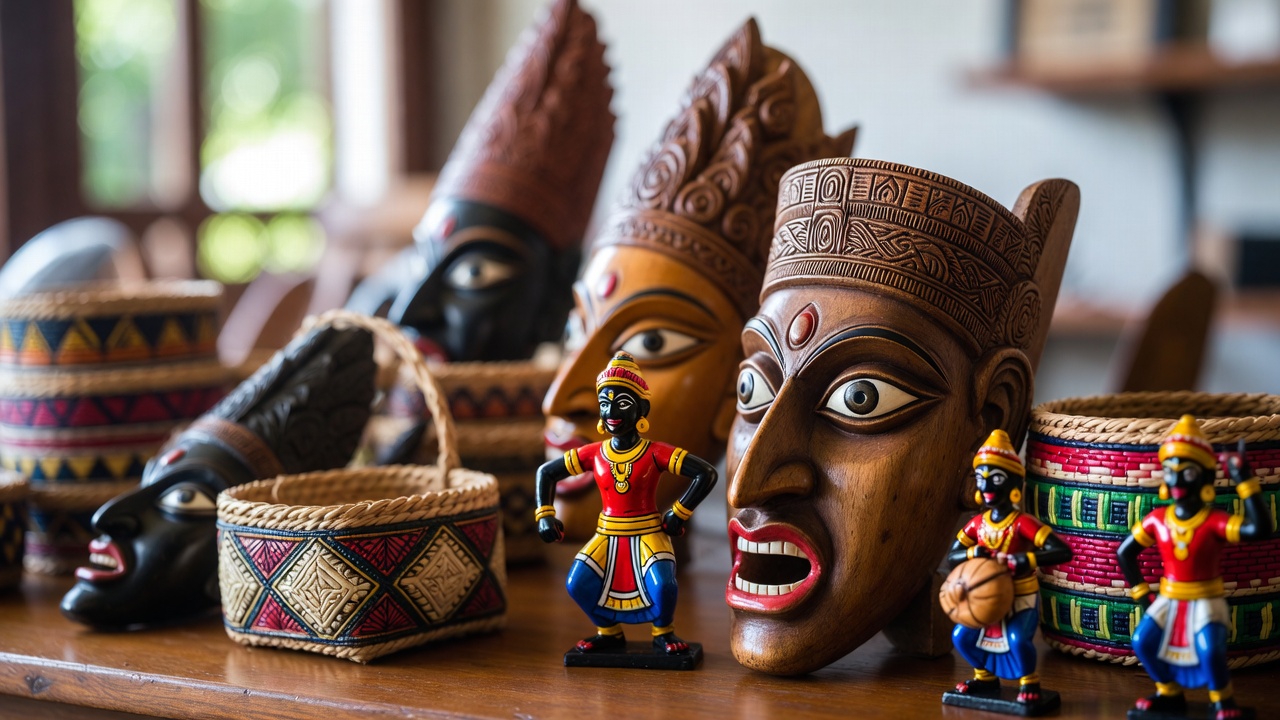
3. Traditional Sri Lankan Masks: Folklore Art Treasures
Sri Lankan masks represent centuries of indigenous folklore traditions. These hand-carved wooden masks originate from the southern coastal regions. They serve both artistic and ritualistic purposes.
Types of traditional Sri Lankan masks:
Kolam Masks (Folk Drama Masks):
- Used in traditional Kolam folk theater
- Depict characters from village life
- Feature exaggerated expressions
- Popular decorative items for homes
Sanni Masks (Healing Ritual Masks):
- Used in traditional healing ceremonies
- Represent 18 different diseases and ailments
- Believed to ward off evil spirits
- Highly collectible for cultural enthusiasts
Raksha Masks (Demon Masks):
- Represent mythological demons
- Feature fierce expressions and vibrant colors
- Used in traditional dance performances
- Symbol of protection against evil
Price ranges for authentic masks:
| Mask Size | Tourist Grade (LKR) | Artisan Quality (LKR) |
|---|---|---|
| Small (6-8 inches) | 500-1,500 | 2,000-5,000 |
| Medium (12-15 inches) | 1,500-4,000 | 5,000-15,000 |
| Large (20+ inches) | 4,000-10,000 | 15,000-50,000 |
| Museum quality | N/A | 50,000+ |
4. Handloom Textiles and Batik Fabrics
Sri Lankan handloom traditions date back over 2,000 years. The craft survives in villages throughout the country. Batik fabric production represents a more recent but equally vibrant tradition.
Traditional Sri Lankan textile products:
- Dumbara Rata Kalala: Intricate mat weaving from Dumbara region
- Beeralu Lace: Traditional bobbin lace from the southern coast
- Handloom Sarees: Six-yard wonders with traditional designs
- Batik Sarongs: Hand-dyed wrap garments
- Batik Wall Hangings: Decorative art pieces
Best places to buy textiles in Colombo:
- Barefoot Gallery (Colombo 3): Premium batik and handloom
- Lakpahana (Multiple locations): Government handicraft emporium
- Odel (Alexandra Place): Modern Sri Lankan fashion
- Paradise Road (Colombo 7): Designer home textiles
- Good Market (Sundays): Artisan collective
5. Ayurvedic Products and Herbal Remedies
Sri Lanka’s Ayurvedic tradition spans over 3,000 years. Indigenous herbal medicine remains widely practiced today. Tourists increasingly seek authentic Ayurvedic products.
Popular Ayurvedic souvenirs from Sri Lanka:
| Product Category | Examples | Benefits |
|---|---|---|
| Herbal teas | Ranawara, Polpala, Iramusu | Digestive health, detox |
| Skin care | Kohomba cream, Sandalwood paste | Natural beauty care |
| Hair care | Coconut oil blends, Herbal shampoos | Hair growth, conditioning |
| Massage oils | Sesame-based blends | Pain relief, relaxation |
| Herbal balms | Siddhalepa, Samahan | Cold relief, muscle pain |
Trusted Ayurvedic brands to look for:
- Siddhalepa
- Link Natural
- Spa Ceylon
- Nature’s Secrets
- Swadeshi Ayurveda
6. Ceylon Cinnamon: The World’s Finest Spice
Ceylon cinnamon differs significantly from common cassia cinnamon. True cinnamon originates exclusively from Sri Lanka. It offers a milder, more complex flavor profile.
Why Ceylon cinnamon makes an ideal souvenir:
- Lighter, sweeter taste than cassia
- Lower coumarin content (safer for regular consumption)
- Superior quality recognized worldwide
- Compact and easy to transport
- Long shelf life when stored properly
Forms of Ceylon cinnamon available:
- Cinnamon quills (sticks)
- Ground cinnamon powder
- Cinnamon essential oil
- Cinnamon-infused tea
- Cinnamon bark chips
Where to buy quality cinnamon in Colombo:
| Store | Location | Product Range |
|---|---|---|
| Ceylon Spice House | Pettah Market | Wholesale spices |
| Cargills Food City | Island-wide | Packaged spices |
| Keells Super | Island-wide | Premium brands |
| Good Market | Colombo 7 | Organic options |
7. Wooden Handicrafts and Carvings
Sri Lankan woodcraft traditions reflect the island’s rich biodiversity. Artisans work with endemic hardwoods to create stunning pieces. Each region specializes in different carving styles.
Popular wooden souvenirs:
- Elephant figurines (symbol of Sri Lanka)
- Buddha statues in various sizes
- Jewelry boxes with traditional motifs
- Kitchen utensils (coconut shell included)
- Decorative wall panels
- Traditional bullock cart models
Wood types used in Sri Lankan crafts:
| Wood Type | Characteristics | Common Products |
|---|---|---|
| Ebony | Dense, dark black | Elephant carvings, jewelry |
| Rosewood | Reddish-brown, fragrant | Furniture, boxes |
| Satinwood | Golden yellow, lustrous | Decorative items |
| Coconut wood | Sustainable, patterned | Kitchen items, crafts |
| Jak wood | Durable, golden color | Furniture, carvings |
8. Brass and Metalwork
Traditional Sri Lankan brasswork adorns temples throughout the island. Skilled artisans continue these centuries-old techniques. Colombo offers excellent selections of authentic metalwork.
Traditional brass items to consider:
- Oil lamps (Pahana): Traditional coconut oil lamps
- Betel boxes: Ornate containers for betel chewing tradition
- Door knockers: Decorative and functional pieces
- Temple bells: Various sizes for home shrines
- Figurines: Deities and traditional characters
- Wall plates: Decorative hammered designs
9. Traditional Sri Lankan Jewelry
Beyond gemstones, Sri Lanka offers unique traditional jewelry designs. These pieces reflect the island’s cultural heritage. Many designs carry auspicious meanings.
Traditional jewelry styles:
- Poruwa jewelry: Worn during traditional weddings
- Kandyan jewelry: Elaborate designs from the hill country
- Colonial-era reproductions: Dutch and Portuguese influences
- Temple jewelry: Reproductions of ancient designs
- Modern Sri Lankan design: Contemporary interpretations
10. Coconut Shell Crafts
Sri Lanka’s abundant coconut palms provide material for unique crafts. Artisans transform shells into beautiful functional items. These eco-friendly souvenirs support sustainable practices.
Coconut shell products available:
- Bowls and serving dishes
- Jewelry (earrings, bracelets, necklaces)
- Decorative masks
- Musical instruments
- Kitchen utensils (spoons, ladles)
- Candle holders
Best Shopping Districts in Colombo for National Day Souvenirs
Pettah Market: The Heart of Commercial Colombo
Pettah represents Colombo’s oldest and busiest market district. The maze-like streets overflow with merchandise. National Day shopping here offers an authentic local experience.
What makes Pettah special:
- Lowest prices in Colombo
- Authentic local atmosphere
- Wide variety of goods
- Historical architecture
- Cultural immersion opportunity
Pettah shopping tips:
- Visit early morning (before 10 AM) to avoid crowds
- Bargain confidently (start at 50% of asking price)
- Carry small denomination notes
- Keep valuables secure
- Dress comfortably and simply
Key streets in Pettah:
| Street Name | Specialty |
|---|---|
| Main Street | General goods, clothing |
| Sea Street | Jewelry, gold, gems |
| First Cross Street | Electronics |
| Second Cross Street | Textiles |
| Bodhiraja Mawatha | Spices, Ayurvedic products |
Colombo Fort: Heritage Shopping Experience
The Fort area combines colonial heritage with modern shopping. Several shopping complexes offer air-conditioned comfort. Quality products come with slightly higher prices.
Fort area shopping highlights:
- World Trade Center shops
- Cargills Main Store (historic building)
- Dutch Hospital Shopping Precinct
- York Street boutiques
Colpetty (Kollupitiya): Upscale Shopping Destination
Galle Road through Colpetty offers premium shopping options. International brands mix with local designers. The area suits tourists seeking comfortable shopping.
Key stores in Colpetty:
- Majestic City: Multi-story shopping mall
- Liberty Plaza: Fashion and lifestyle
- Crescat Boulevard: Premium brands
- Odel: Sri Lankan fashion flagship
Galle Face and Independence Square Area
These scenic locations offer unique shopping during National Day celebrations. Temporary stalls sell patriotic merchandise. The atmosphere provides memorable experiences.
What to find here during Independence Day:
- National flags and memorabilia
- Traditional crafts from various regions
- Food stalls with local delicacies
- Cultural performance merchandise
- Handmade jewelry and accessories
Cultural Etiquette: Shopping During Sri Lankan Festivals
Understanding Local Customs
Respectful shopping enhances your experience and relationships. Sri Lankan vendors appreciate culturally aware tourists. Following local customs often leads to better deals.
Essential etiquette guidelines:
- Greetings: Say “Ayubowan” (may you live long)
- Footwear: Remove shoes when entering some traditional shops
- Bargaining: Expected in markets, less so in malls
- Patience: Allow time for tea offerings and conversation
- Religious items: Handle Buddha statues respectfully
Religious Considerations When Buying Souvenirs
Sri Lanka has strict laws regarding religious artifacts. Buddha statues require special attention. Understanding these rules prevents potential issues.
Important regulations:
| Item | Regulation | Recommendation |
|---|---|---|
| Buddha statues | Export permit may be required | Keep receipts |
| Antique religious items | Often prohibited for export | Avoid purchasing |
| Temple artifacts | Illegal to remove from temples | Never purchase |
| Religious paintings | Check authenticity | Buy from reputable dealers |
Bargaining Guide: Getting the Best Deals in Colombo
The Art of Negotiation in Sri Lankan Markets
Bargaining represents a cultural tradition in Sri Lankan markets. However, it requires skill and respect. Follow these guidelines for successful negotiations.
Step-by-step bargaining strategy:
- Browse first: Look at items without showing strong interest
- Ask the price: Let the vendor state their opening price
- Show hesitation: Express that the price seems high
- Make a counter-offer: Start at 40-50% of the asking price
- Negotiate gradually: Meet somewhere in the middle
- Walk away if needed: Often brings the price down
- Seal the deal: Confirm the final price clearly
Where bargaining is appropriate:
| Venue Type | Bargaining Expected | Potential Discount |
|---|---|---|
| Street markets | Yes | 30-50% |
| Pettah shops | Yes | 20-40% |
| Tourist shops | Sometimes | 10-20% |
| Shopping malls | No | Fixed prices |
| Government emporiums | No | Fixed prices |
Sustainable and Ethical Shopping in Sri Lanka
Supporting Local Artisans
Ethical shopping ensures your purchases benefit local communities. Many souvenirs involve traditional craftsmanship. Supporting artisans preserves cultural heritage.
How to shop ethically:
- Buy directly from artisan cooperatives
- Choose handmade over mass-produced items
- Ask about the product’s origin
- Support fair trade certified sellers
- Avoid products made from endangered species
Environmental Considerations
Sri Lanka faces environmental challenges from tourism. Responsible shopping minimizes your ecological footprint. Choose sustainable souvenirs when possible.
Eco-friendly souvenir alternatives:
| Avoid | Choose Instead |
|---|---|
| Coral jewelry | Coconut shell jewelry |
| Turtle shell products | Certified wood crafts |
| Ivory items | Bone alternatives |
| Wild animal products | Plant-based materials |
| Excessive plastic packaging | Minimal packaging options |
Practical Shopping Information
Currency and Payment Methods
Understanding payment options simplifies shopping. Sri Lankan Rupee (LKR) remains the primary currency. Card acceptance varies by location.
Payment information:
- Currency: Sri Lankan Rupee (LKR)
- Exchange rate (approximate): 1 USD = 310-330 LKR
- Card acceptance: Major stores and hotels
- Cash preferred: Markets and small shops
- ATMs: Widely available in Colombo
Best Times to Shop During National Day
Timing affects your shopping experience significantly. National Day brings unique opportunities and challenges. Plan your shopping trips strategically.
Recommended shopping schedule:
| Time | Best For | Avoid |
|---|---|---|
| 6-9 AM | Pettah markets | Mall shopping (closed) |
| 9-11 AM | General shopping | Outdoor areas (heat) |
| 11 AM-2 PM | Air-conditioned malls | Street markets (hot) |
| 4-7 PM | Evening markets, Galle Face | Rush hour traffic |
| After 7 PM | Night markets, malls | Pettah (closes early) |
Shipping and Customs Information
Getting Your Souvenirs Home Safely
Large or fragile purchases require shipping arrangements. Several options exist for international delivery. Understanding customs regulations prevents problems.
Shipping options from Colombo:
- International courier services: DHL, FedEx, UPS
- Sri Lanka Post: Economical but slower
- Shop shipping services: Many stores offer international delivery
- Personal luggage: Best for small, durable items
Customs Regulations to Know
Items requiring export permits:
- Antiques over 50 years old
- Large gemstones (over certain carat weights)
- Archaeological artifacts
- Certain wildlife products
- Large quantities of tea (commercial amounts)
Sample Shopping Itineraries
Half-Day Souvenir Shopping Tour
Morning Option (4 hours):
| Time | Activity | Location |
|---|---|---|
| 8:00 AM | Tea tasting and purchase | Dilmah Tea Lounge |
| 9:30 AM | Traditional crafts | Lakpahana |
| 11:00 AM | Spices and Ayurvedic products | Pettah Market |
| 12:00 PM | Lunch break | Local restaurant |
Full-Day Cultural Shopping Experience
Complete Itinerary (8 hours):
- 7:00 AM: Pettah Market opening
- 9:00 AM: Sea Street gem shops
- 11:00 AM: Dutch Hospital Precinct
- 12:30 PM: Lunch at Ministry of Crab (optional)
- 2:00 PM: Barefoot Gallery
- 3:30 PM: Odel flagship store
- 5:00 PM: Good Market (Sundays only)
- 6:30 PM: Galle Face evening stalls
Conclusion: Creating Lasting Memories Through Meaningful Souvenirs
Sri Lanka National Day shopping offers more than material acquisitions. Each purchase carries cultural significance and artisan stories. Your souvenirs become tangible connections to this island nation.
Key takeaways from this guide:
- Prioritize authenticity: Choose handmade over mass-produced
- Shop responsibly: Support local artisans and sustainable practices
- Understand cultural context: Learn the stories behind your purchases
- Bargain respectfully: Negotiate with cultural awareness
- Comply with regulations: Follow export and customs rules
The best souvenirs from Sri Lanka tell stories. They connect you to centuries of tradition. They support communities preserving their heritage. Most importantly, they remind you of the warm hospitality that defines this remarkable island.
Happy shopping and Ayubowan!
Frequently Asked Questions
What is the best souvenir to buy from Sri Lanka?
Ceylon tea remains the most popular and practical souvenir. It’s lightweight, affordable, and authentically Sri Lankan. Blue sapphires represent the premium souvenir choice for those with larger budgets.
Where can I buy authentic Sri Lankan handicrafts in Colombo?
Lakpahana (government emporium), Barefoot Gallery, and Good Market offer verified authentic handicrafts. Pettah Market provides budget options but requires careful selection.
Is bargaining expected in Sri Lankan shops?
Bargaining is expected in markets and small shops. Fixed prices apply in shopping malls, department stores, and government emporiums.
What items cannot be exported from Sri Lanka?
Antiques over 50 years old, certain wildlife products, archaeological artifacts, and large uncertified gemstones may face export restrictions.
When is the best time to shop during Sri Lanka National Day?
Early mornings (6-9 AM) offer the best market experiences. Avoid midday heat. Evening shopping at Galle Face provides festival atmosphere.