A Comprehensive Guide to Authentic Sri Lankan Festival Food, Traditional Markets, and Cultural Celebrations
Sri Lanka celebrates its National Day on February 4th every year. This day commemorates the island’s independence from British colonial rule in 1948. Across the nation, vibrant celebrations unfold with parades, cultural performances, and abundant food. For travelers seeking authentic Sri Lankan street food experiences, National Day offers an unparalleled opportunity.
This guide explores the best local markets, traditional delicacies, and hidden culinary gems you can discover during this patriotic celebration. Whether you’re a foodie, culture enthusiast, or curious traveler, Sri Lanka’s Independence Day festivities will leave you with unforgettable memories.
Understanding Sri Lanka’s National Day Celebrations
The Historical Significance of Independence Day in Sri Lanka
February 4th holds deep meaning for Sri Lankans. The date marks the country’s transition from Ceylon to an independent nation. Grand ceremonies take place at Galle Face Green in Colombo. Military parades showcase national pride and unity.
Traditional performances highlight the island’s rich cultural heritage. Kandyan dancers perform in elaborate costumes. Drummers create rhythmic patterns that have echoed through centuries. These celebrations attract both locals and international visitors.
Key Elements of National Day Celebrations:
- Presidential addresses and flag-hoisting ceremonies
- Military parades featuring all armed forces branches
- Traditional dance performances from different regions
- Cultural exhibitions showcasing indigenous crafts
- Community gatherings with shared meals
- Firework displays in major cities
Why Food Plays a Central Role in Sri Lankan Festivals
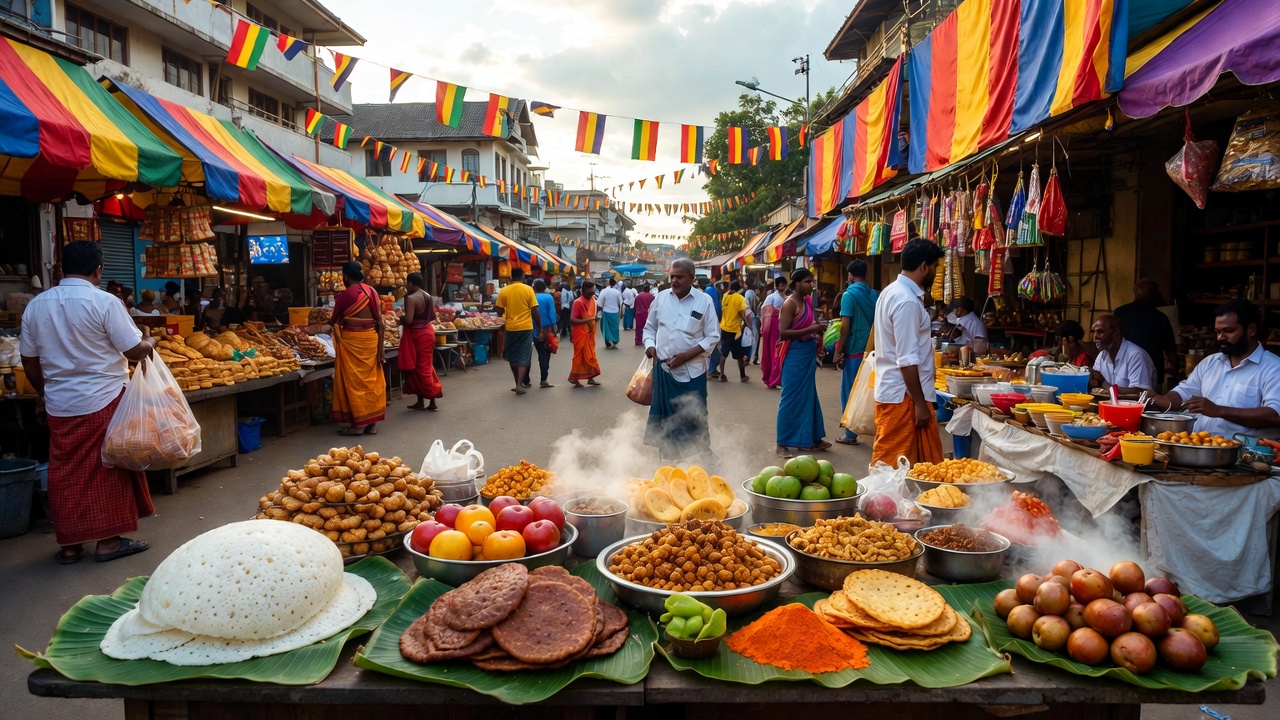
Food is the heart of every Sri Lankan celebration. Families gather to prepare traditional dishes together. Community kitchens serve free meals to visitors. Street vendors line the roads with their portable stalls.
The act of sharing food symbolizes unity and prosperity. During National Day, this tradition reaches its peak. Markets overflow with seasonal specialties. Home cooks bring their best recipes to share.
Top Street Foods to Try During Sri Lanka National Day
Kottu Roti: The Rhythmic Street Food Experience
Kottu roti is Sri Lanka’s most iconic street food. The sound of metal blades chopping on hot griddles fills the air. This dish combines shredded roti bread with vegetables, eggs, and meat. Spicy curry sauces bind everything together.
During National Day celebrations, kottu vendors work through the night. The rhythmic chopping becomes a musical performance. Locals and tourists gather around stalls to watch the spectacle.
| Kottu Variety | Main Ingredients | Spice Level | Best Location |
|---|---|---|---|
| Chicken Kottu | Shredded chicken, vegetables, egg | Medium-Hot | Galle Face Green, Colombo |
| Cheese Kottu | Melted cheese, vegetables | Mild-Medium | Pettah Market Area |
| Seafood Kottu | Prawns, squid, fish | Hot | Negombo Beach Road |
| Vegetable Kottu | Mixed vegetables, tofu | Mild | Kandy Central Market |
| Egg Kottu | Double egg, vegetables | Medium | Island-wide |
Hoppers and String Hoppers: Traditional Sri Lankan Breakfast Foods
Hoppers (appa) are bowl-shaped pancakes made from fermented rice flour. They have crispy edges and soft, spongy centers. Egg hoppers feature a sunny-side-up egg nestled in the center. String hoppers (idiyappam) are delicate rice noodle nests.
These dishes become especially popular during morning festivities. Street vendors set up hopper stations near parade routes. The sweet coconut milk sambol accompanies every serving.
Popular Hopper Varieties:
- Plain Hoppers: Perfect for scooping curries
- Egg Hoppers: Breakfast favorite with runny yolk
- Milk Hoppers: Sweet version with coconut milk
- Honey Hoppers: Drizzled with local kithul treacle
Wade and Short Eats: Quick Bites for Festival Crowds
Wade (vadai) are crispy fried lentil fritters. They come in various shapes and flavors. Ulundu wade uses black gram lentils. Parippu wade features yellow lentils with spices.
Short eats are small savory snacks sold in glass cases. They include fish patties, vegetable rolls, and cutlets. These affordable treats fuel festival-goers throughout the day.
Essential Short Eats to Try:
| Snack Name | Description | Average Price (LKR) |
|---|---|---|
| Fish Bun | Soft bun filled with spiced fish | 40-60 |
| Vegetable Patty | Flaky pastry with curried vegetables | 35-50 |
| Chinese Roll | Crispy roll with mixed vegetables | 30-45 |
| Mutton Rolls | Spiced lamb filling in crispy shell | 60-80 |
| Egg Roti | Flat bread stuffed with spiced egg | 50-70 |
| Seeni Sambol Sandwich | Sweet onion relish in white bread | 40-55 |
Isso Wade: Spicy Prawn Fritters from Coastal Markets
Isso wade showcases Sri Lanka’s seafood heritage. Whole prawns are pressed into spiced lentil batter. The fritters are deep-fried until golden and crispy. The prawn tails curl decoratively on top.
Negombo and Galle markets offer the freshest versions. Vendors use prawns caught the same morning. The combination of crunchy batter and succulent prawn is unforgettable.
Best Local Markets to Visit During Independence Day Sri Lanka
Pettah Market: Colombo’s Largest Traditional Bazaar
Pettah Market is the beating heart of Colombo commerce. During National Day, this already bustling area transforms completely. Red and yellow national flags decorate every stall. Special festival prices attract massive crowds.
The market sprawls across multiple city blocks. Each section specializes in different goods. Food vendors concentrate along Main Street and surrounding lanes.
Pettah Market Navigation Guide:
| Area | Specialty | Best Time to Visit |
|---|---|---|
| Main Street | Spices, dried goods | Early morning (6-9 AM) |
| 1st Cross Street | Fresh fruits, vegetables | Morning (7-10 AM) |
| 2nd Cross Street | Street food, prepared meals | Lunch hours (11 AM-2 PM) |
| Sea Street | Jewelry, traditional items | Afternoon (2-5 PM) |
| Bodhiraja Mawatha | Textiles, clothing | All day |
Tips for Visiting Pettah During National Day:
- Arrive before 8 AM to avoid the largest crowds
- Wear comfortable shoes for extensive walking
- Carry small currency notes for easier transactions
- Stay hydrated in the tropical heat
- Bargain respectfully at non-food stalls
- Keep valuables secure in crowded areas
Kandy Central Market: Highlands Culinary Treasures
Kandy Central Market sits near the famous Temple of the Tooth. This two-story building houses hundreds of vendors. The upper floor specializes in spices and dried goods. The ground floor offers fresh produce and prepared foods.
National Day celebrations in Kandy have unique highland flavors. Local vegetables like kohila and katurumurunga appear in special dishes. Temple offerings spill over into public celebrations.
Kandy Market Highlights:
- Fresh hill country vegetables unavailable elsewhere
- Authentic Ceylon cinnamon at wholesale prices
- Traditional sweets from local bakeries
- Handmade festival decorations
- Local honey and kithul treacle
Galle Fort Market: Coastal Flavors and Colonial Charm
Galle Fort’s weekend market becomes extraordinary during National Day. The UNESCO World Heritage setting adds historic atmosphere. Local fishermen bring their morning catch directly to stalls.
Seafood dominates the offerings here. Grilled fish, prawn curry packets, and cuttlefish dishes abound. The blend of Dutch colonial architecture and Sri Lankan festivity creates a unique experience.
Must-Try Foods at Galle Fort Market:
| Dish | Description | Price Range (LKR) |
|---|---|---|
| Ambul Thiyal | Sour fish curry, dried preservation | 350-500 |
| Kukul Mas Curry | Spicy chicken curry with rice | 300-450 |
| Polos Curry | Green jackfruit curry | 200-300 |
| Lamprais | Dutch-Burgher rice packet | 400-600 |
| Watalappan | Coconut custard dessert | 150-250 |
Negombo Fish Market: Sri Lanka’s Seafood Capital
Negombo lies just north of Colombo. Its fish market is the island’s largest. During National Day, the market operates extended hours. Fishermen celebrate with decorated boats and special catches.
The auction atmosphere is thrilling to witness. Buyers bid on tuna, swordfish, and prawns. Nearby restaurants prepare your selection immediately.
Negombo Market Experience Tips:
- Visit between 6-8 AM for the main auction
- Watch the traditional boat unloading process
- Sample freshly grilled fish at waterfront stalls
- Purchase dried fish as a local souvenir
- Observe the traditional Catholic-Buddhist cultural blend
Traditional Sri Lankan Festival Foods and Their Cultural Significance
Kiribath: The Auspicious Milk Rice
Kiribath is essential to every Sri Lankan celebration. Cooked rice simmers in rich coconut milk until creamy. The dish is cut into diamond shapes for serving. It symbolizes prosperity and new beginnings.
On National Day morning, families prepare kiribath together. The first pot is often offered at household shrines. Guests receive portions as blessings for the year ahead.
Traditional Kiribath Accompaniments:
- Lunu Miris: Spicy onion and chili sambol
- Katta Sambol: Dried fish and chili paste
- Seeni Sambol: Caramelized onion relish
- Kithul Treacle: Sweet palm syrup
- Jaggery: Unrefined cane sugar blocks
Lamprais: Dutch-Burgher Heritage in a Banana Leaf
Lamprais represents Sri Lanka’s multicultural heritage. Dutch colonizers introduced the concept. Burgher communities refined the recipe over centuries. The name comes from the Dutch word “lomprijst” meaning “lump of rice.”
Each lamprais packet contains multiple elements:
| Component | Description | Significance |
|---|---|---|
| Ghee Rice | Fragrant basmati cooked in clarified butter | Dutch influence |
| Frikkadels | Dutch-style meatballs | European heritage |
| Blachan | Fermented shrimp paste | Asian trading connections |
| Ash Plantain | Fried banana curry | Local Sri Lankan touch |
| Brinjal | Eggplant in thick gravy | Vegetable tradition |
| Seeni Sambol | Sweet caramelized onions | Burgher specialty |
Watalappan: The Coconut Custard of Celebration
Watalappan arrived with Malay traders centuries ago. This steamed coconut custard uses jaggery for sweetness. Cardamom, nutmeg, and mace add warm spice notes. Cashew nuts provide texture contrast.
Festival markets sell watalappan in individual clay pots. Home cooks compete to perfect family recipes. The dessert’s wobbly texture indicates proper preparation.
Kavum and Kokis: Deep-Fried Festival Sweets
Kavum and kokis appear only during major celebrations. Making these sweets requires considerable skill. Families pass down recipes through generations.
Traditional Sweet Varieties:
| Sweet | Ingredients | Shape | Texture |
|---|---|---|---|
| Kavum | Rice flour, treacle, coconut milk | Oval medallions | Crispy outside, soft inside |
| Kokis | Rice flour, coconut milk, egg | Floral rosettes | Crispy throughout |
| Athirasa | Rice flour, jaggery | Flat circles | Chewy-crispy |
| Mung Kavum | Mung bean flour, treacle | Small balls | Dense and sweet |
| Konda Kavum | Rice flour, jaggery | Pointed tops | Layered crispy |
Regional Street Food Variations Across Sri Lanka
Colombo Street Food Scene During National Day
Colombo transforms during Independence Day. Food trucks line major boulevards. Pop-up stalls appear in every neighborhood. The diversity reflects the capital’s cosmopolitan nature.
Best Colombo Street Food Locations:
- Galle Face Green: Oceanfront festival atmosphere
- Viharamahadevi Park: Family-friendly food zone
- Slave Island: Authentic local eateries
- Wellawatte: Tamil specialties and kottu
- Nugegoda: Working-class food favorites
Jaffna Cuisine: Northern Tamil Delicacies
Jaffna’s cuisine differs distinctly from the south. The Tamil heritage creates unique flavor profiles. Seafood plays a prominent role. Palmyra products add special sweetness.
Jaffna Festival Foods:
| Dish | Description | Unique Ingredient |
|---|---|---|
| Jaffna Crab Curry | Spicy crab in roasted spice gravy | Jaffna curry powder |
| Odiyal Kool | Seafood and palmyra root soup | Palmyra root flour |
| Puttu | Steamed rice flour cylinders | Fresh coconut |
| Nandu Curry | Blue swimmer crab curry | Dry-roasted spices |
| Palmyra Fruit | Sweet jelly from palm fruit | Fresh toddy |
Hill Country Specialties: Nuwara Eliya and Ella
The central highlands offer cooler climate foods. British colonial influence remains visible. Tea accompanies every meal. Root vegetables and greens dominate menus.
Hill Country Delicacies:
- Leek and potato soup
- Strawberry preserves
- Vegetable bakes and pies
- Cream tea with scones
- Watercress salads
Eastern Province: Muslim-Influenced Street Foods
The eastern coast blends Muslim culinary traditions. Biryani becomes a festival centerpiece. Meat preparations follow halal requirements. Sweet shops offer Middle Eastern-influenced desserts.
Eastern Specialties to Try:
| Food | Origin Influence | Best Town |
|---|---|---|
| Mutton Biryani | Arab-Muslim traders | Batticaloa |
| Buriyani | Local Muslim adaptation | Ampara |
| Falooda | Persian-Indian sweet | Trincomalee |
| Kothu Parotta | South Indian-Muslim | Kattankudy |
Practical Guide: Navigating Sri Lankan Markets Like a Local
Best Times to Visit Local Markets During Festival Season
Timing significantly impacts your market experience. Early mornings offer the freshest produce. Mid-morning provides the best atmosphere. Afternoon heat reduces crowds but also freshness.
Market Timing Guide:
| Market Type | Best Time | Worst Time | Duration Needed |
|---|---|---|---|
| Fish Markets | 5-8 AM | After 10 AM | 1-2 hours |
| Produce Markets | 6-10 AM | 2-4 PM | 2-3 hours |
| Street Food Zones | 11 AM-2 PM, 6-10 PM | 3-5 PM | 1-3 hours |
| Night Markets | 7-11 PM | Before sunset | 2-4 hours |
Money and Bargaining Tips for Sri Lankan Markets
Cash remains king in traditional markets. ATMs may be scarce in rural areas. Small denominations facilitate smoother transactions.
Essential Money Tips:
- Carry Sri Lankan Rupees (LKR) in small notes
- Fixed prices apply to food items at most stalls
- Bargaining is acceptable for non-food items
- Always confirm prices before ordering
- Tipping is appreciated but not required
Food Safety Considerations for Street Food Adventures
Sri Lankan street food is generally safe. Vendors maintain high turnover, ensuring freshness. A few precautions enhance your experience.
Street Food Safety Guidelines:
- Choose busy stalls with high customer turnover
- Watch food being prepared fresh
- Avoid pre-cut fruits sitting in the sun
- Drink bottled or sealed beverages
- Start with cooked foods if new to local cuisine
- Carry hand sanitizer for convenience
Creating Your National Day Food Itinerary
Suggested One-Day Colombo Food Trail
Morning (6:00 AM – 10:00 AM):
- Start at Pettah Market for fresh produce observation
- Enjoy hoppers and egg roti at a local stall
- Sample traditional sweets from a mithai shop
- Pick up fresh tropical fruits
Midday (11:00 AM – 2:00 PM):
- Watch the Independence Day parade at Galle Face
- Try kottu roti from a street vendor
- Sample isso wade and fish patties
- Cool down with king coconut water
Evening (5:00 PM – 10:00 PM):
- Return to Galle Face Green for sunset food stalls
- Try lamprais if available
- Enjoy fresh fruit juices
- End with watalappan for dessert
Three-Day Festival Food Exploration
Day 1: Colombo Experience
- Morning: Pettah Market exploration
- Afternoon: Galle Face Green festivities
- Evening: Wellawatte Tamil food street
Day 2: Kandy Highland Flavors
- Morning: Kandy Central Market visit
- Afternoon: Temple area food stalls
- Evening: Traditional Kandyan dinner
Day 3: Coastal Delights
- Morning: Negombo fish market
- Afternoon: Galle Fort market
- Evening: Beachside seafood feast
Preserving and Respecting Local Food Traditions
Supporting Local Vendors and Sustainable Tourism
Your food purchases directly impact local livelihoods. Choose family-run stalls over chain restaurants. Ask about traditional preparation methods. Show genuine interest in recipes and techniques.
Ways to Support Local Food Culture:
- Patronize family-owned establishments
- Purchase directly from farmers when possible
- Avoid excessive bargaining on food items
- Share positive experiences on social media
- Learn and use basic Sinhala or Tamil greetings
Photographing Food and People Respectfully
Sri Lankans generally welcome photography. Always ask permission before photographing people. Some religious restrictions may apply near temples.
Photography Etiquette:
| Situation | Approach | Notes |
|---|---|---|
| Food stalls | Ask first, usually welcome | Offer to share images |
| Market vendors | Request permission | Some may expect small purchase |
| Religious offerings | Avoid photographing | Observe quietly instead |
| Festival performances | Generally permitted | Use without flash |
Essential Sinhala and Tamil Phrases for Market Visitors
Communication enhances every market experience. Learning basic phrases shows respect. Locals appreciate even imperfect attempts.
Useful Sinhala Phrases:
| English | Sinhala | Pronunciation |
|---|---|---|
| Hello | Ayubowan | Ah-yu-BOH-wan |
| Thank you | Sthuthi | STOO-tee |
| How much? | Kiyada? | Kee-YAH-dah |
| Delicious | Rasai | RAH-sai |
| Spicy | Katu | KAH-too |
| Not spicy | Katu nehe | KAH-too NAY-hay |
| Water | Watura | WAH-too-rah |
| Bill please | Bill eka | Bill EH-kah |
Useful Tamil Phrases:
| English | Tamil | Pronunciation |
|---|---|---|
| Hello | Vanakkam | Vah-NAH-kahm |
| Thank you | Nandri | NAHN-dree |
| How much? | Evvalavu? | Eh-vah-LAH-voo |
| Delicious | Rusiyaa | Roo-see-YAH |
| Spicy | Kaaramaa | KAH-rah-mah |
Conclusion: Embracing Sri Lanka’s Culinary Heritage
National Day in Sri Lanka offers more than patriotic ceremonies. It provides a window into the island’s soul through food. Every dish tells a story of cultural exchange. Each market reveals centuries of trading heritage.
The street food you taste connects you to living traditions. The vendors you meet preserve ancestral knowledge. The markets you explore sustain community livelihoods.
Whether you’re savoring your first kottu roti or discovering a family-secret watalappan recipe, Sri Lanka’s National Day celebrations will transform your understanding of festival food culture. Plan your visit, arrive hungry, and prepare for an unforgettable culinary adventure.
Quick Reference: National Day Festival Food Checklist
Must-Try Street Foods:
- [ ] Kottu Roti (any variety)
- [ ] Egg Hoppers with Lunu Miris
- [ ] String Hoppers with Curry
- [ ] Isso Wade (prawn fritters)
- [ ] Fish Buns and Vegetable Patties
- [ ] Lamprais (if available)
- [ ] Watalappan Dessert
- [ ] Kavum and Kokis Sweets
- [ ] King Coconut Water
- [ ] Fresh Tropical Fruits
Markets to Visit:
- [ ] Pettah Market, Colombo
- [ ] Kandy Central Market
- [ ] Galle Fort Weekend Market
- [ ] Negombo Fish Market
- [ ] Galle Face Green Festival Zone
Cultural Experiences:
- [ ] Watch kottu preparation performance
- [ ] Observe fish market auction
- [ ] Taste festival-specific sweets
- [ ] Learn basic local phrases
- [ ] Attend traditional performances
This guide was written to help travelers experience the authentic flavors of Sri Lanka during National Day celebrations. Street food and local markets offer the most genuine taste of Sri Lankan culture. May your culinary journey be filled with delicious discoveries and meaningful connections.