
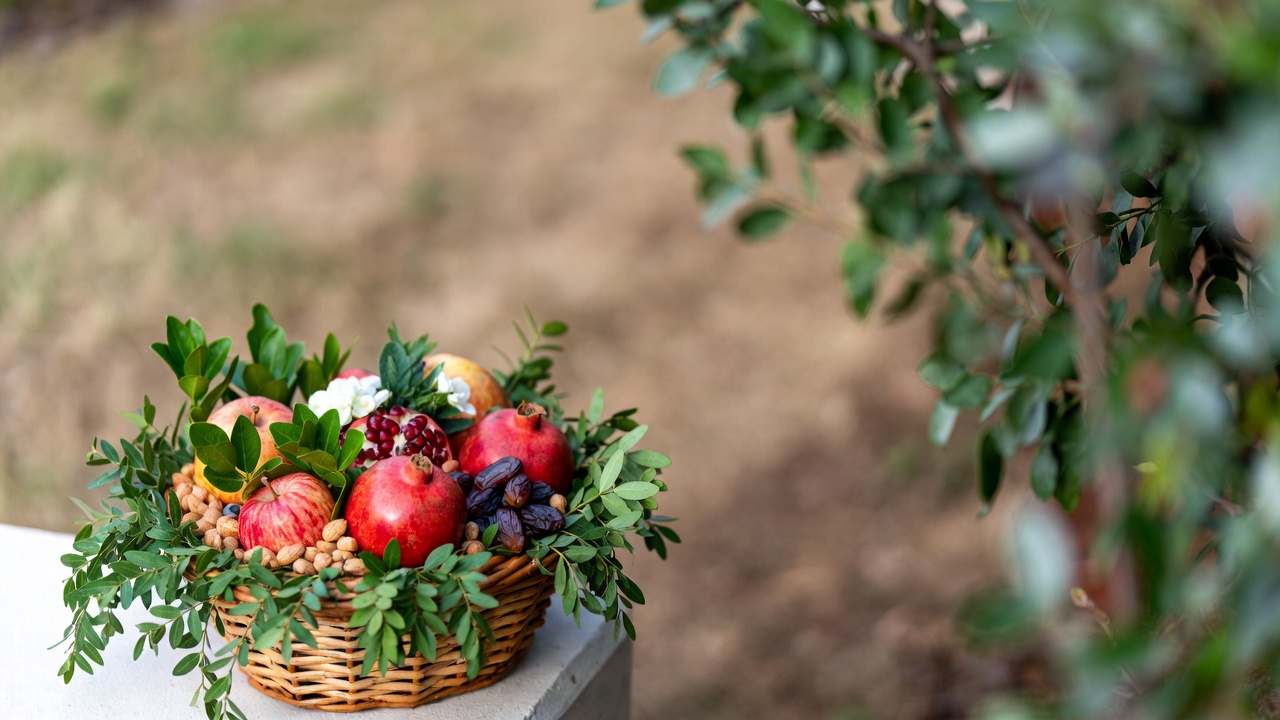
Celebrate the Jewish New Year for Trees with meaningful, environmentally conscious gifts that honor both tradition and our planet.
What Is Tu Bishvat and Why Does It Matter for Sustainability?
Tu Bishvat (ט״ו בִּשְׁבָט) is one of Judaism’s most environmentally significant holidays. Falling on the 15th day of the Hebrew month of Shevat, this celebration is commonly known as the “New Year for Trees” or Rosh HaShanah La’Ilanot. In 2026, Tu Bishvat begins at sundown on Sunday, February 1, and concludes at nightfall on Monday, February 2.
The holiday has ancient agricultural roots. It originally marked the date when farmers in ancient Israel calculated the age of their fruit trees for tithing purposes. Today, Tu Bishvat has evolved into something far more profound. It serves as Judaism’s “Earth Day”—a time for ecological awareness, environmental activism, and reconnecting with nature.
The connection between Tu Bishvat and sustainability runs deep. In contemporary Israel, the day is celebrated as an ecological awareness day, and trees are planted in celebration. Starting especially in North America in the 1980s, Tu BiShvat became treated as the Jewish “Earth Day” – with contemporary communities emphasizing all kinds of actions and activism related to the environment and the natural world.
This makes Tu Bishvat the perfect occasion to give gifts that reflect Jewish environmental values. Choosing sustainable, eco-friendly Judaica isn’t just thoughtful—it’s deeply aligned with the holiday’s core message.
Understanding Bal Tashchit: The Jewish Principle of Sustainability
Before exploring gift ideas, it’s essential to understand the Jewish ethical framework that supports sustainable gift-giving. Bal Tashchit (בל תשחית) is the Hebrew phrase meaning “do not destroy” or “do not waste.”
This principle originates from Deuteronomy 20:19-20, which forbids the cutting down of fruit trees during warfare. The reasoning was both practical and profound—these trees provided sustenance, and their destruction would harm the land and its inhabitants for generations.
The commandment of bal tashchit—do not destroy or waste—has long been considered central to a Jewish environmental ethic. Over time, Jewish sages expanded this principle far beyond fruit trees. In early rabbinic law however, the bal tashchit principle is understood to include other forms of senseless damage or waste. For instance, the Babylonian Talmud applies the principle to prevent the wasting of lamp oil, the tearing of clothing, the chopping up of furniture for firewood, or the killing of animals.
The Reform Judaism movement articulates this beautifully: The Jewish concept of bal tashchit, “do not destroy,” forbids needless destruction. Judaism emphasizes our need to preserve our natural resources and generate new ones for future generations.
When we choose sustainable Tu Bishvat gifts, we’re actively practicing bal tashchit. We’re saying no to wasteful consumption and yes to products that honor the earth.
| Bal Tashchit Principle | Modern Application | Gift-Giving Connection |
|---|---|---|
| Do not destroy fruit trees | Support sustainable forestry | Choose gifts from responsibly sourced materials |
| Avoid wasting lamp oil | Conserve energy | Give beeswax candles or solar-powered items |
| Do not tear clothing needlessly | Reduce textile waste | Select durable, long-lasting Judaica |
| Do not waste food | Minimize food waste | Gift organic, fair-trade dried fruits |
The Seven Species of Israel: Perfect Sustainable Tu Bishvat Gift Ideas
The Seven Species (Shiv’at HaMinim) are seven agricultural products specifically mentioned in the Torah as special products of the Land of Israel. These sacred foods form the foundation of Tu Bishvat celebrations and make excellent, meaningful gifts.
The seven species listed are wheat, barley, grape, fig, pomegranates, olive (oil), and date (date honey) (Deuteronomy 8:8). Their first fruits were the only acceptable offerings in the Temple.
These seven foods carry deep spiritual significance. The seven species are traditionally eaten on Tu Bishvat, the Jewish “New Year for Trees”; on Sukkot, the “Festival of Booths”; and on Shavuot, the “Festival of Weeks”.
Sustainable Seven Species Gift Ideas
1. Organic Dried Fruit Gift Baskets
Premium kosher dried fruit gift baskets featuring dates, figs, and pomegranate seeds make perfect Tu Bishvat presents. Look for products that are:
- Certified organic to avoid harmful pesticides
- Fair-trade certified to ensure ethical sourcing
- Packaged in recyclable or compostable materials
- Sourced from Israeli farms when possible
2. Israeli Olive Oil Sets
Since olives are one of the Seven Species, extra-virgin olive oil from Israel makes an exceptional gift. The olive tree represents peace, faith, and resilience in Jewish tradition. Choose oils that are:
- Cold-pressed for highest quality
- Sold in glass bottles rather than plastic
- Produced by family farms or cooperatives
- Certified kosher
3. Date Honey (Silan)
Date honey or silan is the traditional “honey” referenced in the biblical description of Israel as “a land flowing with milk and honey.” This natural sweetener comes with no added sugars and serves as an eco-friendly alternative to processed sweeteners.
4. Wine from Israeli Vineyards
Grapes represent joy in Jewish tradition. Kosher organic wine from Israeli vineyards combines sustainability with spiritual significance. Many Israeli wineries now practice sustainable viticulture, using:
- Organic farming methods
- Water conservation techniques
- Solar energy for production
- Recycled glass bottles
| Seven Species | Sustainable Gift Option | Environmental Benefit |
|---|---|---|
| Wheat | Organic challah flour | Supports sustainable agriculture |
| Barley | Pearl barley cooking sets | Whole grain, minimal processing |
| Grapes | Organic kosher wine | No pesticides, supports biodiversity |
| Figs | Organic dried figs | No chemical preservatives |
| Pomegranates | Fresh pomegranates or juice | Seasonal, local when possible |
| Olives | Cold-pressed olive oil | Traditional production methods |
| Dates | Organic date honey (silan) | Natural sweetener, no additives |
Eco-Friendly Olive Wood Judaica: Handcrafted Gifts from Israel
Olive wood Judaica represents the pinnacle of sustainable Jewish gift-giving. These handcrafted items connect recipients to the Land of Israel while supporting traditional artisans and sustainable practices.
One of the most striking features of Israeli olive wood is its exquisite grain patterns, with swirling lines and rich, natural hues ranging from golden honey to deep amber. No two pieces are exactly alike, making each olive wood item a unique work of art.
The sustainability of olive wood products is remarkable. Many artisans are strongly committed to sustainable production. All our gifts are made from aged olive wood trees that no longer bear fruit which are carefully selected.
This means that olive wood Judaica:
- Does not require cutting down living trees
- Uses wood from pruned branches or trees past their productive years
- Supports traditional craftsmanship passed through generations
- Creates products that last for decades
Best Olive Wood Judaica Gifts for Tu Bishvat
Olive Wood Mezuzah Cases
A mezuzah marks Jewish doorposts as sacred spaces. Olive wood mezuzah cases are:
- Naturally beautiful with unique grain patterns
- Durable enough to last generations
- Available in various sizes and designs
- Often hand-carved in Israel
Olive Wood Shabbat Candlesticks
Shabbat candlesticks crafted from olive wood bring warmth and tradition to Friday night rituals. These items combine:
- Natural beauty with spiritual purpose
- Sustainability with functionality
- Israeli craftsmanship with universal appeal
Olive Wood Challah Boards
For those who bake challah for Shabbat and holidays, an olive wood challah board serves as both a practical kitchen item and a beautiful ritual object. These boards:
- Feature naturally antimicrobial properties
- Become more beautiful with age and use
- Often include carved Hebrew blessings
Olive Wood Seder Plates
Though traditionally associated with Passover, olive wood seder plates make meaningful gifts that can be given at Tu Bishvat and enjoyed throughout the year.
Sustainable Shabbat and Holiday Items for Eco-Conscious Jewish Homes
The weekly Shabbat observance offers numerous opportunities for sustainable gift-giving. Eco-friendly Shabbat items serve double duty—they enhance ritual observance while reducing environmental impact.
Beeswax Shabbat Candles
Traditional Shabbat candles made from pure beeswax offer significant environmental advantages over paraffin candles:
- Biodegradable and hypoallergenic
- Petroleum-free (unlike paraffin)
- 100% cotton wicks burn cleaner
- Pleasant natural honey scent
- Support beekeepers and pollinator populations
Many families are switching to beeswax candles for their Shabbat and Hanukkah observances. These candles burn longer, brighter, and cleaner than petroleum-based alternatives.
Organic Cotton Challah Covers
Challah covers made from organic cotton or recycled fabrics protect Shabbat bread while reflecting environmental values. Look for covers that are:
- Made from GOTS-certified organic cotton
- Dyed with natural, non-toxic dyes
- Crafted by fair-trade cooperatives
- Featuring hand-embroidered designs
Recycled Metal Kiddush Cups
Modern artisans are creating beautiful kiddush cups from recycled silver and reclaimed metals. These items:
- Reduce demand for new mining
- Support artisan metalworkers
- Create unique, meaningful ritual objects
- Often include certifications of sustainability
Tree Planting Gifts: The Ultimate Tu Bishvat Present
What could be more appropriate for the New Year for Trees than actually planting a tree? Tree planting donations have been a beloved Tu Bishvat tradition for over a century.
The Jewish National Fund has led tree-planting efforts in Israel since its founding in 1901. Jewish National Fund-USA has planted over 265 million trees in Israel. The organization offers certificates that can be given as gifts, documenting trees planted in honor or memory of loved ones.
Tree planting as a Tu Bishvat gift offers:
- Tangible environmental impact
- Emotional significance (honoring loved ones)
- Connection to Israel
- Carbon sequestration benefits
- Habitat restoration
Over a million Israelis take part in the Jewish National Fund’s Tu BiShvat tree-planting activities.
Alternative Tree-Planting Organizations
For those seeking alternatives, several organizations focus on tree planting with different missions:
| Organization | Focus Area | Special Features |
|---|---|---|
| Jewish National Fund | Israel reforestation | Over 265 million trees planted |
| One Tree Planted | Global reforestation | Diverse ecosystem focus |
| Trees for the Future | Africa and tropical regions | Food security emphasis |
| Arbor Day Foundation | North America | Native species focus |
Handmade and Artisan Judaica: Supporting Small Businesses
Choosing handmade Judaica from small artisans offers multiple sustainability benefits:
- Reduced carbon footprint from mass manufacturing
- Support for traditional crafts and craftspeople
- Higher quality items that last longer
- Unique, one-of-a-kind pieces
- Fair wages for skilled workers
More families want eco-friendly textiles, recycled metals, and makers who treat their work as a craft, not just a transaction. That care shows up at your table and aligns with the Jewish value of stewardship.
What to Look for in Artisan Judaica
When shopping for handmade Jewish items, consider:
Materials
- Recycled metals (silver, copper, brass)
- Sustainably sourced wood (olive, acacia)
- Organic fabrics (cotton, linen)
- Reclaimed materials (vintage fabrics, salvaged wood)
Production Methods
- Hand-carving versus machine production
- Traditional techniques passed through generations
- Small-batch creation versus mass manufacturing
Artisan Practices
- Fair labor conditions
- Local sourcing of materials
- Minimal packaging
- Carbon offset shipping options
Sustainable Tu Bishvat Seder Supplies
The Tu Bishvat Seder is a beautiful ritual meal modeled after the Passover Seder. Scholars believe that originally Tu BiShvat was an agricultural festival, marking the emergence of spring. In the 17th century, Kabbalists created a ritual for Tu BiShvat that is similar to a Passover seder.
A Tu Bishvat Seder typically includes:
- Four cups of wine (progressing from white to red)
- Fruits and nuts representing different spiritual levels
- Readings and blessings from traditional texts
Eco-Friendly Tu Bishvat Seder Gift Basket
Create a sustainable Tu Bishvat Seder gift basket including:
Wine Selection
- Two bottles of organic kosher wine (one white, one red)
- Or grape juice for alcohol-free options
- Packaged in recyclable materials
Fruit Assortment
- Organic dried fruits (figs, dates, apricots, raisins)
- Fresh seasonal fruits (pomegranates, oranges, persimmons)
- Raw nuts (almonds, walnuts, pistachios) in bulk packaging
Educational Materials
- Tu Bishvat Haggadah printed on recycled paper
- Seeds for indoor herb gardens
- Information about Jewish environmental teachings
Reusable Items
- Cloth napkins with Hebrew designs
- Wooden serving bowls from sustainable sources
- Beeswax candles for ambiance
Children’s Eco-Friendly Tu Bishvat Gifts
Teaching children about Jewish environmental values starts with thoughtful gift-giving. Sustainable toys and educational items can instill both Jewish identity and ecological awareness.
Seed Planting Kits
Give children the experience of growing their own plants with kits featuring:
- Herb seeds (parsley, basil, mint) for year-round growing
- Fruit tree saplings for outdoor planting
- Biodegradable pots that can be planted directly in soil
- Organic potting soil in compostable bags
Jewish Nature Books
Children’s books about Jewish environmental teachings include titles about:
- The Seven Species and their meanings
- Jewish stories featuring trees and nature
- Tu Bishvat traditions around the world
- Bal Tashchit lessons for young readers
Sustainable Hebrew ABC Blocks
This unique set of Hebrew ABC Baby Blocks is perfect for stacking, safe for little baby mouths (thanks to non-toxic inks), and beautifully designed with letters of the Hebrew alphabet! These blocks are truly a toy that babies will love playing with for years to come as they learn different skills. Plus, this set of beautifully designed blocks is crafted in the USA from sustainable basswood, so you can feel great about your purchase!
Eco-Friendly Art Supplies
Art supplies using plant-based materials allow children to create Tu Bishvat crafts:
- Crayons made from soy wax
- Paints with natural pigments
- Recycled paper in various colors
- Biodegradable glitter (not plastic)
Organic and Fair-Trade Food Gifts for Tu Bishvat
Food plays a central role in Tu Bishvat celebrations. Organic and fair-trade food gifts align perfectly with the holiday’s environmental themes.
Kosher Organic Dried Fruit Collections
Premium dried fruit collections should feature:
- Organic certification (USDA Organic or equivalent)
- Kosher certification from reliable agencies
- No added sugars or sulfites
- Minimal, recyclable packaging
Popular items include:
| Fruit | Seven Species? | Sourcing Considerations |
|---|---|---|
| Dates | Yes | Look for Medjool from Israel or California |
| Figs | Yes | Turkish or California organic preferred |
| Raisins | Yes (grapes) | California organic or Israeli |
| Apricots | No | Turkish organic, unsulfured |
| Prunes | No | California organic |
| Apples | No | Local and organic |
Fair-Trade Chocolate with Jewish Themes
Fair-trade chocolate gelt (coins) and bars offer ethical alternatives to conventional chocolate:
- Cocoa sourced fairly from farmers receiving living wages
- Organic ingredients without pesticides
- Packaging featuring Tu Bishvat themes or Hebrew lettering
- Vegan options available
Specialty Israeli Food Products
Imported Israeli food products connect recipients to the Land of Israel:
- Za’atar spice blend from Israeli farms
- Tahini from sustainable producers
- Halva made with organic sesame
- Israeli olive oil (extra virgin, cold-pressed)
Sustainable Home Décor with Jewish Themes
Jewish home décor items serve as daily reminders of faith and values. Choosing sustainable options ensures these items reflect environmental ethics alongside spiritual significance.
Recycled Glass Judaica
Recycled glass art has become increasingly popular in Judaica:
- Mezuzah cases from Jerusalem glass artists
- Decorative plates featuring Jewish themes
- Vases for Shabbat flowers
- Suncatchers with Hebrew letters or Jewish symbols
Sustainable Textile Art
Wall hangings and tapestries made from sustainable fabrics:
- Organic cotton hamsa tapestries
- Recycled fabric Hebrew letter art
- Naturally dyed Jewish-themed quilts
- Vintage textile upcycled wall art
Living Plants as Décor
Indoor plants combine home décor with environmental benefits:
- Olive tree saplings in decorative pots
- Fig trees (dwarf varieties for indoors)
- Pomegranate bushes for patios
- Herb gardens with Jewish culinary herbs
Eco-Friendly Gift Wrapping Ideas for Tu Bishvat Presents
Sustainable gift-giving extends to how we wrap our presents. The Coalition on the Environment and Jewish Life offers excellent suggestions for eco-friendly gift wrapping.
Furoshiki: The Art of Fabric Wrapping
Furoshiki is the Japanese art of wrapping gifts in fabric. Using reusable cloth for gift wrapping:
- Eliminates paper waste
- Creates a two-in-one gift (fabric becomes part of present)
- Can feature Jewish designs or Hebrew text
- Lasts indefinitely with proper care
Recycled and Plantable Paper
- Seed paper that can be planted after unwrapping
- Recycled kraft paper decorated with stamps
- Newspaper with a decorative ribbon
- Maps of Israel (old or printed)
Natural Decorations
Instead of plastic bows and ribbons:
- Dried flowers from your garden
- Cinnamon sticks tied with natural twine
- Fresh herbs like rosemary sprigs
- Dried citrus slices
- Pressed leaves from autumn
Supporting Jewish Environmental Organizations
A donation to a Jewish environmental organization makes a meaningful Tu Bishvat gift that creates lasting impact.
Key Organizations to Consider
Hazon The largest Jewish environmental organization focuses on:
- Sustainable food education
- Jewish outdoor and environmental programs
- Climate action initiatives
Canfei Nesharim An Orthodox Jewish environmental organization teaching:
- Torah-based environmentalism
- Practical sustainability tips
- Jewish environmental ethics
Coalition on the Environment and Jewish Life (COEJL) Works on:
- Jewish community environmental education
- Policy advocacy
- Green synagogue initiatives
Creating Impact Through Giving
When donating in someone’s honor:
- Request a personalized card explaining the gift
- Choose programs aligned with the recipient’s interests
- Consider recurring monthly donations for sustained impact
- Ask about matching gift opportunities
How to Host a Sustainable Tu Bishvat Celebration
Beyond gifts, the entire Tu Bishvat celebration can reflect environmental values.
Zero-Waste Seder Planning
Before the Event
- Send digital invitations instead of paper
- Plan a vegetarian or vegan menu (lower carbon footprint)
- Use real dishes and cloth napkins (no disposables)
- Shop with reusable bags and containers
During the Event
- Set up composting station for food scraps
- Use LED candles or beeswax alternatives
- Serve local, seasonal foods when possible
- Provide recycling bins clearly labeled
After the Event
- Compost all organic waste
- Send leftovers home with guests in reusable containers
- Clean up with eco-friendly products
- Reflect on environmental commitments for the coming year
Menu Planning with Sustainability in Mind
| Course | Sustainable Option | Seven Species Connection |
|---|---|---|
| Appetizer | Hummus with olive oil drizzle | Wheat (pita), Olives |
| Salad | Fig and pomegranate salad | Figs, Pomegranates |
| Main | Barley risotto with vegetables | Barley |
| Dessert | Date balls with nuts | Dates |
| Drinks | Organic wine, grape juice | Grapes |
The Future of Sustainable Judaica
The market for eco-friendly Jewish products continues to grow as more families seek alignment between their environmental values and religious practice.
Emerging Trends
Technology Integration
- Solar-powered Shabbat timers
- LED eternal lights for synagogues
- Digital haggadot reducing paper use
Material Innovation
- Recycled ocean plastic transformed into Judaica
- Mycelium (mushroom) based materials
- Bamboo and hemp ritual items
Local Production
- Community-supported Judaica programs
- Local artisan marketplaces
- Synagogue craft cooperatives
Conclusion: Celebrating Tu Bishvat with Purpose and Sustainability
Tu Bishvat offers a unique opportunity to align Jewish values with environmental action. The holiday’s core message—honoring trees, celebrating nature, and recognizing our responsibility to care for the earth—naturally leads us toward sustainable choices.
When selecting Tu Bishvat gifts, remember:
- Choose quality over quantity (items that last generations)
- Support artisans and small businesses using sustainable practices
- Consider the full lifecycle of products (sourcing, production, disposal)
- Align gifts with Jewish environmental teachings like bal tashchit
- Make the gift meaningful beyond its material value
The Jewish tradition offers profound wisdom about our relationship with the natural world. As we celebrate the New Year for Trees, may our gift-giving reflect the understanding that we are, as the Torah teaches, stewards of creation—responsible for protecting and preserving the world for future generations.
We are taught, “You shall not stand idly by the blood of your neighbor” (Leviticus 19:16), and to “choose life, that you and your descendants may live” (Deuteronomy 30:20). It follows, then, that Jewish values command us to preserve the earth and its varied life for our sake and for generations to come.
This Tu Bishvat, let your gifts speak to both tradition and sustainability—honoring the past while protecting the future.
Quick Reference: Sustainable Tu Bishvat Gift Guide Summary
| Category | Best Sustainable Options | Price Range |
|---|---|---|
| Food Gifts | Organic Seven Species collections | $25-75 |
| Olive Wood Judaica | Mezuzahs, candlesticks, challah boards | $40-200 |
| Candles | Beeswax Shabbat and Hanukkah candles | $15-50 |
| Tree Planting | JNF or alternative organization certificates | $18-54 |
| Children’s Gifts | Seed kits, wooden toys, nature books | $15-50 |
| Home Décor | Recycled glass art, sustainable textiles | $30-150 |
| Donations | Jewish environmental organizations | Any amount |
Chag Tu Bishvat Sameach! May your celebration bring blessing to your family and healing to our planet.