Every 26 seconds, somewhere in the world, a baby is born with a congenital heart defect. That is not a typo. According to the British Heart Foundation’s 2025 Global Cardiovascular Disease Factsheet, roughly 1.2 million infants each year—an average of 3,300 per day—receive a diagnosis of congenital heart disease (CHD). It is the most common type of birth defect on Earth, and yet many parents still cannot name a single warning sign.
This guide arrives just in time for Congenital Heart Defect Awareness Week 2026, observed globally from February 7 through February 14. The week falls inside American Heart Month and ends on Valentine’s Day—a date that carries a double meaning for the millions of families whose love stories are intertwined with heart surgery scars and oxygen monitors.
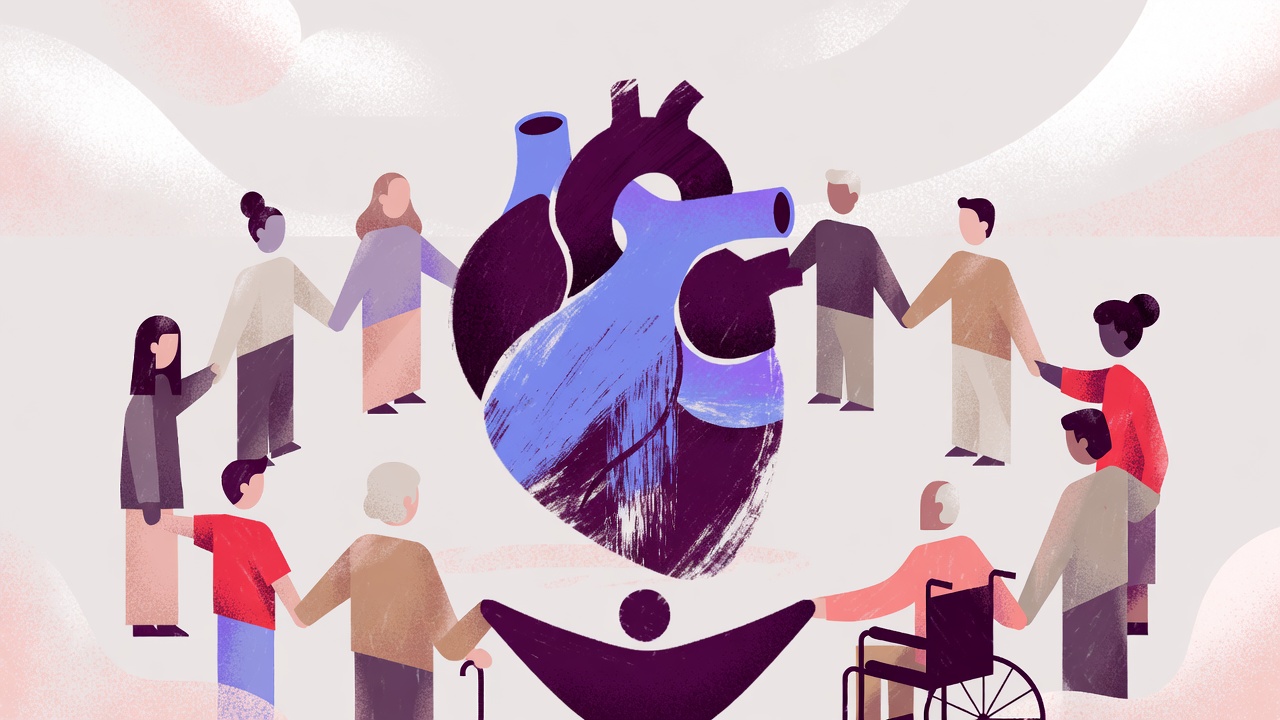
As someone who has spent years traveling the world to document how communities celebrate, grieve, and rally around shared causes, I can tell you this: CHD awareness is one of the few health campaigns that looks and feels the same whether you are in Atlanta, Nairobi, or Mumbai. Parents wear red. Children display their scars with pride. Researchers push for the next breakthrough. The language of a worried heartbeat is universal.
Below, you will find everything you need to know about spotting CHD early—from the nursery to the school playground and beyond.
What Is Congenital Heart Disease and Why Does It Matter in 2026?
Congenital heart disease refers to structural problems in the heart that are present at birth. The word “congenital” simply means “existing from birth.” These defects affect the walls, valves, arteries, or veins of the heart, and they disrupt the normal flow of blood.
CHD is not a single condition. The American Heart Association recognizes at least 18 distinct types of congenital heart defects, with many additional variations. Some are mild and resolve on their own. Others are critical and require surgery within days of birth.
Here is why 2026 is a pivotal year for CHD awareness:
- The American Academy of Pediatrics (AAP) published a landmark update in January 2025 to its newborn screening recommendations for critical CHD. The report introduced a simplified pulse oximetry algorithm and improved data-collection standards.
- In December 2025, the American Heart Association and the American College of Cardiology jointly released new guidelines for managing congenital heart disease in adults, stressing the need for specialized care centers and multidisciplinary teams.
- The Global Burden of Disease (GBD) 2021 study, published in Frontiers in Cardiovascular Medicine in 2025, confirmed that CHD remains the leading cause of mortality among infants and young children due to non-communicable diseases worldwide.
In short, the science is advancing fast. But awareness still lags behind. That gap costs lives.
How Common Is Congenital Heart Disease Worldwide? Key Statistics for 2026
Understanding the scale of CHD helps explain why global awareness campaigns matter. Here are the numbers that define the problem today.
| Statistic | Figure | Source |
|---|---|---|
| Global CHD birth prevalence | ~1 in 100 live births (approximately 1%) | CDC, 2025 |
| Babies affected worldwide each year | ~1.35 million | Project Heart / AARC |
| Americans currently living with CHD | More than 2 million | Children’s Hospital Colorado |
| Babies with a critical heart defect (need surgery in year one) | ~1 in 4 of all CHD births | CDC, 2025 |
| CHD birth prevalence in Asia | 9.3 per 1,000 live births | JACC meta-analysis |
| CHD birth prevalence in Europe | 8.2 per 1,000 live births | JACC meta-analysis |
| Reduction in infant deaths after mandated pulse oximetry screening | 33% (~120 deaths averted per year in the U.S.) | CDC, 2025 |
Asia reports the highest CHD birth prevalence globally. Researchers believe this reflects a mix of genetic, environmental, and socioeconomic factors—along with improved diagnostic access in some countries and limited access in others. The burden falls hardest on low-income nations with high fertility rates, where fewer resources are available for surgical intervention.
What Are the Most Common Types of Congenital Heart Defects?
Not all heart defects are the same. Doctors generally sort them into two broad categories: acyanotic (usually do not cause a bluish skin tone) and cyanotic (often reduce the oxygen level in the blood, causing a bluish tint).
Acyanotic Congenital Heart Defects
These defects typically do not interfere with blood oxygen levels under normal conditions, although symptoms can appear during crying, feeding, or exertion.
- Ventricular Septal Defect (VSD) — A hole in the wall between the two lower pumping chambers. VSD is the most common congenital heart defect overall. Many small VSDs close on their own by age two.
- Atrial Septal Defect (ASD) — A hole between the two upper collecting chambers. ASD is one of the most frequently diagnosed CHDs in adults, and it is twice as common in women as in men.
- Patent Ductus Arteriosus (PDA) — A blood vessel called the ductus arteriosus, which normally closes after birth, stays open. PDA is especially common in premature infants.
- Aortic Valve Stenosis — The valve controlling blood flow from the heart to the body does not open fully. This forces the heart to work harder.
- Coarctation of the Aorta (CoA) — A narrowing of the body’s main artery. CoA can occur alone or alongside other defects.
Cyanotic Congenital Heart Defects
These defects reduce the amount of oxygen reaching the body’s tissues. They often produce visible blueness of the skin, lips, and nails.
- Tetralogy of Fallot (TOF) — A combination of four defects that together reduce blood flow to the lungs. TOF is one of the most common cyanotic defects.
- Transposition of the Great Arteries (TGA) — The two main arteries leaving the heart are switched, causing oxygen-poor blood to circulate through the body. This requires urgent treatment.
- Tricuspid Atresia — The valve between the right atrium and right ventricle does not form at all.
- Total Anomalous Pulmonary Venous Return (TAPVR) — The veins carrying oxygen-rich blood from the lungs connect to the wrong part of the heart.
- Truncus Arteriosus — One single large artery leaves the heart instead of the normal two (the aorta and the pulmonary artery).
Understanding these categories is the first step toward recognizing symptoms early.
Early Signs of Congenital Heart Disease in Newborns and Infants
Many serious heart defects produce symptoms within the first hours or days of life. But others are subtle. They can hide behind common newborn behaviors—fussiness, sleepiness, or slow feeding—that parents might dismiss as normal.
The Cleveland Clinic and NYU Langone Health identify the following key warning signs in newborns:
1. Cyanosis (bluish tint to the skin, lips, or nails) This is perhaps the most recognizable sign. It happens when the blood does not carry enough oxygen. The blue color may appear all the time or may get worse when the baby cries or feeds.
2. Rapid breathing or trouble breathing A baby’s normal resting breathing rate is 30 to 60 breaths per minute. A baby with CHD may breathe faster than this, even at rest. You may also notice flared nostrils or visible rib movement during breathing.
3. Difficulty feeding and poor weight gain Babies with heart defects often tire quickly during feeding. They may sweat heavily around the head while nursing or bottle-feeding. They may take very small amounts and fall asleep before finishing. Over time, this leads to poor weight gain—a red flag that pediatricians watch for closely.
4. Excessive sweating Sweating during feeding or at rest—especially around the head—can indicate that the heart is working harder than it should.
5. Extreme tiredness or sleepiness Certain heart defects cause the body to use up more energy. The result is a baby who seems unusually drowsy, hard to wake, or uninterested in feeding.
6. Heart murmur A heart murmur is an unusual sound heard through a stethoscope. It is not always a sign of CHD—many healthy babies have innocent murmurs. But a murmur combined with other symptoms calls for further testing.
7. Swelling in the legs, belly, or around the eyes When the heart cannot pump blood well, fluid builds up in the body. In infants, swelling may appear around the eyes, in the hands and feet, or in the abdomen.
8. Weak, absent, or unusually rapid pulse A pulse that is hard to feel—or one that races—may point to a structural problem in the heart or blood vessels.
Parent’s tip: Riley Children’s Health reminds parents that “attentiveness to even the most subtle signs and symptoms in your infant is essential.” Trust your instincts. If something feels wrong, ask your pediatrician.
Congenital Heart Disease Symptoms in Older Children and Teenagers
Some forms of CHD are so mild that they produce no symptoms until childhood, adolescence, or even adulthood. The University of Michigan Health notes that a child’s congenital heart disease may be “so mild that symptoms won’t appear until the child is a teenager or young adult.”
Watch for these signs in school-age children and teens:
- Getting unusually tired or short of breath during exercise or sports. A child who cannot keep up with peers during physical education may need a cardiac check.
- Fainting or near-fainting during physical activity. This is a serious symptom that demands immediate medical attention.
- Swelling of the hands, ankles, or feet. Fluid retention in an older child can signal heart trouble.
- Heart palpitations or irregular heartbeat. The child may describe a “fluttering” or “pounding” feeling in the chest.
- Frequent respiratory infections. Some defects increase blood flow to the lungs, which can make a child more prone to pneumonia and other lung infections.
- Slower growth or development than expected. Children whose hearts work overtime may fall behind on growth charts or reach developmental milestones later than their peers.
If your child shows any of these symptoms, a pediatric cardiologist can order an echocardiogram—an ultrasound of the heart—to check the heart’s structure and function. This test is painless, safe, and widely available.
How Is Congenital Heart Disease Detected Before and After Birth?
Modern medicine offers several tools for catching CHD early. The earlier the diagnosis, the better the outcome.
Prenatal Detection: Finding CHD Before Birth
- Routine prenatal ultrasound. Many structural heart defects can be spotted during a standard anatomy scan, usually performed between weeks 18 and 22 of pregnancy.
- Fetal echocardiogram. If a routine ultrasound raises concerns, doctors may order this specialized heart ultrasound. It can detect heart problems as early as the 18th week of pregnancy. A fetal echocardiogram may be recommended if a parent has CHD, if the mother has diabetes, or if other tests suggest a heart-related problem.
Newborn Screening: The Pulse Oximetry Test That Saves Lives
Pulse oximetry is the game-changer. This painless test places a small sensor on a baby’s right hand and one foot to measure the oxygen level in the blood. It takes about five minutes. It costs very little. And it works.
In the United States, pulse oximetry screening for critical CHD was added to the Recommended Uniform Screening Panel in 2011. By 2018, all 50 states had adopted it. The results speak for themselves: mandated screening reduces early infant deaths from critical CHD by 33%, according to the CDC.
The AAP’s January 2025 update brought important changes to the screening process:
- Simplified algorithm. The oxygen saturation must now be ≥95% in both the pre-ductal (right hand) and post-ductal (foot) measurements to pass. Previously, a reading of 95% in either location could lead to confusion.
- Only one retest. Babies who have uncertain results now get one retest instead of two, speeding up the pathway to further evaluation.
- Bonus detection. The screening also catches non-cardiac conditions like sepsis and pneumonia. For every case of critical CHD detected, four or five cases of infections or respiratory problems are identified.
Pulse oximetry is most effective at catching seven specific critical CHDs: hypoplastic left heart syndrome, pulmonary atresia, tetralogy of Fallot, total anomalous pulmonary venous return, transposition of the great arteries, tricuspid atresia, and truncus arteriosus. However, it does not catch every heart defect. That is why screening works best when paired with prenatal ultrasounds and a thorough newborn physical exam.
Diagnostic Tests After Birth
If a newborn shows signs of CHD—or if screening suggests a problem—doctors may order one or more of the following:
| Test | What It Does |
|---|---|
| Echocardiogram | Uses sound waves to create detailed images of the heart’s structure and blood flow |
| Electrocardiogram (ECG/EKG) | Records the heart’s electrical activity to detect rhythm problems |
| Chest X-ray | Shows the heart’s size and shape, plus any fluid in the lungs |
| Cardiac catheterization | A thin tube is threaded through a blood vessel into the heart to measure pressure and oxygen levels |
| Cardiac MRI | Provides highly detailed 3D images of the heart’s anatomy |
Risk Factors for Congenital Heart Disease Every Parent Should Know
Scientists still do not fully understand why many heart defects happen. But research has identified several factors that raise the risk.
Maternal health before and during pregnancy:
- Diabetes before pregnancy (or diabetes that develops in the first trimester) increases the risk of CHD. Carefully managing blood sugar before and during pregnancy can lower this risk.
- Obesity during pregnancy.
- Rubella (German measles) infection during pregnancy.
- Use of certain medications during pregnancy, including some anti-seizure drugs, lithium, and isotretinoin (a skin medication).
- Alcohol or drug use during pregnancy.
Genetic factors:
- Family history of CHD. Adults with congenital heart defects are more likely than the general population to have a child with a heart defect.
- Chromosomal conditions such as Down syndrome, Turner syndrome, and DiGeorge syndrome (22q11.2 deletion). Children with Down syndrome have a particularly high rate of CHD—studies show that atrioventricular septal defects, VSDs, and ASDs are especially common in this group.
- Random genetic mutations that occur during embryonic development.
Environmental exposures:
- Emerging research, including a 2025 study in Pediatric Cardiology, suggests that exposure to endocrine-disrupting chemicals and certain industrial pollutants during pregnancy may be linked to a higher risk of CHD. Research in this area is still developing.
Living with Congenital Heart Disease: What the New 2025 Adult CHD Guidelines Say
Thanks to advances in surgery and medicine, more than 90% of people born with CHD now survive into adulthood. There are more adults living with CHD today than there are children with the condition. This is a triumph of modern medicine—but it also creates new challenges.
The December 2025 AHA/ACC guideline for managing adult congenital heart disease emphasizes three things:
- Specialized care matters. Adults with CHD have better health outcomes when they receive care at an Adult Congenital Heart Disease (ACHD) center. Not every hospital has the expertise to manage these complex, lifelong conditions.
- Transition planning should start early. Planning for the move from pediatric to adult care typically begins between ages 12 and 16. The actual transfer of care often happens between ages 18 and 21.
- Multidisciplinary teams are essential. Adults with CHD benefit from seeing a team of different specialists—cardiologists, pulmonologists, mental health professionals, and others—who can help with complex decisions about surgery, pregnancy, exercise, and daily life.
The message is clear: a CHD diagnosis does not end in childhood. It is a lifelong journey that requires ongoing attention and care.
How to Observe CHD Awareness Week 2026: What Communities Around the World Are Doing
CHD Awareness Week (February 7–14, 2026) is a global event, but it feels deeply personal in every community that takes part. Here is how people are getting involved:
Wear red. Red is the official color of CHD awareness—and of heart health in general. The first Friday of February is also National Wear Red Day in the United States, which kicks off American Heart Month.
Share your heart warrior’s story. On social media, families post photos of children and adults with CHD scars, often using the hashtags #CHDAwareness and #1in100. These images are among the most powerful awareness tools available.
Attend a Congenital Heart Walk. Organized by the Children’s Heart Foundation, these walks raise funds for research into better diagnosis and treatment.
Ask your local officials for a proclamation. Each year, many families request that governors, mayors, or other leaders officially declare February 7–14 as CHD Awareness Week. In 2026, the State of Georgia has already done so.
Volunteer or donate. Organizations like the American Heart Association, the Adult Congenital Heart Association, and Mended Little Hearts rely on community support to fund research, offer family resources, and lobby for better care.
Host a heart-healthy meal. Some communities celebrate with potlucks featuring fruits, vegetables, and whole grains—with heart-shaped decorations, of course.
Quick-Reference Checklist: When to Call the Doctor About Your Baby’s Heart
Print this list. Put it on your refrigerator. Share it with your babysitter and your child’s grandparents.
Call your doctor right away if your baby has:
- [ ] A bluish or grayish color to the skin, lips, or nails—especially during crying or feeding
- [ ] Very fast breathing or visible struggling to breathe
- [ ] Trouble feeding, taking only tiny amounts, or sweating heavily during feeding
- [ ] Unusual sleepiness or difficulty waking for feeds
- [ ] Poor weight gain over multiple weeks
- [ ] Swelling of the belly, legs, feet, or area around the eyes
- [ ] A racing, pounding, or irregular heartbeat
- [ ] Fainting or near-fainting during activity (in older children)
Call emergency services (911 in the U.S.) if your baby:
- [ ] Turns blue suddenly and does not recover quickly
- [ ] Stops breathing or has very labored breathing
- [ ] Becomes limp, unresponsive, or extremely pale
- [ ] Has a seizure
Remember: The National Heart, Lung, and Blood Institute (NHLBI) notes that “symptoms of congenital heart defects depend on many factors,” including the number, type, and severity of the defects. Not every baby will show the same signs. When in doubt, get your child checked.
Frequently Asked Questions About Congenital Heart Disease Symptoms
Can a baby with CHD look completely healthy at birth? Yes. Some babies with critical CHD appear healthy for the first few hours or even days. This is why pulse oximetry screening before hospital discharge is so important. Without it, these babies risk becoming suddenly and seriously ill at home.
Is a heart murmur always a sign of CHD? No. Many healthy babies and children have “innocent” heart murmurs that do not indicate a problem. However, a murmur combined with other symptoms—such as cyanosis, poor feeding, or failure to thrive—should always be evaluated by a doctor.
Can CHD be prevented? There is no guaranteed way to prevent CHD. However, managing health conditions like diabetes before pregnancy, avoiding alcohol and certain medications during pregnancy, getting vaccinated against rubella, and taking prenatal folic acid may reduce the risk. Genetic counseling can also help families with a history of heart defects understand their risk.
Do all children with CHD need surgery? No. Some defects, like small ventricular septal defects, close on their own during childhood. Others may be managed with medication alone. However, about 1 in 4 babies born with CHD will need surgery or other procedures in their first year of life, according to the Children’s Healthcare of Atlanta.
What is the long-term outlook for someone born with CHD? The outlook has improved dramatically. Over 95% of people born with non-critical CHDs survive to age 18. More than 90% of all CHD patients now live into adulthood. But lifelong follow-up with a cardiologist is essential—even after a successful repair. The American Heart Association recommends regular checkups for all CHD patients throughout their lives.
Final Thoughts: Why Awareness Saves Lives During CHD Awareness Week and Beyond
I have visited hospitals in three continents. I have sat with families who stared at monitors in pediatric ICUs. I have seen communities rally around a single child’s surgery fund. And I have watched parents weep with relief when a pulse oximetry test caught what everyone else had missed.
Congenital heart disease is the world’s most common birth defect. It is also one of the most treatable—if it is found in time. The gap between “treatable” and “tragic” is often nothing more than awareness.
This February, during CHD Awareness Week 2026, take five minutes to learn the signs. Share this guide with a new parent. Wear red. Ask your pediatrician about pulse oximetry. Tell your heart warrior’s story.
Because every heartbeat matters. Every single one.