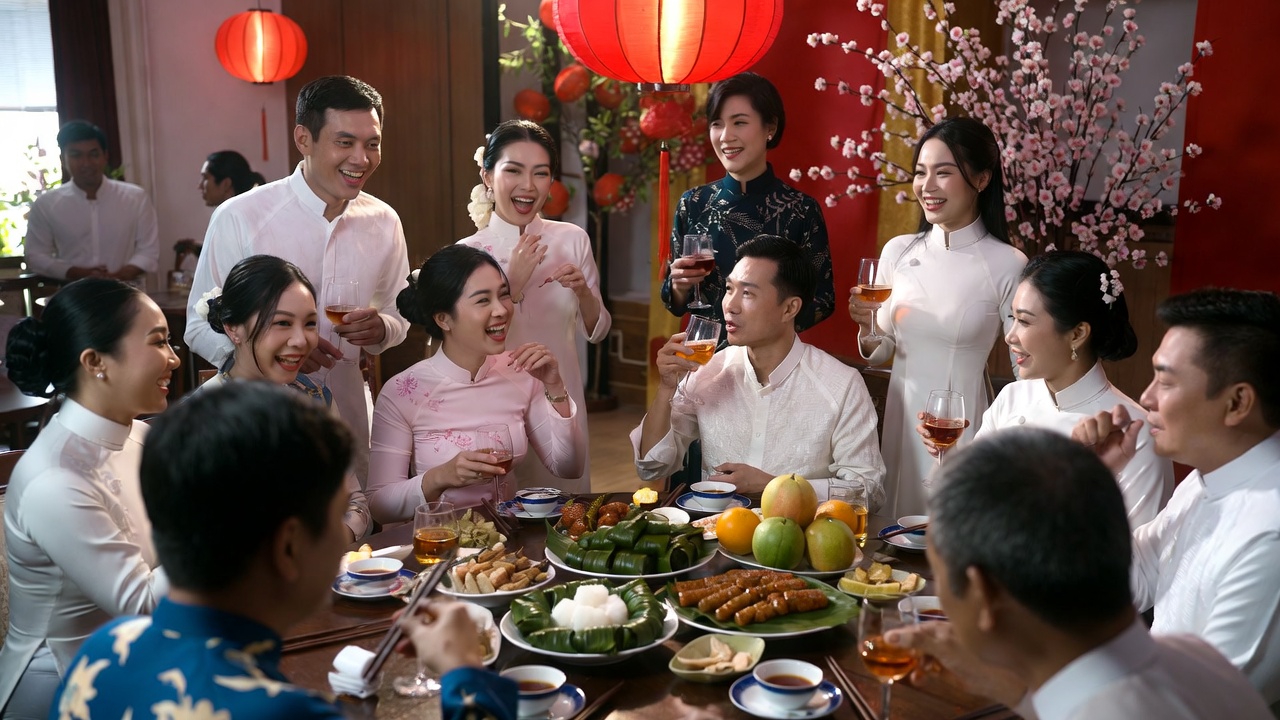
There’s a special kind of magic that descends upon Vietnam every year during Tết Nguyên Đán. Streets transform into rivers of red and gold. The fragrance of bánh chưng steaming over wood fires drifts through neighborhoods. Millions of people pack buses, trains, and motorbikes to make the pilgrimage home to their families. If you’re planning to experience Vietnamese New Year 2026, you’re about to witness one of Asia’s most profound and joyful celebrations.
In this comprehensive guide, we’ll cover everything you need to know about Tết 2026 dates, the official Vietnam Lunar New Year holiday schedule, traditional customs, what to expect as a visitor, and how to fully immerse yourself in this extraordinary cultural experience.
When Is Tết 2026? Vietnamese Lunar New Year Date Explained
Tết Nguyên Đán 2026 officially begins on Tuesday, February 17, 2026, according to the Gregorian calendar. This date marks the first day of the first month in the Vietnamese lunar calendar and ushers in the Year of the Horse (Năm Bính Ngọ).
Here’s a quick breakdown of the key dates:
| Event | Lunar Date | Gregorian Date (2026) |
|---|---|---|
| Kitchen God Day (Ông Táo) | 23rd of 12th Lunar Month | Tuesday, February 10 |
| Lunar New Year’s Eve (Giao Thừa) | 30th of 12th Lunar Month | Monday, February 16 |
| Tết Day 1 (Mùng Một) | 1st of 1st Lunar Month | Tuesday, February 17 |
| Tết Day 2 (Mùng Hai) | 2nd of 1st Lunar Month | Wednesday, February 18 |
| Tết Day 3 (Mùng Ba) | 3rd of 1st Lunar Month | Thursday, February 19 |
| First Full Moon Festival (Tết Nguyên Tiêu) | 15th of 1st Lunar Month | Tuesday, March 3 |
The Vietnamese lunar calendar operates differently from the Gregorian calendar that most of the world uses. It follows the cycles of the moon, meaning Tết falls on a different Gregorian date each year—always somewhere between late January and mid-February. This is why checking the exact Tết 2026 date is essential for travel planning.
Official Vietnam Tet Holiday 2026: How Many Days Off for Workers and Students?
The Vietnamese government has officially announced the Tết 2026 holiday schedule, and it’s good news for workers seeking quality time with their families.
Public Sector and Government Employees
According to the Ministry of Home Affairs, Prime Minister Phạm Minh Chính approved the following schedule:
Total Days Off: 9 consecutive days
From: Saturday, February 14, 2026 (27th day of the 12th Lunar Month)
To: Sunday, February 22, 2026 (6th day of the 1st Lunar Month)
Return to Work: Monday, February 23, 2026
This extended break combines the five statutory Tết holidays with adjacent weekend days, creating a generous nine-day window for family reunions and celebrations.
Private Sector Employees
Under Vietnam’s 2019 Labor Code, workers are entitled to five paid days off for Tết. However, private companies have flexibility in how they arrange these days. Employers may choose:
- One day off before Tết and four days after
- Two days before Tết and three days after
- Three days before Tết and two days after
Companies must announce their holiday schedule at least 30 days in advance. Many businesses, particularly in manufacturing and retail, may extend their closures during the peak celebration period.
Student Holiday Schedule for Tết 2026
Students typically enjoy a longer break than workers. The Vietnamese school holiday for Tết 2026 varies by province and educational level, but most students receive two to three weeks off, allowing families ample time to travel and celebrate together.
Year of the Horse 2026: What Does the Vietnamese Zodiac Predict?
2026 marks the Year of the Fire Horse (Năm Bính Ngọ) in the Vietnamese zodiac. The Horse is the seventh animal in the twelve-year zodiac cycle, and this particular year combines the Horse with the Fire element—a powerful combination that appears only once every 60 years. The last Year of the Fire Horse was 1966.
Characteristics of the Horse in Vietnamese Astrology
In Vietnamese culture, the Horse symbolizes:
- Energy and vitality – The Horse brings dynamic, action-oriented energy
- Independence – A year for bold moves and self-reliance
- Adventure – Opportunities for travel, exploration, and new experiences
- Perseverance – Determination to overcome obstacles
- Success – The Vietnamese phrase “mã đáo thành công” (the horse arrives, success follows) reflects the auspicious nature of this sign
Lucky Elements for the Fire Horse Year
| Category | Lucky Choices |
|---|---|
| Colors | Red, gold, green, purple |
| Numbers | 2, 3, 7, 9 |
| Directions | Southeast |
| Flowers | Peach blossoms, yellow apricot (mai) |
People born in Horse years (1942, 1954, 1966, 1978, 1990, 2002, 2014) should take note: 2026 is their zodiac birth year (năm Bản Mệnh). In Vietnamese tradition, this requires extra caution and the wearing of red items to ward off potential misfortune.
Understanding the Origins and Meaning of Tết Nguyên Đán
Tết Nguyên Đán translates literally as “Feast of the First Morning.” The word “Tết” derives from “Tiết,” meaning seasonal period or festival, while “Nguyên” means first or beginning, and “Đán” means dawn or morning. Together, they capture the essence of this celebration: welcoming the first light of a new year, a new season, and new possibilities.
Historical Roots of Vietnamese New Year
The origins of Tết stretch back thousands of years, intertwining Vietnam’s indigenous agricultural traditions with influences from Chinese culture during the millennium of Chinese rule (111 BC – 938 AD). However, Vietnamese scholars emphasize that many Tết customs predate Chinese influence.
According to the legend of Bánh Chưng Bánh Giầy, recorded in the 14th-century text “Lĩnh Nam chích quái,” Tết was celebrated during the era of the Hùng Kings—Vietnam’s semi-legendary first dynasty. The story tells of Prince Lang Liêu, who created the iconic square rice cake (bánh chưng) and round rice cake (bánh giầy) to honor heaven and earth, winning his father’s throne and establishing a tradition that endures to this day.
Spiritual Significance of Tết
For Vietnamese people, Tết represents far more than a holiday. It embodies:
- Ancestor veneration – A sacred time to honor those who came before
- Family unity – The most important reunion of the year
- Renewal – Sweeping away the old to welcome the new
- Hope – Prayers and wishes for prosperity in the coming year
- Cultural identity – A celebration of what it means to be Vietnamese
Pre-Tết Preparations: The Weeks Leading to Vietnamese New Year
The excitement of Tết builds gradually, with preparations beginning weeks before the main celebration. Understanding these pre-Tết traditions helps visitors appreciate the depth of this cultural moment.
Ông Táo Day: Sending the Kitchen God to Heaven (February 10, 2026)
On the 23rd day of the 12th lunar month—February 10, 2026—Vietnamese families perform one of the year’s most charming rituals: bidding farewell to the Kitchen God (Ông Táo). According to tradition, Ông Táo ascends to heaven to report on the family’s behavior over the past year.
Families prepare offerings including:
- Live carp – Released into rivers or lakes to carry Ông Táo to heaven
- Paper clothes and goods – Burned for Ông Táo’s journey
- Traditional foods – Sticky rice, fruits, and sweets
- New kitchen equipment – Symbolizing a fresh start
This touching ceremony marks the official beginning of the Tết season. After Ông Táo departs, homes enter a period of spiritual transition as families prepare for his return with the new year.
House Cleaning and Decoration Traditions
In the days following Kitchen God Day, a flurry of activity transforms Vietnamese households:
Deep Cleaning (Dọn Dẹp Nhà Cửa) Every corner of the home must be scrubbed clean, symbolizing the sweeping away of bad luck and misfortune. This cleaning must be completed before New Year’s Eve—sweeping during the first days of Tết is taboo, as it risks sweeping away the year’s fresh luck.
Home Decoration (Trang Trí Tết) Homes bloom with symbolic decorations:
- Peach blossoms (Hoa Đào) – Pink flowering branches beloved in Northern Vietnam, believed to ward off evil spirits
- Yellow apricot blossoms (Hoa Mai) – The golden flowers preferred in Southern Vietnam, symbolizing prosperity
- Kumquat trees (Cây Quất) – Small citrus trees laden with fruit, representing abundance
- Red banners and couplets (Câu Đối Đỏ) – Calligraphy wishes for good fortune
- Five-fruit trays (Mâm Ngũ Quả) – Colorful arrangements for ancestral altars
Tết Markets: The Vibrant Heart of New Year Shopping
In the two weeks before Tết, temporary markets spring up throughout Vietnam, transforming streets into rivers of color and commerce. These chợ Tết (Tết markets) offer:
- Fresh flowers and ornamental plants
- Bánh chưng and bánh tét
- Candied fruits (mứt) and sweets
- New clothes for the whole family
- Red envelopes (bao lì xì) for lucky money
- Decorations, lanterns, and festive items
Recommended markets to visit:
| City | Famous Market |
|---|---|
| Hanoi | Quảng Bá Flower Market, Hàng Mã Street |
| Ho Chi Minh City | Bình Đông Flower Market, Nguyễn Huệ Flower Street |
| Hội An | Ancient Town Markets |
| Huế | Đông Ba Market |
Traditional Tết Foods: What Vietnamese Families Eat During Lunar New Year
Food lies at the heart of Tết celebrations. Each dish carries symbolic meaning, connecting families to their ancestors and expressing hopes for the year ahead. If you’re visiting Vietnam during Lunar New Year 2026, sampling these traditional foods offers a delicious window into Vietnamese culture.
Bánh Chưng and Bánh Tét: The Soul of Tết
No Tết celebration is complete without these iconic rice cakes. Bánh chưng—square-shaped and wrapped in green lá dong leaves—dominates Northern Vietnamese tables. Bánh tét—cylindrical and often wrapped in banana leaves—is the Southern equivalent.
Both contain similar ingredients:
- Glutinous rice – Soaked for hours until perfectly soft
- Mung bean paste – Earthy and slightly sweet
- Pork – Traditionally fatty cuts for rich flavor
- Lá dong or banana leaves – Natural wrappers that infuse subtle aroma
The cakes require 10-12 hours of boiling and are traditionally made communally by family members in the days before Tết. This labor-intensive process symbolizes the love and effort families invest in honoring their ancestors.
According to legend, bánh chưng represents the Earth (its square shape) while the round bánh giầy represents Heaven, together embodying the Vietnamese worldview of harmony between earth and sky.
Other Essential Tết Dishes
Thịt Kho Tàu (Caramelized Pork and Eggs)
A Southern specialty featuring pork belly simmered in coconut juice with hard-boiled eggs. The long cooking time makes it ideal for the holiday period when fresh cooking is minimized.
Giò Chả (Vietnamese Ham and Sausage)
These pork-based delicacies appear in two forms: giò (boiled, wrapped in banana leaves) and chả (fried or grilled). They’re sliced thin and served with sticky rice.
Xôi Gấc (Red Sticky Rice)
The brilliant red color comes from the gấc fruit, making this dish visually striking and symbolically auspicious. Red represents luck and happiness in Vietnamese culture.
Dưa Hành (Pickled Onions)
These tangy pickled scallions provide essential contrast to the rich meat dishes, aiding digestion and cleansing the palate.
Thịt Đông (Jellied Pork)
A Northern specialty where pork is cooked until the collagen forms a savory aspic. Served cold in slices, it’s a traditional favorite that requires considerable skill to prepare properly.
Mứt Tết (Candied Fruits)
Trays of colorful preserved fruits—ginger, coconut, lotus seeds, kumquats—are offered to guests along with hot tea. Their sweetness symbolizes wishes for a sweet year ahead.
Regional Variations in Tết Cuisine
Vietnam’s three main regions each bring distinct flavors to the Tết table:
| Region | Signature Dishes | Flavor Profile |
|---|---|---|
| North (Hanoi) | Bánh chưng, thịt đông, nem rán | Subtle, refined |
| Central (Huế) | Bánh tét nhân thịt, nem chua | Spicier, more complex |
| South (Saigon) | Bánh tét, thịt kho tàu, củ kiệu | Sweeter, bolder |
Tết Eve and New Year’s Day: The Heart of Vietnamese Celebrations
Giao Thừa: The Sacred Moment of Transition (February 16, 2026)
New Year’s Eve (Đêm Giao Thừa) represents the most spiritually significant moment of the entire Tết celebration. As the clock approaches midnight on February 16, 2026, families gather for a series of important rituals:
Ancestor Worship Ceremony
Families prepare elaborate offerings on their ancestral altars: bánh chưng, fresh fruits, flowers, incense, and tea. Elders light incense and invite ancestors to return home for the celebration, thanking them for their protection and asking for blessings in the new year.
Countdown and Fireworks
Major cities host spectacular fireworks displays at midnight. In Hanoi, crowds gather around Hoàn Kiếm Lake. In Ho Chi Minh City, the area around the Saigon River transforms into a celebration zone with music, performances, and fireworks illuminating the sky.
First Moments of the New Year
At midnight, family members exchange warm wishes: “Chúc Mừng Năm Mới!” (Happy New Year!). The oldest family members often give lucky money to children and younger relatives.
Xông Đất: The First Visitor of the Year
One of Tết’s most fascinating traditions is xông đất—the belief that the first person to enter a home in the new year determines the family’s fortune for the entire year. Families carefully select their first visitor based on:
- Compatible zodiac sign – Harmonious with the household
- Good character – Positive, successful, well-regarded
- Fortunate circumstances – Healthy, prosperous, happy in their own life
Many families pre-arrange their first visitor, often inviting someone they believe will bring good luck. Some people even hire professional “first visitors” believed to have especially auspicious attributes.
Important: If you’re a tourist in Vietnam during Tết, be mindful of this tradition. Avoid being someone’s first visitor unless explicitly invited, as uninvited appearances could cause concern.
Mùng Một, Mùng Hai, Mùng Ba: The First Three Days of Tết
Each of the first three days of Tết carries specific customs:
Mùng Một (Day 1) – February 17, 2026: Visit Father’s Family
The first day is reserved for visiting the father’s parents and relatives. Children receive lucky money in red envelopes, and families attend temple services to pray for blessings.
Mùng Hai (Day 2) – February 18, 2026: Visit Mother’s Family
The second day traditionally focuses on the mother’s side of the family. Visits to friends may also begin.
Mùng Ba (Day 3) – February 19, 2026: Visit Teachers and Friends
The third day honors teachers, reflecting Vietnam’s deep respect for education. Friends and colleagues also exchange visits and well-wishes.
Lucky Money Tradition: Understanding Lì Xì in Vietnamese Culture
Lì xì (also spelled “lì sì” or called “bao lì xì” for the red envelope itself) is one of Tết’s most beloved traditions. Elders give red envelopes containing crisp new banknotes to children and younger family members, bestowing blessings and good fortune.
The Symbolism Behind Lucky Money
- Red envelopes – Red symbolizes luck, prosperity, and protection against evil spirits
- New banknotes – Fresh, unwrinkled bills represent a clean start
- Even amounts – Money is typically given in even numbers (except four, which sounds like “death” in Vietnamese)
- The act of giving – More important than the amount; it transfers luck and blessings
Lì Xì Etiquette for Visitors
If you’re visiting Vietnam during Tết and wish to participate in this tradition:
- Prepare red envelopes – Available at any Tết market
- Use new bills – Banks often run special promotions for new notes before Tết
- Give appropriate amounts – 50,000 to 200,000 VND is typical for children
- Present with both hands – A sign of respect
- Accept graciously – If offered lì xì, accept with thanks; refusing is impolite
Tết Taboos: Things to Avoid During Vietnamese New Year
Vietnamese New Year comes with a rich set of taboos and superstitions. While modern families may be flexible about these traditions, being aware of them shows cultural respect.
Actions to Avoid During Tết
| Taboo | Reason |
|---|---|
| Sweeping the floor | Sweeps away luck and fortune |
| Breaking dishes | Brings bad luck and conflict |
| Arguing or crying | Sets negative tone for the year |
| Lending or borrowing money | Creates debt energy |
| Wearing black or white | Colors of mourning |
| Using sharp objects | Cuts away good fortune |
| Discussing death or illness | Attracts negative energy |
| Giving unlucky gifts | Clocks (death), scissors (separation), mirrors (bad luck) |
Foods to Avoid (According to Tradition)
Some families avoid certain foods during Tết:
- Squid – Black ink associated with bad luck
- Duck – Sometimes seen as unlucky
- Shrimp – Swim backward, symbolizing regression
- Dog meat – Particularly at the month’s start
Traveling to Vietnam During Tết 2026: Essential Tips for Tourists
Experiencing Tết in Vietnam offers unforgettable cultural immersion, but it requires careful planning. Here’s what you need to know for a successful Vietnam Lunar New Year trip 2026.
Should You Visit Vietnam During Tết?
Advantages:
- Witness authentic cultural celebrations
- Experience temple ceremonies and rituals
- Enjoy spectacular fireworks and decorations
- See Vietnamese families in their happiest moments
- Relatively empty tourist sites (as locals go home)
Challenges:
- Many businesses, restaurants, and shops close
- Transportation is extremely crowded and expensive
- ATMs may run out of cash
- Services are limited, especially in smaller cities
- It’s primarily a family holiday, so tourists are observers
Best Cities to Experience Vietnamese New Year 2026
Hanoi
The capital offers traditional celebrations with a distinctly northern flavor. Visit Quảng Bá Flower Market before Tết, join midnight crowds at Hoàn Kiếm Lake for fireworks, and explore the Temple of Literature for authentic atmosphere.
Ho Chi Minh City
The southern metropolis puts on spectacular shows. Nguyễn Huệ Flower Street transforms into a breathtaking floral exhibition. The Countdown celebration features music, performances, and fireworks visible from the Saigon River.
Hội An
The ancient town’s lantern-lit streets become even more magical during Tết. Lion dances wind through the old quarter, and local families welcome visitors with traditional hospitality.
Huế
As the former imperial capital, Huế celebrates with royal elegance. Historic pagodas fill with worshippers, and the Perfume River reflects lantern light in the evening calm.
Đà Nẵng
Beach lovers can enjoy relatively quiet celebrations while still experiencing fireworks and festivities along the Hàn River.
Practical Travel Tips for Tết 2026
Before You Go:
- Book everything early – Flights, hotels, and transportation fill up fast. Book by January 15 for best availability.
- Carry sufficient cash – ATMs run out; banks close. Have at least a week’s worth of Vietnamese đồng.
- Confirm opening hours – Contact hotels and restaurants to verify they’ll be operating.
- Purchase travel insurance – In case plans change or services are unavailable.
- Learn basic phrases – “Chúc Mừng Năm Mới” (Happy New Year) will earn you many smiles.
During Your Visit:
- Be flexible – Services may be limited or inconsistent.
- Respect family time – Tết is about family; don’t expect extensive tour guide availability.
- Dress appropriately – Red or bright colors for luck; avoid black and white.
- Pack snacks – Shops may close; hotel restaurants may have limited menus.
- Enjoy the atmosphere – The quieter streets offer unique photo opportunities.
What Stays Open During Tết:
| Generally Open | Usually Closed |
|---|---|
| Hotels | Small shops and restaurants |
| Major shopping malls (Aeon, Vincom) | Local markets (reopening after day 2-3) |
| Some tourist restaurants | Government offices |
| Temples and pagodas | Banks |
| Convenience stores (7-Eleven, Circle K) | Many non-essential services |
Vietnamese New Year Greetings: How to Wish People Happy Tết
Learning a few Vietnamese phrases will enhance your Tết experience and delight the locals you meet.
Essential Tết Greetings
| Vietnamese | Pronunciation | Meaning |
|---|---|---|
| Chúc Mừng Năm Mới! | Chook Mung Num Moy | Happy New Year! |
| Năm mới vạn sự như ý! | Num moy van su nyoo ee | May all your wishes come true! |
| Sức khỏe dồi dào! | Sook kway zoi zao | Wishing you abundant health! |
| An khang thịnh vượng! | An kang ting vuong | Wishing you peace and prosperity! |
| Cung chúc tân xuân! | Koong chook tan swan | Respectful New Year wishes! |
When giving or receiving lucky money, you might say:
- “Cảm ơn” (Kam un) – Thank you
- “Xin lì xì” (Sin lee see) – May I have lucky money? (children say this)
Comparison: Vietnamese Tết vs. Chinese New Year 2026
While Tết and Chinese New Year share common roots and fall on the same date in 2026, they have evolved distinct characteristics:
| Aspect | Vietnamese Tết | Chinese New Year |
|---|---|---|
| Name | Tết Nguyên Đán | Chūn Jié (Spring Festival) |
| Zodiac | Horse (Ngựa) | Horse (马 Mǎ) |
| Duration | 3-7 days active celebration | Up to 15 days |
| Iconic Food | Bánh chưng, bánh tét | Jiǎozi (dumplings) |
| Flowers | Peach blossoms (North), Mai (South) | Plum blossoms |
| Zodiac Variations | Cat replaces Rabbit, Buffalo replaces Ox | Standard Chinese zodiac |
| Kitchen God | Rides carp to heaven | Rides horse to heaven |
Both celebrations emphasize family reunion, ancestor worship, red decorations, and lucky money, but the food, decorations, and specific customs reflect each nation’s unique cultural evolution.
Planning Your Vietnam Itinerary Around Tết 2026
Option 1: Full Tết Experience (February 14-22, 2026)
- Feb 14-15: Arrive and explore Tết markets
- Feb 16: Experience Giao Thừa celebrations and midnight fireworks
- Feb 17-19: Witness first days of Tết; temple visits; try traditional foods
- Feb 20-22: As shops reopen, explore local areas; enjoy quieter tourist sites
Option 2: Pre-Tết Cultural Immersion (February 7-16, 2026)
- Feb 7-9: Experience normal Vietnam with Tết preparations beginning
- Feb 10: Witness Kitchen God Day ceremonies
- Feb 11-15: Explore vibrant Tết markets; watch families prepare
- Feb 16: Join Giao Thừa celebrations; depart early morning Feb 17
Option 3: Post-Tết Exploration (February 20-28, 2026)
- Feb 20-22: Catch the tail end of celebrations as businesses reopen
- Feb 23-28: Enjoy spring weather and a Vietnam slowly returning to normal routine
- March 3: Experience Tết Nguyên Tiêu (Lantern Festival)
Frequently Asked Questions About Tết 2026
What date is Vietnamese New Year 2026?
Vietnamese New Year 2026 (Tết Nguyên Đán) falls on Tuesday, February 17, 2026. This is the first day of the first lunar month and marks the beginning of the Year of the Horse.
How long is the Tết holiday in Vietnam?
The official Tết 2026 holiday lasts 9 consecutive days from February 14-22, 2026, combining 5 statutory holidays with adjacent weekends.
What animal year is 2026 in Vietnam?
2026 is the Year of the Fire Horse (Năm Bính Ngọ) in the Vietnamese zodiac.
Is Vietnam good to visit during Tết?
It depends on what you’re seeking. Tết offers unique cultural experiences but comes with challenges including closed businesses, crowded transport, and limited services. Plan carefully and embrace flexibility.
What should I wear during Vietnamese New Year?
Wear bright, festive colors—especially red and gold, which symbolize luck and prosperity. Avoid black and white, which are associated with mourning.
Can tourists participate in Tết celebrations?
Yes! Vietnamese people are generally welcoming of respectful tourists. You can visit temples, watch fireworks, try traditional foods, and observe celebrations. Be mindful of family privacy and cultural customs.
What gifts are appropriate for Tết?
Good Tết gifts include fresh fruits, sweets, tea, wine, or cash in red envelopes. Avoid clocks, scissors, sharp objects, or anything in black or white wrapping.
Conclusion: Embracing the Spirit of Vietnamese New Year 2026
Tết Nguyên Đán 2026 represents far more than a simple holiday marking the passage of time. It embodies the Vietnamese spirit—the deep reverence for ancestors, the unwavering commitment to family, the hope for prosperity, and the joy of new beginnings. As the Year of the Fire Horse gallops in on February 17, 2026, it brings energy, dynamism, and the promise of bold adventures.
Whether you’re a traveler planning to witness this magnificent celebration, a member of the Vietnamese diaspora connecting with your heritage, or simply someone curious about global traditions, understanding Tết opens a window into the heart of Vietnamese culture.
The preparations have begun. Flower markets are stirring to life. Grandmothers are soaking rice for bánh chưng. Children are dreaming of red envelopes. And somewhere, a family is planning their journey home—because in Vietnam, no matter how far you’ve traveled, Tết calls you back to where you belong.
Chúc Mừng Năm Mới! May the Year of the Horse bring you health, happiness, and the courage to chase your dreams.
Planning a trip to Vietnam during Tết 2026? Start booking early and prepare for an unforgettable cultural adventure. Have questions about Vietnamese New Year? Share them in the comments below!
How Vietnamese Families Prepare Their Homes for Tết
The transformation of Vietnamese homes during the Tết period reflects both practical necessity and deep spiritual beliefs. Understanding these preparations provides insight into how families create an environment worthy of welcoming ancestors and new fortunes.
The Art of Tết Altar Arrangement
The ancestral altar (bàn thờ gia tiên) occupies the most honored position in Vietnamese homes. During Tết, this altar receives special attention with carefully arranged offerings:
Essential Altar Elements:
- Incense burner (lư hương) – Central to ancestor communication
- Candlesticks – Typically red or gold
- Fresh flowers – Peach blossoms, mai, or chrysanthemums
- Fruit tray – Five fruits representing the five elements
- Bánh chưng – Symbolic offering of sustenance
- Betel leaves and areca nuts – Traditional hospitality offerings
- Rice wine – Poured into small cups
- Water – Fresh and pure
The arrangement follows specific principles. Items should be placed symmetrically, with offerings presented in odd numbers (considered auspicious). The altar is cleaned thoroughly before Tết and fresh offerings are placed daily during the holiday.
The Five-Fruit Tray: Regional Variations
The Mâm Ngũ Quả (five-fruit tray) demonstrates how Tết customs vary between Vietnam’s regions while maintaining core symbolic meaning.
Northern Vietnam (Miền Bắc):
- Bananas (chuối) – Symbolizing protection
- Pomelos (bưởi) – Wishing for abundance
- Oranges (cam) – Representing prosperity
- Persimmons (hồng) – Hoping for success
- Kumquats (quất) – Bringing good fortune
Southern Vietnam (Miền Nam): The Southern fruit arrangement follows a clever wordplay tradition. The phrase “Cầu Sung Vừa Đủ Xài” (pray for enough to spend) sounds like a list of fruits:
- Mãng cầu (custard apple) – “Cầu” sounds like “pray”
- Sung (fig) – “Sung” means “abundance”
- Dừa (coconut) – “Vừa” means “enough”
- Đu đủ (papaya) – “Đủ” means “sufficient”
- Xoài (mango) – “Xài” means “to spend”
This linguistic creativity reflects the Southern Vietnamese character—practical yet playful.
Traditional Tết Decorations and Their Meanings
Every decoration in a Vietnamese Tết home carries symbolic weight:
| Decoration | Vietnamese Name | Symbolism |
|---|---|---|
| Peach blossom | Hoa đào | Warding off evil spirits; springtime renewal |
| Yellow apricot | Hoa mai | Prosperity and noble character |
| Kumquat tree | Cây quất | Wealth and good fortune (golden fruit) |
| Lucky bamboo | Cây phú quý | Longevity and resilience |
| Red couplets | Câu đối đỏ | Blessings and good wishes |
| Lanterns | Đèn lồng | Guidance and brightness for the year |
| Watermelon | Dưa hấu | Luck (cut open reveals red inside) |
Temple and Pagoda Visits During Vietnamese New Year
Visiting temples and pagodas forms an essential part of Tết celebrations for many Vietnamese families. These spiritual journeys, called đi lễ chùa, represent prayers for blessings in the new year.
When and Why Vietnamese Visit Temples at Tết
Giao Thừa Night (New Year’s Eve):
Many families visit temples at midnight to burn incense at the stroke of the new year. The belief holds that prayers offered at this liminal moment between years carry special power.
First Days of Tết:
Families visit temples to:
- Pray for health, prosperity, and peace
- Make offerings to Buddha and local deities
- Receive blessings from monks
- Draw fortune sticks (xin xăm) for predictions about the year ahead
- Purchase talismans and blessed items
Famous Temples to Visit During Tết 2026
Hanoi:
- Trấn Quốc Pagoda – Vietnam’s oldest Buddhist temple, beautifully situated on West Lake
- Ngọc Sơn Temple – Iconic temple on an island in Hoàn Kiếm Lake
- Quán Sứ Pagoda – Headquarters of Vietnamese Buddhism
- Perfume Pagoda (Chùa Hương) – Major pilgrimage site (festival begins after Tết)
Ho Chi Minh City:
- Vĩnh Nghiêm Pagoda – Stunning architecture combining traditional and modern elements
- Jade Emperor Pagoda – Atmospheric Taoist temple beloved by locals
- Giác Lâm Pagoda – Historic temple with elaborate statuary
Central Vietnam:
- Thiên Mụ Pagoda (Huế) – Iconic seven-story pagoda on the Perfume River
- Linh Ứng Pagoda (Đà Nẵng) – Features Vietnam’s tallest Buddha statue
Temple Etiquette for Visitors
If you visit Vietnamese temples during Tết, observe these customs:
- Dress modestly – Cover shoulders and knees; remove hats
- Remove shoes – Before entering main worship halls
- Walk quietly – Speak softly; avoid disrupting worshippers
- Don’t point – Especially at Buddha images
- Ask before photographing – Some areas prohibit cameras
- Observe from a distance – If unsure about participation
- Bring small offerings – Flowers, fruit, or incense are appropriate
Vietnamese New Year Music and Entertainment
Tết fills Vietnam with distinctive sounds—from traditional folk music to modern pop celebrations. Understanding this auditory landscape enhances the visitor experience.
Traditional Tết Music
Hát Xẩm:
This traditional northern folk music style, performed by itinerant musicians, experiences revival during Tết. The plaintive melodies and poetic lyrics evoke centuries of Vietnamese history.
Nhạc Dân Gian:
Folk songs celebrating spring, family reunion, and new year hopes fill the airwaves. Classic songs like “Xuân Này Con Không Về” (This Spring I Won’t Return Home) evoke powerful emotions for Vietnamese away from family.
Nhạc Xuân:
Spring music, both traditional and modern, dominates radio and television throughout the Tết season. Artists release special Tết songs each year, creating an evolving soundtrack for the celebration.
Television Programming During Tết
Vietnamese television transforms during Tết with special programming:
- Gặp Nhau Cuối Năm (Táo Quân) – The most anticipated comedy show, broadcast on VTV on New Year’s Eve, satirizing the year’s events
- Music specials – Star-studded performances of classic and new Tết songs
- Family dramas – Heartwarming stories of reunion and reconciliation
- Cooking shows – Demonstrating traditional Tết recipes
Modern Celebrations and Nightlife
For visitors seeking contemporary celebration:
Hanoi: The area around Hoàn Kiếm Lake becomes pedestrian-only with street performers, food vendors, and entertainment throughout the holiday.
Ho Chi Minh City: Nguyễn Huệ Walking Street hosts elaborate decorations and entertainment. Rooftop bars offer firework views, though many book out weeks in advance.
Đà Nẵng: The Hàn River waterfront features light shows and celebrations with a more relaxed atmosphere than the major cities.
Tết Traditions for Vietnamese Children
For Vietnamese children, Tết represents pure magic—new clothes, special foods, red envelopes bursting with lucky money, and the joy of extended family gatherings.
New Clothes Tradition
Vietnamese parents traditionally dress their children in completely new outfits for Tết. This practice symbolizes:
- Fresh starts and new beginnings
- Prosperity (ability to afford new clothing)
- Respect for ancestors and guests
- Pride in family and appearance
Children often receive new áo dài (traditional long dress) or modern festive clothing in red, pink, yellow, or other bright colors.
Lucky Money Etiquette for Children
When receiving lì xì, children are taught to:
- Accept the envelope with both hands
- Thank the giver respectfully
- Wish the giver health and happiness
- Not open the envelope in front of the giver
- Save the money (traditionally) or share with parents
The amounts given vary by relationship:
- Grandparents and close relatives: 200,000-500,000 VND
- Aunts, uncles, family friends: 50,000-200,000 VND
- Family acquaintances: 20,000-50,000 VND
Children’s Activities During Tết
Traditional games and activities include:
- Đánh Đu (Swing) – Traditional wooden swings set up in villages
- Đấu Vật (Wrestling) – Folk wrestling competitions
- Kéo Co (Tug of War) – Team competitions between villages
- Ô Ăn Quan – Traditional board game played with stones
- Firecrackers and sparklers – Though large firecrackers are now banned, children enjoy sparklers
- Lion and dragon dance watching – Exciting performances throughout the holiday
Weather in Vietnam During Tết 2026: What to Expect
Planning your wardrobe for Vietnamese New Year requires understanding February weather patterns across the country’s different regions.
Regional Weather Forecast for February 2026
Northern Vietnam (Hanoi and surroundings):
- Temperature: 15-22°C (59-72°F)
- Conditions: Cool, often overcast, light drizzle common
- Pack: Light jacket, layers, rain gear, closed shoes
Central Vietnam (Huế, Đà Nẵng, Hội An):
- Temperature: 20-25°C (68-77°F)
- Conditions: Mild, possible rain in Huế; drier toward Đà Nẵng
- Pack: Light layers, rain jacket, comfortable walking shoes
Southern Vietnam (Ho Chi Minh City, Mekong Delta):
- Temperature: 25-33°C (77-91°F)
- Conditions: Dry season; hot days, pleasant evenings
- Pack: Light, breathable clothing; sun protection; sandals
What Weather Means for Tết Activities
The cooler northern weather actually enhances Tết atmosphere—perfect for hot phở, warming bánh chưng, and gathering around family tables. Southern visitors often envy the more “traditional” Tết weather that northerners experience.
The Significance of Flowers in Vietnamese New Year Celebrations
Flowers play a starring role in Tết celebrations, with specific blooms carrying deep cultural and spiritual significance.
Hoa Đào (Peach Blossoms): The Spirit of Northern Tết
For northern Vietnamese families, Tết without peach blossoms is unthinkable. These delicate pink flowers:
- Symbolize springtime renewal and hope
- Are believed to ward off evil spirits
- Represent longevity (the tree lives many years)
- Create the distinctive aesthetic of northern Tết
The best peach blossoms come from Nhật Tân village in Hanoi, where families have cultivated these trees for generations. Prices for premium branches can reach millions of đồng.
Choosing the perfect branch:
- Look for naturally twisted, artistic shapes
- Buds should be swelling but not fully open (they’ll bloom during Tết)
- Bright pink color indicates healthy blossoms
- Branches should feel supple, not dry
Hoa Mai (Yellow Apricot): Southern Sunshine
In southern Vietnam, the golden mai flower holds equivalent importance. Its symbolism includes:
- Prosperity and wealth (golden color)
- Noble character and integrity
- The warmth of southern sunshine
- Hope for abundant fortune
Mai trees are often kept year-round in southern gardens, pruned to bloom precisely for Tết.
Other Important Tết Flowers
| Flower | Vietnamese Name | Meaning |
|---|---|---|
| Chrysanthemum | Hoa cúc | Longevity and nobility |
| Orchid | Hoa lan | Elegance and refinement |
| Gladiolus | Hoa lay ơn | Remembrance |
| Marigold | Hoa vạn thọ | Wishing long life |
| Cockscomb | Hoa mào gà | Courage and virility |
Vietnamese Diaspora Tết Celebrations Around the World
For the millions of Vietnamese living abroad, Tết represents a powerful connection to homeland and heritage. Major overseas Vietnamese communities host celebrations that bring Tết to international audiences.
Major International Tết Celebrations
United States:
- Little Saigon, Orange County, California – The largest Vietnamese community outside Vietnam hosts elaborate Tết festivals with parades, performances, and traditional foods
- San Jose, California – Grand Tết celebrations in the heart of Silicon Valley
- Houston, Texas – Major celebrations in Midtown
Australia:
- Cabramatta, Sydney – Vibrant Tết festival attracting thousands
- Richmond, Melbourne – Vietnamese community celebrations
France:
- Paris 13th Arrondissement – The Chinatown area celebrates Vietnamese and Chinese New Year together
Canada:
- Vancouver – Significant celebrations in the Vietnamese community
- Toronto – Growing Tết events
These international celebrations offer opportunities to experience Tết traditions without traveling to Vietnam, though they naturally differ from celebrations in the homeland.
Photography Tips for Capturing Vietnamese New Year
Tết offers photographers extraordinary opportunities to capture Vietnamese culture at its most vibrant. Here are tips for meaningful images.
Best Photo Opportunities During Tết 2026
Pre-Tết (February 10-16):
- Flower market chaos and color
- Families shopping for decorations
- Street vendors and food preparation
- Temple cleaning and decoration
- Bánh chưng making sessions
Tết Eve and First Days (February 16-19):
- Midnight fireworks
- Temple worship ceremonies
- Family gatherings (if invited)
- Street decorations
- Lion and dragon dances
- Children in new clothes receiving lì xì
Post-Tết:
- Quieter streets with lingering decorations
- Temple visitors throughout the week
- Reopening markets and returning normalcy
Photography Etiquette
- Always ask permission before photographing people, especially during worship
- Be respectful at temples and family gatherings
- Don’t intrude on private moments
- Share photos with subjects when possible (they often appreciate prints or digital copies)
- Avoid flash in temples and during ceremonies
- Dress appropriately to gain access to events and show respect
Conclusion: Embracing the Spirit of Vietnamese New Year 2026
Tết Nguyên Đán 2026 represents far more than a simple holiday marking the passage of time. It embodies the Vietnamese spirit—the deep reverence for ancestors, the unwavering commitment to family, the hope for prosperity, and the joy of new beginnings. As the Year of the Fire Horse gallops in on February 17, 2026, it brings energy, dynamism, and the promise of bold adventures.
Whether you’re a traveler planning to witness this magnificent celebration, a member of the Vietnamese diaspora connecting with your heritage, or simply someone curious about global traditions, understanding Tết opens a window into the heart of Vietnamese culture.
The preparations have begun. Flower markets are stirring to life. Grandmothers are soaking rice for bánh chưng. Children are dreaming of red envelopes. And somewhere, a family is planning their journey home—because in Vietnam, no matter how far you’ve traveled, Tết calls you back to where you belong.
Chúc Mừng Năm Mới! May the Year of the Horse bring you health, happiness, and the courage to chase your dreams.
Planning a trip to Vietnam during Tết 2026? Start booking early and prepare for an unforgettable cultural adventure. Have questions about Vietnamese New Year? Share them in the comments below!