Discover the magic of Vietnamese New Year celebrations across the country’s most breathtaking destinations
The air carries the fragrance of peach blossoms and incense. Streets glow with crimson lanterns and golden calligraphy. Families gather around steaming pots of bánh chưng, and children dressed in new áo dài eagerly await their lucky red envelopes. This is Tết Nguyên Đán—the Vietnamese Lunar New Year—and there is simply no more profound time to experience the soul of Vietnam than during this sacred celebration.
Tết 2026 arrives on February 17, ushering in the Year of the Fire Horse (Bính Ngọ). The Horse symbolizes energy, freedom, and breakthrough in Vietnamese culture. This year promises to be particularly auspicious, with the government announcing an extended nine-day official holiday from February 14 to February 22, 2026—longer than the typical seven-day break, giving both Vietnamese families and international travelers more time to embrace the festivities.
For the curious traveler, witnessing Tết firsthand offers something no museum or history book can provide: a living, breathing glimpse into traditions that have endured for millennia. You will smell the incense rising from family altars, taste dishes prepared with recipes passed down through generations, and feel the quiet reverence of a nation pausing to honor its ancestors before stepping forward into a new year.
This guide will take you through Vietnam’s finest destinations for experiencing Lunar New Year 2026—from the traditional heart of Hanoi to the sun-drenched beaches of Phú Quốc, from the imperial grandeur of Huế to the lantern-lit waterways of Hội An.
Understanding Tết: What Makes Vietnamese Lunar New Year So Special
Before packing your bags, understanding what Tết means to Vietnamese people will transform your journey from mere tourism into genuine cultural immersion.
Tết Nguyên Đán translates to “Festival of the First Morning of the Year.” Unlike Western New Year celebrations focused on countdown parties and champagne, Tết is fundamentally a family reunion—a time when millions of Vietnamese return to their ancestral homes, no matter how far they have traveled. Train stations overflow, highways fill with motorbikes, and airports run at capacity as the great homecoming unfolds.
The celebration extends far beyond a single day. According to Vietnam Online, the cultural preparation begins weeks earlier with Kitchen God Day (Ông Táo) on February 10, 2026, when families release live carp into rivers to carry the Kitchen Gods to heaven, where they report on the household’s behavior from the past year. Then comes the Giao Thừa (New Year’s Eve) on February 16, 2026—the most emotionally charged moment, when families gather for the transition ceremony at midnight.
The first days of the new year carry tremendous spiritual weight. Vietnamese people believe that everything happening during these initial days determines the fortune of the entire year ahead. This explains many customs you will observe: the careful selection of the first visitor to a home (xông đất), the prohibition against sweeping (which might sweep away good luck), and the preference for wearing red clothing symbolizing prosperity.
Key Dates for Planning Your Tết 2026 Trip
| Event | Lunar Date | Gregorian Date (2026) |
|---|---|---|
| Kitchen God Day (Ông Táo) | 23rd of 12th Lunar Month | February 10 |
| Official Holiday Begins | 26th of 12th Lunar Month | February 14 |
| New Year’s Eve (Giao Thừa) | 30th of 12th Lunar Month | February 16 |
| Tết Day (First Day of Lunar New Year) | 1st of 1st Lunar Month | February 17 |
| Official Holiday Ends | 4th of 1st Lunar Month | February 22 |
| First Full Moon Festival (Tết Nguyên Tiêu) | 15th of 1st Lunar Month | March 3 |
Practical Considerations: Planning Your Vietnam Tet Holiday 2026
Traveling during Tết requires more strategic planning than visiting Vietnam at other times. The rewards are immense, but so are the logistical challenges if you arrive unprepared.
What to Expect During the Holiday Period
Service closures vary dramatically. Government offices, banks, museums, and family-run shops typically close from February 16-18 (the core celebration days). However, the tourism industry operates at full capacity, and major hotels, resorts, and travel companies remain open to accommodate visitors.
Prices increase significantly. Accommodation rates often rise 50-100% during Tết, and domestic flights book out months in advance. According to Agoda’s 2026 Travel Trends report, domestic travel interest increased by 22% compared to the previous year, making early booking essential.
Transportation requires advance planning. Trains, buses, and domestic flights fill rapidly. Vietnam Paradise Travel recommends booking accommodations and transport 3-4 months in advance—meaning you should finalize arrangements by October or November 2025 for Tết 2026.
Essential Booking Timeline for Tết 2026
| Timeframe | Action |
|---|---|
| September-October 2025 | Research itinerary, contact tour operators |
| November 2025 | Book international flights (prices still reasonable) |
| November-December 2025 | Reserve accommodations, domestic flights, tours |
| January 2026 | Last-minute bookings possible but expect 50-100% premium |
Practical Travel Tips for Tết
- Carry cash. Many ATMs run out during the holiday, and banks close temporarily.
- Build flexibility into your itinerary. Some attractions may close unexpectedly; have backup plans.
- Download ride-hailing apps. Grab continues operating during Tết when traditional taxis may be scarce.
- Respect local customs. Avoid wearing black or white (colors associated with funerals). Red and yellow are ideal.
- Learn basic Vietnamese greetings. “Chúc Mừng Năm Mới” (Happy New Year) will earn you warm smiles everywhere.
Hanoi: The Traditional Heart of Vietnamese New Year Celebrations
There is no image more surreal than Hanoi on the morning of the first day of Tết. The usually chaotic capital—famous for its rivers of motorbikes and perpetual honking—falls into remarkable silence. Grand boulevards and ancient alleyways empty, broken only by temple bells and the soft greetings of families dressed in their finest áo dài.
For travelers seeking the most authentic traditional Tết experience, Hanoi offers an unparalleled window into centuries-old customs. The city embodies the deep-rooted northern traditions of the holiday, where ritual and reverence hold precedence over commercial celebration.
Best Places to Experience Tet in Hanoi Old Quarter
The Old Quarter (Phố Cổ) transforms completely during Tết. In the weeks before the holiday, streets like Hàng Mã overflow with decorations—silk lanterns, paper offerings, and calligraphy scrolls in red and gold. The energy is intoxicating as families rush to complete their preparations.
Quảng Bá Flower Market becomes a mandatory pilgrimage in the days before Tết. Operating through the night, this wholesale market supplies the peach blossoms (hoa đào) and kumquat trees (cây quất) that no northern Vietnamese home can be without during the celebration. The peach blossoms represent spring’s arrival, while kumquats symbolize prosperity—their golden fruits resembling coins.
Once Tết arrives, head to Hoan Kiem Lake on New Year’s Eve to witness the spectacular fireworks display. The lake’s reflection doubles the visual splendor, and the crowds—dressed beautifully and in celebratory spirits—create an atmosphere of collective joy rarely experienced elsewhere.
Temples and Pagodas for New Year Blessings in Hanoi
Visiting pagodas during the first days of Tết is essential for understanding Vietnamese spiritual life. Ngọc Sơn Temple (Temple of the Jade Mountain) on the northern end of Hoan Kiem Lake receives thousands of visitors who come to pray for good fortune, academic success, and family health.
Trấn Quốc Pagoda, the oldest Buddhist temple in Hanoi dating to the 6th century, offers a more contemplative experience. Located on a small island in West Lake, its ancient bodhi tree and elegant stupas create a serene setting for reflection at the year’s beginning.
The Temple of Literature (Văn Miếu) holds particular significance during Tết. Vietnam’s first university, founded in 1070, now hosts calligraphers who create personalized scrolls with auspicious characters—Phúc (Happiness), Lộc (Prosperity), Thọ (Longevity). Commissioning such a scroll makes a meaningful souvenir and supports traditional art.
What to Eat During Tet in Hanoi
Northern Vietnamese Tết cuisine centers on bánh chưng—the square sticky rice cake filled with mung bean paste and pork, wrapped in banana leaves. The story behind this cake dates to the Hùng Kings period, representing the earth in Vietnamese cosmology. Families traditionally gather days before Tết to prepare bánh chưng together, making it an act of reunion as much as cooking.
Other essential northern Tết dishes include:
- Giò lụa (pork sausage): Silky smooth and savory
- Dưa hành (pickled onions): Adds tangy balance to rich meats
- Thịt đông (jellied pork): A northern specialty requiring cool weather
- Mứt Tết (candied fruits): Offered to guests symbolizing sweet wishes
Many family-run restaurants close during the core holiday, but hotel restaurants and some establishments in tourist areas remain open. Consider booking a cooking class before Tết to learn preparing these dishes yourself—several establishments in the Old Quarter offer such experiences.
Hanoi Weather During Tết 2026
February in Hanoi brings cool, pleasant weather with temperatures ranging from 15°C to 20°C. The climate is typically dry, though occasional drizzle can occur. Pack layers—mornings and evenings feel crisp, while midday can warm considerably. This cooler weather perfectly complements the season’s comfort foods and long walks through historic streets.
Ho Chi Minh City: Vibrant Southern Tet Celebrations and Nguyen Hue Flower Street
If Hanoi represents Tết’s contemplative northern soul, Ho Chi Minh City (Saigon) embodies its vibrant southern expression. The country’s largest metropolis never truly sleeps, and during Tết, its energy transforms rather than diminishes. The celebrations here feel more outward, more colorful, and more accessible to visitors.
Nguyen Hue Flower Street Festival 2026
The crown jewel of Saigon’s Tết celebrations is the Nguyen Hue Flower Street (Đường Hoa Nguyễn Huệ)—a kilometer-long installation transforming the city’s main pedestrian boulevard into a breathtaking floral wonderland.
According to Tuoi Tre News, the 2026 edition will feature giant Horse sculptures as its centerpiece, celebrating the Year of the Fire Horse. The main mascot, inspired by the legendary hero Thánh Gióng, stretches approximately nine meters long and rises seven meters tall—a spectacular tribute to Vietnamese mythology and craftsmanship.
Nguyen Hue Flower Street 2026 opens at 7:00 PM on February 15 and runs for eight days through February 22. The display combines elaborate floral arrangements—predominantly in Tết’s traditional red and yellow—with art installations, cultural performances, and modern LED lighting technology. Major installations remain on display until March 22 for those arriving after the core holiday.
Tao Dan Park Flower Festival
Running parallel to Nguyen Hue, the Tao Dan Flower Festival offers a more intimate experience. This park-based celebration showcases rare orchids, bonsai trees, and competitive flower arrangements from gardeners across southern Vietnam. The atmosphere feels more local, with families picnicking and children playing among the blooms.
District 5: Chinese-Vietnamese Tet Celebrations
Ho Chi Minh City’s District 5 (Chợ Lớn) hosts the largest ethnic Chinese community in Vietnam. Here, Tết takes on distinctive Sino-Vietnamese characteristics, with lion dances, dragon parades, and temples overflowing with devotees. The Thiên Hậu Temple (Chùa Bà Thiên Hậu) becomes particularly active, with incense coils hanging from ceilings and prayers offered to the Sea Goddess.
Southern Tet Cuisine: Different Flavors, Same Spirit
Southern Tết food differs noticeably from the north. Here, bánh tét replaces bánh chưng—a cylindrical rather than square sticky rice cake, often colored green with pandan leaf. The filling remains similar, but the shape supposedly represents the log carried by soldiers during ancient campaigns.
The south’s signature dish is thịt kho tàu (caramelized braised pork with eggs), simmered in coconut water until the meat reaches fork-tender perfection. Paired with dưa giá (pickled bean sprouts), this rich-and-sour combination defines southern Tết tables.
Ho Chi Minh City Weather During Tết 2026
February marks peak dry season in the south, with temperatures around 25°C to 32°C and abundant sunshine. Evenings remain warm, perfect for strolling through Nguyen Hue’s illuminated displays. Pack light, breathable clothing and sun protection.
Hoi An: Lantern Festival Magic and Ancient Town Charm During Lunar New Year
If you could choose only one destination to experience Tết in Vietnam, many seasoned travelers would point you toward Hội An. This UNESCO World Heritage Site, with its centuries-old merchant houses and atmospheric waterfront, becomes nothing short of magical during the Lunar New Year period.
Why Hoi An Is Perfect for Tet Travel
Unlike larger cities where many businesses close, Hội An’s tourism-oriented economy means restaurants, shops, and attractions largely remain operational. The town’s famous tailors keep working, street food vendors serve their specialties, and boat rides along the Thu Bồn River continue uninterrupted. For travelers concerned about closures disrupting their plans, Hội An offers the best of both worlds: authentic cultural immersion without service disruptions.
Hoi An Lantern Festival During Tet Nguyen Tieu 2026
Hội An hosts its monthly Full Moon Lantern Festival on the 14th day of each lunar month, when the ancient town extinguishes electric lights and illuminates its streets solely with silk lanterns and candles. During Tết, this tradition reaches its apex.
The Tết Nguyên Tiêu Festival (First Full Moon Festival) falls on March 3, 2026, spanning three days from the 14th to 16th of the first lunar month. According to Vietnam Paradise Travel, this celebration was recognized as a National Intangible Cultural Heritage in 2023, underscoring its cultural significance.
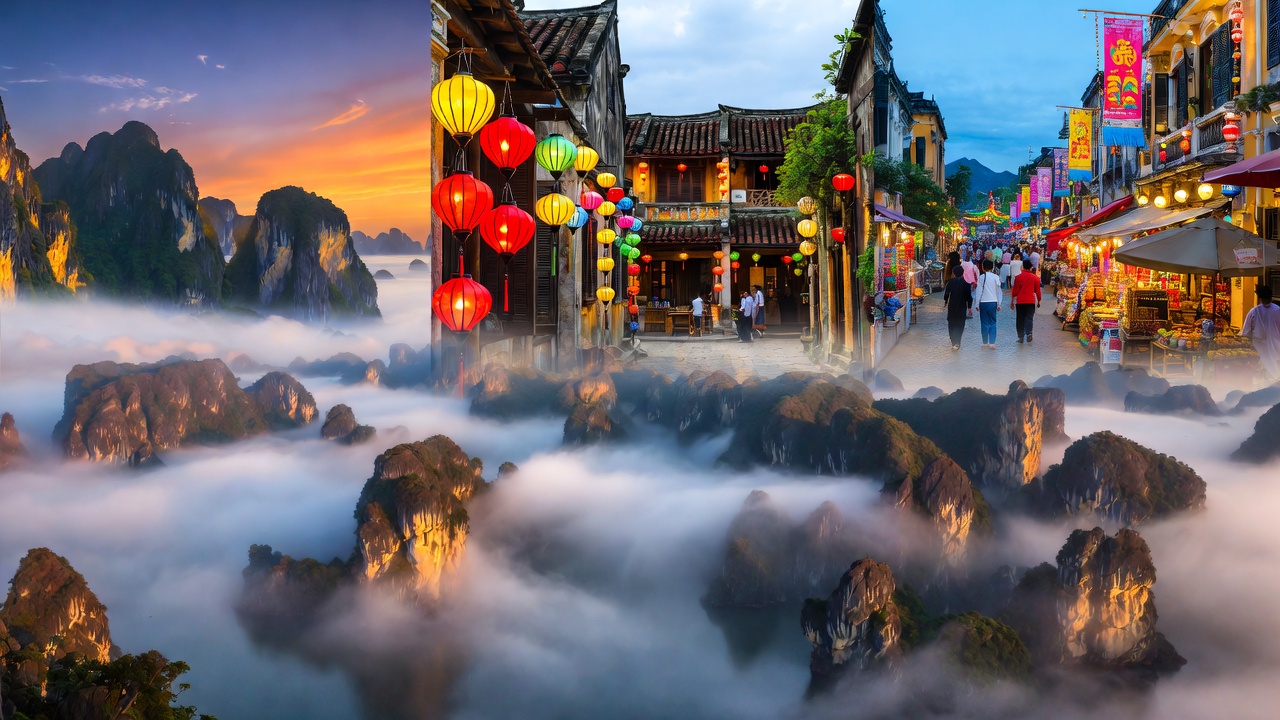
The experience is unforgettable. As darkness falls, thousands of silk lanterns in every imaginable color—red, gold, blue, pink, turquoise—glow along narrow streets and reflect in the dark waters of the Hoài River. Visitors can purchase floating paper lanterns, make a wish, and release them onto the water, watching their hopes drift downstream with hundreds of others.
Best Spots for Tet Celebrations in Hoi An Ancient Town
The heart of the celebration lies within the Ancient Town’s pedestrian zone, where vehicles are prohibited during festival nights. Key locations include:
- Japanese Covered Bridge (Chùa Cầu): The town’s iconic 16th-century bridge becomes a focal point for photography and gatherings
- Bach Dang and Nguyen Phuc Chu Streets: The riverside walkways offer prime lantern-viewing
- Nguyen Thai Hoc Street: Shop-lined streets glow with hanging lanterns
- Temples and Assembly Halls: Chùa Ông, Đình Sơn Phong, and various Chinese congregation halls host prayer ceremonies
Hoi An Cooking Classes and Culinary Experiences
The cooking class scene in Hội An ranks among Vietnam’s best, and Tết provides unique opportunities. Several establishments offer special Lunar New Year cooking workshops where you can learn preparing bánh tét, spring rolls, and other holiday specialties with local chefs who share family recipes passed through generations.
Start your morning at the Hội An Central Market, purchasing fresh ingredients with guidance from your instructor. The market itself buzzes with pre-Tết energy, vendors selling everything from live poultry to intricate fruit arrangements for ancestral altars.
Day Trips from Hoi An During Tet
Hội An’s central location makes it an excellent base for exploring:
- My Son Sanctuary: The ancient Cham temple ruins, a UNESCO site, offer peaceful exploration during the holiday when domestic tourist crowds thin
- An Bang Beach: The nearby coastline provides relaxation between cultural activities
- Marble Mountains (Ngũ Hành Sơn): These limestone karsts with Buddhist grottoes lie just 25 km away near Da Nang
Hoi An Weather and Practical Information for Tet 2026
Central Vietnam enjoys mild conditions in February, with temperatures around 20°C to 25°C. While generally dry, occasional light rain can occur. Pack layers for evening river walks and comfortable walking shoes for the cobblestone streets.
Accommodation fills extremely fast for Tết and the surrounding Lantern Festival. Sun Getaways Travel recommends booking 8-10 weeks before your trip, meaning reservations for March’s Tết Nguyên Tiêu should be finalized by December 2025.
Da Lat: The City of Eternal Spring and Vietnam’s Top Domestic Tet Destination
Perched 1,500 meters above sea level in the Central Highlands, Đà Lạt offers an entirely different Tết experience—one defined by cool mountain air, French colonial architecture, and flower-filled valleys. According to Agoda’s 2026 Tet Travel Trends report, Da Lat remains the top domestic destination for Tết 2026, with search interest increasing 44% compared to the previous year.
Why Vietnamese Families Choose Da Lat for Tet
Vietnamese families love Đà Lạt for its escape from lowland heat, scenic beauty, and romantic atmosphere. The city earned its nickname “City of Eternal Spring” (Thành phố Ngàn Hoa) for temperatures that rarely exceed 25°C, even in summer. During Tết, when Ho Chi Minh City swelters, Đà Lạt offers cool evenings perfect for sweater weather and hot pot dinners.
The region’s flower cultivation industry means spectacular blooms year-round, but the festive season brings special displays. The Da Lat Flower Festival, though biennial with dates to be confirmed for 2026, showcases the region’s horticultural excellence through exhibitions, parades, and art installations.
Exploring Da Lat’s French Colonial Heritage
French colonizers developed Đà Lạt as a hill station retreat in the early 20th century, and their architectural legacy remains remarkably intact. The Dalat Palace Hotel, built in 1922, provides luxurious accommodation within a lovingly preserved colonial structure. The Domaine de Marie Church, with its distinctive pink exterior and stained glass windows, offers both architectural interest and functioning religious services.
Xuan Huong Lake forms the city’s centerpiece, surrounded by parks perfect for evening strolls. Rent a swan paddle boat for kitschy romance or simply walk the perimeter as mist settles over the water at dusk.
Natural Attractions Near Da Lat
The highlands surrounding Đà Lạt offer exceptional natural beauty:
- Langbiang Mountain: A 12km climb or jeep ride rewards with panoramic views across the plateau
- Datanla Waterfall: Adventure seekers can zipline or ride an alpine coaster down to the falls
- Valley of Love (Thung Lũng Tình Yêu): Cheesy but beloved by domestic tourists, with flower gardens and photo opportunities
- Coffee plantations: The Central Highlands produce Vietnam’s finest arabica; several estates offer tours and tastings
Da Lat Cuisine: Highland Specialties
Đà Lạt’s cooler climate produces exceptional vegetables, strawberries, and artichokes unavailable in lowland Vietnam. Local specialties include:
- Bánh căn: Small rice cakes cooked in clay molds, served with fish sauce and spring onion
- Nem nướng Đà Lạt: Grilled pork sausages with rice paper wraps
- Strawberries with condensed milk: Simple but memorable
- Avocado ice cream: Unexpectedly delicious and available throughout the city
The Đà Lạt Night Market on Nguyễn Thị Minh Khai Street offers the full culinary experience, with vendors selling everything from grilled corn to hot soy milk.
Da Lat Tet Accommodation and Weather
February temperatures range from 15°C to 22°C, with cool evenings dipping lower. Pack a warm jacket—you will need it. The dry season ensures pleasant weather for outdoor activities.
Hotels and resorts fill rapidly, particularly properties with mountain views and romantic ambiance that attract Vietnamese couples. Book early and consider properties outside the city center for better availability and quieter surroundings.
Phu Quoc Island: Beach Paradise for Lunar New Year Escapes
For travelers seeking warmth, relaxation, and guaranteed sunshine during Tết, Phú Quốc Island stands as the undisputed champion. This tropical paradise in the Gulf of Thailand has risen to become the second most popular domestic destination for Tết 2026, with Agoda reporting a 41% increase in search interest—overtaking Nha Trang for the first time.
Why Phu Quoc Is Perfect for Tet Beach Holidays
By mid-February, Phú Quốc enters the heart of its finest season: calm turquoise waters, cloudless skies, low humidity, and virtually zero rainfall. While northern Vietnam shivers through winter’s tail and families huddle indoors for traditional celebrations, Phú Quốc offers barefoot beach walks and sunset cocktails.
The island’s fully developed tourism infrastructure means Tết closures barely affect visitors. International resorts, high-end restaurants, and entertainment complexes operate continuously. This makes Phú Quốc ideal for travelers who want to experience Vietnamese culture without the service disruptions common in smaller towns.
Best Beaches on Phu Quoc Island
Long Beach (Bãi Dài and Bãi Trường) stretches along the western coast, offering spectacular sunset views. The northern section remains relatively undeveloped, while the southern section hosts most major resorts.
Sao Beach (Bãi Sao) on the southeastern coast features powder-white sand and shallow, brilliantly clear water—arguably the island’s most photogenic stretch.
Ong Lang Beach provides a quieter alternative, with several boutique resorts set among palm groves.
Family-Friendly Attractions on Phu Quoc
Phú Quốc excels at family entertainment, making it popular with Vietnamese families traveling with children during the extended holiday:
- VinWonders Phú Quốc: Vietnam’s largest theme park features roller coasters, a water park, an aquarium, and a safari zone
- Vinpearl Safari: Home to over 3,000 animals across 380 species, with both open-range and walking safari experiences
- Cable car to Hon Thom: The world’s longest over-sea cable car spans nearly 8 km to an island waterpark
Phu Quoc Culinary Experiences
The island’s reputation rests partly on its fish sauce (nước mắm) production—considered Vietnam’s finest. Several factories offer tours where you can witness the traditional fermentation process and purchase bottles to bring home.
Fresh seafood dominates menus. The Night Market in Duong Dong town offers the full range: grilled scallops, sea urchin, crab, and countless fish species prepared to order. Prices remain reasonable compared to resort restaurants.
Phú Quốc pepper represents another local specialty. The island’s volcanic soil produces exceptional peppercorns—visit a pepper farm to learn about cultivation and taste the difference fresh pepper makes.
Practical Information for Phu Quoc During Tet
February weather averages 27°C to 34°C with minimal rainfall and low humidity—essentially perfect beach conditions. Pack sunscreen, light clothing, and swimwear.
The island connects to the mainland via frequent flights from Ho Chi Minh City, Hanoi, and other cities. During Tết, flight prices spike and seats sell quickly. Book both flights and accommodation well in advance, particularly if targeting specific resorts or beachfront properties.
Hue: Imperial Grandeur and Contemplative Tet Traditions
The former imperial capital of Vietnam offers perhaps the most historically significant Tết experience. Huế served as the seat of the Nguyễn Dynasty from 1802 to 1945, and its royal traditions continue coloring local celebrations today. For travelers interested in Vietnam’s monarchical past and contemplative spirituality, no destination compares.
The Imperial Citadel During Lunar New Year
The Huế Imperial Citadel, a UNESCO World Heritage Site, provides the focal point for understanding Vietnam’s royal heritage. During Tết, the citadel’s grounds become particularly atmospheric, with traditional ceremonies and cultural performances bringing history to life.
The Forbidden Purple City within the citadel, once accessible only to the emperor and his household, now welcomes visitors to explore its reconstructed pavilions and gardens. The ongoing restoration work has returned much of the complex’s former splendor.
Perfume River and Royal Tombs
The Perfume River (Sông Hương) winds through Huế, and boat cruises along its banks offer serene perspectives on the city’s pagodas and gardens. During Tết, the river takes on particular significance as families visit ancestral graves and tombs to pay respects before the new year.
The Royal Tombs scattered in the hills south of Huế each reflect the personality of the emperor who built them:
- Tomb of Tự Đức: Poetic and romantic, set around a lotus pond
- Tomb of Minh Mạng: Symmetrical and Confucian in design
- Tomb of Khải Định: Eclectic and ornate, blending European and Asian elements
Hue Tet Cuisine: Royal Flavors and Local Delicacies
Huế cuisine stands apart from both northern and southern Vietnamese cooking, characterized by complex flavors, artistic presentation, and a legacy of royal kitchen traditions. Tết brings special dishes to local tables:
- Bánh chưng Huế: The local version includes additional ingredients like lotus seeds
- Nem lụi: Grilled pork on lemongrass skewers
- Bánh bột lọc: Translucent tapioca dumplings filled with shrimp and pork
- Royal jams and desserts: Intricate confections developed for the imperial court
Many restaurants close during core Tết days, but hotel restaurants and select establishments near the citadel remain open. The Dong Ba Market offers excellent street food and provides fascinating pre-Tết shopping atmosphere.
Pagodas and Temples in Hue During Tet
Huế’s spiritual life centers on its numerous pagodas, where locals and visitors gather for prayers during the new year:
- Thiên Mụ Pagoda: The city’s most iconic temple, with its seven-story pagoda overlooking the Perfume River
- Từ Hiếu Pagoda: Associated with Zen master Thích Nhất Hạnh, offering peaceful contemplation
- Linh Mụ Pagoda: Active with worshippers during Tết, providing authentic spiritual atmosphere
Hue Weather and Travel Tips for Tet 2026
Huế’s weather in February can be unpredictable, with temperatures around 18°C to 24°C and possibility of overcast skies or light drizzle. The atmospheric conditions—mist over the Perfume River, soft light filtering through clouds—create evocative photography opportunities, though visitors should pack rain gear.
The city suits travelers seeking a slower, more contemplative pace. Unlike bustling Hanoi or vibrant Ho Chi Minh City, Huế encourages reflection and unhurried exploration.
Ninh Binh: Spiritual Pilgrimage and Natural Splendor During Tet
Rising dramatically from the Red River Delta, the limestone karsts of Ninh Bình create landscapes often described as “Halong Bay on land.” This UNESCO World Heritage region offers the ultimate combination for Tết travelers: breathtaking natural beauty and profound spiritual significance.
Trang An Scenic Landscape Complex
The Trang An Scenic Landscape Complex encompasses an extraordinary collection of limestone peaks, caves, and waterways. During Tết, the karsts are often draped in ethereal spring mist, creating almost mythical scenery.
Exploration happens by small wooden sampan, propelled by local boatwomen using their feet—a technique unique to this region. The two-hour journey winds through narrow passages, ancient caves, and past temples hidden among the peaks. The experience feels timeless, unchanged for centuries.
Bai Dinh Pagoda: Vietnam’s Largest Buddhist Complex
Bái Đính Pagoda becomes a major pilgrimage destination during Tết, drawing thousands of Vietnamese seeking blessings for the new year. Even for non-religious visitors, the sheer scale inspires awe: the complex spans 700 hectares, with towering bronze Buddha statues, extensive gardens, and hundreds of stone Arhat figures lining the pathways.
Arriving early in the morning helps avoid crowds, particularly on the first days of Tết when domestic visitors arrive in large numbers.
Mua Cave: Panoramic Views Over Tam Coc Valley
The 500-step climb to the summit of Hang Múa (Mua Cave) rewards with what many consider the most iconic panoramic view in northern Vietnam. From the dragon-adorned peak, the entire Tam Cốc valley spreads below—a carpet of rice paddies punctuated by karst towers, with the Ngô Đồng River threading through.
February brings the rice fields into early green growth, creating vivid color contrasts with the grey limestone formations.
Ninh Binh as a Day Trip vs. Overnight Stay
While Ninh Bình can be visited as a day trip from Hanoi (approximately 95 km), the region deserves at least one or two nights. Staying overnight allows you to experience the landscape at dawn and dusk—the most atmospheric times—and explore at a leisurely pace without racing against tour bus schedules.
Several excellent eco-resorts have opened in recent years, offering bungalows with direct views of the karst formations.
Nha Trang and Da Nang: Coastal Celebrations and Beach Resort Tet Experiences
For travelers seeking to combine cultural celebration with beach relaxation, Vietnam’s central coast offers excellent options. Nha Trang and Đà Nẵng both provide developed tourism infrastructure, ensuring services continue uninterrupted during the holiday.
Nha Trang During Tet 2026
Nha Trang ranks among Vietnam’s most popular beach destinations, and Tết brings special character to this coastal city. The beaches fill with flowers shipped from across Vietnam, and special displays line streets like Lý Thánh Tông and Lê Hồng Phong.
On New Year’s Eve, the Po Nagar Cham Towers offer atmospheric settings for welcoming the new year. These ancient temple ruins, dating to the 7th-12th centuries, overlook the city and bay.
Families traveling with children should not miss Vinpearl Nha Trang, the island amusement park accessible by cable car, featuring water slides, an aquarium, and entertainment shows.
Da Nang: Modern Coastal City with Cultural Depth
Đà Nẵng has transformed into one of Vietnam’s most livable cities, with excellent beaches, developed infrastructure, and easy access to cultural attractions. The city serves as an ideal base for exploring both Hội An (30 km south) and Huế (100 km north).
The Dragon Bridge puts on special shows during Tết, with the 600-meter dragon sculpture breathing fire and water on weekend evenings. The spectacle draws crowds to the Han River banks.
Ba Na Hills and the famous Golden Bridge—held by giant stone hands emerging from the mountainside—remain operational during Tết and offer cooler temperatures than the coastal lowlands.
Hai Van Pass: Vietnam’s Most Scenic Coastal Drive
The Hải Vân Pass connecting Đà Nẵng to Huế ranks among the world’s most spectacular coastal roads. The winding route climbs through mountainous terrain with dramatic ocean views. During Tết, when traffic thins, the drive becomes particularly pleasurable.
Several tour companies offer guided motorbike tours along the pass for those uncomfortable navigating Vietnamese traffic independently.
Sapa: Mountain Trekking and Ethnic Minority Tet Traditions
The terraced rice fields of Sapa have made this northern mountain town increasingly popular with international visitors. But beyond the scenery, Sapa offers unique perspectives on Tết traditions among Vietnam’s ethnic minority communities.
Ethnic Minority Communities and New Year Celebrations
The Hmong, Dao, Tay, and other ethnic groups surrounding Sapa celebrate Tết according to their own distinct customs, some varying from Kinh (ethnic Vietnamese) traditions. Visiting during the holiday provides opportunities to witness celebrations often invisible to tourists at other times.
Hmong communities traditionally wear their most elaborate hand-embroidered clothing during new year celebrations. Markets become particularly colorful as families gather to socialize, trade, and participate in traditional games.
Trekking During Tet in Sapa
The trekking that draws most visitors to Sapa continues operating during Tết, though with adjusted schedules. February weather brings cool temperatures (5°C to 15°C) and potential mist or light rain. The rice terraces stand largely bare between growing seasons, but the mountain scenery remains magnificent.
Popular treks include routes to Cat Cat Village, Ta Van, and the more challenging ascent of Fansipan, Vietnam’s highest peak at 3,143 meters.
Practical Considerations for Sapa During Tet
Sapa has emerged as a fast-growing destination, with Agoda reporting it as the fastest-growing destination for international travelers in Asia. This popularity means accommodations fill quickly—book well in advance for Tết travel.
The journey from Hanoi takes approximately 5-6 hours by road, or overnight by train (a more comfortable option for many travelers).
Traditional Tet Foods You Must Try Across Vietnam
Food forms the heart of Tết celebrations, with each dish carrying symbolic meaning tied to wishes for the coming year. Understanding these traditions deepens appreciation for the holiday.
Essential Tết Dishes by Region
| Dish | Region | Symbolism |
|---|---|---|
| Bánh chưng | North | Square shape represents Earth; eaten to honor ancestors |
| Bánh tét | South | Cylindrical shape; similar meaning to bánh chưng |
| Thịt kho tàu | South | Caramelized pork with eggs symbolizes family unity |
| Dưa hành | North | Pickled onions represent patience |
| Xôi gấc | Nationwide | Red sticky rice symbolizes good fortune |
| Mứt Tết | Nationwide | Candied fruits represent sweet wishes |
| Giò chả | North | Pork sausages represent abundance |
The Five-Fruit Tray (Mâm Ngũ Quả)
Every family altar during Tết displays a five-fruit tray offering to ancestors. The selection differs between north and south:
- Northern style: Typically includes bananas, pomelos, kumquats, persimmons, and Buddha’s hand citrus
- Southern style: Commonly features papaya, coconut, mango, custard apple, and fig (chosen because their Vietnamese names form a phrase meaning “praying for enough money”)
Where to Experience Tết Cuisine
While many family restaurants close, the following options remain available:
- Hotel restaurants: Often feature special Tết menus
- Cooking classes: Book before the holiday to learn preparing traditional dishes
- Temple food stalls: Pagodas often serve vegetarian options during new year visits
- Tourist-area restaurants: Particularly in Hội An, many establishments remain open
Packing List for Vietnam Tet Travel 2026
Preparing appropriately for Tết travel requires consideration of both weather variations and cultural contexts.
Clothing Essentials
| Item | Purpose |
|---|---|
| Layers for northern destinations | Hanoi, Sapa, Ninh Bình can be cold (15°C) |
| Light, breathable clothing | Essential for southern Vietnam (30°C+) |
| Red or yellow clothing | Culturally appropriate for celebrations |
| Comfortable walking shoes | Temple visits, Old Quarter exploration |
| Rain jacket or small umbrella | Central Vietnam can be unpredictable |
| Modest dress for temples | Cover shoulders and knees |
Practical Items
- Cash (Vietnamese đồng): ATMs may run out during peak days
- Power bank: Extended sightseeing days
- Grab app: More reliable than flagging taxis during holidays
- Translation app: Basic Vietnamese helps enormously
- Camera and extra batteries: Countless photo opportunities
Cultural Preparation
Understanding customs before arrival prevents unintentional offense:
- Avoid black and white clothing during celebrations (funeral colors)
- Bring small gifts if invited to a Vietnamese home (fruit, sweets, or flowers—never sharp objects)
- Accept lucky money gracefully if offered (it’s a blessing, not payment)
- Remove shoes before entering homes and some temples
Booking Your Vietnam Tet 2026 Trip: Final Recommendations
As the Year of the Fire Horse approaches, travelers seeking the magic of Vietnamese Lunar New Year should act decisively. The following summary consolidates key booking timelines and destination recommendations.
Destination Quick Guide by Traveler Type
| If You Seek… | Consider… |
|---|---|
| Traditional cultural immersion | Hanoi, Huế |
| Vibrant celebrations and entertainment | Ho Chi Minh City, Đà Nẵng |
| Romantic atmosphere and photography | Hội An, Đà Lạt |
| Beach relaxation and warm weather | Phú Quốc, Nha Trang |
| Spiritual pilgrimage and nature | Ninh Bình, Sapa |
| Family-friendly activities | Phú Quốc, Nha Trang, Đà Nẵng |
Critical Booking Timeline Summary
- Now through October 2025: Research, compare options, consult tour operators
- November 2025: Book international flights and high-priority accommodations
- December 2025: Finalize domestic flights, tours, and remaining reservations
- January 2026: Last-minute adjustments only (expect premium pricing)
Working with Local Tour Operators
For Tết travel specifically, engaging reputable local operators provides significant advantages. They maintain relationships with hotels that may otherwise appear fully booked, arrange private transportation when public options strain under holiday demand, and provide guides who can facilitate cultural experiences inaccessible to independent travelers.
Experience the Fire Horse Year: Your Vietnam Tet Adventure Awaits
The Year of the Fire Horse promises energy, breakthrough, and transformation. What better way to embrace these qualities than by stepping into Vietnam during its most meaningful celebration?
Whether you find yourself releasing lanterns on the Thu Bồn River in Hội An, watching fireworks illuminate Hoan Kiem Lake in Hanoi, strolling through Nguyen Hue’s floral wonderland in Ho Chi Minh City, or simply sitting with a Vietnamese family over bánh chưng and rice wine, Tết 2026 offers experiences available no other time of year.
The preparations begin now. Research your destinations. Book your flights. Reserve your accommodations. And prepare to witness Vietnam not as tourists normally see it, but as the country reveals itself to those who embrace its most sacred traditions.
Chúc Mừng Năm Mới—Happy New Year—and may the Fire Horse carry you toward adventure, connection, and memories that last a lifetime.