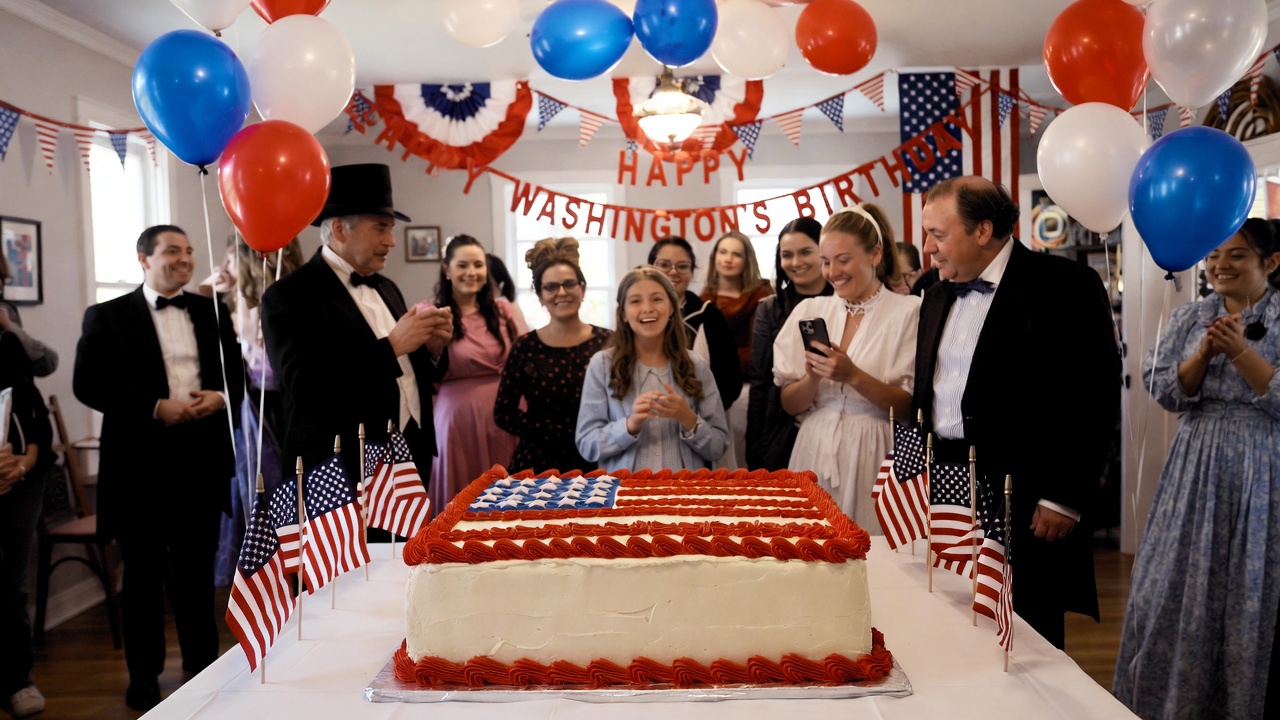
Every third Monday of February, Americans enjoy a day off work, catch wind of furniture sales, and vaguely acknowledge something about presidents. But how did we get here? The story of Presidents’ Day is a winding tale of national reverence, calendar politics, and the gradual transformation of a birthday celebration into something far more ambiguous.
Before There Was a Holiday: Washington the Legend
To understand why we celebrate Presidents’ Day, we need to go back to a time when George Washington wasn’t just a face on currency—he was a living symbol of American possibility.
By the time Washington died on December 14, 1799, he had already achieved an almost mythical status. He had led the Continental Army through an improbable victory against the British Empire. He had presided over the Constitutional Convention that created the framework of American government. And perhaps most remarkably to his contemporaries, he had voluntarily relinquished power—twice—first as commander of the army and later after serving two terms as president.
In an age of kings and emperors, Washington’s willingness to step aside was genuinely revolutionary. His friend Henry “Light-Horse Harry” Lee captured the national sentiment in his famous eulogy, declaring Washington “first in war, first in peace, and first in the hearts of his countrymen.”
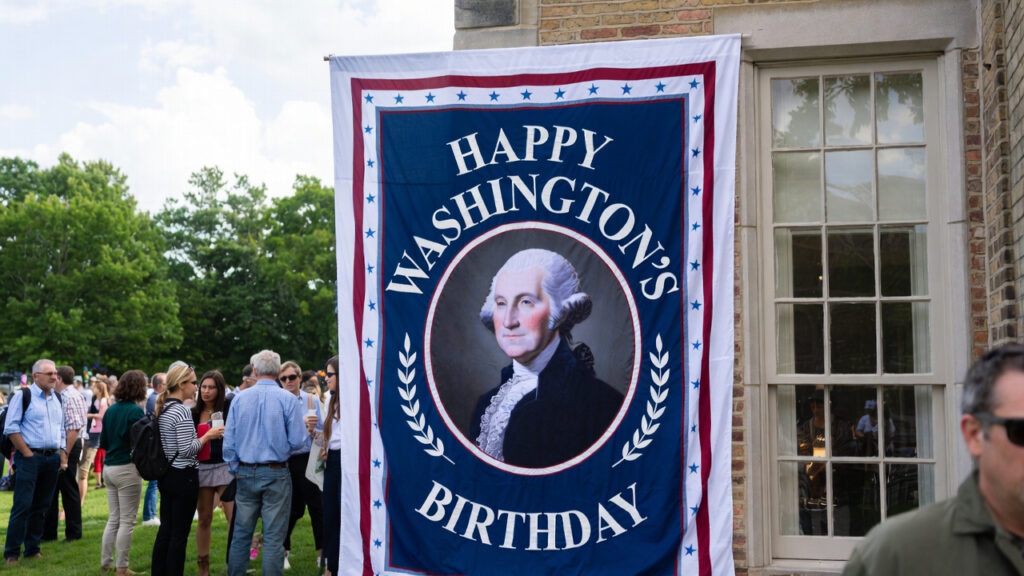
Almost immediately after his death, Americans began commemorating Washington’s birthday on February 22nd. These weren’t government-sanctioned holidays but spontaneous expressions of national grief and gratitude. Communities held balls, dinners, and parades. Newspapers published tributes. His birthday became an occasion for Americans to reflect on the values of the Revolution and the fragile experiment in self-government they had undertaken.
The Birth of a Federal Holiday
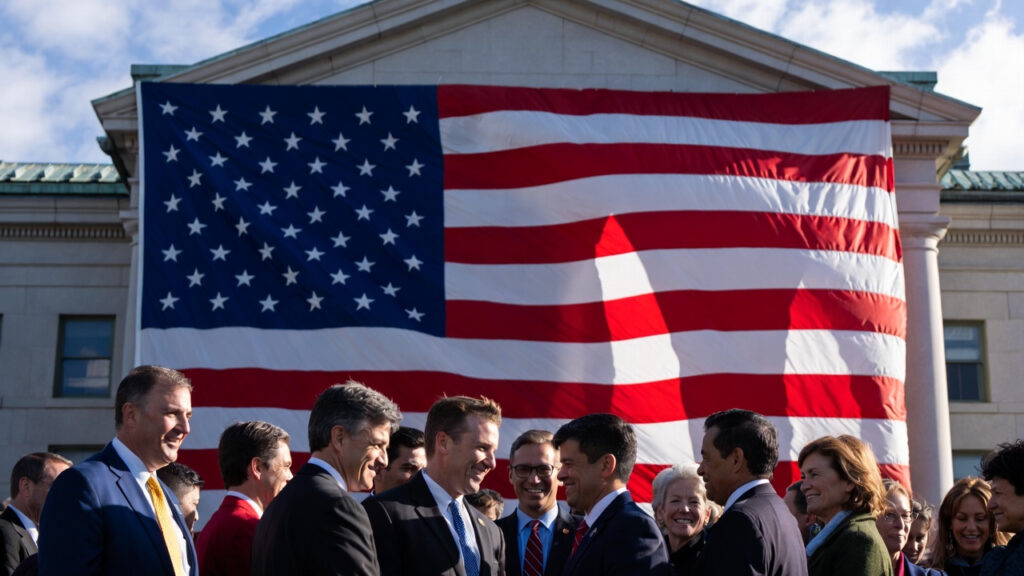
For most of the 19th century, Washington’s Birthday celebrations remained unofficial—a matter of tradition rather than law. That changed in 1879 when Congress made Washington’s Birthday a federal holiday for workers in the District of Columbia. Six years later, in 1885, it was expanded to include all federal employees nationwide.
Washington’s Birthday thus became one of the original federal holidays, joining a small group that included Christmas, New Year’s Day, Independence Day, and Thanksgiving. At the time, it was the only federal holiday honoring an individual American—a testament to Washington’s unique place in the national imagination.
The holiday was firmly fixed on February 22nd, Washington’s actual birthday (though there’s an interesting asterisk here: Washington was born on February 11, 1731, under the Julian calendar then in use by Britain and its colonies. When Britain adopted the Gregorian calendar in 1752, his birthday shifted forward eleven days to February 22nd).
Throughout the late 1800s and early 1900s, Washington’s Birthday was celebrated with genuine patriotic fervor. Schools held assemblies featuring readings from Washington’s Farewell Address. Towns organized parades. The holiday served as an annual reminder of the nation’s founding principles and the man who embodied them.
The Rise of Lincoln
Meanwhile, another president was accumulating his own legendary status. Abraham Lincoln, assassinated in 1865 at the height of his power, became a martyr to the cause of Union and emancipation. Like Washington, Lincoln came to represent something larger than himself—the preservation of democracy through its greatest trial.
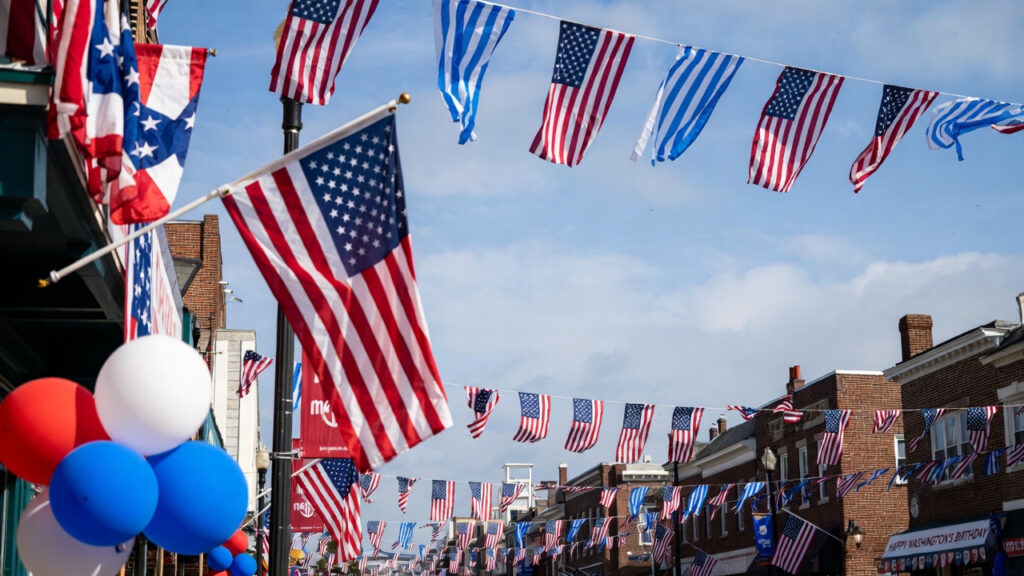
Lincoln was born on February 12, 1809, placing his birthday conveniently close to Washington’s on the calendar. Many states, particularly those in the North, began recognizing Lincoln’s Birthday as a separate state holiday. By the early 20th century, roughly 30 states observed February 12th as a holiday honoring Lincoln.
This created an interesting dynamic: February became a month for presidential veneration, with two holidays falling within eleven days of each other. Some states celebrated both, some only Washington’s Birthday, and some (particularly in the South, where Lincoln remained a controversial figure) steadfastly refused to honor Lincoln at all.
The Uniform Monday Holiday Act: Efficiency Over Tradition
The transformation of Washington’s Birthday into the ambiguous “Presidents’ Day” began not with any intention to honor more presidents, but with a push for economic efficiency and longer weekends.
By the 1960s, many federal holidays fell on fixed dates rather than specific days of the week. This meant that holidays like Washington’s Birthday could land on any day—Tuesday, Thursday, Saturday—creating awkward mid-week disruptions or overlapping with existing weekends.
In 1968, Congress passed the Uniform Monday Holiday Act, which took effect in 1971. The law shifted several federal holidays to designated Mondays, creating three-day weekends for workers and, proponents argued, boosting retail sales and tourism.
Under this legislation, Washington’s Birthday moved from its fixed position on February 22nd to the third Monday in February. This meant the holiday would always fall somewhere between February 15th and February 21st—never actually on Washington’s real birthday.
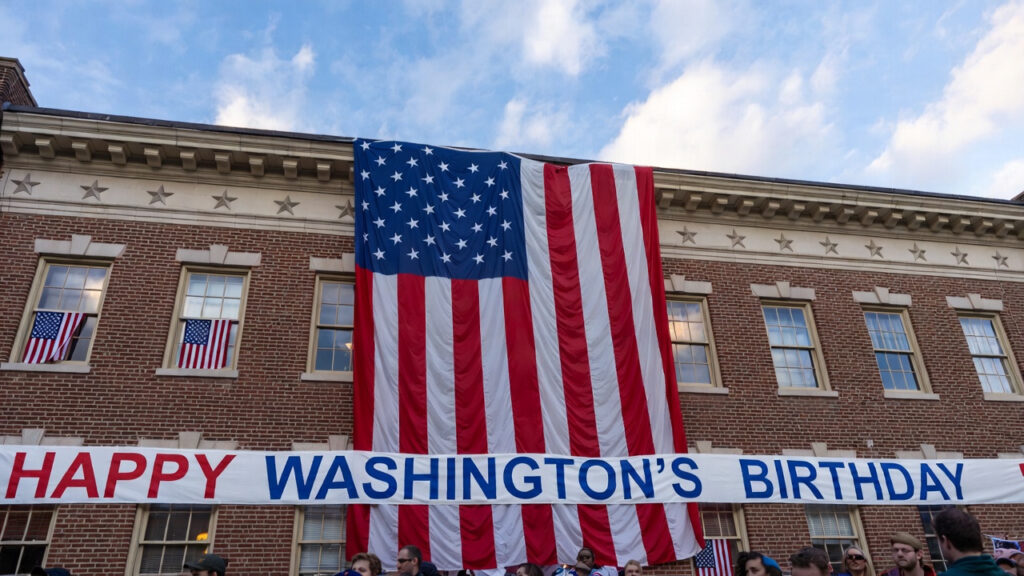
Some lawmakers, most notably Senator Robert McClory of Illinois, saw an opportunity. They proposed renaming the holiday “Presidents’ Day” to honor both Washington and Lincoln, whose birthday on February 12th now fell closer to the floating holiday. The proposal failed in Congress, and officially, the federal holiday is still called “Washington’s Birthday” to this day.
But the seed had been planted.
The Unofficial Transformation
Even though Congress never officially renamed the holiday, the cultural shift was already underway. Several factors contributed to the emergence of “Presidents’ Day” in the popular imagination.
States had significant leeway in what they called their own versions of the holiday. Some adopted “Presidents’ Day,” some stuck with “Washington’s Birthday,” and others chose creative alternatives like “Washington and Lincoln Day” or even “Presidents Day” (without the apostrophe, suggesting a day about presidents rather than a day belonging to them).
Retailers, meanwhile, had no interest in the historical nuances. A holiday called “Presidents’ Day” or “Presidents Day Weekend” offered broader marketing appeal. Why limit your mattress sale to Washington fans when you could appeal to admirers of all presidents? The commercial imperative pushed the more inclusive name into public consciousness.
By the 1980s, “Presidents’ Day” had become the common parlance, even though the federal government had never sanctioned the change. It was a grassroots rebranding, driven by commerce and convenience rather than congressional decree.
What We’re Really Celebrating (Depends on Where You Live)
Today, the holiday exists in a curious state of official and unofficial duality. Here’s how different entities treat it:
Federal Government: The official name remains “Washington’s Birthday.” If you look at the U.S. Code, the Office of Personnel Management listings, or official government calendars, you’ll see Washington’s Birthday, not Presidents’ Day.
States: This is where it gets complicated. Alabama celebrates “George Washington/Thomas Jefferson Birthday” (combining two February-born presidents). Arkansas has “George Washington’s Birthday and Daisy Gatson Bates Day,” honoring both the first president and a civil rights leader. New Mexico calls it “Presidents’ Day.” Some states explicitly honor Washington and Lincoln, while others maintain the original focus on Washington alone.
Private Sector: Most businesses, media outlets, and everyday Americans call it Presidents’ Day—often styled as “Presidents Day” or “President’s Day,” with the apostrophe placement varying wildly.
The Philosophical Debate: Who Should We Honor?
Beneath the calendar logistics and marketing considerations lies a genuine question: What are we celebrating on this day?
The traditionalist argument holds that Washington deserves unique recognition. He was, in many ways, indispensable to the founding of the nation. Other Founders contributed ideas, arguments, and leadership, but Washington provided something rarer: the credibility and moral authority that held the revolutionary enterprise together. Diluting his holiday into a generic celebration of all presidents diminishes this singular contribution.
The expansionist view counters that the holiday should honor the office of the presidency and the democratic traditions it represents. Lincoln certainly merits recognition alongside Washington—both men guided the nation through existential crises. And why stop there? A broader celebration could encompass the entire institution, with all its triumphs and failures.
A more skeptical perspective questions whether we should be venerating presidents at all. The American system was designed to prevent the concentration of power, yet presidential hero worship can edge toward the monarchical attitudes the Founders rejected. Perhaps a day focused on democratic citizenship, rather than executive authority, would better serve the republic’s ideals.
How Americans Actually Spend the Day
Whatever the holiday is called or whoever it honors, most Americans treat the third Monday of February as a practical convenience rather than an occasion for civic reflection.
For millions, it means a day off work—one of the year’s few Monday holidays and the only federal holiday between New Year’s Day and Memorial Day in many parts of the country. (Martin Luther King Jr. Day, though falling in January, was only established as a federal holiday in 1983 and isn’t observed by all employers.)
Retail dominates the holiday’s modern character. “Presidents’ Day Sales” have become a cultural institution, with furniture stores, car dealerships, and appliance retailers offering promotions that begin days before the actual holiday. The association between dead presidents and discounted mattresses might seem absurd, but it’s thoroughly American—commerce and commemoration have always been intertwined in this country.
Schools often use the surrounding period for history lessons about Washington, Lincoln, or the presidency more generally. Some communities maintain traditional celebrations with parades, reenactments, or wreath-laying ceremonies at historic sites. Mount Vernon, Washington’s Virginia estate, typically offers free admission on the holiday and hosts special programming.
The Continuing Evolution
The meaning of Presidents’ Day—or Washington’s Birthday—continues to evolve. Recent years have seen increased public attention to the complicated legacies of even revered presidents. Washington owned enslaved people. Lincoln’s views on race, while progressive for his era, were far from egalitarian by modern standards. Jefferson, sometimes included in Presidents’ Day celebrations, presents even sharper contradictions between democratic ideals and personal conduct.
This reckoning doesn’t necessarily diminish the holiday, but it does complicate it. A thoughtful Presidents’ Day observance might acknowledge both the genuine achievements of historical figures and the moral blind spots of their time—using the occasion not for uncritical hero worship but for honest engagement with American history.
Some have proposed adding other presidents to the holiday’s honorees. Franklin Roosevelt, who led the nation through the Depression and World War II, has his champions. So does Theodore Roosevelt, Abraham Lincoln, and John F. Kennedy. But expanding the roster risks diluting the day into meaninglessness—a generic appreciation of anyone who ever held the office, regardless of their impact or character.
A Holiday Worth Keeping
Despite its confused identity and commercial overtones, there’s value in maintaining some version of this February holiday. Democratic societies need occasions to reflect on their history, their institutions, and the individuals who shaped them.
Washington remains a figure worth remembering—not as a marble demigod, but as a real person who made consequential choices at pivotal moments. His decision to surrender power voluntarily established precedents that continue to constrain presidential authority. His Farewell Address warned against the dangers of political factionalism and foreign entanglements in terms that resonate today.
Lincoln, too, deserves more than a mention in February. His leadership during the Civil War preserved the constitutional order. His words at Gettysburg redefined American democracy as a government “of the people, by the people, for the people.” His martyrdom forever linked his memory to the cause of human equality.
Whether we call it Washington’s Birthday, Presidents’ Day, or something else entirely, the third Monday of February offers an opportunity—too often missed—to consider what we want from our leaders and from ourselves as citizens.
Conclusion: What’s in a Name?
So why do we celebrate Presidents’ Day? The honest answer is that we don’t quite know anymore.
We’re honoring George Washington, except the holiday never falls on his actual birthday. We might be honoring Abraham Lincoln too, except the federal government never officially included him. We’re possibly celebrating all presidents, except the federal holiday was never renamed to suggest that.
What we’re really observing is a holiday that evolved from genuine reverence for a revolutionary leader into something more diffuse—a long weekend in February, a chance for retail promotions, a vague nod toward the presidency as an institution.
Perhaps that ambiguity is fitting for a democracy. Americans have always been suspicious of concentrated authority, even as we’ve celebrated our most effective leaders. A holiday that can’t quite make up its mind what it’s about mirrors a nation still debating what it expects from its highest office.
This February, as you enjoy your day off or browse those mattress sales, take a moment to consider the complicated journey that brought us here—from Washington’s death in 1799 to the Uniform Monday Holiday Act to the retail extravaganzas of today. It’s a story about memory, commerce, politics, and the ongoing American project of figuring out who we are.
Whatever you call the day, that’s worth a few minutes of reflection.