A Complete Guide to the Global Celebration of Our Planet’s Most Vital Ecosystems
Every year on February 2nd, millions of people worldwide pause to celebrate World Wetlands Day. This international observance honors the signing of the Ramsar Convention on Wetlands. It marks a pivotal moment in environmental history. But how did this day come to be? Why do wetlands matter so much to our planet’s health? This comprehensive guide explores everything you need to know about World Wetlands Day and its fascinating origins.
What Is World Wetlands Day and Why Is It Celebrated?
World Wetlands Day is an annual global celebration. It raises awareness about the critical importance of wetland ecosystems. The day commemorates the adoption of the Convention on Wetlands on February 2, 1971.
This observance serves multiple purposes:
- Educational outreach about wetland conservation
- Community engagement in local wetland protection
- Policy advocacy for sustainable wetland management
- Scientific collaboration across international borders
- Cultural celebration of wetland heritage and traditions
The day officially gained United Nations recognition in 2021. This marked the 50th anniversary of the Ramsar Convention. Now, over 170 countries participate in annual celebrations.
The Birth of the Ramsar Convention: A Historic Environmental Agreement
Where Was the Ramsar Convention Signed?
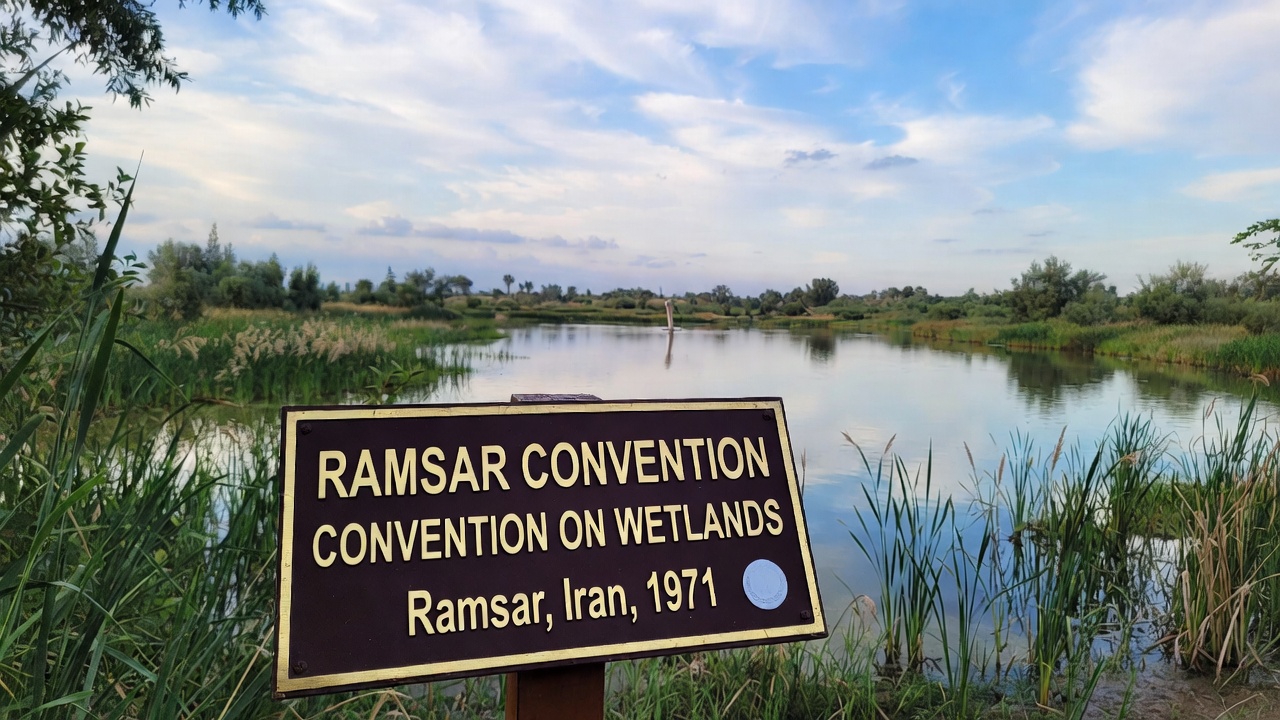
The Convention on Wetlands was signed in the Iranian city of Ramsar. This picturesque city sits along the Caspian Sea coast. The location gave the treaty its commonly known name.
The signing ceremony took place on February 2, 1971. It represented the first modern intergovernmental environmental agreement. The treaty focused specifically on a single ecosystem type.
| Key Details of the Ramsar Convention Signing | |
|---|---|
| Date | February 2, 1971 |
| Location | Ramsar, Iran |
| Initial Signatories | 18 countries |
| Entry into Force | December 21, 1975 |
| Current Contracting Parties | 172 countries |
| Total Ramsar Sites | Over 2,400 wetlands |
| Protected Area | More than 250 million hectares |
Why Was the Ramsar Convention Created?
The 1960s saw growing concern about wetland destruction. Scientists recognized alarming trends:
- Rapid habitat loss from agricultural expansion
- Declining waterbird populations across migration routes
- Pollution contamination of freshwater systems
- Unregulated development in coastal areas
- Climate-related changes affecting water cycles
Conservation organizations sounded the alarm. The International Union for Conservation of Nature (IUCN) led initial discussions. Governments agreed that international cooperation was essential.
Understanding the Ramsar Convention’s Mission and Goals
What Are the Three Pillars of the Ramsar Convention?
The Ramsar Convention operates on three foundational pillars. These guide all wetland conservation efforts worldwide.
Pillar 1: Wise Use of Wetlands
This principle promotes sustainable utilization. It balances human needs with ecosystem health. Communities can benefit from wetlands without destroying them.
Pillar 2: Designation of Ramsar Sites
Countries identify wetlands of international importance. These sites receive special protection status. They form a global network of protected areas.
Pillar 3: International Cooperation
Transboundary wetlands require joint management. Migratory species cross national borders. Nations must work together for effective conservation.
What Qualifies as a Wetland Under the Ramsar Convention?
The convention uses a broad wetland definition. This ensures comprehensive ecosystem protection.
Types of Ramsar wetlands include:
| Wetland Category | Examples |
|---|---|
| Marine/Coastal | Mangroves, coral reefs, estuaries, lagoons |
| Inland | Rivers, lakes, marshes, peatlands, springs |
| Human-made | Rice paddies, reservoirs, fish ponds, salt pans |
The Evolution of World Wetlands Day Celebrations
When Did World Wetlands Day First Begin?
World Wetlands Day was first celebrated in 1997. The Ramsar Convention Secretariat initiated the observance. It marked the 26th anniversary of the treaty’s adoption.
The timeline of World Wetlands Day development:
- 1997: First unofficial observance launched
- 2000: Theme-based celebrations introduced
- 2015: Expanded youth engagement programs
- 2021: Official UN recognition achieved
- 2022: First UN-recognized celebration held
How Is World Wetlands Day Celebrated Around the World?
Celebrations vary dramatically by region. Each country adds unique cultural elements. Local traditions blend with global conservation messages.
Common World Wetlands Day activities include:
- Guided wetland nature walks and birdwatching tours
- Educational workshops for students and teachers
- Art exhibitions featuring wetland photography
- Community clean-up campaigns at local wetlands
- Scientific lectures and documentary screenings
- Traditional cultural performances and festivals
- Policy forums and government proclamations
Annual World Wetlands Day Themes: A Complete History
Each year features a specific conservation theme. These themes highlight different aspects of wetland importance.
| Year | World Wetlands Day Theme |
|---|---|
| 2024 | Wetlands and Human Wellbeing |
| 2023 | It’s Time for Wetland Restoration |
| 2022 | Wetlands Action for People and Nature |
| 2021 | Wetlands and Water |
| 2020 | Wetlands and Biodiversity |
| 2019 | Wetlands and Climate Change |
| 2018 | Wetlands for a Sustainable Urban Future |
| 2017 | Wetlands for Disaster Risk Reduction |
| 2016 | Wetlands for Our Future: Sustainable Livelihoods |
| 2015 | Wetlands for Our Future |
These themes guide educational materials. They shape community events worldwide. Organizations align their campaigns accordingly.
Why Are Wetlands Called the Kidneys of the Earth?
Wetlands perform essential filtration functions. They purify water naturally and efficiently. This earned them the nickname “kidneys of the Earth.”
Ecosystem Services Provided by Wetlands
Water Purification Benefits:
- Remove sediments and pollutants from water
- Filter agricultural runoff and excess nutrients
- Break down harmful bacteria and pathogens
- Absorb heavy metals and toxic substances
- Improve overall water quality for communities
Flood Control Functions:
- Absorb excess rainfall during storms
- Slow water flow across landscapes
- Reduce downstream flooding intensity
- Protect coastal areas from storm surges
- Store water during drought periods
Biodiversity Support:
Wetlands host incredible species diversity. They support approximately 40% of all plant and animal species. Many endangered species depend entirely on wetland habitats.
| Wetland Biodiversity Statistics | |
|---|---|
| Fish species dependent on wetlands | Over 20,000 |
| Bird species using wetlands | More than 4,000 |
| Amphibian species in wetlands | Approximately 5,000 |
| Plant species unique to wetlands | Over 100,000 |
The Cultural Significance of Wetlands Throughout History
Sacred Wetlands in World Religions and Traditions
Wetlands hold deep spiritual significance across cultures. Many ancient civilizations considered them sacred spaces.
Examples of culturally significant wetlands:
- The Ganges River Delta (India/Bangladesh): Sacred in Hinduism
- Lake Titicaca (Peru/Bolivia): Birthplace of Incan civilization
- The Nile River Wetlands (Egypt): Foundation of ancient Egyptian culture
- Kakadu Wetlands (Australia): Sacred Aboriginal homeland for 65,000 years
- Lake Biwa (Japan): Center of Shinto water veneration traditions
Wetlands in Folklore and Mythology
Wetlands feature prominently in global folklore. Mysterious marshes inspired countless legends.
Stories often portray wetlands as:
- Portals to other worlds in Celtic mythology
- Homes of water spirits in African traditions
- Places of transformation in Native American tales
- Hiding places for treasures in European legends
- Sources of healing waters in Asian folklore
Famous Ramsar Sites You Can Visit as a Tourist
Top 10 Must-Visit Ramsar Wetlands Around the World
Wetland tourism offers unique travel experiences. These protected sites welcome responsible visitors.
| Ramsar Site | Country | Notable Features |
|---|---|---|
| Everglades National Park | United States | Largest tropical wilderness in North America |
| Camargue | France | Wild horses, flamingos, salt marshes |
| Doñana National Park | Spain | Major bird migration stopover |
| Okavango Delta | Botswana | World’s largest inland delta |
| Sundarbans | India/Bangladesh | Largest mangrove forest, Bengal tigers |
| Kakadu National Park | Australia | Ancient rock art, diverse wildlife |
| Pantanal | Brazil | World’s largest tropical wetland |
| Lake Nakuru | Kenya | Famous flamingo gathering site |
| Wadden Sea | Netherlands/Germany/Denmark | Largest tidal flat system |
| Chilika Lake | India | Asia’s largest brackish water lagoon |
Planning Your Wetland Ecotourism Adventure
Visiting Ramsar sites requires responsible planning. Sustainable tourism protects these fragile ecosystems.
Tips for ethical wetland tourism:
- Book with certified eco-tourism operators
- Follow all designated trails and boardwalks
- Never disturb nesting birds or wildlife
- Avoid using plastic in wetland areas
- Support local conservation organizations
- Learn about traditional wetland management practices
- Respect indigenous communities and their customs
How Climate Change Threatens Wetlands Worldwide
Current Threats to Global Wetland Ecosystems
Wetlands face unprecedented challenges today. Climate change amplifies existing pressures.
Major threats to wetland survival:
- Sea level rise flooding coastal wetlands
- Temperature increases altering water cycles
- Drought intensification drying inland wetlands
- Invasive species disrupting native ecosystems
- Urban expansion destroying wetland habitats
- Agricultural drainage converting wetlands to farmland
- Pollution contaminating water quality
Alarming Wetland Loss Statistics
The numbers paint a concerning picture. Global wetland loss continues at dangerous rates.
| Wetland Loss Data | |
|---|---|
| Wetlands lost since 1700 | Over 85% |
| Annual wetland loss rate | Approximately 1% |
| Coastal wetlands lost since 1970 | 35% |
| Freshwater species population decline | 84% since 1970 |
How to Celebrate World Wetlands Day in Your Community
Ideas for World Wetlands Day Events and Activities
You don’t need to live near a famous wetland. Every community can participate meaningfully.
Individual actions for World Wetlands Day:
- Visit a local wetland and document wildlife
- Share wetland facts on social media
- Donate to wetland conservation organizations
- Write to elected officials about wetland protection
- Reduce water consumption at home
- Avoid products contributing to wetland destruction
- Plant native wetland species in your garden
Community event ideas:
- Organize a wetland photography contest
- Host a documentary screening night
- Lead a citizen science bird count
- Create educational displays at libraries
- Partner with schools for wetland field trips
- Invite scientists for public lectures
- Coordinate a wetland restoration volunteer day
World Wetlands Day Educational Resources
Numerous organizations provide free materials. These resources support teachers, students, and community leaders.
Official resources available:
- Ramsar Convention Secretariat materials
- UN Environment Programme educational kits
- World Wildlife Fund activity guides
- Wetlands International fact sheets
- National geographic society multimedia
- Local wildlife agency brochures
The Future of Wetland Conservation: Goals and Challenges
International Targets for Wetland Protection
Global agreements set ambitious conservation goals. The international community has committed to specific targets.
Key conservation targets include:
- Protect 30% of Earth’s land and water by 2030
- Restore 1 billion hectares of degraded ecosystems
- Halt biodiversity loss by 2050
- Achieve carbon neutrality through nature-based solutions
- Ensure sustainable water management globally
Youth Engagement in Wetland Conservation
Young people drive future conservation efforts. Many programs specifically engage youth communities.
Youth wetland programs worldwide:
| Program | Focus Area |
|---|---|
| Wetland Youth Ambassadors | Leadership training |
| Ramsar Youth Network | International networking |
| World Wetlands Day Art Contest | Creative expression |
| Junior Ranger Programs | Hands-on conservation |
| Student Scientist Projects | Research participation |
Frequently Asked Questions About World Wetlands Day
What is the main purpose of World Wetlands Day?
World Wetlands Day raises global awareness about wetland importance. It encourages conservation action at all levels. The day celebrates the anniversary of the Ramsar Convention signing.
Is World Wetlands Day a public holiday?
No, World Wetlands Day is not a public holiday. It is an international observance day. Schools, organizations, and communities organize special events.
How can schools participate in World Wetlands Day?
Schools can organize field trips to local wetlands. Teachers can incorporate wetland lessons into curricula. Students can participate in art contests and science projects. Many resources are available free online.
What is the difference between World Wetlands Day and World Water Day?
World Wetlands Day occurs on February 2nd. It focuses specifically on wetland ecosystems. World Water Day falls on March 22nd. It addresses broader water resource issues.
Why are wetlands important for migratory birds?
Wetlands provide essential stopover habitats. Migratory birds rest and refuel during long journeys. Many species breed exclusively in wetland areas. Others spend entire winters in wetland refuges.
Conclusion: Protecting Our Planet’s Wetland Heritage
World Wetlands Day reminds us of our shared responsibility. These incredible ecosystems sustain life on Earth. They filter our water, store carbon, and support biodiversity. They protect communities from floods and droughts.
The Ramsar Convention pioneered international environmental cooperation. Since 1971, it has united nations in wetland protection. Today, over 2,400 sites enjoy Ramsar designation.
Yet wetlands remain under threat. Climate change, pollution, and development continue causing damage. Conservation efforts must intensify.
You can make a difference. Celebrate World Wetlands Day on February 2nd. Visit local wetlands and appreciate their beauty. Support organizations working to protect them. Advocate for stronger wetland policies.
Together, we can ensure wetlands thrive for future generations. These remarkable ecosystems deserve our protection. Their survival depends on global cooperation and individual action.