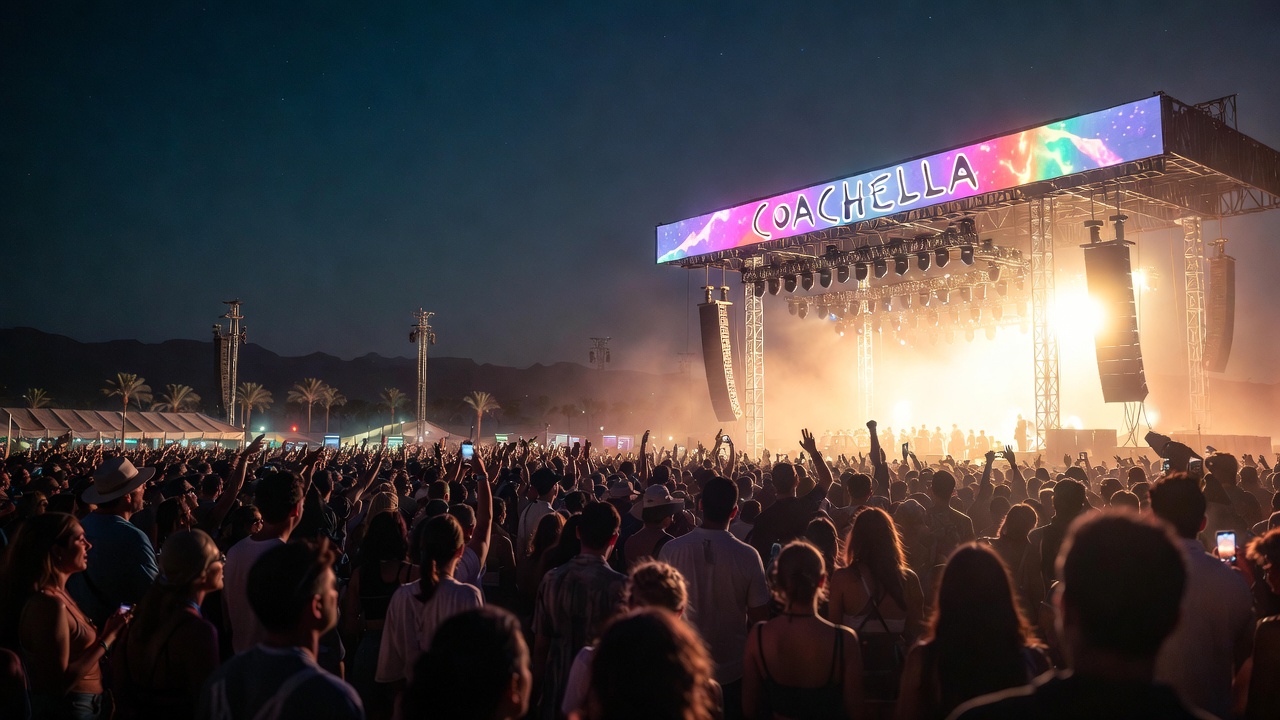
The Coachella Valley Music and Arts Festival has officially entered a new era. Electronic dance music now commands nearly half of all bookings at America’s most iconic festival.
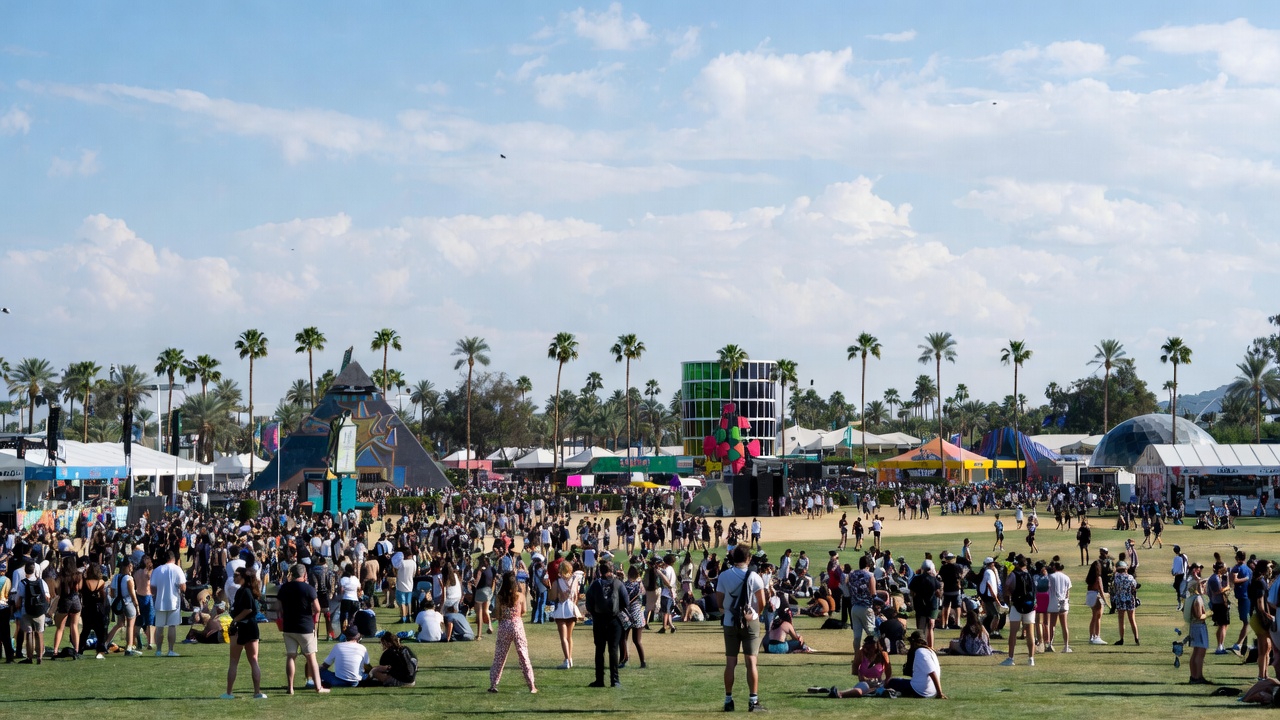
The California desert has always been a place of transformation. Each April, the Empire Polo Club in Indio transforms from dusty fields into a musical wonderland. For two weekends, hundreds of thousands of music lovers converge on this patch of the Coachella Valley. They come for the art. They come for the culture. But most of all, they come for the music.
In 2026, that music sounds very different from what the festival’s founders envisioned in 1999. Electronic dance music now represents 45% of the entire Coachella lineup. This figure comes from new data published by Booking Agent Info, an industry analytics platform that tracks artist bookings across major festivals. The number represents a significant jump from 2025, when EDM artists comprised 39% of the bill.
This shift is not an accident. It reflects a deliberate strategy by festival organizer Goldenvoice. It also mirrors broader changes in American music culture. Electronic music has moved from the underground to the center stage. Coachella 2026 is simply the latest chapter in this ongoing story.
How Electronic Music Dominates Coachella 2026 Festival Lineup
The numbers tell a compelling story. According to the Booking Agent Info analysis, DJs, producers, and live electronic acts make up the largest genre share at Coachella 2026. This dominance represents the second consecutive year that EDM has claimed the top spot at the festival.
| Genre | Percentage of Lineup |
|---|---|
| Electronic/Dance | 45% |
| Rock/Indie/Alternative | 25% |
| Pop | 17% |
| Hip-Hop/Rap | 7% |
| Latin | 2% |
| R&B/Afrobeat | 2% |
| K-Pop | 2% |
The contrast with hip-hop is particularly striking. Just a few years ago, rap and hip-hop were integral to Coachella’s musical identity. Artists like Travis Scott, Kanye West, and Kendrick Lamar regularly headlined the festival. In 2026, hip-hop represents just 7% of the lineup. Young Thug and Sexyy Red carry the genre’s flag, but their presence feels more like a gesture than a commitment.
Rock music maintains a respectable 25% share. The Strokes, Interpol, The Rapture, and Iggy Pop represent the genre’s veterans. These acts appeal to longtime Coachella attendees. Many of these fans remember when the festival was primarily a rock and indie event. Their presence provides a link to Coachella’s past.
Pop music accounts for 17% of the lineup. This share includes some of the festival’s biggest draws. Headliners Sabrina Carpenter and Justin Bieber fall into this category. Their performances will attract massive crowds to the main stage. Yet even within pop, electronic influences run deep. Modern pop production borrows heavily from EDM techniques. The line between genres has become increasingly blurred.
Why Anyma Headlines Coachella 2026 as First EDM Headliner in a Decade
The most significant symbol of EDM’s rise at Coachella 2026 is Anyma’s headlining placement. The Italian melodic techno producer appears at the bottom of the official lineup poster. This position has traditionally been reserved for the biggest names in contemporary music. Travis Scott occupied this spot in previous years. So did No Doubt during their reunion performance.
Anyma, whose real name is Matteo Milleri, represents a new type of festival headliner. He is best known as one half of the duo Tale of Us. His solo project focuses on the intersection of music, art, and technology. His performances are not simple DJ sets. They are elaborate audiovisual experiences that push the boundaries of live entertainment.
According to Rolling Stone, Anyma made history in late 2024 as the first electronic music act to headline the Vegas Sphere. His residency, titled “The End of Genesys,” sold out eight shows. The production featured robot cellists, holographic appearances, and the Sphere’s unprecedented 160,000-square-foot wraparound LED screen.
For Coachella 2026, Anyma will debut a new live show called “Æden.” This production serves as the follow-up to his Sphere spectacular. The show promises to deliver the same level of visual innovation that defined his Las Vegas run.
“I’m honored to be the first electronic artist to play the Sphere,” Anyma said in a statement announcing his Vegas residency. This sentiment extends to his Coachella booking. He represents a generation of electronic artists who prioritize immersive experiences over traditional concert formats.
Anyma’s headlining slot marks a significant milestone. Calvin Harris and Swedish House Mafia previously headlined Coachella. But those bookings occurred during the EDM boom of the early 2010s. In 2023, Skrillex, Fred again.. and Four Tet surprised the crowd with a last-minute headlining set. That performance hinted at what was to come. Anyma’s 2026 booking makes the transition official. EDM artists can now headline Coachella on their own terms.
Complete Guide to Coachella 2026 Electronic Music Artists and DJs
The Coachella 2026 electronic music roster reads like a who’s who of the global dance scene. The lineup spans every subgenre imaginable. From mainstream house to underground techno, festival organizers have covered all bases.
Day-by-Day Electronic Acts
Friday (April 10 & 17)
- Nine Inch Noize (Nine Inch Nails + Boys Noize collaboration)
- Moby
- Levity
- Marlon Hoffstadt (aka DJ Daddy Trance)
- Gordo
- Kettama
- Groove Armada
- Prospa
- Ninajirachi
- Chloé Caillet & Rossi
Saturday (April 11 & 18)
- Solomun
- PinkPantheress
- Rezz
- Adriatique
- Boys Noize
- Green Velvet
- Ayybo
- Bedouin
- Ben Sterling
- Mahmut Orhan
Sunday (April 12 & 19)
- Kaskade
- Major Lazer
- Subtronics
- Mochakk
- Duke Dumont
- Worship (Culture Shock, Dimension, Sub Focus & 1991)
- Armin van Buuren x Adam Beyer
- Röyksopp
Notable Collaborative Sets
The 2026 lineup features several unprecedented collaborative performances. These pairings bring together artists from different corners of the electronic world.
Nine Inch Noize represents the most unexpected collaboration. Trent Reznor’s industrial rock outfit Nine Inch Nails joins forces with electronic producer Boys Noize. The partnership blurs the line between rock and electronic music. This booking reflects Coachella’s willingness to experiment with genre boundaries.
Armin van Buuren x Adam Beyer unites two influential figures from separate subcultures. Armin van Buuren is a trance music legend. His “A State of Trance” radio show has run for over two decades. Adam Beyer is a techno pioneer. His Drumcode label defined the sound of Swedish techno. Their back-to-back set promises a meeting of minds. Trance and techno rarely share the same stage at major festivals.
Disclosure returns to Coachella after years away. The British brothers helped shape modern house music with their albums “Settle” and “Caracal.” Their live performances feature actual instruments alongside electronic production. They represent a bridge between traditional musicianship and DJ culture.
Coachella Quasar Stage 2026 Lineup: Extended DJ Sets and Immersive Visuals
The Quasar stage debuted at Coachella in 2024. It quickly became the festival’s premier destination for electronic music fans. The stage was designed by Heather Shaw of Vita Motus Design Studio. Its architecture features two monolithic LED walls that create an immersive environment.
According to EDM House Network, the Quasar stage continues its focus on extended performances. Each set runs three hours or longer. This format allows artists to explore deeper musical selections. It creates space for the kind of journey-style sets that define underground dance culture.
Quasar Stage 2026 Lineup
| Weekend One | Weekend Two |
|---|---|
| PAWSA | Armin van Buuren x Adam Beyer |
| David Guetta | DJ Snake presents Pardon My French |
| Fatboy Slim | Sara Landry with Blood Oath concept |
The Quasar lineup balances commercial appeal with underground credibility. David Guetta represents EDM’s commercial peak. His hits have dominated radio airwaves for nearly two decades. Fatboy Slim brings historical significance. He was a key figure in bringing electronic music to mainstream audiences in the late 1990s.
Sara Landry represents the new generation. Her hard techno sound has attracted a devoted following among younger fans. Her “Blood Oath” concept promises an intense experience. The booking acknowledges techno’s resurgence among American audiences.
The stage’s design emphasizes visual storytelling. According to designer Heather Shaw in an interview with EDM.com, the integration of real-time content manipulation sets Quasar apart. The visuals respond dynamically to the music being played. This creates a unique audiovisual experience for each performance.
Do LaB Stage History at Coachella: 20 Years of Underground Electronic Culture
While Quasar represents Coachella’s newest electronic music investment, the Do LaB stage has been the festival’s underground heart for two decades. The stage celebrated its 20th anniversary in 2025. It remains the place where serious dance music fans congregate.
The Flemming brothers—Dede, Josh, and Jesse—founded Do LaB in 2004. They brought their first installation to Coachella in 2005. What began as a small art installation with a few speakers has grown into a festival within a festival.
According to The Fader’s retrospective on Do LaB, the stage has a tradition of booking artists before they break into the mainstream. RÜFÜS DU SOL and ODESZA both played early Do LaB sets. They have since grown into stadium headliners. Skrillex, Bonobo, and Major Lazer have all made appearances. In 2024, Billie Eilish performed a surprise set that drew the stage’s biggest crowds ever.
“From a music perspective, we’re trying to bring some music and genres to the table that Coachella’s not really touching on,” Jesse Flemming told LA Weekly. “A lot of big electronic acts come through our stage first. We try and stay at the forefront of what’s happening in electronic music and catch artists right before they’re about to pop.”
The Do LaB’s culture differs from other stages. People dance with each other rather than facing the stage in isolation. Artists are allowed to bring guests on stage. The atmosphere encourages connection and community.
For 2026, the Do LaB continues its tradition of curating emerging talent alongside established names. The stage relocated between the Sahara and Quasar stages in 2025. This new position increases its visibility while maintaining its intimate character.
How Daft Punk’s 2006 Coachella Performance Changed Electronic Music Forever
To understand EDM’s current dominance at Coachella, we must look back to a single night in April 2006. Daft Punk’s performance on April 29th changed the festival’s trajectory. It also changed the course of electronic music in America.
The French duo performed in the Sahara tent. According to documentary footage released by Showtime, more than 40,000 people tried to squeeze into a tent designed for 10,000. Those who made it inside witnessed something unprecedented.
Daft Punk stood inside a pyramid made of LED panels and pixel curtains. They wore their now-iconic robot helmets. The light show evolved over the course of the set. It began in black and white before exploding into color. They remixed their own catalog in real time. Songs from “Discovery” and “Human After All” became something entirely new.
“No one had seen anything like that,” music journalist Michaelangelo Matos recalled. “No one had seen that level of production. Everybody who was in the tent was texting everybody else: ‘You are missing this! This is the greatest thing I’ve ever seen!'”
According to the Rock and Roll Hall of Fame’s archive, the performance was a sea change for electronic music. It raised the bar for production values. It challenged other artists to match its ambition.
The impact extended beyond Coachella. Daft Punk’s pyramid sparked what Water & Music called “an arms race for live music technology.” Lighting and video companies saw explosive growth. Coachella became a showcase for emerging technologies. The 2012 Tupac hologram. The 2018 Odesza drone display. These innovations trace their lineage back to that pyramid.
But the pyramid was not entirely new technology. According to designer Martin Phillips, all the components were purchased off the shelf. What made it revolutionary was how Daft Punk used existing tools to create something greater than the sum of its parts.
Global EDM Industry Growth: Why Electronic Music Now Leads Festival Bookings
Coachella’s electronic shift reflects broader changes in the global music industry. According to the 2025 IMS Business Report, the global value of electronic music reached a record $12.9 billion in 2024. This figure represents a 6% year-over-year increase.
| Year | Global EDM Market Value | Growth Rate |
|---|---|---|
| 2024 | $12.9 billion | 6% |
| 2023 | $12.2 billion | 9% |
| 2025 (projected) | $13.8 billion | 7% |
| 2033 (projected) | $20.3 billion | – |
The report, compiled by MIDiA Research, identifies several key trends driving growth:
Streaming Dominance: Streaming platforms reached 818 million subscribers globally in 2024. Spotify leads with a 32% market share and over 250 million paying users. Electronic music performs particularly well on these platforms. EDM playlists have seen 40% growth in engagement.
Live Sector Revival: Live music revenues now double pre-pandemic levels. Major festivals like Tomorrowland and Ultra Music Festival regularly attract over 100,000 attendees per event. Festival tourism has become a significant industry segment.
Genre Diversification: New subgenres continue to emerge and gain traction. Afro house moved from 24th to 4th in Beatport’s most-searched styles. Amapiano, garage, and drum & bass have all experienced revivals.
Global Expansion: Mexico saw a 60% increase in electronic music fans in 2024. Brazil and India also showed significant growth. The industry added 566 million new fans across Spotify, YouTube, TikTok, Instagram, and Facebook.
According to the IMS report, EDM artists now comprise 18% of lineups across the top 100 festivals worldwide. This represents a five-point increase since 2021. Nearly 10% of the top 100 festivals are now exclusively dedicated to electronic music.
EDM vs Rock Music at Music Festivals: A Decade of Genre Shift Analysis
A separate analysis from Booking Agent Info examined major US festivals over the past ten years. The findings confirm what many industry observers suspected. Electronic music has overtaken rock as the most-represented genre across American festival lineups.
The study analyzed artist bookings at Coachella, Lollapalooza, Bonnaroo, Austin City Limits, Outside Lands, Governors Ball, and Summerfest from 2015 to 2025. The results show a dramatic shift in programming priorities.
Electronic Music Festival Bookings (2015-2025)
| Year | Unique EDM Artists | Total EDM Performances |
|---|---|---|
| 2015 | 145 | 178 |
| 2018 | 158 | 195 |
| 2022 | 169 | 205 |
| 2025 | 199 | 227 |
Rock music lost over 90 unique artists and nearly 150 performances during this same timeframe. The decline was gradual but consistent. Each year brought fewer rock bookings and more electronic acts.
The report attributes this shift to post-pandemic audience preferences. “Electronic music—from EDM to techno to bass-heavy hybrids—offered festivalgoers the escape and euphoria they were craving,” the analysis notes.
CAA agent Alex Becket, who became the agency’s first electronic music agent over a decade ago, predicted this trend. “Festivals want big shows and big moments, so it factors in a lot for them,” Becket told EDM.com. “Big production was an essential part of the ‘EDM’ boom in the early 2010s. Underground shows with no production emerged in response to that. Now you’re seeing the pendulum swing back. We’re seeing big productions with better music, and it’s a winning combo.”
Coachella Sahara Tent Evolution: From Techno Tinderbox to EDM Empire
The story of electronic music at Coachella begins with the Sahara Tent. This structure has undergone radical transformation since the festival’s early days.
At Coachella’s inaugural event in 1999, electronic music was already present. The Chemical Brothers, Moby, Fatboy Slim, A-Trak, Underworld, and Carl Craig’s Innerzone Orchestra all performed. According to EDM.com’s history of the first Coachella, the desert heat posed significant challenges. DJ Kid Koala reported that his vinyl began to melt during his set.
The Sahara Tent became the primary home for electronic music as the festival grew. For years, it remained a contained space. Dance music fans knew where to find their community. The tent’s boundaries kept EDM separate from the festival’s rock and indie programming.
That separation began breaking down after Daft Punk’s 2006 performance. The Sahara tent expanded. Its productions grew more elaborate. Eventually, the tent itself became insufficient. Goldenvoice launched the Quasar stage in 2024 to accommodate growing demand.
The expansion continues in 2026. Electronic music now spreads across multiple stages:
- Quasar Stage: Extended DJ sets with immersive visuals
- Do LaB: Underground and emerging artists
- Sahara Tent: Mid-tier electronic acts
- Yuma Tent: House and techno veterans
- Outdoor Stage: Crossover electronic performances
- Main Stage: EDM headliners
This proliferation reflects Goldenvoice’s understanding of market demand. Electronic music fans are not a monolithic group. They have diverse preferences. Some want commercial house music. Others seek underground techno. Some prefer bass music and dubstep. Coachella now caters to all of these audiences.
What Makes Coachella 2026 Different From Previous Electronic Music Lineups
Several factors distinguish the Coachella 2026 electronic lineup from previous years.
Genre Diversity: The lineup covers the full spectrum of electronic music. House, techno, trance, dubstep, drum & bass, and experimental electronic are all represented. Previous years often favored certain subgenres over others.
Legacy Acts Alongside New Stars: The booking strategy balances nostalgia with discovery. Fatboy Slim and Moby represent electronic music’s past. Artists like Sara Landry and Levity represent its future. This approach appeals to multiple generations of fans.
Collaborative Emphasis: Back-to-back sets and special collaborations appear throughout the lineup. These pairings create unique, one-time-only experiences. Nine Inch Noize and Armin van Buuren x Adam Beyer exemplify this approach.
Visual Innovation Priority: The Quasar stage’s design emphasizes the audiovisual experience. Anyma’s “Æden” show promises Sphere-level production values. These commitments signal that visual spectacle is now expected rather than exceptional.
International Representation: The lineup includes artists from across the globe. Italian melodic techno. British house. German minimal. American bass music. Dutch trance. This international flavor reflects electronic music’s global nature.
Planning Your Coachella 2026 EDM Experience: Stage Guide and Set Times Tips
For festival-goers prioritizing electronic music, strategic planning is essential. With EDM spread across multiple stages, conflicts are inevitable. Here are recommendations for maximizing your experience.
Stage Selection Guide
| Your Preference | Best Stage | Why |
|---|---|---|
| Commercial house/EDM | Sahara Tent | High-energy mainstream acts |
| Underground techno | Yuma Tent | Darker, deeper selections |
| Extended sets | Quasar | Three-hour journeys |
| Discovery | Do LaB | Emerging artists, surprise guests |
| Crossover acts | Outdoor/Main | Genre-bending performances |
Timing Recommendations
Arrive early for Quasar sets. The extended format means limited entry once shows begin. Capacity constraints may prevent late arrivals from entering.
Check Do LaB daily announcements. The stage traditionally reveals surprise guests on each festival day. Past surprises have included Billie Eilish, Diplo, and Skrillex.
Balance main stage headliners with stage exploration. While Sabrina Carpenter and Justin Bieber draw massive crowds, the electronic stages offer less crowded alternatives during these sets.
Plan for recovery. Three-hour Quasar sets and all-night Do LaB programming require stamina. Pace yourself to experience the full weekend.
The Future of Electronic Music at Major Music Festivals
Coachella 2026 represents a tipping point. Electronic music’s 45% lineup share suggests that EDM has moved beyond niche status. It has become the dominant sound of America’s festival scene.
This shift has implications beyond Coachella. Other major festivals will likely follow suit. Promoters and booking agents are paying attention. The success of electronic-focused programming demonstrates audience demand.
Technology will continue driving innovation. Virtual reality concerts saw 40% audience growth in 2024. AI-assisted music production tools are becoming standard. These developments will shape how electronic music is created and experienced.
The boundaries between genres will continue blurring. Nine Inch Noize exemplifies this trend. Rock and electronic were once considered opposing forces. Now they collaborate on festival stages. Similar partnerships across genres seem inevitable.
Global expansion will accelerate. Electronic music’s footprint in Latin America, Asia, and Africa is growing rapidly. International artists will increasingly appear at American festivals. The flow of influence will become more bidirectional.
For Coachella, the question is not whether electronic music will maintain its dominance. The question is how much further that dominance will grow. A majority-electronic lineup no longer seems impossible. In fact, it seems probable.
Best EDM Artists to See at Coachella 2026: Must-Watch Performances
With such a stacked electronic lineup, choosing which sets to prioritize can feel overwhelming. Here are the essential performances that should be on every EDM fan’s schedule.
Anyma’s “Æden” World Premiere
This is the undisputed must-see performance of Coachella 2026. Anyma’s new live show promises to build on what he achieved at the Vegas Sphere. Expect robotic elements, holographic visuals, and unreleased music. The show will likely feature surprise guest appearances. His Sphere residency included appearances from Ellie Goulding, Grimes, FKA Twigs, and Empire of the Sun’s Luke Steel.
The “Æden” concept remains mysterious. Anyma has kept details under wraps. What we know: it will be spectacular. His team includes visual co-creative director Alessio De Vecchi and executive producer Alexander Wessely. These collaborators helped create the Sphere experience. They bring the same level of ambition to Coachella.
Disclosure Live
The Lawrence brothers return to Coachella after building their reputation as one of electronic music’s most consistent acts. Their live performances differ from typical DJ sets. Guy and Howard Lawrence play actual instruments alongside electronic production. Guitars, drums, and synthesizers blend with programmed elements.
Their setlist draws from across their catalog. “Latch,” “White Noise,” and “You & Me” remain crowd favorites. Newer material from their albums “Energy” and “Alchemy” shows continued evolution. Disclosure represents a bridge between electronic production and traditional musicianship. Their performances appeal to both dance music purists and general music fans.
Nine Inch Noize Collaboration
This one-time collaboration between Nine Inch Nails and Boys Noize might never happen again. Trent Reznor’s industrial rock outfit has toured with Boys Noize as an opener. Their Coachella performance takes that relationship further. The set promises to blend Nine Inch Nails’ aggressive industrial sound with Boys Noize’s techno textures.
The collaboration appeals to multiple fanbases simultaneously. Rock fans appreciate Nine Inch Nails’ legendary status. Electronic fans know Boys Noize as a pioneering producer. Together, they represent the dissolution of genre boundaries. This performance could define new possibilities for rock-electronic fusion.
Armin van Buuren x Adam Beyer Back-to-Back
Trance and techno rarely occupy the same space. These subcultures have historically remained separate. Armin van Buuren represents trance’s melodic, euphoric tradition. His “A State of Trance” radio show celebrated its 1,000th episode. Adam Beyer represents techno’s driving, hypnotic approach. His Drumcode label defined Swedish techno’s sound.
Their back-to-back set at the Quasar stage promises unexpected combinations. Three hours allow both artists to showcase their sounds. The extended format creates space for experimentation. Expect moments of pure trance euphoria alongside driving techno intensity. This pairing acknowledges that electronic music’s subgenres share more common ground than their differences suggest.
Rezz Bass Music Experience
Isabelle Rezazadeh, known as Rezz, brings a distinct sound to Coachella. Her music combines midtempo bass with hypnotic, industrial textures. Visual elements play a crucial role in her performances. Her signature LED goggles have become iconic. Fans know her sound as “Space Mom music.”
Rezz has built a devoted following through consistent touring and releases. Her Coachella performance will attract bass music fans seeking an alternative to house and techno programming. The Canadian producer represents a younger generation of electronic artists who built careers through SoundCloud and social media.
How Coachella’s Electronic Music Programming Reflects Gen Z Music Trends
The Coachella 2026 lineup reflects broader generational shifts in music consumption. Generation Z, born between 1997 and 2012, now represents the largest segment of festival attendees. Their preferences have shaped programming decisions across the industry.
Streaming Habits Shape Festival Bookings
Gen Z discovered music primarily through streaming platforms. Unlike previous generations, they did not experience music through radio or physical media. Algorithmic playlists expose them to diverse genres without gatekeeping. Electronic music performs particularly well in this environment.
According to industry data, electronic playlists have seen 40% growth in streaming engagement. The genre’s structure—instrumental, beat-driven, often without lyrics—makes it ideal for background listening. Gen Z listeners encounter EDM during workouts, study sessions, and commutes. This passive exposure translates into active fandom.
TikTok’s Influence on Electronic Music Discovery
TikTok has become the primary music discovery platform for young audiences. Short-form video content favors songs with memorable hooks and danceable beats. Electronic music’s structure aligns perfectly with this format. A 15-second clip can showcase a track’s most compelling moment.
Videos tagged #ElectronicMusic garnered over 13 billion views on TikTok in 2024. This represents a 45% increase from the previous year. Viral moments on the platform have launched careers and revived forgotten tracks. Festival bookers now monitor TikTok trends when making programming decisions.
Immersive Experience Expectations
Gen Z audiences expect more than music from festival performances. They seek immersive, shareable experiences. The Quasar stage’s visual technology caters to these expectations. Anyma’s elaborate productions deliver the spectacle that younger audiences crave.
This generational preference explains the arms race in festival production. Each year brings more elaborate stages, more sophisticated lighting, more immersive environments. Electronic music artists have embraced this trend enthusiastically. Their performances integrate visual elements that rock and pop acts often lack.
Community and Identity Through Music
For many Gen Z fans, electronic music provides community and identity. Rave culture’s values—PLUR (peace, love, unity, respect)—resonate with a generation facing unprecedented challenges. Climate anxiety, economic uncertainty, and political polarization define their experience. The escapism of dance music offers temporary relief.
Coachella’s Do LaB stage exemplifies this community aspect. The stage’s culture encourages dancing with others rather than passive observation. Festival-goers describe it as the friendliest space at Coachella. This community focus appeals to generations seeking authentic connection in increasingly digital lives.
Economic Impact of EDM at Coachella and the California Desert
The rise of electronic music at Coachella has significant economic implications. The festival generates substantial revenue for both organizers and the surrounding community.
Festival Revenue and Ticket Sales
Coachella 2026 sold out within a week of its lineup announcement. General admission passes start at $549 before fees. VIP passes command $1,049. These prices represent significant increases from the festival’s early days. The inaugural 1999 event charged just $50 per ticket.
The festival now generates well over $100 million in direct revenue annually. Electronic music’s dominance contributes to this success. EDM fans demonstrate strong willingness to pay for experiences. They purchase tickets, merchandise, and ancillary services at higher rates than some other genre audiences.
Local Economic Benefit
Coachella’s impact extends beyond the Empire Polo Club grounds. According to economic studies, the festival provides approximately $400 million annually to the Coachella Valley economy. Hotels, restaurants, transportation services, and local businesses all benefit from the influx of visitors.
The extended electronic programming has expanded this impact. All-night dance programming keeps attendees in the area longer. Extended sets at the Quasar stage create additional hours of engagement. Fans who might otherwise return to hotels remain on festival grounds, spending money throughout.
Electronic Music Tourism as Economic Driver
Festival tourism has become a significant economic segment. Fans travel internationally to attend major electronic music events. Coachella attracts visitors from across the globe. Many combine festival attendance with broader California travel.
The 2026 lineup’s international roster amplifies this effect. Fans follow favorite artists across borders. A European techno fan might attend Coachella specifically for Adam Beyer or Solomun. These international visitors contribute disproportionately to tourism revenue through hotel stays, dining, and activities.
Artist Economics and Booking Fees
The shift toward electronic programming also reflects economic realities for festival organizers. DJ booking fees often provide better value than rock band fees. A solo artist or duo requires fewer travel and accommodation arrangements than a five-piece band. Technical riders are typically simpler.
This economic efficiency allows organizers to book more total acts. The 45% electronic share at Coachella 2026 partly reflects these practical considerations. Electronic artists deliver spectacle comparable to rock bands at competitive price points.
Coachella 2026 Camping and Lodging Guide for EDM Festival-Goers
Festival logistics require careful planning, especially for fans prioritizing electronic music programming. Late-night and early-morning sets influence lodging decisions.
Camping Advantages for EDM Fans
Coachella’s campgrounds offer significant advantages for electronic music enthusiasts. The festival begins offering camping the Thursday before each weekend. This creates opportunities for pre-festival programming.
Special pre-party sets exclusively for campers have become tradition. Weekend One 2025 featured Chris Lake on the campgrounds. These intimate performances preview the weekend’s electronic offerings. Campers gain access to experiences unavailable to non-camping attendees.
Proximity matters for late-night programming. The Do LaB stage often runs into the early morning hours. Campers can attend these sets without concerns about transportation. The walk back to tents is measured in minutes rather than hours.
Hotel Options for Recovery
Extended festival attendance takes physical tolls. Three-day passes combined with late-night electronic programming create stamina challenges. Hotels in Palm Springs, Palm Desert, and Indio offer recovery options between festival days.
Many EDM fans adopt hybrid strategies. They camp for one night and hotel for another. This approach balances immersive festival experience with adequate rest. The strategy proves particularly valuable for attendees prioritizing Quasar’s three-hour sets.
Transportation Considerations
Coachella provides shuttle services from various locations. These shuttles accommodate late-night return trips. EDM fans should verify shuttle schedules against expected set end times. Some Do LaB programming extends beyond standard shuttle hours.
Rideshare services supplement official transportation. Surge pricing after major sets can reach extreme levels. Budgeting for transportation becomes essential for fans attending late-night programming. Coordinating with fellow attendees reduces per-person costs.
What the EDM Takeover Means for Coachella’s Future Programming
The 45% electronic share in 2026 raises questions about the festival’s future direction. Will this percentage continue growing? Will Coachella eventually become an electronic-focused festival?
Historical Context and Evolution
Coachella has continuously evolved since 1999. The festival began as a rock and alternative-focused event. Radiohead, Red Hot Chili Peppers, and Björk defined early lineups. Hip-hop gained prominence in the 2010s. Pop stars became regular headliners. Electronic music’s current dominance represents the latest phase in this evolution.
Festival co-founder Paul Tollett has historically prioritized diversity. Coachella’s identity involves genre-spanning programming. Pure electronic festivals already exist. EDC Las Vegas and Ultra Music Festival serve that market. Coachella’s value lies partly in its eclectic approach.
Industry Predictions
Industry observers offer varying predictions about Coachella’s trajectory. Some believe electronic music’s share will stabilize around current levels. Others predict continued growth toward majority representation.
The 2025 IMS Business Report notes that electronic music continues increasing its share of both revenues and culture. If this trend persists, festival programming will reflect it. Coachella’s bookers respond to market demand. Ticket sales validate programming decisions.
Maintaining Genre Balance
Preserving genre diversity presents challenges as electronic music grows. Rock’s 25% share in 2026 represents a floor that organizers may want to maintain. Hip-hop’s 7% share might increase if the genre’s streaming numbers recover.
The key question: can non-electronic genres compete for audience attention? Rock bands have traditionally delivered spectacle through live instrumentation. Electronic artists now match or exceed that spectacle through technology. This capability shift influences booking decisions and fan preferences alike.
The Next Generation of Headliners
Coachella’s future depends on developing new headliner-caliber talent. Electronic music provides a pipeline of artists building toward that status. Anyma’s 2026 booking demonstrates this trajectory. Fred again.. follows a similar path. These artists combine critical acclaim with commercial appeal.
Rock music’s headliner pipeline appears thinner. Fewer young rock bands demonstrate festival-headlining potential. This generational gap may influence programming for years to come.
Conclusion: Electronic Music Has Officially Taken Over Coachella
Twenty years ago, electronic music occupied the margins of Coachella. It lived in tents and late-night slots. It was tolerated but not celebrated. The 2026 lineup tells a different story.
45% of the Coachella 2026 lineup is now electronic. This is not an anomaly. It is the culmination of trends that began with Daft Punk’s pyramid. It reflects the rise of streaming. It mirrors the global expansion of dance music culture. It acknowledges what audiences want.
Anyma’s headlining slot symbolizes this transformation. A melodic techno producer now occupies the same position once reserved for rock gods and pop superstars. His presence validates electronic music as a main-stage art form.
The infrastructure supports this shift. The Quasar stage offers extended sets with cutting-edge visuals. The Do LaB celebrates its 20th anniversary as a tastemaker. The Yuma tent serves veterans and purists. Multiple stages now cater to electronic music’s diverse subcultures.
The industry backs this momentum. A $12.9 billion global market. Festival bookings that exceed rock for the first time. Streaming numbers that continue growing. These metrics confirm that electronic music’s moment has arrived.
Coachella 2026 is not just a festival. It is a declaration. The rave has officially taken the throne.
Coachella 2026 Essential Information
| Detail | Information |
|---|---|
| Dates | April 10-12 & April 17-19, 2026 |
| Location | Empire Polo Club, Indio, California |
| Headliners | Sabrina Carpenter (Friday), Justin Bieber (Saturday), Karol G (Sunday), Anyma |
| Electronic Music Share | 45% of total lineup |
| Official Website | coachella.com |