A complete guide to understanding India’s most colorful festival, from ancient mythology to modern celebrations worldwide
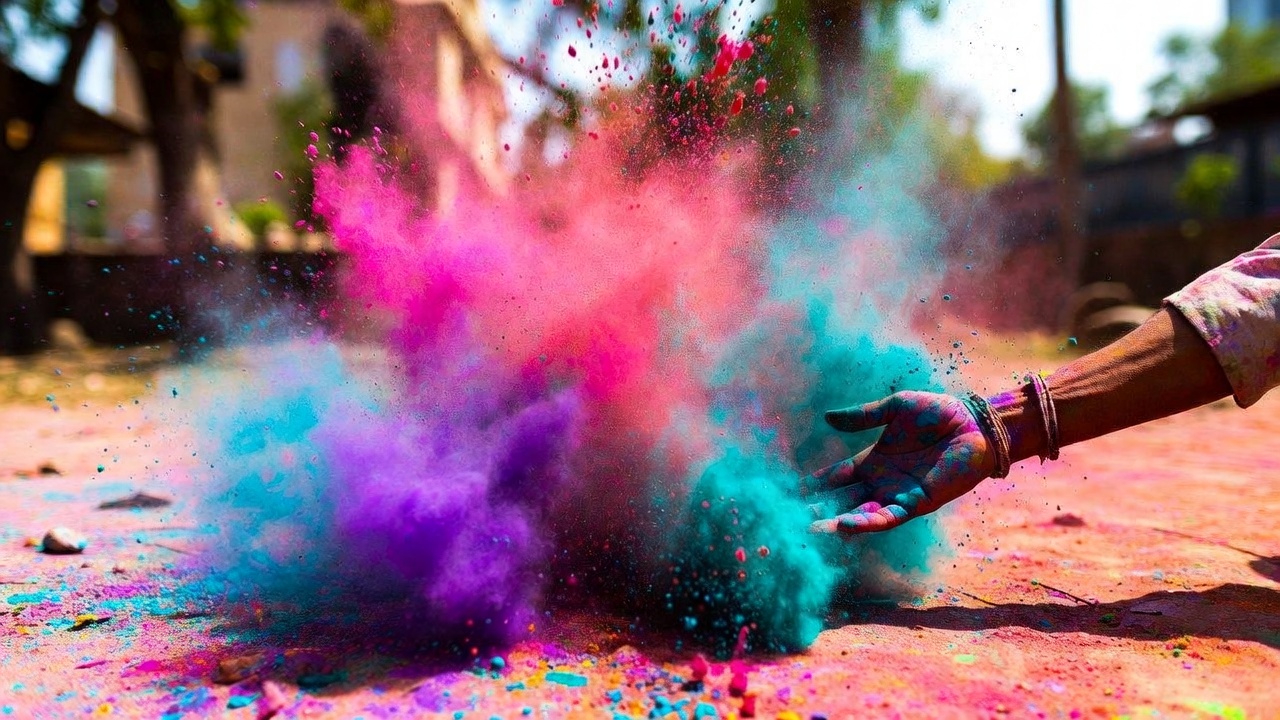
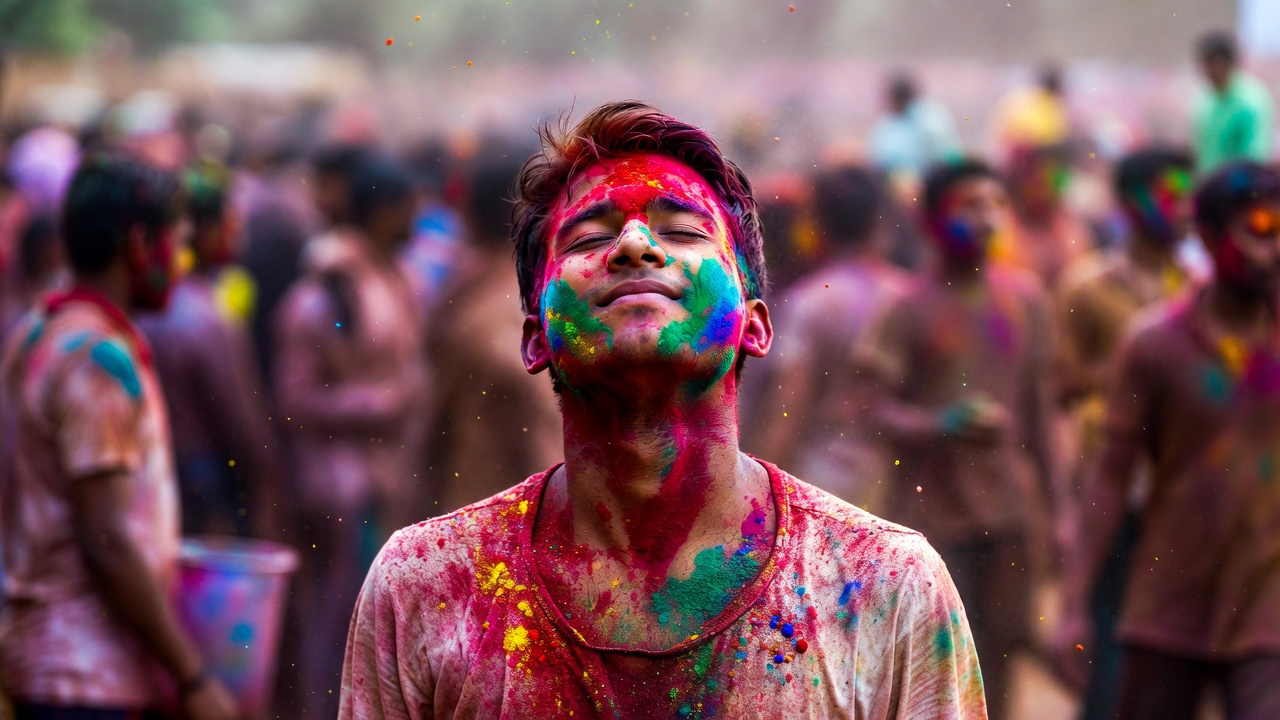
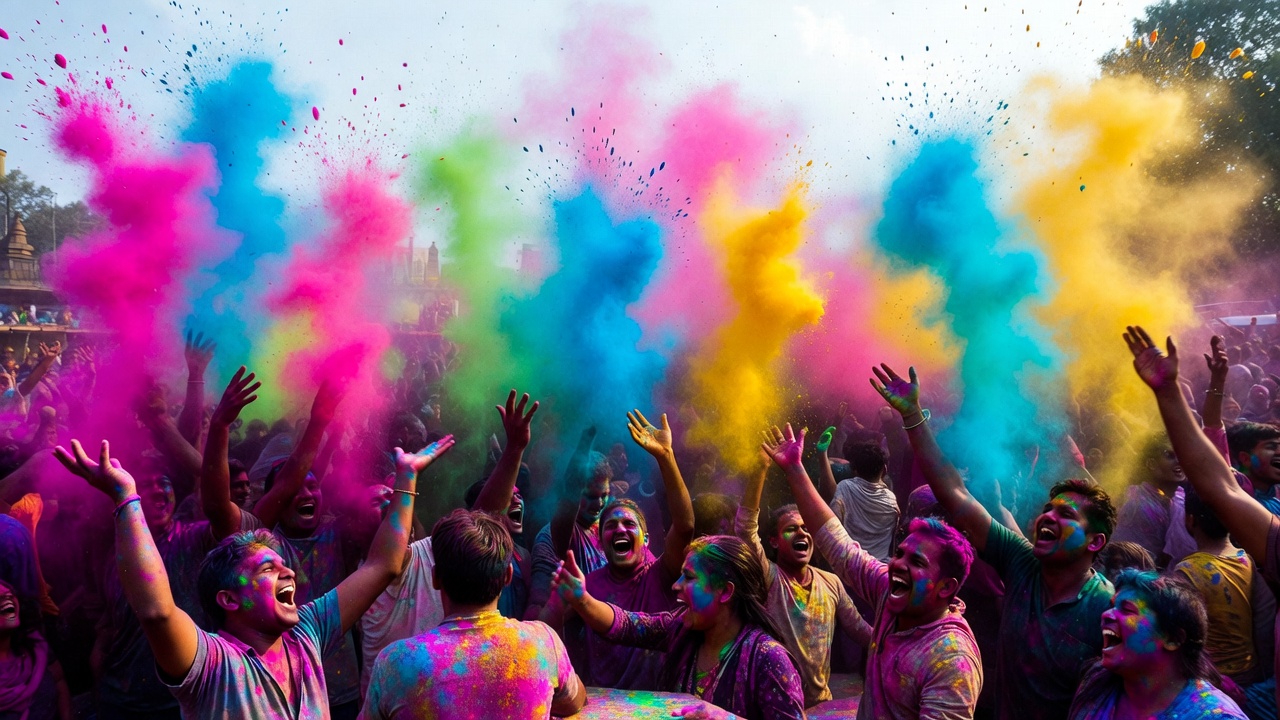
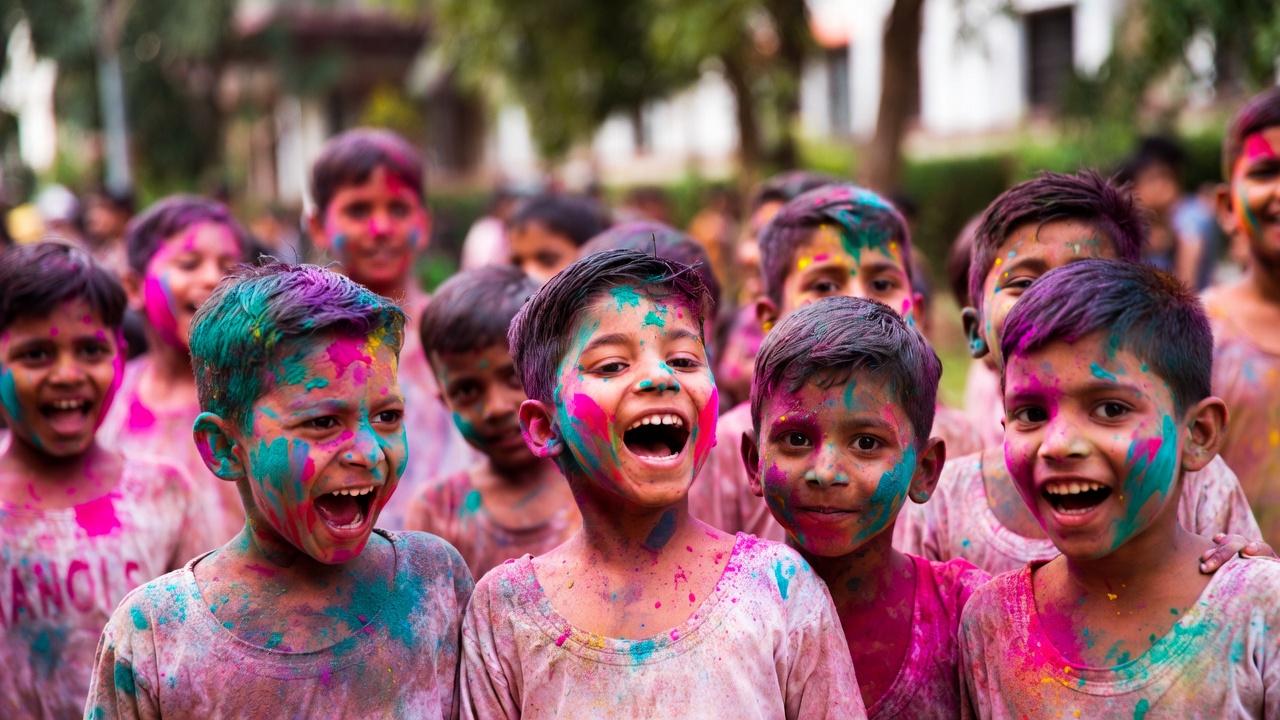
The air fills with vibrant clouds of pink, yellow, and blue. Laughter echoes through streets as neighbors embrace, their differences dissolved in a rainbow of colors. This is Holi, one of the world’s most joyous festivals. It marks the arrival of spring across India and Hindu communities worldwide.
But Holi is far more than a colorful spectacle. Behind every fistful of gulal lies centuries of spiritual wisdom. Every bonfire carries ancient mythology. Every embrace represents profound cultural values that have shaped Indian civilization for millennia.
This guide explores the deep spiritual and cultural meanings of Holi. We examine its mythological origins, regional variations, symbolic colors, and growing global presence. Whether you are planning to celebrate or simply curious about this ancient tradition, understanding Holi’s significance will transform how you see this extraordinary festival.
What is Holi Festival and Why is it Celebrated Every Year?
Holi is a major Hindu festival celebrated as the Festival of Colors, Love, and Spring. It takes place on the full moon day (Purnima) in the Hindu month of Phalguna. This typically falls in late February or March according to the Gregorian calendar. In 2026, Holi will be celebrated on March 3-4.
The festival spans two days of celebration. The first evening features Holika Dahan, a sacred bonfire ritual. The following day, called Rangwali Holi or Dhulandi, brings the famous color play that has made this festival internationally recognized.
Key facts about Holi:
| Aspect | Details |
|---|---|
| Duration | 2 days (evening bonfire + day of colors) |
| Timing | Full moon (Purnima) of Phalguna month |
| 2026 Date | March 3-4, 2026 |
| Primary Regions | India, Nepal, Bangladesh, Pakistan, diaspora worldwide |
| Also Known As | Festival of Colors, Festival of Love, Festival of Spring |
| Religious Significance | Triumph of good over evil, divine love of Radha-Krishna |
The festival serves multiple purposes. It welcomes spring after the cold winter months. It celebrates the triumph of virtue over wickedness. It honors the eternal love between Lord Krishna and Radha. It provides an occasion for communities to come together, forgive past grievances, and strengthen social bonds.
According to Hindu American Foundation, Holi encourages people to forgive and forget—to pay off old debts, renew broken relationships, and make new friends. This aspect of social reconciliation makes Holi comparable to Thanksgiving in the United States, as both festivals emphasize gratitude, togetherness, and fresh beginnings.
The Ancient Origins and History of Holi Festival in India
The roots of Holi extend deep into Indian antiquity. Historical records suggest this festival has been celebrated for over 2,000 years. Ancient texts, temple carvings, and literary works all document various forms of spring celebrations that evolved into modern Holi.
Historical Evidence of Holi Celebrations
The earliest references to Holi appear in ancient Sanskrit texts. The festival finds mention in puranic literature, including the Narada Purana and Bhavishya Purana. These texts describe the festival’s rituals and mythological significance in detail.
Archaeological evidence also supports Holi’s ancient origins. A stone inscription dating to 300 BC found in Ramgarh describes celebrations resembling modern Holi. Temple walls across India depict scenes of color play between divine figures, particularly Krishna and the gopis.
The Garga Samhita, a puranic work by Sage Garga, contains the first literary description of Radha and Krishna playing Holi together. This romantic depiction established the connection between Holi and divine love that continues to define celebrations in the Braj region today.
Mughal Era Celebrations
Holi transcended religious boundaries during the Mughal period. Historical records show that several Mughal emperors participated enthusiastically in Holi festivities. Grand celebrations were held at the Lal Qila (Red Fort), where the festival was also known as Eid-e-Gulaabi (Rose-Colored Eid) or Aab-e-Pashi (Shower of Colors).
Several paintings from this era depict Mughal rulers being covered in colors alongside Hindu nobles and commoners. This tradition of inclusive celebration continued until Emperor Aurangzeb banned public Holi celebrations through a Farman (royal decree) issued in November 1665.
Colonial and Modern Transformations
British colonial rule brought significant changes to how Holi was perceived and celebrated. Some aspects were discouraged or restricted. However, the festival survived and eventually flourished after Indian independence in 1947.
Today, Holi has evolved to incorporate both traditional elements and modern innovations. While the core spiritual significance remains unchanged, contemporary celebrations often include electronic music, organized color runs, and eco-friendly practices that reflect current environmental awareness.
The Mythology and Legends Behind Holi Celebrations
Multiple mythological narratives explain Holi’s significance. Each story conveys important spiritual lessons about faith, devotion, love, and the eternal struggle between good and evil. Understanding these legends enriches the festival experience and reveals its deeper meanings.
The Legend of Prahlad and Holika: Why We Light Bonfires
The most widely known story behind Holi involves the young prince Prahlad and his demonic aunt Holika. This legend explains the Holika Dahan bonfire ritual performed on the festival’s first evening.
According to Hindu mythology, the demon king Hiranyakashipu was granted a powerful boon that made him nearly invincible. He could not be killed by man or animal, indoors or outdoors, during day or night, on earth or in the sky. This boon made him arrogant. He demanded that everyone worship him as a god.
However, his own son Prahlad remained a devoted worshipper of Lord Vishnu. Despite threats, torture, and multiple murder attempts, Prahlad refused to abandon his faith. His devotion remained absolutely unwavering.
Frustrated, Hiranyakashipu enlisted his sister Holika’s help. She possessed a magical cloak that protected her from fire. The plan was simple: Holika would sit with Prahlad in a blazing fire. The cloak would protect her while Prahlad would burn.
But divine intervention changed everything. The cloak flew from Holika to protect the faithful Prahlad. She burned to ashes while he emerged completely unharmed. Lord Vishnu then appeared as Narasimha (half-man, half-lion) to destroy Hiranyakashipu, fulfilling all conditions of the boon.
The spiritual lesson: Faith and devotion triumph over evil and arrogance. Good ultimately prevails, no matter how powerful wickedness appears. The Holika Dahan bonfire symbolizes burning away our own negative qualities—ego, selfishness, hatred, and impurity.
The Divine Love Story of Radha and Krishna: Origins of Color Play
The colorful aspect of Holi traces directly to the romantic legends of Lord Krishna and Radha. This beautiful love story explains why people throw colors during the festival.
Young Krishna had distinctive dark blue skin, the result of being poisoned by the demoness Putana during infancy. While the poison did not kill him, it permanently changed his complexion. Growing up in Vrindavan, Krishna worried that fair-skinned Radha would never love someone who looked so different.
One day, Krishna confessed his fears to his mother Yashoda. She playfully suggested that he approach Radha and ask her to paint his face any color she wished. When Krishna did so, Radha joyfully colored his face. In that moment, their divine love blossomed.
This innocent act of coloring each other’s faces became a tradition. Krishna and his friends, the gopas, would playfully throw colors on Radha and her friends, the gopis, during spring. The girls would chase the boys with sticks, creating a joyful chaos that continues to be reenacted during Holi celebrations across India.
The spiritual lesson: Love transcends physical appearances and worldly differences. When we apply colors on others during Holi, we symbolically dissolve the barriers that separate us—caste, class, gender, and social status all disappear under the rainbow of gulal.
Kamadeva and Lord Shiva: The South Indian Connection
In South India, particularly in Tamil Nadu and Karnataka, Holi connects to the legend of Kamadeva, the Hindu god of love (similar to Cupid in Western mythology).
After the death of his first wife Sati, Lord Shiva retreated into deep meditation on Mount Kailash. His withdrawal from the world caused cosmic imbalance. The gods needed Shiva to marry Parvati (Sati’s reincarnation) and father a divine warrior who could defeat a powerful demon threatening the universe.
Kamadeva was tasked with awakening Shiva from meditation by shooting him with an arrow of love. He succeeded in disturbing Shiva’s concentration. However, the angry Shiva opened his third eye and reduced Kamadeva to ashes.
Kamadeva’s wife Rati and Parvati both pleaded with Shiva. Moved by their devotion and compassion, Shiva eventually restored Kamadeva to life. This restoration is celebrated 40 days after Vasant Panchami—the same timing as Holi.
The spiritual lesson: Love is a powerful force that can awaken even the most withdrawn hearts. Sacrifice for love is noble and eventually rewarded. The universe requires both asceticism and engagement with worldly life.
Understanding the Spiritual Significance of Holi Festival
Beyond its mythological foundations, Holi carries profound spiritual meanings that have guided Hindu philosophical thought for centuries. These deeper significances transform a simple color festival into a profound spiritual practice.
The Triumph of Good Over Evil and Its Universal Message
At its core, Holi celebrates the eternal victory of dharma (righteousness) over adharma (unrighteousness). The Prahlad legend teaches that no power, however great, can ultimately prevail against truth and devotion.
This theme resonates universally. Every culture recognizes the struggle between good and evil within society and within individual hearts. Holi reminds us that despite temporary setbacks, righteousness ultimately triumphs.
The Holika Dahan bonfire provides a ritual enactment of this principle. As flames consume the effigy of Holika, devotees symbolically release their own negative qualities. The fire represents transformation—just as physical material becomes light and heat, our lower nature can be transmuted into spiritual energy.
Holi as a Spring Festival and Symbol of Renewal
Holi marks the transition from winter to spring, a change that carries deep spiritual significance. Spring represents rebirth, renewal, and new beginnings. Nature awakens from winter dormancy. Trees bloom. Fields turn green with new crops.
This external renewal mirrors the internal renewal that Holi encourages. The festival invites us to:
- Release past grievances and start fresh relationships
- Forgive debts and obligations, both financial and emotional
- Shed old habits that no longer serve our growth
- Embrace new possibilities with optimism and joy
The agricultural dimension also matters. In India, Holi coincides with the Rabi harvest season. Farmers celebrate the winter crops while preparing for the new agricultural cycle. The festival becomes a thanksgiving for nature’s abundance and a prayer for continued prosperity.
The Philosophy of Color and Its Deeper Meaning
The colors of Holi carry philosophical significance beyond mere visual beauty. In Hindu thought, colors represent the diversity of creation—the many forms that the one universal consciousness takes.
When everyone becomes covered in multiple colors during Holi, visual distinctions disappear. The rich and poor look the same. High caste and low caste become indistinguishable. This colorful uniformity symbolizes the fundamental unity underlying apparent diversity.
The philosophy of Advaita Vedanta (non-dualism) finds perfect expression in Holi. All apparent differences are maya (illusion). Beneath the colors, beneath the bodies, beneath the personalities, exists one undivided consciousness. Holi allows us to experience this unity directly through joyful celebration.
Fire Worship and Purification Rituals in Holika Dahan
The Holika Dahan bonfire connects to ancient Vedic traditions of Agni (fire) worship. Fire holds supreme importance in Hindu ritual. It carries offerings to the gods. It purifies whatever it touches. It transforms matter into energy.
During Holika Dahan, devotees offer various items into the flames:
| Offering | Symbolic Meaning |
|---|---|
| Coconut | Ego and hard-heartedness |
| Grains | Gratitude for harvest, prayer for abundance |
| Wood and twigs | Past negativity being consumed |
| Sugar cane | Sweetness of devotion |
| Colors | Joy and celebration |
The ritual circumambulation (walking around) of the bonfire follows Vedic precedent. Devotees pray for the destruction of evil within themselves and the world. They seek blessings for the coming year. The fire’s warmth also welcomes the approaching summer season.
Traditional Holi Colors and Their Sacred Meanings
The colors used during Holi are not randomly chosen. Each hue carries specific meanings rooted in Hindu symbolism, mythology, and spiritual philosophy. Understanding these meanings adds depth to the color-play experience.
Red: The Color of Love, Passion, and Fertility
Red (lal) dominates Holi celebrations. It represents love, passion, and the vital energy of life itself. In Hindu tradition, red is auspicious and is prominently featured in wedding ceremonies and religious rituals.
The red color connects to several important associations:
- Divine love between Radha and Krishna
- Fertility and the creative power of nature
- Durga and Shakti, representing feminine divine energy
- Marriage and committed relationships
- Sindoor, the vermillion worn by married Hindu women
Traditional red color comes from kumkum, made from turmeric powder mixed with lime, which miraculously transforms yellow turmeric to scarlet. Red also derives from Palash (Flame of the Forest) flowers, whose bright petals create vibrant natural dyes.
Blue: Divine Energy and Connection to Lord Krishna
Blue (neela) carries profound spiritual significance. It represents the divine, the infinite, and connection to Lord Krishna himself. His distinctive blue complexion makes this color particularly sacred during Holi.
Blue connects to:
- Lord Krishna, whose skin turned blue from poison
- Lord Vishnu, the preserver deity
- The sky and ocean, representing infinite consciousness
- Peace and tranquility
- Trust and loyalty in relationships
The blue color reminds devotees that evil (the poison Putana gave Krishna) can be transformed. What appears negative can become beautiful and divine. Krishna’s blue skin, originally a sign of poisoning, became his most beloved characteristic.
Yellow: Knowledge, Prosperity, and Healing
Yellow (peela) shines with the brilliance of the sun. It represents knowledge, wisdom, prosperity, and the spiritual light that dispels ignorance. Many Hindu deities, including Vishnu and Krishna, are depicted wearing yellow garments.
The Rig Veda, one of Hinduism’s oldest sacred texts, describes Lord Vishnu as tantuvardhan (weaver) who wove the sun’s rays into golden clothing for himself. This ancient association connects yellow with divine radiance.
Yellow also links to:
- Turmeric (haldi), a sacred and medicinal spice
- The Vaishya caste, traditionally merchants and traders
- Spring and the blooming mustard fields
- Healing properties, as turmeric has been used medicinally for millennia
- New beginnings and fresh starts
Green: Nature, Renewal, and New Beginnings
Green (hara) celebrates nature’s renewal during spring. As trees leaf out and crops flourish, green becomes the color of hope, growth, and ecological vitality.
Green connects to:
- Prince Rama, an avatar of Vishnu who spent years in forests
- Nature and environmental harmony
- Harvest and agricultural abundance
- New life emerging in spring
- Health and physical well-being
In certain regions, married women wear green to honor Rama. Widows traditionally avoided green. These customs reflect the color’s strong association with prosperity, marriage, and active participation in worldly life.
Traditionally, creating green dye required combining indigo (blue) with turmeric (yellow). This mixing of colors to produce new hues symbolizes how different elements combine to create the diverse beauty of creation.
Additional Colors and Their Significance
Other colors also carry meaning during Holi:
| Color | Meaning |
|---|---|
| Pink | Joy, friendship, playfulness, companionship |
| Orange | Courage, strength, warmth, sacrifice, spirituality |
| Purple | Royalty, mystery, wisdom, the crown chakra, spiritual awareness |
| White | Purity, peace, beginning (worn before colors are applied) |
The combination of all colors during Holi creates a visual metaphor for unity in diversity—one of India’s foundational principles. Each color maintains its distinctiveness while contributing to a beautiful whole.
How is Holi Celebrated in Different Regions of India?
While Holi shares common themes across India, regional celebrations display remarkable diversity. Each area has developed unique traditions that reflect local culture, history, and religious practices. Exploring these variations reveals the festival’s adaptability and deep roots in Indian life.
Braj Ki Holi: The Most Authentic Holi Celebrations in Mathura and Vrindavan
The Braj region of Uttar Pradesh hosts India’s most elaborate and spiritually significant Holi celebrations. This area—encompassing Mathura, Vrindavan, Barsana, Nandgaon, and Gokul—is considered Lord Krishna’s homeland. Here, Holi celebrations extend over 40 days, beginning from Basant Panchami.
The Braj region covers approximately 256 kilometers and includes multiple sacred sites associated with Krishna’s life. Each location celebrates with distinct traditions:
Lathmar Holi (Barsana and Nandgaon)
Perhaps the most famous regional tradition, Lathmar Holi (stick-beating Holi) reenacts the playful legends of Krishna visiting Radha’s village. Women from Barsana playfully beat men from Nandgaon with sticks while the men protect themselves with shields.
This tradition originated when Krishna and his friends would visit Barsana to throw colors on Radha and the gopis. The women would chase them away with sticks. The playful “battle” continues today, drawing thousands of visitors annually.
The tradition was formalized by Saint Narayan Bhatt in 1569, who documented these practices in the Braj Utsav Chandrika. Women prepare special sticks from neem or araar wood days before the celebration.
Phoolon Ki Holi (Vrindavan)
The Banke Bihari Temple in Vrindavan hosts Phoolon Ki Holi (Holi of Flowers), where petals replace colored powder. Priests shower devotees with fragrant flower petals while devotional songs fill the air.
This celebration emphasizes Holi’s gentler, more spiritual dimension. The temple becomes a riot of floral decorations. The atmosphere feels devotional rather than chaotic. This makes Phoolon Ki Holi particularly popular with families and spiritual seekers.
Laddu Holi (Barsana)
At the Shriji Temple, priests throw laddoos (sweet balls) to the crowd during Laddu Holi. Devotees scramble joyfully to catch these blessed sweets, which symbolize divine invitation and celebration.
Huranga Holi (Baldeo)
The Dauji Temple near Mathura hosts Huranga Holi, one of the most intense celebrations. Women tear men’s clothes and beat them with cloth whips while men throw colors. This tradition commemorates Lord Balarama’s (Krishna’s brother) Holi celebrations with the gopis.
Dol Jatra: How West Bengal and Odisha Celebrate Holi
Eastern India celebrates Holi as Dol Jatra (Swing Festival) or Basanta Utsav (Spring Festival). These celebrations emphasize elegance, music, and the worship of Radha-Krishna through refined artistic expression.
In West Bengal, the festival is closely associated with Rabindranath Tagore and Shantiniketan, where he established unique cultural traditions. Students dress in yellow and saffron. They sing, dance, and apply colors in a graceful manner that reflects Bengali aesthetics.
The celebration centers on placing Radha-Krishna idols on decorated swings. Devotees gently swing the deities while singing devotional songs. This gentle rocking symbolizes the divine couple’s playful love and the gentle arrival of spring breezes.
Odisha calls the festival Dola Jatra. Colorful processions carry deity images through streets while musicians play traditional instruments. The emphasis remains on devotion and artistic expression rather than raucous color-throwing.
Hola Mohalla: The Sikh Celebration During Holi in Punjab
In Punjab, Holi coincides with Hola Mohalla, a three-day Sikh celebration established by Guru Gobind Singh in 1701. While sharing the timing with Holi, Hola Mohalla emphasizes martial traditions and Sikh identity.
The main celebration takes place at Anandpur Sahib. Sikh warriors demonstrate their martial skills through:
- Mock battles
- Sword fighting displays
- Horse riding exhibitions
- Archery competitions
- Gatka (Sikh martial art) performances
After the martial demonstrations, the celebration includes langar (communal meals), music, and poetry recitations. Colors are played, but the festival’s character reflects Sikh values of courage, discipline, and community service.
Rangpanchami and Regional Variations in Maharashtra and Gujarat
Maharashtra extends Holi celebrations to Rangpanchami, occurring five days after the main festival. This extended celebration allows those who missed the main day to participate.
The region also features Matki Phod (pot-breaking), similar to the Dahi Handi tradition during Janmashtami. Young men form human pyramids to reach and break pots hung high above the ground. The pots contain butter or colored water. This tradition recalls Krishna’s childhood pranks of stealing butter from neighborhood homes.
Gujarat celebrates with particular enthusiasm, reflecting the state’s reputation for vibrant festivals. Large community gatherings, folk music, and traditional garba dancing accompany the color play.
Manjal Kuli: Kerala’s Unique Holi Traditions
In Kerala, Holi is celebrated as Manjal Kuli (turmeric bathing). People apply turmeric and water while singing traditional folk songs. The celebration is gentler than North Indian traditions, reflecting Kerala’s generally more reserved cultural style.
The emphasis on turmeric connects to Ayurvedic traditions. Turmeric’s antiseptic and healing properties make it beneficial for the skin, transforming the color ritual into a health practice.
Traditional Holi Food and Drinks: Gujiya, Thandai, and Festival Delicacies
Food plays an essential role in Holi celebrations. Traditional dishes and drinks have been associated with the festival for centuries. Each item carries cultural significance and often provides specific benefits during the spring season.
Gujiya: The Sweet Heart of Holi Celebrations
Gujiya holds pride of place among Holi sweets. This deep-fried pastry, shaped like a half-moon, represents the festival’s essence. Making gujiya is a family tradition where generations work together, strengthening bonds while preparing for celebrations.
Traditional Gujiya Recipe Components:
| Component | Ingredients |
|---|---|
| Outer shell | All-purpose flour (maida), ghee (clarified butter) |
| Filling | Khoya (reduced milk), dried fruits, nuts, cardamom, coconut |
| Preparation | Deep-fried until golden, sometimes dipped in sugar syrup |
Historical records suggest gujiya has Mughlai origins, possibly inspired by Persian and Middle Eastern sweets like Baklava. Over centuries, Indian cooks adapted the recipe to local tastes, making it distinctly Indian.
The pastry symbolizes sweetness, prosperity, and festive joy. Families prepare large batches to share with neighbors, relatives, and friends. Exchanging gujiya strengthens community bonds and expresses goodwill.
Thandai: The Cooling Festival Drink with Medicinal Benefits
Thandai is a refreshing milk-based beverage synonymous with Holi. The word comes from “thanda,” meaning cool or cold in Hindi. This spiced drink has a cooling effect on the body, perfect for the warming spring weather.
Traditional Thandai Ingredients:
- Milk (the base)
- Almonds and pistachios
- Fennel seeds
- Poppy seeds
- Watermelon seeds
- Black pepper
- Cardamom
- Saffron
- Rose petals or rose water
- Sugar
According to Wikipedia, the first records of Thandai date back to approximately 1000 BC, making it one of the oldest beverages in the Indian subcontinent. Its longevity reflects both its delicious taste and genuine health benefits.
The various seeds and spices in thandai have cooling properties according to Ayurveda. Fennel aids digestion. Saffron provides antioxidants. Almonds offer protein and healthy fats. The beverage thus supports health while providing festive enjoyment.
Bhang Thandai, a variant containing cannabis leaves, is traditionally consumed in certain regions during Holi. This practice has ancient roots in Shaivite traditions, where bhang is associated with Lord Shiva. However, excessive consumption is discouraged, and bhang thandai is not universally consumed.
Other Traditional Holi Foods
Beyond gujiya and thandai, numerous other dishes feature during Holi celebrations:
Malpua – Sweet pancakes soaked in sugar syrup, mentioned in Vedic texts as an ancient Indian delicacy.
Dahi Bhalla – Lentil dumplings served in yogurt with chutneys, providing a cooling, protein-rich snack perfect for active celebrations.
Kanji – A fermented probiotic drink made from black carrots, mustard seeds, and water. This North Indian specialty aids digestion and provides beneficial bacteria.
Puran Poli – A sweet flatbread popular in Maharashtra, Gujarat, and Karnataka, filled with lentil paste sweetened with jaggery.
Papri Chaat – A savory snack combining crispy wafers with potatoes, chickpeas, yogurt, and chutneys, offering sweet, sour, and spicy flavors.
Eco-Friendly and Organic Holi Colors: A Guide to Safe Celebrations
Modern awareness about health and environmental concerns has sparked a movement toward organic, eco-friendly Holi colors. Traditional colors were always natural, but industrialization introduced synthetic dyes that pose significant risks.
The Problem with Synthetic Holi Colors
Commercial synthetic colors often contain harmful substances:
| Harmful Substance | Health Risks |
|---|---|
| Lead oxide | Neurological damage, kidney problems |
| Mercury compounds | Skin disorders, nervous system damage |
| Chromium | Carcinogenic, skin allergies |
| Copper sulfate | Eye irritation, skin damage |
| Gentian violet | Mutagenic properties |
| Asbestos | Respiratory problems, cancer risk |
These chemicals cause immediate problems like skin rashes, eye infections, and allergic reactions. Long-term exposure may increase cancer risk and other serious health conditions.
Environmental damage is equally concerning. Synthetic colors pollute water bodies when washed off. They harm aquatic life. The fine particles contribute to air pollution and respiratory problems during celebrations.
Traditional Natural Color Sources
Historically, all Holi colors came from natural sources that were safe for skin and environment:
| Color | Natural Source |
|---|---|
| Red/Pink | Red roses, beetroot, pomegranate peel, annatto seeds |
| Yellow | Turmeric, marigold flowers |
| Orange | Flame of the Forest (Palash/Tesu) flowers |
| Green | Henna leaves (mehendi), spinach, neem |
| Blue | Indigo plant, Himalayan indigo |
| Purple | Jamun (Indian blackberry), blueberries |
These natural ingredients were prepared by soaking flowers in water, boiling to extract color, and grinding dried materials into powder. Temple communities often prepared natural colors for weeks before Holi.
How to Choose Safe Organic Gulal
When purchasing Holi colors, look for:
- Certification from recognized bodies (ECOCERT, India Organic)
- Ingredient lists showing plant-based materials
- Dermatological testing claims
- Short shelf life (6-12 months indicates no synthetic preservatives)
- Biodegradable labeling
- Reputable brands with transparent sourcing
Several companies now specialize in organic Holi colors, including Advait Living, Cock Colours, and AMA Herbal. These products use food-grade ingredients, making them safe even if accidentally ingested.
Making Natural Holi Colors at Home
Creating homemade natural colors ensures complete safety:
Yellow: Mix turmeric powder with gram flour (besan) for bulk.
Red: Dry red rose petals, grind to powder. Alternatively, use dried pomegranate peels.
Green: Dry henna leaves, grind fine. Mix with gram flour.
Orange: Soak Palash flowers in water overnight, strain and use the liquid.
Blue: This is the hardest natural color to achieve. Dried butterfly pea flowers can provide light blue shades.
Homemade colors may appear less vibrant than synthetic alternatives, but they offer complete peace of mind regarding safety and environmental impact.
How Holi is Celebrated Around the World: Global Celebrations
Holi has transcended its South Asian origins to become a global celebration. Wherever the Indian diaspora has settled, Holi traditions have taken root and often evolved to incorporate local elements while maintaining core spiritual significance.
Holi Celebrations in the United States
The United States, home to a large Indian diaspora, hosts numerous major Holi events. Cities with significant South Asian populations—including New York, Los Angeles, Houston, and Chicago—organize large-scale celebrations.
Notable US Holi Events:
- Festival of Colors (Utah): One of the largest Holi events outside India, held at the Spanish Fork Krishna temple
- Rang Barse Holi (New York): Draws massive crowds to Governor’s Island
- Times Square Holi: Manhattan’s iconic celebration
- Discovery Green (Houston): Large community celebration with traditional elements
According to Global Indian, New York’s Festival of Colors now attracts over 10,000 attendees, including many non-Indians drawn by the music, food, and vibrant atmosphere.
These events typically feature:
- Color throwing in designated areas
- Bollywood and traditional music
- Indian food vendors
- Dance performances
- Cultural education components
United Kingdom Holi Festivals
The UK’s significant Hindu population ensures robust Holi celebrations. Cities like London, Leicester, and Birmingham host large public events.
Leicester has one of the largest Hindu communities outside India. Its Abbey Park celebration is among the UK’s largest, reflecting the city’s strong South Asian cultural presence.
London hosts multiple events, including celebrations at Wembley Park and Trafalgar Square. These feature live performances, food stalls, and large-scale color throwing that attract diverse participants.
Australia and the Southern Hemisphere
Sydney’s Holi Festival of Colors has grown into a massive event, held in sprawling outdoor spaces. The celebration adapts to the southern hemisphere’s opposite seasons—March falls during autumn, not spring, in Australia.
Despite this seasonal difference, Australian celebrations maintain Holi’s core themes of joy, renewal, and community. Melbourne and other cities also host significant events that bring together multicultural populations.
Caribbean Nations: Phagwah Traditions
Countries with significant Indo-Caribbean populations—including Trinidad and Tobago, Guyana, and Suriname—celebrate Holi as Phagwah or Phagwa.
In Suriname, Holi is actually a national holiday. The celebration features traditional Chowtal songs and newer Pichakaree music. People wear white clothes, throw colored powder (abrack), and spray colored water (abeer). The festival is celebrated by people of all ethnicities and religions, reflecting Suriname’s diverse society.
Trinidad and Tobago maintains strong Holi traditions through its Hindu population, which forms a significant portion of the country’s demographics. Celebrations blend traditional Indian elements with Caribbean culture.
Nepal and South Asian Neighbors
Nepal celebrates Holi with enthusiasm equal to India. The festival is particularly significant in the Terai region, which shares cultural connections with neighboring Indian states.
In the Kathmandu Valley, celebrations include raising a ceremonial pole called a chir in Basantapur Durbar Square. The chir is burned at the conclusion of the festival, similar to Holika Dahan.
Bangladesh celebrates Holi primarily among its Hindu minority population. Major celebrations occur in cities like Dhaka and in border regions with strong cultural ties to West Bengal.
The Global Color Run Phenomenon
Holi’s influence has inspired the international Color Run phenomenon. These running events, held worldwide, use the concept of throwing colored powder without the religious elements.
While organizers sometimes face criticism for cultural appropriation, many argue these events have introduced millions of people to the joy of color celebration. The trend has certainly increased global awareness of Holi and Indian culture generally.
Celebrating Holi Safely: Essential Tips and Etiquette
Enjoying Holi safely requires preparation and awareness. Following established guidelines ensures a positive experience for everyone while honoring the festival’s spirit of joy and respect.
Pre-Celebration Preparation
Skin protection is essential:
- Apply coconut oil or moisturizer generously to exposed skin before celebrations
- This creates a barrier that makes color removal easier
- Pay special attention to ears, around eyes, and nail beds
Hair care prevents damage:
- Apply oil to hair and scalp before playing
- Consider covering hair or tying it back
- Colored hair may be more susceptible to staining
Clothing choices matter:
- Wear old clothes you don’t mind getting stained
- White cotton is traditional (it shows colors beautifully)
- Avoid synthetic materials that may react with some colors
Eye protection is important:
- Consider wearing old sunglasses
- Never rub eyes if color enters
- Rinse immediately with clean water if needed
Consent and Respect During Celebrations
Modern celebrations increasingly emphasize consent. Not everyone wants to participate equally in color play. Respecting boundaries is essential:
- Ask before applying color to someone
- Respect “no” without argument
- Watch for signs of discomfort
- Never force participation
Some events now distribute “Ask Before You Color” wristbands to indicate participants who prefer limited or no color application.
Vulnerable groups require special consideration:
- Children should use gentle colors and supervised play
- Elderly participants may prefer limited activity
- Pregnant women may wish to avoid crowds
- People with respiratory conditions should stay away from heavy powder areas
Post-Celebration Care
Removing color properly protects skin and hair:
- Don’t use harsh scrubbing immediately
- Soak in lukewarm water first
- Use gentle soap or natural cleansers
- Apply moisturizer after cleaning
- Some organic colors may take several washes to remove completely
Hydration is crucial, especially during warm weather. Drink plenty of water throughout celebrations. Avoid excessive alcohol, which can lead to poor decisions and dehydration.
The Modern Significance of Holi: Unity and Social Harmony
Beyond its religious and cultural dimensions, Holi carries profound social significance in contemporary times. The festival promotes values that remain relevant—perhaps more than ever—in our divided modern world.
Breaking Social Barriers Through Color
During Holi, traditional hierarchies temporarily dissolve. Rich and poor, young and old, high caste and low caste—all become equal under the rainbow of colors. This leveling effect, though temporary, reminds participants of fundamental human equality.
In traditional Hindu society, strict social divisions governed daily interactions. Holi provided a sanctioned space to transcend these boundaries. Even servants could throw colors on their employers. Women could tease men in ways normally prohibited.
This tradition continues today. Corporate offices hold Holi celebrations where employees and executives mingle freely. Neighborhood celebrations bring together families of different economic backgrounds. The colors literally make social differences invisible.
Environmental Awareness and Sustainable Celebrations
Modern Holi celebrations increasingly incorporate environmental consciousness. The shift toward organic colors reflects broader awareness about sustainability and personal health.
Water conservation has become a significant concern. Traditional Holi involved extensive water play, but many regions now face severe water scarcity. Progressive celebrations encourage:
- Dry color play instead of water-based celebration
- Limited water use for cleaning
- Eco-friendly color disposal
- Community cleanup after festivities
These modifications honor Holi’s spiritual essence while addressing contemporary environmental challenges.
Holi’s Role in Promoting Interfaith Harmony
Throughout history, Holi has attracted participation beyond Hindu communities. Muslims, Sikhs, Jains, and Christians in India have often joined celebrations. This interfaith participation demonstrates the festival’s universal appeal.
The Mughal-era celebrations at the Red Fort exemplified this inclusive spirit. Emperors, nobles, and commoners of different faiths celebrated together. This tradition of inclusive celebration provides a model for contemporary interfaith understanding.
In today’s polarized environment, Holi’s message of unity and reconciliation becomes especially valuable. The festival reminds us that joy, celebration, and human connection transcend religious and cultural boundaries.
Conclusion: Embracing the True Spirit of Holi
Holi is far more than a colorful spectacle. It is a profound cultural expression carrying millennia of spiritual wisdom. The festival teaches timeless lessons about faith, love, unity, and renewal.
The mythology of Prahlad reminds us that devotion triumphs over arrogance. The love story of Radha and Krishna shows that true connection transcends superficial differences. The bonfire of Holika Dahan symbolizes our power to burn away negativity and embrace transformation.
The colors themselves carry meaning—red for love, blue for the divine, yellow for knowledge, green for renewal. When applied liberally during celebrations, they remind us that beneath surface differences, we share common humanity.
Regional traditions from Braj to Bengal, Punjab to Kerala, demonstrate how universal themes find unique local expressions. This diversity within unity reflects India’s cultural genius and Holi’s remarkable adaptability.
Global celebrations show that Holi’s appeal extends far beyond South Asia. People worldwide resonate with the festival’s joy, its message of reconciliation, and its celebration of life’s vibrancy.
As you celebrate Holi—whether in Vrindavan’s ancient temples or a city park thousands of miles away—remember the festival’s deeper purposes. Use it as an opportunity to:
- Forgive those who have wronged you
- Reconnect with friends and family
- Release negativity and embrace fresh beginnings
- Celebrate the diversity and beauty of creation
- Experience the joy that comes from genuine human connection
May your Holi celebration be safe, joyful, and spiritually meaningful. May the colors you throw and receive remind you of life’s beauty and our fundamental unity.
Holi Hai! (It’s Holi!)
This article provides educational information about Holi festival traditions and significance. Always practice celebrations responsibly, respecting consent, safety, and local regulations.
Frequently Asked Questions About Holi
When is Holi 2026? Holi 2026 will be celebrated on March 3-4, 2026. Holika Dahan occurs on the evening of March 3, with Rangwali Holi (color play) on March 4.
Is Holi only for Hindus? While Holi originates as a Hindu festival, it is celebrated by people of many faiths. Sikhs, Jains, and others have traditionally participated. Modern celebrations often welcome anyone interested in joining the festivities.
Are Holi colors safe? Traditional natural colors made from flowers and herbs are safe. However, synthetic commercial colors may contain harmful chemicals. Choose certified organic colors or make natural colors at home for the safest celebration.
What should I wear to Holi? Wear old, white cotton clothes that you don’t mind getting stained. White shows the colors beautifully. Avoid expensive or synthetic garments. Apply oil to skin and hair before celebrations for easier color removal.
Can I celebrate Holi if I have allergies? Those with allergies should use organic, certified colors and may want to limit participation. Stay away from areas with heavy powder in the air. Consult a healthcare provider if you have severe allergies or respiratory conditions.