A comprehensive guide to Mauritius’s most sacred UNESCO World Heritage Site, the February 1st Abolition of Slavery commemoration, and why this rugged mountain holds the key to understanding an entire nation’s identity.
Introduction: Why Le Morne Brabant is the Most Emotionally Powerful Place in Mauritius
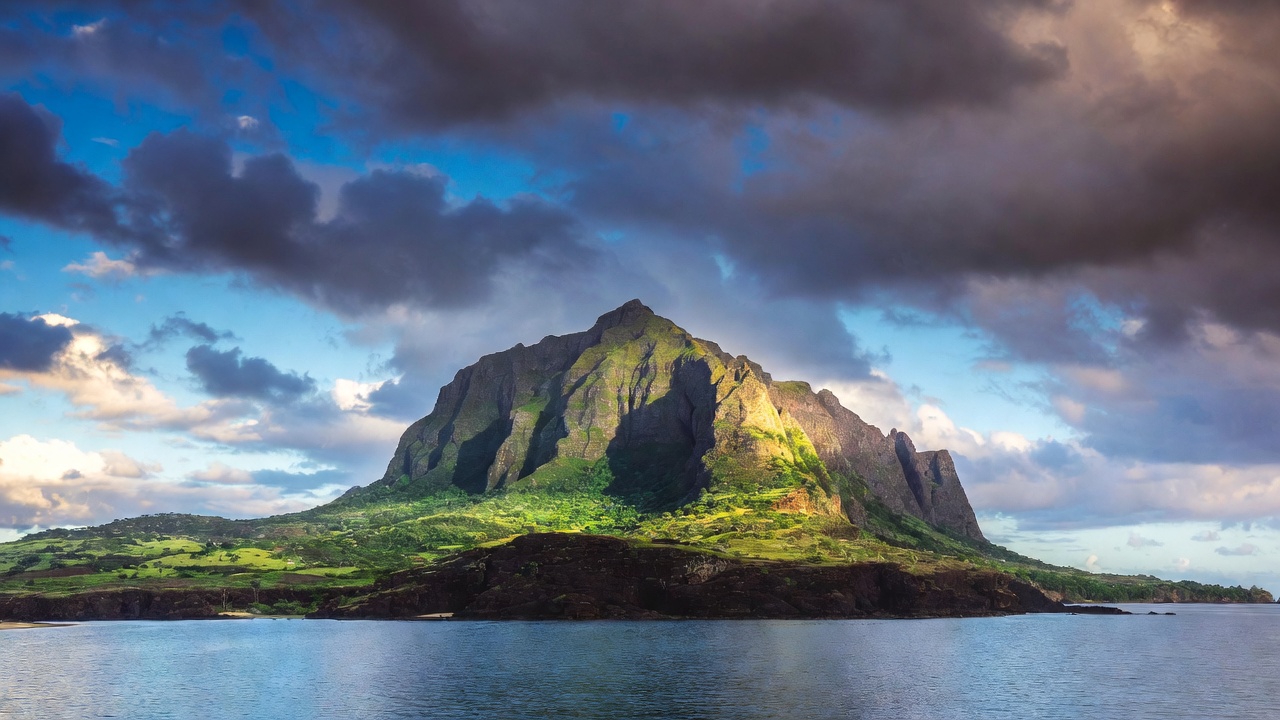
There are places on Earth that transcend their physical geography. Le Morne Brabant is one of them. Rising 556 meters from the turquoise waters of the Indian Ocean on the southwestern tip of Mauritius, this basaltic monolith is far more than a dramatic backdrop for luxury resorts and kitesurfing enthusiasts. It is a cathedral of freedom, a living monument to human resilience, and the beating heart of Mauritius’s complex cultural identity.
Every year on February 1st, thousands gather at the foot of this mountain. They come not for adventure tourism or Instagram photos. They come to remember. They come to honor. They come to celebrate the day in 1835 when slavery was officially abolished on this island. The ceremonies held here are unlike any other in the world.
This comprehensive guide explores everything you need to know about Le Morne’s profound significance. We will delve deep into its history as a refuge for escaped slaves. We will examine the tragic legend that makes February 1st so poignant. We will discover how UNESCO recognition transformed local memory into global heritage. Most importantly, we will understand why this mountain continues to shape Mauritian identity today.
What is Le Morne Cultural Landscape? Understanding the UNESCO World Heritage Site
The Geography That Made History Possible
Le Morne Brabant is located on the Le Morne Peninsula at the extreme southwestern tip of Mauritius. The mountain itself is a massive basaltic monolith with vertical cliffs on three sides, steep slopes intersected by ravines, and a relatively flat plateau at its summit covering approximately 12 hectares (30 acres).
| Feature | Details |
|---|---|
| Height | 556 meters (1,824 feet) |
| Summit Area | Over 12 hectares |
| Location | Southwestern tip of Mauritius |
| UNESCO Inscription | July 10, 2008 |
| Terrain | Basaltic monolith with caves and overhangs |
The mountain’s fortress-like structure made it an ideal hiding place. Its isolation, steep cliffs, dense woodland, and numerous caves provided natural protection for those seeking refuge. The peninsula benefits from a unique microclimate that supports rare endemic plant species, including the Mandrinette and the Boucle d’Oreille.
Why UNESCO Declared Le Morne a World Heritage Site
On July 10, 2008, UNESCO inscribed Le Morne Cultural Landscape on the World Heritage List. The inscription recognized the site’s Outstanding Universal Value under two criteria:
Criterion (iii): The mountain is an exceptional testimony to maroonage, or resistance to slavery, serving as a fortress for escaped slaves with both physical and oral evidence supporting this use.
Criterion (vi): The dramatic form of the mountain, the heroic nature of the resistance it sheltered, and the longevity of oral traditions have made Le Morne a universal symbol of slaves’ fight for freedom, suffering, and sacrifice.
The UNESCO decision states that Le Morne’s values extend beyond Mauritius to all countries from which slaves originated. These include the African mainland, Madagascar, India, and Southeast Asia. The Creole people of Mauritius and their shared memories represent this global heritage.
The Maroon Republic: How Mauritius Became a Symbol of Resistance
During the height of the slave trade, Mauritius earned a remarkable nickname: the “Maroon Republic.” This term reflected the extraordinarily high percentage of enslaved people who successfully escaped their captors. Historical estimates suggest that by the time slavery ended in 1835, approximately 13% of slaves in Mauritius had escaped. Many found their way to Le Morne.
The word “maroon” (or “marron” in French) derives from the Spanish “cimarrón,” meaning wild or untamed. It came to describe enslaved people who escaped and formed independent communities. At Le Morne, these maroons created small settlements in caves and on the summit, surviving off the land for years or even decades.
The Tragic History of Slavery in Mauritius: From Dutch Colonization to British Abolition
The Dutch Period: Mauritius’s First Slaves (1638-1710)
Mauritius was uninhabited when Europeans first discovered it. The Dutch East India Company established the first permanent settlement in 1638, naming the island after Maurice, Prince of Orange and Count of Nassau. Almost immediately, they began importing enslaved people.
The first slaves arrived from Madagascar in the 1640s. Historical records show that Governor Adriaan van der Stel brought approximately one hundred Malagasy slaves to work on sugar cane and tobacco plantations. The conditions were so brutal that over half fled to seek refuge in the forests almost immediately.
This pattern of escape and resistance would define Mauritius for the next two centuries.
The French Colonial Era: Expansion of the Slave Trade (1710-1810)
When the Dutch abandoned Mauritius in 1710, the French East India Company quickly claimed the island, renaming it “Île de France.” Under French rule, the slave trade expanded dramatically. Slaves were brought from:
- East Africa (particularly Mozambique)
- Madagascar
- India
- Southeast Asia
- West Africa (through secondary trade routes)
By the late 18th century, enslaved people constituted approximately 80% of the island’s population. Some historical estimates suggest the total number of enslaved Africans reached around 60,000 by the early 19th century.
The British Period: Delayed Abolition (1810-1835)
Britain captured Mauritius in 1810 during the Napoleonic Wars. Although the British Parliament passed the Slavery Abolition Act in 1833, implementation in Mauritius was delayed. The island became the last British colony to abolish slavery, finally doing so on February 1, 1835.
| Colonial Period | Dates | Significance |
|---|---|---|
| Dutch | 1638-1710 | First slaves introduced |
| French | 1710-1810 | Massive expansion of slave trade |
| British | 1810-1968 | Abolition in 1835, independence in 1968 |
According to American slave historian Pier Larson, between the 1720s and 1820s, over 200,000 slaves arrived in Mauritius and Reunion Island from East African and Malagasy ports. Many were illegally introduced even after Britain banned the slave trade in 1807.
The Legend of Le Morne Brabant: Why Slaves Jumped to Their Deaths on Freedom Day
The Maroons of Le Morne: Life on the Mountain
During the 18th and early 19th centuries, Le Morne Brabant became the primary refuge for escaped slaves in Mauritius. The mountain offered everything needed for survival and concealment:
- Steep, virtually inaccessible cliffs difficult to climb
- Dense forest cover hiding settlements from view
- Frequent mists at the summit obscuring visibility
- Numerous caves providing shelter from weather and pursuers
- Isolation from plantation areas
The maroons established organized communities on the mountain. Archaeological excavations have revealed ashy deposits confirming the use of fire, and 300-year-old animal bones suggesting they maintained livestock. They developed sophisticated survival strategies, growing food, hunting, and creating defensive positions.
At the base of the mountain, a banyan tree served as a gathering point. This tree is now marked with a plaque identifying it as the birthplace of Sega music, the traditional music of enslaved Africans that would become Mauritius’s national music.
February 1, 1835: The Day Freedom Became Tragedy
The most haunting story associated with Le Morne concerns the day slavery was abolished. According to oral tradition passed down through generations, on February 1, 1835, a police expedition was dispatched to the mountain.
Their mission was simple: inform the maroons that they were now free.
The soldiers began climbing the steep slopes toward the summit. But the maroons, watching from above, had no reason to trust the authorities. For generations, such expeditions had meant only one thing: capture, punishment, and return to bondage.
What happened next remains the defining tragedy of Le Morne.
Believing they were about to be recaptured and re-enslaved, many maroons chose death over bondage. They scrambled to the summit and, as the police approached, threw themselves from the cliffs into the ocean below. They chose what they called “the kiss of death” rather than risk the chains of slavery.
The poem “Le Morne Territoire Marron” by Mauritian poet Richard Sedley Assonne captures this moment:
“There were hundreds of them, but my people the maroons chose the kiss of death over the chains of slavery.”
Historical Evidence vs. Oral Tradition
It is important to note that this story exists primarily through oral tradition rather than documented historical records. There is no archaeological evidence of bones found on the beach below the cliffs (though the area is known as the “Valley of Bones”). Some historians treat the mass suicide as legend rather than verified fact.
However, the UNESCO inscription specifically recognized the “longevity of oral traditions” as part of the site’s Outstanding Universal Value. Whether every detail is historically accurate matters less than the story’s power as a symbol of resistance and the price of freedom.
As noted by UNESCO’s decision document, oral stories describing maroon lives passing across generations were later confirmed by archaeological findings in cave shelters, validating the mountain’s use as a refuge.
February 1st Mauritius Celebrations: How the Abolition of Slavery is Commemorated Today
The Public Holiday: Abolition of Slavery Day in Mauritius
February 1st is a national public holiday in Mauritius. Known as Abolition of Slavery Day or simply Abolition Day, it commemorates the official end of slavery on the island.
The holiday was formally established as a day of national remembrance in 2001, though informal commemorations had occurred since 1987. The first official government ceremony at Le Morne took place on February 1, 2005, marking a turning point in how Mauritius acknowledges this aspect of its history.
What Happens at Le Morne on February 1st?
The commemorations at Le Morne are the most significant events of the day. They typically include:
1. Official Government Ceremony
- Government officials, including the Prime Minister, attend
- Wreath-laying at the International Slave Route Monument
- Speeches by political leaders and cultural figures
- International diplomatic representatives often participate
2. Cultural Performances
- Traditional Sega music and dance performances
- Poetry readings and dramatic presentations
- Creole language cultural programs
3. Community Gatherings
- Family picnics on Le Morne beach
- Rastafarian religious observances
- Community feasts featuring traditional Creole cuisine
4. Memorial Activities
- Moments of silence
- Processions
- Prayers and spiritual ceremonies
The commemorative speeches delivered on February 1st often extend beyond remembering slavery. They address the construction of contemporary Creole identity and its relationship to Africa. The Rastafarian community, in particular, has played a significant role in these ceremonies.
The Emotional Significance for Mauritian Creoles
For Mauritian Creoles (defined locally as people of predominantly African or Malagasy descent), February 1st holds deeply personal meaning. The ceremonies at Le Morne serve multiple functions:
- Honoring ancestors who suffered under slavery
- Celebrating survival and the triumph of freedom
- Affirming cultural identity in a multi-ethnic society
- Demanding recognition of historical injustices
- Building community across generations
As reported in local accounts, “For locals, February 1st is now a reminder of their history and that of their ancestors. It embodies their roots and identity.”
The International Slave Route Monument: A Global Memorial at the Foot of Le Morne
History and Inauguration of the Monument
The International Slave Route Monument was formally unveiled on February 1, 2009, marking the 174th anniversary of abolition in Mauritius. The monument sits at the foot of Le Morne Brabant, in a garden enclosure across from the public beach.
This monument is part of UNESCO’s larger “Slave Route Project,” an international initiative launched in Benin in 1994 to preserve the memory of the slave trade globally. Mauritius formally joined this project in 2005 with the establishment of a Slave Route National Committee under the Ministry of Arts and Culture.
The Sculptures: Representing Global Origins of Enslaved People
The monument comprises 10 sculptures arranged in a symbolic design:
| Sculpture | Country/Origin | Artist |
|---|---|---|
| Central Monument | Mauritius | Mauritian artist |
| Prayer to Break the Chains | Haiti | Fritz Laratte |
| Voile de la Liberté | Senegal | Ndary Lo |
| Phénix Rouge | France | Lionel Sabatté |
| Flight for Freedom | India | Professor Pandeya Rajivanayan |
| Various sculptures | Madagascar, Mozambique, China, Malaysia, Reunion Island | International artists |
The central bronze sculpture depicts several figures of enslaved people, men and women, turned toward Le Morne mountain. This orientation symbolizes the path to freedom represented by the natural refuge.
The most powerful individual sculpture is “Prayer to Break the Chains” by Haitian artist Fritz Laratte. It depicts a slave who prayed to God for liberation. According to the artwork’s symbolism, at the end of his prayers, his hands were suddenly freed from the chains that had bound him.
Symbolic Design and Meaning
The monument’s overall design represents a compass, conveying directions to the points of origin or destination of slaves passing through Mauritius. This symbolic choice reflects Mauritius’s role as a strategic slave trading center in the Indian Ocean.
The location is significant. From the monument, visitors have a clear view of:
- The caves in the cliff faces where maroons once hid
- The sheer drop from the mountain into the Valley of Bones
- The western face of the cliff, where the tragic jumps allegedly occurred
- The sea and beach that connect to the African homeland
Traditional Mauritian Sega Music: The Sound of Resistance Born at Le Morne
Origins of Sega: Music Created by Enslaved Africans
Sega music is the traditional music of Mauritius, and its origins are inseparable from the history of slavery and Le Morne. The genre emerged among enslaved populations in the late 17th to early 18th century as a form of emotional expression, spiritual practice, and cultural preservation.
According to the UNESCO Intangible Cultural Heritage listing, Traditional Mauritian Sega Tipik was inscribed in 2014 as a vibrant performing art emblematic of the Creole community.
The music has deep roots in:
- African rhythms from Mozambique, Madagascar, and other source regions
- Malagasy death rituals (some scholars see connections to famadihana)
- European folk dance music like polka, waltz, and quadrilles
The Banyan Tree: Birthplace of Sega at Le Morne
At the foot of Le Morne mountain, along the only ascent, stands a banyan tree that holds tremendous cultural significance. A plaque at this tree marks it as the birthplace of Sega music.
Escaped slaves would gather here for celebrations called “bals rann zareko” (white bean parties). During these Saturday night gatherings, they would play music using handmade instruments:
- Ravanne: A circular wooden frame covered with goat skin, the heartbeat of Sega music
- Maravanne: A rattle box filled with seeds, providing rhythm
- Triangle: A metal instrument for additional percussion
From Suppression to National Symbol
For centuries, Sega was considered “lowbrow” music. It was associated with drinking, sexuality, and the marginalized Creole community. Colonial and post-colonial elites looked down on the art form.
A turning point came on October 30, 1964, when an event called “La Nuit du Sega” (The Night of Sega) was held at the foot of Le Morne mountain. This concert featured the legendary artist Ti Frère, who is credited with bringing Sega to mainstream Mauritian culture. His famous song “Anita” became the first recorded Sega song.
Today, Sega is recognized as the national music of Mauritius. It transcends ethnic and class boundaries, unifying the diverse population. You will hear it at:
- National holiday celebrations (including February 1st)
- Beach resort entertainment
- Weddings and family gatherings
- Cultural festivals
- Political rallies
Seggae: Modern Evolution Honoring the Past
In the 1980s, Sega fused with reggae to create Seggae, pioneered by the legendary musician Kaya (Joseph Reginald Topize). Kaya’s music carried strong messages of social justice and equality, connecting the historical struggle against slavery to contemporary issues.
Tragically, Kaya died in police custody in 1999, sparking major riots in Mauritius. His death highlighted ongoing tensions around race, class, and the legacy of slavery. Today, his music remains beloved across all ethnic communities.
Hiking Le Morne Brabant: A Spiritual Journey Through History
Trail Overview: What to Expect When Climbing Le Morne
Hiking Le Morne Brabant is often described as the most meaningful thing you can do in Mauritius. The experience combines physical challenge, stunning natural beauty, and profound historical significance.
| Trail Details | Information |
|---|---|
| Distance | 3.5 km one way |
| Duration | 3-4 hours round trip |
| Difficulty | Moderate to Challenging |
| Elevation Gain | 556 meters |
| Best Time | Early morning (5-6 AM start) |
| Guide Required | Recommended, not mandatory |
| Cost | Free (guided tours vary) |
The trail divides into two distinct sections:
First Section (Easy)
- Wide, well-marked path through dry forest
- Gradual incline
- Sheltered by trees
- Suitable for most fitness levels
Second Section (Challenging)
- Technical scramble over steep rocks
- Hands and feet required for climbing
- Exposure to heights
- Famous “V-gap” passage
The Summit: Connecting with History
The mountain opened to the public only in July 2016, after being inaccessible since UNESCO inscription in 2008. Since then, over 70% of hikers have been Mauritians seeking to connect with their heritage.
At the summit, you will find:
- A large metal cross marking the highest accessible point
- Memorial plaques honoring the mountain as a place of resistance
- 360-degree panoramic views of the lagoon and surrounding areas
- The famous view of the “underwater waterfall” optical illusion
Throughout the hike, guides share the mountain’s history. You walk the same paths that maroons once used to escape to freedom. You pass caves that sheltered families for years. You experience the isolation and protection that made this mountain a symbol of hope.
Respecting the Sacred Space
Le Morne is not merely a tourist attraction. It is a sacred space for many Mauritians. When visiting, please:
- Maintain respectful silence at memorial sites
- Do not disturb any markers or artifacts
- Listen to local guides and learn the stories
- Acknowledge the significance of where you stand
- Consider the timing of your visit in relation to commemorations
The Creole Identity: How Le Morne Shaped Modern Mauritian Culture
Defining “Creole” in Mauritius
In Mauritius, the term “Creole” has a specific meaning different from other parts of the world. It refers to people who are:
- Not Franco-Mauritian (white)
- Not Indo-Mauritian (Hindu or Tamil descent)
- Not Sino-Mauritian (Chinese descent)
- Not Muslim
Creole people generally have a stronger African phenotype and trace their ancestry primarily to enslaved Africans and Malagasy people. They represent the descendants of those who labored on plantations and those who escaped to places like Le Morne.
The Heritage Movement: From Tourism Threat to UNESCO Recognition
The story of how Le Morne became a UNESCO World Heritage Site illustrates the power of community advocacy.
In the late 1990s, a tourism development project on the Le Morne Peninsula sparked intense opposition from local residents and descendants of slaves. This grassroots resistance accomplished several things:
1. Halted inappropriate development 2. Gave visibility to the Creole community 3. Initiated the heritage protection process 4. Sparked civil and religious organizations 5. Demanded political and cultural recognition
The movement redefined Creole identity in Mauritius. Le Morne became more than a historical site. It became a rallying point for addressing contemporary inequalities.
Multi-Ethnic Mauritius: Finding Unity in Shared History
Modern Mauritius is a remarkably diverse society:
| Ethnic Group | Approximate % |
|---|---|
| Indo-Mauritian (Hindu) | 48% |
| Creole | 27% |
| Indo-Mauritian (Muslim) | 17% |
| Sino-Mauritian | 3% |
| Franco-Mauritian | 2% |
| Other | 3% |
Each community has distinct ancestral memories. Indo-Mauritians commemorate the arrival of indentured laborers on November 2nd at the Aapravasi Ghat (also a UNESCO World Heritage Site). Creoles commemorate the abolition of slavery on February 1st at Le Morne.
What makes Mauritius special is how these separate memories coexist. As researchers have noted, roughly three-quarters of the Mauritian population can relate to an ancestor who left their homeland due to oppression or colonial obligation. This shared experience of displacement and survival—whether through slavery or indentured labor—creates common ground.
Best Time to Visit Le Morne Mauritius: Planning Your February 1st Trip
Weather and Climate Considerations
Mauritius has a tropical maritime climate with two main seasons:
| Season | Months | Characteristics |
|---|---|---|
| Summer (wet) | November – April | Hot, humid, cyclone risk |
| Winter (dry) | May – October | Cooler, less humid, ideal for hiking |
February 1st falls during the summer season. Expect:
- Temperatures: 25-33°C (77-91°F)
- Humidity: High
- Rainfall: Possible afternoon showers
- Sunrise: Approximately 5:30 AM
For hiking Le Morne around this time, start as early as possible (5-6 AM) to avoid midday heat and potential afternoon rain.
Experiencing the February 1st Commemorations
If you specifically want to witness the Abolition Day commemorations:
Where to Go:
- Le Morne Peninsula
- International Slave Route Monument
- Le Morne Public Beach
What to Expect:
- Large crowds of Mauritians
- Official ceremonies in the morning
- Cultural performances throughout the day
- Family picnics on the beach
- Evening Sega performances
Practical Tips:
- Arrive early to find parking
- Bring water and sun protection
- Be respectful during official ceremonies
- Join in the celebrations when appropriate
- Try traditional Creole food from vendors
Accommodation Near Le Morne Cultural Landscape
The Le Morne Peninsula has become a luxury resort destination, but accommodation options vary:
| Type | Examples | Price Range |
|---|---|---|
| Luxury Resorts | St. Regis, LUX* Le Morne, Dinarobin | $$$$ |
| Mid-Range Hotels | Smaller properties in Black River area | $$ |
| Guesthouses | Local accommodations | $ |
Staying near Le Morne allows you to:
- Experience sunset views of the mountain
- Access the hiking trail early morning
- Participate in February 1st events easily
- Enjoy world-class kitesurfing (the area is famous for it)
The Underwater Waterfall of Mauritius: Nature’s Optical Illusion Near Le Morne
What Creates the Underwater Waterfall Effect?
One of the most photographed natural phenomena in Mauritius is the “underwater waterfall” visible near Le Morne. This stunning optical illusion appears to show water cascading down into the depths of the ocean.
The effect is created by:
- Sand and silt sediments washing off the edge of a shallow ocean shelf
- Color gradients from shallow turquoise to deep blue water
- Movement patterns creating the appearance of falling water
- Ocean currents pulling material off the submarine plateau
Mauritius is surrounded by a shallow-water shelf that abruptly drops into a deep ocean trench. The visual contrast creates the waterfall illusion.
Best Ways to See the Underwater Waterfall
| Method | Pros | Cons |
|---|---|---|
| Helicopter tour | Best views, can photograph directly | Expensive |
| Seaplane | Excellent views | Expensive |
| Le Morne summit | Free, combines with hiking | Less dramatic angle |
| Drone footage | Affordable if you have equipment | Requires permits |
The phenomenon cannot be seen from beach level. The aerial perspective is essential for experiencing the full effect.
Connection to Le Morne’s Broader Significance
The underwater waterfall has become one of Mauritius’s most Instagrammed natural features. But its proximity to Le Morne adds layers of meaning:
- The ocean that enslaved people crossed in chains
- The depths into which maroons allegedly jumped to their deaths
- The natural beauty that exists alongside human tragedy
- The impermanence of visual illusion, like freedom itself
Modern Mauritius: How the Legacy of Slavery Shapes Contemporary Society
Economic Disparities and Historical Roots
Despite being one of Africa’s most prosperous nations, Mauritius continues to grapple with inequalities that trace back to slavery. The Creole community, on average, experiences:
- Lower educational attainment
- Higher unemployment rates
- Less political representation
- Reduced economic opportunities
The commemorations at Le Morne have become occasions for addressing these ongoing challenges. Speeches on February 1st often extend beyond historical memory to discuss contemporary justice and equality.
Truth and Reconciliation: Acknowledging the Past
Mauritius has taken significant steps to acknowledge its history:
1. Official recognition of slavery’s role in building the nation 2. UNESCO World Heritage designations for slave-related sites 3. National holidays commemorating both slavery (Feb 1) and indentured labor (Nov 2) 4. Cultural preservation efforts for Sega music and Creole language 5. Educational initiatives incorporating slavery history
The Le Morne Heritage Trust Fund, established by the Mauritian government in 2006, manages the site with goals that include:
- Preserving and managing the Cultural Landscape
- Developing Le Morne as a focal point for celebrating resistance
- Using the site for local economic development
- Promoting reconciliation and forgiveness
Cinema and Cultural Memory: Recent Representations
The continued relevance of Le Morne’s history is demonstrated by recent cultural productions. The film “Ni chaînes ni maîtres” (Neither Chains Nor Masters) by director Simon Moutaïrou, released in September 2024, is set in Mauritius and portrays the realities of colonization and slavery.
Such works help:
- Introduce the history to new generations
- Provide visual connection to the past
- Honor Creole people whose history was often erased
- Generate international awareness
Conservation Challenges: Protecting Le Morne for Future Generations
Balancing Tourism and Preservation
Le Morne faces the challenge common to many World Heritage Sites: how to allow access while protecting fragile resources. Key concerns include:
Physical Degradation:
- Erosion from increased foot traffic
- Impact on endemic plant species
- Disturbance to cave environments
Development Pressure:
- Luxury resort expansion
- Infrastructure development
- Commercialization of the peninsula
Cultural Integrity:
- Ensuring authentic commemoration practices
- Preventing trivialization of history
- Maintaining spiritual significance
The Role of the Le Morne Heritage Trust Fund
The Le Morne Heritage Trust Fund serves as the primary management body. Its mandates include:
- Collecting, publishing, and disseminating information about slavery and maroonage
- Establishing links with international organizations
- Managing the heritage site and Slave Route Monument
- Conducting research on slavery history
- Promoting sustainable tourism
Since the summit became accessible in 2016, the site has attracted thousands of visitors. Notably, over 70% are Mauritians seeking connection to their heritage—a testament to the site’s emotional resonance.
UNESCO Digital Education Initiative
In 2025, UNESCO launched a new project with support from the Netherlands: “Enhancing Heritage and Peace Education through Digital Tools for Le Morne Cultural Landscape.”
This initiative aims to:
- Create multilingual digital educational resources
- Showcase Le Morne’s history and symbolism
- Highlight oral history and storytelling traditions
- Emphasize the role of women and youth in resistance movements
- Connect with UNESCO’s Routes of Enslaved Peoples Programme
Practical Travel Guide: Everything You Need to Know About Visiting Le Morne
How to Get to Le Morne from Major Areas
| Starting Point | Distance | Drive Time |
|---|---|---|
| Port Louis (capital) | ~55 km | 1 hour |
| Grand Baie (north) | ~75 km | 1.5 hours |
| Belle Mare (east) | ~70 km | 1.75 hours |
| Mahébourg (southeast) | ~40 km | 45 minutes |
Transportation Options:
- Rental car: Most convenient (approximately Rs 1,000/day)
- Taxi: Private hire for the day
- Bus: Inexpensive but not direct to trailhead (Rs 17-47)
- Tour: Guided excursions include transport
What to Bring for a Le Morne Visit
For Hiking:
- Sturdy hiking shoes with good grip
- Minimum 2 liters of water
- Sun hat and sunscreen
- Light, breathable clothing
- Camera for views
- Snacks for energy
For Commemorations (Feb 1):
- Respectful attire
- Water and snacks for picnic
- Cash for local vendors
- Sun protection
- Patience for crowds
Entry Requirements and Costs
| Activity | Cost | Notes |
|---|---|---|
| Hiking Le Morne | Free | Parking free at trailhead |
| Guided hiking tour | Rs 1,500-3,000 | Recommended for safety |
| Visiting Slave Route Monument | Free | Open year-round |
| February 1st events | Free | Public celebrations |
Opening Hours and Best Times
Le Morne Trail:
- Official hours: 7 AM – 4 PM
- Best time: 5-6 AM start (avoid heat)
- Closed during bad weather
International Slave Route Monument:
- Open daily
- Best time: Morning or late afternoon for photographs
Conclusion: Why Le Morne Matters Beyond February 1st
Le Morne Brabant is more than a mountain. It is a testament to the human spirit. It reminds us that the desire for freedom burns so strongly that people will risk death rather than accept bondage. It shows us that collective memory, passed through generations as song and story, can become recognized truth.
February 1st brings the significance of Le Morne into sharp focus. The ceremonies, the music, the gathering of families at the foot of the mountain—all these transform historical memory into living tradition. For one day each year, the entire nation pauses to remember those who suffered, those who resisted, and those who chose death over chains.
But Le Morne’s message extends far beyond Mauritius. The UNESCO designation recognized that this place has universal value. The struggles it represents—for dignity, for freedom, for recognition—resonate across continents and centuries.
When you stand at the foot of Le Morne, gazing up at its dramatic cliffs, you connect with something profound. You honor the maroons who built hidden communities in its caves. You acknowledge the tragedy of those final moments on February 1, 1835. You celebrate the resilience of their descendants who preserved these stories for centuries.
And perhaps you carry something of Le Morne’s soul with you when you leave: a deeper understanding of freedom’s price, a renewed commitment to human dignity, and a recognition that the fight against oppression continues wherever it exists in our world.
Frequently Asked Questions About Le Morne and February 1st
Why is February 1st important in Mauritius?
February 1st is the anniversary of the abolition of slavery in Mauritius in 1835. It is a national public holiday called Abolition Day, marked by commemorative ceremonies at Le Morne and celebrations throughout the island.
Can I hike Le Morne without a guide?
Yes, you can hike Le Morne without a guide since 2016. However, the second section involves technical rock climbing and exposure to heights. A certified guide is strongly recommended for safety, especially for inexperienced hikers.
Is Le Morne a UNESCO World Heritage Site?
Yes. Le Morne Cultural Landscape was inscribed on the UNESCO World Heritage List on July 10, 2008. It is recognized for its exceptional testimony to maroonage and resistance to slavery.
What is the story of slaves jumping from Le Morne?
According to oral tradition, when police arrived on February 1, 1835 to announce abolition, maroons feared recapture and chose to jump from the cliffs rather than risk being re-enslaved. This tragic legend makes the site deeply significant.
Where is the International Slave Route Monument located?
The monument is at the foot of Le Morne Brabant, across from the public beach on the Le Morne Peninsula. It was inaugurated on February 1, 2009.
What is Sega music?
Sega is the traditional music of Mauritius, originating from enslaved African and Malagasy populations. It is recognized by UNESCO as Intangible Cultural Heritage. The music is said to have originated at Le Morne.
How long does it take to hike Le Morne?
The hike typically takes 3-4 hours round trip, depending on fitness level and time spent at viewpoints. The trail is 3.5 km one way with 556 meters of elevation gain.
What is the underwater waterfall near Le Morne?
The underwater waterfall is an optical illusion created by sand and silt moving off a shallow ocean shelf. It is best seen from helicopter or seaplane tours and cannot be viewed from beach level.
Is February 1st a public holiday in Mauritius?
Yes. Abolition of Slavery Day on February 1st is an official public holiday. Most businesses close, and the day features commemorative events and celebrations.
What should I know before visiting Le Morne?
Le Morne is a sacred site for many Mauritians. Visit with respect, learn the history, acknowledge the significance, and consider the cultural meaning of where you stand—especially during February 1st commemorations.
This article was researched and written to honor the memory of those who suffered under slavery in Mauritius and to celebrate the resilience and cultural contributions of their descendants. May we never forget the price of freedom.