Every year on 26 May, Australians pause. They pause not to celebrate, but to remember. National Sorry Day is a reckoning — a day when an entire nation looks back at one of the darkest chapters in its history and asks: what have we truly done to make it right?
Content Warning: This article discusses the forced removal of Aboriginal and Torres Strait Islander children from their families. This history involves trauma, abuse, and cultural destruction. Aboriginal and Torres Strait Islander readers should be aware that this content may cause distress. If you need support, please call 13 YARN (13 92 76) or Lifeline on 13 11 14.
What Is National Sorry Day in Australia and Why Is It Observed on 26 May?
National Sorry Day — officially renamed the National Day of Healing in 2005 — is an annual observance held across Australia on 26 May. It is not a public holiday. Offices stay open. Schools run classes. But something different hangs in the air.
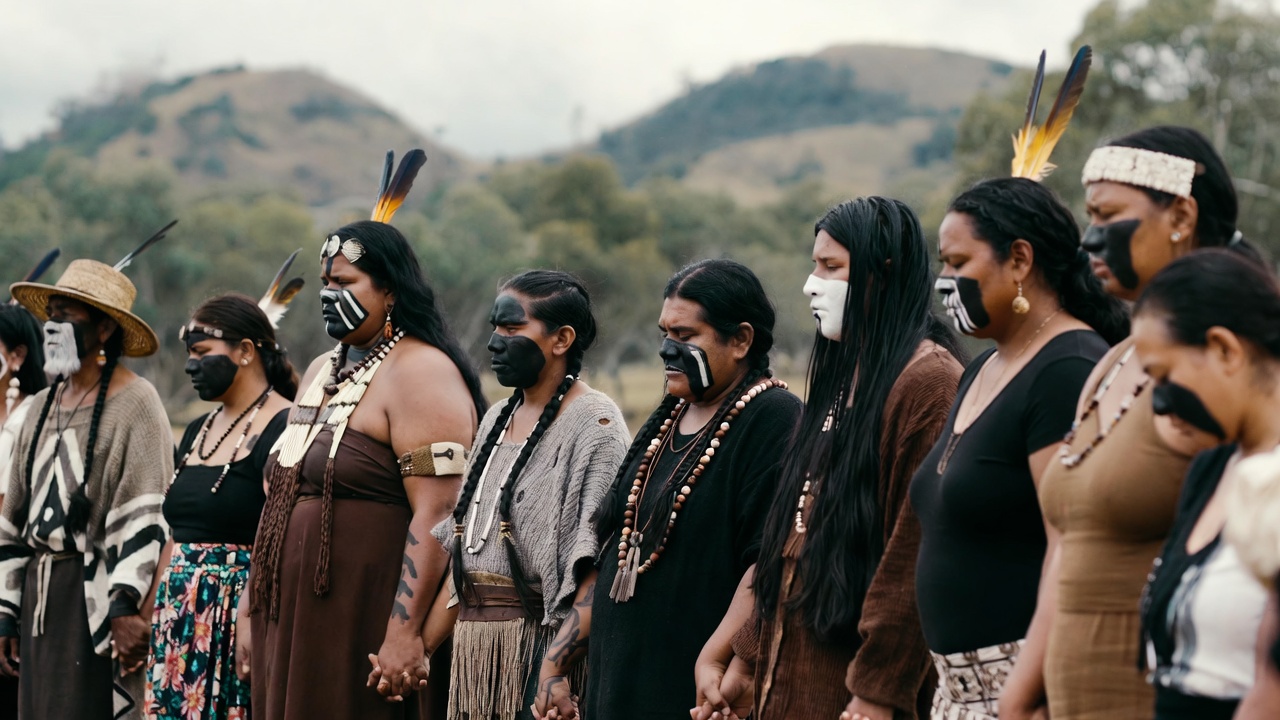
This day asks Australians, both Indigenous and non-Indigenous, to come together. Its purpose is to acknowledge the suffering caused by government policies that forcibly removed Aboriginal and Torres Strait Islander children from their families. These children are known as the Stolen Generations.
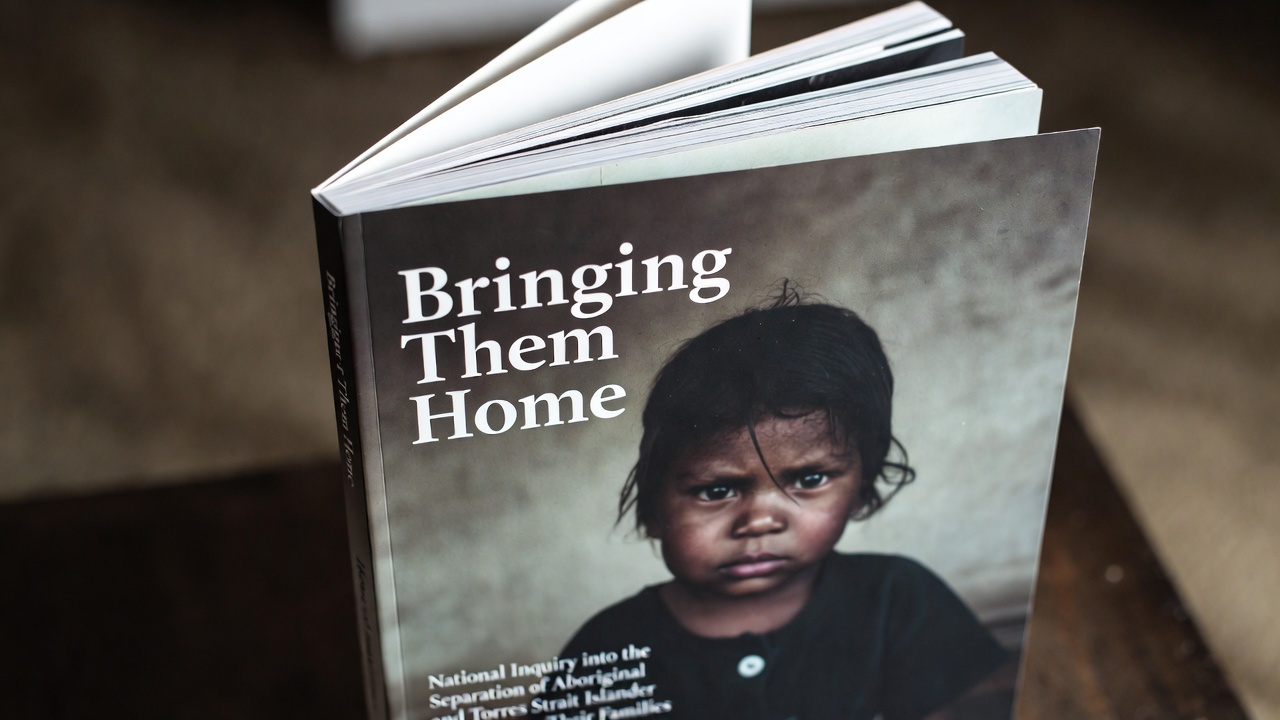
The date itself carries deep meaning. On 26 May 1997, the landmark Bringing Them Home report was tabled in the Australian Parliament. That report exposed, in harrowing detail, the scale and cruelty of forced child removal practices. One year later, on 26 May 1998, Australians held the first National Sorry Day.
In 2026, Sorry Day falls on Tuesday, 26 May. It will mark nearly three decades since the Bringing Them Home report first confronted the nation with its own history. It also opens National Reconciliation Week, which runs from 27 May to 3 June — a period bookended by two milestones in Australia’s journey toward justice: the anniversary of the Bringing Them Home report and the anniversary of the 1992 Mabo High Court decision.
National Sorry Day is not about guilt. It is about truth. It is about standing beside survivors and saying: We see you. We hear you. We are sorry.
Who Are the Stolen Generations? Understanding the Forced Removal of Aboriginal Children
The term “Stolen Generations” refers to Aboriginal and Torres Strait Islander children who were forcibly taken from their families by Australian federal, state, and territory government agencies, as well as church missions. This was not an accident of history. It was deliberate government policy.
The forced removals occurred primarily between 1910 and 1970, though in some regions children were still being taken into the 1970s and beyond. The Victorian Aboriginal Protection Act of 1869 was one of the earliest pieces of legislation enabling these removals. Over the following decades, every state and territory enacted similar laws.
How many children were taken? The exact number will never be known. Records are incomplete. Many were destroyed. Academic Robert Manne, drawing on a 1994 Australian Bureau of Statistics survey, estimated that between 20,000 and 25,000 Aboriginal children were removed over six decades. According to the Bringing Them Home report, official government estimates suggest that in certain regions, between one in ten and one in three Indigenous Australian children were forcibly separated from their families between 1910 and 1970.
The children targeted were often of mixed descent. The reasoning was chilling. Under the assimilation policy, authorities believed that “pure blood” Aboriginal people would eventually die out. Children of mixed heritage, they thought, could be “bred out” — absorbed into white society within a few generations. As one Aboriginal woman, Barbara Cummings, a member of the Stolen Generations, later recalled: “It was a presumption for many years that we girls would grow up and marry nice white boys. We would have nice fairer children who, if they were girls, would marry white boys again and eventually the colour would die out.”
The children were placed in government institutions, church-run missions, and non-Indigenous foster families. Many were given new names. They were forbidden from speaking their languages or practising their culture. They were trained for domestic service or farm labour — essentially to serve white households.
The Bringing Them Home report described these policies in unambiguous terms. The Human Rights and Equal Opportunity Commission found that the aim of the forced removal practices had been to “eliminate Indigenous cultures as distinct entities” and that the practices “could properly be labelled ‘genocidal'” under the United Nations Convention on the Prevention and Punishment of the Crime of Genocide.
What Happened to Children of the Stolen Generations in Institutions and Foster Homes?
The lived experiences of the Stolen Generations are not abstract policy discussions. They are stories of real children — babies taken from their mothers’ arms, siblings separated and sent to opposite ends of the country, teenagers denied any knowledge of where they came from.
Many children were placed in group homes such as the Kinchela Boys Home in New South Wales and the Cootamundra Girls Training Home. At these institutions, children were taught domestic skills — housekeeping for girls, farm work for boys — so they could be placed into the service of white families upon turning 18.
The abuse was widespread. According to the Australian Museum’s account of the Stolen Generations, children in these training homes experienced neglect, physical abuse, and sexual abuse. Many survivors have spoken publicly about the violence they endured.
But the harm went far deeper than physical suffering. The forced removals severed vital connections:
| What Was Taken | Impact on Children |
|---|---|
| Family bonds | Children grew up without parents, siblings, or extended kin networks |
| Language | Many were forbidden from speaking their native languages and never learned them |
| Cultural knowledge | Ceremonies, stories, songlines, and spiritual practices could not be passed down |
| Identity | Children were told their Aboriginality was something to be ashamed of |
| Country | The deep spiritual connection to ancestral land was severed |
| Community | Kinship systems that had sustained Aboriginal societies for tens of thousands of years were deliberately broken |
As one survivor testified in the Bringing Them Home report: “I feel our childhood has been taken away from us and it has left a big hole in our lives.”
The effects were not limited to one generation. A landmark 2019 study by the Australian Institute of Health and Welfare (AIHW) found that children living in households with members of the Stolen Generations were more likely to experience poor health outcomes, miss school, and live in poverty. High rates of anxiety, depression, post-traumatic stress disorder, and suicide persist among Stolen Generations survivors. This trauma has rippled forward through families and communities — what researchers call intergenerational trauma.
The Bringing Them Home Report: How One Document Changed Australia’s Understanding of Its Past
No discussion of National Sorry Day is complete without understanding the document that gave birth to it.
In May 1995, the Australian federal government established the National Inquiry into the Separation of Aboriginal and Torres Strait Islander Children from Their Families. The inquiry was conducted by the Human Rights and Equal Opportunity Commission (now the Australian Human Rights Commission). It was led by Commission President Sir Ronald Wilson and Aboriginal and Torres Strait Islander Social Justice Commissioner Mick Dodson.
Over two years, the inquiry travelled across Australia. It held hearings in every capital city and in many regional centres. More than 535 Indigenous individuals and groups submitted testimony, alongside 49 church submissions and 7 government submissions. In total, 777 submissions were received.
The result was a 689-page report titled Bringing Them Home. It was tabled in Parliament on 26 May 1997.
The report became the highest-selling government report ever published in Australia. It shocked the nation. Many non-Indigenous Australians had genuinely never known the full scale of what had been done.
The report made 54 recommendations (later expanded to 83 in detailed sub-recommendations) aimed at supporting healing and reconciliation. These included:
- A formal national apology to the Stolen Generations
- Reparations for people who had been forcibly removed
- Funding for Indigenous healing services
- Measures to ensure Aboriginal and Torres Strait Islander children remained connected to their communities
- A framework for recording personal and family histories lost through forced removal
- National minimum standards for child welfare practices involving Indigenous children
The response to the report would split Australia for over a decade.
Why Did It Take 11 Years for Australia to Formally Apologise to the Stolen Generations?
The political aftermath of the Bringing Them Home report is one of the most contested chapters in modern Australian politics.
In 1997, when the report was tabled, John Howard was Prime Minister. His government resisted calls for a formal apology. At the Australian Reconciliation Convention in May 1997, Howard stated: “Australians of this generation should not be required to accept guilt and blame for past actions and policies.”
In August 1999, Howard moved a Motion of Reconciliation through Parliament. The motion expressed “deep and sincere regret that indigenous Australians suffered injustices under the practices of past generations.” But it stopped short of an apology. The Howard government argued it was not responsible for the actions of previous governments. It also feared that a formal apology could open the door to compensation claims.
During this period, the Australian public increasingly diverged from the government’s position. On 28 May 2000, more than 250,000 people walked across the Sydney Harbour Bridge in a reconciliation march organised by the Council for Aboriginal Reconciliation. Thousands more walked across bridges in other cities. It was one of the largest demonstrations in Australian history. The message was clear: the people wanted to say sorry, even if their government would not.
It was not until the election of Kevin Rudd as Prime Minister in 2007 that the political landscape shifted. Rudd began consulting with Indigenous Australians about what form a national apology should take.
On 13 February 2008, Prime Minister Rudd stood in the Australian Parliament and delivered a formal apology to the Stolen Generations. He spoke directly to survivors:
“We apologise for the laws and policies of successive Parliaments and governments that have inflicted profound grief, suffering and loss on these our fellow Australians.”
Crowds gathered in public squares across Australia to watch the speech on big screens. Photographs and video from that day show tears, relief, and sustained applause as Rudd concluded. It was a moment that many Aboriginal and Torres Strait Islander people had waited a lifetime to hear.
Aboriginal and Torres Strait Islander Social Justice Commissioner Tom Calma, asked to respond to the Apology on behalf of the Stolen Generations Alliance and the National Sorry Day Committee, acknowledged the profound significance of the moment while also reminding the nation that words alone would not be enough.
How National Sorry Day Is Commemorated Across Australia Each Year
National Sorry Day is not a single event. It is a tapestry of activities woven across the country — from cities to remote communities, from Parliament Houses to school classrooms.
Common activities on Sorry Day include:
- Reconciliation walks and marches through city centres and towns
- Flag-raising ceremonies featuring the Aboriginal flag and the Torres Strait Islander flag
- Speeches by Indigenous Elders, community leaders, and politicians
- Morning teas and community lunches that bring Indigenous and non-Indigenous Australians together
- Concerts and cultural performances showcasing Aboriginal and Torres Strait Islander music, dance, and storytelling
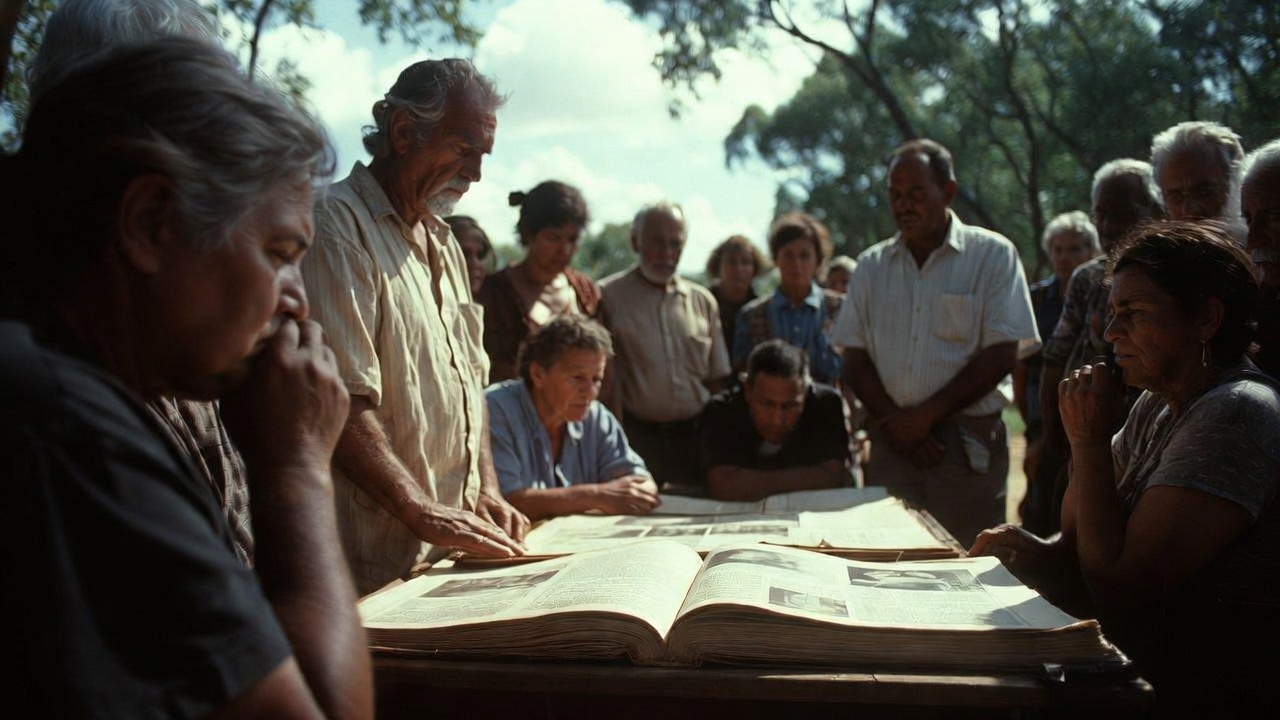
- Sorry Books — where Australians write personal messages of support and sign their commitment to reconciliation
- School programs including essay competitions, candle-lighting ceremonies, and visits from local Aboriginal Elders
- Film screenings of documentaries about the Stolen Generations, followed by community discussion
The Aboriginal flag is a central symbol of the day. Designed by Harold Joseph Thomas and first flown on 12 July 1971 at Victoria Square in Adelaide, the flag features a black upper half representing Aboriginal people, a red lower half representing the Earth and the spiritual relationship with the land, and a yellow circle representing the Sun.
The Torres Strait Islander flag, designed by the late Bernard Namok, features green, blue, and black stripes with a white dhari (headdress) and a five-pointed star — symbolising unity, the sea, the people, peace, and the five major island groups.
Sorry Day also marks the start of National Reconciliation Week (27 May – 3 June), a period dedicated to fostering understanding between Indigenous and non-Indigenous Australians. This week includes key dates such as the anniversary of the 1967 referendum (which allowed Aboriginal people to be counted in the census) and the 1992 Mabo decision (which overturned the legal doctrine of terra nullius and recognised native title rights).
Only 6 Percent of Bringing Them Home Recommendations Have Been Fully Implemented
Nearly three decades after the Bringing Them Home report was tabled, the question of implementation looms large.
In February 2025, The Healing Foundation released a landmark report titled “Are You Waiting for Us to Die?” The Unfinished Business of Bringing Them Home. The findings were devastating.
According to that report, produced with commissioned analysis by researchers at the University of Canberra:
| Implementation Status | Number of Recommendations | Percentage |
|---|---|---|
| Clearly implemented | 5 | 6% |
| Qualified pass | 11 | 13% |
| Partial failure | 10 | 12% |
| Failed to be implemented | 45 | 54% |
| Status unclear | 10 | 12% |
| No longer applicable | 1 | 1% |
| Total | 83 (including sub-recommendations) | 100% |
The title of the report — “Are You Waiting for Us to Die?” — comes directly from the voices of survivors. With every passing year, more members of the Stolen Generations die without seeing justice. An AIHW study estimated that in 2018–19, there were approximately 33,600 Stolen Generations survivors. One in five Indigenous Australians aged 50 and over had been removed from their families. These survivors were 1.8 times as likely as other Indigenous Australians of the same age to not own a home.
As Healing Foundation chief executive Shannan Dodson (daughter of Professor Mick Dodson, who co-led the original inquiry) stated: “We have already lost too many survivors, even in the last few weeks. Immediate and prioritised action is needed.”
Professor Steve Larkin, who contributed to the 2025 report, said the failure to act over nearly 30 years had created further trauma and distress for the Stolen Generations and their communities.
The 2025 theme for Sorry Day — “We cannot wait another generation” — reflected this urgency. Outstanding issues highlighted in the report include:
- Most survivors are now elderly and eligible for aged care, but the aged care system frequently re-triggers institutionalisation trauma
- Queensland remains the only Australian state without a redress scheme for Stolen Generations survivors
- Access to family records — the documents that could help survivors find their birth families — remains difficult and inconsistent across states and territories
- A national reparation scheme has never been established, despite being a core recommendation
State and Territory Stolen Generations Redress Schemes: Where Does Each State Stand in 2026?
Redress — the provision of financial compensation and acknowledgement to survivors — has been one of the most contested recommendations from the Bringing Them Home report. Progress has been slow, uneven, and state-by-state.
Here is the current status of redress schemes across Australia as of early 2026:
| State / Territory | Redress Scheme Status | Payment Amount | Application Status |
|---|---|---|---|
| New South Wales | Scheme established | $75,000 | Closed to new applications |
| Victoria | Scheme established | Up to $100,000 | Open until March 2027 |
| South Australia | Scheme established (2015) | $20,000 + additional $10,000 | Closed |
| Tasmania | Scheme established | $58,333 | Closed |
| Northern Territory | Federal scheme (Territories Redress) | $75,000 | Open until August 2027 |
| ACT / Jervis Bay | Federal scheme (Territories Redress) | $75,000 | Open until August 2027 |
| Western Australia | Scheme announced May 2025 | $85,000 | Open — applications launched late 2025 |
| Queensland | No redress scheme | N/A | N/A |
The most recent development came on 27 May 2025 — the day after National Sorry Day — when Western Australia announced its Stolen Generations Redress Scheme. WA Premier Roger Cook described the Stolen Generations era as “a sorrowful and shameful part of our history.” Under the scheme, Aboriginal people removed from their families in WA before 1 July 1972 are eligible for a payment of A$85,000. As many as 100,000 Aboriginal children were taken from their families in Western Australia before 1972, and the WA government estimates up to 3,000 survivors may still be alive.
The WA announcement was significant for another reason. During the Stolen Generations era, Western Australia had the highest rate of child removals in Australia. Despite this, it was the second-to-last state to offer reparations.
Queensland now stands alone as the only state without a redress scheme. Federal Minister for Indigenous Australians Malarndirri McCarthy has publicly stated she will continue to push Queensland to act.
Importantly, many advocates argue that financial redress, while necessary, is not sufficient. As Professor Bronwyn Carlson has noted, many Stolen Generations members died before receiving any compensation, and payments cannot be forwarded to their families in most schemes.
Are Aboriginal Children Still Being Removed from Their Families in Australia Today?
This is perhaps the most confronting question that arises on National Sorry Day. The answer is yes.
While the formal assimilation policies ended in the late 1960s and early 1970s, Aboriginal and Torres Strait Islander children continue to be vastly overrepresented in Australia’s child protection system and out-of-home care.
The numbers tell a stark story. According to the 2025 Closing the Gap Annual Data Compilation Report by the Productivity Commission:
- In 2023, the rate of Aboriginal and Torres Strait Islander children aged 0–17 in out-of-home care was 57.2 per 1,000 — worsened from 54.2 per 1,000 in the 2019 baseline year
- First Nations children were 12.1 times as likely as non-Indigenous children to be in out-of-home care in 2023, up from 10.6 times in 2019
- The number of Indigenous children in out-of-home care rose from approximately 9,070 in 2008 to about 19,800 in 2023
- The Closing the Gap Target 12 — to reduce the over-representation of Indigenous children in out-of-home care by 45% by 2031 — is not on track and worsening
The Family Matters 2025 report by SNAICC — the National Voice for Our Children — found that Aboriginal and Torres Strait Islander children are 9.6 times more likely to be in out-of-home care than non-Indigenous children. Only 32.1% of those children were placed with Indigenous relatives or kin. And just 7.3% of Indigenous children in out-of-home care were reunified with their families, compared to 10.1% for non-Indigenous children.
In Western Australia specifically, Human Rights Watch reported in 2025 that Aboriginal children are more than 20 times more likely to be living in state care than non-Indigenous children. The organisation linked government failures to address the Stolen Generations’ legacy to the high rate of current removals, noting that many families facing child removals today are themselves descendants of the Stolen Generations.
One grandmother told Human Rights Watch that her family had endured six generations of child removals.
As Amnesty International Australia noted in 2025: around 41% of all children in out-of-home care across Australia are Aboriginal or Torres Strait Islander — despite Indigenous children making up only about 6% of the total child population. Amnesty further stated that children who grow up in out-of-home care without stable, culturally safe support are more likely to enter the youth justice system. “When children are removed, traumatised, and then criminalised, we are repeating the very harms the Bringing Them Home report warned us about.”
Critics and advocates argue that what is happening today — the disproportionate removal of Indigenous children by state child protection systems — amounts to a continuation of the Stolen Generations by another name.
The Intergenerational Trauma of the Stolen Generations and Its Lasting Effects on Indigenous Communities
The effects of forced child removal do not stop with the individual. They cascade through families, communities, and generations.
Researchers use the term intergenerational trauma to describe how the psychological and social damage inflicted on one generation is passed down to the next. For the Stolen Generations, this takes many forms.
Loss of parenting models. Children raised in institutions or by strangers never experienced healthy family relationships. Many struggle to parent their own children — not because they don’t love them, but because they were never shown how.
Cultural disconnection. When children were prevented from learning their language, ceremonies, and kinship structures, they could not pass this knowledge to their own children. Entire languages have been lost. Cultural practices that sustained Aboriginal societies for over 65,000 years — the oldest continuous cultures on Earth — were deliberately broken.
Mental health impacts. The Lancet Public Health reported in 2018 that the Stolen Generations continue to suffer disproportionate rates of poor mental health, economic disadvantage, and social exclusion — nearly 40 years after the policies officially ended. The AIHW found higher rates of anxiety, depression, PTSD, and suicide among Stolen Generations survivors compared to other Indigenous Australians of the same age.
Distrust of institutions. Many Aboriginal and Torres Strait Islander families carry a deep and justified distrust of government services — including health services, schools, and child protection agencies. This distrust is not irrational. It is the direct legacy of policies designed to destroy their families.
Community-level harm. When children were taken, entire communities lost their future. Elders who could not pass on their knowledge watched their cultural traditions die. Communities were fractured. Social structures collapsed.
The 2025 Closing the Gap report by the Productivity Commission acknowledged that the over-representation of First Nations children in the child protection system reflects “the history of colonisation affecting First Nations people through dispossession of their land, the displacement of families and communities, past policies of assimilation and forcible child removals, and loss of culture.”
Understanding this context is essential. When we talk about “Closing the Gap” in health, education, and economic outcomes between Indigenous and non-Indigenous Australians, we are talking about gaps that were deliberately created through policies like forced child removal.
How to Observe National Sorry Day 2026: Meaningful Ways to Show Solidarity and Support Reconciliation
National Sorry Day is not just for Aboriginal and Torres Strait Islander people. It belongs to all Australians — and to anyone around the world who believes in justice and healing.
Here are meaningful ways to observe Sorry Day on 26 May 2026:
1. Attend a local event. Reconciliation walks, flag-raising ceremonies, and community gatherings are held across the country. Check with your local council, library, or reconciliation group for events near you.
2. Sign a Sorry Book. Many communities maintain physical and digital Sorry Books where you can write a personal message of support.
3. Educate yourself. Read the Bringing Them Home report or its community guide. Watch the documentary Lousy Little Sixpence (1983), or the feature film Rabbit-Proof Fence (2002), which tells the true story of three Aboriginal girls who escaped from the Moore River Native Settlement and walked 1,500 miles home.
4. Listen to survivor stories. Organisations like the Healing Foundation and AIATSIS share oral histories and testimonies from Stolen Generations members. Listening is one of the most powerful acts of solidarity.
5. Support Indigenous-led organisations. Donate to or volunteer with organisations working on healing, family reunification, and cultural preservation. Some key organisations include:
- The Healing Foundation — works with Stolen Generations survivors and communities on healing programs
- Link-Up — helps Stolen Generations members trace and reunite with their families
- SNAICC — National Voice for Our Children, advocating for Indigenous child welfare reform
- Reconciliation Australia — the lead body for reconciliation in Australia
6. Learn about the land you live on. If you’re in Australia, find out which Aboriginal or Torres Strait Islander nation’s Country you live on. Acknowledge Traditional Custodians in your workplace, school, or community events.
7. Engage with Reconciliation Week. Sorry Day opens National Reconciliation Week (27 May – 3 June). Use the full week to deepen your understanding and commitment.
8. Talk to your children. Age-appropriate conversations about Australia’s history help build a more informed and empathetic next generation. Many schools have Sorry Day programs — ask about them.
The 2025 Yoorrook Justice Commission and the Future of Truth-Telling in Australia
Australia’s journey toward reconciliation is far from over. In fact, in many ways, it is still in its early stages.
In July 2025, the Yoorrook Justice Commission — described as Victoria’s and Australia’s first formal truth-telling inquiry — handed down its final report, Truth Be Told. The Commission heard testimony from Aboriginal Victorians about the impacts of colonisation, dispossession, and forced child removal. Its aim was to foster what it called “a shared understanding” of the past among all Victorians.
The Yoorrook Commission emerged from the 2017 Uluru Statement from the Heart, which proposed three structural reforms to improve the relationship between Aboriginal and non-Aboriginal Australians: Voice, Treaty, and Truth-telling. While the proposed constitutional Voice to Parliament was defeated in the October 2023 referendum, the push for truth-telling and treaty processes has continued at the state level.
The concept of truth-telling — the idea that hearing firsthand accounts from those who suffered can help a society reckon with its past — is central to Sorry Day’s spirit. But as academics have noted, truth-telling only works when truth-listening follows. When the Bringing Them Home report was released in 1997, many Australians genuinely heard these stories for the first time and were moved to action. Others denied and minimised the findings. That tension persists.
In 2025, the 30th anniversary of the establishment of the original inquiry was marked by reflection on how far Australia has — and has not — come. Researchers from UNSW Sydney described how archival evidence shows the Howard government actively worked to minimise the report’s impact, despite the genuine outpouring of public grief.
Looking ahead, key questions for 2026 and beyond include:
- Will Queensland finally establish a redress scheme for Stolen Generations survivors?
- Can the Closing the Gap framework deliver meaningful reductions in the number of Indigenous children in out-of-home care?
- Will governments act on The Healing Foundation’s recommended National Healing Package before more survivors pass away?
- How will the findings of the Yoorrook Justice Commission and other state-based truth-telling bodies be translated into policy?
Key Dates and Timeline: From Forced Removal Policies to National Sorry Day
Understanding the history of the Stolen Generations requires knowing the key dates that shaped it. Here is a condensed timeline:
| Year | Event |
|---|---|
| 1869 | Victoria passes the Aboriginal Protection Act — one of the first laws enabling forced child removals |
| 1905 | Western Australia passes the Aborigines Act, expanding government control over Indigenous children |
| 1909 | NSW Aborigines Protection Board gains authority to remove Aboriginal children |
| 1910–1970 | Peak period of forced removals across all states and territories |
| 1937 | First national conference on “Aboriginal welfare” promotes assimilation policy |
| 1967 | National referendum allows Aboriginal Australians to be counted in the census |
| 1969 | NSW abolishes the Aborigines Welfare Board — the last state to formally repeal removal legislation |
| 1981 | Historian Peter Read coins the term “Stolen Generations” in his landmark publication |
| 1991 | Archie Roach releases “Took the Children Away,” bringing Stolen Generations stories into mainstream Australian culture |
| May 1995 | National Inquiry into the Separation of Aboriginal and Torres Strait Islander Children established |
| 26 May 1997 | Bringing Them Home report tabled in Parliament |
| 26 May 1998 | First National Sorry Day held |
| 28 May 2000 | Over 250,000 people walk across Sydney Harbour Bridge for reconciliation |
| August 1999 | Howard government passes Motion of Reconciliation (expressing “regret” but not apologising) |
| 2005 | Sorry Day renamed to the National Day of Healing |
| 13 February 2008 | Prime Minister Kevin Rudd delivers the National Apology to the Stolen Generations |
| 2015 | South Australia establishes its Stolen Generations Reparations Scheme |
| 2017 | Uluru Statement from the Heart calls for Voice, Treaty, and Truth-telling |
| October 2023 | National referendum on Indigenous Voice to Parliament is defeated |
| February 2025 | Healing Foundation releases “Are You Waiting for Us to Die?” report |
| May 2025 | Western Australia announces Stolen Generations Redress Scheme ($85,000 per survivor) |
| July 2025 | Yoorrook Justice Commission delivers final report, Truth Be Told |
| 26 May 2026 | National Sorry Day — approaching the 29th anniversary of the Bringing Them Home report |
Why National Sorry Day Matters for Travellers and International Visitors to Australia
If you are planning a trip to Australia in late May or early June, understanding National Sorry Day and Reconciliation Week is not just culturally important — it will deepen your entire travel experience.
Australia’s Aboriginal and Torres Strait Islander cultures are the oldest continuous cultures on Earth, with a history stretching back more than 65,000 years. When you visit Uluru, walk through the Kimberley, explore the ancient rock art of Kakadu, or attend a Welcome to Country ceremony in Sydney, you are engaging with living cultures that have endured unimaginable pressure.
National Sorry Day provides a window into a part of Australian history that is not always visible in tourist brochures. Many cultural tourism operators and Indigenous-led tour companies use this period to offer special programs, storytelling events, and community gatherings that welcome respectful visitors.
Tips for international visitors during this period:
- Be respectful and listen. This is a time of mourning and reflection for many Aboriginal and Torres Strait Islander people. Approach events as a listener, not a spectator.
- Ask before photographing. Some Sorry Day events, particularly ceremonies and cultural performances, may not be appropriate to photograph. Always ask.
- Support Indigenous businesses. Purchase art, food, and experiences directly from Aboriginal and Torres Strait Islander owned businesses and guides.
- Learn an Acknowledgment of Country. Even a simple recognition that you are on Aboriginal land goes a long way.
Moving Beyond Sorry: What Genuine Reconciliation Looks Like in Australia
Saying sorry was essential. But as many Aboriginal leaders have said, sorry is a beginning, not an end.
Genuine reconciliation requires action. It requires policy change. It requires the transfer of power and resources to Aboriginal and Torres Strait Islander communities. It requires non-Indigenous Australians to examine their own assumptions and actively work toward a more just society.
The 2020 National Agreement on Closing the Gap represents the current national framework for this work. It was developed in partnership between Australian governments and the Coalition of Peaks — a body of more than 80 Aboriginal and Torres Strait Islander community-controlled peak organisations. The Agreement has four Priority Reforms:
- Shared decision-making — formal partnerships between governments and Aboriginal and Torres Strait Islander people
- Building the community-controlled sector — strengthening Aboriginal and Torres Strait Islander organisations
- Transforming government organisations — making mainstream institutions more responsive and accountable
- Shared access to data and information — ensuring Aboriginal and Torres Strait Islander people have access to data about their communities
Yet as the 2025 Closing the Gap report showed, only four of 19 targets are on track to be met. The rate of Indigenous children in out-of-home care is worsening. Indigenous imprisonment is increasing. Suicide rates are rising.
As Productivity Commissioner Selwyn Button stated in 2025: “What the outcomes in the Agreement reflect most of all is the limited progress of governments in collectively acting on the Priority Reforms: sharing decision making and data with communities; strengthening the Aboriginal Community Controlled sector and changing the way governments operate.”
National Sorry Day exists to ensure that these truths are not forgotten. It exists to ensure that the urgency is not lost. And it exists to remind every Australian — and every global citizen who believes in human rights — that justice delayed is justice denied.
Frequently Asked Questions About National Sorry Day and the Stolen Generations
Is National Sorry Day a public holiday in Australia? No. It is a nationally observed day of commemoration, but businesses and schools operate on normal schedules. Many workplaces hold internal events or observances.
When is National Sorry Day 2026? Tuesday, 26 May 2026.
What is the difference between National Sorry Day and National Reconciliation Week? Sorry Day (26 May) focuses specifically on the Stolen Generations. Reconciliation Week (27 May – 3 June) is a broader period focused on reconciliation between Indigenous and non-Indigenous Australians.
How many Stolen Generations survivors are still alive? The AIHW estimated approximately 33,600 survivors in 2018–19. That number is declining each year as survivors age.
Has the Australian government formally apologised? Yes. Prime Minister Kevin Rudd delivered a formal National Apology on 13 February 2008. All state and territory parliaments had also issued apologies between 1997 and 1999.
What does “Closing the Gap” have to do with the Stolen Generations? The Closing the Gap framework aims to reduce inequality between Indigenous and non-Indigenous Australians across health, education, employment, and other areas. The Stolen Generations are directly linked to many of these disparities, as forced removal created cascading intergenerational harm.
National Sorry Day reminds us that acknowledging the truth of history is not a burden — it is a foundation. Only by honestly facing what was done can a nation begin the long, difficult, necessary work of healing. On 26 May 2026, take a moment. Listen. Learn. And carry that knowledge forward — not just for one day, but for every day that follows.