A journey into the heart of Mauritius’ most powerful cultural landmark, where history, tragedy, and triumph converge at the edge of the Indian Ocean.
Introduction: Why Le Morne Mauritius UNESCO World Heritage Site Matters Today
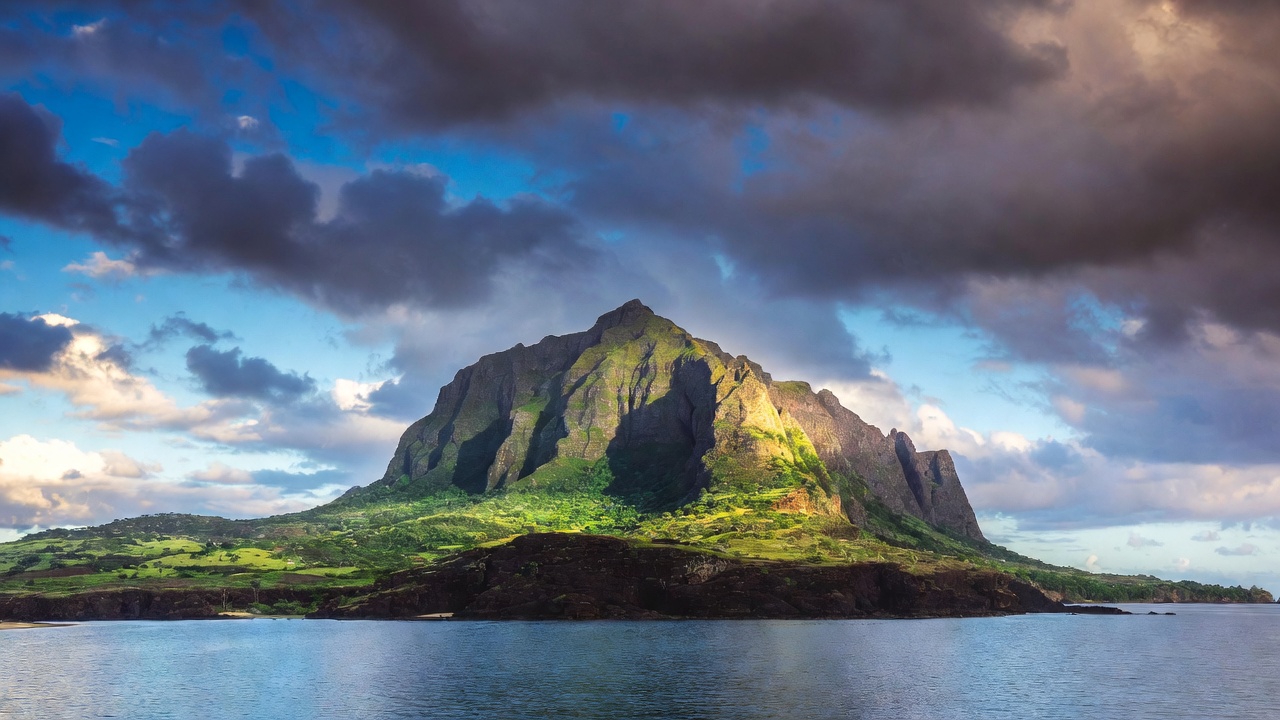
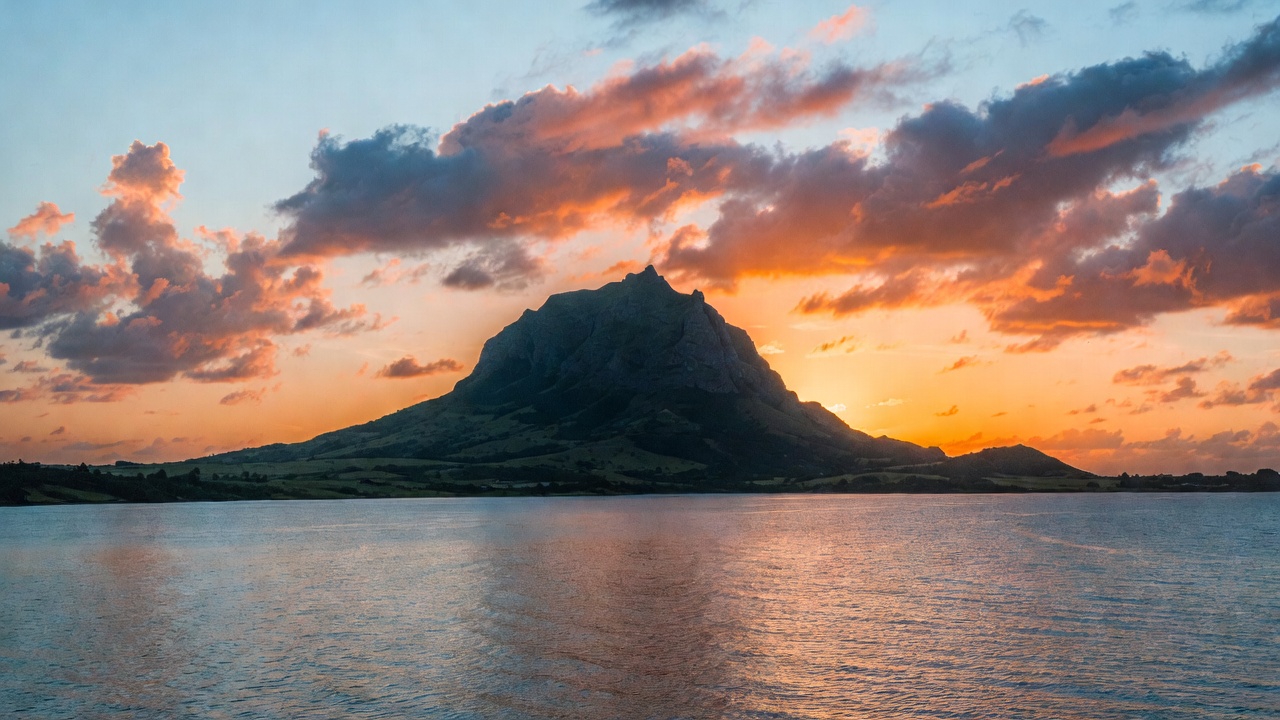
Standing at 556 meters above the turquoise waters of the Indian Ocean, Le Morne Brabant is more than just a mountain. It is a monument to human resilience. A testament to the unbreakable spirit of those who chose death over chains.
Located on the extreme southwestern tip of Mauritius, this rugged basaltic monolith has witnessed centuries of suffering, resistance, and ultimately, redemption. In 2008, UNESCO inscribed Le Morne Cultural Landscape on its World Heritage List, recognizing its “exceptional testimony to maroonage or resistance to slavery.”
But what exactly happened on this mountain? Why does it continue to draw pilgrims, historians, and travelers from across the globe? And what lessons does it hold for our modern world?
This comprehensive guide takes you deep into the history of slavery in Mauritius, the tragic legend of the maroon slaves, and the cultural renaissance that has transformed Le Morne into a symbol of freedom for all humanity.
Understanding Le Morne Cultural Landscape: Geography and Natural Fortress
The Physical Features That Made Le Morne an Ideal Refuge
The Le Morne peninsula juts dramatically into the Indian Ocean, creating one of the most visually striking landscapes in Mauritius. The mountain itself rises abruptly from the coastal plain, its near-vertical cliffs creating a natural fortress that has fascinated geologists and historians alike.
| Feature | Description |
|---|---|
| Height | 556 meters (1,824 feet) |
| Summit Area | Over 12 hectares (30 acres) |
| Age | 8-10 million years (Late Miocene) |
| Rock Type | Terminal Ankaramite olivine basalt |
| UNESCO Status | World Heritage Site since July 10, 2008 |
| Location | Southwest tip of Mauritius |
According to the Le Morne Heritage Trust Fund, the mountain’s structure “gives the impression of a fortress.” The steep slopes are intersected by ravines and valleys, while the cliffs are marked by countless fissures, cracks, and caves—some almost as tall as the mountain itself.
The V-Gap, known as “the key to the mountain,” is a vast gorge that made access to the plateau extraordinarily difficult. This geographical feature proved invaluable to those seeking refuge from their pursuers.
The Name “Le Morne” and Its Meaning in French
The name “Le Morne” translates from French as “the mournful one” or “the sorrowful.” This poignant designation reflects the suffering endured by the enslaved people who sought refuge here. The mountain’s second name, “Brabant,” comes from the Dutch East India Company ship that ran aground near the peninsula on December 29, 1783.
The Dark History of Slavery in Mauritius: Understanding the Context
How the Dutch, French, and British Shaped Mauritius Through Forced Labor
To understand the significance of Le Morne, one must first grasp the brutal history of slavery that shaped Mauritius over three centuries.
Timeline of Slavery in Mauritius:
| Period | Colonial Power | Key Developments |
|---|---|---|
| 1638-1710 | Dutch East India Company | First slaves brought from Madagascar; establishment of sugar and tobacco plantations |
| 1710-1810 | France | Massive expansion of slavery; slaves brought from Africa, Madagascar, India, and Southeast Asia |
| 1810-1835 | Britain | Continued slavery despite 1807 British ban on slave trade; illegal importation continued |
| February 1, 1835 | Britain | Abolition of slavery in Mauritius |
The French period saw the most aggressive expansion of the slave trade. Sugar cane production required enormous labor, and hundreds of thousands of enslaved people were forcibly transported to the island. By the time the British took control in 1810, slaves constituted approximately 80% of the island’s population.
According to research cited by Atlas Obscura, over 200,000 slaves arrived in Mauritius and Reunion Island from East African and Malagasy ports between the 1720s and 1820s—many of them illegally introduced after Britain outlawed the slave trade.
The Diverse Origins of Enslaved People in Mauritius
What makes Mauritius unique in the history of slavery is the exceptional diversity of its enslaved population. Slaves were brought from:
- Madagascar (the largest source)
- Mozambique and East Africa
- India (particularly coastal regions)
- Southeast Asia (including Indonesia and Malaysia)
- China (in smaller numbers)
This multi-ethnic character meant that resistance to slavery in Mauritius was a pluri-ethnic, pan-cultural phenomenon. The mountain of Le Morne would become a meeting point for people of vastly different backgrounds, united only by their shared desire for freedom.
The Maroon Republic: How Escaped Slaves Built Communities at Le Morne
What Is Maroonage and Why Did Slaves Risk Everything to Escape?
Maroonage refers to the practice of enslaved people escaping from their captors to form independent communities. The term “maroon” itself likely derives from the Spanish word cimarrón, meaning “wild” or “untamed.”
In Mauritius, maroonage carried severe consequences. Those caught faced:
- Brutal whipping (often hundreds of lashes)
- Torture including branding and mutilation
- Public execution as a warning to others
- Enhanced surveillance for any subsequent escape attempts
Despite these horrific risks, thousands chose to flee. The question was: where could they go on a small island where colonial authorities controlled virtually every corner?
The answer lay in the impenetrable fortress of Le Morne.
How Le Morne Became Known as the “Maroon Republic”
Between the 1730s and the early 1830s, Le Morne mountain served as a refuge for maroons from across Mauritius. The mountain’s unique geography offered everything an escaped community needed:
Defensive Advantages:
- Near-vertical cliffs deterring pursuit
- Dense forest cover hiding movements
- Multiple caves and rock shelters for habitation
- The V-Gap creating a natural chokepoint
Sustenance:
- Freshwater springs (though these have since dried due to climate change)
- Wild plants and medicinal herbs
- Proximity to the coast for fishing
- Ability to raid nearby plantations
Escape Routes:
- The Passe des Marrons and Passe de la Prairie provided sea channels through which maritime maroons could attempt the dangerous journey to Madagascar or Africa
The concentration of escaped slaves at Le Morne became so significant that Mauritius earned the nickname “The Maroon Republic.” This designation spread throughout the Indian Ocean world, inspiring enslaved people in other regions.
Famous Maroon Leaders Associated with Le Morne
Historical documents in the Mauritius Archives identify several notable maroon leaders who used Le Morne as their base:
| Leader | Notable Actions |
|---|---|
| Bellaca | Led raids on colonial plantations; subject of a government bounty offering freedom to any slave who captured him |
| Sans Souci | Captured near Flacq in 1739; burned alive by French settlers as a brutal warning |
| Barbe Blanche | Evaded French militia near Le Morne; his fate remains unknown |
These leaders organized not just survival but active resistance, attacking colonial settlements and liberating other slaves.
The Tragic Legend of Le Morne: When Freedom Came Too Late
The Official Account of February 1, 1835
On February 1, 1835, slavery was officially abolished in Mauritius—the last British colony to implement the Emancipation Act of 1833. What should have been a day of unqualified joy became, according to legend, a tragedy of terrible proportions.
The traditional narrative, passed down through generations of oral tradition, tells of a police or military expedition dispatched to Le Morne to inform the maroons that they were now legally free. These officials climbed toward the summit, presumably bearing the good news.
But the maroons, who had spent years evading capture, saw only what they had always seen: armed men ascending their mountain.
The Mass Leap: Death Over Chains
According to the legend, the maroons misinterpreted the approaching officials as a capture party. Fearing re-enslavement, torture, and death at the hands of their former masters, they made a devastating choice.
Rather than be taken alive, many leapt from the cliffs to their deaths.
The poet Richard Sedley Assonne captured this moment in his poem “Le Morne Territoire Marron,” which is now inscribed on the monument at the mountain’s base:
“There were hundreds of them, but my people the maroons chose the kiss of death over the chains of slavery. Never must we forget their noble deeds, written in the pages of stories for the sake of humanity…”
Alternative Accounts: Massacre Rather Than Mass Suicide?
Recent research has challenged the official narrative. According to an investigation published in 2025, descendants of slaves and maroons have shared alternative accounts of what happened that day.
These accounts suggest:
- It was not British soldiers who climbed the mountain, but former French slave owners who had taken control of the mountain’s base
- A betrayal occurred: A dispute among the maroons led one of their number to reveal the secret trails to their hiding places
- The maroons were not given a choice: According to these testimonies, they were “tortured, thrown off the cliffs, or forced to jump”
A reference to this act of betrayal was cited in the Mauritian newspaper Le Mauricien on February 18, 1853.
Whether mass suicide or massacre, the events of that day seared themselves into Mauritian collective memory. The “Valley of Bones” beneath the cliffs became a sacred space—though archaeological evidence of remains has yet to be definitively confirmed.
UNESCO World Heritage Site Designation: International Recognition
The Journey to World Heritage Status
The path to UNESCO recognition was itself a story of community activism and cultural reclamation.
Key Milestones:
| Year | Event |
|---|---|
| Late 1990s | Tourism development project at Le Morne sparks community opposition and initiates heritage protection movement |
| 2003 | National Heritage Fund commissions historical and archaeological research at University of Mauritius |
| February 1, 2005 | First official commemoration of Abolition of Slavery held at Le Morne |
| 2006 | Mauritian government creates the Le Morne Heritage Trust Fund |
| July 10, 2008 | UNESCO inscribes Le Morne Cultural Landscape on the World Heritage List |
| February 1, 2009 | International Slave Route Monument inaugurated |
| July 2016 | Mountain summit opened to public hiking for the first time |
According to UNESCO, Le Morne was inscribed under Criterion (iii) as “an exceptional testimony to maroonage or resistance to slavery in terms of the mountain being used as a fortress to shelter escaped slaves, with physical and oral evidence to support that use.”
Why Le Morne Matters Beyond Mauritius
The UNESCO designation recognized that Le Morne’s significance extends far beyond the shores of Mauritius. The mountain has become a symbol for:
- The African mainland from which millions were taken
- Madagascar, a major source of slaves for the Indian Ocean trade
- India and Southeast Asia, whose peoples also suffered under colonial forced labor
- The global African diaspora, united in shared memory of resistance
As the Le Morne Heritage Trust Fund states, the site is meant “to serve as a focal point for current and future generations to celebrate resistance against oppression anywhere in the world.”
The International Slave Route Monument: Art Honoring Memory
Sculptures That Tell a Global Story
At the foot of Le Morne mountain stands the International Slave Route Monument, inaugurated on February 1, 2009—the 174th anniversary of abolition in Mauritius.
This powerful memorial consists of 10 sculptures:
| Sculpture | Artist Origin | Significance |
|---|---|---|
| Central Monument | Mauritius | Depicts figures of enslaved men and women facing Le Morne |
| Surrounding Sculptures | Madagascar, Mozambique, India, China, Malaysia, Haiti, Reunion Island | Represent countries from which slaves were brought or to which they were sent |
| Pending Additions | France, Senegal | Yet to be installed |
The central bronze sculpture shows several figures—men and women—whose expressive silhouettes evoke both endured suffering and human dignity. The arrangement of characters, turned toward Le Morne, symbolizes the path to freedom represented by this natural refuge.
Connection to UNESCO’s Global Slave Route Project
The monument is part of UNESCO’s international Slave Route Project, launched in Benin in 1994. Mauritius formally joined the project in 2005 with the establishment of a Slave Route National Committee under the Ministry of Arts and Culture.
The project aims to:
- Preserve the memory of the slave trade and slavery
- Link countries affected by this history
- Generate greater awareness about the consequences of slavery that persist today
Visitors to the monument can explore the garden setting, read commemorative plaques, and gaze up at the caves in the cliff faces where maroons once hid—a profoundly moving experience according to reviews on TripAdvisor.
Hiking Le Morne Brabant: A Pilgrimage on Sacred Ground
Essential Information for the Le Morne Mountain Trek
Since July 2016, the summit of Le Morne has been accessible to the public, allowing visitors to walk the same paths that maroons used over two centuries ago. According to UNESCO’s announcement, the site attracted more than 7,500 visitors in its first months of opening—over 70% of them Mauritians claiming “a strong emotional attachment to the history and heritage of their country.”
Le Morne Brabant Hiking Quick Facts:
| Detail | Information |
|---|---|
| Total Distance | Approximately 7 km (round trip) |
| Duration | 3-4 hours |
| Elevation Gain | ~400 meters |
| Difficulty | Moderate to challenging |
| Trail Opening Hours | 7:00 AM – 4:00 PM |
| Entry Fee | Free |
| Guide Required? | Recommended but not mandatory |
| Best Time to Hike | Early morning (start by 7 AM to avoid heat) |
What to Expect on the Le Morne Hiking Trail
The hike divides into two distinct sections:
Section 1: Forest Trail (Easy to Moderate)
- Wide, well-marked path through lush vegetation
- Sheltered by trees providing shade
- Gradual incline
- Duration: approximately 30-45 minutes
- Watch for endemic birds and the famous Paille en Queue (tropical bird)
Section 2: Summit Scramble (Challenging)
- Steep, exposed rocky terrain
- Requires use of hands for climbing in places
- Limited shade and intense sun exposure
- Duration: approximately 1-1.5 hours up
- A checkpoint hut marks the transition and warns of increased difficulty
According to experienced hikers, the second half is “completely exposed to the sun” and can be treacherous without proper preparation.
What to Bring for the Le Morne Hike
Essential Gear:
- Sturdy hiking shoes with good grip
- At least 2 liters of water per person
- Sunscreen (SPF 50+ recommended)
- Hat or cap
- Light, breathable clothing
- Camera for stunning views
- Snacks for energy
At the Summit:
Reaching the large metal cross that marks the highest accessible point rewards hikers with panoramic views of:
- The turquoise lagoon and coral reefs
- Ile aux Benitiers offshore
- The famous “underwater waterfall” optical illusion
- The wild south coast of Mauritius
As you stand where maroons once stood—free, if only for a moment—the emotional weight of the place becomes palpable.
Endemic Flora and Fauna: Le Morne’s Living Treasures
The Trochetia Boutoniana: Mauritius’ National Flower
Le Morne mountain is not only historically significant—it is also a biodiversity hotspot harboring some of the world’s rarest plant species.
The most celebrated is the Trochetia boutoniana, known locally as “Boucle d’Oreille” (earring) due to the shape of its flowers. This bell-shaped, orange-red flower is endemic to Mauritius and grows only on the slopes of Le Morne Brabant.
According to Ebony Forest conservation data:
- Status: Critically Endangered
- Flowering season: June to October
- Primary pollinator: Endemic Phelsuma geckos
- Named after: French botanist Louis Bouton
- Declared National Flower: 1992
Other Endemic Plants at Le Morne:
| Species | Common Name | Conservation Status |
|---|---|---|
| Helichrysum mauritianum | L’Immortelle du Morne | Endemic to Le Morne only |
| Diospyros tessellaria | Mauritius Ebony | Critically Endangered |
| Hibiscus sp. (Mandrinette) | Rare exotic hibiscus | Endangered |
The Le Morne Heritage Trust Fund reports that Le Morne is home to 73 of the 311 endemic flowering plant species found in Mauritius—an extraordinary concentration of biodiversity on a single mountain.
Wildlife of the Le Morne Cultural Landscape
While fauna is not as exceptional as flora, Le Morne hosts important populations:
Endemic Species:
- Mauritian Flying Fox (largest endemic mammal, wingspan up to 80 cm)
- Mauritius Tomb Bat
- Paradise Flycatcher
- Grey White-eye
- Ornate Day Gecko
Conservation Challenges:
Invasive species threaten native populations, including:
- Rats and monkeys (eat seeds and flowers)
- Introduced mongoose
- Feral cats
- Wolf snakes
The Le Morne Cultural Landscape includes both Core and Buffer Zones designed to protect this fragile ecosystem, with the buffer extending to include surrounding lagoons and fringing reefs.
Sega Music: The Sound of Resistance and Freedom
How Enslaved People Created Mauritius’ Most Important Musical Tradition
The story of Le Morne cannot be separated from the musical traditions that emerged from slavery. Sega music is the soul of Mauritius—a complete performance art encompassing music, storytelling, and dance.
According to the African Music Library, Sega refers to “the indigenized or Africanized songs and dances performed by enslaved Africans in the French colony of Mauritius in the eighteenth century.”
The roots of Sega are tied to the African word “segae,” meaning “to move in rhythm.”
Instruments of Sega Music
| Instrument | Description | Significance |
|---|---|---|
| Ravanne | Large circular drum with goat-skin | The “heartbeat” of Sega—provides primary rhythm |
| Maravanne | Bamboo stick filled with seeds | Provides the characteristic “swing” |
| Triangle | Metal triangle | Adds sharp rhythmic accent |
| Roulèr | Drum variant | Used in traditional performances |
The ravanne holds particular spiritual importance. According to traditional beliefs, warming the drum skin creates vibrations that can “wake up the souls of old slaves”—a connection to ancestors and the spirit world.
Le Morne and the Birth of Sega
The slopes of Le Morne played a crucial role in preserving and developing Sega. In 1964, a landmark event called “La Nuit du Sega” (Sega’s Night) was organized on the mountain, featuring the legendary Ti Frère (Jean Alphonse Ravaton), considered the “King of Sega.”
Ti Frère’s song “Anita”—the first recorded Sega—became an anthem. His work helped elevate Sega from music once considered “vulgar” to a UNESCO-recognized Intangible Cultural Heritage (inscribed in 2014).
Seggae: The Fusion of Sega and Reggae
In the 1980s, a young musician named Kaya (Joseph Réginald Topize) revolutionized Mauritian music by fusing Sega with Jamaican reggae. This new genre, Seggae, carried messages of social justice, anti-colonialism, and solidarity with the African diaspora.
Kaya’s tragic death in police custody in 1999 sparked riots and cemented his status as a martyr. Today, Seggae remains a vital expression of Mauritian identity and resistance.
February 1 Commemoration: Mauritius Abolition Day Celebrations
How Mauritius Honors Its History of Slavery and Freedom
Since 1987, February 1 has been celebrated as a public holiday in Mauritius commemorating the abolition of slavery. The date marks the day in 1835 when Mauritius—the last British colony to do so—finally freed its enslaved population.
The first official commemoration at Le Morne took place on February 1, 2005, establishing the mountain as the symbolic center of remembrance.
What Happens During Abolition Day at Le Morne
Annual commemorations include:
- Official government ceremonies with speeches by dignitaries
- Cultural performances featuring Sega music and traditional dance
- Wreath-laying at the International Slave Route Monument
- Religious observances including prayers by the Rastafarian community
- Pilgrimages to the mountain summit
- Educational programs about slavery history
According to CIPDH-UNESCO, the commemorative speeches “exceed the memory of slavery and reflect the construction of a new Creole identity based on its relation to Africa.”
The Significance for Mauritian Creole Identity
For the Creole community of Mauritius—descendants of African slaves with mixed heritage—Le Morne and the February 1 commemoration have become central to identity formation.
The term “Creole” in Mauritius specifically refers to people who are not Franco-Mauritian (white), Indo-Mauritian, Sino-Mauritian, or Muslim—typically those with stronger African phenotype. The heritage movement surrounding Le Morne has:
- Given visibility to the Creole community
- Sparked civil and religious organizations demanding political and cultural recognition
- Connected Mauritian identity to broader African diaspora movements
- Created space for healing intergenerational trauma
The Rastafarian community plays a particularly important role, visiting the “Venerated Place of Resistance” at the mountain’s base to pay homage to ancestors and seek spiritual reconnection through meditation and prayer.
Archaeological Discoveries: What Research Reveals About Maroon Life
Evidence of Maroon Settlements at Le Morne
Since 2003, archaeological research commissioned by the National Heritage Fund has uncovered physical evidence supporting oral traditions about maroon presence at Le Morne.
Key Discoveries:
| Site | Findings | Significance |
|---|---|---|
| Rock Shelters | Habitation evidence, tools | Confirms long-term occupation |
| Macaque Village | 19th-20th century settlement remains | Associated with Labonté and Béguinot families from Madagascar |
| Old Cemetery | Burials of Malagasy and Mozambican origin | Documented on 1880 archival map |
| Trou Chenilles | Slave village remnants | Heritage trail destination |
According to Google Arts & Culture, one of the criteria used by UNESCO to inscribe Le Morne was precisely “the longevity of the oral traditions” confirmed by archaeological findings.
The Archaeological Village Sites Around Le Morne
The Le Morne Cultural Landscape includes several village sites that illuminate different periods of the area’s history:
Trou Chenilles: A former slave village now accessible via heritage trails. This site provides insight into how communities lived in the shadow of the mountain.
Macaque Village: Archaeological surveys revealed evidence of a 19th-20th century settlement likely established by freed slaves and their descendants who remained in the area after abolition.
The Limekiln: A 20th-century structure built by the Cambier family, where villagers carried corals and shells to produce “quick lime” at 140°C—a reminder of how the landscape continued to support local livelihoods.
Practical Travel Guide: Best Time to Visit Le Morne Mauritius
When to Plan Your Le Morne Cultural Landscape Visit
Seasonal Considerations:
| Season | Months | Conditions | Recommendation |
|---|---|---|---|
| Summer | November-April | Hot and humid; cyclone risk | Early morning hikes only |
| Winter | May-October | Cooler and drier; Trochetia flowering season | Ideal for hiking |
| Shoulder | April-May, October-November | Transitional; moderate temperatures | Good option |
Special Dates:
- February 1: Abolition Day—experience cultural commemorations but expect crowds
- June-October: See the endemic Trochetia boutoniana in bloom
- UNESCO Day (varies): Special events at heritage sites
Getting to Le Morne from Major Mauritius Destinations
| From | Distance | Driving Time |
|---|---|---|
| Port Louis | ~45 km | ~1 hour |
| Grand Baie | ~65 km | ~1.5 hours |
| Belle Mare | ~70 km | ~1.75 hours |
| Airport (SSR) | ~55 km | ~1.25 hours |
Transportation Options:
- Rental Car (Recommended): Average cost Rs 1,000/day (~$22 USD); roads are good quality
- Private Taxi: Convenient but more expensive; negotiate price in advance
- Public Bus: Cheapest option (Rs 17-47/trip) but limited frequency; requires transfer at Tamarin
Luxury Hotels and Accommodation Near Le Morne Beach
Where to Stay for the Best Le Morne Experience
The Le Morne peninsula hosts some of Mauritius’ finest luxury resorts, offering proximity to both the beach and the UNESCO site.
Luxury Options:
| Hotel | Features | Best For |
|---|---|---|
| The St. Regis Mauritius Resort | 5-star luxury; butler service | Honeymoons, special occasions |
| Lux Le Morne* | Beachfront elegance; award-winning spa | Couples, wellness seekers |
| Paradis Beachcomber Golf Resort | Championship golf; family-friendly | Golf enthusiasts, families |
| Dinarobin Beachcomber | Adults-only; stunning mountain views | Romantic getaways |
Budget-Friendly Options:
| Accommodation | Features | Price Range |
|---|---|---|
| Ma Vie La | Ocean and mountain views; self-catering apartments | Budget |
| Kozy Le Morne | Private jacuzzi studios; pool villas | Mid-range |
| Local Guesthouses | Authentic village experience | Budget |
Water Sports and Activities at Le Morne Beach
Why Le Morne Is World-Famous for Kitesurfing
Beyond its historical significance, Le Morne has earned international recognition as one of the world’s premier kitesurfing and windsurfing destinations.
What Makes Le Morne Perfect for Water Sports:
- Steady trade winds (strongest May-November)
- Protected lagoon with shallow, flat water for beginners
- Reef breaks for advanced riders seeking waves
- Year-round conditions suitable for all skill levels
Available Activities:
| Activity | Skill Level | Season |
|---|---|---|
| Kitesurfing | All levels | Year-round (best May-Nov) |
| Windsurfing | All levels | Year-round (best May-Nov) |
| Stand-up Paddleboarding | Beginner-friendly | Year-round |
| Snorkeling | All levels | October-March (calmest) |
| Dolphin & Whale Watching | N/A | July-November (whales) |
| Deep-sea Fishing | All levels | Year-round |
The contrast between adrenaline-fueled water sports and the profound historical weight of the mountain creates a uniquely Mauritian experience—joy and sorrow intertwined, as they have been throughout the island’s history.
The Underwater Waterfall Illusion: Le Morne’s Viral Natural Wonder
Understanding the Optical Phenomenon That Captivates Millions
The coast off Le Morne Brabant is frequently cited as the location of the “underwater waterfall”—a stunning optical illusion that has made Le Morne viral on social media.
The Science Behind the Illusion:
What appears to be water cascading into an abyss is actually an optical illusion created by sand and silt patterns on the ocean floor. The dramatic drop-off where the shallow lagoon meets deeper ocean waters, combined with currents carrying sediment, creates the visual effect of a waterfall plunging into the depths.
Best Ways to See It:
| Method | Cost Range | Experience |
|---|---|---|
| Helicopter Tour | $200-400 USD | Best aerial view; most dramatic photos |
| Seaplane | $300-500 USD | Premium experience |
| Drone Photography | Free (if you own drone) | Requires skill and permits |
| From Le Morne Summit | Free | Distant but visible on clear days |
Other UNESCO Sites in Mauritius: Aapravasi Ghat
Completing Your Mauritius World Heritage Journey
Le Morne Cultural Landscape is one of two UNESCO World Heritage Sites in Mauritius. The other, Aapravasi Ghat in Port Louis, tells the complementary story of what came after slavery.
Aapravasi Ghat Key Facts:
| Detail | Information |
|---|---|
| UNESCO Inscription | 2006 (two years before Le Morne) |
| Historical Function | Immigration depot for indentured laborers |
| Period of Operation | 1834-1920 |
| Significance | Where the modern Indian diaspora began |
| Location | Port Louis, capital of Mauritius |
After slavery was abolished, plantation owners turned to indentured labor from India to maintain sugar production. Over 450,000 Indians passed through Aapravasi Ghat between 1834 and 1920—the beginning of the great Indian diaspora that now numbers over 30 million people worldwide.
Visiting both sites provides a complete picture of Mauritius’ complex colonial history and the forced migrations that created the island’s unique multicultural society.
Nearby Attractions: Chamarel, Black River Gorges, and More
Creating the Perfect Le Morne Itinerary
The southwest coast of Mauritius offers numerous attractions that complement a visit to Le Morne:
Within 30 Minutes of Le Morne:
| Attraction | Distance | Highlights |
|---|---|---|
| Chamarel Seven Colored Earth | 15 km | Geological wonder; colored sand dunes |
| Chamarel Waterfall | 15 km | 100-meter cascade in tropical setting |
| Black River Gorges National Park | 20 km | 60 km of hiking trails; endemic birds |
| Ebony Forest Reserve | 18 km | Conservation area; endemic plants |
| Rhumerie de Chamarel | 15 km | Rum distillery; tastings |
Recommended 2-Day Itinerary:
Day 1:
- Early morning: Hike Le Morne Brabant (start by 7 AM)
- Midday: Visit International Slave Route Monument
- Afternoon: Relax at Le Morne Beach or try kitesurfing
- Evening: Sunset dinner overlooking the lagoon
Day 2:
- Morning: Drive to Chamarel; visit Seven Colored Earth and waterfall
- Midday: Rum tasting at Rhumerie de Chamarel
- Afternoon: Hike in Black River Gorges National Park
- Evening: Return to Le Morne for Sega performance
The Future of Le Morne: Conservation, Tourism, and Memory
Challenges Facing the Le Morne Cultural Landscape
Despite its protected status, Le Morne faces several ongoing challenges:
Environmental Threats:
- Invasive species threatening endemic plants
- Climate change causing habitat shifts
- Tourism pressure on fragile ecosystems
- Coastal development in buffer zones
Heritage Management:
- Balancing access between preservation and public engagement
- Private land ownership complicating heritage trail access
- Maintaining authenticity while developing infrastructure
Social Considerations:
- Ensuring local community benefits from tourism revenue
- Preserving intangible heritage (oral traditions, Sega music)
- Addressing historical inequalities the site symbolizes
The Le Morne Heritage Trust Fund’s Mission
The Le Morne Heritage Trust Fund was established to:
- Collect, preserve, and disseminate intangible cultural heritage
- Involve local communities, especially younger members, in safeguarding
- Support research into maroon history and slavery
- Manage the physical landscape sustainably
- Promote Le Morne as a “centre of excellence” for slavery research
Lessons from Le Morne: What This Sacred Place Teaches Us
Why the Story of Le Morne Remains Relevant Today
The UNESCO designation of Le Morne acknowledges that its meaning transcends Mauritius. In an era when:
- Modern slavery still affects an estimated 40 million people worldwide
- Racial injustice continues to demand attention and action
- Historical memory is contested and politicized
- Cultural heritage faces threats from development and neglect
Le Morne stands as a reminder that the fight for freedom is never finished.
The maroons who chose death over chains were not simply rejecting their own enslavement—they were making a statement about the fundamental dignity of all human beings. Their sacrifice continues to inspire movements for justice around the world.
A Quote to Carry With You
As you leave Le Morne—whether physically or through these pages—carry with you the words inscribed on the monument, echoing across the centuries:
“There were hundreds of them, but my people the maroons chose the kiss of death over the chains of slavery. Never must we forget their noble deeds, written in the pages of stories for the sake of humanity…”
Frequently Asked Questions About Le Morne Mauritius
Is it safe to hike Le Morne without a guide?
Yes, hiking Le Morne without a guide is legal and many visitors do so successfully. However, guides are strongly recommended for several reasons:
- The second half of the trail is unmarked and confusing
- Rocky sections require knowledge of safe routes
- Guides provide invaluable historical context
- Weather can change quickly, creating safety issues
Guided tour costs: Approximately Rs 1,500-2,000 (~$35-45 USD) per person.
Can you visit Le Morne without hiking?
Absolutely. You can:
- Visit the International Slave Route Monument (no hiking required)
- Enjoy Le Morne Beach at the mountain’s base
- Take boat tours around the peninsula
- View the mountain from luxury resort properties
- Experience the February 1 commemorations at ground level
What is the best month to visit Le Morne?
June through October offers the best conditions: cooler temperatures, lower humidity, minimal rain, and the Trochetia boutoniana in bloom. For cultural experiences, early February around Abolition Day provides unique commemorative events.
How long does it take to hike Le Morne?
Allow 3-4 hours for the complete round-trip hike, including breaks for photos, water, and appreciation of the views. Strong hikers can complete it faster; those taking their time or with less hiking experience should allow longer.
Is Le Morne suitable for children?
The first half of the trail is suitable for older children (10+) with hiking experience. The summit scramble is not recommended for young children due to steep, exposed sections requiring hand-over-hand climbing.
Conclusion: Le Morne as a Beacon of Hope
Standing on the summit of Le Morne Brabant, with the Indian Ocean stretching endlessly before you and the wind carrying whispers of those who came before, you understand why this place matters.
Le Morne is not just a UNESCO World Heritage Site. It is not merely a hiking destination or a historical curiosity. It is a living memorial to the human capacity for both unspeakable cruelty and extraordinary courage.
The maroons who sought refuge here refused to accept that their lives were worth less than others. The enslaved people who risked everything for freedom believed in a future they might never see. The communities who have preserved their memory for over two centuries understand that some stories must never be forgotten.
Today, Le Morne Cultural Landscape invites you to be part of this ongoing story. To walk the paths of resistance. To honor those who suffered. And to recommit yourself to the values of freedom, dignity, and justice that they died defending.
Plan your visit. Make the pilgrimage. And let Le Morne change you—as it has changed so many before.
Have you visited Le Morne? Share your experiences in the comments below. For more in-depth guides to UNESCO World Heritage Sites and global cultural destinations, subscribe to our newsletter and follow our journey across the world’s most meaningful places.