There is a night each year when nearly one-fifth of the world holds its breath. Streets fall quiet. Kitchen stoves roar. Television sets glow in every living room from Harbin to Guangzhou. This is Chuxi (除夕) — Chinese New Year’s Eve — and it is, without exaggeration, the single most important evening on the Chinese calendar.
In 2026, Chinese New Year’s Eve falls on Monday, February 16, ushering in the Year of the Fire Horse (丙午年) when the clock strikes midnight. The Fire Horse is a rare and powerful zodiac combination that occurs only once every 60 years, carrying the symbolism of passion, freedom, and forward momentum. But before the galloping energy of the Horse arrives, families across China and in Chinese communities worldwide will gather for a night steeped in rituals that stretch back more than two millennia.
Whether you are a traveler hoping to experience this celebration firsthand, a member of the Chinese diaspora reconnecting with ancestral customs, or simply a curious reader, this guide walks you through every tradition, dish, and belief that makes Chinese New Year’s Eve one of the most extraordinary cultural events on Earth.
What Is Chinese New Year’s Eve and Why Is Chuxi So Important?
Chinese New Year’s Eve is known as Chuxi (除夕) in Mandarin. The character 除 (chú) means “to get rid of,” and 夕 (xī) means “evening” or “night.” Together, the name captures the essence of the holiday: a night for casting away the old and welcoming the new.
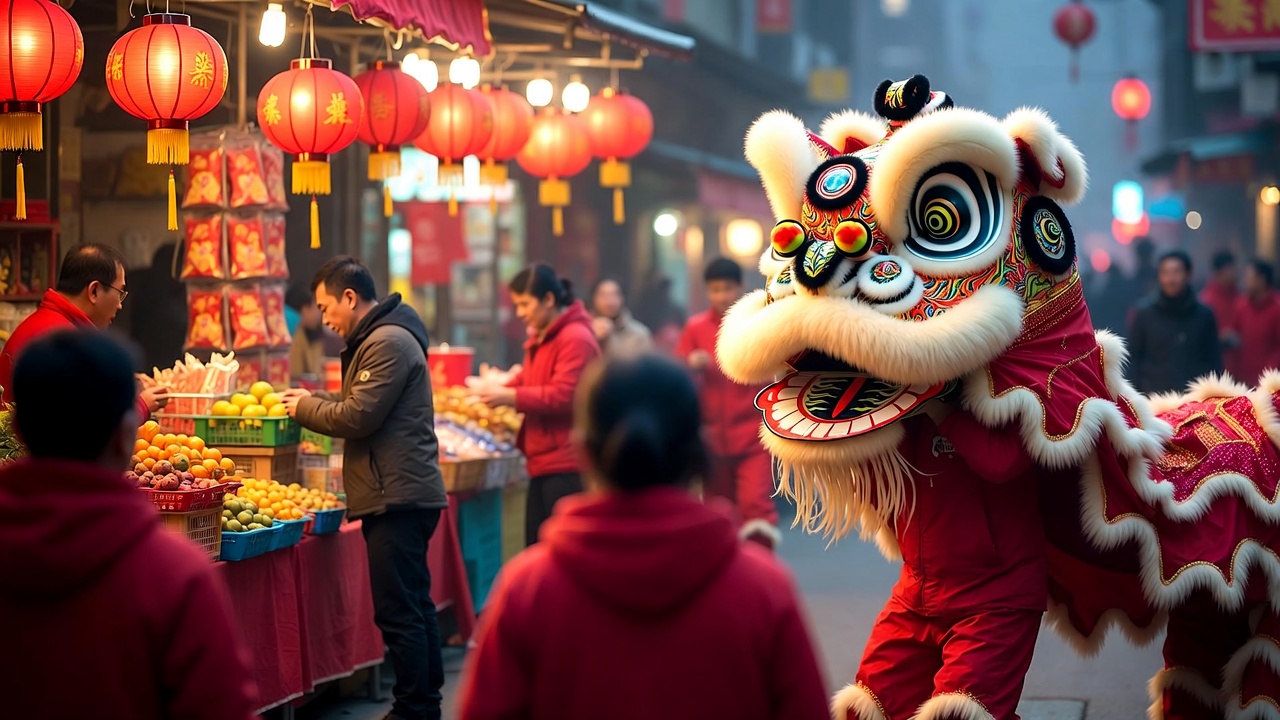
Chuxi marks the final day of the lunar calendar year. It is the emotional climax of the entire Spring Festival season, which spans 16 days from New Year’s Eve through the Lantern Festival. While the broader holiday includes temple fairs, dragon dances, and lantern displays, New Year’s Eve itself is an intimate, family-centered affair. Think of it as the Chinese equivalent of Christmas Eve, Thanksgiving dinner, and New Year’s Eve all rolled into one extraordinary night.
The roots of Chuxi reach back more than 2,000 years to agrarian rituals performed during the late Zhou and Han dynasties. Ancient communities held ceremonies at the end of winter to pray for bountiful harvests, ward off evil spirits, and honor their ancestors. Over the centuries, these practices crystallized into the traditions observed today.
The Legend of the Monster Nian
No guide to Chinese New Year’s Eve is complete without the story of Nian (年), the fearsome beast from Chinese folklore. According to the legend, Nian would emerge from the sea or mountains every New Year’s Eve to devour livestock, crops, and even villagers.
One year, an old wise man discovered that Nian feared three things: the color red, loud noises, and fire. Armed with this knowledge, villagers hung red paper on their doors, lit bonfires, and banged drums and bamboo stalks through the night. The terrified beast fled and never returned.
This ancient tale is the origin story for many of the most recognizable Chinese New Year’s Eve customs — red decorations, firecrackers, and staying awake all night. The Chinese word for “celebrating the New Year,” Guo Nian (过年), literally means “surviving Nian.”
Chunyun: The World’s Largest Human Migration Before New Year’s Eve
Before we step into the evening itself, it is worth understanding the sheer scale of what happens in the days leading up to Chuxi. Hundreds of millions of people travel across China to reunite with their families for the New Year’s Eve dinner. This annual mass movement is called Chunyun (春运), and it is regularly described as the largest human migration on the planet.
In 2026, Chunyun runs from February 2 to March 13 — a 40-day window. According to China’s National Development and Reform Commission (NDRC), inter-regional passenger trips during the 2026 Chunyun are expected to reach a record 9.5 billion. Here is how those numbers break down:
| Mode of Transport | Projected Trips (2026) | Share of Total |
|---|---|---|
| Self-driving (private vehicles) | ~7.6 billion | ~80% |
| Railway | 540 million | ~5.7% |
| Civil aviation | 95 million | ~1% |
| Other (bus, waterway, etc.) | ~1.26 billion | ~13.3% |
Source: Xinhua News Agency / NDRC press conference, January 29, 2026
The railway system alone expects to operate over 14,000 passenger trains on peak days, with seat capacity rising 5.3% year over year. The civil aviation sector plans to guarantee an average of 19,400 flights per day during the rush.
These numbers are staggering, but they represent something deeply human: the unshakable desire to sit around a table with the people you love on the most important night of the year. A migrant factory worker in Shenzhen, a graduate student in Beijing, a businesswoman in Shanghai — they all share the same goal during Chunyun: get home for dinner on Chuxi.
Chinese New Year’s Eve Reunion Dinner: What Families Eat on Chuxi Night
The Nian Ye Fan (年夜饭) — literally “New Year’s Eve dinner” — is the emotional and culinary centerpiece of Chuxi. It is the most important meal of the entire year. Multiple generations gather around a large round table (symbolizing unity and completeness), and every dish served carries a specific blessing for the year ahead.
In many households, preparing the feast is a collaborative effort. Grandparents, parents, and children all pitch in — chopping vegetables, kneading dough, stirring broth. The cooking itself is part of the ritual, a way of weaving the generations together.
Lucky Foods You Will Find on Every Chinese New Year’s Eve Table
Each dish at the reunion dinner is chosen not just for flavor but for its symbolic meaning. The Chinese language is rich in homophones, and this wordplay is central to the food tradition.
| Dish | Chinese Name | Symbolic Meaning | Why It’s Lucky |
|---|---|---|---|
| Whole fish | 鱼 (yú) | Surplus and abundance | Sounds like 余 (yú), meaning “surplus.” Often left partially uneaten to symbolize leftover wealth. |
| Dumplings | 饺子 (jiǎozi) | Wealth and prosperity | Shaped like ancient Chinese gold and silver ingots (元宝). Families make them together. |
| Sticky rice cake | 年糕 (niángāo) | Rising higher each year | Sounds like 年高 (nián gāo), meaning “year” + “high/tall.” Represents career and income growth. |
| Spring rolls | 春卷 (chūnjuǎn) | Wealth | Their golden, fried appearance resembles gold bars. |
| Whole chicken | 鸡 (jī) | Family togetherness | Sounds like 吉 (jí), meaning “auspiciousness.” |
| Longevity noodles | 长寿面 (chángshòu miàn) | Long life | The noodles must not be cut or broken during cooking. |
| Tangyuan (sweet rice balls) | 汤圆 (tāngyuán) | Family reunion | Sounds like 团圆 (tuányuán), meaning “reunion.” More commonly eaten on the Lantern Festival but also popular on Chuxi. |
| Fa Gao (prosperity cake) | 发糕 (fāgāo) | Getting rich | 发 (fā) means “to prosper” or “to get rich.” |
North vs. South: Regional Differences in the Reunion Dinner
China is vast, and the New Year’s Eve table looks quite different depending on where you are.
In northern China (Beijing, Heilongjiang, Shandong, etc.), dumplings reign supreme. Families gather in the kitchen to make hundreds of dumplings by hand, sometimes hiding a coin or peanut inside one lucky dumpling. The person who finds it is believed to enjoy extra good fortune in the coming year. Dumplings are typically eaten just after midnight to symbolize the transition from old to new.
In southern China (Guangdong, Fujian, Zhejiang, etc.), the emphasis shifts to sticky rice cakes (niángāo), whole fish, and elaborate multi-course feasts. Cantonese families might serve a Hot Pot or a platter of roasted meats. In Fujian province, a dish of vermicelli with oysters is popular because oysters (蚝, háo) sound like “good things” (好事, hǎo shì).
In Sichuan and Hunan, expect the table to be ablaze with chili peppers and Sichuan peppercorns. The spice symbolizes a “red-hot” and prosperous new year.
No matter the region, one rule is universal: the table must be abundant. An overflowing spread signals that the family will never go hungry in the year ahead.
Shou Sui: Why Chinese Families Stay Up All Night on New Year’s Eve
After the reunion dinner, the night is far from over. Families settle in for Shou Sui (守岁), the ancient tradition of staying awake until midnight — or even through the entire night. The phrase literally translates to “guarding the year.”
Shou Sui has two layers of meaning:
- For the elderly, staying up represents a desire to cherish every remaining moment of the passing year. It is a way of holding onto time.
- For the young, it is believed that staying awake all night will bring their parents longevity and good health.
In practice, Shou Sui looks different from family to family. Some play mahjong or card games. Others crack sunflower seeds and chat. Children run around with sparklers. And in almost every home across China, the television is tuned to one channel.
How to Watch the CCTV Spring Festival Gala on Chinese New Year’s Eve 2026
The CMG Spring Festival Gala (春节联欢晚会), commonly called Chunwan (春晚), is the television event of the year. Produced by China Media Group and broadcast live on CCTV-1, this variety show holds the Guinness World Record for the most-watched annual television program in the world, with reported audiences exceeding one billion viewers.
The Gala first aired in 1983 and has been a fixture of Chinese New Year’s Eve for over four decades. It runs from 8:00 PM to just past midnight (Beijing Time), filling the hours of Shou Sui with music, comedy sketches (小品, xiǎopǐn), traditional opera, acrobatics, magic, and dance performances.
The 2026 Spring Festival Gala: Year of the Horse Theme
The 2026 edition carries the theme “Galloping Steed, Onward Unstoppable” (骏马奔腾,势不可当). The official mascots are a set of four spirited horses named Qiqi, Jiji, Chichi, and Chengcheng, inspired by iconic equine figures from Chinese art history.
The 2026 Gala will air live on Monday, February 16 at 8:00 PM CST and can be watched globally on CCTV-1, the official CCTV YouTube channel, Tencent Video, and iQIYI. CCTV-4 will also broadcast a companion program, “Festival of Spring 2026: A Worldwide Celebration,” on February 17 at 7:30 PM Beijing Time, featuring overseas Chinese communities sharing their stories.
For many families, the Gala is less about the performances themselves and more about the shared experience — laughing at the same jokes, critiquing the same dance numbers, and counting down to midnight together. It is the soundtrack of Chuxi.
Red Envelopes and Lucky Money: The Tradition of Ya Sui Qian on New Year’s Eve
One of the most beloved moments of Chinese New Year’s Eve — especially for children — is receiving Ya Sui Qian (压岁钱), also known as lucky money or red envelope money.
The tradition is rooted in another ancient legend. A demon called Sui (祟) was said to visit sleeping children on New Year’s Eve, touching their foreheads and causing them to fall ill. One year, parents placed coins wrapped in red paper under their child’s pillow. When Sui appeared, the coins glowed and frightened the demon away. The practice evolved into the modern custom of giving money in red envelopes — Hongbao (红包).
How Ya Sui Qian Works Today
- Parents give Hongbao to their children after the reunion dinner or at midnight, wishing them health, academic success, and safety in the new year.
- Younger family members give Hongbao to elderly relatives as a sign of respect and a wish for longevity.
- Married couples give Hongbao to unmarried younger relatives during New Year visits.
- In the modern era, digital red envelopes sent through WeChat and Alipay have become enormously popular, especially among younger Chinese. During Spring Festival, it is common for friends and colleagues to send virtual Hongbao in group chats, sparking frantic “red envelope races.”
The amount inside a Hongbao is always an even number (odd numbers are associated with funerals). Common amounts include 88, 168, 200, 600, or 888 yuan — figures that contain the lucky numbers 6 (smooth sailing) and 8 (wealth). The number 4 is strictly avoided because it sounds like 死 (sǐ), the word for death.
Firecrackers and Fireworks at Midnight: Welcoming the Chinese New Year
As the clock strikes midnight on Chuxi, the sky over China erupts. Firecrackers (鞭炮, biānpào) and fireworks (烟花, yānhuā) are set off in a thunderous, dazzling display that marks the exact moment the old year gives way to the new.
The tradition traces directly back to the legend of Nian. The loud bangs are meant to scare away evil spirits and bad luck, while the bright flashes of light symbolize the triumph of good over darkness. In Chinese folk belief, the louder and longer the firecrackers, the more luck they will attract.
Important Note: Firecracker Regulations in Chinese Cities
In recent decades, many major Chinese cities have tightened restrictions on firecrackers due to concerns about air pollution, fire hazards, and noise. Cities like Beijing, Shanghai, and Guangzhou have established designated zones or outright bans within central urban areas. However, in smaller towns and rural areas, the tradition continues with full force.
Some cities have introduced electronic firecrackers and drone light shows as modern, environmentally friendly alternatives. These innovations are gaining popularity, especially in tech-forward cities like Shenzhen and Hangzhou.
Despite the restrictions, the spirit of the tradition endures. Even where physical firecrackers are banned, the sound of distant fireworks in the suburbs and the flash of light on the horizon remain an indelible part of the Chuxi experience.
Chinese New Year’s Eve Decorations and Their Hidden Meanings
In the days leading up to Chuxi, homes across China undergo a dramatic transformation. The color red dominates everything — doorframes, windows, lanterns, tablecloths. Red symbolizes prosperity, vitality, and protection against evil in Chinese culture.
Here are the most important decorations and what they represent:
Chunlian (春联) — Spring Festival Couplets: These are pairs of poetic phrases written in elegant black calligraphy on vertical strips of red paper. They are pasted on either side of the front door. The right strip carries one line, the left strip carries the answering line, and a horizontal banner goes across the top. The couplets express wishes for good fortune, health, and prosperity.
Fu (福) — The Character for “Blessing”: A large red diamond bearing the character 福 (fú, meaning “good fortune”) is pasted on the front door — often upside down. This is because the word for “upside down” (倒, dào) is a homophone for “arrive” (到, dào). So an upside-down 福 means “good fortune has arrived.”
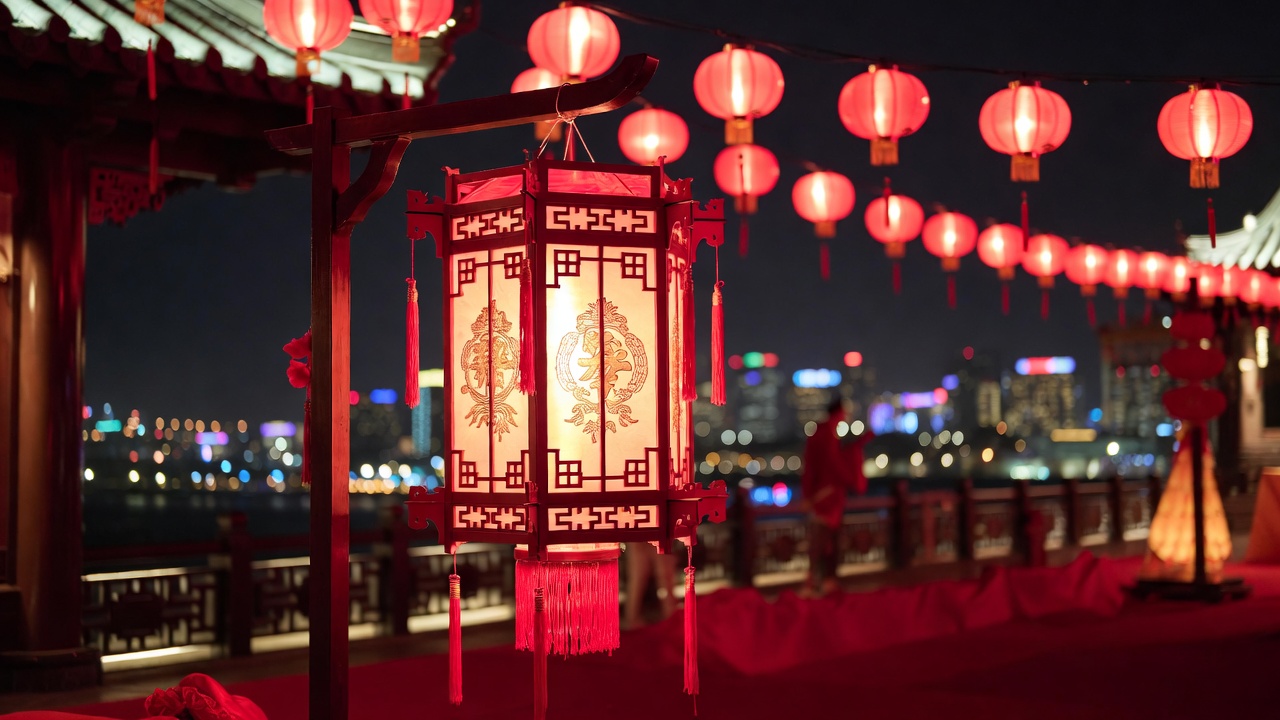
Red Lanterns (红灯笼): Round red lanterns are hung outside homes, shops, and along streets. They symbolize reunion, warmth, and a bright future.
Paper Cuttings (窗花, chuānghuā): Intricate red paper designs are pasted on windows. Common motifs include the zodiac animal of the year (in 2026, the Horse), fish, flowers, and the character 福. These delicate artworks are often handmade, especially in rural areas.
Door Gods (门神, ménshén): Images of fierce guardian warriors are pasted on the front door to protect the household from evil spirits throughout the new year.
Chinese New Year’s Eve Taboos and Superstitions You Should Know
Chinese New Year’s Eve is governed by a detailed set of dos and don’ts. These superstitions may seem quaint to outsiders, but they are taken seriously by many Chinese families, especially among older generations.
Things to avoid on Chuxi:
- Do not break dishes or glasses. If something breaks accidentally, immediately say “岁岁平安” (suì suì píng ān), which turns the word for “broken” (碎, suì) into a homophone for “year” (岁, suì), transforming the bad omen into a blessing of peace.
- Do not sweep the floor on New Year’s Day (the day after Chuxi). Sweeping symbolizes brushing away good fortune.
- Do not use sharp objects like scissors or knives after midnight, as cutting can sever your luck.
- Do not say unlucky words. Words related to death, sickness, loss, poverty, or breaking are strictly avoided. The entire family speaks in auspicious language.
- Do not wear black or white clothing. These colors are associated with mourning. Red, gold, and bright colors are preferred.
- Do not wash your hair on New Year’s Day. The character for “hair” (发, fā) is the same as the character for “prosperity.” Washing it away is considered bad luck.
- Do not demand repayment of debts during the New Year period. It is considered extremely rude and bad luck for both parties.
How Chinese New Year’s Eve Celebrations Differ Across China’s Regions
China spans 9.6 million square kilometers and is home to 56 recognized ethnic groups. Naturally, Chuxi customs vary widely by region.
Beijing and the North: The capital maintains a strong connection to traditional customs. Families eat dumplings at midnight, paste elaborate spring couplets, and (in areas where permitted) set off firecrackers. Temple fairs open in the days following Chuxi, featuring folk art, street food, and cultural performances.
Guangdong and Hong Kong: Cantonese-speaking areas emphasize flower markets in the days before Chuxi. Families buy kumquat trees (symbolizing wealth), peach blossoms (symbolizing romance), and orchids (symbolizing refinement). The New Year’s Eve dinner often features abalone, sea cucumber, and other luxurious seafood.
Fujian and Taiwan: Ancestor worship plays a particularly prominent role. Families set up elaborate altars with offerings of food, incense, and spirit money. In Taiwan, the public holiday for 2026 runs from February 16 to 20.
Sichuan and Chongqing: These hotpot-loving regions often replace the formal dinner with a massive communal hot pot. Neighbors and extended families crowd around the bubbling broth, adding meats, vegetables, and noodles throughout the evening.
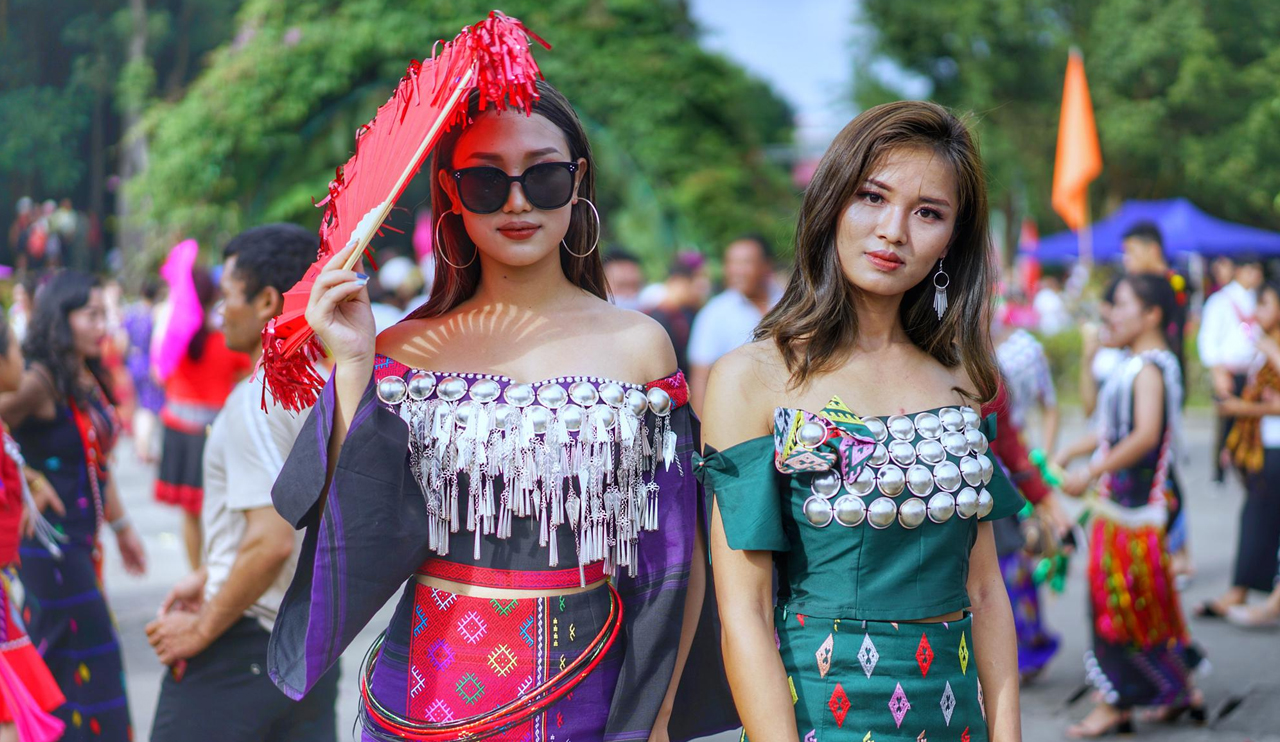
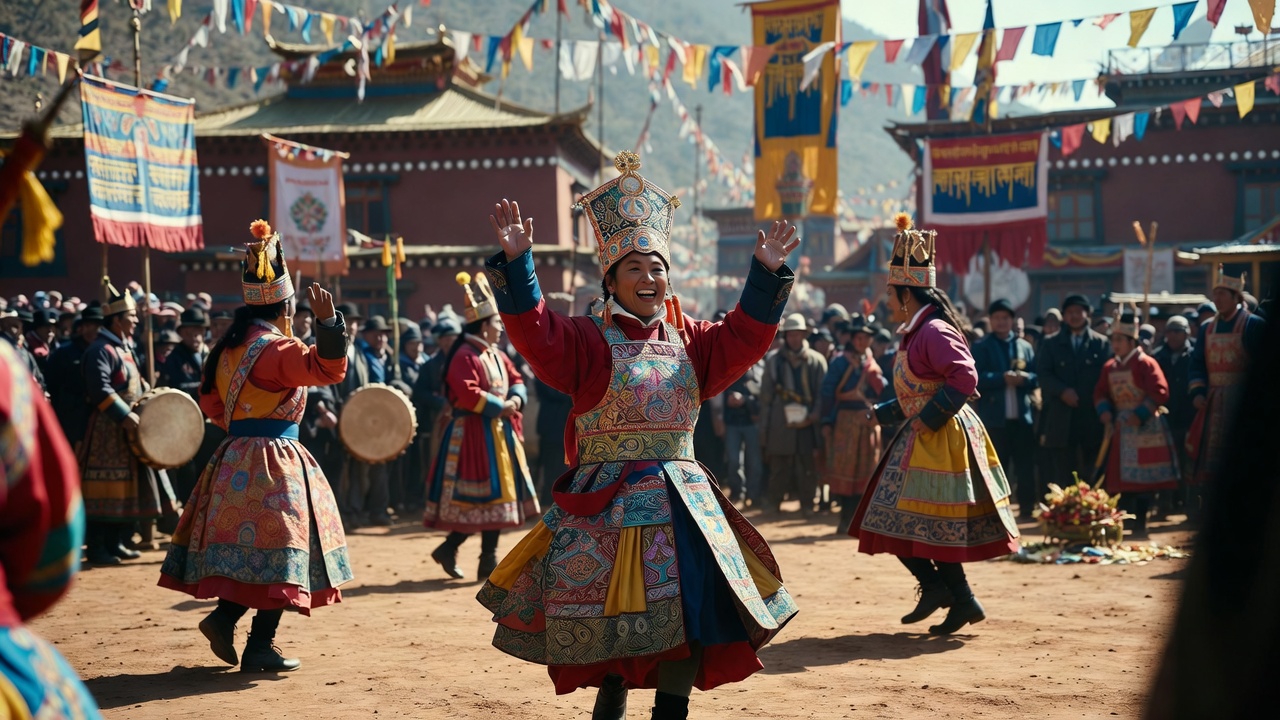
Yunnan and ethnic minority regions: Many of China’s ethnic minorities celebrate their own new year traditions that differ from Han Chinese customs. The Dai, Yi, and Bai peoples, for instance, have distinct festivals and rituals. However, the Spring Festival has become a nationwide shared celebration, and many minority communities participate in Chuxi traditions alongside their own customs.
How the Chinese Diaspora Celebrates New Year’s Eve Around the World
Chinese New Year’s Eve is not confined to China. Wherever Chinese communities have put down roots, Chuxi traditions have traveled with them.
San Francisco, USA: The city’s Chinatown — the oldest in North America — hosts one of the largest Chinese New Year parades outside of Asia. Families gather for reunion dinners in both homes and restaurants throughout the city.
Sydney, Australia: The Sydney Lunar Festival runs for weeks and features dragon boat races on Darling Harbour, lion dances, and massive fireworks displays.
London, UK: The West End Chinatown hosts a street festival with traditional performances, and Trafalgar Square becomes a stage for lion dances and cultural shows.
Singapore and Malaysia: With large ethnic Chinese populations, both countries celebrate Chinese New Year as a national holiday. In Singapore, the Chingay Parade is a dazzling multicultural spectacle. In Malaysia, the “open house” tradition means families welcome visitors of all backgrounds to share in the festivities.
Bangkok, Thailand: Yaowarat Road, Bangkok’s Chinatown, transforms into a sea of red lanterns and street food stalls. The celebration draws visitors from across Southeast Asia.
In 2026, China Media Group’s CCTV-4 will broadcast the “Festival of Spring 2026: A Worldwide Celebration” special, featuring Chinese communities living overseas in the US, Europe, Australia, and elsewhere — a recognition of how Chuxi has become a truly global event.
2026 Year of the Fire Horse: What It Means for Chinese New Year’s Eve Celebrations
The zodiac animal of the incoming year always influences the look and feel of Chinese New Year’s Eve. In 2026, the Fire Horse (火马) gallops onto the stage with exceptional energy.
The Horse is the seventh animal in the 12-year Chinese zodiac cycle. It symbolizes freedom, adventure, confidence, and tireless forward movement. When paired with the Fire element — one of the five elements (Wood, Fire, Earth, Metal, Water) that rotate alongside the zodiac — the result is a combination associated with passion, boldness, and transformation.
The Fire Horse year occurs only once every 60 years. The last Fire Horse year was 1966, and the next will be 2086. This rarity makes 2026 a particularly significant year in the Chinese cultural calendar.
For Chuxi celebrations in 2026, expect to see:
- Horse motifs on paper cuttings, lanterns, Hongbao, and spring couplets
- Red and gold as dominant colors (aligned with the Fire element)
- Lucky numbers 2, 3, 7, and 9 featured in decorations and Hongbao amounts
- Spring Festival Gala performances celebrating the Horse’s symbolism of speed, strength, and determination
- The four official Gala mascots — Qiqi, Jiji, Chichi, and Chengcheng — appearing on merchandise, social media, and television
A Timeline of Chinese New Year’s Eve: Hour by Hour on Chuxi Night
For those who want to experience (or imagine) the rhythm of a typical Chinese New Year’s Eve, here is how the evening unfolds in most Chinese households:
Morning and Afternoon: Final preparations. Families finish decorating, complete the house cleaning (which must be done before Chuxi, never on New Year’s Day), shop for last-minute ingredients, and begin cooking the feast. Red couplets are pasted on the door. Ancestor offerings are prepared.
5:00–7:00 PM: The family gathers. Extended family members arrive. The table is set. In many homes, the oldest generation sits at the head of the table. Dishes are arranged with care — fish at the center, dumplings on the side, noodles symbolizing long life.
7:00–8:00 PM: The reunion dinner begins. Toasts are made. Elders offer words of wisdom and blessing. Children show respect to grandparents. The meal is long, joyful, and deliberately unhurried.
8:00 PM: The CCTV Spring Festival Gala begins. The television becomes the backdrop for the rest of the evening. Families watch, comment, and laugh together.
9:00–11:00 PM: Shou Sui activities pick up. Mahjong tiles click. Card games start. Sunflower seeds pile up in bowls. Children receive their Hongbao. Stories are told. The house is warm and loud.
11:59 PM: The countdown begins. The Gala hosts lead the nation in counting down the final seconds.
Midnight: Firecrackers and fireworks erupt. In the north, freshly boiled dumplings are served. Family members embrace, exchange greetings of “新年好” (Xīnnián hǎo, “Happy New Year”) and “恭喜发财” (Gōngxǐ fācái, “Wishing you wealth and prosperity”). Hongbao are given. The Year of the Fire Horse has begun.
After Midnight: Some families continue Shou Sui until dawn. Others retire to bed, having successfully “guarded the year.” The house lights stay on all night — darkness is considered bad luck.
Frequently Asked Questions About Chinese New Year’s Eve Traditions
When is Chinese New Year’s Eve in 2026? Chinese New Year’s Eve (Chuxi) falls on Monday, February 16, 2026. The first day of the Chinese New Year — and the Year of the Fire Horse — is February 17, 2026.
How long does the Chinese New Year celebration last? The full Spring Festival season lasts 16 days, from New Year’s Eve (February 16) to the Lantern Festival (March 3, 2026). China’s public holiday in 2026 runs for 8 days, from February 15 to February 22.
What zodiac animal is 2026? 2026 is the Year of the Horse, specifically the Fire Horse — a rare combination that occurs once every 60 years.
What is the most important tradition on Chinese New Year’s Eve? The reunion dinner (Nian Ye Fan) is widely considered the single most important tradition. It is the reason hundreds of millions of people travel across China during Chunyun.
Can foreigners participate in Chinese New Year’s Eve celebrations? Absolutely. Many cities welcome visitors, and restaurants offer special New Year’s Eve set menus. If you are lucky enough to be invited to a Chinese family’s Chuxi dinner, it is considered a great honor. Bring a small gift (fruit, tea, or wine), wear something red, and be prepared for an unforgettable evening.
What should I say to wish someone a Happy Chinese New Year? The most common greetings are “新年快乐” (Xīnnián kuàilè) — “Happy New Year” — and “恭喜发财” (Gōngxǐ fācái) — “Wishing you prosperity.” In Cantonese, the equivalent is “恭喜發財” (Gung hei fat choi).
Final Thoughts: Why Chinese New Year’s Eve Still Matters in 2026
In a world of rapid change, Chinese New Year’s Eve endures as a powerful anchor. The customs of Chuxi are not museum pieces. They are living, breathing traditions practiced by over a billion people. Each dumpling folded at the family table, each red couplet brushed in careful calligraphy, each firework lighting up the midnight sky is a thread connecting the present to a past stretching back thousands of years.
The 2026 Year of the Fire Horse brings a rare, once-in-60-years energy to this ancient celebration. As China prepares for a record-breaking Chunyun of 9.5 billion trips and the Spring Festival Gala broadcasts to audiences across the globe, the message of Chuxi remains unchanged: come home, gather together, and step into the new year as one.
Wherever you are on February 16, 2026 — whether at a round table in a Beijing courtyard, a restaurant in San Francisco’s Chinatown, or your own kitchen experimenting with dumpling recipes — the spirit of Chuxi invites you in.
新年快乐. 马到成功. Happy New Year. May the Horse bring you swift success.