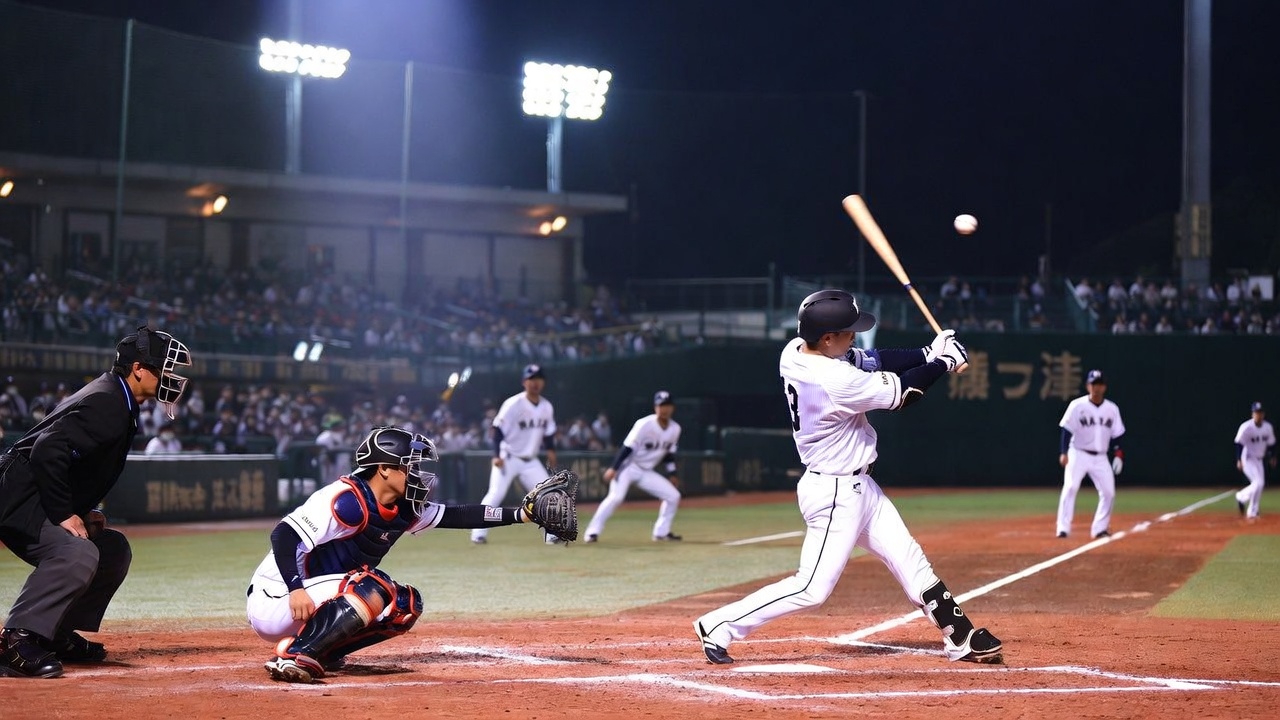
Baseball in Japan is not just a sport. It is a living, breathing cultural event. The crack of the bat, the rhythmic thunder of taiko drums, the synchronized chanting of 40,000 fans — nothing in the sporting world quite compares to a night at a Japanese ballpark. For travelers heading to Japan in 2026, catching a Nippon Professional Baseball game is one of the most unforgettable experiences the country offers. It belongs on your itinerary right alongside Kyoto temples, Tokyo street food, and Hiroshima’s Peace Memorial Park.
This guide covers everything you need to know about NPB in 2026. From the league’s structure and all 12 teams, to how to buy tickets, where to sit, what to eat, and what rule changes are shaking up the sport — consider this your one-stop resource. Whether you are a die-hard baseball fan or simply a curious traveler, this article will help you plan the perfect NPB experience.
What Is Nippon Professional Baseball and Why Should You Care in 2026?
Nippon Professional Baseball, known as NPB, is the highest level of professional baseball in Japan. It is the second-wealthiest baseball league in the world, behind only Major League Baseball (MLB). NPB is also the wealthiest professional sports league in all of Asia, according to the league’s Wikipedia overview.
The league was founded in 1936 and reorganized into its current two-league format in 1950. Today, NPB consists of 12 teams split evenly between two leagues: the Central League and the Pacific League. Each team plays a 143-game regular season, facing intra-league opponents 25 times each and interleague opponents three times each. Games are played six days a week. Monday is typically the league-wide off day.
Why does 2026 matter? Several reasons make this a landmark season:
- The 2026 World Baseball Classic (WBC) kicks off in March, with Tokyo Dome hosting Pool C. Japan’s national team, Samurai Japan, will defend its 2023 title on home soil.
- Three major NPB stars — Munetaka Murakami, Kazuma Okamoto, and Tatsuya Imai — have departed for MLB, reshuffling rosters across the league.
- 2026 is the final season in which Central League pitchers will bat. The CL unanimously voted to adopt the designated hitter rule starting in 2027.
- NPB attendance set a new all-time record in 2025, with over 27 million fans passing through turnstiles — an average of roughly 31,500 per game. The buzz is expected to continue into 2026.
In short, 2026 is a year of change, celebration, and spectacle for Japanese baseball. There has never been a better time to visit.
How NPB Works: Understanding the Central League and Pacific League Structure
If you are familiar with MLB, the basic structure of NPB will feel comfortable. But there are important differences worth understanding before you buy your first ticket.
The Two Leagues
NPB is divided into two separate leagues. Each operates as its own entity, with its own TV rights, rules, and history.
| Feature | Central League (CL) | Pacific League (PL) |
|---|---|---|
| Founded | 1950 | 1950 |
| Teams | 6 | 6 |
| DH Rule (2026) | No DH (last season without it) | DH since 1975 |
| Historic Powerhouse | Yomiuri Giants (22 titles) | Fukuoka SoftBank Hawks (12 titles) |
| Fan Culture | Traditional, highly loyal | Innovative, entertainment-focused |
The Season Calendar
The 2026 NPB regular season begins on March 27 and runs through approximately late September or early October. Here is a rough breakdown of the calendar:
- Late February: Spring training (camps primarily held in Okinawa and Miyazaki)
- Early March: Preseason exhibition games
- March 5–17: 2026 World Baseball Classic (interrupts spring training)
- March 27: Opening Day
- Late May to mid-June: Interleague play
- Late July: NPB All-Star Games
- Late September/Early October: Regular season ends
- October 10 onward: Climax Series (playoffs)
- Late October/November: Japan Series (championship)
Games typically start at 6:00 PM on weekdays and 2:00 PM on weekends. All times are Japan Standard Time (JST).
The Postseason: Climax Series and Japan Series Explained
After the regular season, the top three teams from each league enter the Climax Series, NPB’s version of the playoffs.
First Stage: The second-place and third-place teams play a best-of-three series. The higher seed hosts all games.
Final Stage: The league champion enters with a one-win advantage. They then play a best-of-six series against the first-stage winner.
The Climax Series winners from each league meet in the Japan Series, a best-of-seven championship round. Home-field advantage alternates between the leagues each year. In 2026, the Central League team will have home-field advantage.
One notable quirk: games can end in a tie. If a game is still tied after 12 innings, it is called a draw. This rule applies in the regular season, the Climax Series, and even the Japan Series.
All 12 NPB Teams in 2026: A Complete Guide to Every Club and Stadium
Understanding the teams is essential to getting the most out of your NPB experience. Each club has a distinct personality, fan culture, and home stadium. Below is a detailed look at all 12 teams, divided by league.
Central League Teams for the 2026 Season
1. Hanshin Tigers — Hanshin Koshien Stadium (Nishinomiya, Hyogo)
The Tigers are the defending Central League champions and the 2025 Japan Series runners-up. They are based in the Kansai region and play at Koshien Stadium, which was built in 1924 and remains one of the most iconic venues in all of Japanese sports. Koshien also hosts the beloved National High School Baseball Championship tournaments every spring and summer.
Manager Kyuji Fujikawa, a former Tigers great and ex-MLB reliever, guided the team to the CL pennant in his first year as manager in 2025 — the earliest pennant clinch in Central League history. The Tigers’ ace, Hiroto Saiki, posted a league-best 1.55 ERA, while reliever Daichi Ishii set an NPB record by pitching 50 consecutive scoreless innings.
Warning for travelers: Hanshin tickets are notoriously difficult to get. Games at Koshien frequently sell out within days of going on sale. Plan well in advance.
2. Yokohama DeNA BayStars — Yokohama Stadium (Yokohama, Kanagawa)
The BayStars were the 2024 Japan Series champions and finished second in the CL in 2025. Yokohama Stadium sits in the heart of downtown Yokohama, surrounded by parks and restaurants. It is an open-air stadium with a lively, urban energy.
Many longtime NPB visitors consider Yokohama Stadium their personal favorite. The combination of the outdoor setting, the city backdrop, and the enthusiastic fan base makes it a standout experience. The stadium is easily accessible from central Tokyo by train — about 30 minutes from Shibuya.
3. Yomiuri Giants — Tokyo Dome (Bunkyo, Tokyo)
The Giants are the most famous and historically dominant team in Japanese baseball. They have won a record 22 Japan Series titles, including a legendary nine-in-a-row from 1965 to 1973. The team is owned by the Yomiuri Shimbun, one of Japan’s largest media companies.
Tokyo Dome, often called “The Big Egg,” is a massive indoor stadium that seats around 46,000. It is located in central Tokyo, easily reached from multiple subway lines. While it lacks the outdoor charm of some other NPB venues, its sheer size and the energy of Giants games make it a must-visit — especially because Tokyo Dome will also host WBC Pool C games in March 2026.
The Giants lost a key player this offseason: Kazuma Okamoto, who signed a four-year, $60 million deal with the Toronto Blue Jays. The six-time All-Star was one of NPB’s most consistent power hitters, leading the Central League in home runs three times.
4. Tokyo Yakult Swallows — Meiji Jingu Stadium (Shinjuku, Tokyo)
The Swallows play in the atmospheric Meiji Jingu Stadium, an outdoor park nestled beside the Meiji Shrine in the heart of Tokyo. It is one of the most charming venues in all of NPB, with trees peeking over the outfield walls and a warm, neighborhood feel.
The Swallows’ biggest offseason loss was Munetaka Murakami, the 25-year-old slugger who signed a two-year, $34 million contract with the Chicago White Sox. Murakami set the NPB single-season home run record for a Japanese-born player with 56 in 2022, earning the nickname “Murakami-Sama” (a play on the Japanese word for god, kami-sama). His departure leaves an enormous void in the Swallows lineup.
A fun Swallows tradition: when the team wins at home, fans celebrate by opening their tiny plastic umbrellas and singing the team victory song. It is one of the most joyful rituals in Japanese sports.
5. Hiroshima Toyo Carp — Mazda Zoom-Zoom Stadium (Minami-ku, Hiroshima)
The Carp are widely beloved across Japan and have one of the most passionate fan bases in the league. Mazda Zoom-Zoom Stadium opened in 2009 and is considered one of the best ballpark designs in NPB. It is an open-air venue with great sightlines, creative seating areas, and a party deck in the outfield.
Hiroshima is also a deeply meaningful travel destination. The Peace Memorial Park and Museum and the Atomic Bomb Dome are located nearby. Combining a Carp game with a visit to these sites makes for one of the most emotionally powerful days of travel in all of Japan.
6. Chunichi Dragons — Vantelin Dome Nagoya (Naka-ku, Nagoya)
The Dragons play in Vantelin Dome Nagoya (formerly known as Nagoya Dome), an indoor stadium in Japan’s fourth-largest city. Nagoya is a major hub between Tokyo and Osaka, making it an easy stop on the Shinkansen (bullet train) route.
The Dragons are in a transitional phase. Their fans remain loyal, and tickets are generally easier to obtain than for some of the league’s more popular clubs. The surrounding area of the dome features restaurants and shops worth exploring.
Pacific League Teams for the 2026 Season
7. Fukuoka SoftBank Hawks — Mizuho PayPay Dome Fukuoka (Chuo-ku, Fukuoka)
The defending Japan Series champions. The Hawks defeated the Hanshin Tigers four games to one in the 2025 Japan Series, capturing their 12th championship overall. First baseman Hotaka Yamakawa was named series MVP after homering in three consecutive games. Manager Hiroki Kokubo guided the team through a remarkable turnaround — the Hawks sat at 9-16-2 on May 1 before recovering to post the best record in NPB.
SoftBank is widely regarded as a modern dynasty. The franchise won seven Japan Series titles between 2011 and 2020 and remains the financial powerhouse of NPB. Their home, Mizuho PayPay Dome, is a massive retractable-roof stadium in Fukuoka. The city itself is a food-lover’s paradise, famous for its Hakata ramen, mentaiko (spicy fish roe), and yatai (outdoor food stalls along the river).
8. Hokkaido Nippon-Ham Fighters — ES CON Field Hokkaido (Kitahiroshima, Hokkaido)
The Fighters recently moved into ES CON Field Hokkaido, one of the most stunning ballparks built anywhere in the world in recent years. This retractable-roof stadium, located in Kitahiroshima (just south of Sapporo), features a natural grass field, spectacular architectural design, and an integrated village with hotels, shops, and restaurants.
The Fighters were the CL’s closest challenger to SoftBank in 2025. Outfielder Franmil Reyes led the Pacific League in home runs and RBIs. Starter Hiromi Itoh won the prestigious Sawamura Award — the team’s first since Yu Darvish won it 18 years earlier. Under the colorful leadership of manager Tsuyoshi Shinjo, the Fighters have become one of the most entertaining teams in NPB.
For travelers visiting Hokkaido, combine a Fighters game with Sapporo’s incredible food scene (miso ramen, soup curry, fresh seafood from the Nijo Market) and, depending on the season, the stunning natural beauty of Hokkaido’s landscapes.
9. Orix Buffaloes — Kyocera Dome Osaka (Nishi-ku, Osaka)
The Buffaloes won the Japan Series in 2022 and 2023 but have since seen several key players depart. They remain competitive, though, and their home at Kyocera Dome Osaka is conveniently located near popular tourist spots like Dotonbori, Umeda, and Universal Studios Japan.
Osaka is arguably the food capital of Japan. Attending an Orix game gives you a perfect excuse to spend a few days exploring the city’s legendary takoyaki (fried octopus balls), okonomiyaki (savory pancakes), and vibrant nightlife.
10. Saitama Seibu Lions — Belluna Dome (Tokorozawa, Saitama)
The Lions are in a rebuilding phase after posting Tatsuya Imai to MLB. Imai, the ace of their pitching staff, signed a three-year, $54 million deal (with opt-outs) with the Houston Astros. The 27-year-old right-hander posted a 1.92 ERA with 178 strikeouts in 163 innings during 2025.
Belluna Dome is technically an indoor stadium, but its open-air construction means temperatures can swing wildly. The stadium sits in a wooded, suburban area of Saitama Prefecture, about an hour from central Tokyo. The surrounding forest gives it a distinctly different feel from urban ballparks. Tickets are generally easy to get.
11. Chiba Lotte Marines — ZOZO Marine Stadium (Mihama-ku, Chiba)
The Marines play at ZOZO Marine Stadium, located near the coast of Tokyo Bay. Constant sea breezes keep the stadium cool in summer, though they can make spring and autumn games quite cold. The venue is a bit farther from central Tokyo than other stadiums in the metro area, but it is accessible by train.
Lotte fans are known for their enthusiastic, nonstop cheering. The oendan (organized cheering section) at Marines games is legendary. If you want to experience the full intensity of Japanese baseball fan culture, a Lotte game is a fantastic choice.
Note: Chiba Prefecture has announced plans to build a new stadium north of ZOZO Marine, with a projected opening around 2034 and a capacity increase to approximately 33,000 seats.
12. Tohoku Rakuten Golden Eagles — Rakuten Mobile Park Miyagi (Sendai, Miyagi)
The Golden Eagles were established in 2005 as an expansion team and won the Japan Series in their ninth year of existence (2013), led by the legendary Masahiro Tanaka. Their home, Rakuten Mobile Park Miyagi (formerly Kobo Park Miyagi), is known for its creative seating options and the scenic backdrop of the Miyagi hills.
Sendai, located in the Tohoku region of northern Honshu, is famous for its gyutan (grilled beef tongue) and the stunning Matsushima Bay, one of the three most scenic spots in Japan. Attending an Eagles game pairs beautifully with exploring this lesser-visited region.
2025 Japan Series Recap: How the Fukuoka SoftBank Hawks Won Their 12th Title
Understanding last season’s climax helps set the stage for 2026. The 2025 Japan Series was a thrilling five-game affair between the Hanshin Tigers and the Fukuoka SoftBank Hawks.
The Tigers won Game 1 at Mizuho PayPay Dome in Fukuoka. But from that point on, the Hawks took control. They won four straight — including three nail-biting one-run games at Koshien Stadium in Nishinomiya.
The decisive Game 5 went to extra innings. With the Tigers leading 2-0, veteran outfielder Yuki Yanagita delivered a clutch two-run homer in the eighth inning off Daichi Ishii — the first home run Ishii had allowed since July 2023. In the 11th inning, Isami Nomura hit a solo home run to put the Hawks ahead for good.
Hotaka Yamakawa earned the Japan Series MVP award after homering in Games 2, 3, and 4.
The win capped a remarkable comeback season for SoftBank, who had the worst record in NPB through May 1. Manager Hiroki Kokubo later told reporters, as quoted by the Japan Times, that he was grateful for the players who competed through the full 154-game grind.
For the Hawks, it was redemption after their shocking 2024 Japan Series loss to the Yokohama DeNA BayStars, when they blew a 2-0 series lead. For Hanshin, it was a painful defeat at home — the Tigers were unable to win a single game at Koshien, though each loss was by just one run.
NPB Players Who Left for MLB in 2026: Murakami, Okamoto, and Imai
Every offseason, a wave of NPB stars crosses the Pacific to test themselves in Major League Baseball. The 2025-26 posting class was one of the strongest in recent memory. Here is where the three biggest names landed:
| Player | Position | NPB Team | MLB Team | Contract |
|---|---|---|---|---|
| Munetaka Murakami | 1B/DH | Yakult Swallows | Chicago White Sox | 2 years, $34 million |
| Tatsuya Imai | RHP | Seibu Lions | Houston Astros | 3 years, $54 million (opt-outs after Year 1 and 2) |
| Kazuma Okamoto | 1B/3B | Yomiuri Giants | Toronto Blue Jays | 4 years, $60 million |
The Impact on NPB
The departures of Murakami, Okamoto, and Imai create significant holes in their former teams’ rosters.
The Yakult Swallows lose their franchise player. Murakami hit 56 home runs in 2022 — breaking Sadaharu Oh’s single-season record for a Japanese-born player — and won the Central League Triple Crown and MVP that year. At just 25 years old, he was the face of the franchise. The Swallows will need to find new offensive firepower.
The Yomiuri Giants lose a six-time All-Star in Okamoto, who led the CL in home runs three times and hit the go-ahead homer in the 2023 WBC final against the United States. His steady production will be difficult to replace.
The Seibu Lions lose their ace. Imai posted a 2.18 ERA across 470 innings over his last three seasons and struck out 178 batters in 2025 alone. His departure accelerates a rebuild that was already underway, but it also creates opportunities for young pitchers to step into the spotlight.
A fourth posted player, right-hander Kona Takahashi (also from the Lions), chose to return to Seibu after failing to reach a deal with an MLB club.
The 2026 World Baseball Classic in Tokyo: Samurai Japan Defends Its Title
Before the NPB regular season even begins, the baseball world will descend upon Tokyo for the 2026 World Baseball Classic. The sixth edition of the tournament runs from March 5 to 17, with pool play in four cities: Tokyo, San Juan, Houston, and Miami.
Pool C at Tokyo Dome
Samurai Japan — the defending 2023 WBC champion — will play in Pool C at Tokyo Dome. Their opponents include South Korea, Australia, Chinese Taipei, and the Czech Republic. Pool C games run from March 5 to 10.
Japan has won three WBC titles (2006, 2009, 2023) and enters as the team to beat once again. The roster features an extraordinary blend of NPB stars and MLB talent:
- Shohei Ohtani (Los Angeles Dodgers) has confirmed his participation. The two-time World Series champion and reigning AL MVP will return to the team he led to glory in 2023.
- Yoshinobu Yamamoto (Los Angeles Dodgers), the 2025 World Series MVP, will anchor the pitching staff.
- NPB standouts like Hiromi Itoh (Fighters), Livan Moinelo (Hawks), and Teruaki Sato (Tigers) are expected to contribute.
- Roki Sasaki (Dodgers) will not participate due to injury concerns.
Netflix has secured exclusive broadcasting rights for WBC games in the Japanese market, and the network is working with local authorities to set up public viewing events across the country. The atmosphere in Tokyo during the WBC will be electric.
How This Affects the NPB Season
The WBC interrupts NPB spring training and pushes Opening Day to March 27. Players who participate in the WBC may report to their NPB clubs slightly later. However, most clubs plan for this disruption, and it rarely has a lasting impact on the regular season.
For travelers visiting Japan in early March, the combination of WBC pool play and cherry blossom season creates an extraordinary window of opportunity. Few trips offer better timing.
How to Buy NPB Tickets as a Foreign Tourist in 2026
Buying tickets to NPB games can be challenging for international visitors. The process often involves Japanese-language websites, domestic phone numbers, and local payment methods. But with some planning, it is absolutely doable.
The Challenge
After COVID, the surge of international tourism to Japan has brought more foreign fans to stadiums than ever before. As Japan Travel Guide MATCHA reported, many tourists find the ticket-buying process so confusing that they give up halfway through. Language barriers, payment requirements, and the need for a Japanese phone number on some platforms all contribute to the difficulty.
Your Best Options for Getting NPB Tickets
1. Official Team Websites
Several teams now offer English-language ticket purchasing. The Yomiuri Giants and Yakult Swallows have the most foreigner-friendly websites. You can select seats from a seating chart, pay with a credit card, and pick up tickets at a 7-Eleven convenience store in Japan.
2. Japan Sports Ticket
This service helps foreign tourists find games that fit their travel schedule and secures seats in their preferred section. It handles the language, payment, and logistics hurdles. For popular games where groups need to sit together, booking early is essential.
3. Third-Party Ticketing Agencies
Sites like Viagogo or StubHub sometimes carry NPB tickets, though availability is limited and prices may be marked up. NPB has been cracking down on unauthorized resale services, so proceed with caution.
4. Walk-Up Tickets
For less popular games — particularly weekday games involving rebuilding teams like the Lions or Dragons — you can often buy tickets at the stadium box office on game day. Arrive at least 90 minutes before first pitch.
General Pricing
NPB tickets are remarkably affordable compared to MLB. Expect to pay approximately:
| Seat Type | Price Range (JPY) | Price Range (USD, approx.) |
|---|---|---|
| Outfield unreserved | ¥1,500–2,500 | $10–17 |
| Infield reserved | ¥3,500–6,000 | $23–40 |
| Premium/behind home plate | ¥6,000–12,000 | $40–80 |
| VIP/luxury seats | ¥12,000+ | $80+ |
Prices vary by team and game. High-demand matchups (Giants vs. Tigers, for example) will cost more and sell out faster.
Tips for Ticket Success
- Book early. Tickets for April and May games typically go on sale in February or March. Subsequent months may go on sale one to two months later.
- Check multiple platforms. Sometimes the official ticketing site is sold out, but tickets remain available through agency sites.
- Be flexible. If your top-choice team or stadium is sold out, try a different matchup. Every NPB stadium has its own charm.
What to Expect at a Japanese Baseball Game: Fan Culture, Food, and Etiquette
Attending an NPB game is more than watching baseball. It is a full-body cultural immersion. Here is what to expect.
The Oendan: Japan’s Legendary Cheering Squads
The most immediately striking thing about Japanese baseball is the oendan — the organized cheering sections. These are not passive crowds. They are armies of fans who chant, sing, beat drums, blow horns, and wave flags for the entire game, from first pitch to last out.
Each team has its own set of cheering songs. There are songs for the team as a whole, songs for individual players (each batter has his own walk-up chant), and songs for different game situations. The lyrics change depending on whether the team is winning, losing, or tied.
The oendan sits in the outfield bleachers, typically the cheapest seats in the house. If you want to be in the thick of the action, buy an outfield unreserved ticket and arrive early for a good spot. The energy is intoxicating.
Important etiquette note: The oendan only cheers when their team is batting. When the opposing team is at the plate, the home oendan goes silent. This is a deeply respected tradition. Do not shout or make noise when the other team is up.
Stadium Food and Drink
Japanese ballpark food puts most American stadiums to shame. Forget generic hot dogs and lukewarm nachos. NPB stadiums serve:
- Bento boxes — Beautifully arranged meals with rice, grilled meats, pickled vegetables, and seasonal sides. Many stadiums sell team-branded bento.
- Yakitori — Grilled chicken skewers, a classic Japanese bar snack.
- Takoyaki — Fried octopus balls, especially popular at Osaka-area stadiums.
- Edamame — Steamed soybeans, the perfect beer companion.
- Curry rice — A hearty and filling option, available at most stadiums.
- Regional specialties — Each stadium reflects its city. Fukuoka’s Mizuho PayPay Dome serves Hakata ramen. Sendai’s Rakuten Mobile Park offers gyutan. Hiroshima’s Mazda Zoom-Zoom Stadium has oysters.
Beer is a central part of the experience. Young women and men with kegs strapped to their backs — known as urikosan (beer sellers) — walk up and down the stadium stairs, pouring fresh draft beer directly into your cup. It is an iconic sight.
You can bring your own food and drink into most NPB stadiums. Many fans stop at convenience stores or department store food halls (depachika) before the game and bring elaborate bento boxes. Alcoholic beverages are generally allowed in, though canned drinks must be poured into provided plastic cups.
Game-Day Etiquette
A few cultural norms to keep in mind:
- Clean up after yourself. Japanese stadiums are famously clean because fans take their trash with them when they leave. Do the same.
- Respect the cheering flow. Cheer enthusiastically, but follow the oendan’s lead.
- The seventh-inning balloon release: At many stadiums, fans in the oendan sections inflate long, narrow balloons and release them into the air during the seventh-inning stretch. This is a thrilling visual spectacle and a great photo opportunity. Some stadiums sell the balloons for a small fee.
- Tipping is not practiced anywhere in Japan, including at stadiums.
Best NPB Stadiums to Visit in Japan: A Travel Guide for Baseball Fans
Not all stadiums are created equal. Here are the must-visit venues for first-time NPB travelers.
Hanshin Koshien Stadium — The Cathedral of Japanese Baseball
Built: 1924 Capacity: ~47,000 Team: Hanshin Tigers Location: Nishinomiya, Hyogo (between Osaka and Kobe)
Koshien is the oldest ballpark in Japan and arguably the most sacred site in the country’s baseball culture. It hosts both the Hanshin Tigers and the National High School Baseball Championship, an event that grips the nation every summer. Walking through its gates feels like stepping into history.
The stadium underwent major renovations ahead of the 2024 season, but it retains its classic character. The ivy-covered outfield walls, the roar of Tigers fans, and the electric atmosphere make Koshien a pilgrimage site for baseball lovers.
Getting tickets is the challenge. Plan months ahead.
ES CON Field Hokkaido — The Jewel of Modern Stadium Design
Opened: 2023 Capacity: ~35,000 Team: Hokkaido Nippon-Ham Fighters Location: Kitahiroshima, Hokkaido
ES CON Field is one of the newest and most architecturally impressive stadiums in the world. It features a retractable roof, a natural grass playing surface, and an integrated entertainment village called F Village with hotels, shops, restaurants, a craft brewery, and a hot spring. Yes — you can soak in an onsen with a view of the baseball field.
The stadium’s design creates a remarkably intimate atmosphere despite its size. Sightlines are excellent from every seat. If you visit Hokkaido, make this a priority.
Mazda Zoom-Zoom Stadium — The Fan-Friendly Masterpiece
Opened: 2009 Capacity: ~33,000 Team: Hiroshima Toyo Carp Location: Hiroshima
Consistently rated one of the best stadiums in NPB. Open-air design, creative seating sections (including barbecue terraces and party decks in the outfield), and a genuinely passionate fan base. Carp fans are among the most enthusiastic in all of Japan. The stadium is walking distance from Hiroshima Station.
Meiji Jingu Stadium — The Neighborhood Gem
Opened: 1926 Capacity: ~31,000 Team: Tokyo Yakult Swallows Location: Shinjuku, Tokyo
An intimate, atmospheric outdoor stadium nestled in the greenery of the Meiji Shrine complex. It feels like a park within a park. The Swallows’ umbrella celebration after home wins is legendary. This stadium offers the most accessible “authentic Tokyo baseball” experience for visitors staying in the city center.
Yokohama Stadium — The Urban Baseball Experience
Opened: 1978 (renovated) Capacity: ~34,000 Team: Yokohama DeNA BayStars Location: Yokohama, Kanagawa
Right in the middle of downtown Yokohama. Great energy, easy access from Tokyo, and surrounded by the city’s parks and waterfront. An excellent choice for travelers who want to combine a baseball game with a day exploring Yokohama’s Chinatown, the waterfront Minato Mirai area, and the famous Cup Noodles Museum.
2026 NPB Rule Changes and Historic Developments to Watch
The Last Season of Pitchers Batting in the Central League
In August 2025, the Central League unanimously voted to adopt the designated hitter rule beginning in 2027. This means the 2026 season is the final year pitchers will bat in the CL, as confirmed by the Japan Times.
The Pacific League has used the DH since 1975. The Central League was the last major professional baseball league in the world that did not use a designated hitter.
The decision was triggered in part by the adoption of the DH at the high school and collegiate level in Japan. Once amateur baseball embraced the rule, the CL could no longer justify holding out. Alongside the DH, NPB will also implement the “Ohtani Rule”, which allows two-way players to stay in the lineup as the DH after being removed from the mound.
For baseball purists, 2026 represents the last chance to witness the classic style of Central League baseball — where managers must decide when to pinch-hit for their pitcher, where double switches matter, and where pitchers occasionally drive in runs. If that appeals to you, this is the year to see it.
Expanded Replay Review
NPB has announced plans to establish a centralized replay center operated by a third-party independent of the stadium umpire crew. This is modeled after MLB’s replay operations center in New York. The change comes after years of criticism that NPB’s replay system was less thorough than those used in MLB and the Korean Baseball Organization (KBO).
How to Watch NPB Games from Abroad: Streaming and Broadcast Options in 2026
If you cannot make it to Japan, you can still follow NPB from overseas.
Pacific League Games
Pacific League TV (PLTV) is the official streaming service for all six Pacific League teams. It is available internationally for a monthly subscription fee. PLTV offers live broadcasts, on-demand replays, and multi-screen viewing. Player names and stats overlays are available in English, though commentary is in Japanese.
Central League Games
Central League broadcasting is more fragmented. There is no single unified streaming service. Instead, individual teams sell their own broadcast rights. DAZN carries some CL games in Japan. For international viewers, specific Central League team websites and social media channels are the best places to find streaming information.
General Tips
- Most games start in the evening in Japan (6:00 PM JST), which translates to early morning in North America (roughly 5:00–6:00 AM Eastern Time).
- English-language NPB content is growing. Fan blogs like JapanBall, podcasts like Talking Yakyu, and social media accounts provide excellent coverage throughout the season.
NPB Spring Training in Okinawa: A Hidden Gem for Baseball Travelers
Before the regular season, most NPB teams hold spring training camp in Okinawa or Miyazaki Prefecture during February and early March. This is one of the most underrated travel experiences for baseball fans.
Unlike MLB spring training — which has become a massive tourist industry in Arizona and Florida — NPB spring training remains intimate and relatively uncrowded. Diehard fans and locals attend, but the atmosphere is relaxed. You can watch players practice on backfields, get close-up views of batting practice, and even secure autographs more easily than during the regular season.
Okinawa itself is a stunning destination. Tropical beaches, unique cuisine (Okinawan soba, taco rice, purple sweet potato tarts), rich cultural heritage, and a warmer climate than mainland Japan make it an ideal February or March getaway. Teams typically train at municipal stadiums across the island, giving you an excuse to road-trip through multiple towns.
For the 2026 WBC, South Korea will hold their training camp in Okinawa as well, adding another layer of international baseball excitement to the island.
Planning Your NPB Trip: Best Times to Visit Japan for Baseball in 2026
The best time to visit depends on what you want to experience. Here is a month-by-month breakdown:
| Month | What’s Happening | Weather |
|---|---|---|
| February | Spring training in Okinawa/Miyazaki; WBC warm-up games | Cool in most of Japan; mild in Okinawa |
| March | WBC Pool C at Tokyo Dome (Mar 5–10); Opening Day (Mar 27) | Cherry blossoms begin blooming |
| April | Early regular season; cherry blossom peak in many cities | Pleasant, mild temperatures |
| May | Regular season in full swing; interleague play begins late May | Warm, comfortable |
| June | Interleague play continues; rainy season (tsuyu) begins mid-June | Humid, frequent rain |
| July | All-Star break (late July); summer baseball | Hot and humid |
| August | High school baseball at Koshien; regular season continues | Peak heat |
| September | Pennant race heats up; cooler weather arrives | Moderating temperatures |
| October | Climax Series and Japan Series begin | Autumn foliage begins |
The sweet spots for combining baseball and tourism are late March through May (cherry blossoms, comfortable weather, fresh season energy) and October (autumn foliage, playoff intensity, cooler temperatures).
Combining NPB With Sightseeing: Stadium-by-Stadium City Guides
One of the great advantages of attending NPB games is that every stadium is located in a world-class travel destination. Here are pairing suggestions:
Tokyo (Giants, Swallows, plus Marines and Lions nearby): Tsukiji Outer Market, Senso-ji Temple, Akihabara, Harajuku, Shibuya Crossing, Shinjuku nightlife, and the Meiji Shrine.
Yokohama (BayStars): Chinatown, Cup Noodles Museum, Minato Mirai waterfront, Sankeien Garden.
Nagoya (Dragons): Nagoya Castle, Atsuta Shrine, miso katsu and hitsumabushi (grilled eel), Toyota Commemorative Museum.
Osaka (Buffaloes): Dotonbori, Osaka Castle, Shinsekai, Universal Studios Japan, and the street food paradise of Kuromon Market.
Kobe/Nishinomiya (Tigers): Koshien Stadium itself, plus nearby Kobe’s Harborland, Chinatown, and the sake breweries of Nada.
Hiroshima (Carp): Peace Memorial Park and Museum, Itsukushima Shrine on Miyajima Island, Hiroshima-style okonomiyaki.
Fukuoka (Hawks): Canal City shopping center, Ohori Park, Fukuoka Tower, and the legendary yatai food stalls along the Naka River.
Sendai (Eagles): Gyutan (beef tongue) restaurants, Zuihoden mausoleum, Matsushima Bay, and Aoba Castle ruins.
Sapporo/Kitahiroshima (Fighters): ES CON Field’s F Village, Sapporo Beer Museum, Nijo Market, Odori Park, and seasonal skiing or flower fields in Hokkaido.
Frequently Asked Questions About Attending NPB Games in Japan
Can I bring food and drinks into an NPB stadium? Yes. Most stadiums allow outside food and drink. Canned beverages must be poured into provided cups. Many fans bring elaborate bento boxes from convenience stores or department store food halls.
Do I need to understand Japanese to enjoy a game? Not at all. Baseball is a universal language. The visual spectacle, the crowd energy, and the food experience are all enjoyable without speaking a word of Japanese. That said, learning a few basic phrases — like ganbare (go for it!) — enhances the experience.
How long do NPB games last? Typically 3 to 3.5 hours. Games have a 12-inning limit and can end in ties, which occasionally shortens the experience.
Is it safe to attend games alone? Absolutely. Japan is one of the safest countries in the world. Attending a solo baseball game is a wonderful experience. You will likely find friendly fans eager to share their love of the game.
Can I buy team merchandise at the stadium? Yes. Every stadium has team shops selling jerseys, caps, towels, and unique souvenirs. Some teams sell limited-edition items on specific game days. The merchandise culture in NPB is rich and creative — towels, in particular, are a popular and practical souvenir.
What about rain delays and cancellations? Indoor domed stadiums (Tokyo Dome, Vantelin Dome, Kyocera Dome, Mizuho PayPay Dome, Belluna Dome) are never affected by rain. For outdoor stadiums, games may be postponed or canceled. Rainout dates are built into the schedule. Check the team’s website or social media on game day for updates.
Final Thoughts: Why NPB in 2026 Is a Once-in-a-Lifetime Experience
The 2026 NPB season arrives at a remarkable crossroads. It is the last year of pitchers batting in the Central League. It is the season after three of the league’s biggest stars departed for America. It is the year the World Baseball Classic returns to Tokyo. And it is a year when record-breaking attendance suggests that Japanese baseball’s cultural heartbeat has never been stronger.
Baseball in Japan is more than a game. It is a community ritual. It is a cuisine experience. It is a lesson in the art of passionate, respectful fandom. It is taiko drums and trumpet melodies. It is bento boxes and cold beer from a walking keg. It is tiny umbrellas released into the night sky. It is 40,000 people singing as one.
Go to Japan. Watch a game. You will leave the stadium with a smile you did not know you were capable of.
Have questions about planning your NPB trip? Drop them in the comments below. And if you found this guide helpful, share it with a fellow baseball fan who needs to know about the magic of Japanese baseball.