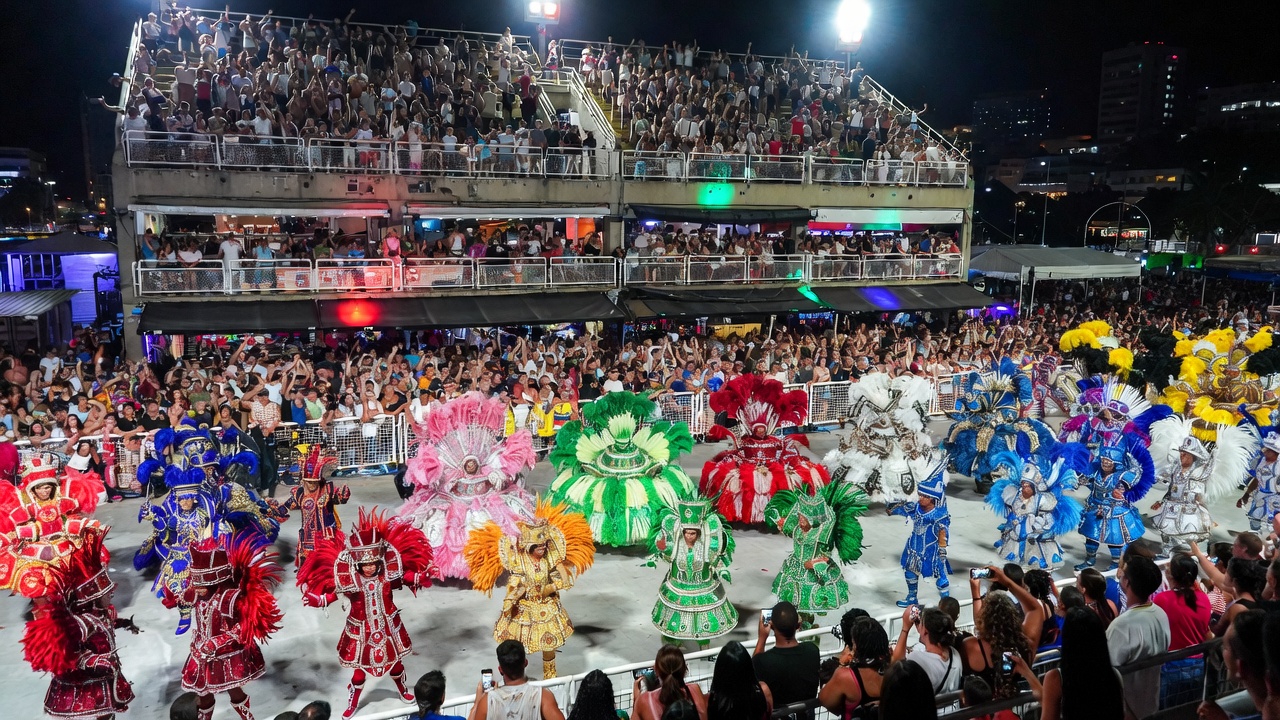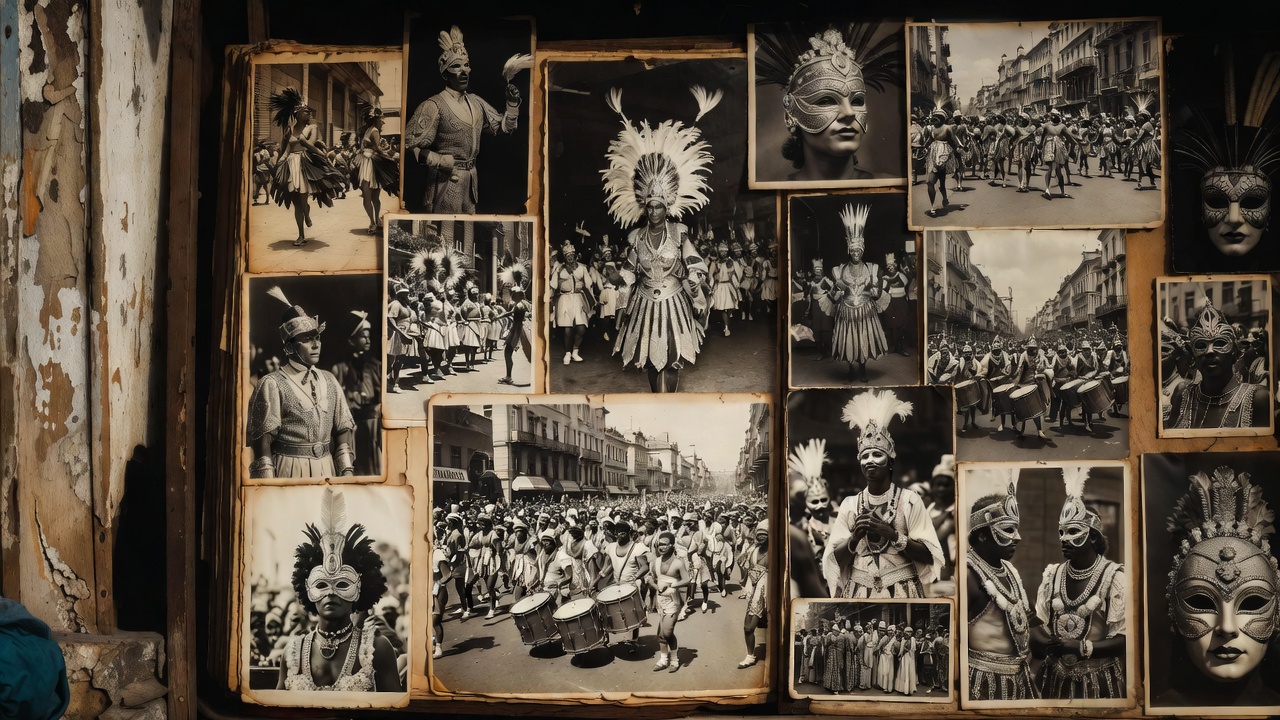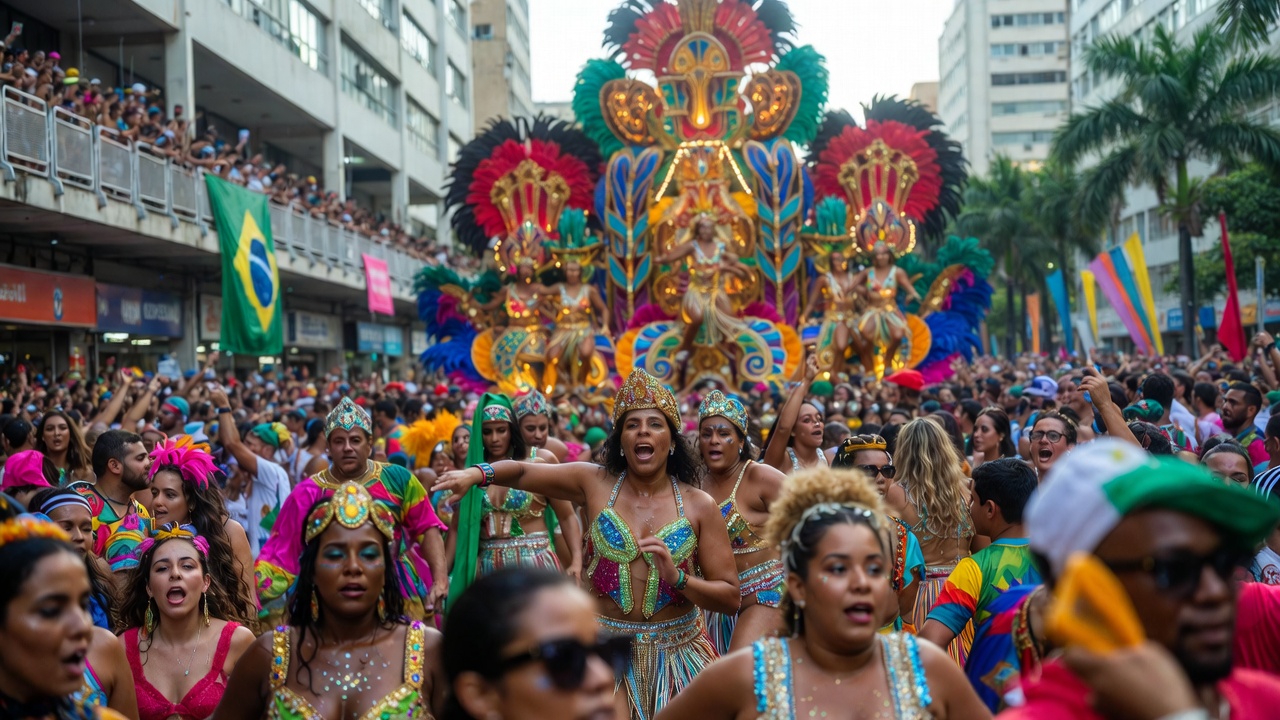
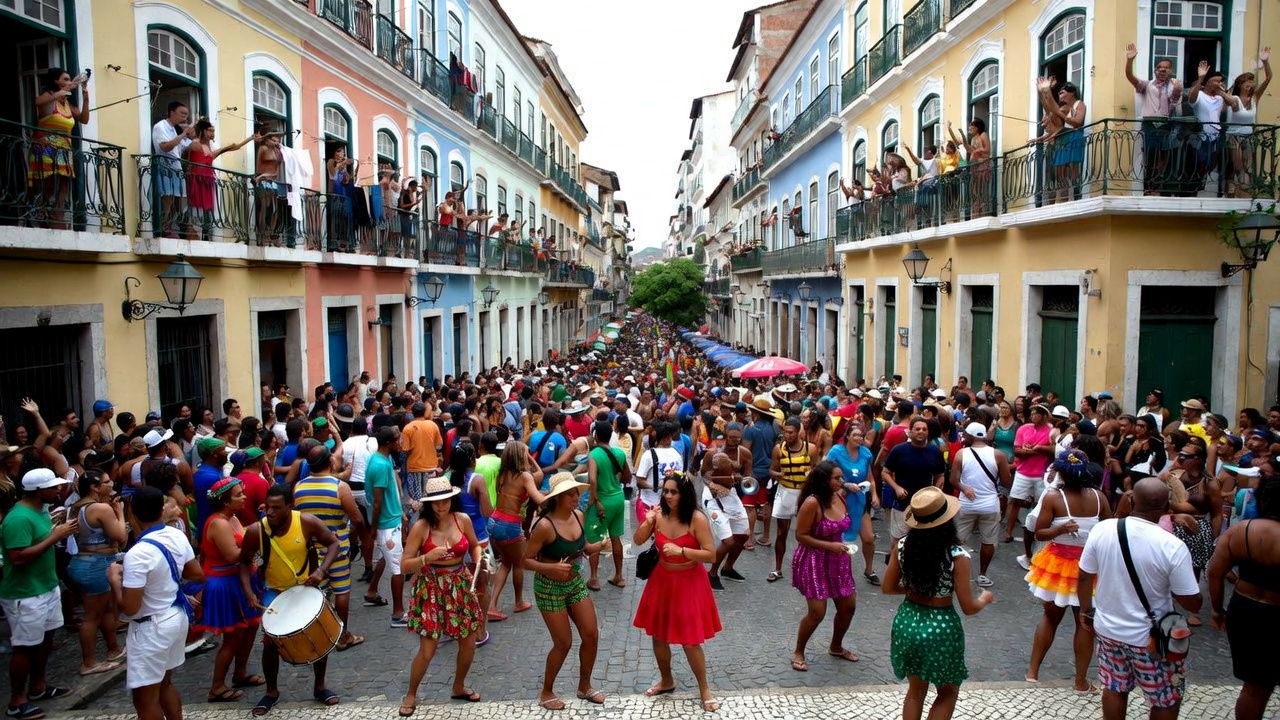
Imagine yourself standing on Rua Primeiro de Março in downtown Rio de Janeiro. The sun is barely up, but already you can hear the distant thunder of a hundred drums. A wave of humanity dressed in black and white polka dots surges past you, and suddenly you understand why people travel from every corner of the globe to experience this moment. This is Carnaval. This is Rio. This is the greatest party on Earth.
Rio Carnival 2026 runs from February 13 to February 21, and while the dazzling Sambadrome parades capture worldwide television attention, the true soul of Carnaval beats in the streets. The blocos de rua—free, open-air street parties—are where cariocas (Rio locals) and visitors alike come together in a celebration that transcends social class, age, and nationality.
With over 456 blocos performing more than 600 parties during the 2026 Carnival season, choosing where to spend your precious dancing hours can feel overwhelming. That’s why we’ve compiled this definitive guide to the 10 best street parties in Rio Carnival 2026—from legendary mega-blocos drawing millions to intimate neighborhood gems that capture the authentic spirit of Brazilian celebration.
Vamos nessa! Let’s dive in.
Table of Contents
- Understanding Rio Carnival Street Parties: What Are Blocos?
- Rio Carnival 2026 Dates and Schedule
- #1: Cordão da Bola Preta – The Legendary Giant
- #2: Monobloco – The Modern Classic
- #3: Bloco das Carmelitas – The Runaway Nun Party
- #4: Bloco do Sargento Pimenta – Beatles Meet Samba
- #5: Simpatia é Quase Amor – Democracy in Dance
- #6: Banda de Ipanema – The LGBTQ+ Icon
- #7: Céu na Terra – The Artistic Treasure of Santa Teresa
- #8: Bloco da Favorita – The Funk Phenomenon
- #9: Suvaco do Cristo – Under Christ’s Arms
- #10: Cordão do Boitatá – The Cultural Preservation Society
- Essential Safety Tips for Rio Carnival Blocos
- What to Wear to Rio Carnival Street Parties
- How to Navigate Rio During Carnival Week
- Frequently Asked Questions About Rio Carnival Blocos
Understanding Rio Carnival Street Parties: What Are Blocos?
Before we reveal our top 10 picks, let’s understand what makes blocos such a unique cultural phenomenon. The word bloco translates roughly to “block” or “group,” but this translation utterly fails to capture the magic of what these gatherings represent.
Blocos are community-organized street parties that have been the lifeblood of Brazilian Carnival since the 19th century. Unlike the ticketed Sambadrome parades—which feature elaborate floats, professional dancers, and fierce competition between samba schools—blocos are completely free and open to everyone. You don’t need a ticket. You don’t need a costume (though you’ll want one). You simply show up and join the party.
The Anatomy of a Bloco
Every bloco follows a similar structure. A percussion band (bateria) or live music ensemble leads the way, typically mounted on a trio elétrico (sound truck) or marching on foot. Behind them flows a river of humanity—sometimes hundreds of people, sometimes hundreds of thousands—dancing, singing, and celebrating through the streets.
| Element | Description |
|---|---|
| Bateria | The percussion section, often featuring dozens of drummers playing surdos, caixas, agogôs, and other Brazilian instruments |
| Trio Elétrico | A large truck equipped with powerful sound systems and sometimes a live band performing on top |
| Estandarte | The bloco’s banner or flag, often featuring its name and mascot |
| Fantasia | Costumes worn by participants, sometimes themed to match the bloco’s identity |
| Repertório | The musical repertoire, which can range from traditional marchinhas to rock, funk, or pop |
Why Blocos Matter: The Democratic Spirit of Brazilian Carnival
What makes blocos truly special is their radical democracy. In a country marked by stark economic inequality, blocos are one of the few spaces where the favela resident dances alongside the playboy from Leblon, where the elderly sambista shares steps with teenagers discovering the tradition for the first time.
As one Rio local explained: “Do pobre ao desembargador, está todo mundo igual” (From the poor to the judge, everyone is equal). This sentiment captures the transformative power of Carnaval—a time when the rigid hierarchies of everyday Brazilian life dissolve into a unified celebration of music, dance, and joy.
Rio Carnival 2026 Dates and Schedule
Understanding the Carnival calendar is essential for planning your bloco experience. Here’s what you need to know about Rio Carnival 2026:
Official Carnival Period
| Event | Date |
|---|---|
| Carnival Officially Begins | Friday, February 13, 2026 |
| Série Ouro Parades | February 13-14, 2026 |
| Special Group Parades | February 15-17, 2026 |
| Children’s Parade | February 20, 2026 |
| Champions’ Parade | Saturday, February 21, 2026 |
| Carnival Officially Ends | February 21, 2026 |
The Pre-Carnival Season
Here’s a secret that experienced Carnival-goers know: the party starts long before the official dates. Many popular blocos begin their ensaios (rehearsals) and warm-up parties as early as January. Some of the best experiences happen during these pre-Carnival weekends when crowds are smaller, temperatures slightly cooler, and the energy still fresh.
The Post-Carnival “Ressaca”
Even after Fat Tuesday, the celebration continues. Ressaca (hangover) blocos keep the spirit alive, and the Champions’ Parade on February 21 offers one final spectacular moment at the Sambadrome.
#1: Cordão da Bola Preta – The Legendary Giant of Rio Street Carnival
When: Carnival Saturday (typically 7 AM start)
Where: Rua Primeiro de Março, Centro (Downtown)
Expected Attendance: 500,000 to 2 million people
Dress Code: Black and white polka dots
Music Style: Traditional marchinhas, samba-enredo, MPB classics
The Oldest and Largest Bloco in Rio de Janeiro History
If you attend only one bloco during Rio Carnival 2026, make it Cordão da Bola Preta. Founded on December 31, 1918, this legendary street party is not merely Rio’s oldest active bloco—it is a Historical, Cultural and Intangible Heritage of the State of Rio de Janeiro, officially recognized by the government in 2025.
The origin story is wonderfully romantic. According to tradition, founder Álvaro Gomes de Oliveira (known as Kaverinha) was walking through downtown Rio when he spotted a beautiful woman wearing a white dress decorated with black polka dots. Inspired by this vision, he created what would become the most iconic bloco in Brazilian history.
What Makes Bola Preta Unforgettable
The sheer scale defies comprehension. In 2012, Cordão da Bola Preta set a record when more than 2 million people took to the streets to follow the bloco—a number that rivals major world events. According to police estimates from that year, not a single incident of crime was reported despite the massive crowd.
The experience begins at dawn. By 7 AM on Carnival Saturday, revelers dressed in black and white polka dots—the bloco’s signature colors—begin gathering near the Terminal Menezes Cortes in Centro. The anticipation builds as the drums start their hypnotic rhythm, and then suddenly, you’re swept up in a human wave flowing through Rio’s historic downtown streets.
The repertoire honors tradition. Bola Preta plays classic marchinhas (the upbeat carnival marches that defined early 20th century Brazilian celebrations), legendary sambas-enredo (theme songs from samba school competitions), and beloved MPB (Brazilian Popular Music) hits. When the crowd belts out “Cidade Maravilhosa” (Wonderful City), Rio’s unofficial anthem, the emotion is palpable.
Insider Tips for Cordão da Bola Preta 2026
- Arrive early. By 9 AM, the crowd becomes extremely dense. Early birds get the best positions near the sound trucks.
- Wear the colors. Black and white polka dots aren’t just encouraged—they’re practically mandatory. You can buy inexpensive costumes at Centro markets in the days before Carnival.
- Stay hydrated. February in Rio is brutally hot. Street vendors sell water and beer throughout the route.
- Plan your exit. Know which streets lead away from the main route. When you need a break, you’ll want to escape quickly.
#2: Monobloco – The Modern Classic That Closes Carnival With a Bang
When: Sunday after Carnival (typically 9 AM start)
Where: Rua Primeiro de Março, Centro (formerly Copacabana/Leblon)
Expected Attendance: 100,000 to 400,000 people
Dress Code: Casual, colorful, creative
Music Style: Samba, samba-rock, funk, coco, ciranda, contemporary Brazilian pop
The Youth-Driven Revolution in Carnival Music
Monobloco represents the evolution of Rio’s street Carnival. Founded in 2000 by members of the rock band Pedro Luís e A Parede, this bloco began as an educational percussion project before exploding into one of the city’s most anticipated annual events.
What sets Monobloco apart is its musical versatility. While most blocos stick to traditional samba or marchinhas, Monobloco’s repertoire ranges freely across Brazilian music history—from Jorge Ben Jor’s “País Tropical” to Leci Brandão’s “Zé do Caroço,” from northeastern xote rhythms to contemporary funk carioca beats.
The Story Behind the Name
The name “Monobloco” refers to the founders’ original concept: recording the entire bloco with just one microphone, capturing the unified sound of their ensemble. This philosophy of unity and inclusion has defined the bloco ever since.
A 25-Year Legacy of Innovation
In 2025, Monobloco celebrated 25 years of festivities with the theme “Our Love Story,” attracting 100,000 foliões to Rua Primeiro de Março. The bloco traditionally closes Rio’s official street Carnival, earning it the honor of the final goodbye to Momo (the Carnival King).
The 140 percussionists—trained through Monobloco’s ongoing workshops—create a sound that’s simultaneously driving and nuanced. This is not the chaotic wall of noise you might expect from such a large ensemble. It’s orchestrated joy, each rhythm section supporting the others in a groove that makes standing still physically impossible.
The Rehearsals Are Almost as Good as the Event
Monobloco’s public rehearsals at Fundição Progresso in Lapa have become legendary in their own right. On Friday nights leading up to Carnival, up to 4,000 paying spectators pack the venue to preview the bloco’s repertoire. These events offer a more intimate experience while still delivering the signature Monobloco energy.
Why Monobloco Appeals to Younger Generations
For many Brazilian millennials and Gen Z revelers, Monobloco represents the bridge between tradition and modernity. The bloco respects Carnival’s roots while refusing to be limited by them. You’ll hear classic sambas rendered with fresh arrangements alongside contemporary hits, all unified by the propulsive percussion that is Monobloco’s hallmark.
#3: Bloco das Carmelitas – The Runaway Nun Party of Santa Teresa
When: Friday before Carnival and Shrove Tuesday
Where: Largo do Curvelo to Largo das Neves, Santa Teresa
Expected Attendance: 15,000 to 30,000 people
Dress Code: Carmelite nun costumes
Music Style: Traditional samba and marchinhas
The Legend of the Escaped Nun
High in the cobblestoned hills of Santa Teresa, one of Rio’s most bohemian and historically preserved neighborhoods, an improbable legend gave birth to an unforgettable tradition. According to local lore, many years ago, a young nun from the Carmelite convent that overlooks the neighborhood couldn’t resist the call of Carnival. She slipped away from her prayers and joined the revelry in the streets below.
Bloco das Carmelitas celebrates this legend of sacred rebellion with one of Rio’s most visually striking street parties. For over 30 years, participants have donned nun costumes—habits, wimples, and all—to parade through Santa Teresa’s winding streets, creating a surreal spectacle that perfectly captures Carnival’s spirit of joyful subversion.
The Route Through Rio’s Most Charming Neighborhood
Santa Teresa is unlike any other part of Rio. The neighborhood’s narrow streets wind up steep hillsides, passing colonial-era mansions, bohemian artist studios, and historic churches. When Bloco das Carmelitas passes the actual Carmelite convent, the irony is delicious—and the nuns inside, by all accounts, take it in good spirits.
The bloco typically parades twice during Carnival: once on the Friday before the official festivities begin (commemorating the nun’s “escape”) and again on Shrove Tuesday (her “return”). This narrative arc adds a theatrical dimension that sets Carmelitas apart from other blocos.
What to Expect at Carmelitas
The energy at Carmelitas is more intimate than the mega-blocos downtown. Santa Teresa’s geography naturally limits crowd size, creating a celebration that feels more like a neighborhood party than a mass event. This intimacy allows for spontaneous interactions, impromptu dancing partnerships, and the kind of human connections that can get lost in larger crowds.
The music stays faithful to Carnival tradition, with marchinhas and sambas keeping the crowd moving. Street vendors sell the essential caipirinha (Brazil’s national cocktail of cachaça, lime, and sugar), and small bars along the route offer respite for those needing a break from the hills.
Tips for Conquering Santa Teresa’s Hills
- Wear comfortable shoes. The cobblestone streets are charming but unforgiving. Sandals and heels are recipes for disaster.
- Pace yourself. The hills are steep. Take breaks, hydrate, and remember that Carnival is a marathon, not a sprint.
- Go early. Traffic and crowd control in Santa Teresa can be challenging. Public transportation and early arrival are your friends.
- Commit to the costume. While you won’t be turned away for not wearing a habit, the collective visual impact of thousands of “nuns” is half the fun.
#4: Bloco do Sargento Pimenta – Where Beatles Songs Become Brazilian Carnival Anthems
When: Monday of Carnival (typically 10 AM start)
Where: Aterro do Flamengo, near Monumento aos Pracinhas
Expected Attendance: Up to 500,000 people
Dress Code: Beatles-inspired costumes (Sgt. Pepper, Abbey Road looks)
Music Style: Beatles songs arranged as samba, marchinha, and maracatu
The Brilliant Collision of Liverpool and Rio
In 2010, a group of thirteen friends in Rio de Janeiro asked a simple question: Why isn’t there a Beatles bloco? They weren’t professional musicians, but they knew some, and from that initial spark emerged one of the most innovative and beloved blocos in modern Carnival history.
Bloco do Sargento Pimenta (Sergeant Pepper’s Block) transforms the Beatles’ legendary catalog into irresistible Brazilian Carnival anthems. Imagine “I Want to Hold Your Hand” played as a marchinha. Picture “Come Together” rendered with maracatu rhythms from northeastern Brazil. Hear “Hey Jude” sung by a crowd of 500,000 people under the Rio sun. This is Sargento Pimenta’s magic.
From 5,000 to 500,000: The Meteoric Rise
The first Sargento Pimenta parade in 2011 took place in the narrow streets of Botafogo. The organizers expected perhaps 500 to 1,000 people. Instead, 10,000 showed up. Rio’s mayor called the bloco a “great acquisition” for its sense of innovation, and a phenomenon was born.
By 2017, celebrating the 50th anniversary of the album Sgt. Pepper’s Lonely Hearts Club Band, the bloco had moved to the expansive Aterro do Flamengo and attracted an estimated 500,000 foliões. It had earned the title of best bloco in the Serpentina de Ouro competition organized by O Globo newspaper.
The Musical Alchemy
What makes Sargento Pimenta work is the genuine musicality behind the concept. The arrangements aren’t gimmicks—they’re thoughtful interpretations that honor both the Beatles’ original compositions and the Brazilian rhythms that absorb them. The bloco’s ensemble includes more musicians and vocal support than typical blocos, creating a sound that’s remarkably faithful to the source material while being unmistakably Brazilian.
The repertoire spans the Beatles’ entire career, from early rock-and-roll hits through the psychedelic experimentalism of their later work. Songs like “Yesterday,” “Let It Be,” and “All You Need Is Love” translate especially well to the emotional communalism of Carnival.
The Intergenerational Appeal
One of Sargento Pimenta’s most remarkable characteristics is its ability to unite generations. Grandparents who grew up with the Beatles in the 1960s dance alongside teenagers who discovered the band through their parents’ vinyl collections. The bloco’s 2025 theme, “ELIS PIMENTA – Dos 8 aos 80,” explicitly celebrated this intergenerational spirit by honoring Brazilian legend Elis Regina, who herself recorded Beatles songs during her career.
Costumes and Creativity
Sargento Pimenta encourages elaborate Beatles-themed costumes. You’ll see John Lennons in round glasses, Paul McCartneys in Sgt. Pepper military jackets, and creative interpretations of album covers like Abbey Road. The visual spectacle adds another dimension to an already extraordinary event.
#5: Simpatia é Quase Amor – The Democratic Spirit of Ipanema Beach
When: Saturday before Carnival and Carnival Sunday (typically 4 PM start)
Where: Orla de Ipanema, from Praça General Osório along Avenida Vieira Souto
Expected Attendance: 200,000 to 350,000 people
Dress Code: Yellow and lilac (the bloco’s official colors)
Music Style: Samba, marchinhas with political and social themes
Born from Brazil’s Struggle for Democracy
The year was 1984. Brazil was emerging from two decades of military dictatorship, and the Diretas Já (Direct Elections Now) movement was sweeping the nation. A group of young activists from Ipanema, frustrated when a congressional amendment that would restore direct presidential elections failed, channeled their political energy into a new form of expression: Carnival.
Simpatia é Quase Amor (Sympathy is Almost Love) was born from this moment of democratic yearning. The bloco’s name comes from a character in “Rua dos Artistas e Arredores,” a book of chronicles by legendary Brazilian composer Aldir Blanc. The character, Esmeraldo Simpatia é Quase Amor, was a charming, sympathetic carioca from Rio’s northern suburbs—a perfect mascot for a bloco that aimed to bring people together across class and political lines.
The Battle Cry: “Alô Burguesia de Ipanema!”
The bloco’s signature greeting—”Hello, bourgeoisie of Ipanema!”—is simultaneously a satire and an embrace. Ipanema is one of Rio’s wealthiest neighborhoods, home to the famous beach immortalized in the bossa nova classic “The Girl from Ipanema.” By playfully calling out the burguesia, Simpatia acknowledges class differences while inviting everyone to join the same party.
From 300 to 350,000: Four Decades of Growth
In its first Carnival in 1985, Simpatia é Quase Amor attracted about 300 people. Today, the bloco draws crowds exceeding 350,000, making it one of the largest in Rio. The bloco has been blessed with illustrious godparents: Dona Zica from the Mangueira samba school and Albino Pinheiro, founder of the iconic Banda de Ipanema.
Political Engagement Through Music
Unlike many blocos that focus purely on party atmosphere, Simpatia maintains its founders’ commitment to political engagement. Each year’s samba-enredo (theme song) often addresses contemporary social issues. In 2024, the bloco celebrated its 40th anniversary with the theme “Simpatia 40 Já,” a direct callback to the Diretas Já movement that inspired its creation.
This political dimension adds depth to the celebration without diminishing the joy. As one longtime participant noted: “Democracia é a nossa palavra-chave. Democracia sempre!” (Democracy is our keyword. Democracy always!)
The Ipanema Beach Setting
Simpatia’s location along the Ipanema beachfront creates one of the most visually spectacular settings in Carnival. As the afternoon sun descends toward the ocean, the bloco’s yellow and lilac colors glow against the backdrop of Dois Irmãos mountain and the endless Atlantic. Street vendors serve ice-cold coconut water and caipirinhas as the crowd dances in the sand.
#6: Banda de Ipanema – The LGBTQ+ Icon and Carnival Pioneer
When: Three Saturdays leading up to Carnival and Carnival Saturday
Where: Rua Gomes Carneiro to Praça General Osório, Ipanema
Expected Attendance: 30,000 to 50,000 people per parade
Dress Code: Fabulous, creative, often featuring drag aesthetics
Music Style: Classic Carnival marches, live brass band
The Original Ipanema Street Party
Founded in 1965, Banda de Ipanema holds the distinction of being one of Rio’s oldest continuously operating blocos. But its historical significance goes beyond mere longevity—this bloco played a crucial role in the revival of Rio’s street Carnival during a period when the tradition was declining.
More importantly, Banda de Ipanema became a beacon for Rio’s LGBTQ+ community during decades when queer expression faced severe social and legal restrictions. The bloco’s embrace of drag queens, gender fluidity, and flamboyant self-expression created a safe space for celebration long before such spaces were common.
The Drag Queens of Ipanema
When Banda de Ipanema parades through the neighborhood, prepare for a spectacular display of drag artistry. Participants channel everyone from Carmen Miranda (Brazil’s iconic “Lady in the Tutti Frutti Hat”) to contemporary pop stars, creating elaborate costumes that require months of preparation. The aesthetic ranges from classical glamour to deliberately grotesque camp, all celebrated equally.
Opening Rio’s Carnival Season
Banda de Ipanema doesn’t wait for official Carnival dates. The bloco opens the festivities two weeks before the official start, organizing three parades on consecutive Saturdays. This extended season allows fans multiple chances to experience the magic and makes Banda de Ipanema a must-visit for anyone arriving in Rio early.
A Living Heritage
The bloco’s longevity means it has witnessed and participated in virtually every chapter of modern Brazilian history. Through military dictatorship, democratic restoration, economic crises, and social transformation, Banda de Ipanema has kept dancing. This continuity gives the bloco a depth of tradition that newer blocos simply cannot match.
#7: Céu na Terra – The Artistic Treasure of Santa Teresa’s Hills
When: Carnival Saturday (typically 7 AM start)
Where: Rua Almirante Alexandrino to Largo das Neves, Santa Teresa
Expected Attendance: 15,000 to 25,000 people
Dress Code: Creative, colorful costumes encouraged
Music Style: Marchinhas, sambas, maxixes, frevos, original arrangements
The Renaissance of Rio’s Street Carnival
When Bloco Céu na Terra (Heaven on Earth Block) was founded in 2001, Rio’s street Carnival was at a crossroads. Years of neglect had diminished the tradition, and many feared the blocos would become relics of the past. Céu na Terra was part of a cultural renaissance that restored street Carnival to its rightful place in the city’s identity.
The bloco is recognized as one of the most artistically sophisticated in Rio. Rather than relying on amplified sound trucks, Céu na Terra parades acoustically through Santa Teresa’s streets, led by the Orquestra Popular Céu na Terra—a live ensemble of trumpets, trombones, saxophones, tubas, percussion, accordions, and cavaquinhos.
A Feast for the Eyes
What sets Céu na Terra apart visually is its commitment to traditional Brazilian folk art. The parade features giant puppets (bonecos gigantes) inspired by northeastern Brazilian traditions, stilt walkers, elaborate banners, and the iconic image of Santa Teresa’s antique bondinho (streetcar). The overall effect is less street party, more moving theatrical production.
The Musical Approach
Céu na Terra’s repertoire draws from the full breadth of Brazilian popular music. Classic Carnival marches mix with MPB standards, with the orchestra creating original arrangements that respect tradition while adding contemporary flair. Recent years have featured themes honoring Brazilian musical legends—Milton Nascimento’s “Maria, Maria” transformed into a marchinha brought crowds to tears of joy in 2024.
Why Céu na Terra Attracts Artists and Intellectuals
The bloco’s artistic seriousness has made it a favorite among Rio’s creative community. You’ll find visual artists, musicians, writers, and performers among the revelers—people drawn to a celebration that treats Carnival as living art rather than mere entertainment.
The Challenge and Reward of Santa Teresa
Like its neighbor Bloco das Carmelitas, Céu na Terra demands physical commitment. The parade climbs and descends Santa Teresa’s steep streets, requiring stamina and proper footwear. But the reward is an intimate, community-scale celebration that feels worlds away from the overwhelming mega-blocos downtown.
#8: Bloco da Favorita – The Funk Phenomenon Shaking Rio’s Carnival
When: Carnival Saturday (typically 7 AM start)
Where: Rua Primeiro de Março, Centro
Expected Attendance: 100,000+ people
Dress Code: Contemporary, party-ready
Music Style: Funk carioca, Brazilian pop
When Funk Meets Carnival
Not everyone wants to dance to traditional marchinhas. For those whose souls move to different rhythms, Bloco da Favorita brings the thundering bass and provocative lyrics of funk carioca to Rio’s street Carnival.
Associated with Brazilian pop superstar Anitta, this mega-bloco represents the contemporary evolution of Carnival music. While purists might argue about tradition, there’s no denying the energy when 100,000 people bounce to funk beats under the Rio sun.
The Sound of Modern Brazil
Funk carioca emerged from Rio’s favelas in the 1980s and 1990s, blending Miami bass, hip-hop, and Brazilian rhythms into something entirely new. For decades, it existed on the margins of mainstream Brazilian culture. Today, artists like Anitta, Ludmilla, and MC Kevinho have brought funk to global audiences—and Bloco da Favorita brings it to Carnival.
A Different Kind of Celebration
The atmosphere at Bloco da Favorita is distinctly contemporary. The crowd skews younger, the fashion more influenced by urban streetwear than traditional Carnival costumes. The energy is intense, almost club-like, with bass drops that you feel in your chest.
Important Considerations
Bloco da Favorita’s popularity means enormous crowds in confined spaces. The experience can be overwhelming, particularly for Carnival first-timers. If you prefer a more relaxed introduction to street Carnival, consider starting with smaller blocos before diving into this particular phenomenon.
#9: Suvaco do Cristo – Under Christ’s Arms in Jardim Botânico
When: Sunday before Carnival
Where: Rua Jardim Botânico, Jardim Botânico neighborhood
Expected Attendance: 40,000 to 80,000 people
Dress Code: Creative costumes, often with political satire
Music Style: Traditional samba and marchinhas
The Bloco With the Most Irreverent Name in Rio
Sometimes the best names are the ones that make you do a double-take. Suvaco do Cristo—literally “Christ’s Armpit”—gets its unforgettable moniker from its parade location. The Jardim Botânico neighborhood sits directly beneath the outstretched arms of Christ the Redeemer, Rio’s iconic statue atop Corcovado mountain. Look up during the bloco, and you’ll see exactly what the founders had in mind.
Founded in 1985: A Product of the Democratic Opening
Like Simpatia é Quase Amor, Suvaco do Cristo emerged during Brazil’s transition from military rule to democracy. The bloco maintains this tradition of political satire, with participants often incorporating commentary on current events into their costumes and signs.
The Celebrity Factor
Suvaco do Cristo has long attracted Rio’s cultural elite. Artists, musicians, actors, and other celebrities are regular attendees, giving the bloco a somewhat glamorous atmosphere without sacrificing its irreverent spirit.
The Jardim Botânico Setting
The parade route passes through one of Rio’s most beautiful and affluent neighborhoods, with the lush greenery of the Botanical Garden nearby. The setting offers a distinctive contrast to the urban density of downtown blocos.
#10: Cordão do Boitatá – The Cultural Preservation Society
When: Pre-Carnival Sunday (typically 7 AM start)
Where: Rua da Assembleia, Centro
Expected Attendance: 50,000 to 100,000 people
Dress Code: Colorful, with northeastern Brazilian influences
Music Style: Northeastern rhythms, traditional Brazilian folk music
Preserving Brazil’s Musical Heritage
Named after the Boitatá—a mythical fire serpent from Brazilian folklore—Cordão do Boitatá was founded in 1997 by five friends who wanted to create something different. While most Rio blocos focus on the city’s local traditions, Boitatá celebrates the musical diversity of all Brazil.
The bloco’s repertoire includes rhythms from Brazil’s northeastern states—maracatu, frevo, coco, and more—alongside tributes to great Brazilian artists from all regions. Giant puppets, stilt walkers, and bumba meu boi (a northeastern folk tradition featuring a decorated bull figure) make the parade a visual encyclopedia of Brazilian folk culture.
The Educational Mission
Cordão do Boitatá sees itself as more than entertainment—it’s cultural preservation. In an era when globalization threatens local traditions worldwide, the bloco keeps alive musical and visual traditions that might otherwise fade from memory.
Why It’s Known for Musical Refinement
Among Rio’s blocos, Boitatá is renowned for the quality of its musical arrangements. The ensemble treats each song with care, creating versions that honor original artists while fitting the Carnival context. This attention to detail has earned the bloco a devoted following among music aficionados.
Essential Safety Tips for Rio Carnival Blocos
Carnival is generally safe, but Rio de Janeiro requires street smarts year-round. Here’s how to protect yourself while maximizing fun:
What to Carry (And What to Leave Behind)
| Do Bring | Leave Behind |
|---|---|
| Small amount of cash in front pocket | Expensive jewelry (especially necklaces) |
| Copy of passport (not original) | Large camera equipment |
| Basic phone (consider a “burner”) | Credit cards you don’t need |
| Small cross-body bag worn in front | Valuables in back pockets |
| Sunscreen and water | Anything you’d be devastated to lose |
General Safety Guidelines
- Stay with your group. Establish meeting points and share phone locations.
- Use rideshare apps. Uber and 99 are safer than hailing random taxis at night.
- Stay in well-lit areas. If the street feels empty, it’s probably not a good route.
- Trust your instincts. If something feels wrong, move away.
- Avoid displaying valuables. That includes your nice phone.
- Drink responsibly. Alcohol and heat are a dangerous combination.
Health Precautions
- Hydration is critical. February in Rio is hot and humid. The combination of alcohol, dancing, and sun can lead to dangerous dehydration.
- Apply sunscreen liberally. Reapply every few hours, especially if sweating.
- Wear comfortable shoes. You will walk miles. Blisters can ruin your Carnival.
- Know where medical stations are located. The city sets up first aid posts along major bloco routes.
What to Wear to Rio Carnival Street Parties
The Golden Rule: Comfort Over Style
Fashion matters at Carnival, but nothing matters more than being able to dance for hours. Here’s how to balance looking good with staying functional:
Fabric Choices
- Choose lightweight, breathable materials. Cotton and linen are your friends.
- Avoid synthetic fabrics. They trap heat and make you miserable.
- Consider moisture-wicking athletic wear under costumes if you’re committing to something elaborate.
Costume Strategies by Bloco
| Bloco | Suggested Costume |
|---|---|
| Cordão da Bola Preta | Black and white polka dots (mandatory!) |
| Bloco das Carmelitas | Carmelite nun habit |
| Sargento Pimenta | Beatles-themed (Sgt. Pepper, Abbey Road) |
| Simpatia é Quase Amor | Yellow and lilac colors |
| Banda de Ipanema | Drag-inspired glamour |
| Others | Creative, colorful, glitter-covered |
Where to Buy Costumes
- SAARA Market (Centro): The traditional spot for cheap Carnival supplies.
- Street vendors along Copacabana: Convenient but slightly more expensive.
- Make your own: Brazilians excel at creative DIY costumes.
The Glitter Situation
Glitter is practically mandatory. However, environmentally conscious revelers increasingly opt for biodegradable glitter to reduce ecological impact. Whatever you choose, expect to find glitter in unexpected places for weeks afterward.
How to Navigate Rio During Carnival Week
Transportation Challenges
Carnival brings Rio to a controlled chaos. Street closures, metro crowds, and traffic jams require strategic planning.
Best Transportation Options
| Method | Pros | Cons |
|---|---|---|
| Metro | Fast, avoids traffic | Crowded, limited coverage |
| Uber/99 | Door-to-door, safe | Surge pricing, road closures |
| Walking | Free, flexible | Exhausting in heat |
| Bicycle | Quick, fun | Limited rental availability |
| VLT (Light Rail) | Connects downtown blocos | Limited routes |
The Metro Strategy
Rio’s metro extends hours during Carnival and remains the most reliable way to move between neighborhoods. Key stations for blocos:
- Cinelândia/Carioca: Downtown mega-blocos
- General Osório: Ipanema blocos
- Largo do Machado/Flamengo: Aterro do Flamengo blocos
Apps to Download
- Blocos de Rua: The essential app for finding blocos by date, location, and time
- Google Maps/Waze: Navigation with real-time traffic
- Uber/99: Rideshare apps
- Moovit: Public transportation planning
Frequently Asked Questions About Rio Carnival Blocos
Are blocos free to attend?
Yes! All blocos are completely free and open to the public. You simply show up and join the party. No tickets required.
Do I need to speak Portuguese to enjoy blocos?
Not necessarily. Music is universal, and the energy transcends language. However, learning a few key phrases enhances the experience:
- Boa festa! (Good party!)
- Cadê o bloco? (Where’s the bloco?)
- Uma cerveja, por favor (One beer, please)
- Onde fica o banheiro? (Where’s the bathroom?)
Can children attend blocos?
Yes, but choose wisely. Morning blocos (starting 7-9 AM) in neighborhoods like Jardim Botânico or Leblon tend to be more family-friendly. Avoid evening blocos in Lapa or Centro with children—these get rowdy and crowded.
How early should I arrive at a bloco?
For mega-blocos like Bola Preta or Monobloco, arrive at least an hour before the official start time. Smaller neighborhood blocos are more forgiving.
What if I get separated from my group?
- Set a meeting point in advance (a specific corner, landmark, or bar).
- Share phone locations via WhatsApp or similar apps.
- Agree on a time to meet if separated (e.g., “We meet at the meeting point every hour on the hour”).
Is it safe to drink the caipirinha from street vendors?
Generally yes, but use common sense. Buy from vendors who seem established and busy. Avoid drinks that have been sitting in the sun. The safest option is sealed beer cans.
What happens if it rains?
Carnival continues rain or shine. Brazilians say “Não existe mau tempo, existe roupa inadequada” (There’s no bad weather, only inadequate clothing). Pack a small plastic poncho just in case.
Quick Reference: 2026 Bloco Comparison Chart
| Bloco | Neighborhood | Start Time | Crowd Size | Music Style | Best For |
|---|---|---|---|---|---|
| Cordão da Bola Preta | Centro | 7 AM | 500K-2M | Traditional marchinha | The ultimate mega-bloco experience |
| Monobloco | Centro | 9 AM | 100K-400K | Eclectic Brazilian | Young crowds, musical variety |
| Bloco das Carmelitas | Santa Teresa | 8 AM | 15K-30K | Traditional samba | Intimate, theatrical atmosphere |
| Sargento Pimenta | Flamengo | 10 AM | 300K-500K | Beatles in samba | Music lovers, intergenerational crowds |
| Simpatia é Quase Amor | Ipanema | 4 PM | 200K-350K | Samba with politics | Beautiful beach setting, engaged citizens |
| Banda de Ipanema | Ipanema | 3 PM | 30K-50K | Classic marches | LGBTQ+ celebration, drag culture |
| Céu na Terra | Santa Teresa | 7 AM | 15K-25K | Folk-influenced | Artists, intimate experience |
| Bloco da Favorita | Centro | 7 AM | 100K+ | Funk carioca | Contemporary music fans |
| Suvaco do Cristo | Jardim Botânico | 10 AM | 40K-80K | Traditional with satire | Political humor, beautiful setting |
| Cordão do Boitatá | Centro | 7 AM | 50K-100K | Northeastern rhythms | Cultural preservation, music purists |
Final Thoughts: Why Rio Carnival Blocos Change Your Life
There’s a reason people return to Rio’s Carnival year after year, decade after decade. It’s not just the music, though the music is extraordinary. It’s not just the dancing, though you’ll move your body in ways you didn’t know possible. It’s not just the costumes, the colors, the caipirinha-fueled euphoria.
What makes Rio’s blocos transformative is the temporary dissolution of barriers that normally separate human beings from one another.
In the crush of a million people dancing to the same beat on Rua Primeiro de Março, your social status evaporates. Your nationality becomes irrelevant. Your age is just a number. You’re reduced—or elevated—to your most essential self: a human being seeking joy in the company of other human beings.
For five days each year, Rio de Janeiro becomes a laboratory for how society could function if we prioritized celebration over competition, community over isolation, rhythm over routine. The blocos are the heart of this experiment.
Whether you choose the overwhelming magnitude of Cordão da Bola Preta, the musical sophistication of Sargento Pimenta, the political engagement of Simpatia é Quase Amor, or the artistic beauty of Céu na Terra, you’re participating in something that has connected Brazilians across generations and will continue long after we’re gone.
So book your flight. Pack light. Buy your polka dot shirt at SAARA market. Learn the words to “Cidade Maravilhosa.” And prepare for the party of your life.
Carnaval 2026 awaits. See you in Rio!
This guide was researched and written with love for Brazilian culture and respect for the communities that keep these traditions alive. For the most current bloco schedules and routes, download the official “Blocos de Rua” app or visit the Rio de Janeiro City Tourism Department. Dates and locations may change; always confirm before attending.