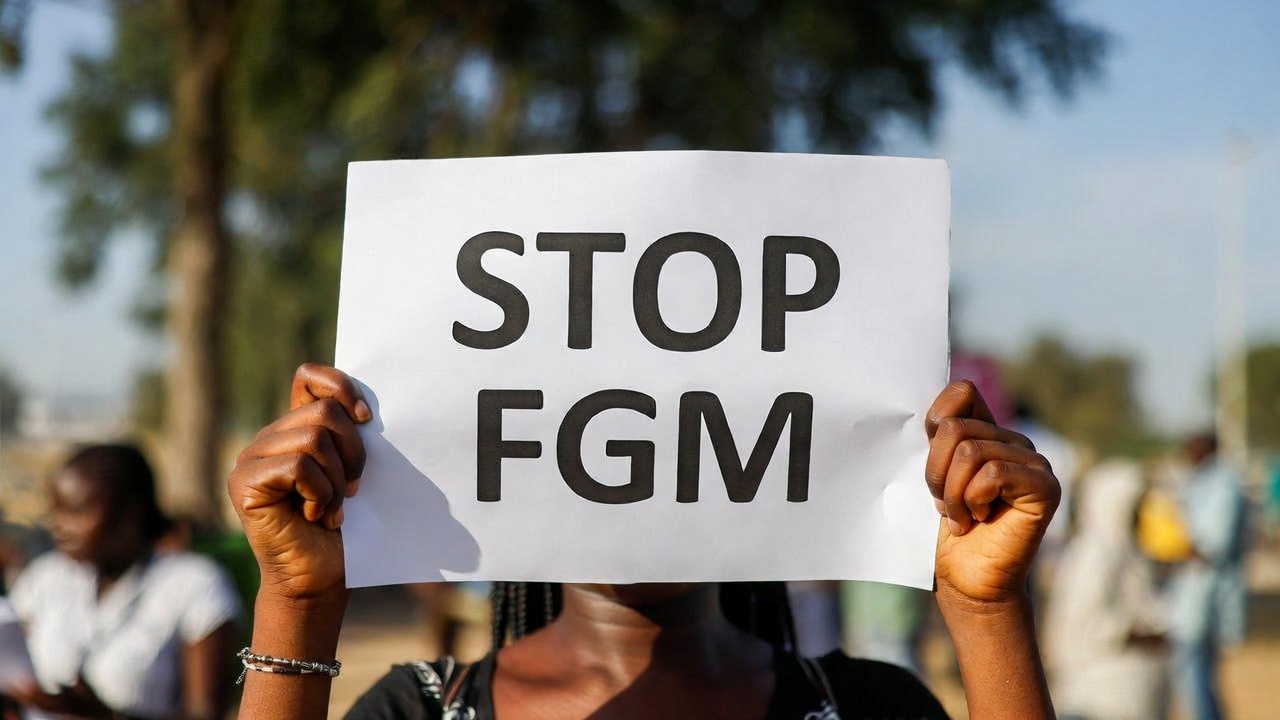
Female genital mutilation (FGM) remains one of the most pressing human rights challenges of our time. Despite decades of global advocacy, legal reforms, and community-led campaigns, the practice persists in dozens of countries across Africa, the Middle East, and Asia. As of 2026, more than 230 million girls and women alive today have undergone FGM, according to the World Health Organization. An estimated 4 million girls are at risk of being cut each year, many of them under the age of five.
This guide examines the ten countries with the highest rates of FGM in 2026, based on the most recent data from UNICEF, WHO, and Demographic and Health Surveys (DHS). For each country, we explore the cultural context behind the practice, the current legal landscape, and the grassroots movements working to end FGM. The goal is not to shame any community. Rather, it is to illuminate a global health crisis that cuts across religious, ethnic, and national boundaries — and to highlight the courageous women and men who are driving change from within.
What Is Female Genital Mutilation and Why Does It Still Happen in 2026?
Before examining country-specific data, it helps to understand what FGM is and why it persists.
The World Health Organization defines FGM as “all procedures that involve partial or total removal of the external female genitalia, or other injury to the female genital organs for non-medical reasons.” The WHO classifies four types of FGM:
| Type | Description | Severity |
|---|---|---|
| Type I | Partial or total removal of the clitoris and/or the clitoral hood | Moderate |
| Type II | Partial or total removal of the clitoris and labia minora, with or without excision of the labia majora | Severe |
| Type III (Infibulation) | Narrowing of the vaginal opening by creating a seal, formed by cutting and repositioning the labia | Most severe |
| Type IV | All other harmful procedures (pricking, piercing, scraping, cauterization) | Varies |
FGM carries zero health benefits. It can cause severe bleeding, infections, chronic pain, complications in childbirth, and psychological trauma. The WHO estimates that treating the health consequences of FGM costs health systems roughly $1.4 billion per year globally.
So why does it continue? The answer is complex. FGM is deeply embedded in social norms. In many communities, it is tied to ideas about femininity, purity, and marriageability. Some families believe it is a religious obligation, though no major religion mandates the practice. Others see it as a rite of passage into womanhood. In many cases, families who choose not to cut their daughters risk social exclusion. The pressure to conform is immense, even when individuals privately oppose the practice.
In 2025, WHO and HRP (the UNDP/UNFPA/UNICEF/WHO/World Bank Special Programme) released updated evidence-based guidelines on preventing and managing FGM. These new guidelines address a growing concern: the medicalization of FGM. In several countries, particularly Egypt and Sudan, an increasing share of FGM procedures are now performed by trained health workers rather than traditional cutters. While families often believe this makes the procedure “safer,” the WHO is unequivocal: FGM is never safe, regardless of who performs it or where it takes place.
A February 2025 report by the End FGM European Network, Equality Now, and the U.S. Network to End FGM/C found evidence of FGM in 94 countries — far more than the 31 countries with nationally representative data. The report revealed that since 2020, the practice has been newly identified in Azerbaijan, Cambodia, and Vietnam, with further evidence gathered in Colombia, Malaysia, the Philippines, Saudi Arabia, Sri Lanka, and the United Arab Emirates.
The United Nations has set a target to eliminate FGM by 2030 under Sustainable Development Goal 5.3. But with population growth outpacing declines in prevalence, the global pace of decline would need to be 27 times faster to meet that goal. Time is running out.
How FGM Prevalence Is Measured: Understanding the Data Behind the Numbers
Before diving into country rankings, it is important to understand how FGM data is collected.
Most prevalence figures come from Demographic and Health Surveys (DHS) and Multiple Indicator Cluster Surveys (MICS), which are large-scale household surveys conducted every five to ten years. Women aged 15 to 49 are asked whether they have undergone FGM, what type of procedure was performed, at what age it happened, and who performed it.
There are several limitations to keep in mind:
- Self-reporting bias. Women may underreport or misreport their FGM status due to stigma, fear of legal consequences, or simply not knowing the details of what was done to them as young children.
- Data gaps. Many countries lack recent surveys. For example, the most recent nationally representative data for Eritrea dates back to 2010, and for Djibouti, the latest DHS was conducted in 2006.
- Snapshot vs. trajectory. Prevalence among women aged 15–49 reflects historical cutting rates spanning several decades. Prevalence among girls aged 0–14, by contrast, gives a better picture of current trends — but it underestimates the final rate because some girls have not yet reached the customary cutting age.
- Invisible populations. FGM prevalence in diaspora communities in Europe, North America, and Australia is not captured by these surveys.
Despite these limitations, DHS and MICS data remain the gold standard for comparing FGM prevalence across countries. The figures below reflect the most recently available nationally representative survey data, as compiled by UNICEF and the UNFPA FGM Dashboard.
Top 10 Countries With the Highest FGM Prevalence Rates in 2026
The following table summarizes the ten countries with the highest FGM prevalence among women and girls aged 15–49. These rankings are based on the most recently available nationally representative survey data from UNICEF, DHS, and MICS.
| Rank | Country | FGM Prevalence (Women 15–49) | Most Common Type | Legal Status |
|---|---|---|---|---|
| 1 | Somalia | ~99% | Type III (Infibulation) | Constitutional ban (2012), no enacted law |
| 2 | Guinea | ~95% | Type II (Excision) | Illegal since 1965 |
| 3 | Djibouti | ~90% | Type III (Infibulation) | Illegal since 1995 |
| 4 | Mali | ~89% | Type II (Excision) | No national law |
| 5 | Egypt | ~86% | Type I and II | Illegal since 2008, strengthened 2021 |
| 6 | Sudan | ~87% | Type III (Infibulation) | Criminalized 2020 |
| 7 | Sierra Leone | ~83% | Type II (Excision) | No national law |
| 8 | Eritrea | ~83% | Type I and III | Illegal since 2007 |
| 9 | Burkina Faso | ~76% | Type II (Excision) | Illegal since 1996 |
| 10 | The Gambia | ~73% | Type I and II | Illegal since 2015 (under legal challenge) |
Sources: UNICEF Data, UNFPA FGM Dashboard, WHO African Region Fact Sheet, FGM/C Research Initiative
Let us now take a closer look at each country.
1. Somalia: The Country With the Highest FGM Rate in the World
Prevalence: approximately 99% of women aged 15–49
Somalia consistently holds the grim distinction of having the highest FGM prevalence on earth. According to the FGM/C Research Initiative, the national prevalence stands at 99.2%. Nearly every girl born in Somalia will undergo some form of genital cutting, most commonly the severe Type III procedure known as infibulation or “Pharaonic circumcision.”
In Somali culture, FGM is deeply tied to concepts of honor, virginity, and marriageability. A girl who has not been cut may face rejection by potential suitors and social ostracism by her community. The practice is typically performed on girls between the ages of 5 and 11, often by traditional cutters known as gudniin practitioners, though medicalization is growing in urban areas.
The Legal Landscape
Article 15 of Somalia’s 2012 Provisional Constitution states that “circumcision of girls is a cruel and degrading customary practice, and is tantamount to torture.” However, this constitutional provision has never been backed by a standalone criminal law. As of early 2026, there are no enacted laws and no known prosecutions for FGM in Somalia. Some regional administrations, including Puntland, have taken steps toward criminalizing the practice, but enforcement remains inconsistent.
Signs of Change
Despite the staggering numbers, there are reasons for cautious hope. The Somali Ministry of Women and Human Rights Development, working with UNFPA and UNICEF, has launched initiatives aimed at shifting social norms. Religious scholars have been engaged to challenge the widespread misconception that Islam requires FGM. Community-led dialogues are slowly creating space for families to discuss the harms of cutting openly.
However, the ongoing political instability and humanitarian crises in Somalia create enormous barriers to sustained progress. According to UNICEF, FGM elimination progress in Somalia has remained stagnant for the last 30 years. Without a functioning national legal framework and stable governance, the path to ending FGM remains long.
2. Guinea: Where Nearly All Women Have Undergone Female Genital Cutting
Prevalence: approximately 95% of women aged 15–49
Guinea, in West Africa, has one of the most deeply entrenched FGM traditions on the continent. According to the BMC Public Health analysis of DHS data, Guinea’s prevalence stands at 94.5%, making it the country with the second-highest rate globally.
FGM in Guinea is practiced across all ethnic groups, religions, and regions. Unlike some countries where the practice is concentrated in certain communities, cutting in Guinea is near-universal. The most common form is Type II, which involves the removal of the clitoris and labia minora. The procedure is usually performed on girls between the ages of 5 and 9 by traditional excisors, often as part of initiation ceremonies that mark the transition from girlhood to womanhood.
Cultural Roots and Social Pressure
In Guinea, FGM is closely linked to community identity and social belonging. Among many ethnic groups — including the Fulani, Malinké, and Susu — an uncut girl is considered unclean or immoral. Families who refuse to cut their daughters may face severe social consequences, including exclusion from community events and difficulty finding a husband for their daughter.
The practice is so deeply normalized that even many Guinean women who have suffered its consequences continue to support it. According to UNICEF survey data, a significant majority of women in Guinea believe FGM should continue, though this attitude is slowly changing among younger and more educated women.
Legal Framework
Guinea was actually one of the first African countries to ban FGM, outlawing the practice as early as 1965. The Penal Code was subsequently strengthened, with penalties of up to five years in prison and fines for practitioners. In 2000, the government adopted a national policy to eliminate FGM.
Yet enforcement remains extremely weak. Prosecutions are rare, and community resistance to the law is strong. Traditional excisors continue to operate openly in many rural areas. The gap between law on paper and practice on the ground remains one of Guinea’s greatest challenges.
3. Djibouti: Extremely High FGM Prevalence in the Horn of Africa
Prevalence: approximately 90% of women aged 15–49
Djibouti, a small but strategically located country at the southern entrance to the Red Sea, has the third-highest FGM prevalence in the world. Roughly nine out of every ten women have been cut. The most common form is Type III (infibulation), the most severe type, which is characteristic of the broader Horn of Africa region.
The practice cuts across Djibouti’s two main ethnic groups — the Issa (Somali) and Afar communities. In both groups, FGM is considered an essential prerequisite for marriage and a mark of cultural identity. Girls are typically cut between infancy and age 10.
Legal and Policy Response
Djibouti criminalized FGM in 1995, with penalties including imprisonment and fines. The government has also partnered with international organizations to run awareness campaigns and train health workers. However, the law has been difficult to enforce, particularly in rural and nomadic communities where traditional practices hold strong.
Data collection in Djibouti has also been challenging. The most recent nationally representative survey (DHS) was conducted in 2006, which means the current prevalence figure may not fully reflect recent trends. Anecdotal evidence and smaller-scale studies suggest that younger generations may be shifting toward less severe forms of cutting (Type I or IV), but the overall practice remains widespread.
4. Mali: High FGM Rates With No National Law Against the Practice
Prevalence: approximately 89% of women aged 15–49
Mali stands out among the top-ten countries for a troubling reason: it is one of the few remaining nations with no national legislation prohibiting FGM. Despite having one of the highest prevalence rates in the world, the Malian government has not enacted a law banning the practice.
FGM in Mali is practiced primarily among the Bambara, Malinké, Sarakolé, Senufo, Dogon, and Songhai ethnic groups. The Tuareg, who inhabit the northern regions, generally do not practice FGM. The most common type is Type II (excision), and the procedure is typically performed during childhood, often before the age of five.
Why Mali Has Not Banned FGM
Several factors contribute to the absence of a national law. Mali’s political landscape has been unstable in recent years, with a series of military coups and ongoing conflict in the northern and central regions. FGM is perceived by many Malians as a deeply personal and cultural matter, and political leaders have been reluctant to take a stance that could alienate traditional and religious constituencies.
Advocacy groups within Mali, including Malian women’s organizations and international partners, have been pushing for legislation for decades. Some progress has been made at the community level, with villages publicly declaring their abandonment of the practice. But without a legal framework, these gains remain fragile.
A Concerning Trend
Research by the UCLA Fielding School of Public Health found that FGM prevalence in Mali actually increased slightly over a 30-year period, unlike the declining trend seen in most other African countries. This makes Mali one of the most challenging environments for FGM elimination efforts.
5. Egypt: The Largest Number of FGM Survivors in the World
Prevalence: approximately 86% of women aged 15–49
While Somalia has the highest percentage of affected women, Egypt has the largest absolute number of FGM survivors of any single country. The FGM/C Research Initiative estimates approximately 31 million Egyptian women have undergone the procedure — more than any other nation on earth.
FGM in Egypt is practiced by both Muslim and Christian (Coptic) communities, particularly in rural Upper Egypt. The most common types are Type I and Type II, and cutting has traditionally been performed around the time of puberty, between the ages of 9 and 13.
The Medicalization Crisis
What makes Egypt’s situation unique — and deeply concerning — is the dramatic rise in medicalized FGM. A 2025 study published in PLOS Global Public Health found that among Egyptian daughters who had undergone FGM, 83% of procedures were performed by health professionals in 2021, up sharply from earlier decades. Doctors, nurses, and midwives now perform the vast majority of FGM in Egypt, often in private clinics.
Families seek out medical professionals believing the procedure will be “safer” and more “hygienic.” Some health providers frame FGM as a form of cosmetic surgery or claim it is medically necessary for girls with “abnormal” genitalia. This blurring of medical authority and cultural tradition makes it harder for abandonment campaigns to gain traction.
Legal Framework and Enforcement
Egypt first banned FGM in ministerial decrees in 1996 and 2007, and the practice was formally criminalized under the Penal Code in 2008. In 2021, the Egyptian government strengthened penalties, making FGM a felony carrying up to 20 years in prison for practitioners and up to 7 years for families who arrange the procedure. The father of a girl who died from FGM in 2020 was sentenced to prison, in a case that drew national attention.
Despite these legal reforms, enforcement remains uneven. The sheer scale of medicalization means that FGM often takes place behind closed clinic doors, making it difficult to detect and prosecute.
Progress Among Younger Generations
There is a silver lining. The overall prevalence of FGM in Egypt is declining among younger cohorts. While roughly 97% of women aged 45–49 have been cut, the rate drops to around 70% among women aged 15–19. This generational shift suggests that awareness campaigns, education, and legal reforms are having an effect — but the pace of change needs to accelerate significantly.
6. Sudan: FGM Criminalized in 2020 Amid Ongoing Conflict and Instability
Prevalence: approximately 87% of women aged 15–49
Sudan’s FGM prevalence is among the highest in the world, and the country is home to some of the most severe forms of the practice. Type III infibulation, historically known as “Pharaonic circumcision,” has been the dominant form in Sudan for centuries. This involves the removal of all external genitalia and the stitching closed of the vulva, leaving only a small opening.
FGM in Sudan is practiced across most ethnic groups and regions, with higher prevalence in the north and east. It is strongly associated with ideas of purity, modesty, and marriageability. Mothers and grandmothers typically arrange the procedure for their daughters and granddaughters, often without the girl’s knowledge or consent.
The 2020 Criminalization
In a landmark move, Sudan’s transitional government criminalized FGM in July 2020, making the practice punishable by up to three years in prison. This was a historic step in a country where FGM had been deeply normalized for generations.
However, the law was passed during a turbulent period in Sudanese politics. The October 2021 military coup and the devastating civil war that erupted in April 2023 between the Sudanese Armed Forces and the Rapid Support Forces have plunged the country into humanitarian catastrophe. Millions have been displaced, health systems have collapsed, and the enforcement of FGM legislation has become virtually impossible in conflict-affected areas.
Medicalization Concerns
Like Egypt, Sudan has high rates of medicalized FGM. Data from UNFPA indicates that the medicalization rate in Sudan is approximately 77%, the second-highest in the region. Trained midwives and nurses carry out a large share of FGM procedures, particularly in urban areas.
The combination of ongoing conflict, displacement, and the entrenchment of medicalized practices makes Sudan one of the most challenging contexts for FGM elimination in 2026.
7. Sierra Leone: High Prevalence With No Law Against FGM and Ongoing Deaths
Prevalence: approximately 83% of women aged 15–49
Sierra Leone, a West African nation still rebuilding after a devastating civil war (1991–2002) and the 2014–2016 Ebola outbreak, has one of the highest FGM rates in the world — and no national law prohibiting the practice.
FGM in Sierra Leone is intimately connected to the Bondo (also called Sande) secret societies, powerful women’s organizations that serve as guardians of cultural tradition. Initiation into the Bondo society involves FGM as a central rite of passage. The societies wield enormous political and social influence, and any effort to ban FGM is seen as a direct attack on their authority and cultural heritage.
The Political Challenge
Multiple attempts to introduce anti-FGM legislation have been blocked by the political influence of Bondo society leaders. In 2024, the deaths of at least three girls from FGM-related complications drew international attention and renewed calls for a legal ban. Despite rising international pressure, the Sierra Leonean government has not enacted legislation.
According to the FGM/C Research Initiative, the prevalence of FGM in Sierra Leone decreased from 91.3% in 2008 to 83% in 2019. This decline is encouraging, but the pace remains slow. At least 20% of girls in Sierra Leone are cut after the age of 15, often during school holidays when they can “heal” before returning to class.
A Complex Cultural Landscape
It is important to approach Sierra Leone’s situation with cultural sensitivity. For many Sierra Leonean women, Bondo initiation is a source of pride and community belonging. The challenge for advocates is to separate the harmful physical practice of cutting from the broader cultural and educational functions of the society. Some organizations are working with Bondo leaders to develop “alternative rites of passage” that preserve the social and educational elements of initiation while eliminating the cutting.
8. Eritrea: One of the First African Countries to Criminalize FGM
Prevalence: approximately 83% of women aged 15–49
Eritrea’s FGM prevalence matches that of Sierra Leone, but its response has been markedly different. In 2007, Eritrea became one of the first African countries to enact a specific national law criminalizing FGM (Proclamation 158/2007). The law imposes fines and prison sentences of up to three years for anyone performing or commissioning FGM.
FGM in Eritrea is practiced across all major ethnic and religious groups, including Muslim, Orthodox Christian, Catholic, and Protestant communities. A 2002 UNICEF study found prevalence rates of 99% among Muslim women, 89% among Catholic women, and 85% among Protestant women aged 15–49. The most common types are Type I and Type III, with infibulation particularly common among the Afar and Tigre communities.
Enforcement and Progress
Eritrea’s law is notable for its relatively active enforcement. By 2013, more than 100 people had been convicted of FGM, a figure that stands in stark contrast to many other countries on this list where prosecutions are rare or nonexistent. The government has also worked with UNICEF and other partners to launch education campaigns in schools and communities.
However, Eritrea’s closed political system and limited press freedom make it difficult to assess the current situation with precision. The most recent nationally representative data dates back to 2010, and independent research within the country is severely restricted. Anecdotal evidence and estimates from the diaspora suggest that FGM is declining among younger generations, but hard data is scarce.
9. Burkina Faso: A West African Success Story Facing Ongoing Challenges
Prevalence: approximately 76% of women aged 15–49
Burkina Faso has been widely recognized as one of the leading African countries in the fight against FGM. The government criminalized the practice in 1996 and established a national committee dedicated to FGM elimination (the CNLPE — Comité National de Lutte contre la Pratique de l’Excision). Hundreds of convictions have been handed down under the law, and the country has invested heavily in community education and awareness campaigns.
The results have been significant. Among women aged 15–19, the FGM prevalence has dropped substantially compared to older age groups, indicating that fewer girls are being cut with each passing generation. Community-level declarations of abandonment — where entire villages publicly pledge to stop the practice — have been an important part of Burkina Faso’s strategy.
Persistent Challenges
Despite this progress, the overall prevalence among women 15–49 remains high at roughly 76%, reflecting the historical cutting of older generations. FGM also persists in rural areas and among certain ethnic groups, particularly in the center-east and southwest of the country. Cross-border cutting — where families travel to neighboring Mali or Côte d’Ivoire, where enforcement is weaker — is a growing concern.
Burkina Faso’s security situation has also deteriorated significantly in recent years, with jihadist insurgencies displacing millions and straining government resources. The instability threatens to undermine the gains made in FGM prevention, as community-based programs are disrupted and displaced populations become harder to reach.
10. The Gambia: FGM Ban Under Legal Threat in 2026
Prevalence: approximately 73% of women aged 15–49
The Gambia, the smallest country on mainland Africa, rounds out the top ten with a prevalence of roughly 73%. But it is the country’s legal situation that has drawn global attention in 2025 and 2026.
In 2015, The Gambia passed the Women’s (Amendment) Act, which criminalized FGM and set penalties including fines and prison sentences. The law was seen as a milestone for women’s rights in the region. However, enforcement has been extremely weak. By 2024, only two cases had been prosecuted in nearly a decade, and only one resulted in a conviction — in August 2023, when three women were fined roughly $210 for cutting infant girls.
The Repeal Attempt
In early 2024, a Gambian lawmaker introduced a bill to repeal the FGM ban, supported by prominent Islamic clerics and The Gambia’s top religious body, the Supreme Islamic Council. The council called FGM “one of the virtues of Islam” and argued that the ban violated constitutional rights to cultural and religious freedom.
The bill triggered widespread alarm among activists, survivors, and international organizations. UNICEF and UNFPA issued a joint statement calling the potential repeal “a severe violation of human rights.” Civil society organizations mobilized survivors, community leaders, and women’s groups across the country.
In July 2024, The Gambia’s parliament voted to uphold the ban, rejecting the repeal bill after a heated debate. However, pro-FGM advocates did not give up. They challenged the ban in the Supreme Court, arguing that it is unconstitutional. As of February 2026, the case is being heard by the Supreme Court, and the outcome could have global implications.
The Human Cost
The stakes are real. In August 2025, a one-month-old baby girl in The Gambia died after FGM was performed on her. The infant, from the community of Wellingara near the capital Banjul, bled to death from injuries sustained during the cutting. Three women were arrested, including the person who performed the procedure and the baby’s mother. The case underscored the lethal risks of FGM and the growing trend of cutting babies at ever-younger ages — sometimes as young as one week old — to avoid detection under the 2015 law.
If The Gambia’s Supreme Court strikes down the FGM ban, it would become the first country in the world to reverse an anti-FGM law. The precedent could embolden anti-rights movements in other countries and set back decades of global advocacy.
Which Countries Are Making the Most Progress in Reducing FGM?
While the situation in the top-ten countries remains serious, there are genuine success stories elsewhere on the continent.
Kenya has seen one of the most dramatic declines. FGM prevalence dropped from 37.6% in 1998 to 14.8% in 2022, according to DHS data. This success is attributed to strong legal enforcement, community-led abandonment movements, and sustained investment in girls’ education. The FGM/C Research Initiative estimates that Kenya’s prevalence could drop to approximately 10% by 2030.
Ethiopia has also made meaningful progress, with prevalence declining from over 80% in the early 2000s to approximately 65% by the mid-2010s. FGM is particularly concentrated among the Somali, Afar, and Oromia communities in the east and south. Continued progress has been complicated by internal conflict, drought, and food insecurity.
Nigeria, Africa’s most populous country, has a relatively lower national prevalence (approximately 19%), but this translates to roughly 20 million women and girls who have been cut — one of the largest absolute numbers in Africa. Prevalence varies enormously by region, with rates exceeding 50% in some southern states and approaching zero in the north.
These examples show that change is possible. Community-led approaches, legal reform, girls’ education, and engagement with religious and traditional leaders are the most effective strategies. But they require sustained funding, political will, and patience.
The Rise of Medicalized FGM: A Growing Threat to Elimination Efforts
One of the most alarming trends in 2026 is the growing medicalization of FGM. Across several countries, families are increasingly turning to doctors, nurses, and midwives to perform the procedure, believing it will be safer and more hygienic.
The numbers are stark:
- Egypt: 83% of FGM procedures among daughters are performed by health professionals
- Sudan: approximately 77% medicalization rate
- Guinea, Kenya, and Nigeria also report significant and growing proportions of medicalized FGM
The WHO has been unequivocal in condemning this trend. In April 2025, the organization issued new recommendations aimed at ending medicalized FGM. These include strengthening codes of conduct for health workers, integrating FGM prevention into medical school curricula, and ensuring that healthcare providers face real consequences for participating in the practice.
As the Georgetown Journal of International Affairs noted, more than 90% of women who experienced FGM performed by healthcare professionals live in just five countries: Egypt, Sudan, Guinea, Kenya, and Nigeria. In some cases, anti-FGM laws have inadvertently driven the practice underground and into clinical settings rather than eliminating it.
Medicalization does not make FGM acceptable. It does not reduce the violation of human rights. And in some contexts, it may actually slow the decline in prevalence by lending the practice a veneer of medical legitimacy.
How Conflict and Displacement Affect FGM Prevalence in 2026
An often-overlooked dimension of the FGM crisis is its intersection with armed conflict and forced displacement. According to UNICEF, approximately 4 in 10 FGM survivors live in fragile and conflict-affected settings. Countries like Somalia, Sudan, Mali, and Burkina Faso — all on the top-ten list — are currently experiencing severe security crises.
Conflict disrupts FGM prevention programs in multiple ways:
- Displacement scatters communities, making it harder to sustain the social norm change processes that underpin abandonment.
- Health and education systems collapse, removing the infrastructure that supports awareness campaigns and medical care for survivors.
- Humanitarian priorities shift toward immediate survival needs — food, water, shelter — pushing FGM prevention down the agenda.
- Girls in displacement settings may face heightened risk, as families under stress may turn to FGM as a way of “protecting” their daughters through early marriage.
Sudan is a particularly tragic example. The civil war that began in April 2023 has displaced millions of people and devastated the health system. The 2020 anti-FGM law, which was a historic achievement, is now essentially unenforceable in large parts of the country.
What the International Community Is Doing to End FGM by 2030
The UNFPA-UNICEF Joint Programme on the Elimination of Female Genital Mutilation is the largest global program dedicated to ending the practice. It currently works in 17 countries and focuses on community engagement, legal and policy reform, and provision of services for survivors.
Key international actions in 2025 and 2026 include:
- The WHO’s updated clinical guidelines (released April 2025) on preventing FGM and managing its complications, with a strong focus on addressing medicalization.
- The annual observance of the International Day of Zero Tolerance for Female Genital Mutilation on February 6, which in 2026 carries the theme of accelerating progress with only four years left before the 2030 target.
- Growing investment in data collection to understand FGM prevalence in previously undocumented settings in Asia, Latin America, and the Middle East.
- Strengthened engagement with religious and traditional leaders to counter the false narrative that FGM is a religious requirement.
However, funding remains a critical bottleneck. FGM prevention programs are chronically under-resourced, particularly in Asia, Latin America, and the Middle East, which receive only a fraction of global FGM funding despite growing evidence of the practice in those regions.
How Travelers and Global Citizens Can Support FGM Elimination Efforts
As someone who writes about global festivals and cultural traditions, I believe deeply in the value of cultural exchange and respect. But I also believe that no cultural tradition justifies harm to children. FGM is not a matter of cultural relativism. It is a recognized human rights violation under international law.
Here are ways travelers and global citizens can contribute to ending FGM:
Educate yourself. Understanding the complexity of FGM — its cultural roots, its health consequences, and the brave work of survivors and advocates — is the first step. Resources like the UNICEF FGM country profiles and the UNFPA FGM Dashboard provide reliable, up-to-date data.
Support survivor-led organizations. Groups like The Gambia’s Women in Liberation and Leadership (WILL), Kenya’s Anti-FGM Board, and Egypt’s coalition of women’s rights organizations are doing critical work on the ground. They need funding, visibility, and solidarity.
Engage respectfully when traveling. If you travel to countries where FGM is practiced, approach the topic with humility and respect. Listen to local women’s voices. Avoid parachuting in with judgments. The most effective change comes from within communities, not from outside.
Advocate for policy change. Call on your own government to fund FGM prevention programs, support international commitments like SDG 5.3, and ensure that diaspora communities have access to education and support services.
Amplify the voices of those working to end FGM. Share their stories, their research, and their advocacy. As UNFPA has noted, every dollar invested in ending FGM yields a tenfold return in health, education, and economic benefits.
Frequently Asked Questions About FGM Prevalence by Country in 2026
Is FGM only practiced in Africa?
No. While the highest prevalence rates are concentrated in a band of African countries from Senegal to the Horn of Africa, FGM is also practiced in parts of the Middle East (Iraq, Yemen, Oman, UAE), Asia (Indonesia, Malaysia, India, the Maldives), and among diaspora communities in Europe, North America, and Australia. A 2025 report documented evidence of FGM in 94 countries.
Which country has the most FGM survivors in total?
Egypt has the largest absolute number, with an estimated 31 million women and girls affected. Ethiopia is close behind with roughly 33 million survivors (due to its larger population), followed by Nigeria at approximately 20 million.
Is FGM decreasing globally?
The rate of FGM is decreasing in most countries, but population growth in high-prevalence regions means the absolute number of affected girls and women continues to rise. Half of the progress made in the last 30 years happened in just the past decade, suggesting momentum is building.
Does any religion require FGM?
No major religion mandates FGM. The practice predates both Islam and Christianity and is found among followers of various faiths. Leading Islamic scholars, Christian clergy, and other religious authorities have spoken out against the practice. In The Gambia, the parliamentary committee that reviewed the 2024 repeal bill concluded that FGM is not a religiously mandated act.
What is the most effective way to end FGM?
Research consistently shows that community-led approaches — involving parents, religious leaders, health workers, and young people — are the most effective strategy. Legal bans are important but insufficient on their own. Education, economic empowerment of women, and addressing the underlying gender inequalities that drive FGM are all essential components.
Final Thoughts: The Urgency of Accelerating Progress Before 2030
The data is clear. FGM remains widespread in 2026. The ten countries profiled here — Somalia, Guinea, Djibouti, Mali, Egypt, Sudan, Sierra Leone, Eritrea, Burkina Faso, and The Gambia — account for a large share of the global burden. Yet the practice extends far beyond these borders, touching communities across 94 countries and every inhabited continent.
With only four years remaining before the 2030 SDG deadline, the world is nowhere near on track to eliminate FGM. The global pace of decline would need to accelerate 27 times to meet the target. That is not a reason for despair. It is a call to action.
The women and girls at the center of this issue are not passive victims. Across Africa, the Middle East, and Asia, survivors are becoming advocates. Community health workers are challenging centuries-old norms. Young people are using social media to spark conversations that were once taboo. Religious leaders are standing up to say that their faith does not require the cutting of girls. And governments, however slowly, are strengthening their legal frameworks.
Change is happening. But it is not happening fast enough. Every year that passes without accelerated action means 4 million more girls at risk. The time to act is now.
This article was researched and written using data from UNICEF, UNFPA, WHO, Demographic and Health Surveys, the FGM/C Research Initiative, Human Rights Watch, Amnesty International, the End FGM European Network, Equality Now, and peer-reviewed research published in PLOS Global Public Health, BMC Public Health, and the Georgetown Journal of International Affairs. All statistics reflect the most recently available nationally representative data as of February 2026.
For more information, visit the UNICEF FGM data portal, the UNFPA FGM Dashboard, or the WHO FGM fact sheet.