
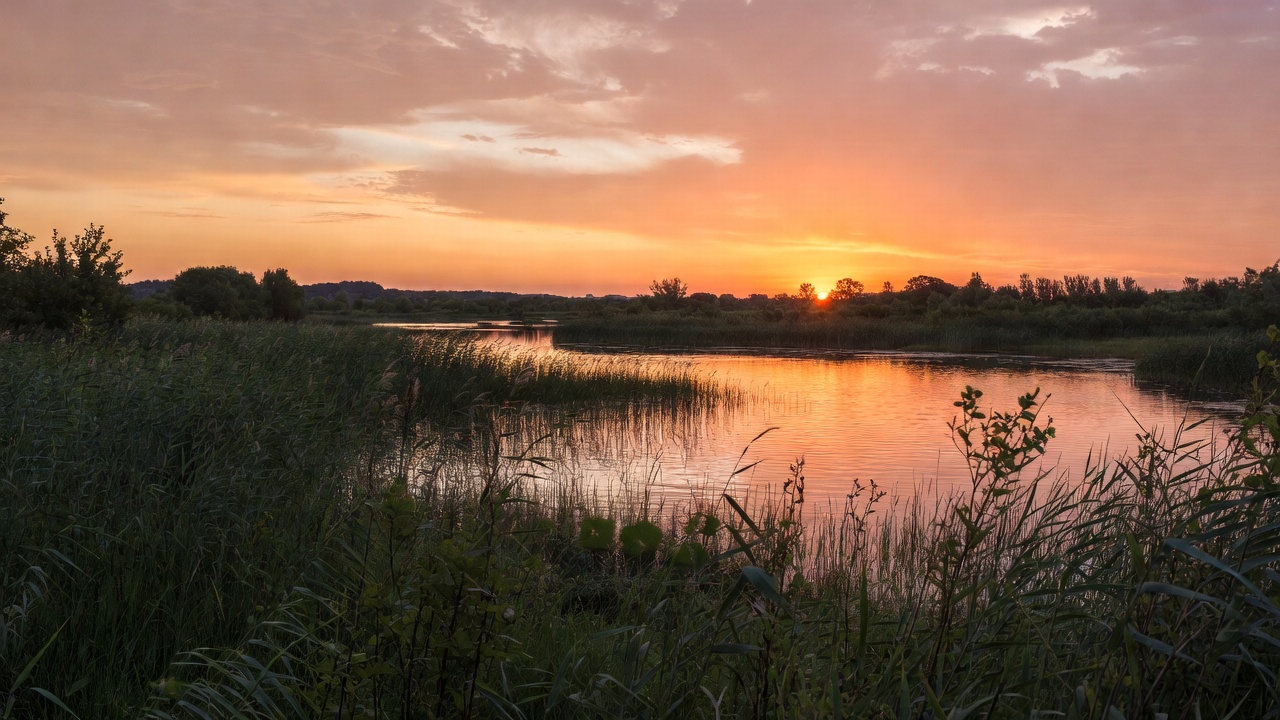
Introduction: Why World Wetlands Day Matters in 2026
World Wetlands Day falls on February 2nd every year. It celebrates one of Earth’s most vital ecosystems. In 2026, this global observance takes on renewed importance. Climate change continues to threaten these irreplaceable habitats.
Wetlands are more than muddy marshes. They are biodiversity hotspots. They filter our water. They protect coastlines from storms. And they offer incredible opportunities for sustainable tourism.
Whether you’re planning an eco-friendly wetland vacation or simply curious about nature, this guide is for you. We’ve compiled ten fascinating facts about wetlands that will inspire your next adventure.
Let’s dive into the remarkable world of swamps, marshes, and bogs.
Fact #1: Wetlands Cover Only 6% of Earth’s Surface But Support 40% of All Species
The Biodiversity Powerhouse You Need to Visit
Wetlands punch far above their weight in biodiversity. These ecosystems occupy just 6% of our planet. Yet they support approximately 40% of all plant and animal species.
This makes wetlands among the best wildlife watching destinations in the world.
| Wetland Type | Common Species | Top Tourism Destinations |
|---|---|---|
| Marshes | Herons, egrets, frogs | Florida Everglades, USA |
| Swamps | Alligators, cypress trees | Louisiana Bayou, USA |
| Bogs | Carnivorous plants, rare insects | Scottish Highlands, UK |
| Mangroves | Manatees, tropical fish | Sundarbans, Bangladesh |
| Estuaries | Salmon, migratory birds | Chesapeake Bay, USA |
Why this matters for travelers: Visiting wetlands offers unparalleled opportunities to see rare species. Birdwatchers flock to these areas during migration seasons. The diversity is simply unmatched.
Fact #2: Wetlands Store More Carbon Than Rainforests
The Hidden Climate Heroes of Our Planet
Here’s a surprising truth about wetlands and climate change. Peatlands alone store twice as much carbon as all the world’s forests combined. This makes wetlands critical in the fight against global warming.
Peat accumulates over thousands of years. It traps carbon dioxide that would otherwise enter the atmosphere. When wetlands are drained, this carbon is released.
Key carbon storage statistics:
- Peatlands cover 3% of land but hold 30% of soil carbon
- Mangroves store up to 10 times more carbon per hectare than terrestrial forests
- Coastal wetlands sequester carbon at rates 55 times faster than tropical rainforests
For sustainable travel enthusiasts, this fact adds meaning to wetland visits. You’re witnessing one of nature’s most important climate solutions firsthand.
Fact #3: The Ramsar Convention Protects Over 2,500 Wetlands Worldwide
Your Guide to UNESCO-Recognized Wetland Heritage Sites
The Ramsar Convention was signed in 1971 in Ramsar, Iran. It remains the only global treaty focused on a single ecosystem. As of 2026, over 2,500 sites have received Ramsar designation.
These internationally protected wetland reserves offer exceptional tourism experiences. They maintain strict conservation standards. Visitor infrastructure is often well-developed.
Top 10 Ramsar Sites for Wetland Tourism in 2026:
- Okavango Delta, Botswana – Africa’s premier safari wetland
- Camargue, France – Famous for white horses and pink flamingos
- Pantanal, Brazil – World’s largest tropical wetland
- Kakadu National Park, Australia – Aboriginal cultural significance
- Danube Delta, Romania – Europe’s best-preserved delta
- Doñana National Park, Spain – Critical bird migration stopover
- Chilika Lake, India – Asia’s largest brackish water lagoon
- Everglades, USA – Iconic American wilderness
- Waddensea, Netherlands/Germany/Denmark – Tidal flat ecosystem
- Lake Nakuru, Kenya – Legendary flamingo gatherings
Planning a World Wetlands Day trip to any of these sites supports conservation efforts directly.
Fact #4: Wetlands Prevent $455 Billion in Flood Damage Annually
Nature’s Most Cost-Effective Flood Protection System
Wetlands act as giant sponges. They absorb excess rainfall and storm surge. Without them, flooding would devastate many more communities worldwide.
Research shows wetlands prevent approximately $455 billion in flood damage each year globally. Coastal wetlands are particularly valuable. They buffer shorelines against hurricanes and typhoons.
| Wetland Service | Economic Value (Annual) | Beneficiaries |
|---|---|---|
| Flood control | $455 billion | Coastal communities |
| Water filtration | $3.4 billion (USA alone) | Municipal water systems |
| Fishery support | $80 billion | Commercial fishing industry |
| Recreation/Tourism | $266 billion | Tourists and local economies |
| Carbon storage | Incalculable | Global population |
For travelers interested in disaster resilience, wetland tours offer educational insights. Many destinations now include climate adaptation discussions in their programming.
Fact #5: Over 1 Billion People Depend on Wetlands for Their Livelihood
Cultural Tourism Opportunities in Wetland Communities
Wetlands aren’t just ecological wonders. They sustain human communities. Over one billion people worldwide depend directly on wetland resources for food, water, and income.
This creates rich opportunities for cultural wetland tourism experiences. Indigenous communities have lived alongside these ecosystems for millennia. Their traditional knowledge offers visitors profound insights.
Unique cultural wetland experiences around the world:
- Floating villages of Tonlé Sap, Cambodia – Experience life on Southeast Asia’s largest freshwater lake
- Reed boat building in Lake Titicaca, Peru/Bolivia – Learn ancient Uros construction techniques
- Shrimp farming in the Mekong Delta, Vietnam – Participate in sustainable aquaculture
- Cranberry harvesting in Wisconsin, USA – Join seasonal bog harvest festivals
- Fishing traditions of the Sundarbans, India – Explore with local honey collectors and fishermen
These authentic wetland cultural experiences support local economies while preserving traditions.
Fact #6: Wetlands Are Disappearing Three Times Faster Than Forests
The Urgent Case for Wetland Conservation Tourism
Here’s the sobering reality. Wetlands are vanishing at an alarming rate. Since 1700, we’ve lost approximately 87% of the world’s wetlands. Currently, they disappear three times faster than forests.
This makes responsible wetland tourism more important than ever. Tourism revenue provides economic justification for conservation. It creates jobs that don’t require wetland destruction.
Major threats to wetlands today:
- Urban development and land conversion
- Agricultural drainage
- Pollution from industrial runoff
- Climate change and rising sea levels
- Invasive species introduction
- Overextraction of water resources
How tourists can help:
- Choose certified eco-lodges in wetland areas
- Pay park entrance fees (funds conservation directly)
- Hire local guides instead of large tour operators
- Follow “leave no trace” principles
- Share your experiences to raise awareness
- Support wetland conservation organizations
Your eco-conscious wetland vacation makes a real difference.
Fact #7: Mangrove Forests Can Survive in Saltwater
Exploring Earth’s Most Resilient Coastal Ecosystems
Mangroves are extraordinary trees. They thrive where no other trees can survive. Their specialized root systems filter salt from seawater. They breathe through special pores during low tide.
These coastal wetland forests provide exceptional kayaking and snorkeling destinations. The underwater root systems create nursery habitats for countless marine species.
Best mangrove tourism destinations for 2026:
| Location | Unique Features | Best Time to Visit |
|---|---|---|
| Sundarbans, Bangladesh | Royal Bengal tigers | November–February |
| Biscayne Bay, Florida | Crystal-clear waters | Year-round |
| Langkawi, Malaysia | UNESCO Geopark status | December–April |
| Celestún, Mexico | Flamingo colonies | November–March |
| Daintree, Australia | Where rainforest meets reef | May–September |
| Pichavaram, India | One of world’s largest mangrove forests | October–March |
Mangrove tours often combine birdwatching, kayaking, and marine wildlife viewing in a single excursion.
Fact #8: The World’s Oldest Living Wetland Is Over 40 Million Years Old
Ancient Wetlands That Offer Time-Travel Tourism
Some wetlands have existed for millions of years. The Okavango Delta formed over 40 million years ago. It represents one of Earth’s oldest continuously existing ecosystems.
Visiting these ancient wetland landscapes is like stepping back in time. Many species found here have changed little over millennia. The ecosystems themselves tell the story of our planet’s history.
Oldest wetlands worth visiting:
- Okavango Delta, Botswana – 40+ million years old
- Florida Everglades, USA – 5,000 years in current form
- Pantanal, Brazil – Formed millions of years ago
- Congo Basin Swamps – Among Earth’s oldest tropical wetlands
- Peatlands of Ireland – Some over 10,000 years old
These destinations offer unique geological tourism experiences. Interpretive centers often explain the fascinating deep-time history of these places.
Fact #9: Wetlands Provide Natural Water Purification Worth Trillions
How Marshes Filter Water Better Than Treatment Plants
Wetlands are nature’s kidneys. They filter pollutants, sediments, and excess nutrients from water. A single acre of wetland can filter millions of gallons annually.
This natural water purification saves municipalities billions in treatment costs. New York City famously invested in watershed protection rather than building expensive filtration plants.
How wetland water purification works:
- Sediment trapping – Plant stems slow water flow, allowing particles to settle
- Nutrient absorption – Plants uptake nitrogen and phosphorus
- Bacterial breakdown – Microorganisms decompose organic matter
- Heavy metal sequestration – Sediments bind toxic metals
- Pathogen reduction – UV light and natural processes kill harmful bacteria
For travelers, this means wetland destinations often feature exceptionally clean waters. The best swimming and recreation spots in wetlands benefit from this natural filtration.
Crystal-clear wetland swimming destinations:
- Cenotes of Yucatán, Mexico
- Blue Springs, Florida, USA
- Plitvice Lakes, Croatia
- Krka National Park, Croatia
- Lake Bled, Slovenia
Fact #10: World Wetlands Day 2026 Theme Focuses on Wetland Restoration
How to Participate in Global Wetland Conservation Efforts
Each year, World Wetlands Day adopts a unique theme. The 2026 observance emphasizes wetland restoration and rewilding. Communities worldwide are working to bring damaged wetlands back to life.
This creates exciting volunteer tourism opportunities for travelers. Many destinations now offer hands-on restoration experiences.
Ways to celebrate World Wetlands Day 2026:
| Activity | Where to Participate | Duration |
|---|---|---|
| Tree planting | Global mangrove restoration projects | Half-day |
| Citizen science | Bird counts at local wetlands | 1–4 hours |
| Clean-up events | Rivers, lakes, and coastlines worldwide | Half-day |
| Photography walks | Nature reserves and national parks | 2–3 hours |
| Educational workshops | Museums and environmental centers | 1–2 hours |
| Guided wetland tours | Ramsar sites globally | Full day |
Finding World Wetlands Day events near you:
- Check the official Ramsar Convention website
- Contact local Audubon Society chapters
- Search for environmental nonprofit events
- Visit national and state park websites
- Follow wetland conservation groups on social media
Planning Your Wetland Tourism Adventure in 2026
Essential Tips for Eco-Friendly Wetland Travel
Ready to explore these incredible ecosystems? Here’s your comprehensive planning guide.
Best seasons for wetland tourism:
- Spring – Breeding birds, wildflower blooms
- Summer – Full vegetation, amphibian activity
- Autumn – Migration spectacles, fewer crowds
- Winter – Waterfowl concentrations, crisp visibility
What to pack for wetland excursions:
- Waterproof hiking boots or water shoes
- Binoculars for wildlife viewing
- Polarized sunglasses (reduces water glare)
- Insect repellent (wetlands mean mosquitoes)
- Quick-dry clothing
- Waterproof camera or phone case
- Field guides for local species
- Reusable water bottle
- Sun protection (hat, sunscreen)
Wetland photography tips:
- Visit during golden hour for best lighting
- Use a polarizing filter to cut water reflections
- Bring a telephoto lens for wildlife
- Set up near water edges where animals drink
- Practice patience – wildlife rewards the still observer
Conclusion: Why Wetlands Deserve Our Attention and Protection
World Wetlands Day 2026 reminds us of something crucial. These ecosystems are irreplaceable. They support biodiversity, fight climate change, and sustain human communities.
Every visit to a wetland destination supports conservation. Tourism revenue justifies protection. Your experiences create advocates for these environments.
Whether you’re kayaking through mangroves or birdwatching in marshes, you’re participating in something meaningful. You’re witnessing ecosystems that have existed for millions of years. You’re supporting communities that depend on wetland health.
This February 2nd, consider how you can engage with wetlands. Plan a trip. Support a conservation organization. Share knowledge with others.
The facts are clear. Wetlands need us. And perhaps more than we realize, we need them too.
Frequently Asked Questions About Wetlands and World Wetlands Day
What is World Wetlands Day and when is it celebrated?
World Wetlands Day is celebrated annually on February 2nd. It marks the adoption of the Ramsar Convention in 1971. The day raises awareness about wetland conservation globally.
What are the main types of wetlands?
The main wetland types include:
- Marshes – Freshwater areas dominated by grasses
- Swamps – Wetlands with trees and woody plants
- Bogs – Acidic peatlands fed by rainwater
- Fens – Alkaline peatlands fed by groundwater
- Mangroves – Coastal forests in tropical regions
- Estuaries – Where rivers meet the ocean
Why are wetlands important for tourism?
Wetlands offer exceptional wildlife viewing, unique cultural experiences, and adventure activities like kayaking. They support sustainable tourism economies in communities worldwide.
How can I find wetland tourism destinations near me?
Search for Ramsar sites in your region. Contact local wildlife refuges and national parks. Check with birding organizations for recommended wetland viewing areas.
What should I know before visiting a wetland?
Prepare for wet conditions and bring appropriate footwear. Use insect repellent. Stay on designated trails to protect sensitive habitats. Hire local guides for the best experience.
Did you enjoy this guide? Share it with fellow nature enthusiasts planning their World Wetlands Day 2026 celebrations. Together, we can raise awareness about these vital ecosystems.