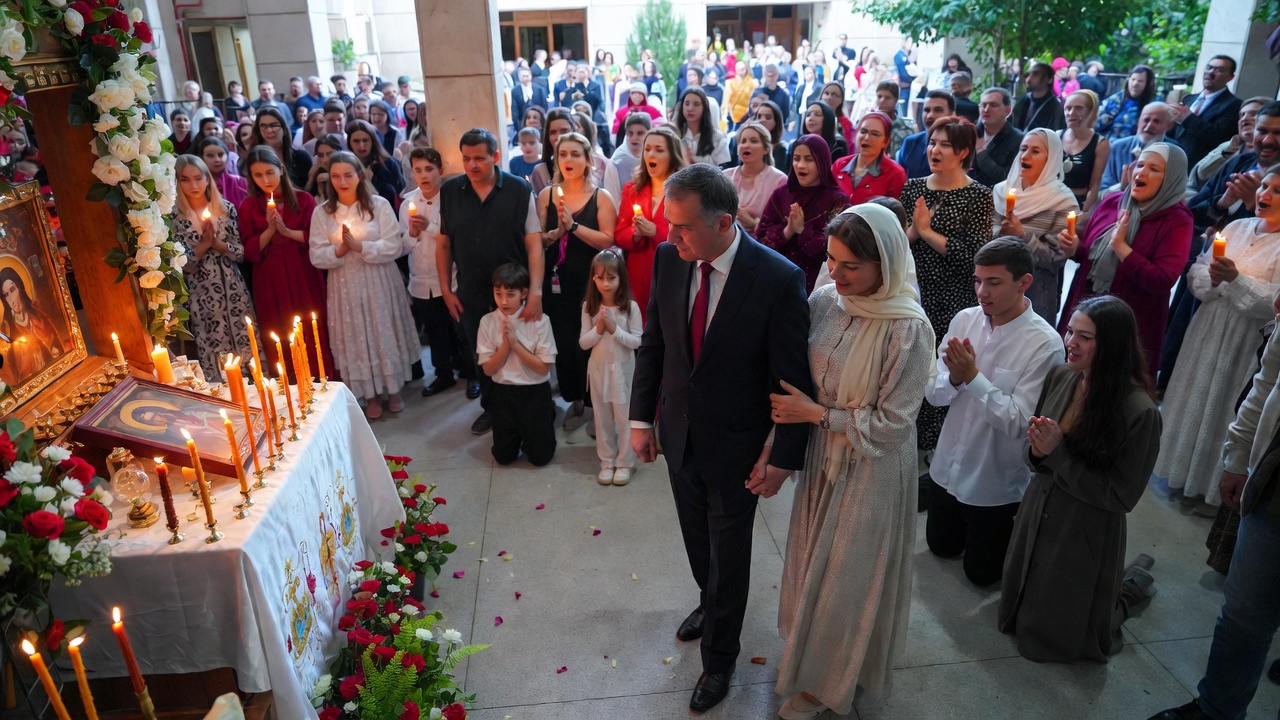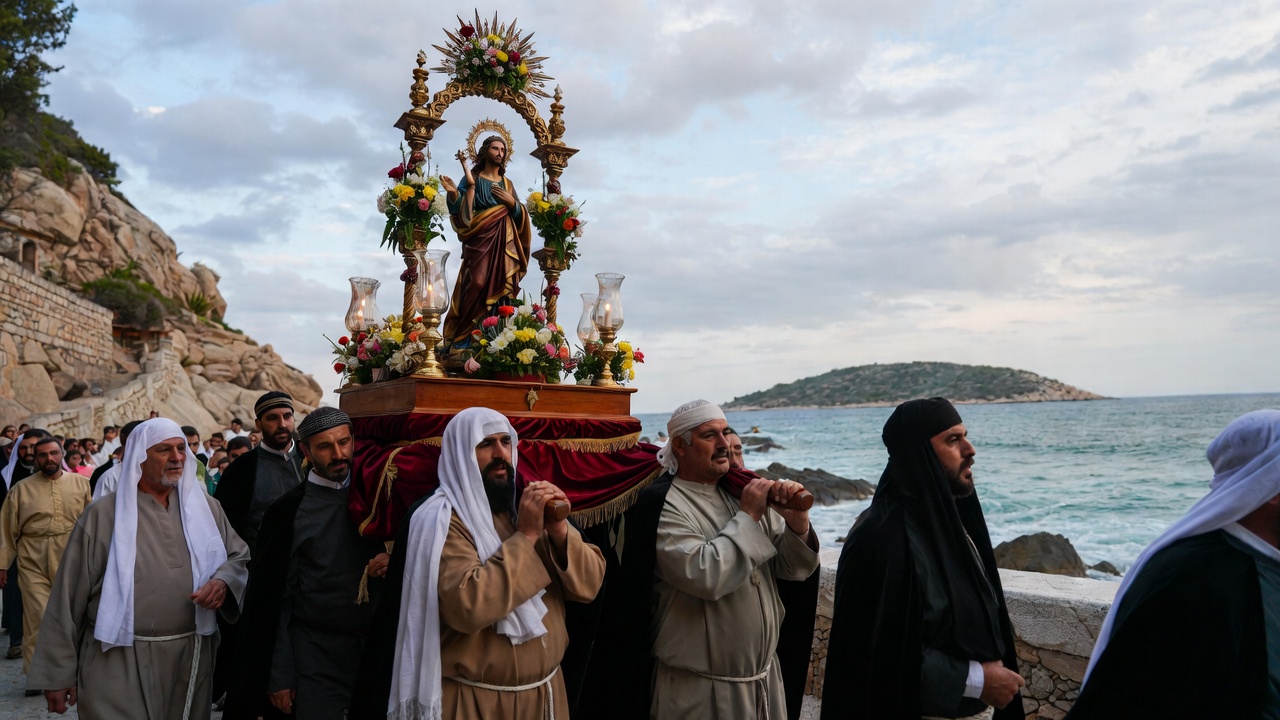
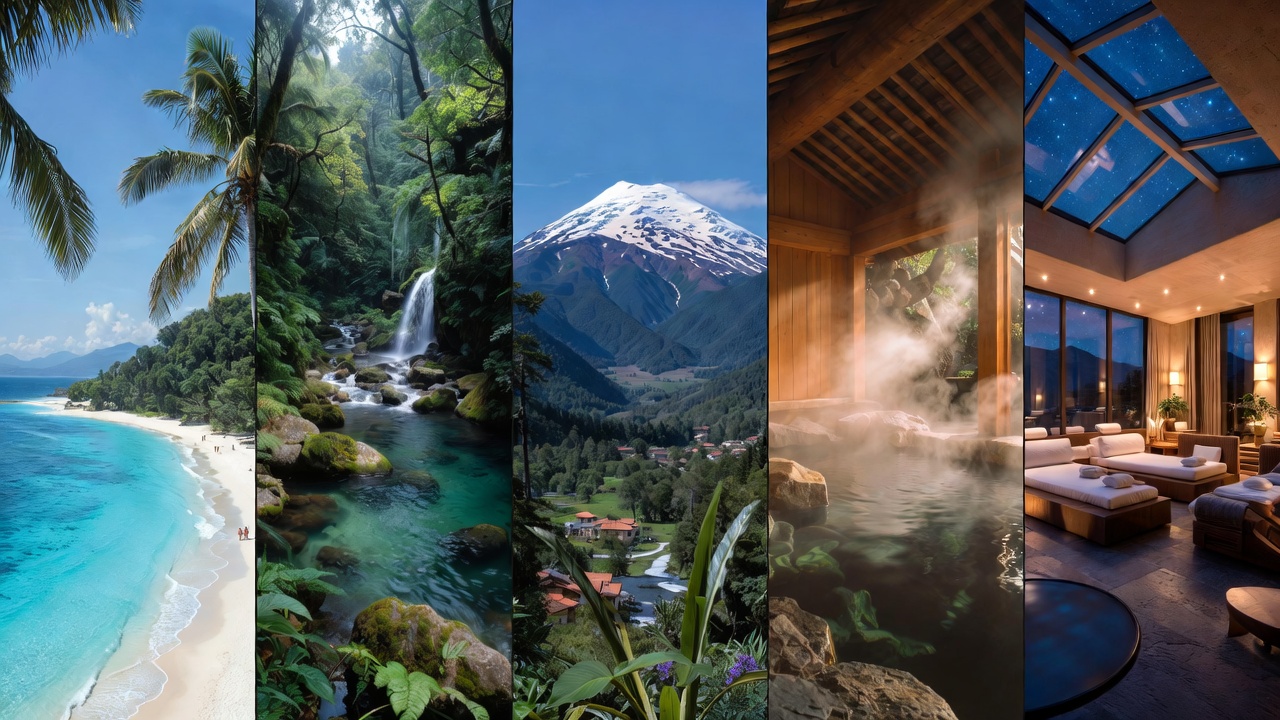
Every February 11, something remarkable happens across the globe. Millions of people — the ailing, the caregiving, and the deeply faithful — pause to observe World Day of the Sick. This is not just a date on the calendar. It is a quiet, powerful invitation to reflect on suffering, compassion, and the age-old human desire to heal.
In 2026, the 34th World Day of the Sick carries a theme that strikes at the heart of what it means to be human: “The compassion of the Samaritan: loving by bearing another’s pain.” Pope Leo XIV chose this theme to remind the world that love is not abstract. Love requires presence. Love requires action. Love requires us to stop, bend down, and tend to those who suffer.
The solemn celebration for 2026 takes place at the Shrine of Nuestra Señora de la Paz in Chiclayo, Peru — a location with deep personal ties to Pope Leo XIV’s earlier ministry. Cardinal Michael Czerny, S.J., serves as the papal special envoy for the occasion.
But the observance extends far beyond Peru. Around the world, churches hold anointing services, hospitals organize prayer vigils, and travelers embark on healing pilgrimages to destinations where the boundaries between body, spirit, and place seem to dissolve.
This guide is for those travelers. Whether you live with chronic illness, care for someone who does, or simply seek a place where the weight on your shoulders might feel a little lighter, these 10 healing destinations offer more than scenery. They offer a chance at renewal.
What Is World Day of the Sick and Why Does It Matter for Travelers?
World Day of the Sick was established in 1992 by Pope John Paul II, who had been diagnosed with Parkinson’s disease a year earlier. The date — February 11 — was chosen deliberately. It falls on the Feast of Our Lady of Lourdes, honoring the Marian apparitions in a small French town that has since become the most famous healing pilgrimage site on Earth.
The day is not a public holiday. Schools stay open. Offices run as usual. But in hospitals, churches, and homes across every continent, people take time to pray for the sick, honor caregivers, and reflect on the meaning of suffering.
For travelers, World Day of the Sick opens a unique window. Many of the world’s most sacred healing sites hold special ceremonies, processions, and services during this period. Visiting these destinations around February 11 means experiencing them at their most spiritually charged.
| Key Facts About World Day of the Sick 2026 | |
|---|---|
| Date | February 11, 2026 |
| Edition | 34th annual observance |
| Theme | “The compassion of the Samaritan: loving by bearing another’s pain” |
| Official Celebration Site | Shrine of Nuestra Señora de la Paz, Chiclayo, Peru |
| Papal Envoy | Cardinal Michael Czerny, S.J. |
| Established By | Pope John Paul II, 1992 |
| Linked Feast Day | Our Lady of Lourdes |
The destinations below span six continents and multiple faith traditions. Some are rooted in Catholic tradition. Others draw from Hindu, Buddhist, indigenous, or secular wellness practices. What unites them is a shared belief: that certain places possess the power to restore something in us that medicine alone cannot reach.
1. Lourdes, France — The World’s Most Famous Catholic Healing Shrine
No list of healing destinations can begin anywhere else. Lourdes is the spiritual epicenter of World Day of the Sick. The date itself — February 11 — honors this town.
In 1858, a 14-year-old girl named Bernadette Soubirous reported seeing the Virgin Mary at the Grotto of Massabielle, a rocky alcove along the Gave de Pau river. Over the course of 18 apparitions, Mary instructed Bernadette to dig in the earth. A spring of water emerged — muddy at first, then clear. That spring has flowed uninterrupted for over 160 years.
Today, the Sanctuary of Our Lady of Lourdes receives approximately 5 to 6 million visitors each year. Many come in wheelchairs. Many arrive on stretchers. They come to bathe in the healing waters, pray at the Grotto, and participate in the nightly candlelight procession that winds through the sanctuary like a river of flame.
Has anyone actually been healed at Lourdes? The Catholic Church has officially recognized 70 miracles at this shrine. The International Medical Committee of Lourdes, a panel of about 20 physicians, has certified approximately 2,000 additional cases of medically inexplicable cures. But as many pilgrims will tell you, the most common healings at Lourdes are not physical. They are interior — a sense of peace that replaces anguish, an acceptance that comes from being held by something larger than oneself.
What to Do in Lourdes as a Healing Traveler
- Visit the Grotto of Massabielle. This is where the apparitions occurred. Touch the rock. Light a candle. Sit quietly.
- Experience the Water Gesture. The sanctuary’s baths (known as the Piscines) are projected to be fully open for the 2026 pilgrimage season. Pilgrims are immersed in spring water as a gesture of spiritual purification.
- Walk the Stations of the Cross. Life-sized stations are set into the hillside above the Grotto, overlooking the sanctuary.
- Attend the Blessing of the Sick. This deeply moving ceremony gathers the ill and their companions for a collective blessing.
- Join the Candlelight Procession. Each evening at 9 pm, pilgrims gather with candles and process together while praying the Rosary.
Accessibility note: The Sanctuary of Lourdes is designed for visitors with disabilities and serious illness. Nearly every area is wheelchair accessible. The Accueil Notre-Dame, a hospital-bed facility within the sanctuary grounds, provides medical equipment and support for pilgrims needing specialized care.
Best time to visit: February 11 for World Day of the Sick ceremonies. The broader pilgrimage season runs from February through October, with peak attendance during the Feast of the Assumption in August.
2. Chiclayo, Peru — The 2026 World Day of the Sick Official Celebration Site
If you want to be at the heart of this year’s observance, book a flight to northern Peru. The 34th World Day of the Sick is officially celebrated at the Shrine of Nuestra Señora de la Paz in the Diocese of Chiclayo. This location carries deep meaning — it connects to the earlier episcopal ministry of Pope Leo XIV.
Chiclayo is the fourth-largest city in Peru, located in the Lambayeque region along the country’s northern coast. It is not typically found on mainstream travel itineraries, and that is precisely what makes it special in 2026. The Vatican’s decision to hold the celebration here turns a global spotlight on Latin America’s rich tradition of solidarity with the sick and vulnerable.
What Makes Chiclayo a Healing Destination
Chiclayo sits at the crossroads of ancient and modern healing traditions. The Moche and Sicán civilizations once flourished here, and their understanding of medicinal plants and spiritual rituals has passed through generations. Traditional healers, known locally as curanderos, still practice in the markets and surrounding villages. The region’s most famous archaeological site, the Royal Tombs of Sipán, reveals a civilization that intertwined healing, ritual, and community life.
Meanwhile, the Shrine of Nuestra Señora de la Paz is a center of Marian devotion where communities gather to pray for the sick, the poor, and the lonely. Special Masses, anointing of the sick, and community prayer sessions will mark the 2026 celebration.
Practical Tips for Visiting Chiclayo in February
- Climate: Chiclayo sits in a dry coastal desert. February temperatures hover around 27–32°C (80–90°F). Bring sunscreen and light clothing.
- Getting there: Fly into José Abelardo Quiñones González Airport (CIX) from Lima. The flight takes about 1 hour 20 minutes.
- Accommodation: Hotels in Chiclayo range from budget to mid-range. Book early for the February 11 celebrations.
- Cultural respect: If visiting a curandero or traditional healing ceremony, approach with genuine respect. Ask permission before photographing. These are living cultural practices, not tourist performances.
3. Fátima, Portugal — A Pilgrimage of Prayer and Peace for the Sick
About 130 kilometers north of Lisbon, the town of Fátima hums with an energy that has drawn the faithful since 1917. In that year, three shepherd children — Lúcia dos Santos and her cousins Francisco and Jacinta Marto — reported seeing the Virgin Mary on six occasions between May and October.
On October 13, 1917, a crowd estimated at 70,000 people witnessed what became known as the “Miracle of the Sun” — a solar phenomenon that even skeptics struggled to explain. The Church officially recognized the apparitions in 1930, and Fátima has been a major Marian pilgrimage site ever since.
Today, the Sanctuary of Fátima attracts approximately 4 million pilgrims per year. Some arrive on foot from Lisbon, walking for five days along the Way of the Tagus. Others crawl the final 600 feet from the Basilica of the Holy Trinity to the Chapel of Apparitions on their knees as an act of penance.
Why Fátima Speaks to the Sick
The message of Fátima is fundamentally a message about suffering and prayer. The children were shown visions of war, hell, and human agony — but also of a path toward peace through the Rosary and devotion to the Immaculate Heart of Mary. Two of the three children, Francisco and Jacinta, died in the 1918 influenza pandemic. They were canonized by Pope Francis in 2017.
For sick travelers, Fátima offers a unique form of comfort. The suffering of the children is woven into the very fabric of the place. You do not need to hide your pain here. You carry it alongside the prayers of millions who came before you.
Key Sites at the Sanctuary of Fátima
| Site | Description |
|---|---|
| Chapel of Apparitions | Marks the exact spot where Mary appeared. Open 24 hours for prayer. |
| Basilica of Our Lady of the Rosary | Neo-baroque church housing the tombs of the three shepherd children. |
| Basilica of the Holy Trinity | Modern church seating 8,700 people, completed in 2007. |
| Via Sacra (Sacred Way) | A path with 15 small chapels marking the Stations of the Cross. |
| Holy Water Fountain | Pilgrims fill bottles with water from the fountain on the esplanade. |
Best time to visit: The most powerful dates are May 12–13 and October 12–13, the anniversary months of the apparitions. Candlelight vigils on these evenings draw tens of thousands.
4. Varanasi, India — Sacred Healing Rituals on the Banks of the Ganges
Step off the plane in Varanasi and you step into one of the oldest continuously inhabited cities on Earth. Settled more than 4,000 years ago along the banks of the Ganges River, this is the spiritual capital of Hinduism — a place where the cycle of life, death, and rebirth plays out in plain sight every single day.
For Hindus, bathing in the Ganges at Varanasi washes away sins. Dying here is considered a blessing, as it is believed to release the soul from the cycle of reincarnation. But you do not need to be Hindu to feel the transformative power of this city. Visitors of all faiths — and no faith — find themselves changed by the sheer intensity of devotion on display along the ghats, the stone steps that descend into the river.
The Evening Aarti Ceremony: A Must for Healing Travelers
Each evening at the Dashashwamedh Ghat, Hindu priests perform the Ganga Aarti — a ceremony of fire, chanting, and incense that draws thousands of spectators and worshippers. Flames dance on brass lamps. Bells ring. Smoke spirals into the darkening sky. Visitors light small candles placed in cups of leaves and flowers, then set them floating on the river.
This is not a quiet experience. It is loud, sensory, overwhelming, and deeply emotional. Many travelers describe it as a kind of spiritual release — as though the sheer force of collective faith carries away something heavy that they had been holding.
Practical Guidance for Varanasi
- Respect the sacred. The ghats are active places of worship and cremation. Never photograph cremation ceremonies without explicit permission. Dress modestly.
- Health precautions. While spiritual bathing in the Ganges is central to Hindu practice, travelers unfamiliar with the water should exercise caution. The river carries high levels of pollutants.
- Best time to visit. October through March offers cooler, more comfortable temperatures.
- Where to stay. Consider hotels near Assi Ghat for a quieter experience, or near Dashashwamedh Ghat for proximity to the Aarti.
5. The Camino de Santiago, Spain — Walking as Medicine for Body and Soul
Some journeys heal you not through stillness but through movement. The Camino de Santiago — the Way of Saint James — is perhaps the greatest walking pilgrimage on Earth.
The route culminates at the Cathedral of Santiago de Compostela in northwestern Spain, where the remains of the apostle Saint James are believed to rest. But the Camino is not about the destination. It is about the 500 miles of footsteps that come before it.
The most popular route, the Camino Francés, begins at St. Jean Pied-de-Port in France and crosses the Pyrenees into Spain. It passes through Pamplona, Burgos, León, and dozens of small villages. Pilgrims sleep in communal albergues (hostels) and carry little more than a backpack, a water bottle, and a pilgrim’s passport that gets stamped at each stop.
Why Sick Travelers Walk the Camino
People walk the Camino for many reasons — grief, transition, gratitude, physical challenge, spiritual seeking. But a striking number walk because they are sick, recovering from illness, or accompanying someone who is.
The act of walking — day after day, through pain and fatigue, alongside strangers who become companions — produces something that no hospital or therapy office can replicate. Pilgrims speak of the Camino as a place where the body teaches the spirit. Blisters become metaphors. Rain becomes baptism. The next village becomes hope.
Planning Your Camino
| Detail | Information |
|---|---|
| Total distance (Camino Francés) | Approximately 800 km (500 miles) |
| Duration | 30–35 days for the full route |
| Best months to walk | April–June and September–October |
| Minimum for a Compostela certificate | 100 km on foot or 200 km by bicycle |
| Daily cost (budget) | €25–40 per day for food and lodging |
Tip for travelers with limited mobility: You do not need to walk the entire route. Many pilgrims walk only the final 100 km from Sarria, which takes about five days and still qualifies for the official Compostela certificate. Some sections are also accessible by bicycle or even wheelchair-adapted paths.
6. Ubud, Bali, Indonesia — Where Ancient Balinese Healing Meets Modern Wellness
Ubud is not a place that shouts. It whispers. Tucked among the terraced rice paddies and jungle ravines of central Bali, this small town has become one of the world’s most sought-after healing destinations — a place where traditional Balinese medicine, Hindu ceremony, and contemporary wellness practices flow together like water.
The Balinese Hindu tradition views illness as a disruption of spiritual balance. Healing involves restoring harmony between the individual, the community, the natural world, and the spiritual realm. This is not metaphor. It is a living, practiced belief system that shapes daily life in Ubud.
Traditional Balinese Healing Practices
- Balian (Traditional Healers). A balian is a Balinese healer who uses a combination of prayer, herbal medicine, massage, and spiritual divination to diagnose and treat illness. Visiting a balian is a profoundly personal experience. Each session is different, guided by what the healer perceives about the individual.
- Tirta Empul (Holy Spring Temple). This sacred water temple, located just outside Ubud, is one of the most important purification sites in Bali. Worshippers and visitors wade through a series of fountains, each believed to cleanse a different aspect of the body and spirit.
- Melukat (Water Purification Ceremony). A Balinese purification ritual conducted by a priest at a holy water source. This is a solemn ceremony involving prayer, offerings, and the pouring of blessed water over the participant.
Ubud’s Modern Wellness Scene
Ubud also hosts an abundance of yoga studios, meditation retreats, sound healing sessions, and plant-based restaurants. The town draws practitioners and seekers from around the world, creating a community where conversation about healing is as normal as conversation about the weather.
Cultural note: Balinese culture is deeply generous, but it is also deeply sacred. If you participate in a ceremony at a temple, wear a sarong and sash (usually available to borrow at the entrance). Do not stand higher than the priest. Do not point your feet toward the shrine. Ask before photographing ceremonies.
7. Rishikesh, India — The Yoga Capital of the World on the Sacred Ganges
If Varanasi is the city of spiritual intensity, Rishikesh is the city of spiritual practice. Perched in the foothills of the Himalayas along the upper reaches of the Ganges — where the water runs cold and clear — Rishikesh has been a center of meditation, yoga, and Ayurvedic healing for centuries.
The town gained global fame in 1968 when the Beatles traveled here to study Transcendental Meditation at Maharishi Mahesh Yogi’s ashram. That moment placed Rishikesh on the Western consciousness, and the stream of seekers has never stopped flowing since.
What Healing Looks Like in Rishikesh
In Rishikesh, healing is structured around three pillars:
Yoga. This is the birthplace of yoga as a spiritual discipline. Ashrams throughout the town offer everything from drop-in classes for beginners to month-long 200-hour teacher training certifications. The style of yoga practiced here tends to be traditional — Hatha and Ashtanga — with an emphasis on breathwork (pranayama) and meditation alongside physical postures.
Ayurveda. India’s ancient system of holistic medicine is alive and thriving in Rishikesh. Ayurvedic clinics offer consultations based on your individual dosha (body type), followed by customized treatments that may include herbal medicine, oil massage (Abhyanga), detoxification therapies (Panchakarma), and dietary guidance.
Meditation. Many ashrams offer structured meditation retreats lasting from a weekend to several months. Parmarth Niketan, one of the largest ashrams on the Ganges, hosts a beautiful evening Ganga Aarti ceremony that is open to all visitors.
Best time to visit: February through April and September through November offer pleasant weather. Avoid the monsoon season (July–August) when the Ganges can flood.
8. The Dead Sea, Jordan and Israel — Earth’s Lowest Point as a Natural Healing Site
At 430 meters (1,410 feet) below sea level, the Dead Sea is the lowest point on Earth’s surface. Its waters contain a salt concentration of roughly 34% — nearly 10 times saltier than the ocean. The result is a body of water so dense that the human body floats effortlessly on its surface.
But the Dead Sea is far more than a geological curiosity. For thousands of years, people have traveled here for its therapeutic properties. The combination of mineral-rich water, nutrient-dense mud, uniquely high atmospheric pressure, reduced ultraviolet radiation, and oxygen-dense air creates conditions found nowhere else on the planet.
Documented Health Benefits of the Dead Sea
The Dead Sea is one of the few natural healing sites with a significant body of peer-reviewed medical research supporting its therapeutic claims. Studies have documented benefits for:
- Psoriasis and eczema. Climatotherapy at the Dead Sea has been shown to produce significant improvement in skin conditions. The combination of mineral-rich water, mud packs, and natural UV exposure has been used in dermatological treatment for decades.
- Rheumatoid arthritis and osteoarthritis. The warm, buoyant water allows gentle movement without joint stress. Mineral absorption through the skin may reduce inflammation.
- Respiratory conditions. The high atmospheric pressure and increased oxygen at this elevation can benefit those with certain respiratory ailments.
- Stress and mental health. The act of floating weightlessly in warm, mineral-dense water is profoundly calming. Many visitors describe it as a form of sensory deprivation that quiets the mind.
Visiting the Dead Sea
The Dead Sea can be accessed from both the Jordanian and Israeli sides. On the Jordanian side, the town of Sweimeh hosts several resort and spa facilities. On the Israeli side, Ein Bokek is the main tourist hub.
Important environmental note: The Dead Sea is shrinking. Its water level drops by approximately one meter per year due to water diversion from the Jordan River and mineral extraction. Visiting this natural wonder is increasingly urgent — not only for personal healing, but also as a reminder of the planet’s fragility.
9. Sedona, Arizona, USA — Red Rock Spiritual Vortexes and Desert Healing Retreats
There is something about the light in Sedona. It falls on the red sandstone formations at angles that seem deliberately artistic, turning the landscape into a cathedral without walls. The Yavapai-Apache and Tonto Apache peoples have considered this land sacred for generations. Today, Sedona is one of the most popular spiritual wellness destinations in the United States.
What Are Sedona’s Energy Vortexes?
Sedona is famous for its vortexes — specific sites where the earth’s energy is believed to be concentrated and intensified. The four most well-known vortex sites are:
- Cathedral Rock — Associated with feminine, nurturing energy.
- Bell Rock — Known for its balanced, centering energy.
- Airport Mesa — A powerful vortex with panoramic views.
- Boynton Canyon — Combines masculine and feminine energies.
Do the vortexes “work”? That depends on who you ask. Geologists will tell you there is no measurable electromagnetic anomaly at these sites. But thousands of visitors each year report feeling tingling sensations, emotional release, heightened creativity, or deep calm when sitting quietly at these locations.
Whether the effect is geological, psychological, or spiritual — or all three — is perhaps beside the point. What matters is that people come to Sedona burdened, and many leave lighter.
Healing Experiences in Sedona
- Guided vortex meditations. Local practitioners lead small groups to the vortex sites for meditation, breathwork, and energy healing.
- Sound healing sessions. Crystal singing bowls, tuning forks, and gongs are used in sessions designed to shift the body’s vibrational frequency.
- Native American cultural experiences. Several organizations offer respectful, community-led cultural tours. Always choose operators endorsed by local indigenous communities.
- Spa and wellness retreats. High-end resorts like Mii amo and L’Auberge de Sedona offer multi-day wellness programs combining massage, nutrition counseling, and outdoor guided experiences.
Best time to visit: March through May and September through November offer mild temperatures. Summer can exceed 100°F (38°C).
10. Blue Lagoon and Hot Springs of Iceland — Geothermal Healing in the Land of Fire and Ice
There is a primal comfort in sinking into hot water while cold wind whips across your face. Iceland understands this at a cellular level. The country sits atop the Mid-Atlantic Ridge, a seam in the earth’s crust where tectonic plates pull apart and magma rises close to the surface. The result is a landscape dotted with hot springs, geysers, and geothermal pools that the Icelandic people have been bathing in for over a thousand years.
The Blue Lagoon: Iceland’s Most Famous Geothermal Spa
The Blue Lagoon (Bláa Lónið) is located on the Reykjanes Peninsula, about 45 minutes from Reykjavik. Its milky-blue waters maintain a temperature of 37–40°C (98–104°F) year-round. The water is rich in silica, sulfur, and algae — minerals known for their skin-nourishing properties.
The Blue Lagoon began as an accidental discovery. In 1981, workers at the nearby Svartsengi geothermal power plant noticed that runoff water collected in the surrounding lava field. Locals began bathing in it and reported improvements in skin conditions, particularly psoriasis. The site was developed into a spa, and research confirmed the water’s dermatological benefits.
Beyond the Blue Lagoon: Iceland’s Hidden Hot Springs
While the Blue Lagoon is the most famous, Iceland offers dozens of lesser-known geothermal bathing sites:
- Mývatn Nature Baths — A quieter, more affordable alternative to the Blue Lagoon in northern Iceland.
- Reykjadalur Hot Spring Valley — A 45-minute hike from Hveragerði leads to a warm river where you can bathe in the open landscape.
- Secret Lagoon (Gamla Laugin) — The oldest natural hot spring pool in Iceland, located in the village of Flúðir.
- Krauma Geothermal Baths — Fed by Deildartunguhver, Europe’s most powerful hot spring.
Health note: Iceland’s geothermal water is real mineral water, not chemically treated pool water. However, the high mineral content can irritate sensitive skin in some individuals. Shower thoroughly before and after bathing.
How to Plan a Healing Travel Trip Around World Day of the Sick
Traveling for healing is different from traveling for leisure. The pace is slower. The goals are internal. The itinerary should serve the soul, not the Instagram feed. Here are some principles to guide your planning.
Choose a Destination That Matches Your Need
Not all healing is the same. Ask yourself what you are seeking:
| What You Need | Recommended Destinations |
|---|---|
| Spiritual comfort within Catholic tradition | Lourdes, Fátima, Chiclayo, Camino de Santiago |
| Physical therapeutic benefits | Dead Sea, Blue Lagoon, Rishikesh (Ayurveda) |
| Deep meditation and inner stillness | Rishikesh, Ubud, Sedona |
| Connection with ancient indigenous wisdom | Chiclayo, Sedona, Ubud |
| Physical challenge as spiritual practice | Camino de Santiago |
| Sensory immersion and emotional release | Varanasi |
Travel Accessibility for Sick and Disabled Pilgrims
Many healing destinations now offer robust accessibility support:
- Lourdes is designed specifically for sick and disabled visitors. Wheelchair access is excellent throughout the sanctuary. Medical volunteers are on-site.
- Fátima has paved walkways and wheelchair-accessible areas throughout the sanctuary complex.
- The Dead Sea resorts offer spa treatments that can be adapted for various physical limitations. The buoyancy of the water makes it particularly suitable for people with joint conditions.
- The Camino de Santiago is increasingly accessible. Several organizations, such as Follow the Camino, offer adapted programs for travelers with mobility challenges.
Respect Local Healing Traditions
This may be the most important principle of all. The destinations on this list are not theme parks. They are living sacred sites, maintained by communities for whom healing is not a trend but a tradition stretching back centuries or millennia.
Do not treat traditional healers as curiosities. If you visit a balian in Bali, a curandero in Peru, or a riverside ceremony in Varanasi, do so with the same reverence you would bring to your own most sacred space.
Do not appropriate practices without understanding. Learning about another culture’s healing traditions is beautiful. Ripping them from context and selling them as lifestyle products is not.
Do leave something behind. Many healing sites depend on pilgrim donations and community support. If you receive healing — in whatever form — consider how you might give back.
The Spiritual Meaning of Healing Travel in 2026
Pope Leo XIV’s message for the 2026 World Day of the Sick speaks of the Good Samaritan — a figure who crossed boundaries of ethnicity, religion, and social status to care for a stranger left bleeding on the road. As the pope wrote, “The pain that moves us to compassion is not the pain of a stranger; it is the pain of a member of our own body.”
Healing travel, at its best, embodies this Samaritan spirit. It is a journey toward encounter. You encounter new landscapes. You encounter other cultures’ understanding of suffering. You encounter fellow travelers who carry burdens you cannot see. And in the process, you encounter yourself — perhaps the version of yourself that has been waiting, beneath layers of obligation and distraction, for permission to rest.
The 10 destinations in this guide are not miracle factories. Some pilgrims arrive at Lourdes in wheelchairs and leave in wheelchairs. Some travelers walk the Camino and find not answers but better questions. Some visitors float in the Dead Sea and feel nothing more than warm salt water.
But many — very many — return home and say the same thing: Something shifted. Not in my body, necessarily. But in how I carry what my body carries.
That shift is the healing. And it is available to anyone willing to travel toward it.
Frequently Asked Questions About World Day of the Sick Travel
Is World Day of the Sick only for Catholics? No. While the observance was established by the Catholic Church, its themes of compassion, care for the sick, and solidarity with the suffering are universal. Many of the destinations on this list welcome visitors of all faiths and no faith.
Do I need to be sick to visit these healing destinations? Absolutely not. Caregivers, family members, and anyone seeking spiritual renewal or wellness will find meaning at these sites. The Camino de Santiago, for example, is walked by people in every imaginable life circumstance.
What is the best time to visit Lourdes for World Day of the Sick ceremonies? February 11 is the date of the World Day of the Sick. Lourdes holds special services on this date. However, the full pilgrimage season runs from February through October.
Are these destinations safe for travelers with chronic illness or disability? Most destinations on this list offer some level of accessibility support, with Lourdes being the most comprehensively equipped. Research your specific needs before traveling, and consider working with a travel agency that specializes in pilgrimage or medical travel.
How much does a healing pilgrimage cost? Costs vary widely. A week at Lourdes can range from $2,000 to $4,000 USD including flights from North America. The Camino de Santiago can be done for as little as €25–40 per day. A Dead Sea resort stay ranges from $100 to $500+ per night depending on the property.
Final Thoughts: Why the World Needs Healing Travel Now More Than Ever
We live in a time of extraordinary medical achievement and extraordinary loneliness. We can sequence the human genome, but we struggle to sit with someone who is suffering. We have more health data than any generation in history, yet rates of anxiety, depression, and chronic pain continue to climb.
World Day of the Sick reminds us that healing has always been about more than medicine. It is about presence. It is about compassion. It is about the willingness to stop on the road, as the Samaritan did, and tend to a wound that we did not cause but can still help to mend.
The destinations in this guide offer something that no pharmaceutical company can manufacture: the experience of being held by a place. A grotto in France where water has flowed for 160 years. A river in India where the living and the dead share the same shore. A trail in Spain where every footstep is a prayer. A hot spring in Iceland where the earth itself offers warmth.
Go to one of these places. Not to be cured. But to be met. That is where healing begins.
Have you visited any of these healing destinations? Share your experience in the comments below. And if you are planning a trip around World Day of the Sick 2026, we would love to hear about your journey.
Safe travels, and may you find what you are looking for.