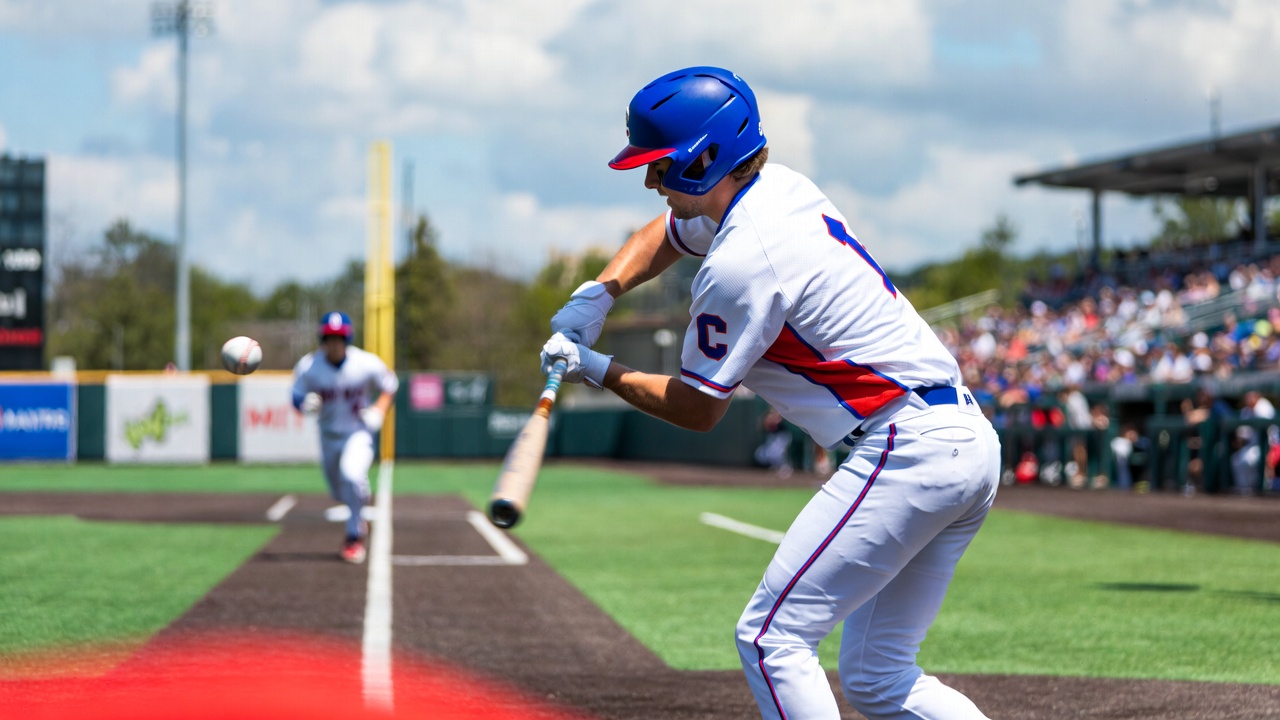
Baseball in Japan is not just a sport. It is a way of life. Every spring, when cherry blossoms bloom across Tokyo, Osaka, and Hiroshima, millions of fans flock to stadiums to cheer for their favorite teams. At the heart of this passion lies one of the most thrilling moments in the game: the home run. In Nippon Professional Baseball (NPB), home runs carry an almost sacred weight. They are celebrated with fireworks, trumpets, fight songs, and the thunderous applause of devoted fans.
Since NPB’s founding in 1950, the league has produced some of the most prolific power hitters the world has ever seen. These sluggers did not just dominate Japanese baseball — they rewrote the global record books. The man at the top of this list, Sadaharu Oh, holds the worldwide professional baseball career home run record with 868 — over a hundred more than MLB’s Barry Bonds.
This guide ranks the top 10 career home run leaders in NPB history as of the end of the 2025 season. We explore who they were, what made them special, and why their legacies still echo through every crack of the bat in Japanese ballparks today.
NPB Career Home Run Leaders: Complete All-Time Rankings Table
Before we dive into each player’s story, here is the definitive ranking of the all-time NPB career home run leaders. All statistics reflect regular-season totals through the end of the 2025 NPB season and exclude postseason play.
| Rank | Player | Career Home Runs | Primary Team(s) | Active Years | Hall of Fame |
|---|---|---|---|---|---|
| 1 | Sadaharu Oh | 868 | Yomiuri Giants | 1959–1980 | Yes (1994) |
| 2 | Katsuya Nomura | 657 | Nankai Hawks | 1954–1980 | Yes (1989) |
| 3 | Hiromitsu Kadota | 567 | Nankai Hawks / Daiei Hawks | 1969–1992 | Yes (2006) |
| 4 | Koji Yamamoto | 536 | Hiroshima Toyo Carp | 1969–1986 | Yes (1988) |
| 5 | Kazuhiro Kiyohara | 525 | Seibu Lions / Yomiuri Giants / Orix Buffaloes | 1986–2008 | No |
| 6 | Hiromitsu Ochiai | 510 | Lotte Orions / Chunichi Dragons / Yomiuri Giants / Nippon-Ham Fighters | 1979–1998 | Yes (2015) |
| 7 | Isao Harimoto | 504 | Toei Flyers / Yomiuri Giants / Lotte Orions | 1959–1981 | Yes (1990) |
| 8 | Sachio Kinugasa | 504 | Hiroshima Toyo Carp | 1965–1987 | Yes (1996) |
| 9 | Katsuo Osugi | 486 | Toei Flyers / Yakult Swallows | 1965–1983 | Yes (1997) |
| 10 | Takeya Nakamura | 481 | Saitama Seibu Lions | 2002–present | Active |
Note: Harimoto and Kinugasa are tied at 504 career home runs. Their ranking order follows the conventional listing used by NPB’s official records and most historical databases, with Harimoto typically listed ahead based on achieving the milestone first.
1. Sadaharu Oh: The World Home Run King and Greatest Power Hitter in Baseball History
No conversation about home runs in professional baseball — anywhere on Earth — can begin without Sadaharu Oh (王貞治). His 868 career home runs stand not only as the NPB record but as the world record for professional baseball. That total surpasses MLB’s all-time leader Barry Bonds by more than 100 home runs.
The Flamingo Stance That Changed Baseball Forever
Oh was born on May 20, 1940, in Sumida, Tokyo, to a Chinese father from Zhejiang Province and a Japanese mother. He joined the Yomiuri Giants in 1959 as a pitcher, but the team quickly converted him to a full-time hitter. His early seasons were unremarkable. He batted just .161 as a rookie.
Everything changed when hitting coach Hiroshi Arakawa introduced Oh to a revolutionary batting technique. Oh began lifting his front leg high before swinging — a method that came to be known as the “flamingo stance” (一本足打法, ipponashi dahō). This approach allowed Oh to shift his weight more explosively into each swing. The results were immediate and dramatic. By 1962, he was hitting 38 home runs. In 1964, Oh smashed 55 home runs, setting a single-season NPB record that would stand for nearly four decades.
A Career of Total Dominance in Japanese Professional Baseball
Over his 22-season career with the Yomiuri Giants, Oh won:
- 15 home run titles (NPB record)
- 9 Central League MVP awards (NPB record)
- 2 Triple Crowns (1973, 1974)
- 18 consecutive Best Nine selections
- The People’s Honour Award in 1977 — the very first recipient of this prestigious Japanese government award
Oh also set NPB records for RBIs (2,170), walks (2,390), slugging percentage (.634), and OPS (1.080). He led the Giants to 11 Japan Series championships, including an astonishing nine consecutive titles from 1965 to 1973.
On September 3, 1977, Oh surpassed Hank Aaron’s then-world record of 755 career home runs. The moment was celebrated across Japan as a national triumph. He retired in 1980 with 868 home runs — a number that no one, in any professional league worldwide, has matched since.
Oh’s Lasting Impact on Japanese Baseball Culture
After retirement, Oh managed the Yomiuri Giants from 1984 to 1988 and later the Fukuoka Daiei Hawks (now Fukuoka SoftBank Hawks) from 1995 to 2008. He led Japan to victory in the inaugural World Baseball Classic in 2006. He currently serves as the chairman of the SoftBank Hawks. In October 2025, Oh received the prestigious Order of Culture from the Japanese government, becoming only the second professional baseball player to earn this distinction, after Shigeo Nagashima.
Oh’s legacy extends far beyond statistics. Together with third baseman Shigeo Nagashima, the two formed the legendary “O-N Cannon” (ON砲) — one of the most feared batting combinations in baseball history.
2. Katsuya Nomura: NPB’s Greatest Slugging Catcher and Baseball Genius Behind the Plate
Katsuya Nomura (野村克也) was far more than a home run hitter. He was a catcher, a thinker, a leader, and eventually one of the most successful managers in Japanese baseball history. With 657 career home runs, he holds the second spot on the all-time NPB list and remains the most prolific power-hitting catcher the sport has ever known.
From Poverty to Pacific League Stardom
Born on June 29, 1935, in the coastal fishing village of Amino (now Kyōtango) in Kyoto Prefecture, Nomura grew up in extreme poverty. His father died while serving in China during World War II when Nomura was just three years old. He and his brother were raised by their mother in hardship.
After graduating from Mineyama High School, Nomura joined the Nankai Hawks after a tryout in 1954. The team’s manager initially thought he would only be useful for catching during pitching practice. In his first season, Nomura played nine games and went hitless. The Hawks considered releasing him. According to multiple biographical accounts, Nomura reportedly offered to play for free to keep his roster spot.
Dominating the Pacific League for Over Two Decades
Nomura’s perseverance paid off spectacularly. During a career that spanned four decades from 1954 to 1980, he became the most feared hitter in the Pacific League. He led the league in home runs for nine seasons, eight of them consecutive. In 1965, Nomura became the first NPB batter to win the Triple Crown in the postwar era, leading in batting average, home runs, and RBIs simultaneously.
His career totals are staggering:
- 657 home runs (2nd all-time in NPB)
- 1,988 RBIs (2nd all-time in NPB)
- 2,901 hits in 3,017 games
- 5 Pacific League MVP awards
- 19 Best Nine awards at catcher (an NPB record for any position)
Nomura also set the record for most games played as a catcher in professional baseball history — a remarkable 2,921 games behind the plate. That total dwarfs even MLB’s record of 2,427 games caught by Iván Rodríguez.
The “Moonlight Manager” — Nomura’s Brilliant Second Career
Nomura served as a player-manager for the Hawks from 1970 to 1977, leading the team to the Pacific League pennant in 1973. After playing stints with the Lotte Orions and Seibu Lions, he retired as a player in 1980 at age 45.
His managerial career was equally distinguished. From 1990 to 1998, he led the Yakult Swallows to four Central League pennants and three Japan Series championships. He later managed the Hanshin Tigers and the Tohoku Rakuten Golden Eagles, recording 1,565 career managerial wins — the fifth-highest total in NPB history.
Nomura was often overshadowed by the media spotlight on Oh and Nagashima in the Central League. Pacific League games were rarely televised during his prime. He openly expressed frustration about this imbalance, once saying that his contributions deserved more recognition. Nomura was inducted into the Japanese Baseball Hall of Fame in 1989. He passed away on February 11, 2020, at the age of 84.
3. Hiromitsu Kadota: The Ageless Slugger Who Hit 44 Home Runs at Age 40
Hiromitsu Kadota (門田博光) ranks third on the all-time NPB home run list with 567 career home runs. What makes Kadota’s story truly extraordinary is his remarkable longevity. He produced some of his best seasons well into his late thirties and early forties — an age when most power hitters have long since retired.
A Late-Career Renaissance That Stunned Japanese Baseball
Kadota spent most of his career with the Nankai Hawks (later the Fukuoka Daiei Hawks), playing from 1969 to 1992. He was a consistent power source throughout the 1970s, but a serious Achilles tendon injury in 1979 threatened to end his career. Instead, Kadota came roaring back. He won the Comeback Player of the Year award in 1980 with 41 home runs and 84 RBIs.
The most remarkable chapter of Kadota’s career came in 1988, when he hit 44 home runs and drove in 125 runs at the age of 40. That season, he won the Pacific League MVP award, proving that elite-level production was possible far beyond conventional expectations. His ability to generate enormous bat speed and raw power despite his age made him a beloved figure across Japan.
Legacy and Hall of Fame Career Statistics
Kadota’s career achievements include:
- 567 home runs (3rd all-time in NPB)
- 1,678 RBIs
- 3 home run titles
- Pacific League MVP (1988)
- Inducted into the Japanese Baseball Hall of Fame in 2006
Kadota passed away on January 24, 2023, at the age of 74. His career stands as a powerful testament to determination, resilience, and the belief that age does not have to define an athlete.
4. Koji Yamamoto: Hiroshima’s Hometown Hero and Central League Home Run Champion
Koji Yamamoto (山本浩二) occupies the fourth spot on the all-time NPB home run list with 536 career home runs — all accumulated while playing for a single franchise: the Hiroshima Toyo Carp. In a city that was rebuilt from ashes after 1945, Yamamoto became a symbol of resilience and pride.
A Career .290 Hitter with Extraordinary Power
Born in Hiroshima, Yamamoto was originally a pitcher before converting to the outfield during his college years. He was the Carp’s first-round draft pick in 1968 and slowly developed into one of the Central League’s most feared sluggers. It took several seasons for Yamamoto to blossom, but once he did, he was nearly unstoppable.
His career slash line of .290/.381/.542 places him among the greatest all-around hitters in NPB history. He made 14 consecutive All-Star appearances beginning in 1973, and he was selected for the Best Nine team 10 times.
Leading Hiroshima to Its First Japan Series Championship
Yamamoto’s greatest team achievements came in the late 1970s and early 1980s, when he helped lead the Carp to multiple Japan Series titles. In 1975, the Carp reached the Japan Series for the first time in franchise history, largely on the strength of Yamamoto’s bat. He won two MVP awards during his career and earned widespread respect as a player who stayed loyal to his hometown club.
Yamamoto’s career stats through retirement:
- 536 home runs (4th all-time in NPB)
- 2,339 hits
- 1,475 RBIs
- 1,365 runs scored
- Inducted into the Japanese Baseball Hall of Fame in 1988
After retiring, Yamamoto managed the Hiroshima Carp and later served as the manager of the Japanese national team in the 2013 World Baseball Classic.
5. Kazuhiro Kiyohara: “The Uncrowned King” of Japanese Baseball Home Runs
Kazuhiro Kiyohara (清原和博) is one of the most talented and controversial figures in NPB history. With 525 career home runs, he ranks fifth on the all-time list. Known as “The Uncrowned King” (無冠の帝王, mukan no teiō), Kiyohara earned this bittersweet nickname because he never won a single major batting title — despite being one of the most gifted hitters of his generation.
A National Sensation Before He Ever Turned Professional
Kiyohara became a household name in Japan while still in high school. At Osaka PL Gakuen, he formed a legendary duo with pitcher Masumi Kuwata, known as the “K-K Combi”. Together, they led their team to two Japanese High School Baseball Championships at the famous Koshien Stadium. Kiyohara was one of the most popular and recognizable young athletes in the country.
Draft Day Drama and a Career Across Three Franchises
When the 1985 NPB Draft arrived, Kiyohara fully expected the Yomiuri Giants to select him. Instead, the Giants chose Kuwata, and the Seibu Lions claimed Kiyohara with their first pick. This draft-day surprise became one of the most talked-about moments in Japanese sports history.
Kiyohara’s rookie season was remarkable: a .304 batting average with 31 home runs and 78 RBIs — tying the NPB rookie home run record for a player coming directly from high school. During his 11 seasons with the Lions, the team won six Japan Series titles. He was a cornerstone of one of the most dominant dynasties in Pacific League history.
In 1997, Kiyohara fulfilled his childhood dream by signing with the Yomiuri Giants as a free agent. He helped the Giants win the Japan Series in 2000 and 2002. He finished his playing career with the Orix Buffaloes, retiring after the 2008 season.
Career Milestones and Personal Challenges
Kiyohara surpassed 2,000 hits, 500 home runs, and 1,500 RBIs during his career. Only five other players in NPB history — Oh, Nomura, Kadota, Harimoto, and Ochiai — have achieved all three of those milestones. He holds the NPB record for most walk-off home runs (12) and most walk-off hits (20).
His post-retirement years were marked by personal difficulties, including a 2016 arrest on drug-related charges. Despite these challenges, Kiyohara has rebuilt his public image through a popular YouTube channel focused on baseball and personal development. He remains one of the most recognizable names in Japanese baseball culture.
6. Hiromitsu Ochiai: The Only Three-Time Triple Crown Winner in NPB History
Hiromitsu Ochiai (落合博満) sits sixth on the all-time NPB home run list with 510 career home runs. But Ochiai’s greatest distinction lies elsewhere: he is the only player in NPB history to win the Triple Crown three times — in 1982, 1985, and 1986. No other hitter in Japanese baseball has accomplished this feat even twice.
An Unconventional Path to Stardom
Born on December 9, 1953, in the small town of Wakami in Akita Prefecture, Ochiai was the youngest of seven children in a rice-farming family. Unlike many Japanese baseball stars who were groomed from childhood, Ochiai came to the sport relatively late. He preferred spending time at the cinema over playing baseball as a young boy.
Ochiai joined the Lotte Orions (now the Chiba Lotte Marines) in 1979 and quickly established himself as an elite hitter. His personal philosophy — called “Ore-ryū” (オレ流), meaning “my way” — defined his approach both at the plate and in life. He refused to conform to the traditional norms of Japanese baseball culture, which earned him both admiration and criticism.
Triple Crown Dominance and a Legendary Rivalry
Ochiai’s 1985 Triple Crown was particularly notable because it coincided with an equally dominant season by Randy Bass of the Hanshin Tigers, who also achieved a Triple Crown in the Central League that year. Japanese media framed the two as fierce rivals — though in reality, the two players had deep mutual respect.
After being traded to the Chunichi Dragons in 1987, Ochiai continued his dominant hitting. He later played for the Yomiuri Giants and the Nippon-Ham Fighters before retiring in 1998 at age 44.
Post-Playing Career: Championship Manager
Ochiai went on to manage the Chunichi Dragons from 2004 to 2011, leading the team to multiple Central League pennants and the 2007 Japan Series championship. He was inducted into the Japanese Baseball Hall of Fame in 2015.
7. Isao Harimoto: NPB’s All-Time Hits King with 504 Home Runs
Isao Harimoto (張本勲) shares the seventh spot on the all-time NPB home run list with 504 career home runs. But Harimoto’s greatest statistical legacy is actually his 3,085 career hits — the most by any player in NPB history. He remains the only player to surpass 3,000 hits in Japanese professional baseball.
A Survivor of Hiroshima Who Became Japan’s Hits King
Harimoto’s life story is one of extraordinary resilience. Born on June 19, 1940, as Jang Hun (장훈) to a Korean family in Hiroshima, he survived the atomic bombing of the city in 1945 as a five-year-old child. A childhood accident forced him to become left-handed, and he channeled that adaptation into a powerful and disciplined batting approach.
Harimoto debuted with the Toei Flyers (now the Hokkaido Nippon-Ham Fighters) in 1959 and quickly became one of the Pacific League’s best hitters. He won seven batting titles during his career, including four consecutive titles from 1967 to 1970. His 1970 batting average of .383 stood as the NPB single-season record for 16 years until Randy Bass broke it in 1986.
A Zainichi Korean Icon in Japanese Baseball
As a Zainichi Korean (a Korean resident of Japan), Harimoto faced social discrimination throughout his career. Despite these challenges, he maintained his Korean citizenship while adopting a Japanese name for public life. His success on the field made him a powerful symbol of perseverance for the Korean community in Japan.
Harimoto played 23 seasons across three teams — the Toei Flyers, Yomiuri Giants, and Lotte Orions — before retiring in 1981. He was inducted into the Japanese Baseball Hall of Fame in 1990 and remains one of the most respected voices in Japanese baseball commentary.
8. Sachio Kinugasa: Japan’s Iron Man with 504 Career Home Runs
Sachio Kinugasa (衣笠祥雄) shares the record of 504 career home runs with Harimoto, placing him eighth on the all-time NPB list. However, Kinugasa is best remembered for another extraordinary achievement: his consecutive games played streak of 2,215 games — a record that was the world standard before Cal Ripken Jr. surpassed it in 1996.
The Iron Man of Hiroshima and His Unbreakable Spirit
Born on January 18, 1947, in Kyoto, Kinugasa joined the Hiroshima Toyo Carp in 1965 and spent his entire 23-season career with the franchise. He was known for his aggressive, free-swinging approach at the plate. His coaches were not always fond of his style — the big swings sometimes led to high strikeout totals, and he suffered physical consequences including reported whiplash from his fierce batting technique.
During his consecutive games streak, Kinugasa played through five broken bones, including a hairline fracture of his left shoulder blade caused by a hit-by-pitch. He famously refused to sit out, even when doctors advised against playing.
A Complete Player and Hiroshima Legend
Kinugasa’s accomplishments include:
- 504 home runs (tied for 7th all-time in NPB)
- 2,543 hits (5th all-time in NPB)
- 1,448 RBIs (10th all-time)
- 2,215 consecutive games played (NPB record)
- Inducted into the Japanese Baseball Hall of Fame in 1996
Together with teammate Koji Yamamoto, Kinugasa formed one of the great power duos in Central League history. The two players anchored the Carp lineup through the franchise’s most successful era, including multiple Japan Series appearances.
Kinugasa passed away on April 23, 2018, at the age of 71. A statue honoring him stands outside Mazda Zoom-Zoom Stadium in Hiroshima, a tribute to his enduring place in the hearts of Carp fans.
9. Katsuo Osugi: The First Player to Hit 1,000 Hits in Both NPB Leagues
Katsuo Osugi (大杉勝男) holds the ninth spot on the all-time NPB home run list with 486 career home runs. He earned a unique distinction in Japanese baseball history as the first player to accumulate 1,000 hits in both the Pacific League and the Central League — a feat that required excellence across two very different competitive environments.
Overcoming Tragedy to Forge a Hall of Fame Career
Born on March 5, 1945, in Okayama Prefecture, Osugi’s journey to professional baseball was marked by tragedy. During his high school years, he suffered internal bleeding in his brain after being hit by a pitch, then lost both his father and brother to illness in rapid succession. He briefly quit baseball entirely before returning to play for an industrial league team.
When that team folded, Osugi’s manager arranged a tryout with the Toei Flyers. His performance was initially underwhelming, but legendary hitting coach Fumio Fujimura recognized Osugi’s raw potential and advocated for his signing.
A Power Hitter Across Two Leagues
Osugi spent the first decade of his career with the Toei Flyers (later the Nippon-Ham Fighters) in the Pacific League. His breakout came in 1970, when he hit .339 with 44 home runs and 129 RBIs. In 1975, he moved to the Yakult Swallows in the Central League and continued producing at a high level. He was named the 1978 Japan Series MVP when the Swallows won their first championship.
His career statistics:
- 486 home runs (9th all-time in NPB)
- 2,228 hits
- 1,507 RBIs
- 5 Best Nine selections
- Inducted into the Japanese Baseball Hall of Fame in 1997
Tragically, Osugi passed away on April 30, 1992, at just 47 years old. He never reached the 200-home-run mark in both leagues — a milestone he fell one short of in the Central League. Upon his retirement, Osugi famously told fans: “I would be very happy if you could hit this one in the dreams of fans.”
10. Takeya Nakamura: NPB’s Active Career Home Run Leader Chasing History
Takeya Nakamura (中村剛也), affectionately nicknamed “Okawari-kun” (おかわりくん, meaning “another helping” — a reference to his appetite and stocky build), rounds out the top 10 with 481 career home runs as of the end of the 2025 season. He is the highest-ranked active player on the all-time NPB home run list and the only player still playing who has a realistic chance of climbing higher.
A Lifetime Seibu Lion with Seven Home Run Titles
Born on August 15, 1983, in Osaka, Nakamura has spent his entire professional career with the Saitama Seibu Lions. He was a second-round pick in the 2001 NPB Draft after a stellar high school career at Osaka Toin, where he hit 83 home runs — just three shy of the Japanese high school record.
Nakamura emerged as a full-time slugger in 2008, when he belted 46 home runs to lead the Pacific League. He followed that with 48 home runs in 2009 and another 48 in 2011, establishing himself as the most feared power hitter of his era.
Over his career, Nakamura has won:
- 7 Pacific League home run titles (2008, 2009, 2011, 2012, 2014, 2015, and shared in other years)
- 3 RBI titles (2009, 2011, 2015)
- 7 Best Nine selections
Can Nakamura Crack the Top 9 in 2026?
At 42 years old heading into the 2026 season, Nakamura needs just 6 more home runs to surpass Katsuo Osugi’s 486 and move into ninth place on the all-time list. His 2025 season saw diminished playing time — he added only three home runs at age 42, reflecting the natural decline that comes with age and accumulated injuries. Whether he can reach the 500-home-run milestone, which would make him the ninth member of the exclusive NPB 500 Home Run Club, remains one of the most compelling storylines heading into the 2026 season.
What Makes Japanese Baseball Home Run Records Different from MLB?
Understanding why NPB home run totals are structured differently from Major League Baseball requires context about the Japanese game itself. Several factors make direct comparisons between NPB and MLB home run stats complex.
Shorter Seasons and Fewer Games Per Year
NPB teams play a 143-game regular season (as of recent years), compared to MLB’s 162 games. Over a 20-year career, that difference adds up to hundreds of fewer at-bats. Players who spend their entire careers in NPB simply have fewer opportunities to accumulate home runs.
Smaller Ballparks and Different Ball Specifications
Many NPB stadiums feature shorter outfield distances than typical MLB parks. This contributes to a higher home run rate in some venues. However, NPB has also historically used a slightly smaller baseball, and the league has adjusted its ball specifications at various points — most controversially in 2013, when NPB secretly introduced a livelier ball. That season, home runs spiked by over 40% across the league, and Wladimir Balentien of the Tokyo Yakult Swallows set the single-season NPB record with 60 home runs. The scandal forced NPB Commissioner Ryōzō Katō to resign.
The Foreign Player Restriction Rule in NPB
NPB limits each team to four foreign players on the active roster. This rule, known as the “gaijin waku” (外人枠), means that lineups are predominantly composed of Japanese players. The restriction creates a fundamentally different competitive environment compared to MLB’s open international rosters.
The DH Rule Disparity Between Leagues
The Pacific League adopted the designated hitter rule in 1975, while the Central League has not used it — though NPB has announced plans to introduce the DH to the Central League in 2027. This rule difference has historically given Pacific League sluggers a slight advantage in career home run accumulation, since they could continue batting without needing to play a defensive position in their later years.
NPB’s 500 Home Run Club: An Elite Group of Power Hitters
Reaching 500 career home runs in NPB is one of the most prestigious milestones in Japanese baseball. As of 2026, only eight players have achieved this feat:
| Player | Career HR | Year 500th HR Was Hit |
|---|---|---|
| Sadaharu Oh | 868 | 1977 |
| Katsuya Nomura | 657 | 1971 |
| Hiromitsu Kadota | 567 | 1988 |
| Koji Yamamoto | 536 | 1986 |
| Kazuhiro Kiyohara | 525 | 2005 |
| Hiromitsu Ochiai | 510 | 1996 |
| Isao Harimoto | 504 | 1981 |
| Sachio Kinugasa | 504 | 1984 |
Takeya Nakamura, at 481, is the closest active player to joining this exclusive club. Whether he can add 19 more home runs in his remaining seasons will be a significant narrative for NPB fans in 2026 and beyond.
Rising Stars: Who Could Join the All-Time NPB Home Run Leaders?
While the top 10 is dominated by retired legends, several current and recently active players are worth watching as they climb the career rankings.
Munetaka Murakami: The Next Generational Power Hitter
Munetaka Murakami of the Tokyo Yakult Swallows is perhaps the most exciting young power hitter in NPB today. In 2022, he set the record for most home runs in a single season by a Japanese-born player with 56, winning the Triple Crown at just 22 years old. Through the end of the 2025 season, Murakami has accumulated approximately 246 career home runs. He has announced his intention to be posted for MLB free agency, so his final NPB career total may be limited — but his rate of production suggests he could have challenged the top 10 had he remained in Japan.
Tetsuto Yamada: The Power-Speed Combination
Tetsuto Yamada of the Tokyo Yakult Swallows reached 311 career home runs by the end of 2025, becoming the 46th player in NPB history to reach the 300-home-run milestone. At 33, he still has productive years ahead if he stays healthy.
Hayato Sakamoto: A Giant Among Giants
Hayato Sakamoto of the Yomiuri Giants finished the 2025 season with 298 career home runs, just two shy of the 300-homer mark. As a shortstop, Sakamoto’s power numbers are remarkable for his position.
How Japanese Baseball Culture Shaped These Legendary Home Run Hitters
Understanding these players requires understanding the culture that produced them. Japanese baseball is built on principles of discipline, repetition, and collective sacrifice — values that are deeply rooted in the broader culture.
The Importance of Spring Training and Year-Round Practice
NPB’s spring training (春季キャンプ, shunki kyanpu) is famously intense. Players routinely practice for 8-10 hours per day over weeks in February. This rigorous preparation reflects the Japanese approach to mastery through dedicated repetition — a concept related to the idea of “shokunin kishitsu” (職人気質), the artisan spirit of pursuing perfection.
The Role of “Wa” — Team Harmony Over Individual Glory
In Japanese baseball, team harmony — called “wa” (和) — is valued above individual statistics. Players who prioritize personal records over team success often face criticism. This cultural norm means that even the greatest home run hitters in NPB history achieved their records while adhering to the expectations of collective effort and humility.
Fan Culture and the Sacred Bond Between Player and City
NPB teams are often deeply tied to their cities and corporate owners. Fans of the Hiroshima Toyo Carp, for example, are known for their intense loyalty and the emotional connection between the team and Hiroshima’s history of resilience. This bond adds layers of meaning to the achievements of players like Yamamoto and Kinugasa that go beyond the numbers.
Visiting the Stadiums Where NPB Home Run History Was Made
For baseball fans planning a trip to Japan, visiting NPB stadiums is a cultural experience unlike anything else in the sporting world. Here are some of the most iconic venues connected to the players on this list.
Tokyo Dome: Home of the Yomiuri Giants
Tokyo Dome (東京ドーム), nicknamed the “Big Egg,” is where Sadaharu Oh built much of his legend. Located in Bunkyo, Tokyo, it remains the home of the Yomiuri Giants and is one of the most visited sports venues in Japan.
PayPay Dome: Fukuoka SoftBank Hawks
The PayPay Dome in Fukuoka is the home of the team Oh later managed. It is a retractable-roof stadium and hosts some of the most electric atmospheres in Japanese sports.
Mazda Zoom-Zoom Stadium: Hiroshima Toyo Carp
Opened in 2009, this modern ballpark in Hiroshima replaced the old Municipal Stadium where Yamamoto and Kinugasa once played. Carp fans are famous for their red-colored cheering sections and passionate support.
Jingu Stadium: Tokyo Yakult Swallows
Jingu Stadium (明治神宮野球場) in central Tokyo is the atmospheric home of the Yakult Swallows. Its outdoor setting and proximity to Meiji Shrine make it one of the most unique ballpark experiences in Asia. Murakami and Yamada currently play their home games here.
Frequently Asked Questions About NPB Career Home Run Records
Who holds the all-time NPB career home run record?
Sadaharu Oh holds the all-time NPB career home run record with 868 home runs, accumulated entirely with the Yomiuri Giants from 1959 to 1980. This is also the world record for career home runs in professional baseball.
Is Sadaharu Oh’s 868 home runs a world record?
Yes. Sadaharu Oh’s 868 career home runs represent the highest total in professional baseball worldwide, surpassing MLB’s Barry Bonds (762) and Hank Aaron (755).
How many players have hit 500 home runs in NPB history?
As of 2026, eight players have reached the 500-home-run milestone in NPB: Sadaharu Oh, Katsuya Nomura, Hiromitsu Kadota, Koji Yamamoto, Kazuhiro Kiyohara, Hiromitsu Ochiai, Isao Harimoto, and Sachio Kinugasa. Takeya Nakamura is the closest active player with 481.
Who is the active career home run leader in NPB?
As of the end of the 2025 season, Takeya Nakamura of the Saitama Seibu Lions leads all active NPB players with 481 career home runs.
What is the NPB single-season home run record?
The NPB single-season home run record is 60 home runs, set by Wladimir Balentien of the Tokyo Yakult Swallows in 2013. The record for a Japanese-born player is 56, set by Munetaka Murakami in 2022.
Final Thoughts: The Enduring Legacy of NPB’s Greatest Home Run Hitters
The ten players on this list represent more than just numbers on a stat sheet. They represent the evolution of Japanese baseball itself — from the postwar era of rebuilding and national pride to the modern age of global talent exchange between NPB and MLB.
Sadaharu Oh showed the world that Japan could produce the greatest home run hitter in baseball history. Katsuya Nomura proved that a poor boy from a fishing village could become a baseball genius. Hiromitsu Kadota demonstrated that age is no barrier to greatness. Kazuhiro Kiyohara reminded fans that even the most gifted players carry complex human stories. And Takeya Nakamura, still swinging at 42, proves that the dream of hitting one more home run never dies.
For anyone who loves baseball, the stories behind these records are as compelling as the records themselves. Japanese baseball is not just a mirror of the American game — it is its own world, with its own traditions, its own heroes, and its own magic. And at the center of that magic, there is always the home run — soaring over the outfield wall and into the hearts of millions.
Data sources: NPB Official Website, Wikipedia: List of Top NPB Home Run Hitters, Baseball Reference, and Japan Ball.