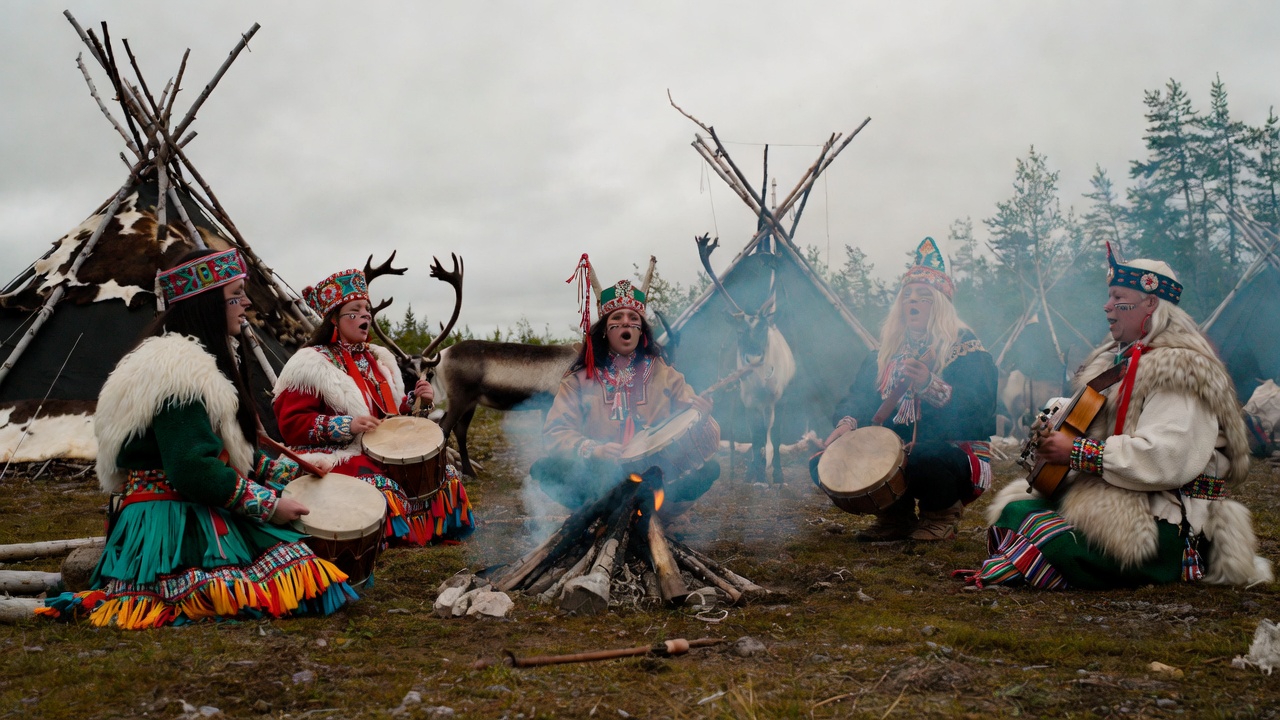
Lihkku sámi álbmotbeivviin! — Happy Sámi National Day! Every year on February 6, the Sámi people across Norway, Sweden, Finland, and Russia come together to celebrate their shared heritage, language, and identity. This is not a holiday bound by the borders of any single country. It belongs to the people of Sápmi, the vast homeland of Europe’s only recognized Indigenous people, stretching from the Norwegian coast to the Kola Peninsula.
The year 2026 marks a special occasion. February 6 falls on a Friday, meaning celebrations will naturally spill into the weekend. Towns and villages across the Arctic will host flag-raising ceremonies, joik concerts, reindeer races, and communal feasts of bidos (reindeer stew). Schools will dedicate the entire week to Sámi culture. Markets will overflow with duodji — traditional handcrafted silverwork, leather goods, and woven textiles.
Whether you are a seasoned traveler seeking authentic cultural immersion or a first-time visitor curious about the far north, this guide will walk you through the 10 best places to experience Sámi National Day celebrations in 2026. Each destination offers something distinct. Some are small villages deep in the heart of Finnmarksvidda. Others are major Nordic cities where Sámi culture takes center stage for a week. All of them will leave you with a deeper respect for one of the oldest living cultures in Europe.
What Is Sámi National Day and Why Is It Celebrated on February 6?
Before we explore the destinations, it helps to understand what this day means and where it comes from.
Sámi National Day — known as Sámi álbmotbeaivi in Northern Sámi — commemorates the first Sámi congress, held on February 6, 1917, in Trondheim, Norway. That meeting was groundbreaking. It was the first time Sámi from both Norway and Sweden gathered across national borders to discuss shared challenges, including land rights, language preservation, and cultural survival.
The idea for a formal national day came much later. In 1992, the 15th Sámi Conference in Helsinki passed a resolution declaring February 6 as the official Sámi National Day. The resolution stated that the day belongs to all Sámi, regardless of where they live. On this day, the Sámi flag should fly, and the Sámi anthem should be sung in the local Sámi language.
The first celebration took place in 1993, the same year the United Nations declared the International Year of Indigenous People. The opening ceremony was held in Jokkmokk, Sweden. Since then, the day has grown steadily in visibility and importance.
Today, approximately 80,000 Sámi live across four countries: roughly 50,000 in Norway, 20,000 in Sweden, 8,000 in Finland, and 2,000 in Russia. Nine distinct but related Sámi languages are spoken across the region, though many are critically endangered.
Key symbols you will encounter during the celebrations include:
| Symbol | Meaning |
|---|---|
| Sámi flag | Designed by Astrid Båhl in 1986. The four colors — red, blue, green, yellow — represent fire, water, nature, and sun. The circle symbolizes the sun (red half) and the moon (blue half). |
| Gákti | Traditional clothing. Patterns, colors, and designs vary by region, family, and marital status. Worn proudly on National Day. |
| Joik | One of the oldest vocal traditions in Europe. A joik does not describe a subject — it attempts to capture the essence of a person, animal, or place through sound. |
| Bidos | A hearty reindeer meat stew, considered the quintessential celebration meal in Sámi culture. |
| Duodji | Traditional Sámi handicrafts. Includes silverwork, knife-making, pewter braiding, leather goods, and weaving. |
Now, let us explore the best places to experience all of this firsthand.
1. Tromsø, Norway: Best City for Sámi Week Festival and Reindeer Racing
If you can only pick one destination for Sámi National Day in 2026, make it Tromsø. This Arctic city of about 77,000 people hosts Sámi Week (Samisk Uke), the largest urban celebration of Sámi culture in Norway. In 2026, it runs from February 2 to February 8.
Organized by the Midnight Sun Marathon Foundation since 2004, Sámi Week transforms Tromsø’s city center into a living showcase of Sámi heritage. The event serves as an important meeting place for Sámi organizations, cultural professionals, and visitors from around the world.
What to expect during Sámi Week in Tromsø:
- Norwegian Championship in Reindeer Racing. This is the headline event. On the final Sunday (February 8, 2026), barriers go up along Tromsø’s main street, Storgata, and the fastest reindeer from Norway and Finland sprint down the road, pulling their drivers on skis. Thousands of spectators line both sides. There is no gender distinction among drivers — the fastest reindeer wins.
- National Championship in Lasso Throwing. Held at the main square, this competition showcases a skill born of necessity in reindeer herding. Competitors throw lassos at antler targets while half of Tromsø watches in breathless excitement.
- Sámi National Day ceremony at Tromsø City Hall. February 6 begins with a communal breakfast, flag-raising, speeches, and cultural performances.
- Winter market with duodji and traditional food. Lávvu tents (traditional Sámi tents) are set up along Storgata, where everyone is welcome for campfire coffee and bowls of warming bidos.
- Concerts, lectures, art exhibitions, and language courses. The program spans the entire week and embraces all ages.
Why it stands out: Tromsø is easily accessible by air from Oslo, Stockholm, and other Nordic capitals. It has a strong tourism infrastructure with hotels, restaurants, and tour operators. The reindeer racing is genuinely thrilling — these animals can reach speeds of up to 60 kilometers per hour, and the atmosphere is electric.
Travel tip: Book accommodation early. Tromsø is popular for northern lights tourism in February, and Sámi Week adds significant demand. Dress in layers. Temperatures in early February hover around -5°C to -10°C, though wind chill can make it feel much colder.
2. Jokkmokk, Sweden: The 421st Winter Market on the Arctic Circle
No list of Sámi destinations would be complete without Jokkmokk. This small town of about 2,000 people sits just north of the Arctic Circle in Swedish Lapland. Its Winter Market is one of the oldest continuously running markets in Scandinavia, dating back to 1605.
In 2026, the 421st Jokkmokk Winter Market will take place from Thursday, February 5, to Saturday, February 7 — overlapping directly with Sámi National Day on February 6.
The Jokkmokk Winter Market holds a special place in Sámi history. It was here, in 1993, that the very first Sámi National Day was celebrated, coinciding with the United Nations’ proclamation of the International Year of Indigenous People. The Saami Council’s President, Aslak Holmberg, has spoken about how this market has been his personal tradition for celebrating the day for decades.
What to experience at the Jokkmokk Market:
- Hundreds of vendors selling genuine Sámi handicrafts. This is one of the widest selections of duodji in all of Scandinavia — beautifully handmade knives, pewter bracelets, reindeer leather bags, and silver jewelry.
- Joik concerts and cultural performances. The 2026 edition features artists like the Jörgen Stenberg trio, Tundra Electro, Ingá-Máret Gaup-Juuso, and Nils-Ove Kuorak.
- Reindeer racing and reindeer caravans. A tradition that goes back centuries.
- The Ájtte Museum — the Swedish Sámi and Mountain Museum. Located in the center of town, it hosts films, lectures, exhibitions, and concerts throughout market week. Its permanent exhibitions on Sámi culture, including the acclaimed Duodji, Gapta, and Drumtime displays, are essential viewing.
- Sámi Education Centre market. Here you can purchase items directly from artisans and visit student exhibitions.
Why it stands out: Jokkmokk is not just a market — it is the most important annual gathering for Sámi cultural and creative industries in the entire Nordkalotten region. Families travel from across Norway, Sweden, and Finland. The atmosphere is deeply communal. As one local writer puts it, “The market area itself is not the most important part. It is the people you meet.”
Travel tip: Be prepared for extreme cold. Temperatures can plunge below -30°C at Jokkmokk in early February. Multiple layers of wool, a heavy down jacket, winter boots, and a fur hat are essentials. The nearest airport is Arvidsjaur (about 190 km away), and transfer buses are available. Accommodation books out months in advance.
3. Karasjok, Norway: The Political and Cultural Capital of the Sámi People
Karasjok (Kárášjohka in Northern Sámi) is widely considered the capital of the Sámi world. Located in the interior of Finnmark county on the vast Finnmarksvidda plateau, this small town punches far above its weight in cultural significance. It is home to:
- The Sámi Parliament of Norway (Sámediggi), opened by King Harald in 2000
- NRK Sámi Radio, the Sámi broadcasting service
- Sámiid Vuorká-Dávvirat, the Sámi Collections museum (founded in 1972 as the first Sámi cultural institution in Norway)
- Multiple Sámi cultural institutions and organizations
The Sámi Parliament building is an architectural gem. Designed by Stein Halvorsen and Christian Sundby, it blends seamlessly into the surrounding pine forests. The exterior walls are clad in Siberian larch. Inside, the Vandrehallen serves as both a foyer and library, housing Norway’s largest collection of Sámi-language books — over 30,000 volumes across all nine Sámi languages. The plenary assembly hall, shaped like a peaked lavvu, features a stunning blue concrete artwork by Hilde Schanke Pedersen.
Sámi National Day in Karasjok features:
- Flag-raising ceremony at the town hall, starting at 10:00
- Speeches by leaders of the Sámi Parliament
- Cultural programs with joik, music, and storytelling
- Traditional food served throughout the day
- A duodji market where you can see and purchase extraordinary handcrafted items
Why it stands out: Karasjok is the beating heart of Sámi political life. A visit here is not just about festivals — it is about understanding the institutions that protect Sámi rights, language, and self-determination. The Sámi Parliament offers guided tours in Sámi, Norwegian, and English. The portraits from the 1917 congress, painted by Astrid Aasen, hang in its corridors. Sámi sayings hammered into metal adorn wooden walls.
Travel tip: Karasjok is about two hours south of the North Cape and roughly three hours from Alta Airport by car. Public transport is limited, so renting a car is recommended. The town is small but has a few hotels and guest houses. Combine your visit with a stay in neighboring Kautokeino for the fullest Sámi cultural experience.
4. Inari, Finland: Sámi Museum Siida and the Heart of Finnish Sápmi
Inari (Anár in Inari Sámi) is the cultural capital of the Sámi people in Finland. It lies within the official Sámi Homeland — the municipalities of Enontekiö, Inari, and Utsjoki — home to roughly 9,500 to 10,000 Sámi who hold cultural and linguistic rights under Finnish law. Three distinct Sámi languages are spoken here: Northern Sámi, Inari Sámi, and Skolt Sámi.
The crown jewel of Inari is the Sámi Museum and Nature Centre Siida. Established in its current form in 1998, Siida is the first independent Sámi museum in the Nordic countries, tracing its roots to 1963. After extensive renovations, its award-winning main exhibition reopened in 2022 under the name Enâmeh láá mii párnááh — These Lands Are Our Children. It explores the Sámi concept of cultural environment, where nature and culture are deeply intertwined.
In 2024, Siida attracted over 82,000 visitors — a historic record, surpassing the previous high of 68,000 set in 2023.
The museum also features:
- An open-air museum with around 50 historic buildings, open year-round
- Changing exhibitions on culture, art, and nature
- Restaurant Sarrit, serving dishes made with local ingredients
- A museum shop specializing in Sámi handicrafts and literature
Just a short walk away is the Sámi Cultural Centre Sajos, which serves as the seat of the Finnish Sámi Parliament. Sajos hosts events, seminars, and cultural programs throughout the year.
Sámi National Day celebrations in Inari focus on cultural preservation. Expect flag-raising ceremonies, joik performances, handicraft exhibitions, reindeer-related demonstrations, storytelling, and community gatherings. Events are coordinated by local Sámi associations and the Sámi Parliament.
Why it stands out: Inari offers the most comprehensive museum experience of any destination on this list. Siida is not just informative — it is deeply moving. The exhibitions address both the beauty of Sámi culture and the painful history of forced assimilation and language suppression. A planned joint exhibition with Helsinki’s Kiasma contemporary art museum, titled We Who Remain, opens at Kiasma in March 2026 and comes to Siida in October 2026.
Travel tip: The nearest airport is Ivalo (IVL), about 40 km south. Renting a car is highly recommended for exploring the region. In winter, Inari is a popular base for northern lights tourism and wilderness activities. Siida’s winter hours (October to May) are Monday to Saturday, 10:00 to 17:00 (closed Sundays).
5. Kautokeino, Norway: The Sámi Heartland and Home of the Easter Festival
Kautokeino (Guovdageaidnu in Northern Sámi) is Norway’s largest municipality by area and the town with the highest concentration of Sámi speakers in the country. Nine out of ten residents speak Sámi as their first language. This is not a place where Sámi culture is performed for tourists — it is woven into every aspect of daily life.
While Kautokeino’s most famous event is its spectacular Easter Festival (Sámi beassášmárkanat), the town also celebrates Sámi National Day with genuine warmth. On February 6, locals don their finest gákti and gather for ceremonies, communal meals, and cultural events.
But it is at Easter that Kautokeino truly comes alive. The Sámi Easter Festival is the largest annual Sámi cultural event anywhere. Easter holds deep significance in Sámi tradition. Historically, it was the time just before the great spring reindeer migration to the coast — the perfect moment for weddings, christenings, and confirmations.
Highlights of the Easter Festival include:
- World Championships in Reindeer Racing. Races are held on both skis (pulled by reindeer) and on sleds.
- Sámi Grand Prix. A prestigious joik and Sámi music competition that draws performers from across Sápmi.
- Concerts blending traditional joik with modern genres like pop, electronica, and jazz
- Duodji markets featuring exquisite handcrafted goods
- Theater performances at the Sámi National Theater (Beaivváš), housed in a building designed by the acclaimed architectural firm Snøhetta in collaboration with 70°N arkitektur and artist Joar Nango
- Snowmobile motocross, fishing competitions, and outdoor programs
Kautokeino is also home to the Sámi University of Applied Sciences (Sámi allaskuvla), the International Sámi Film Institute, and the artist collective Dáiddadállu, founded by Máret Ánne Sara and Elle Sofe Henriksen.
Why it stands out: There is simply nowhere else in the world where you can experience so much Sámi culture in such a concentrated time and space. Kautokeino offers an authenticity that is impossible to replicate.
Travel tip: The nearest airport is Alta (about 130 km away). Public transport is very limited. Driving is the best option, but be prepared for winter conditions on the Finnmarksvidda. Book accommodation months in advance for Easter. The Thon Hotel Kautokeino is the main accommodation option. Temperatures can be extremely cold — Kautokeino is one of the coldest places in the Nordic region.
6. Kiruna and Jukkasjärvi, Sweden: Sámi Culture Meets the Arctic Circle
Kiruna (Giron in Northern Sámi) is Sweden’s northernmost city and a gateway to authentic Sámi experiences. Located 150 km north of the Arctic Circle, Kiruna is part of Sápmi and has been home to Sámi families for generations. Eight Sámi communities operate within the Kiruna municipality, practicing reindeer herding across vast mountain and forest landscapes.
Just 17 km from Kiruna lies Jukkasjärvi, the village that gave the world the ICEHOTEL. But long before the ice hotel existed, Jukkasjärvi was a Sámi marketplace. The very name comes from the Sámi language. Today, visitors can experience Sámi culture at several authentic venues:
- Nutti Sámi Siida. Located at the old Sámi marketplace, this is a leading organizer of year-round Sámi cultural activities. Offerings include reindeer encounters, snowmobile tours, joik singing, and traditional meals of smoked reindeer meat served around a campfire in a lávvu tent.
- Márkanbáiki Sámi Open-Air Museum. The name means “assembly place” in Northern Sámi. The outdoor exhibition features reconstructed Sámi camps, grazing reindeer, and information about Sámi culture and livelihoods. The on-site restaurant Ovttas serves Sámi cuisine with a modern twist.
On Sámi National Day, Kiruna hosts its own celebration with flag-raising, cultural events, and community gatherings. The proximity to the Jokkmokk Winter Market (about 3 hours by road) also means some visitors combine both destinations.
Why it stands out: Kiruna offers the most accessible combination of Sámi cultural immersion and world-class Arctic tourism infrastructure. You can visit a reindeer farm in the morning, explore the ICEHOTEL at lunch, and search for the northern lights in the evening. The Sámi experiences here are run by Sámi families and guides, giving them a personal, genuine quality.
Travel tip: Fly into Kiruna Airport (KRN), which has direct connections from Stockholm. Temperatures in February range from -10°C to -25°C. Warm clothing is essential. Many hotels and tour operators offer bundled packages that include Sámi cultural experiences.
7. Oslo, Norway: How the Capital Celebrates Sámi National Day
You do not need to travel to the Arctic to experience Sámi National Day. Oslo, Norway’s capital, has hosted an official celebration at Oslo City Hall (Rådhuset) every year since 2003. A large and vibrant Sámi community lives in Oslo, and the city’s celebration has grown into a significant annual event.
The highlight is the flag-raising ceremony and communal breakfast at City Hall. The bells in the highest tower of Oslo City Hall play the Sámi national anthem (Sámi soga lávlla) as the flags are raised — a deeply moving tradition. Members of the Norwegian Royal Family regularly attend. In past years, Queen Sonja, Crown Prince Haakon, and hundreds of invited guests with Sámi backgrounds have gathered for speeches, joik performances, and traditional music.
Children from Oslo’s Sámi kindergarten and Sámi school perform songs in Sámi. Politicians and community leaders give speeches that address both celebration and the ongoing challenges facing Sámi communities — from language endangerment to controversies over mining and wind farms on traditional Sámi lands.
Beyond City Hall, Oslo offers several Sámi-related cultural experiences:
- The Norwegian Museum of Cultural History (Norsk Folkemuseum) on Bygdøy has permanent exhibitions on Sámi culture and history.
- Sámi musicians and artists frequently perform at venues across the city throughout February.
- Restaurants and cafés sometimes feature special Sámi-inspired menus around National Day.
Why it stands out: Oslo provides the most accessible entry point for international visitors who may not be able to travel to the far north. The City Hall celebration is open and welcoming. It is also a powerful reminder that Sámi culture is not confined to remote Arctic villages — it is a living, vital part of modern Norway.
Travel tip: Oslo is well connected by air to all major European cities. No special winter gear is needed beyond a warm coat. The City Hall celebration typically runs from 11:00 on February 6. Check Visit Oslo for the latest event listings.
8. Trondheim, Norway: The Birthplace of the Sámi Political Movement
Trondheim (Tråante in Southern Sámi) holds a unique place in Sámi history. It was here, on February 6, 1917, that the first Sámi congress was held — the foundational event that Sámi National Day commemorates.
That congress was a watershed moment. For the first time, Sámi people from Norway and Sweden crossed national borders to discuss their shared struggles. The meeting addressed issues of land rights, cultural survival, and political representation that remain relevant today.
In 2017, Trondheim hosted major celebrations marking the 100th anniversary of that congress. The centennial festival, known by its Southern Sámi name Tråante 2017, featured a week of concerts, exhibitions, seminars, and cultural events that drew visitors from across Sápmi and beyond. The celebrations highlighted the city’s important role in Sámi political history.
On Sámi National Day, Trondheim holds:
- Ceremonies at the city’s cultural venues and churches
- Museum exhibitions highlighting the 1917 congress
- Joik performances and cultural events
- School programs about Sámi history and the significance of the congress
Trondheim is also home to a community of Southern Sámi, whose distinct language and cultural traditions differ from the Northern Sámi most visitors encounter. The city offers a rare opportunity to learn about this less well-known part of Sámi diversity.
Why it stands out: If you are interested in the political and historical dimensions of the Sámi story, Trondheim is essential. Standing in the city where it all began — where Sámi delegates first gathered across borders to fight for their future — adds a profound layer of meaning to any National Day celebration.
Travel tip: Trondheim is Norway’s third-largest city and is well served by direct flights from Oslo, Bergen, and several European cities. It is also a stop on the scenic Nordland Railway from Oslo. February temperatures are typically around -2°C to -8°C. Combine your visit with a trip north along the coast for a broader Norwegian experience.
9. Stockholm and Skansen, Sweden: Celebrating Sámi Heritage in Sweden’s Capital
In 2026, Sweden’s capital city offers a particularly vibrant Sámi National Day experience, centered at the beloved open-air museum and zoo Skansen. Together with the Stockholm Sámi Association, Skansen is hosting a full weekend of activities from February 6 to 8, 2026.
What to experience at Skansen’s Sámi National Day celebration:
- Saemien Sijte (the Sámi site) at Skansen becomes a vibrant gathering place with activities for all ages
- Group singing of the Sámi national anthem on February 6
- Joik performances and speeches
- Tasting of gáhkko (traditional Sámi flatbread) and other Sámi delicacies
- Children’s activities: painting the Sámi flag, creating versions of traditional clothing, braiding keyrings in Sámi colors
- Children’s theater by Nordcirkus: Midwinter Tale, a circus-and-joik performance set in the wild far north, suitable for ages 3-9
- Presentations on Sámi cultural heritage, Indigenous rights, human rights, and languages by organizations including Amnesty Sápmi
- Exploration of historic buildings that tell the story of Sámi life in Sweden
All activities are included with a regular Skansen admission ticket.
Why it stands out: For families with children, Skansen’s celebration is ideal. It is educational, accessible, and beautifully designed to engage young visitors. For adults, the presence of organizations like Amnesty Sápmi adds depth, connecting the celebration to broader issues of Indigenous rights.
Travel tip: Skansen is located on the island of Djurgården in central Stockholm, easily reached by tram, bus, or ferry. School groups are specifically welcomed on February 6. Check Skansen’s website for the latest program and ticket information.
10. Alta, Norway: Ancient Rock Art and Living Sámi Culture
Alta is a town of about 21,000 people in Troms og Finnmark county, often called the gateway to the Finnmark Plateau and its Sámi heartland. While smaller in scale than the celebrations in Tromsø or Karasjok, Alta’s Sámi National Day events are intimate and genuine.
Alta is also home to some extraordinary cultural attractions that connect the deep past to the living present:
- The Alta Museum and UNESCO World Heritage Rock Art Centre. The museum sits above a shoreline covered with thousands of prehistoric rock carvings dating from approximately 7,000 years ago. While the carvings are not Sámi in origin (they predate Sámi culture), they form part of the deep human story of this landscape. The museum also hosts exhibitions on Sámi culture and local history.
- Sámi Siida Alta. A cultural center offering authentic Sámi experiences, including traditional meals of reindeer meat, storytelling, and demonstrations of Sámi livelihoods.
- Čávžo Safari in Máze (Masi), a nearby village on the river. Offers year-round Sámi experiences including boat cruises on the Alta River, with guided tours that cover the history of the Alta Controversy — a series of protests in the 1970s and 80s against a hydroelectric dam that became a turning point in Norway’s treatment of Sámi rights.
The Alta Controversy is a story every visitor should learn. The protests, which included hunger strikes outside the Norwegian Parliament and blockades at the dam site, galvanized support for Sámi self-determination and directly led to the establishment of the Sámi Parliament in 1989.
Why it stands out: Alta combines deep-time human history with the very recent, urgent political history of the Sámi people. The UNESCO rock art, the Alta Controversy, and the living Sámi community in the surrounding area create a layered, thought-provoking experience.
Travel tip: Alta has a well-served airport (ALF) with direct flights from Oslo and Tromsø. It is also the main gateway for driving to Kautokeino (130 km south) and Karasjok (about 200 km southeast). February temperatures average around -8°C to -15°C. The northern lights are frequently visible in Alta, which lies on the Auroral oval.
Sámi National Day Travel Tips: How to Visit Sápmi Respectfully in 2026
Traveling to Sámi communities comes with a responsibility. These are living cultures, not museum exhibits. Here are practical guidelines for respectful, meaningful travel.
Before you go:
- Learn a few words of Sámi. “Bures” means hello. “Giitu” means thank you. Even basic phrases show respect. Note that languages vary by region — Northern Sámi is the most widely spoken, but you may also encounter Lule Sámi, Southern Sámi, Inari Sámi, or Skolt Sámi.
- Book early. Accommodation in small Arctic towns is limited. Sámi Week in Tromsø, the Jokkmokk Market, and the Easter Festival in Kautokeino all sell out months in advance.
- Pack for extreme cold. Multiple layers of wool, a windproof outer layer, insulated boots, thermal gloves, and a warm hat are non-negotiable for February in the Arctic.
While you are there:
- Listen more than you speak. Sámi National Day is a day for the Sámi people to tell their story. It is the perfect time for visitors to listen.
- Ask before photographing. Especially when people are wearing gákti. Some may be happy to be photographed; others may prefer privacy.
- Buy directly from Sámi artisans. Look for genuine duodji at markets and cultural centers. This supports livelihoods and ensures authenticity.
- Try the food. Bidos (reindeer stew), gáhkko (traditional flatbread), smoked reindeer meat, and campfire-boiled coffee are all part of the experience.
- Use Sámi place names when appropriate. Many locations have both a national-language name and a Sámi name. Using the Sámi name — Guovdageaidnu instead of Kautokeino, Kárášjohka instead of Karasjok — shows awareness of the landscape’s deeper layers.
- Avoid the term “Lapp” or “Lapps.” While this term appears in older historical texts, it is considered outdated and offensive by many Sámi. Use “Sámi” instead.
Complete Sámi National Day Destination Comparison Table for 2026
| Destination | Country | Key Event / Attraction | 2026 Date(s) | Airport | Best For |
|---|---|---|---|---|---|
| Tromsø | Norway | Sámi Week, Reindeer Racing Championships | Feb 2–8 | TOS (Tromsø) | Urban festival, families |
| Jokkmokk | Sweden | 421st Winter Market | Feb 5–7 | Arvidsjaur (AJR) | Traditional market, duodji |
| Karasjok | Norway | Sámi Parliament ceremonies | Feb 6 | Alta (ALF) | Political and institutional history |
| Inari | Finland | Siida Museum, Sajos Cultural Centre | Feb 6 | Ivalo (IVL) | Museums, three Sámi languages |
| Kautokeino | Norway | National Day + Easter Festival (April) | Feb 6 / Easter | Alta (ALF) | Deep cultural immersion |
| Kiruna / Jukkasjärvi | Sweden | Sámi camps, Nutti Siida, ICEHOTEL | Feb 6 | Kiruna (KRN) | Sámi experiences + Arctic tourism |
| Oslo | Norway | City Hall ceremony, museum exhibitions | Feb 6 | OSL (Gardermoen) | Accessibility, urban celebration |
| Trondheim | Norway | Site of the 1917 congress | Feb 6 | TRD (Værnes) | Political history |
| Stockholm / Skansen | Sweden | Weekend festival at Skansen | Feb 6–8 | ARN (Arlanda) | Families, children’s activities |
| Alta | Norway | UNESCO Rock Art, Alta Controversy history | Feb 6 | ALF (Alta) | Deep history, gateway to Finnmark |
Why Sámi National Day Matters More Than Ever in 2026
The celebrations on February 6 are joyful. The gákti are stunning. The joik is mesmerizing. The reindeer racing is exhilarating. But beneath the festivities lies a story of resilience that demands attention.
For much of the 19th and 20th centuries, the governments of Norway, Sweden, and Finland pursued forced assimilation policies aimed at eliminating Sámi languages and cultural practices. Children were taken from their families and placed in boarding schools where speaking Sámi was forbidden. Land was confiscated. Traditions were suppressed. In Norway, knowledge of the Norwegian language was required to purchase or rent farmland — a policy that devastated Sámi communities.
The consequences are still felt today. Slightly less than half of Sámi in Norway speak a Sámi language. Several of the nine Sámi languages are critically endangered. The Norwegian government issued an official apology in 1999, and a Truth and Reconciliation Commission has investigated the impacts of these policies.
But the story is also one of extraordinary revival. The Sámi Parliaments in Norway, Sweden, and Finland give political voice to Sámi communities. Young Sámi artists, musicians, filmmakers, and designers are creating bold, contemporary work that honors tradition while pushing forward. The joik tradition, once suppressed, has been embraced by a new generation of artists who blend it with pop, electronica, jazz, and hip-hop.
When you visit any of the destinations on this list, you are not just attending a festival. You are witnessing a people who refused to disappear — and who are now flourishing.
Frequently Asked Questions About Sámi National Day Travel
Is Sámi National Day a public holiday in Norway, Sweden, or Finland? It is not an official public holiday with a day off work in any country. However, in Norway, it has been an official flag day since 2004. Municipal buildings must fly the Norwegian flag, and may also fly the Sámi flag. Schools typically hold special programs, and many workplaces mark the occasion.
Can non-Sámi visitors attend Sámi National Day celebrations? Yes. Public events, markets, concerts, and ceremonies are generally open and welcoming to all visitors. The best approach is to attend with an open mind, listen respectfully, and support Sámi businesses by buying genuine handicrafts and food.
What is the best month to visit Sápmi for Sámi culture? February is ideal because of Sámi National Day and the surrounding festivals (Sámi Week in Tromsø, Jokkmokk Market). Easter is another peak time, especially in Kautokeino. July brings the Riddu Riđđu international Indigenous festival in Kåfjord, Troms. Each season offers a different perspective on Sámi life.
How cold is it in Sápmi in February? Temperatures vary, but expect -5°C to -30°C depending on location. Coastal cities like Tromsø are milder than inland plateau towns like Kautokeino and Karasjok. The Arctic darkness is lifting by early February, with a few hours of pale daylight — and often spectacular auroral displays at night.
What traditional Sámi food should I try? Start with bidos (reindeer stew). Try gáhkko (flatbread). Sample smoked reindeer meat and suovas (a Sámi smoked meat dish). Wash it down with campfire-boiled coffee. In Finland, also look for sáltteguolle (salted fish). Berries — cloudberries, lingonberries, and blueberries — are staples of the Sámi diet.
Final Thoughts: Your Journey into Sápmi Starts with a Single Step
Sámi National Day is one of the most meaningful cultural celebrations in all of Europe. It is not a holiday designed for tourists. It is a day that belongs to the Sámi people — a day of pride, unity, and remembrance. But the Sámi have shown extraordinary generosity in sharing their culture with visitors who approach with respect and curiosity.
Whether you watch reindeer sprint down Tromsø’s main street, warm your hands around a campfire coffee at Jokkmokk, stand in the plenary hall of the Sámi Parliament in Karasjok, or hear the bells of Oslo City Hall ring out the Sámi anthem, you will carry something home that no souvenir can match: a deeper understanding of what it means to belong to a land, a language, and a people.
Lihkku sámi álbmotbeivviin. Happy Sámi National Day. Now go — and listen.