A comprehensive guide to celebrating Sri Lanka Independence Day like a local
Sri Lanka’s National Day falls on February 4th each year. This day commemorates independence from British colonial rule in 1948. For travelers and culture enthusiasts, it offers a window into the island’s soul. The celebrations blend ancient customs with modern patriotism. Here is your ultimate guide to experiencing authentic Sri Lankan Independence Day traditions.
1. The Grand National Day Parade in Colombo
The Sri Lanka Independence Day parade is the heart of all celebrations. It takes place at Galle Face Green in Colombo. Thousands gather to witness this spectacular event.
What to Expect at the Parade
| Element | Description | Timing |
|---|---|---|
| Military March | All three armed forces display precision drills | 8:00 AM – 9:30 AM |
| Cultural Floats | Provinces showcase regional heritage | 9:30 AM – 11:00 AM |
| School Bands | Students perform traditional and modern music | Throughout |
| Air Force Flyover | Fighter jets in formation | 10:00 AM |
Pro tip: Arrive before 7:00 AM to secure a good viewing spot.
2. Hoisting the Sri Lankan National Flag
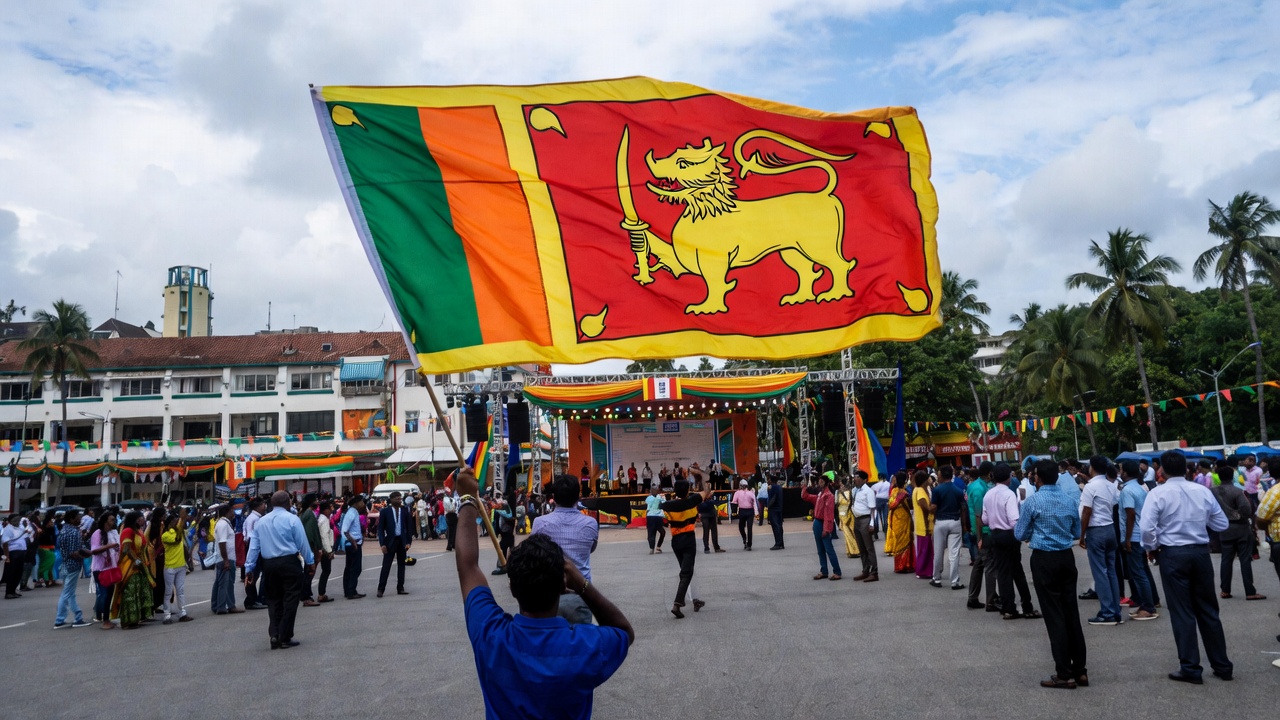
The national flag hoisting ceremony Sri Lanka holds deep significance. The lion flag rises at dawn across the country. Government buildings, temples, and homes participate.
Symbolism of the Sri Lankan Flag
- The Lion: Represents the Sinhalese nation and bravery
- The Sword: Symbolizes sovereignty and authority
- Four Bo Leaves: Represent the four Buddhist virtues
- Orange Stripe: Honors the Tamil minority
- Green Stripe: Honors the Muslim community
- Maroon Background: Represents the majority Sinhalese Buddhists
Many families teach children the meaning of Sri Lanka’s national symbols on this day. It serves as a powerful civic education moment.
3. Traditional Sri Lankan Breakfast Rituals
Food plays a central role in Sri Lankan National Day celebrations. Families prepare special breakfasts together. This communal meal strengthens family bonds.
Popular Independence Day Breakfast Items
| Dish | Description | Regional Variation |
|---|---|---|
| Kiribath (Milk Rice) | Rice cooked in coconut milk | Served island-wide |
| Lunu Miris | Spicy onion and chili sambol | Southern style is hottest |
| Kavum | Sweet oil cakes | Jaffna adds extra spices |
| Kokis | Crispy rice flour cookies | Dutch-influenced recipe |
| String Hoppers | Steamed rice noodle nests | Served with curry |
The traditional Sri Lankan milk rice ceremony is particularly meaningful. Kiribath is cut into diamond shapes. It represents prosperity and new beginnings.
4. Attending Religious Observances and Blessing Ceremonies
Sri Lanka is a deeply spiritual nation. Independence Day religious ceremonies in Sri Lanka occur at temples, churches, kovils, and mosques.
Multi-Faith Celebrations
Buddhist temples hold special pirith chanting ceremonies. Hindu kovils conduct pooja rituals for national unity. Christian churches offer prayers for peace. Mosques hold special dua sessions.
Key locations to experience religious observances:
- Temple of the Sacred Tooth Relic, Kandy
- Gangaramaya Temple, Colombo
- St. Lucia’s Cathedral, Colombo
- Jami Ul-Alfar Mosque (Red Mosque), Pettah
- Nallur Kandaswamy Temple, Jaffna
This interfaith participation showcases Sri Lanka’s multicultural heritage and traditions.
5. Watching Traditional Kandyan Dance Performances
Kandyan dance on Sri Lanka National Day is a visual feast. Dancers wear elaborate costumes with silver ornaments. The drum rhythms are hypnotic and powerful.
Elements of Kandyan Dance
| Component | Significance |
|---|---|
| Ves Costume | Sacred attire blessed by priests |
| Geta Beraya Drums | Traditional drums that guide movements |
| Fire Dancing | Represents purification and courage |
| Mask Dancing | Depicts demons and folklore characters |
| Acrobatic Leaps | Shows physical prowess and training |
The traditional Sri Lankan cultural dance performances often tell stories of ancient kings and folklore. Many hotels and cultural centers host special shows on February 4th.
6. Participating in Community Service and Charity
Giving back is a core Sri Lankan Independence Day custom. Many citizens engage in dane (charitable giving). This practice reflects Buddhist values of generosity.
Common Charitable Activities
- Donating food to monasteries and orphanages
- Organizing free medical camps in rural areas
- Distributing school supplies to underprivileged children
- Cleaning public spaces and historical sites
- Planting trees in community parks
The concept of community service traditions in Sri Lanka dates back centuries. Independence Day amplifies this spirit of collective welfare.
7. Decorating Homes and Streets with National Colors
The Sri Lanka Independence Day decorations transform cities and villages. Maroon, orange, green, and yellow dominate the landscape.
Traditional Decoration Elements
| Decoration | Where Used | Symbolism |
|---|---|---|
| Coconut Oil Lamps | Home entrances | Light dispelling darkness |
| Banana Tree Arches | Gateways and streets | Prosperity and fertility |
| White Cloth Banners | Temple boundaries | Purity and peace |
| Paper Lanterns | Gardens and balconies | Celebration and joy |
| Fresh Flower Garlands | Doorways and altars | Welcoming blessings |
Many families follow traditional Sri Lankan home decoration customs passed down through generations.
8. Enjoying National Day Public Concerts and Entertainment
Sri Lanka Independence Day events and concerts bring communities together. Free public performances occur nationwide. Both traditional and contemporary artists perform.
Popular Entertainment Highlights
- Baila Music: Upbeat Portuguese-influenced folk songs
- Sinhala Pop Concerts: Modern artists perform patriotic songs
- Tamil Folk Performances: Koothu theatrical traditions
- Children’s Cultural Shows: Schools showcase young talent
- Fireworks Displays: Evening spectacles in major cities
The best places to celebrate Sri Lanka National Day include:
- Galle Face Green, Colombo
- Independence Square, Colombo
- Kandy Esplanade
- Jaffna Public Library Grounds
- Galle Fort Ramparts
9. Visiting Historical Independence Day Sites
Sri Lanka independence heritage tourism has grown significantly. History enthusiasts explore sites linked to the freedom struggle.
Must-Visit Historical Locations
| Site | Location | Significance |
|---|---|---|
| Independence Memorial Hall | Colombo 7 | Modeled after Kandy’s Audience Hall |
| National Museum | Colombo | Houses independence-era artifacts |
| D.S. Senanayake Statue | Independence Square | First Prime Minister memorial |
| Old Parliament Building | Colombo Fort | Where independence was declared |
| Lakshman Kadirgamar Institute | Colombo | Modern diplomatic heritage |
The Independence Memorial Hall in Colombo is particularly stunning. Its architecture blends traditional Kandyan design with modern elements.
10. Experiencing Traditional Sri Lankan Games and Sports
Traditional games during Sri Lanka Independence Day revive ancient pastimes. Schools and communities organize special competitions.
Popular Traditional Games
- Kotta Pora: Traditional stick fighting with padded sticks
- Elle: A bat-and-ball game similar to cricket’s ancestor
- Olinda Keliya: A board game using seeds and pits
- Gudu Keliya: A wrestling-style contact sport
- Kamba Adima: Tug of war with coconut fiber ropes
These authentic Sri Lankan cultural games offer hands-on experiences. Many tourist-friendly events welcome foreign participation.
Practical Tips for Travelers
Planning to experience Sri Lanka National Day as a tourist? Here are essential tips:
Before You Go
- Book accommodations early; Colombo hotels fill quickly
- Purchase train tickets in advance for parade day travel
- Carry sunscreen and water for outdoor events
- Dress modestly for religious site visits
- Learn a few Sinhala or Tamil greetings
Cultural Etiquette
| Do | Don’t |
|---|---|
| Stand respectfully during the national anthem | Turn your back to the flag |
| Remove shoes at religious sites | Wear revealing clothing at temples |
| Accept food offerings graciously | Refuse hospitality outright |
| Ask permission before photographing people | Touch religious artifacts |
| Join locals in celebration | Mock or criticize traditions |
Conclusion: Embrace the Spirit of Sri Lankan Independence
Celebrating Sri Lanka’s National Day offers more than historical insight. It provides a gateway to understanding the island’s identity. The customs blend spirituality, community, and patriotism seamlessly.
Whether you attend the grand parade or share milk rice with a local family, you will feel the warmth of Sri Lankan hospitality. These unique Sri Lankan cultural experiences create lasting memories.
Mark February 4th on your travel calendar. Experience the traditions that define this beautiful island nation.