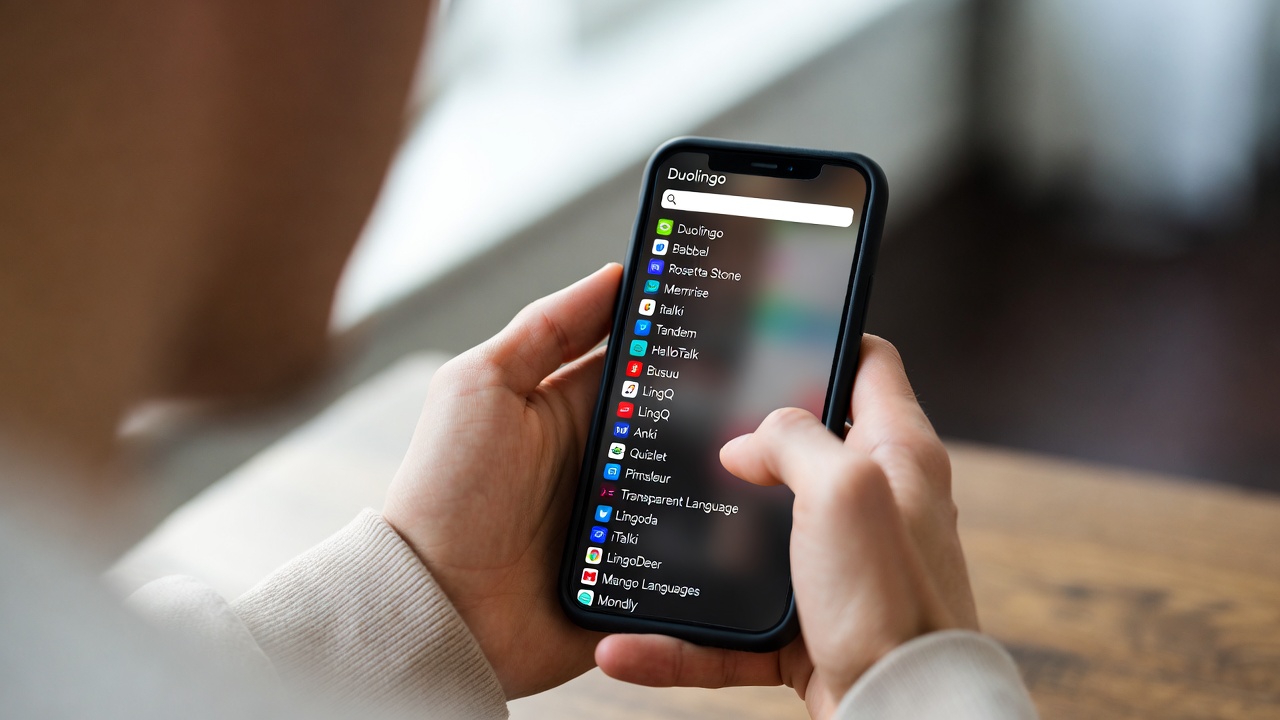
There is something profoundly moving about hearing your grandmother’s lullabies. Or understanding the jokes your grandfather tells at family gatherings. Heritage languages connect us to our roots in ways that transcend mere communication. They carry stories, traditions, and the collective memory of our ancestors.
Yet millions of people around the world have lost touch with their heritage languages. Migration, assimilation pressures, and generational gaps have created what linguists call “language attrition.” The good news? Technology has made reconnecting with your ancestral tongue easier than ever before.
In this comprehensive guide, we explore the best apps and resources to learn your heritage language in 2024 and beyond. Whether you’re a second-generation immigrant wanting to speak your parents’ language or someone tracing their roots through linguistic reconnection, this post will help you find the perfect tools for your journey.
Why Learning Your Heritage Language Matters for Cultural Identity
Before diving into apps and resources, let’s understand why this matters. Heritage language preservation isn’t just about communication. It’s about identity.
Research from the Modern Language Association shows that heritage language speakers often experience:
- Stronger family bonds across generations
- Enhanced cognitive flexibility and mental health benefits
- Deeper cultural understanding and sense of belonging
- Career advantages in our globalized economy
- Preservation of endangered languages for future generations
The UNESCO Atlas of the World’s Languages in Danger estimates that nearly half of the world’s 7,000 languages may disappear by the end of this century. Every person who reconnects with their heritage language becomes a guardian of human cultural diversity.
Key insight: Learning your heritage language is not just a personal journey—it’s an act of cultural preservation.
Best Language Learning Apps for Heritage Language Speakers in 2024
The digital revolution has transformed how we approach language learning. Here are the top-rated language learning apps that offer excellent support for heritage language learners.
Duolingo: The Most Popular Free Language Learning App
Duolingo remains the world’s most downloaded language learning application. With over 500 million users worldwide, it offers courses in more than 40 languages.
Why Duolingo works for heritage learners:
- Gamified approach keeps motivation high
- Bite-sized lessons fit into busy schedules
- Speech recognition helps with pronunciation
- Stories and podcasts provide cultural context
- Free tier offers substantial content
Languages available: Spanish, French, German, Italian, Portuguese, Chinese, Japanese, Korean, Arabic, Hindi, Russian, Polish, Ukrainian, Vietnamese, and many more.
Best for: Beginners and intermediate learners who want a fun, consistent daily practice.
| Feature | Free Version | Super Duolingo |
|---|---|---|
| All lessons | ✓ | ✓ |
| Ad-free experience | ✗ | ✓ |
| Unlimited hearts | ✗ | ✓ |
| Progress tracking | Basic | Advanced |
| Offline access | ✗ | ✓ |
| Monthly cost | $0 | $12.99 |
Babbel: Best Structured Curriculum for Heritage Language Learning
Babbel takes a more traditional approach to language education. Developed by over 150 linguists and language experts, it offers structured, conversation-focused courses.
Why heritage learners love Babbel:
- Real-world conversation skills from day one
- Cultural insights woven into lessons
- Review sessions that reinforce learning
- Speech recognition technology for accent improvement
- Grammar explanations in your native language
Languages available: Spanish, French, German, Italian, Portuguese, Russian, Polish, Turkish, Dutch, Swedish, Norwegian, Danish, and Indonesian.
Best for: Learners who prefer structured curricula and want to quickly develop conversational skills.
Pro tip: Babbel offers a lifetime subscription option that provides exceptional value for committed heritage language learners.
Pimsleur: Audio-Based Language Learning for Busy Heritage Speakers
Pimsleur pioneered the audio-based language learning method. This approach is perfect for heritage learners who want to improve listening comprehension and speaking skills without screen time.
The Pimsleur Method advantages:
- Scientifically-designed spaced repetition system
- Audio-first approach mimics natural language acquisition
- 30-minute lessons fit into commutes or workouts
- Native speaker recordings ensure authentic pronunciation
- Over 50 languages available
Languages available: Mandarin Chinese, Cantonese, Japanese, Korean, Vietnamese, Tagalog, Hindi, Arabic (Eastern and Modern Standard), Hebrew, Greek, Polish, Russian, Ukrainian, and dozens more.
Best for: Heritage learners who remember hearing their language but need to activate passive knowledge into active speaking ability.
Rosetta Stone: Immersive Heritage Language Learning Experience
Rosetta Stone pioneered the immersive approach to language learning. Their method avoids translation and instead teaches through visual association and contextual learning.
Why it works for heritage learners:
- TruAccent speech recognition provides instant pronunciation feedback
- No translation required builds native-like thinking patterns
- Live tutoring options with native speakers
- Phrasebook for practical, real-world expressions
- Stories feature develops reading comprehension
Languages available: 25 languages including Spanish, French, German, Italian, Chinese, Japanese, Korean, Arabic, Hindi, Hebrew, Polish, Russian, and more.
Best for: Learners who want to develop intuitive language skills without relying on translation.
italki: Connect with Native-Speaking Heritage Language Tutors
italki isn’t just an app—it’s a global marketplace connecting learners with native-speaking tutors. For heritage language learners, this personal connection is invaluable.
What makes italki special:
- One-on-one lessons with certified teachers or community tutors
- Flexible scheduling across time zones
- Affordable rates starting from $5/hour for some languages
- Trial lessons to find the right teacher
- Language exchange partners for free practice
Languages available: Over 150 languages, including rare and endangered heritage languages.
Best for: Intermediate to advanced heritage learners who want personalized instruction and cultural conversation.
Heritage language tip: Search for tutors from your family’s specific region. A tutor from Oaxaca, Mexico will teach different vocabulary and expressions than one from Buenos Aires, Argentina—even though both teach Spanish.
Specialized Apps for Specific Heritage Language Families
While mainstream apps cover popular languages, heritage learners often need specialized resources for less commonly taught languages.
Best Apps for Learning Asian Heritage Languages
HelloChinese and ChineseSkill for Mandarin Learners
For heritage speakers reconnecting with Mandarin Chinese, specialized apps offer advantages over general platforms.
HelloChinese provides:
- HSK-aligned curriculum (official Chinese proficiency test)
- Character writing practice with stroke order
- Tone training essential for heritage speakers
- Dialect options including Cantonese introduction
ChineseSkill offers:
- Simplified and Traditional character options
- Pinyin support that can be gradually removed
- Cultural stories and context
- Game-based learning for all ages
Japanese Heritage Language Learning Apps
WaniKani focuses on kanji and vocabulary learning through mnemonics and spaced repetition. Perfect for heritage speakers who understand spoken Japanese but struggle with reading.
Bunpo provides:
- Grammar-focused lessons often lacking in other apps
- JLPT preparation materials
- Clear explanations in English
- Progress tracking across grammar points
Korean Heritage Language Resources
Talk To Me In Korean offers:
- Free podcast lessons covering beginner to advanced
- Cultural context woven into every lesson
- Textbook series for structured learning
- Community forums for questions
Lingodeer provides excellent Korean courses with:
- Hangul (Korean alphabet) systematic instruction
- Grammar explanations designed for English speakers
- Native speaker audio for proper pronunciation
- Review games for retention
Best Resources for Learning South Asian Heritage Languages
Hindi and Urdu Learning Platforms
Hindi and Urdu share spoken similarities but differ in script. Heritage learners need resources that address their specific needs.
HindiPod101 provides:
- Audio and video lessons at all levels
- Devanagari script instruction
- Cultural insights about Indian customs
- Survival phrases for heritage speakers visiting India
Rekhta is essential for Urdu heritage learners:
- Poetry and literature in Nastaliq script
- Dictionary with audio pronunciations
- Learning tools for script acquisition
- Cultural preservation mission
Tamil, Telugu, and Other South Indian Languages
For Dravidian language heritage speakers, resources are more limited but growing:
- Ling App offers Tamil, Telugu, and Kannada courses
- uTalk provides basic vocabulary for multiple Indian languages
- 50Languages offers free audio lessons
Heritage Language Learning Resources for African Languages
African heritage languages present unique challenges due to linguistic diversity—the continent is home to over 2,000 languages.
Swahili Learning Apps and Resources
Swahili (Kiswahili) is one of the most widely spoken African languages with growing digital resources:
- Duolingo offers a comprehensive Swahili course
- Mango Languages provides cultural context alongside language instruction
- SwahiliPod101 offers podcast-style lessons
Yoruba, Igbo, and Nigerian Heritage Languages
For Nigerian heritage languages, community-driven resources are invaluable:
- Yoruba101 offers structured courses
- IgboAPI provides dictionary and pronunciation resources
- YouTube channels like “Learn Yoruba with Taiwo” offer free video lessons
Amharic and Ethiopian Heritage Languages
Amharic speakers can access:
- Amharic101 for structured learning
- Ge’ez script learning resources
- Ethiopian cultural content on various platforms
Free Online Resources for Heritage Language Learners
Not everyone can afford premium subscriptions. Fortunately, excellent free resources exist for heritage language learning.
YouTube Channels for Heritage Language Learning
YouTube has become the world’s largest free language learning platform. Here are channels organized by language family:
| Language | Recommended Channels | Subscribers |
|---|---|---|
| Spanish | Butterfly Spanish, SpanishPod101 | 3M+, 1.5M+ |
| Mandarin | ChinesePod, Yoyo Chinese | 500K+, 1M+ |
| Japanese | Japanese Ammo with Misa, JapanesePod101 | 1.5M+, 800K+ |
| Korean | Korean Unnie, TTMIK | 1M+, 500K+ |
| Arabic | ArabicPod101, Learn Arabic with Maha | 800K+, 700K+ |
| Hindi | HindiPod101, Learn Hindi with Anil Mahato | 500K+, 300K+ |
Pro tip: Create a dedicated YouTube playlist for your heritage language and commit to watching at least 15 minutes daily.
Podcast Resources for Heritage Language Immersion
Podcasts provide passive immersion that heritage learners can integrate into daily routines.
Top heritage language learning podcasts:
- Coffee Break Languages (Spanish, French, German, Italian, Chinese)
- LanguagePod101 series (available for 34+ languages)
- News in Slow (Spanish, French, German, Italian)
- Culips English Podcast (for those with English as heritage language)
- InnerFrench (for French heritage speakers)
Native content podcasts are equally valuable:
- Find podcasts in your heritage language on Apple Podcasts, Spotify, or regional platforms
- Start with slower-paced content like storytelling or interviews
- Use transcripts when available to support comprehension
Government and University Heritage Language Programs
Many governments and universities offer free or subsidized heritage language resources:
United States:
- UCLA Language Materials Project offers teaching materials for 150+ languages
- Center for Applied Linguistics provides heritage language education research
- Startalk funds summer heritage language programs
International:
- Confucius Institute offers Chinese language resources globally
- Goethe-Institut provides German language learning worldwide
- Instituto Cervantes supports Spanish heritage speakers
- Alliance Française offers French language programs
Community-Based Heritage Language Learning Strategies
Technology alone isn’t enough. Community connection accelerates heritage language learning exponentially.
Finding Heritage Language Speaking Communities Near You
Local community resources often provide the richest heritage language learning environments:
- Cultural centers and ethnic associations
- Religious institutions (churches, temples, mosques conducting services in heritage languages)
- Heritage language Saturday schools
- Local meetup groups (check Meetup.com)
- University cultural clubs
Online communities supplement local connections:
- Reddit language learning communities (r/languagelearning, r/Spanish, r/Korean, etc.)
- Discord servers for language exchange
- Facebook groups for specific diaspora communities
- HelloTalk and Tandem apps for conversation partners
Heritage Language Immersion Through Cultural Activities
Learning through culture keeps motivation high and provides authentic context:
| Activity | Heritage Language Benefit |
|---|---|
| Cooking traditional recipes | Food vocabulary, family connection |
| Watching films and TV | Listening skills, cultural context |
| Listening to music | Pronunciation, slang, emotional vocabulary |
| Reading folktales | Literary language, cultural values |
| Celebrating festivals | Ceremonial vocabulary, traditions |
| Family storytelling sessions | Dialect preservation, personal history |
How to Create a Heritage Language Learning Plan That Works
Consistency beats intensity in heritage language learning. Here’s how to create a sustainable plan.
Setting Realistic Heritage Language Learning Goals
SMART goals work for language learning:
- Specific: “I will learn 50 food-related words in Vietnamese”
- Measurable: “I will complete one Duolingo unit daily”
- Achievable: “I will have a 5-minute conversation with my grandmother”
- Relevant: “I will learn phrases for our family reunion”
- Time-bound: “I will achieve conversational fluency in 6 months”
Daily Heritage Language Practice Routine
A sample 30-minute daily routine:
| Time | Activity | Resource |
|---|---|---|
| 5 min | Vocabulary review | Anki or Quizlet flashcards |
| 10 min | App lesson | Duolingo, Babbel, or Pimsleur |
| 10 min | Listening practice | Podcast or YouTube video |
| 5 min | Speaking practice | Record yourself or talk to family |
Weekly additions:
- One 30-60 minute tutoring session via italki
- One cultural activity (movie, cooking, music)
- One family conversation in heritage language
Overcoming Common Heritage Language Learning Challenges
Heritage language learners face unique challenges compared to foreign language learners.
Dealing with Mixed Language Levels
Many heritage speakers have uneven skills:
- Strong listening comprehension, weak speaking
- Good pronunciation, limited vocabulary
- Conversational ability, no literacy
Solutions:
- Take placement tests to identify your actual level
- Focus on weaker areas while maintaining strengths
- Use “heritage learner” tracks when available (some apps and courses offer these)
- Don’t be discouraged by mixing levels—it’s completely normal
Managing Family Expectations and Dynamics
Family can be both motivation and pressure. Heritage learners sometimes feel:
- Shame about lost language skills
- Frustration when family members correct them
- Pressure to learn faster than realistic
Healthy approaches:
- Communicate your goals to family members
- Ask for patient conversation partners rather than constant correction
- Celebrate small victories publicly
- Remember that any progress honors your heritage
Finding Time for Heritage Language Learning
Busy schedules challenge all adult learners. Integration strategies help:
- Commute time: Podcasts, audio lessons
- Household chores: Listen to heritage language music or radio
- Waiting time: Mobile app lessons
- Exercise: Pimsleur or podcast episodes
- Before bed: Reading practice or flashcard review
Technology Tools to Accelerate Heritage Language Learning
Beyond apps, additional technology can supercharge your progress.
Flashcard Apps for Heritage Language Vocabulary
Anki is the gold standard:
- Free (desktop and Android, paid iOS)
- Spaced repetition algorithm optimizes review timing
- Pre-made decks available for many languages
- Custom decks for personal vocabulary
- Media support for audio and images
Quizlet offers:
- User-friendly interface
- Community-created study sets
- Learning games for engagement
- Progress tracking
Browser Extensions for Heritage Language Immersion
Transform your internet browsing into language practice:
- Language Learning with Netflix/YouTube adds dual subtitles and vocabulary tools
- Toucan teaches vocabulary by replacing words on websites
- Readlang helps read web content with instant translation
- Language Reactor (formerly Language Learning with Netflix) provides advanced subtitle features
AI and Technology for Heritage Language Practice
Artificial intelligence is revolutionizing language learning:
- ChatGPT and Claude can provide conversation practice and explanations
- Google Translate (improved but use cautiously) for quick reference
- Speech-to-text tools help check pronunciation
- AI writing assistants provide feedback on written work
Special Considerations for Endangered Heritage Languages
Some heritage learners are working to preserve endangered or minority languages. These efforts require special strategies.
Resources for Endangered Language Preservation
Organizations supporting endangered languages:
- Endangered Languages Project catalogs and provides resources
- First Voices supports Indigenous language revitalization
- Living Tongues Institute creates talking dictionaries
- Wikitongues archives and supports language communities
Creating Heritage Language Resources for Future Generations
If resources for your heritage language are limited, consider contributing:
- Record elders speaking and telling stories
- Document vocabulary and phrases
- Create flashcard decks to share with others
- Start a YouTube channel or podcast
- Write children’s books in your heritage language
- Develop curriculum for future learners
Measuring Progress in Heritage Language Learning
Tracking progress maintains motivation and identifies areas needing attention.
Language Proficiency Standards and Tests
Formal assessments provide benchmarks:
| Framework | Languages Covered | Description |
|---|---|---|
| CEFR (A1-C2) | European languages | Common European Framework |
| ACTFL | Multiple | American Council scale |
| HSK | Chinese | Official Chinese proficiency |
| JLPT | Japanese | Japanese Language Proficiency Test |
| TOPIK | Korean | Test of Proficiency in Korean |
| DELE | Spanish | Official Spanish certification |
Self-Assessment Methods
Regular self-evaluation helps track informal progress:
- Record yourself speaking monthly and compare over time
- Keep a language journal noting new words and expressions learned
- Test comprehension with native content at regular intervals
- Track conversation duration in heritage language
- Monitor family feedback on your improvement
Success Stories: Heritage Language Learners Who Reconnected with Their Roots
Real stories inspire and guide. Here are common patterns among successful heritage language learners:
Pattern 1: The Gradual Rebuilder
Started with apps, progressed to tutoring, now speaks fluently with grandparents. Key: Consistency over intensity.
Pattern 2: The Immersion Seeker
Spent time in heritage country, combined with structured learning before and after. Key: Real-world application.
Pattern 3: The Community Connector
Found local heritage community, learned through cultural activities and relationships. Key: Social motivation.
Pattern 4: The Family Collaborator
Learned alongside children or taught children, reinforcing skills through teaching. Key: Intergenerational learning.
Conclusion: Your Heritage Language Journey Starts Today
Reconnecting with your heritage language is one of the most meaningful journeys you can undertake. It bridges generations, preserves culture, and enriches your identity.
The resources available today are unprecedented. From free apps like Duolingo to personalized tutoring on italki, from YouTube channels to AI conversation partners, you have more tools than any previous generation of heritage language learners.
Key takeaways for your heritage language learning journey:
- Start with clear motivation — know why this matters to you
- Choose appropriate tools — match apps and resources to your needs
- Build consistent habits — 30 minutes daily beats 4 hours weekly
- Connect with community — language lives through people
- Embrace imperfection — progress matters more than perfection
- Integrate culture — language and culture are inseparable
- Celebrate milestones — every conversation is a victory
Your ancestors’ language carries their wisdom, humor, and worldview. Every word you learn is a bridge across time. Every conversation you have in your heritage language honors those who came before and gifts something precious to those who will come after.
The apps are downloaded. The resources are bookmarked. The only question remaining is: When will you begin?
Have you reconnected with your heritage language? Share your journey and favorite resources in the comments below. Your experience could inspire another heritage language learner to start their journey.
Additional Resources and Quick Reference
Top 10 Heritage Language Learning Apps Summary
| App | Best For | Price | Languages |
|---|---|---|---|
| Duolingo | Beginners, gamified learning | Free/$12.99/mo | 40+ |
| Babbel | Structured conversation skills | $14.99/mo | 14 |
| Pimsleur | Audio learners, pronunciation | $19.95/mo | 50+ |
| Rosetta Stone | Immersive learning | $11.99/mo | 25 |
| italki | Personal tutoring | Varies | 150+ |
| HelloChinese | Chinese heritage speakers | Free/$9.99/mo | 1 |
| Talk To Me In Korean | Korean heritage speakers | Free/Premium | 1 |
| Anki | Vocabulary retention | Free | All |
| Language Reactor | Media immersion | Free/Premium | Multiple |
| Tandem | Conversation exchange | Free/Premium | 300+ |
Recommended Learning Path
Months 1-3: Foundation
- Daily app practice (Duolingo, Babbel, or language-specific app)
- Listening practice with podcasts
- Learn script if applicable
Months 4-6: Expansion
- Add tutoring sessions (italki)
- Begin consuming native content
- Start conversations with family
Months 7-12: Fluency Building
- Increase native content consumption
- Regular conversation practice
- Consider immersion experience
- Take proficiency test