
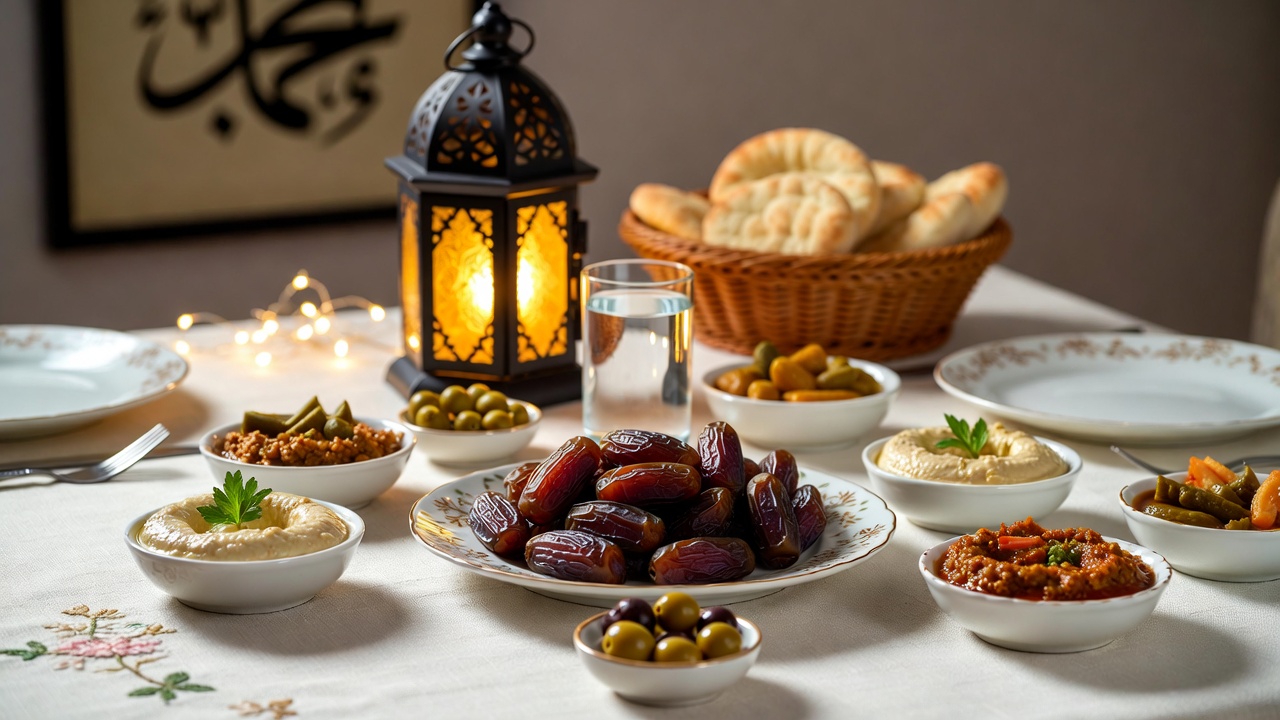
The call to prayer echoes across rooftops as the sun dips below the horizon. Families gather around tables laden with steaming dishes, children fidget with anticipation, and the aroma of spiced lamb, fresh dates, and rose-scented drinks fills the air. This is Iftar—the sacred moment when Muslims around the world break their Ramadan fast together.
As someone who has spent two decades traveling the globe documenting festivals and food customs, I can tell you that few culinary experiences match the profound beauty of an Iftar table. It represents more than sustenance after a day of abstaining from food and drink. It embodies gratitude, community, spirituality, and centuries of culinary heritage passed down through generations.
Whether you are observing Ramadan yourself, cooking for loved ones who are fasting, or simply curious about this remarkable tradition, this comprehensive guide will walk you through the best Iftar recipes to prepare at the start of Ramadan. We will explore dishes from Morocco to Malaysia, uncover the nutritional wisdom behind traditional Iftar foods, and provide you with authentic recipes that honor the spirit of this holy month.
What is Iftar and Why Does It Matter During Ramadan?
Iftar (إفطار) is the evening meal that breaks the daily fast during the Islamic holy month of Ramadan. The word itself comes from the Arabic root f-t-r, meaning “to break” or “to open.” From dawn (Fajr) until sunset (Maghrib), Muslims abstain from food, drink, and other physical needs as an act of worship, self-discipline, and empathy with those less fortunate.
The timing of Iftar varies based on geographic location and the lunar calendar. In 2024, Ramadan began around March 10th in most regions, though the exact date depends on moon sighting by local Islamic authorities. According to the Islamic Society of North America (ISNA), the practice of communal moon sighting continues to unite Muslim communities in shared anticipation.
Breaking the fast is not taken lightly. The Prophet Muhammad (peace be upon him) recommended breaking the fast with dates and water—a tradition observed by millions to this day. The simplicity of this first bite carries deep spiritual meaning: it represents gratitude for what one has, humility before God, and a reminder that the best sustenance is often the simplest.
But Iftar extends far beyond dates. Across the Muslim world, families prepare elaborate spreads featuring soups, appetizers, main courses, and desserts that reflect local ingredients, historical trade routes, and generations of culinary innovation.
The Spiritual and Nutritional Significance of Traditional Iftar Foods
Before we dive into recipes, understanding why certain foods dominate Iftar tables will help you appreciate their role. Traditional Iftar dishes are not arbitrary—they represent accumulated wisdom about how to nourish the body after a day without food.
Why Dates Are the Best Food to Break Your Fast
Dates hold a special place in Islamic tradition. The Prophet Muhammad specifically recommended them for breaking the fast, and modern nutritional science validates this ancient advice.
| Nutrient | Amount per 100g of Medjool Dates | Benefit for Fasting |
|---|---|---|
| Natural Sugars | 66g | Quickly replenishes glucose levels depleted during fasting |
| Dietary Fiber | 6.7g | Promotes digestive health and prevents overeating |
| Potassium | 696mg | Restores electrolyte balance lost through the day |
| Magnesium | 54mg | Supports muscle function and prevents cramping |
| Iron | 0.9mg | Combats fatigue common during fasting |
According to research published by the Harvard T.H. Chan School of Public Health, dates provide a concentrated source of energy while their fiber content prevents the blood sugar spikes that can occur when eating refined sugars on an empty stomach.
Why Soups Are Essential for Healthy Iftar Meals
Walk into any home during Ramadan, from Cairo to Kuala Lumpur, and you will find soup on the table. This is no coincidence.
After a full day without liquids, the body needs gentle rehydration. Heavy, solid foods consumed immediately can overwhelm the digestive system. Soups bridge this gap beautifully—they provide fluids, electrolytes, and easily digestible nutrients that prepare the stomach for the larger meal to follow.
Some of the most beloved Iftar soups include:
- Harira (Morocco) – A hearty tomato-based soup with lentils, chickpeas, and lamb
- Shorba Adas (Middle East) – Red lentil soup with cumin and lemon
- Soto Ayam (Indonesia) – Turmeric-spiced chicken soup with rice vermicelli
- Chorba Frik (Algeria) – Cracked wheat soup with lamb and fresh herbs
These soups share common nutritional themes: protein, complex carbohydrates, and aromatic spices that aid digestion.
Best Iftar Recipes from the Middle East: Authentic Arabian Flavors
The Arabian Peninsula and Levant region have shaped Iftar traditions for centuries. These recipes represent the heart of Middle Eastern Ramadan cuisine.
Authentic Harira Recipe: Morocco’s Most Famous Ramadan Soup
Harira is perhaps the most iconic Iftar dish in the world. In Morocco, this soup is inseparable from Ramadan—homes, restaurants, and street vendors all prepare their own versions as the sun sets.
What makes Harira special is its perfect balance. The tomato base provides acidity, the lentils and chickpeas offer protein and fiber, the lamb adds richness, and the fresh herbs brighten everything. A final addition of tedouira (a flour and water mixture) gives the soup its characteristic silky texture.
Ingredients (serves 8-10):
- 500g lamb shoulder, cubed into small pieces
- 200g dried chickpeas, soaked overnight
- 200g green or brown lentils
- 1 large onion, finely grated
- 4 ripe tomatoes, grated (or 400g canned crushed tomatoes)
- 2 celery stalks with leaves, finely chopped
- 1 large bunch fresh cilantro, chopped
- 1 large bunch fresh parsley, chopped
- 100g vermicelli noodles (or angel hair pasta, broken)
- 2 tablespoons tomato paste
- 1 teaspoon ground ginger
- 1 teaspoon ground turmeric
- 1 teaspoon ground cinnamon
- 1/2 teaspoon freshly ground black pepper
- 1/4 teaspoon saffron threads (optional)
- 60g all-purpose flour
- 2 tablespoons butter or olive oil
- 3 liters water
- Salt to taste
- Lemon wedges and fresh dates for serving
Instructions:
- Prepare the base: In a large pot, heat the butter or olive oil over medium heat. Add the grated onion and cook until softened, about 5 minutes. Add the lamb cubes and brown on all sides.
- Add aromatics: Stir in the ginger, turmeric, cinnamon, black pepper, and saffron. Toast the spices for 1 minute until fragrant.
- Build the soup: Add the grated tomatoes, tomato paste, drained chickpeas, celery, and half of the fresh herbs. Pour in the water and bring to a boil. Reduce heat, cover partially, and simmer for 1 hour.
- Add lentils: Add the lentils and continue simmering for another 30 minutes until both chickpeas and lentils are tender.
- Prepare the tedouira: In a small bowl, whisk the flour with 250ml cold water until completely smooth with no lumps.
- Finish the soup: Add the vermicelli noodles to the pot. Slowly pour in the tedouira while stirring constantly. Continue stirring for 5-7 minutes as the soup thickens. Add the remaining fresh herbs and season with salt to taste.
- Serve: Ladle into bowls and serve immediately with lemon wedges on the side and fresh dates.
Cultural Note: In Morocco, Harira is traditionally accompanied by chebakia (honey-coated sesame cookies) and dates stuffed with almond paste. The combination of savory soup and sweet accompaniments creates a complete Iftar experience.
Classic Fattoush Salad Recipe: Perfect Light Iftar Starter
Every Iftar table needs freshness, and Fattoush delivers exactly that. This Levantine bread salad originated in Lebanon and Syria, where resourceful cooks transformed stale pita bread into a crispy, tangy masterpiece.
Unlike its cousin Fattoush, which wilts quickly, proper Fattoush is meant to have textural contrast—crispy fried pita against juicy tomatoes and crunchy vegetables, all tied together by a sumac-spiked dressing.
Ingredients (serves 6):
- 2 large pita breads, split and cut into bite-sized pieces
- 1 romaine lettuce heart, chopped
- 2 cups mixed baby greens
- 3 medium tomatoes, diced
- 1 English cucumber, halved and sliced
- 6 radishes, thinly sliced
- 1 small red onion, thinly sliced
- 1/2 cup fresh mint leaves, torn
- 1/2 cup fresh parsley, roughly chopped
- 1/4 cup fresh purslane leaves (optional but traditional)
For the Dressing:
- 4 tablespoons extra virgin olive oil
- 3 tablespoons fresh lemon juice
- 1 tablespoon pomegranate molasses
- 2 cloves garlic, minced
- 2 teaspoons ground sumac, plus more for garnish
- 1/2 teaspoon dried mint
- Salt and freshly ground pepper to taste
Instructions:
- Fry the pita: Heat 1/4 inch of vegetable oil in a skillet over medium-high heat. Fry the pita pieces in batches until golden and crispy, about 2-3 minutes per batch. Transfer to paper towels to drain. Season immediately with a pinch of salt.
- Make the dressing: Whisk together the olive oil, lemon juice, pomegranate molasses, garlic, sumac, dried mint, salt, and pepper in a small bowl. Set aside.
- Assemble the salad: In a large serving bowl, combine the lettuce, greens, tomatoes, cucumber, radishes, and red onion. Add the fresh mint and parsley.
- Dress and serve: Just before serving, drizzle the dressing over the vegetables and toss gently. Add the fried pita pieces and toss again briefly. Sprinkle additional sumac on top and serve immediately.
Pro Tip: The key to perfect Fattoush is timing. Add the pita at the very last moment to preserve its crunch. If you prefer a softer texture, let the salad sit for 5 minutes after adding the bread.
Authentic Lamb Shawarma Recipe for Iftar Main Course
Shawarma represents the pinnacle of Middle Eastern street food, and during Ramadan, it transforms into a beloved Iftar centerpiece. While traditional shawarma requires a vertical rotisserie, this home version captures the same flavors using your oven.
The magic of shawarma lies in its marinade—a complex blend of warm spices, tangy yogurt, and aromatic garlic that tenderizes the meat while infusing it with flavor.
Ingredients (serves 8):
For the Lamb:
- 2kg boneless lamb leg or shoulder, thinly sliced
- 1 cup full-fat Greek yogurt
- 4 tablespoons olive oil
- 6 garlic cloves, minced
- 2 tablespoons ground cumin
- 2 tablespoons ground coriander
- 1 tablespoon ground turmeric
- 1 tablespoon smoked paprika
- 1 teaspoon ground cardamom
- 1/2 teaspoon ground cinnamon
- 1/2 teaspoon ground cloves
- 1/4 teaspoon cayenne pepper
- Juice of 2 lemons
- Salt and black pepper to taste
For Serving:
- Fresh pita bread or Arabic flatbread
- Tahini sauce
- Pickled turnips and cucumbers
- Fresh tomatoes, sliced
- Fresh parsley
- Sliced onions
- Sumac
Instructions:
- Prepare the marinade: In a large bowl, combine the yogurt, olive oil, garlic, all spices, lemon juice, salt, and pepper. Mix thoroughly until smooth.
- Marinate the lamb: Add the sliced lamb to the marinade, ensuring every piece is well coated. Cover and refrigerate for at least 4 hours, preferably overnight.
- Prepare for cooking: Remove the lamb from the refrigerator 30 minutes before cooking. Preheat your oven to 220°C (425°F) with a rack in the upper third.
- Cook the lamb: Line a large baking sheet with parchment paper. Spread the lamb slices in a single layer (work in batches if needed). Roast for 15-20 minutes until the edges are caramelized and slightly charred.
- Rest and serve: Let the lamb rest for 5 minutes, then slice against the grain into thin strips. Serve immediately in warm pita with tahini, pickled vegetables, fresh tomatoes, parsley, onions, and a generous sprinkle of sumac.
Authentic Touch: For the most traditional presentation, stack the lamb slices tightly on a vertical skewer before cooking. As the outer layers cook, slice them off and continue roasting the inner layers.
Traditional South Asian Iftar Recipes: Pakistani and Indian Favorites
South Asia has one of the world’s largest Muslim populations, and the subcontinent’s Iftar traditions reflect centuries of Mughal influence, regional diversity, and culinary innovation. These recipes are staples from Pakistan to India.
Authentic Chicken Pakora Recipe: Crispy Ramadan Fritters
Pakoras are synonymous with Ramadan in South Asia. These crispy fritters appear on virtually every Iftar table, offering a satisfying crunch and bold flavors that awaken the palate after a day of fasting.
The secret to exceptional pakoras lies in the batter. Too thick, and the fritters become heavy. Too thin, and they fall apart. The perfect batter clings to the chicken while creating an airy, shatteringly crisp exterior.
Ingredients (makes about 25 pakoras):
- 500g boneless chicken breast, cut into bite-sized pieces
- 1 cup chickpea flour (besan)
- 2 tablespoons rice flour
- 1/2 teaspoon baking soda
- 1 teaspoon cumin seeds
- 1 teaspoon coriander seeds, lightly crushed
- 1 teaspoon red chili powder
- 1/2 teaspoon turmeric powder
- 1 teaspoon chaat masala
- 1/2 teaspoon ajwain (carom seeds)
- 1 inch fresh ginger, grated
- 3 green chilies, finely chopped
- 1/4 cup fresh cilantro, chopped
- Salt to taste
- Approximately 1/2 cup cold water
- Oil for deep frying
Instructions:
- Marinate the chicken: Season the chicken pieces with salt, turmeric, and a squeeze of lemon juice. Set aside for 15 minutes.
- Prepare the batter: In a large bowl, combine the chickpea flour, rice flour, baking soda, cumin seeds, coriander seeds, chili powder, chaat masala, ajwain, ginger, green chilies, and cilantro. Mix well.
- Add water gradually: Add cold water slowly while mixing until you achieve a thick, paste-like consistency that coats the back of a spoon. The batter should not be runny.
- Coat the chicken: Add the marinated chicken pieces to the batter and mix until each piece is thoroughly coated.
- Fry to perfection: Heat oil in a deep kadhai or heavy-bottomed pot to 175°C (350°F). Carefully drop battered chicken pieces into the hot oil, working in batches to avoid overcrowding. Fry for 4-5 minutes, turning occasionally, until deep golden brown and cooked through.
- Drain and serve: Remove pakoras with a slotted spoon and drain on paper towels. Serve immediately with green chutney (mint-cilantro) and tamarind chutney.
Variation: For vegetable pakoras, substitute the chicken with thinly sliced onions, potatoes, spinach, or cauliflower florets.
Authentic Dahi Vada Recipe: Lentil Dumplings in Spiced Yogurt
Dahi Vada (also spelled Dahi Bhalla) is a cooling, tangy dish that provides perfect contrast to the fried items typical of Iftar. These soft lentil dumplings soaked in creamy yogurt are topped with sweet and spicy chutneys, creating a symphony of flavors in every bite.
Ingredients (serves 6-8):
For the Vadas:
- 1 cup urad dal (split black gram), soaked for 4-6 hours
- 1/2 teaspoon cumin seeds
- 1/4 teaspoon asafoetida (hing)
- 1/2 teaspoon baking soda
- Salt to taste
- Oil for deep frying
For the Yogurt Mixture:
- 3 cups plain yogurt, whisked smooth
- 1/2 cup milk
- 2 tablespoons sugar
- 1 teaspoon roasted cumin powder
- 1/2 teaspoon black salt
- Salt to taste
For Toppings:
- Tamarind chutney (sweet)
- Green chutney (spicy)
- Roasted cumin powder
- Red chili powder
- Fresh cilantro, chopped
- Sev (crispy chickpea noodles)
Instructions:
- Prepare the dal: Drain the soaked urad dal and grind to a smooth, fluffy paste using minimal water. The batter should be thick enough to hold its shape. Beat the batter vigorously by hand or with an electric mixer for 3-4 minutes until light and airy.
- Season the batter: Mix in the cumin seeds, asafoetida, baking soda, and salt.
- Fry the vadas: Heat oil to 170°C (340°F). Wet your hands and shape the batter into small balls. Gently drop them into the hot oil and fry until golden brown on all sides, about 4-5 minutes. Drain on paper towels.
- Soak the vadas: Bring a large pot of water to a boil, then turn off the heat. Add the fried vadas and let them soak for 10 minutes. Gently squeeze out excess water with your palms without breaking them.
- Prepare the yogurt: Whisk together the yogurt, milk, sugar, cumin powder, black salt, and regular salt until smooth.
- Assemble: Place the soaked vadas in a serving dish. Pour the seasoned yogurt over them, ensuring they are well covered. Refrigerate for at least 1 hour.
- Serve: Drizzle generously with both chutneys. Sprinkle with cumin powder, chili powder, cilantro, and sev. Serve chilled.
Best Chicken Biryani Recipe for Iftar Family Dinners
Biryani is the crown jewel of South Asian cuisine, and during Ramadan, it takes center stage at Iftar gatherings. This layered rice dish—fragrant with saffron, spices, and tender meat—is both celebration and comfort in a single pot.
Making authentic biryani requires patience and multiple steps, but the result is worth every moment. The technique of dum (slow cooking under a sealed lid) allows the rice and meat to exchange flavors while retaining their individual character.
Ingredients (serves 8-10):
For the Rice:
- 500g basmati rice, soaked for 30 minutes
- 2 bay leaves
- 4 green cardamom pods
- 4 cloves
- 1 cinnamon stick
- 1 teaspoon salt
- Water for boiling
For the Chicken:
- 1kg chicken pieces (bone-in, skin-on)
- 1 cup plain yogurt
- 2 large onions, thinly sliced and fried until golden (birista)
- 4 tablespoons ginger-garlic paste
- 2 tomatoes, puréed
- 3 green chilies, slit
- 1/2 cup fresh mint leaves
- 1/2 cup fresh cilantro, chopped
- 2 teaspoons biryani masala
- 1 teaspoon garam masala
- 1 teaspoon red chili powder
- 1/2 teaspoon turmeric
- 4 tablespoons ghee
- Salt to taste
For Layering:
- 1/4 teaspoon saffron threads soaked in 1/4 cup warm milk
- 2 tablespoons ghee
- 1 tablespoon rose water
- 1 tablespoon kewra water (optional)
- Fried onions for garnish
- Fresh mint and cilantro
Instructions:
- Marinate the chicken: Combine the chicken with yogurt, half the fried onions, ginger-garlic paste, tomato purée, green chilies, half the mint and cilantro, all spices, 2 tablespoons ghee, and salt. Mix well and marinate for at least 2 hours, preferably overnight.
- Cook the chicken: In a heavy-bottomed pot (use a thick pot that retains heat well), cook the marinated chicken over medium heat until nearly cooked through and the gravy has reduced, about 25-30 minutes.
- Parboil the rice: Bring a large pot of water to boil with bay leaves, cardamom, cloves, cinnamon, and salt. Add the soaked and drained rice. Cook until the rice is 70% done (it should have a bite in the center). Drain immediately.
- Layer the biryani: Spread the cooked chicken evenly in the pot. Layer the parboiled rice on top. Drizzle with saffron milk, remaining ghee, rose water, and kewra water. Scatter remaining mint, cilantro, and fried onions on top.
- Seal and cook (dum): Cover the pot with aluminum foil, then place a tight-fitting lid on top. Cook on high heat for 3 minutes to build steam, then reduce to the lowest heat setting and cook for 25-30 minutes.
- Rest and serve: Turn off the heat and let the biryani rest for 10 minutes without opening the lid. Gently mix layers when serving, being careful not to break the rice grains. Garnish with extra fried onions.
Serving Suggestion: Accompany biryani with raita (spiced yogurt), mirchi ka salan (green chili curry), and kachumber (fresh onion-tomato salad).
Southeast Asian Iftar Recipes: Malaysian and Indonesian Delights
Southeast Asia’s Muslim communities bring unique flavors to Ramadan. The cuisine of Malaysia and Indonesia features bold tropical ingredients, coconut milk, and a harmonious balance of sweet, sour, spicy, and savory elements.
Authentic Beef Rendang Recipe: Indonesian Dry Curry for Iftar
Rendang has been called one of the world’s most delicious foods, and during Ramadan, this slow-cooked Indonesian dish appears on Iftar tables across the archipelago. Unlike Indian curries, rendang is cooked until nearly dry, concentrating the flavors into intensely aromatic, melt-in-your-mouth meat.
The dish originated with the Minangkabau people of West Sumatra, where it was traditionally prepared for ceremonial occasions. Today, it is inseparable from Ramadan celebrations.
Ingredients (serves 6-8):
- 1kg beef chuck or brisket, cut into large cubes
- 400ml coconut milk
- 200ml thick coconut cream
- 6 kaffir lime leaves, torn
- 2 stalks lemongrass, bruised
- 1 turmeric leaf (optional)
- 2 tablespoons tamarind paste
- 2 tablespoons palm sugar (or brown sugar)
- Salt to taste
Spice Paste (grind together):
- 12 dried red chilies, soaked and drained
- 8 shallots
- 6 garlic cloves
- 3-inch piece galangal
- 2-inch piece fresh turmeric (or 1 teaspoon powder)
- 1-inch piece fresh ginger
- 1 teaspoon coriander seeds
- 1/2 teaspoon cumin seeds
Instructions:
- Prepare the spice paste: Blend all spice paste ingredients to a smooth purée, adding a little water if needed.
- Toast the paste: Heat a large, heavy pot or wok over medium heat. Add the spice paste and fry, stirring constantly, for 8-10 minutes until fragrant and the oil begins to separate.
- Add aromatics: Add the kaffir lime leaves, lemongrass, and turmeric leaf. Stir for another minute.
- Add beef: Add the beef cubes and stir to coat thoroughly with the spice paste. Cook for 5 minutes.
- Pour in coconut milk: Add the coconut milk and bring to a gentle boil. Reduce heat to low and simmer uncovered, stirring occasionally.
- Slow cook: Continue cooking for 2-3 hours, stirring more frequently as the liquid reduces. The goal is to evaporate the liquid slowly while infusing the meat with flavor.
- Finish with coconut cream: When the mixture becomes quite dry, add the coconut cream, tamarind paste, and palm sugar. Continue cooking and stirring constantly for another 30-45 minutes until the meat is tender and coated in a dark, thick sauce.
- Rest and serve: Let the rendang rest for at least 30 minutes before serving (it tastes even better the next day). Serve with steamed rice.
Important Note: True rendang cannot be rushed. The slow reduction process is what creates its characteristic flavor. Plan to spend 3-4 hours on this dish.
Authentic Murtabak Recipe: Stuffed Pan-Fried Bread
Murtabak is street food royalty in Malaysia and Singapore. This stuffed, pan-fried bread features a thin, flaky exterior wrapped around a savory filling of spiced meat and eggs. It is especially popular during Ramadan, when night markets (pasar malam) come alive with vendors flipping these golden parcels.
Ingredients (makes 4 murtabak):
For the Dough:
- 2 cups all-purpose flour
- 1/2 teaspoon salt
- 1 tablespoon vegetable oil
- 1/2 cup warm water (approximately)
- Ghee for stretching
For the Filling:
- 300g ground beef or lamb
- 1 large onion, finely diced
- 3 eggs, beaten
- 2 tablespoons curry powder
- 1 teaspoon cumin powder
- 4 garlic cloves, minced
- 1 inch ginger, minced
- 2 green chilies, finely chopped
- 1/2 cup fresh cilantro, chopped
- Salt and pepper to taste
For Cooking:
- Ghee or butter
Instructions:
- Make the dough: Combine flour and salt. Add oil and mix. Gradually add warm water, kneading until you have a smooth, elastic dough. Divide into 4 balls, coat each with ghee, and rest covered for at least 4 hours (overnight is best).
- Prepare the filling: Cook the ground meat with garlic, ginger, onion, curry powder, cumin, and green chilies until fully cooked and slightly dry. Season with salt and pepper. Let cool, then mix in the beaten eggs and cilantro.
- Stretch the dough: Working on a well-oiled surface, take one dough ball and gently stretch it by hand until paper-thin. You should be able to see through it. Traditional technique involves flipping the dough in the air, but beginners can stretch it on the surface.
- Assemble: Place a quarter of the filling in the center of the stretched dough. Fold the edges inward to form a square parcel.
- Pan-fry: Heat a griddle or large skillet over medium heat with plenty of ghee. Cook the murtabak for 3-4 minutes per side until golden brown and crispy.
- Serve: Cut into pieces and serve immediately with curry sauce, pickled cucumber, and sliced onions.
Turkish and Mediterranean Iftar Recipes: Anatolian Traditions
Turkey’s Ramadan traditions, deeply rooted in Ottoman heritage, offer some of the most refined Iftar cuisine. The emphasis on hospitality, abundance, and communal dining makes Turkish Iftar particularly special.
Authentic Pide Recipe: Turkish Ramadan Flatbread
Ramazan Pidesi is special bread baked only during Ramadan in Turkey. Its distinctive scored surface, soft interior, and slightly chewy crust make it perfect for soaking up soups and dipping into mezze.
Bakeries across Turkey prepare fresh pide daily during Ramadan, and the sight of people carrying these distinctive breads home at sunset is iconic.
Ingredients (makes 2 large pide):
- 500g bread flour
- 10g instant yeast
- 10g salt
- 15g sugar
- 300ml warm water
- 30g softened butter
- Nigella seeds for topping
- Sesame seeds for topping
- 1 egg yolk mixed with 1 tablespoon milk for egg wash
Instructions:
- Make the dough: Combine flour, yeast, salt, and sugar in a large bowl. Add warm water and butter. Mix until a shaggy dough forms, then knead for 10 minutes until smooth and elastic.
- First rise: Cover the dough and let rise in a warm place for 1 hour until doubled.
- Shape: Divide the dough into 2 pieces. Shape each into an oval about 30cm long. Place on baking sheets lined with parchment.
- Score the surface: Using your fingers, press deep lines into the surface in a diamond pattern. This is the distinctive feature of Ramazan pidesi.
- Second rise: Cover and let rise for 30 minutes.
- Top and bake: Brush with egg wash and sprinkle generously with nigella and sesame seeds. Bake at 220°C (425°F) for 15-18 minutes until golden brown.
- Serve: Best served warm, torn by hand and shared at the table.
Authentic Güllaç Recipe: Turkish Rose-Scented Ramadan Dessert
Güllaç is Turkey’s quintessential Ramadan dessert—a delicate creation of paper-thin starch wafers soaked in rose-scented milk and layered with crushed walnuts. It is light, refreshing, and perfectly suited for ending an Iftar meal without overwhelming the stomach.
This dessert predates baklava and is considered one of the oldest Turkish sweets.
Ingredients (serves 8-10):
- 8-10 sheets of güllaç pastry (available at Turkish grocery stores)
- 1 liter whole milk
- 1.5 cups sugar
- 2 tablespoons rose water
- 1 cup crushed walnuts
- 1/4 cup pomegranate arils for garnish
- 2 tablespoons chopped pistachios for garnish
Instructions:
- Prepare the milk mixture: Heat the milk with sugar until the sugar dissolves completely. Remove from heat and stir in the rose water. Let cool to room temperature.
- Soak the sheets: Working quickly, dip one güllaç sheet into the sweetened milk and place it in a serving dish. The sheet should be moistened but not soaking.
- Layer: Repeat with remaining sheets, sprinkling crushed walnuts between every 2-3 layers.
- Finish: Pour any remaining milk mixture over the top. Cover and refrigerate for at least 4 hours or overnight.
- Garnish and serve: Before serving, garnish with pomegranate arils and chopped pistachios. Cut into squares and serve chilled.
Easy Iftar Drink Recipes: Traditional Ramadan Beverages
No Iftar is complete without beverages that refresh and restore. These drinks have been perfected over generations to provide optimal hydration and comfort.
Authentic Jallab Recipe: Lebanese Date Syrup Drink
Jallab is a beloved Ramadan drink across the Levant. Made from grape molasses, dates, and rose water, it is smoky, sweet, and incredibly refreshing.
Ingredients (serves 4):
- 4 tablespoons jallab syrup (available at Middle Eastern stores)
- 4 cups cold water
- Ice cubes
- 2 tablespoons pine nuts
- 2 tablespoons golden raisins
- Rose water to taste
Instructions:
- Mix the jallab syrup with cold water.
- Add ice cubes to tall glasses.
- Pour the jallab mixture over the ice.
- Top with pine nuts and raisins.
- Add a splash of rose water.
- Serve immediately.
Authentic Tamarind Juice Recipe: Tangy Ramadan Refresher
Tamar Hindi (tamarind drink) is popular across the Arab world during Ramadan. Its tangy, sweet-sour flavor stimulates the appetite and aids digestion.
Ingredients (serves 6):
- 200g tamarind paste
- 1 liter hot water
- 1 cup sugar (adjust to taste)
- 1/4 teaspoon cardamom powder
- Rose water (optional)
- Ice for serving
Instructions:
- Soak the tamarind paste in hot water for 2 hours.
- Mash and strain through a fine sieve, extracting all liquid.
- Add sugar and cardamom, stirring until dissolved.
- Refrigerate until very cold.
- Serve over ice with a splash of rose water if desired.
Quick and Easy Iftar Appetizer Ideas: Simple Recipes for Busy Days
During Ramadan, not every day allows for elaborate cooking. These quick recipes ensure you can still serve a satisfying Iftar without spending hours in the kitchen.
Quick Hummus Recipe: Ready in 10 Minutes
| Ingredient | Amount |
|---|---|
| Canned chickpeas, drained | 1 can (400g) |
| Tahini | 4 tablespoons |
| Lemon juice | 3 tablespoons |
| Garlic, minced | 1 clove |
| Olive oil | 3 tablespoons |
| Cumin | 1/2 teaspoon |
| Salt | to taste |
| Cold water | 2-4 tablespoons |
Blend all ingredients until smooth, adjusting water for desired consistency. Drizzle with olive oil and sprinkle with paprika before serving.
Quick Cucumber Yogurt Salad (Cacık/Raita)
| Ingredient | Amount |
|---|---|
| Plain yogurt | 2 cups |
| Cucumber, grated and squeezed | 1 large |
| Garlic, minced | 2 cloves |
| Fresh mint, chopped | 2 tablespoons |
| Dried mint | 1/2 teaspoon |
| Salt | to taste |
| Olive oil | 1 tablespoon |
Mix all ingredients and refrigerate for 30 minutes before serving. Drizzle with olive oil and extra dried mint.
Healthy Iftar Food Ideas: Nutritious Recipes for Ramadan
Maintaining good nutrition during Ramadan is essential. These recipes prioritize balance, wholesome ingredients, and sustained energy.
Grilled Chicken and Quinoa Bowl
Why it’s perfect for Iftar: This bowl provides complete protein from chicken and quinoa, complex carbohydrates for sustained energy, and fresh vegetables for vitamins and fiber.
Ingredients (serves 4):
- 4 boneless chicken thighs
- 2 cups cooked quinoa
- 2 cups mixed greens
- 1 cucumber, diced
- 1 cup cherry tomatoes, halved
- 1/2 cup hummus
- 1/4 cup feta cheese, crumbled
- Fresh herbs (parsley, mint)
- Lemon-tahini dressing
Instructions:
- Marinate chicken in olive oil, lemon juice, garlic, cumin, and paprika for at least 30 minutes.
- Grill chicken until internal temperature reaches 75°C (165°F).
- Slice chicken and arrange over quinoa and greens.
- Add vegetables, hummus, and feta.
- Drizzle with lemon-tahini dressing and serve.
Iftar Menu Planning Guide: How to Plan Your Ramadan Meals
Successful Iftar preparation requires thoughtful planning. Here is a framework for creating balanced, satisfying meals throughout Ramadan.
Sample Weekly Iftar Menu
| Day | Soup/Starter | Main Course | Side Dishes | Dessert | Drink |
|---|---|---|---|---|---|
| Monday | Harira | Lamb Tagine | Fattoush, Bread | Fresh Fruit | Jallab |
| Tuesday | Lentil Soup | Chicken Biryani | Raita, Papad | Kheer | Rooh Afza |
| Wednesday | Tomato Shorba | Beef Kebabs | Hummus, Pita | Dates | Tamarind |
| Thursday | Chicken Soup | Rendang | Steamed Rice | Güllaç | Lassi |
| Friday | Ash Reshteh | Mixed Grill | Tabbouleh | Kunafa | Mint Tea |
| Saturday | Vegetable Soup | Murtabak | Pickles, Salad | Baklava | Jallab |
| Sunday | Harira | Shawarma | Fattoush | Fruit Chaat | Qamar al-Din |
Tips for Efficient Iftar Preparation
- Prep ahead: Marinate meats, soak legumes, and prepare spice pastes a day in advance.
- Batch cook: Make large quantities of soups and rice dishes that reheat well.
- Stock your pantry: Keep dates, nuts, dried fruits, and essential spices always available.
- Simplify Suhoor: Balance your energy between elaborate Iftar and simple Suhoor meals.
- Involve family: Ramadan cooking is communal—share tasks among family members.
Cultural Etiquette and Traditions Around Iftar
Understanding the cultural dimensions of Iftar enriches the experience, whether you are hosting or attending.
Common Iftar Customs Across Muslim Communities
- Beginning with dates: Following the Prophetic tradition, most families break fast with an odd number of dates (typically 3) and water.
- Maghrib prayer: Many families pause after the initial bite to perform the sunset prayer before continuing the meal.
- Sharing with neighbors: It is customary to send plates of food to neighbors, regardless of their faith.
- Feeding the fasting: The reward for feeding someone who is fasting is considered equivalent to their fast.
- Communal eating: Eating from shared platters is common, fostering unity and humility.
How to Host an Inclusive Iftar
If you are hosting guests for Iftar, whether Muslim or non-Muslim, consider these guidelines:
- Know the fast-breaking time: Use accurate local prayer times from trusted sources like IslamicFinder.
- Provide dates and water first: Have these ready as guests arrive.
- Accommodate dietary needs: Some guests may be vegetarian or have allergies—ask in advance.
- Allow for prayer: Provide a clean space for guests who wish to pray Maghrib.
- Pace the meal: Serve in courses, allowing stomachs to adjust after fasting.
Conclusion: Embracing the Spirit of Ramadan Through Food
As I reflect on the countless Iftar meals I have shared across continents—from the chaotic joy of Cairo’s street Iftars to the serene family gatherings in Kuala Lumpur’s kampungs, from the elaborate Ottoman-style feasts in Istanbul to the simple but heartfelt spreads in modest homes—one truth becomes clear.
Iftar is about far more than the food on the table.
Yes, the recipes matter. The perfectly spiced Harira, the crispy pakoras, the tender rendang—these dishes carry centuries of tradition, love, and culinary wisdom. They deserve to be prepared with care and enjoyed with gratitude.
But the true essence of Iftar lies in the gathering itself. It is the moment when families reunite after a day of individual discipline. It is the generosity of sharing food with those who have less. It is the humility of remembering that millions around the world do not choose to go hungry—they simply have no choice.
As you prepare your Iftar this Ramadan, I encourage you to embrace both dimensions. Master these recipes, experiment with flavors, and take pride in the meals you create. But also pause, before that first date touches your lips, to feel genuine gratitude for the abundance before you.
Ramadan Mubarak to all who observe. May your Iftar tables be filled with delicious food, loving company, and the peace that comes from knowing you have honored a sacred tradition.
Have you tried any of these recipes? What are your favorite Iftar dishes from your cultural background? Share your thoughts and traditions in the comments below—I would love to hear from you.
Frequently Asked Questions About Iftar Recipes
What time should Iftar be served?
Iftar should be served precisely at sunset, which corresponds to the Maghrib prayer time. The exact time varies based on your geographic location and the specific date during Ramadan. Use reliable prayer time calculators or apps for accurate daily times.
Can I prepare Iftar dishes in advance?
Yes, many Iftar dishes can be prepared ahead of time. Soups like Harira actually taste better the next day. Marinades can be prepared 24 hours in advance. Dough for breads can be made and refrigerated. Focus final cooking on items that need to be fresh, like fried foods and salads.
What are the best foods to break a fast?
Dates and water remain the traditional and nutritionally optimal choice for the initial fast-breaking. Follow with soup to gently rehydrate, then proceed to heavier dishes. This staged approach prevents digestive discomfort.
How do I make Iftar healthier?
Choose grilled or baked items over fried. Include plenty of vegetables and salads. Limit sugary drinks in favor of water and natural beverages. Use whole grains where possible. Practice portion control despite the temptation to overeat.
What drinks are traditional for Iftar?
Popular Iftar beverages include Jallab (date syrup drink), Tamar Hindi (tamarind juice), Qamar al-Din (apricot nectar), Rooh Afza (rose syrup drink), fresh fruit juices, and yogurt-based drinks like Lassi or Ayran.