Discover the rich culinary traditions of Seollal, the Korean Lunar New Year, and explore the must-try dishes that bring families together across Korea.
What is Seollal and Why is Food So Important During Korean Lunar New Year?
Seollal (설날) is one of the most significant traditional holidays in Korean culture. This ancient celebration marks the first day of the Korean lunisolar calendar and typically falls in January or February. For Koreans around the world, Seollal represents a time of family reunions, ancestral rituals, and an extraordinary feast that connects generations through food.
The importance of food during Seollal cannot be overstated. Every dish served carries deep symbolic meaning, from wishes for prosperity and longevity to expressions of respect for ancestors. The traditional meal prepared for charye (차례), the ancestral memorial service, features carefully selected foods arranged according to centuries-old customs.
In 2026, Seollal falls on February 17th, marking the start of the Year of the Horse in the lunar calendar. Whether you’re celebrating in Seoul, Los Angeles, or anywhere else in the world, understanding these traditional Seollal foods will deepen your appreciation for this beautiful holiday.
Traditional Korean Rice Cake Soup (Tteokguk): The Essential New Year Dish
Why Tteokguk is the Most Important Seollal Food Koreans Eat
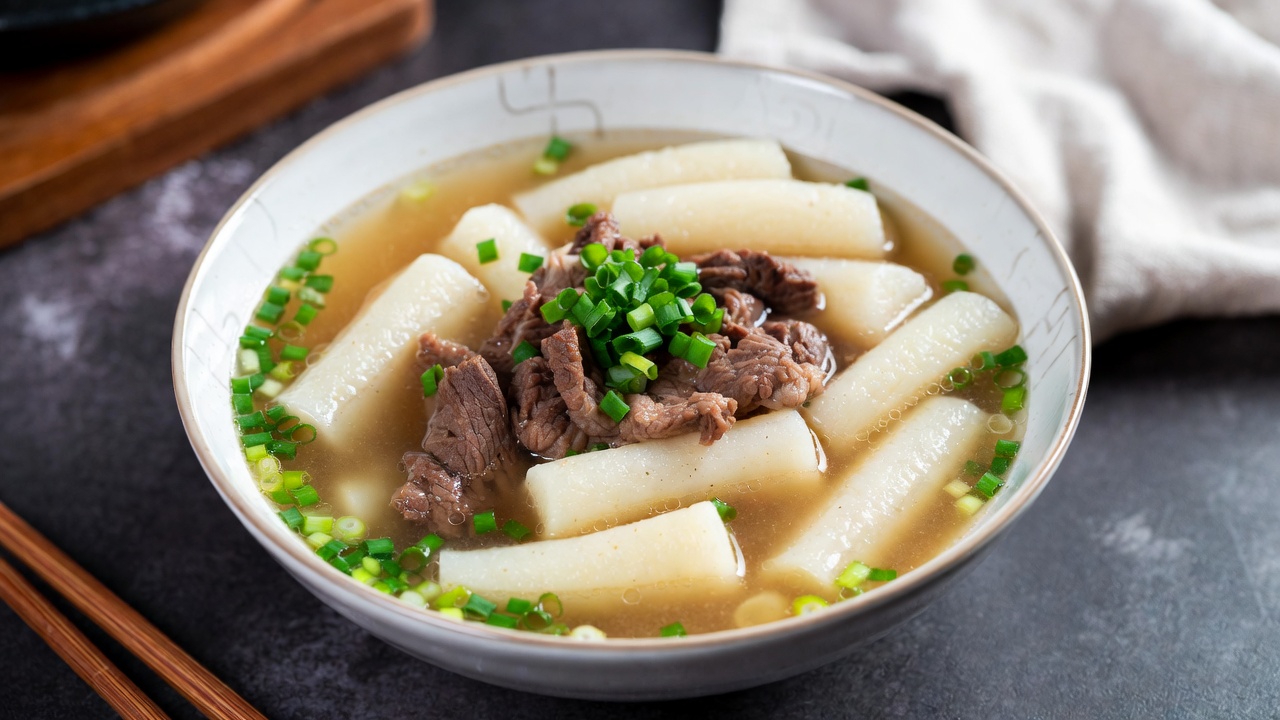
If there’s one dish that defines Seollal, it’s tteokguk (떡국) — the iconic Korean rice cake soup. This beloved dish holds such cultural significance that many Koreans believe eating a bowl of tteokguk is what makes you officially one year older.
The tradition of eating tteokguk on New Year’s Day has roots stretching back centuries. The 19th-century book of customs Dongguksesigi (동국세시기) documented the practice, mentioning that Koreans would ask “How many bowls of tteokguk have you eaten?” as a way of inquiring about someone’s age.
The Deep Symbolism Behind Korean Rice Cake Soup Ingredients
Every element of tteokguk carries profound symbolic meaning:
| Ingredient | Symbolism |
|---|---|
| White rice cakes | Purity, brightness, and a clean start to the new year |
| Oval/coin-shaped slices | Wealth, prosperity, and financial fortune |
| Long garaetteok (before slicing) | Longevity and continued good fortune |
| Clear broth | Transparency and an unclouded future |
| Egg garnish | Balance of yin and yang energies |
The garaetteok (가래떡), or long cylindrical rice cake, is traditionally pulled into long strips before being sliced diagonally into oval shapes resembling ancient Korean coins called yeopjeon. This shape connects the dish to wishes for prosperity and abundance throughout the coming year.
How to Make Authentic Korean Tteokguk at Home
Creating restaurant-quality tteokguk at home is surprisingly achievable. Here’s what you need to know:
Essential Ingredients for Traditional Tteokguk:
- 500g sliced rice cakes (tteokguk-tteok) — fresh or frozen
- 1 pound beef brisket for the broth
- 8 cups water
- 2 tablespoons Korean soup soy sauce (guk-ganjang)
- 3 cloves minced garlic
- 2 eggs for garnish
- Dried seaweed (gim) for topping
- Green onions for garnish
- Sesame oil and sesame seeds
Step-by-Step Cooking Process:
- Prepare the broth: Simmer beef brisket in water for at least one hour, skimming off any foam
- Soak the rice cakes: Place frozen rice cakes in cold water for 20-30 minutes
- Season the broth: Add minced garlic and Korean soup soy sauce
- Cook the rice cakes: Add soaked rice cakes to the boiling broth and cook for 5-8 minutes until soft
- Add the egg: Drizzle beaten egg in a circular motion for beautiful ribbons
- Garnish and serve: Top with shredded seaweed, sliced green onions, and a drop of sesame oil
Pro Tip: The traditional garnish for tteokguk follows the Korean principle of obangsaek (오방색) — the five cardinal colors representing harmony: white (rice cakes), yellow (egg yolk), red (chili threads), green (scallions), and black (seaweed).
Regional Variations of Korean Rice Cake Soup Across Korea
Different regions of Korea have developed their own unique tteokguk traditions:
| Region | Variation | Key Characteristics |
|---|---|---|
| Seoul | Traditional beef-broth tteokguk | Clear broth, sliced oval rice cakes |
| Gangwon Province | Tteok-manduguk | Rice cakes with dumplings added |
| Kaesong | Joraengi tteokguk | Rice cakes twisted into small cocoon shapes |
| Jeju Island | Gon tteokguk | Uses sliced jeolpyeon tteok |
| Jeolla Province | Chicken Jangtteokguk | Made with chicken and soy sauce |
| Southeast Coast | Oyster tteokguk | Fresh oysters added to the soup |
| Northern Korea | Manduguk | Dumpling soup takes precedence over rice cake soup |
Traditional Korean Dumplings and Manduguk: A Northern Korean New Year Staple
What Makes Korean Mandu Different from Other Asian Dumplings
Mandu (만두), Korean dumplings, are an essential component of Seollal feasting. While many families add mandu to their tteokguk — creating the hearty combination called tteok-manduguk (떡만두국) — others, particularly those with roots in northern Korea, serve manduguk as its own distinct soup.
Korean mandu are distinguished by their bold, flavorful fillings and the tradition of hand-making them as a family activity during the holiday. The process of making mandu together has become a cherished family bonding ritual during Seollal preparations.
Popular Seollal Mandu Filling Recipes and Varieties
Classic Kimchi Pork Mandu Filling:
- 1 pound ground pork
- 2 cups well-fermented kimchi, finely chopped and squeezed
- 4 oz firm tofu, crumbled
- 2 green onions, minced
- 1 tablespoon sesame oil
- 1 tablespoon soy sauce
- 2 cloves garlic, minced
The kimchi mandu is particularly beloved for its bold, tangy flavor that cuts through the richness of the broth. The fermented notes of the kimchi complement the savory pork filling beautifully.
Other Popular Mandu Varieties for Seollal:
- Gogi mandu (고기만두): Pure meat dumplings with beef or pork
- Yachae mandu (야채만두): Vegetable dumplings with glass noodles, tofu, and mixed vegetables
- Saewoo mandu (새우만두): Shrimp dumplings
Korean Savory Pancakes (Jeon): Essential Holiday Side Dishes for Seollal
Why Modeum Jeon is Served at Every Korean Celebration Table
No Seollal feast is complete without an impressive spread of jeon (전) — the savory Korean pancakes that have been a staple of Korean celebrations for centuries. Modeum jeon (모듬전) refers to an assortment of different pancakes served together, creating a colorful and delicious platter.
The tradition of making jeon during holidays is so ingrained in Korean culture that many families spend three to four hours collectively frying these delicacies. While times have changed and pre-made jeon sets are now available at grocery stores, the act of making jeon together remains a meaningful family bonding experience.
Most Popular Types of Korean Pancakes for Lunar New Year
Vegetable and Savory Jeon Varieties:
| Jeon Type | Korean Name | Main Ingredients | Flavor Profile |
|---|---|---|---|
| Scallion Pancake | Pajeon (파전) | Green onions, seafood | Savory, aromatic |
| Kimchi Pancake | Kimchi-jeon (김치전) | Fermented kimchi | Tangy, spicy |
| Zucchini Pancake | Hobak-jeon (호박전) | Korean zucchini | Mild, slightly sweet |
| Mung Bean Pancake | Bindaetteok (빈대떡) | Ground mung beans | Nutty, savory |
| Potato Pancake | Gamja-jeon (감자전) | Grated potatoes | Crispy, neutral |
Protein-Based Jeon Varieties:
| Jeon Type | Korean Name | Main Ingredients | Flavor Profile |
|---|---|---|---|
| Beef Pancake | Yukjeon (육전) | Thinly sliced beef | Savory, rich |
| Fish Pancake | Saengseon-jeon (생선전) | White fish fillets | Delicate, mild |
| Oyster Pancake | Gul-jeon (굴전) | Fresh oysters | Briny, luxurious |
| Seafood Pancake | Haemul-jeon (해물전) | Mixed seafood | Umami-rich |
How to Make Crispy Korean Vegetable Pancakes at Home
Basic Jeon Batter Recipe:
- 1 cup all-purpose flour
- 2 tablespoons rice flour (for extra crispiness)
- 1 tablespoon potato starch
- 1/2 teaspoon baking powder
- 1 cup ice-cold water
- Pinch of salt
Keys to Perfect Crispy Jeon:
- Use ice-cold water: This prevents gluten development and keeps the batter light
- Don’t overmix: A few lumps are perfectly fine
- Medium heat is essential: Too hot and the outside burns before the inside cooks
- Generous oil: Jeon should be pan-fried, not shallow-fried
Traditional Dipping Sauce (Cho-ganjang):
- 3 tablespoons soy sauce
- 1 tablespoon rice vinegar
- 1 teaspoon sesame seeds
- Optional: gochugaru (red chili flakes), minced garlic
Japchae: Korean Glass Noodle Stir-Fry for Special Celebrations
The Royal Origins of Korea’s Most Famous Noodle Dish
Japchae (잡채) holds a special place in Korean culinary history. Originally created in the early 17th century for a royal banquet, this dish so impressed King Gwanghaegun that he rewarded its creator, Yi Chung, with a promotion equivalent to Secretary of the Treasury.
Interestingly, the original japchae contained no noodles at all. The name literally translates to “mixed vegetables,” reflecting its humble origins as a stir-fried vegetable dish. The sweet potato glass noodles we associate with modern japchae were only introduced to Korea in the early 20th century when cellophane noodles arrived from China.
Why Japchae Symbolizes Longevity and Prosperity in Korean Culture
In Korean tradition, long noodles symbolize long life. This belief makes japchae particularly meaningful for celebrations like birthdays and New Year’s. The dish’s vibrant colors also reflect the Korean culinary philosophy of incorporating the five cardinal colors (obangsaek) for balance and harmony:
- Green: Spinach, scallions
- Red: Carrots, red bell pepper
- Yellow: Egg yolk, onions
- White: Egg white, onions
- Black: Shiitake mushrooms, wood ear mushrooms
Step-by-Step Guide to Making Authentic Korean Japchae
Essential Japchae Ingredients:
- 200g Korean sweet potato glass noodles (dangmyeon)
- 150g beef sirloin, sliced thin
- 2 cups fresh spinach
- 1 large carrot, julienned
- 1 medium onion, sliced
- 4-5 shiitake mushrooms, sliced
- 2 eggs (for garnish)
- 4 tablespoons soy sauce
- 2 tablespoons sugar
- 2 tablespoons sesame oil
- Sesame seeds for garnish
The Traditional Method — Cooking Each Ingredient Separately:
The secret to exceptional japchae lies in cooking each ingredient separately. While this requires more time and effort, it ensures each component retains its ideal texture and color:
- Prepare the meat: Marinate sliced beef in soy sauce, sugar, and sesame oil for 15 minutes, then stir-fry briefly
- Cook the noodles: Boil dangmyeon until tender (about 6-8 minutes), drain, and cut with scissors
- Sauté each vegetable separately: Carrots, mushrooms, onions, and spinach each get individual attention
- Combine with care: Toss all components together in a large bowl with the seasoning sauce
- Mix by hand: Traditional Korean cooking uses “sohn mat” (hand taste) — mixing with your hands for even distribution
Pro Tip: Japchae can be served warm, at room temperature, or cold, making it an excellent make-ahead dish for holiday entertaining.
Galbi Jjim: Korean Braised Short Ribs for Festive Occasions
Why Braised Short Ribs are Considered a Luxury Seollal Dish
Galbi jjim (갈비찜) represents the pinnacle of Korean celebratory cuisine. These soy-braised beef short ribs are traditionally reserved for the most special occasions — birthdays, weddings, and of course, Seollal.
The dish’s status as a luxury item stems from both the expense of quality short ribs and the significant time investment required to prepare it properly. Many Korean mothers and grandmothers consider galbi jjim a labor of love, spending hours slowly braising the meat until it becomes impossibly tender.
The Secret to Fall-Off-the-Bone Tender Korean Short Ribs
Achieving restaurant-quality galbi jjim requires attention to several key techniques:
Meat Preparation:
- Soak the ribs: Submerge in cold water for 30-60 minutes to draw out excess blood
- Parboil: Blanch in boiling water for 10 minutes to remove impurities
- Rinse thoroughly: Clean away any remaining foam or bone fragments
- Score the meat: Make shallow cuts to help the marinade penetrate
Essential Galbi Jjim Ingredients:
| Category | Ingredients |
|---|---|
| Protein | 3-4 lbs bone-in beef short ribs |
| Aromatics | Garlic, ginger, green onions |
| Sauce Base | Soy sauce, brown sugar, rice wine (mirin) |
| Natural Sweetener | Korean pear or apple (grated) |
| Vegetables | Korean radish, carrots, shiitake mushrooms |
| Traditional Garnishes | Chestnuts, jujubes (red dates), ginkgo nuts, pine nuts |
Braising Time and Temperature:
- Traditional stovetop method: 1.5-2 hours at a gentle simmer
- Pressure cooker method: 45-60 minutes
- Slow cooker method: 6-8 hours on low
The finished dish should have meat that literally falls off the bone, coated in a glossy, deeply savory-sweet sauce that begs to be poured over a bowl of steaming white rice.
Traditional Korean Sweets and Desserts for Seollal Celebrations
What is Hangwa and Why is it Served During Korean New Year?
Hangwa (한과) is the umbrella term for traditional Korean confections that have been enjoyed since the era of the Three Kingdoms (57 BCE – 668 CE). The word combines “han” (Korean) and “gwa” (confection), distinguishing these treats from Western-style desserts.
During Seollal, hangwa serves multiple purposes:
- Ancestral offerings: Placed on the charye table for ancestral rites
- Family treats: Enjoyed together after the formal ceremonies
- Gifts: Given to relatives, friends, and neighbors
- Symbol of heritage: Connecting modern Koreans to centuries of tradition
Most Popular Korean Traditional Sweets for Lunar New Year
Yakgwa (약과) — Honey Cookies:
These flower-shaped fried honey cookies are perhaps the most iconic hangwa. The name combines “yak” (medicine) and “gwa” (confection), reflecting the ancient Korean belief that honey possessed medicinal properties.
Yakgwa Characteristics:
- Deep-fried wheat flour dough
- Soaked in honey-ginger syrup
- Distinctive rippled, flower-like shape
- Chewy, honey-sweet interior
- Subtle notes of ginger and sesame oil
Yugwa (유과) — Puffed Rice Confections:
These incredibly light and airy sweets are made from pounded glutinous rice, then deep-fried and coated with puffed rice or sesame seeds. The result is a confection that practically melts in your mouth.
Dasik (다식) — Tea Cookies:
These elegant, vibrantly colored tea cookies are created by pressing honey-sweetened powder into decorative molds. Common varieties include:
- Black sesame dasik: Deep, nutty flavor
- Pine pollen dasik: Bright yellow color, delicate taste
- Green tea dasik: Subtle matcha flavor
Gangjeong (강정) — Crispy Rice Puffs:
Made by mixing toasted seeds, nuts, or popped grains with rice syrup, gangjeong offers a satisfying crunch in every bite. Popular variations include:
- Pine nut gangjeong
- Sesame seed gangjeong
- Puffed rice gangjeong
Yaksik: Korean Sweet Rice Dessert Recipe for New Year
Yaksik (약식), also known as yakbap, is a sweet glutinous rice dessert packed with nutritious ingredients traditionally considered medicinal:
Yaksik Ingredients:
- 3 cups glutinous (sweet) rice
- 1/2 cup brown sugar or honey
- 2 tablespoons soy sauce
- 2 tablespoons sesame oil
- 1/2 cup dried jujubes (red dates), pitted and sliced
- 1/2 cup chestnuts, coarsely chopped
- 2 tablespoons pine nuts
- 1 teaspoon cinnamon (optional)
This sticky, sweet dish balances the richness of honey with the savory depth of soy sauce, creating a unique flavor profile that exemplifies Korean cuisine’s mastery of sweet-savory combinations.
Traditional Korean Beverages to Complete Your Seollal Feast
Sikhye: Korean Sweet Rice Punch for Digestive Health
Sikhye (식혜) is the quintessential Korean festive beverage — a sweet, refreshing rice punch traditionally served cold after large meals. Its natural enzymes are believed to aid digestion, making it the perfect conclusion to the abundant Seollal feast.
What Makes Sikhye Special:
- Made from fermented malt and cooked rice
- Naturally sweet without added sugar (in traditional recipes)
- Features floating rice grains as a signature element
- Served ice-cold for maximum refreshment
You’ll find sikhye at Korean saunas (jjimjilbang), convenience stores throughout Korea, and increasingly at Korean restaurants worldwide.
Sujeonggwa: Korean Cinnamon Ginger Punch Recipe
Sujeonggwa (수정과) offers a warming counterpart to sikhye’s cool refreshment. This spiced punch combines:
- Cinnamon sticks: Provides warm, aromatic sweetness
- Fresh ginger: Adds gentle heat and complexity
- Dried persimmons: Contributes natural sweetness and chewy texture
- Pine nuts: Traditional floating garnish
Quick Sujeonggwa Recipe:
- Simmer cinnamon sticks and sliced ginger in water for 1 hour
- Strain and add brown sugar or honey to taste
- Add softened dried persimmons
- Chill and serve garnished with pine nuts
This deeply aromatic beverage can be enjoyed warm or cold, making it versatile for different preferences and seasons.
Setting Up a Traditional Seollal Table: Charye Food Arrangement
Understanding the Rules of Korean Ancestral Rite Table Setting
The charye (차례) table setting follows strict traditional guidelines passed down through generations. While practices vary by region and family, several common principles apply:
General Charye Table Arrangement:
| Position | Foods Placed |
|---|---|
| Front row (closest to participants) | Fresh fruits, sweet treats |
| Second row | Jeon (pancakes), meat dishes |
| Third row | Soups, rice, rice cakes |
| Back row (closest to ancestral tablets) | Ancestral tablets, incense |
Traditional Guidelines:
- Red fruits on the east, white fruits on the west (홍동백서)
- Fish head faces east (두동미서)
- Dried foods on the left, fresh foods on the right
- Rice on the west, soup on the east
Modern Adaptations of Traditional Korean New Year Food Customs
While honoring tradition, many contemporary Korean families have adapted their Seollal celebrations:
Common Modern Adaptations:
- Simplified charye: Fewer dishes, focusing on the most meaningful ones
- Store-bought jeon: Saves time while maintaining tradition
- Restaurant celebrations: Some families gather at Korean restaurants
- Vegetarian options: Adapting recipes for diverse dietary needs
- Fusion dishes: Incorporating international influences while maintaining core traditions
What remains constant is the spirit of family togetherness and respect for ancestors that defines Seollal.
Where to Find Authentic Seollal Ingredients Outside Korea
Essential Korean Grocery Store Items for Lunar New Year Cooking
For those celebrating Seollal abroad, here’s your shopping list for authentic Korean ingredients:
For Tteokguk:
- ☐ Sliced rice cakes (떡국떡) — frozen section
- ☐ Korean soup soy sauce (국간장)
- ☐ Beef brisket or short ribs
- ☐ Dried seaweed (김)
For Jeon:
- ☐ Korean pancake mix or rice flour
- ☐ Fresh vegetables (zucchini, scallions)
- ☐ Various proteins as desired
For Japchae:
- ☐ Sweet potato glass noodles (당면)
- ☐ Sesame oil
- ☐ Fresh spinach and vegetables
For Sweets:
- ☐ Yakgwa (pre-made or ingredients for homemade)
- ☐ Sikhye (canned or ingredients)
Online Resources for Korean Lunar New Year Ingredients
Many Korean ingredients are now available through online retailers serving international customers. Major Korean grocery chains like H Mart often offer shipping, and specialty websites cater specifically to Korean cooking enthusiasts abroad.
Planning Your Seollal Menu: Sample Korean New Year Food Spread
Complete Traditional Seollal Meal Plan for Families
Morning (New Year’s Day):
| Course | Dishes |
|---|---|
| Main Course | Tteokguk (essential) |
| Protein | Galbi jjim or bulgogi |
| Pancakes | Modeum jeon assortment |
| Noodles | Japchae |
| Side Dishes | Various namul (seasoned vegetables), kimchi |
| Desserts | Hangwa assortment, fresh fruits |
| Beverages | Sikhye, sujeonggwa |
Easy Make-Ahead Seollal Recipes for Busy Families
Dishes That Can Be Prepared 1-2 Days Ahead:
- Galbi jjim: Actually improves in flavor when reheated
- Japchae: Can be refrigerated and reheated
- Jeon batter: Prepare ingredients, mix just before cooking
- Namul: Most seasoned vegetables keep well
- Sikhye: Ferments and develops flavor over time
Day-Of Preparation:
- Tteokguk: Best served fresh for optimal rice cake texture
- Final jeon frying: Crispy texture doesn’t hold well
- Garnishing: Add fresh elements just before serving
Health Benefits of Traditional Korean New Year Foods
Nutritional Value of Seollal Dishes and Ingredients
Traditional Seollal foods offer impressive nutritional profiles:
Tteokguk:
- Complex carbohydrates from rice cakes provide sustained energy
- Protein from beef broth and egg
- Low in fat compared to many holiday dishes
Japchae:
- Gluten-free (sweet potato noodles)
- Rich in vegetables and fiber
- Balanced macronutrients
Hangwa:
- Natural sweeteners (honey, rice syrup)
- Medicinal ingredients like ginger
- No artificial preservatives in traditional recipes
Why Korean Holiday Foods Focus on Balance and Moderation
Korean culinary philosophy emphasizes balance — in colors, flavors, and nutritional properties. The Seollal table exemplifies this with:
- Yin and yang balance: Hot and cold dishes, sweet and savory flavors
- Five colors: Ensuring variety of phytonutrients
- Fermented foods: Kimchi and other probiotics for gut health
- Moderate portions: Emphasis on sharing and variety over quantity
Celebrating Seollal: Beyond the Food
Traditional Korean New Year Activities and Games
While food is central to Seollal, the holiday encompasses many beloved traditions:
Sebae (세배): The formal bow to elders, followed by receiving sebaedon (gift money) and blessings
Yutnori (윷놀이): A traditional board game using four wooden sticks, perfect for family competition
Wearing Hanbok: Many Koreans don traditional dress, adding elegance to the celebration
Fortune Telling: Visiting saju fortune tellers for predictions about the coming year
Watching the Sunrise: Some families wake early to witness the year’s first haedoji (sunrise)
How Food Brings Korean Families Together During Seollal
Perhaps the most beautiful aspect of Seollal food traditions is their power to unite generations. In the kitchen, grandmothers pass down recipes to daughters and granddaughters. Around the table, families share stories alongside dishes that their ancestors enjoyed centuries ago.
The phrase “새해 복 많이 받으세요” (Saehae bok mani badeuseyo) — “May you receive many blessings in the new year” — is exchanged countless times during Seollal. Through the foods we prepare and share, those blessings become tangible expressions of love, respect, and hope for the year ahead.
Conclusion: Embracing Korean Lunar New Year Food Traditions
Whether you’re Korean, have Korean heritage, or simply appreciate beautiful food traditions, Seollal offers a meaningful way to mark the new year. From the essential bowl of tteokguk that marks your journey into another year of life, to the elaborate spread of jeon, japchae, and galbi jjim that fills the table with abundance, each dish tells a story of cultural heritage and family love.
As you plan your own Seollal celebration, remember that perfection isn’t the goal — connection is. Whether your tteokguk comes from a generations-old family recipe or you’re attempting it for the first time, the act of preparing and sharing these foods honors a tradition stretching back thousands of years.
새해 복 많이 받으세요! May your new year be filled with prosperity, health, and many delicious meals shared with those you love.
Frequently Asked Questions About Seollal Foods
What is the most important food to eat during Korean New Year?
Tteokguk (rice cake soup) is the single most important dish. Koreans traditionally believe that eating tteokguk on New Year’s Day is what makes you one year older. The white rice cakes symbolize purity and a fresh start, while their coin-like shape represents wishes for prosperity.
Can I make Seollal foods vegetarian or vegan?
Yes! Many traditional dishes can be adapted:
- Tteokguk: Use vegetable or anchovy broth instead of beef
- Japchae: Omit meat, add extra mushrooms and tofu
- Jeon: Vegetable-based jeon are traditional options
- Hangwa: Most traditional sweets are already vegetarian
How far in advance can I prepare Seollal foods?
| Dish | Advance Preparation |
|---|---|
| Galbi jjim | 2-3 days (improves with time) |
| Japchae | 1-2 days (refrigerate) |
| Namul | 1-2 days |
| Tteokguk | Same day (rice cakes become mushy if stored in broth) |
| Jeon | Same day for best crispiness |
Where can I buy authentic Korean ingredients for Seollal?
Look for:
- Korean grocery stores (H Mart, Lotte, Hannam Chain)
- Asian supermarkets with Korean sections
- Online retailers specializing in Korean foods
- Amazon for shelf-stable items
The History and Cultural Significance of Korean New Year Food Traditions
Ancient Origins of Seollal Food Customs in Korean History
The culinary traditions surrounding Seollal trace their origins to ancient Korean kingdoms. The earliest attestations of lunar new year celebrations appear in the Book of Wei (魏書), a Chinese historical work documenting the practices of Buyeo, an ancient kingdom in the Korean peninsula.
By the Three Kingdoms period (57 BCE – 668 CE), elaborate food rituals had become central to Korean celebrations. The Samguk Yusa (Memorabilia of the Three Kingdoms), compiled in the 13th century, contains the oldest surviving Korean records of Seollal customs.
During the Goryeo Dynasty (918-1392), the Korean New Year was established as one of nine major national festivals. The food traditions we recognize today — including tteokguk, jeon, and hangwa — were codified during this period and continued through the Joseon Dynasty (1392-1897).
How Japanese Colonial Rule Impacted Korean Food Traditions
A dark chapter in Seollal history occurred during the Japanese occupation (1910-1945). In 1907, under intense pressure from Japanese rulers, Korea’s last emperor Sunjong was forced to ban Seollal celebrations as part of cultural assimilation policies.
Despite the prohibition, Korean families secretly maintained their food traditions, passing down recipes through generations. This period of suppression actually strengthened Korean attachment to traditional foods like tteokguk, which became symbols of cultural resistance and identity.
After liberation in 1945, Seollal food traditions experienced a powerful revival. Today, they represent not just culinary heritage but the resilience of Korean culture through difficult historical periods.
Regional Differences in Korean New Year Food Traditions
Korea’s diverse geography and history have produced distinctive regional food traditions for Seollal:
Northern Korean Regions:
- Manduguk takes precedence over tteokguk
- Larger, more elaborate dumplings
- Kimchi mandu is especially popular
- Stronger emphasis on soups and stews
Central Korea (Seoul Area):
- Traditional beef-broth tteokguk
- Balanced selection of jeon varieties
- Elaborate charye table settings
- Strong influence from royal court cuisine
Southern Regions (Jeolla Province):
- Chicken-based tteokguk variations
- Greater variety of seafood jeon
- More vegetable-focused preparations
- Influence from Buddhist temple cuisine
Jeju Island:
- Unique gon tteokguk using special rice cakes
- Greater incorporation of pork
- Distinctive local vegetables and ingredients
- Influence from island’s unique cultural history
Korean New Year Food Etiquette and Dining Customs
Proper Table Manners During Seollal Celebrations
Understanding Korean dining etiquette enhances the Seollal experience:
Before the Meal:
- Wait for elders to begin eating before starting
- Accept food with both hands as a sign of respect
- Ensure elders are seated comfortably first
During the Meal:
- Never stick chopsticks upright in rice (associated with funeral rituals)
- Face away from elders when drinking alcohol
- Accept refills of drinks from elders graciously
- Pace yourself with the eldest person at the table
Serving Customs:
- Younger family members serve elders first
- Dishes are passed with both hands
- Soup bowls are lifted to drink, not eaten with a spoon touching the bowl’s edge
The Role of Different Family Members in Seollal Food Preparation
Traditional Seollal preparations follow established family roles, though modern families increasingly share responsibilities:
Traditional Division of Labor:
| Family Member | Traditional Responsibilities |
|---|---|
| Grandmother/Mother-in-law | Oversees all preparations, makes key decisions |
| Daughter-in-law | Primary cooking, serving, cleanup |
| Daughters | Assist with cooking and preparations |
| Sons | Help with shopping, some cooking |
| Grandfather/Father | Leads ancestral rites (charye) |
| Children | Help with simple tasks, learn traditions |
Modern Adaptations: Today, many Korean families embrace more egalitarian approaches:
- Men increasingly participate in cooking
- Purchased prepared foods supplement homemade dishes
- Extended family members share cooking responsibilities
- Restaurant celebrations are becoming more common
This evolution allows the spirit of togetherness to continue while adapting to contemporary life.
Cooking Tips and Troubleshooting Common Korean Food Mistakes
Expert Tips for Perfect Tteokguk Every Time
Problem: Rice cakes are too hard or chewy
- Solution: Ensure proper soaking time (20-30 minutes for frozen rice cakes)
- Don’t add rice cakes until broth is actively boiling
- Cook only until just soft — overcooking makes them mushy
Problem: Broth is cloudy
- Solution: Skim foam constantly during first 20 minutes of cooking
- Simmer gently rather than boiling vigorously
- Consider straining broth before adding rice cakes
Problem: Rice cakes stick together
- Solution: Rinse thoroughly before soaking
- Add to actively boiling broth
- Stir gently once added
Making Restaurant-Quality Japchae at Home
Common Mistakes and Fixes:
| Mistake | Fix |
|---|---|
| Noodles clump together | Cut immediately after draining, toss with sesame oil |
| Vegetables are soggy | Cook each vegetable separately, briefly |
| Dish tastes flat | Don’t skip the sesame oil; use proper soy sauce |
| Colors are dull | Cook spinach quickly, shock in cold water |
| Uneven seasoning | Toss everything thoroughly by hand |
Pro Tips from Korean Home Cooks:
- Marinate the noodles: After cutting, let them absorb the sauce for 10 minutes
- Use the right soy sauce: Regular soy sauce, not low-sodium
- Toast the sesame oil: Heat briefly for more aroma
- Make extra sauce: Have some on hand for final adjustments
Secrets to Crispy, Perfect Korean Pancakes (Jeon)
The Science of Crispy Jeon:
- Temperature Control: Medium heat is essential — too hot burns the outside, too low makes it greasy
- Batter Consistency: Should be thin enough to spread but thick enough to coat
- Oil Quality: Use neutral oils with high smoke points (vegetable, grapeseed)
- Pressing Technique: Use a spatula to press pancakes flat and thin
Common Jeon Mistakes:
- Batter too thick: Results in gummy, undercooked centers
- Crowded pan: Pancakes steam rather than crisp
- Flipping too early: Causes breakage and uneven cooking
- Improper drainage: Leads to soggy pancakes
Storage and Reheating:
- Store layered with parchment paper
- Reheat in a dry skillet — microwaving makes them soggy
- Best enjoyed within 24 hours of cooking
Budget-Friendly Korean New Year Meal Planning
Affordable Alternatives for Expensive Seollal Ingredients
Traditional Seollal cooking can be expensive, but smart substitutions help:
Galbi Jjim Alternatives:
- Instead of short ribs: Use beef chuck or brisket (much cheaper)
- Pork ribs: A traditional alternative that’s significantly less expensive
- Extended braising: Makes tougher cuts tender and delicious
Budget-Friendly Jeon Options:
- Focus on vegetable jeon: Kimchi, zucchini, and potato jeon are economical
- Skip expensive seafood: Canned tuna makes excellent chamchijeon
- Make your own batter: Boxed mixes cost more
Stretching Your Japchae:
- More vegetables, fewer noodles: Still delicious and more nutritious
- Skip the beef: Mushrooms provide similar umami
- Use whatever vegetables are on sale: Japchae is very forgiving
Sample Budget Seollal Menu for Four People
| Dish | Estimated Cost | Notes |
|---|---|---|
| Tteokguk | $15-20 | Beef brisket, frozen rice cakes |
| Kimchi Jeon | $8-10 | Uses pantry staple kimchi |
| Hobak Jeon | $5-8 | Affordable zucchini |
| Simple Japchae | $12-15 | Extra vegetables, minimal meat |
| Store-bought Hangwa | $10-15 | Small selection of traditional sweets |
| Sikhye | $5-8 | Canned or homemade |
| Total | $55-76 | Feeds 4 generously |
Teaching Children About Korean New Year Food Traditions
Kid-Friendly Seollal Activities in the Kitchen
Getting children involved in Seollal cooking creates lasting memories and passes down traditions:
Age-Appropriate Tasks:
| Age | Activities |
|---|---|
| 3-5 years | Washing vegetables, tearing spinach, mixing batters |
| 6-8 years | Simple measuring, stirring, arranging garnishes |
| 9-12 years | Supervised cooking, folding mandu, making jeon |
| Teens | Independent cooking of simple dishes |
Making It Fun:
- Mandu-making parties: Turn dumpling folding into a family competition
- Jeon decorating: Let kids create patterns with vegetable toppings
- Taste testing: Involve children in seasoning decisions
- Storytelling: Share the meanings behind each dish while cooking
Explaining Seollal Food Symbolism to Kids
Help children understand why these foods matter:
Simple Explanations:
- “Tteokguk makes you one year older” — like a birthday soup!
- “The rice cakes look like coins” — we’re wishing for good luck with money
- “Long noodles mean a long life” — like making a wish
- “White foods mean starting fresh” — like a clean slate for the new year
Conclusion: Keeping Korean Food Traditions Alive
The foods of Seollal are far more than just delicious dishes — they are edible connections to thousands of years of Korean history, culture, and family love. Each bowl of tteokguk, each piece of crispy jeon, and each sweet bite of yakgwa carries the hopes, blessings, and memories of generations.
As Korean food continues to gain popularity worldwide, more people are discovering the depth and beauty of these New Year traditions. Whether you’re a Korean diaspora member reconnecting with your heritage, a food enthusiast exploring global cuisines, or someone simply looking for a meaningful way to celebrate the new year, Seollal offers something special.
The most important ingredient in any Seollal meal isn’t rice or beef or sesame oil — it’s the love and intention with which these dishes are prepared and shared. So gather your family, roll up your sleeves, and create your own Seollal memories.
새해 복 많이 받으세요! May your new year be filled with abundance, joy, and many delicious meals shared with those you love.
Have you celebrated Seollal before? Share your favorite Seollal food memories in the comments below!