There is a moment in every traveler’s journey when the familiar dissolves and something ancient stirs the soul. For me, that moment arrived on a February evening in Agra, standing at Shilpgram as the sun painted the distant dome of the Taj Mahal in shades of amber and rose. Around me, the air hummed with the rhythm of dhol drums, the fragrance of sizzling kebabs, and the soft clinking of a marble artisan’s chisel against stone.
Taj Mahotsav 2026 promises to be one of India’s most extraordinary cultural celebrations, running from February 18 to February 27, 2026, near the Eastern Gate of the world’s most iconic monument of love. This ten-day carnival transforms the historic city of Agra into a living museum of Indian heritage, where over 400 master artisans, renowned performers, and culinary virtuosos gather to celebrate the rich tapestry of the subcontinent’s traditions.
Whether you are a seasoned culture enthusiast, a first-time visitor to India, or someone seeking authentic experiences beyond the typical tourist trail, this comprehensive guide will walk you through everything you need to know about making the most of Taj Mahotsav 2026.
What is Taj Mahotsav and Why Should You Visit in 2026?
The Taj Mahotsav, meaning “Festival of the Taj,” began its journey in 1992 as an initiative by the Uttar Pradesh Tourism Department. What started as a modest craft fair has blossomed into one of India’s most prestigious cultural celebrations, now recognized on the official calendar of the Ministry of Tourism, Government of India.
The festival’s significance extends far beyond entertainment. It serves as a crucial platform for preserving endangered art forms, supporting rural artisan livelihoods, and showcasing India’s remarkable cultural diversity to a global audience. Each year, the event attracts thousands of domestic and international visitors who come to witness the convergence of ancient traditions with vibrant contemporary expressions.
Why 2026 is a Special Year to Attend:
- The festival marks over three decades of continuous cultural celebration
- Enhanced infrastructure and improved visitor facilities at Shilpgram
- Expanded participation from artisan communities across all Indian states
- Special curated themes celebrating India’s intangible cultural heritage
- Improved accessibility for international tourists with multilingual support
The Taj Mahotsav location at Shilpgram places visitors mere minutes from the Taj Mahal’s Eastern Gate, allowing for an unforgettable combination of monument visits and festival immersion.
Taj Mahotsav 2026 Festival Dates and Essential Visitor Information
Planning your visit requires knowing the essential details. Here is everything you need to arrange your trip to Taj Mahotsav 2026.
Key Festival Details at a Glance
| Detail | Information |
|---|---|
| Festival Dates | February 18 to February 27, 2026 |
| Duration | 10 days |
| Venue | Shilpgram, near Eastern Gate of Taj Mahal, Agra |
| Daily Timings | 10:00 AM to 10:00 PM |
| Entry Fee (Indian Adults) | ₹50 (approximately) |
| Entry Fee (Children 5-12) | ₹10 (approximately) |
| Entry Fee (Foreign Tourists) | Free or nominal charge |
| Organized By | Taj Mahotsav Samiti, Uttar Pradesh Tourism |
Note: Entry fees are subject to annual revision. Please confirm current rates through the official Taj Mahotsav website closer to your travel dates.
Best Days and Times to Visit Taj Mahotsav
Weekday mornings offer the most relaxed atmosphere for exploring artisan stalls and engaging in meaningful conversations with craftspeople. The opening days of the festival (February 18-20) see the inaugural ceremonies and fresh displays, while the closing days (February 25-27) feature special performances and concluding celebrations.
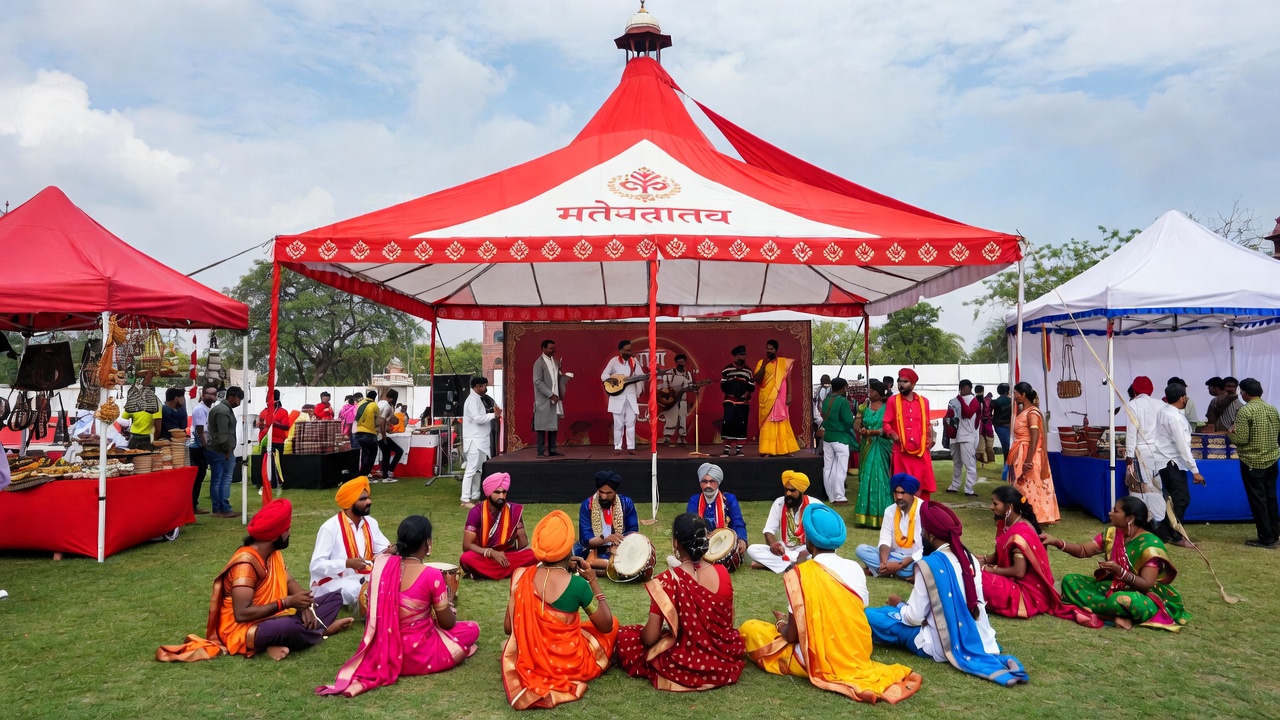
Evening visits are essential for experiencing the cultural performances, as the main stage programs typically begin after sunset and continue until 10 PM. The magical combination of illuminated stalls, live music echoing across the grounds, and the distant silhouette of the Taj Mahal creates an atmosphere unlike anything else in India.
How to Reach Shilpgram and Navigate Agra for Taj Mahotsav
Agra’s central location in North India makes it accessible from multiple directions. Understanding your transportation options will help you plan a seamless journey.
Reaching Agra from Major Cities
By Air:
- Kheria Airport (Agra Airport) is located approximately 11 kilometers from Shilpgram
- Most international travelers fly into Indira Gandhi International Airport, New Delhi, then travel onward by train or road
- Delhi to Agra travel time by road is approximately 3-4 hours
By Rail:
- Agra Cantt Railway Station is the main station, located about 9 kilometers from Shilpgram
- Agra Fort Railway Station offers closer proximity to the Taj Mahal area
- Express trains from Delhi reach Agra in approximately 2-3 hours
- The Gatimaan Express offers India’s fastest rail connection between Delhi and Agra
By Road:
- Well-maintained highways connect Agra to Delhi, Jaipur, and other major cities
- The Yamuna Expressway provides a smooth 165-kilometer journey from Delhi
- Private cars and buses are readily available from neighboring states
Getting Around Within Agra
| Transport Mode | Best For | Approximate Cost |
|---|---|---|
| Auto-Rickshaw | Short distances, local travel | ₹50-200 per trip |
| Cycle-Rickshaw | Slow-paced exploration | ₹30-100 per trip |
| Taxi/Cab | Airport transfers, day tours | ₹500-1500 per day |
| Ride-Sharing Apps (Uber/Ola) | Convenient, fixed pricing | Variable |
| Battery-Powered Vehicles | Taj Mahal area (eco-zone) | Included in entry |
Important Note: Private vehicles cannot enter within 500 meters of the Taj Mahal due to pollution control regulations. Shilpgram has dedicated parking facilities with shuttle services to the festival grounds.
Best Handicrafts to Buy at Taj Mahotsav: A Complete Shopping Guide
The handicraft exhibition at Taj Mahotsav represents the heart and soul of this cultural celebration. With over 400 artisans displaying their creations, the festival offers an unparalleled opportunity to acquire authentic Indian crafts directly from their makers.
Marble Inlay Work: Agra’s Signature Craft
No visit to Taj Mahotsav is complete without witnessing the mesmerizing art of Parchin Kari (marble inlay work), the same technique that adorns the Taj Mahal itself. Artisans whose families have practiced this craft for generations—some tracing their lineage directly to the craftsmen who built the monument—demonstrate the painstaking process of cutting and setting semi-precious stones into white marble.
What to Look For:
- Tabletops with intricate floral patterns
- Jewelry boxes inlaid with lapis lazuli, turquoise, and malachite
- Decorative plates featuring traditional Mughal motifs
- Small medallions and coasters perfect for souvenirs
Price Range: From ₹500 for small items to several lakhs for large tabletops
Authenticity Tip: Genuine marble inlay work feels cool to the touch, shows natural variations in stone color, and displays seamless integration between marble and stone inlay.
Regional Handicrafts from Across India
The festival transforms Shilpgram into a miniature map of India’s craft traditions. Here are the must-see regional specialties:
From Uttar Pradesh:
- Chikan embroidery from Lucknow – Delicate white-on-white needlework on fine cotton and muslin
- Zardozi work from Agra – Gold and silver thread embroidery on velvet and silk
- Brass wares from Moradabad – Intricately engraved vessels, lamps, and decorative items
- Wood carving from Saharanpur – Rosewood furniture and decorative screens
- Pottery from Khurja – Distinctive blue-and-white ceramic wares
From Kashmir:
- Pashmina shawls – The legendary soft wool wraps that take months to weave
- Papier-mâché artifacts – Painted boxes, trays, and ornamental items
- Walnut wood carvings – Furniture and decorative pieces with intricate patterns
- Kashmiri carpets – Hand-knotted masterpieces using silk and wool
From Rajasthan:
- Block-printed textiles from Jaipur – Bedcovers, tablecloths, and garments
- Blue pottery – Distinctive turquoise ceramics with Persian influences
- Lac bangles – Colorful traditional jewelry
- Leather mojari footwear – Embroidered traditional sandals
From South India:
- Silk sarees from Varanasi and Kanchipuram – Woven gold threads on lustrous silk
- Stone carvings from Tamil Nadu – Temple-inspired sculptures and figurines
- Bidriware from Karnataka – Silver inlay on blackened alloy
From Eastern India:
- Kantha stitch from West Bengal – Running-stitch embroidery on quilts and shawls
- Dokra metalcraft from Chhattisgarh – Lost-wax casting technique creating tribal art
- Pattachitra from Odisha – Traditional scroll paintings on cloth
From Northeast India:
- Bamboo and cane work – Furniture, baskets, and decorative items
- Traditional textiles – Hand-woven fabrics with tribal motifs
Smart Shopping Tips for Taj Mahotsav
Bargaining Etiquette: Respectful negotiation is expected and acceptable at craft stalls. Begin at approximately 60-70% of the quoted price and work toward a mutually agreeable amount. Remember that these are handcrafted items requiring significant skill and time—aggressive bargaining diminishes the artisan’s livelihood.
Cash and Payments: Carry sufficient Indian rupees, as many artisans may not accept digital payments. ATMs are available in Agra, but it’s wise to arrive prepared. Larger establishments may accept UPI payments or cards.
Shipping Services: For bulky purchases like marble tabletops or furniture, many vendors offer shipping services. Obtain written agreements specifying delivery terms, insurance, and tracking information.
Live Craft Demonstrations: Watch Artisans Create Masterpieces
One of Taj Mahotsav’s most enchanting features is the opportunity to witness artisans at work. These live craft demonstrations transform shopping into education and deepen appreciation for India’s handmade traditions.
Marble Inlay Demonstration Sessions
Watch master craftsmen demonstrate the centuries-old technique of Parchin Kari. The process involves:
- Design Transfer – Intricate patterns traced onto white marble
- Carving – Skilled chiseling to create shallow cavities following the design
- Stone Cutting – Semi-precious stones cut into precise shapes using traditional tools
- Inlay Process – Stones carefully set into cavities using natural adhesives
- Polishing – Final buffing to create seamless, lustrous surfaces
Interactive Experience: Many artisans welcome questions and allow visitors to try simple cutting or polishing under supervision—an unforgettable hands-on experience.
Weaving and Textile Demonstrations
Observe weavers creating silk sarees, brocades, and traditional fabrics on handlooms. The rhythmic clacking of the loom, the shuttle passing through warp threads, and the gradual emergence of intricate patterns offers a meditative window into an ancient craft.
Pottery Making Sessions
Khurja pottery artisans demonstrate wheel-throwing techniques, hand-painting designs, and traditional firing methods. Children particularly enjoy these sessions, often getting opportunities to shape simple clay forms.
Block Printing Workshops
Rajasthani artisans showcase the art of hand block printing, demonstrating how wooden blocks carved with traditional designs transfer pigment to fabric, creating the distinctive patterns that have made Indian textiles famous worldwide.
Cultural Performances at Taj Mahotsav 2026: Music and Dance Schedule
The cultural program at Taj Mahotsav represents the festival’s pulsating heart, bringing together performing artists from every corner of India. Each evening transforms the main stage into a celebration of the subcontinent’s extraordinary performing arts traditions.
Classical Dance Performances
Kathak – Born in the courts of Mughal emperors, this North Indian classical dance form originated right here in the Brij region surrounding Agra. Watch dancers perform intricate footwork, expressive storytelling, and spellbinding spins that earned this dance its royal patronage.
Bharatanatyam – The ancient temple dance of Tamil Nadu brings its sculptural poses, rhythmic precision, and devotional themes to the festival stage.
Odissi – From the temples of Odisha comes this graceful dance form characterized by fluid movements, elaborate costumes, and lyrical expression.
Kuchipudi – This Andhra Pradesh classical form combines pure dance with dramatic storytelling.
Kathakali – Kerala’s dramatic dance-theatre features elaborate makeup, towering headdresses, and powerful character portrayals from Hindu epics.
Folk Dance Celebrations
The folk dance performances capture the celebratory spirit of rural India:
Ghoomar (Rajasthan): Women in brilliant circular skirts spin gracefully, their movements creating hypnotic patterns of color. This traditional dance celebrates femininity, grace, and the desert state’s vibrant culture.
Bhangra (Punjab): The high-energy harvest dance brings infectious rhythms, acrobatic movements, and irresistible joy that often draws audiences to their feet.
Kalbelia (Rajasthan): The snake charmer community’s dance features sinuous movements, black swirling costumes, and haunting music that mesmerizes audiences.
Lavani (Maharashtra): This powerful combination of song and dance features energetic movements, colorful saris, and traditional Marathi music.
Bihu (Assam): Northeast India’s spring harvest celebration brings its own distinctive rhythms and movements to the festival.
Musical Performances
Classical Music: Evening concerts feature vocalists and instrumentalists performing Hindustani classical music—ragas that match the time of day and season, creating an atmosphere of sublime beauty.
Folk Music: Regional folk musicians bring their traditional instruments and songs—from Rajasthani Manganiyar desert musicians to Baul mystic singers from Bengal.
Devotional Music: Morning sessions often feature bhajans (devotional songs) and spiritual music that adds a contemplative dimension to the festival experience.
Performance Schedule Tips
- Main stage performances typically begin around 6:00 PM
- Arrive early to secure good viewing positions
- Check the daily schedule at the information desk
- Smaller stages feature continuous performances throughout the day
- Photography is generally permitted, but flash may be restricted
Food Festival at Taj Mahotsav: A Culinary Journey Through India
The Taj Mahotsav food stalls offer a gastronomic adventure across India’s diverse regional cuisines. From royal Mughlai preparations to humble street food, the festival’s food zone satisfies every palate.
Mughlai Cuisine: The Royal Legacy
Agra’s culinary heritage traces directly to the Mughal imperial kitchens. The festival showcases authentic preparations of:
Biryani: Fragrant basmati rice layered with marinated meat, aromatic spices, and slow-cooked using the traditional dum method. Agra’s biryani follows the Lucknowi style, emphasizing subtlety and layered flavors.
Kebabs:
- Seekh Kebabs – Spiced minced meat grilled on skewers
- Galouti Kebabs – Legendarily soft meat patties that melt in the mouth
- Boti Kebabs – Tender cubed meat marinated in yogurt and spices
Korma: Rich, creamy curry featuring meat braised in yogurt-based sauces with ground nuts and aromatic spices.
Nihari: Slow-cooked stew traditionally eaten for breakfast, simmered overnight to achieve extraordinary depth of flavor.
Agra’s Famous Petha: The Must-Try Sweet
No visit to Agra is complete without sampling Petha, the city’s signature sweet with a Geographical Indication (GI) tag certifying its origin. Made from ash gourd (winter melon) simmered in sugar syrup, Petha has been prepared in Agra for over 350 years.
Popular Petha Varieties:
- Dry Petha – Crystallized, chewy texture
- Anguri Petha – Grape-sized, juicy balls
- Kesar Petha – Flavored with saffron
- Paan Petha – Infused with betel leaf flavors
- Chocolate Petha – Modern fusion variant
Best Purchases: Panchhi Petha is the most renowned brand, established in 1950, with outlets throughout Agra.
Regional Street Food Highlights
From Agra:
- Bedai and Jalebi – The quintessential Agra breakfast: spicy fried bread with sweet spirals
- Dalmoth – Crunchy spiced lentil mix perfect with chai
- Chaat – Tangy, spicy street snacks including papdi chaat and bhalla
From Across India:
- Rajasthani Dal Baati Churma – Baked bread balls with lentils and sweet crumble
- Hyderabadi Biryani – Spicier, more robust than the Lucknowi style
- Amritsari Kulcha – Stuffed bread from Punjab
- Bengali Sweets – Rasgulla, sandesh, and mishti doi
- South Indian Dosas – Crispy rice crepes with chutneys and sambar
Dining Tips for Taj Mahotsav
- Peak Hours: Food stalls get busiest between 7-9 PM
- Vegetarian Options: Abundant choices clearly marked at most stalls
- Hygiene: Choose stalls with high turnover and freshly prepared items
- Water: Carry sealed water bottles; avoid ice in beverages
- Cash: Many food vendors prefer cash transactions
Family Activities and Entertainment at Taj Mahotsav 2026
Taj Mahotsav for families offers something special for visitors of all ages. Beyond crafts and performances, the festival creates a complete entertainment experience.
Carnival Zone and Amusement Rides
The funfair section features:
- Ferris Wheel – Enjoy panoramic views of the festival grounds
- Merry-Go-Rounds – Classic carousel rides for children
- Train Rides – Miniature trains circling the carnival area
- Game Stalls – Traditional fair games with prizes
Children’s Activities
Puppet Shows: Traditional Indian puppetry (Kathputli) brings folktales to life through colorful marionettes.
Face Painting: Artists create henna-style designs and colorful face paintings.
Interactive Craft Sessions: Several stalls offer supervised sessions where children can try pottery, basic block printing, or simple craft activities.
Camel and Elephant Experiences
True to the festival’s Mughal-era inspiration, visitors can enjoy:
- Elephant Rides – Short circuits around designated areas
- Camel Rides – Reminiscent of Rajasthani desert traditions
- Photo Opportunities – With decorated animals in traditional regalia
Note: These activities operate on a first-come basis and may have additional charges.
Adventure Activities
For those seeking thrills, the festival may offer (subject to annual programming):
- Paragliding demonstrations
- Hot-air Balloon tethered rides (weather permitting)
- Cultural Quiz competitions
Grand Opening Procession: The Mughal-Inspired Shobha Yatra
The inaugural procession of Taj Mahotsav (known as Shobha Yatra) is a spectacle that transports visitors to the grandeur of Mughal-era celebrations.
What to Expect
The procession recreates the victory parades of Mughal emperors, featuring:
Royal Elements:
- Decorated Elephants – Adorned with elaborate cloths and ornaments
- Camel Processions – Carrying musicians and performers
- Horse Riders – In traditional Mughal-era attire
Musical Components:
- Dhol Drummers – Powerful beats setting the processional rhythm
- Shehnai Players – Traditional wind instruments creating auspicious sounds
- Trumpet Ensembles – Announcing the festival’s commencement
Performers:
- Folk Dancers – Performing regional dances while moving through the grounds
- Stilt Walkers – Adding drama and visual height to the procession
- Fire Performers – Creating evening spectacle
Best Viewing Spots
Position yourself along the main processional route near the festival entrance at least 30 minutes before the scheduled start time. The opening ceremony typically takes place on the first day (February 18) in the late afternoon.
Combining Taj Mahotsav with Taj Mahal and Agra Fort Visits
A visit to Taj Mahotsav presents the perfect opportunity to explore Agra’s UNESCO World Heritage Sites. Here’s how to create an ideal itinerary.
Recommended 3-Day Agra Itinerary
Day 1: Arrival and Taj Mahal
- Early Morning: Sunrise visit to Taj Mahal (opens at sunrise, closed Fridays)
- Late Morning: Return to hotel for breakfast and rest
- Afternoon: Explore Taj Mahotsav craft stalls (less crowded hours)
- Evening: Attend evening cultural performances at Taj Mahotsav
Day 2: Heritage and Culture
- Morning: Visit Agra Fort (opens at sunrise)
- Afternoon: Full immersion at Taj Mahotsav—workshops, demonstrations, shopping
- Evening: Street food walk at Sadar Bazaar, then return to Taj Mahotsav for performances
Day 3: Extended Exploration
- Morning: Visit Itmad-ud-Daulah (“Baby Taj”) or Akbar’s Tomb at Sikandra
- Afternoon: Final shopping at Taj Mahotsav and local markets
- Evening: Sunset view of Taj Mahal from Mehtab Bagh gardens
Taj Mahal Visiting Tips During Taj Mahotsav
Ticket Booking:
- Purchase tickets online through the Archaeological Survey of India website to avoid long queues
- Foreign tourists pay higher fees but receive expedited entry
- Night viewing tickets (full moon nights) must be purchased 24 hours in advance at the ASI office
Entry Gates:
- East Gate (Shilpgram): Closest to Taj Mahotsav venue but longest queues
- West Gate: Often shorter lines, recommended for visitors not combining with festival
- South Gate: Currently exit only
Best Photography Times:
- Sunrise offers magical light and thinner crowds
- Late afternoon provides warm golden tones
- Note: The Taj appears pinkish at dawn, white at midday, and golden at sunset
Best Hotels Near Taj Mahotsav Venue in Agra
Accommodation in Agra fills quickly during Taj Mahotsav. Book well in advance to secure preferred options.
Luxury Hotels
ITC Mughal, A Luxury Collection Hotel: Spread across 35 acres of Mughal-inspired gardens, this property offers world-class amenities and the renowned Peshawri restaurant for authentic Mughlai cuisine.
The Oberoi Amarvilas: Every room offers Taj Mahal views. Impeccable service and elegant design make this Agra’s most prestigious address.
Jaypee Palace Hotel: Extensive grounds, multiple dining options, and conference facilities.
Mid-Range Hotels
Trident Agra: Reliable Oberoi group hospitality at accessible prices with beautiful garden settings.
Courtyard by Marriott Agra: International standards with convenient location and consistent quality.
Crystal Sarovar Premiere: Comfortable rooms with rooftop restaurant offering monument views.
Budget-Friendly Options
Hotel Taj Plaza: Walking distance to Taj Mahal’s East Gate, simple but adequate rooms.
Zostel Agra (Hostel): Backpacker-friendly dormitories and private rooms in Taj Ganj area.
Various Homestays: Local family-run accommodations offering authentic experiences at modest prices.
Booking Tips
- Reserve accommodations 2-3 months in advance for Taj Mahotsav dates
- Verify proximity to Shilpgram when booking
- Check whether breakfast is included
- Confirm cancellation policies
Photography Tips for Capturing Taj Mahotsav Memories
The visual richness of Taj Mahotsav demands thoughtful photography. Here’s how to capture memorable images.
What to Photograph
Artisans at Work: The concentration on a marble cutter’s face, hands shaping clay, or weavers at the loom tell powerful stories. Always ask permission before photographing individuals.
Cultural Performances: Evening stage lighting creates dramatic effects. Use burst mode for dancers in motion.
Colors and Textures: Stacked bangles, piled spices, arranged textiles—the festival overflows with abstract composition opportunities.
Food Preparation: Kebabs on grills, spinning cotton candy, chai being poured from height—capture the energy of food stalls.
Crowd Scenes: Wide shots showing the festival’s scale and atmosphere, families enjoying activities, the processional ceremonies.
Equipment Recommendations
| Situation | Recommended Gear |
|---|---|
| General festival | Smartphone or mirrorless with 24-70mm lens |
| Evening performances | Fast lens (f/2.8 or wider), higher ISO capability |
| Craft details | Macro lens or close-up filters |
| Taj Mahal distant views | 70-200mm telephoto |
Photography Etiquette
- Ask Permission: Before photographing artisans or performers, seek a nod of approval
- Support After Shooting: Consider making small purchases from artisans you photograph
- Respect Restrictions: No photography inside Taj Mahal mausoleum
- Cultural Sensitivity: Avoid photographing people during prayer or private moments
What to Wear to Taj Mahotsav: Dress Code and Comfort Tips
February in Agra offers pleasant weather, but evenings can turn chilly. Here’s how to dress for maximum comfort.
Weather Expectations
| Time of Day | Temperature Range | Conditions |
|---|---|---|
| Morning | 8-15°C (46-59°F) | Cool, possible mist |
| Afternoon | 20-28°C (68-82°F) | Pleasant, sunny |
| Evening | 12-18°C (54-64°F) | Cool, comfortable |
Recommended Attire
Daytime:
- Light cotton clothing in breathable fabrics
- Comfortable walking shoes (you’ll cover significant distances)
- Sun hat and sunglasses
- Sunscreen for outdoor hours
Evening:
- Light jacket or shawl (temperatures drop after sunset)
- Layers that can be added or removed
Footwear:
- Closed comfortable shoes for walking
- Slip-on footwear for temple visits (shoes must be removed)
For Women:
- Indian clothing like kurtas and salwar kameez blend perfectly with the atmosphere
- Modest dress (covered shoulders and knees) shows cultural respect
- Dupatta (scarf) useful for sun protection and temple visits
For Men:
- Kurta-pajama offers comfortable and culturally appropriate option
- Casual Western clothing is perfectly acceptable
Items to Carry
- Reusable water bottle
- Small backpack or crossbody bag for purchases
- Cash in various denominations
- Valid identification
- Phone charger or power bank
- Wet wipes and hand sanitizer
Essential Safety and Practical Tips for International Tourists
Visiting Taj Mahotsav as an international traveler requires some preparation. These tips will help ensure a smooth experience.
Health and Safety
Food Safety:
- Eat only freshly prepared hot food
- Avoid pre-cut fruits and salads unless from trusted sources
- Drink only bottled or filtered water
- Carry basic medications for digestive upset
Personal Security:
- Keep valuables in hotel safes
- Carry only necessary cash and cards
- Be aware of surroundings in crowded areas
- Use official festival entry points
Medical Facilities:
- Agra has multiple hospitals and pharmacies
- Carry basic first-aid supplies and personal medications
- Travel insurance is strongly recommended
Communication
Language:
- Hindi is the local language; English is widely understood at tourist venues
- Festival signage often includes English translations
- Download translation apps for deeper interactions with artisans
Mobile Connectivity:
- Indian SIM cards available at airports and mobile stores
- Require passport and photo for purchase
- Jio and Airtel offer reliable coverage in Agra
Currency and Payments
- Currency: Indian Rupee (INR/₹)
- ATMs: Available throughout Agra, accept international cards
- Cards: Accepted at hotels and larger establishments
- Cash: Essential for festival stalls, auto-rickshaws, and smaller vendors
- UPI: Increasingly accepted but not universal
Bargaining Guidelines
Bargaining is expected and acceptable at craft stalls:
- Begin with genuine interest in the item
- Ask the price, then offer 50-60% of the quoted amount
- Negotiate respectfully toward a middle ground
- Walk away politely if the price doesn’t suit—you may be called back
- Once a price is agreed, honor the purchase
Accessibility Information for Visitors with Special Needs
Taj Mahotsav organizers have worked to improve accessibility for all visitors.
Mobility Considerations
- The festival grounds are largely flat and navigable
- Pathways may become crowded during peak hours
- Wheelchair users should consider visiting during quieter morning hours
- Battery-powered vehicles provide assistance within the Taj Mahal eco-zone
Sensory Considerations
- The festival can be loud and crowded, particularly during evening performances
- Early mornings offer calmer sensory environments
- Some quiet zones exist between main activity areas
Family Services
- Baby changing facilities available at select locations
- Family-friendly areas with seating
- Lost and found services at the main information desk
Supporting Artisans: The Social Impact of Your Visit
Your participation in Taj Mahotsav carries significance beyond personal enjoyment. Understanding the festival’s social impact enriches the experience.
Preserving Endangered Crafts
Many traditional Indian crafts face extinction as younger generations seek modern employment. Taj Mahotsav provides vital market access that helps sustain:
- Marble inlay families maintaining techniques passed through generations
- Weavers producing handloom textiles threatened by machine production
- Potter communities keeping wheel-throwing traditions alive
- Tribal artisans from remote regions gaining urban market access
Direct Support Model
Unlike typical retail, festival purchases often mean:
- Higher artisan income: Reduced middleman costs compared to retail distribution
- Fair pricing: Government-supported platform discourages exploitation
- Direct relationships: Buyers connect with makers, understanding true value
- Cultural exchange: Artisans share stories, techniques, and traditions
Awareness Initiatives
The festival also hosts social awareness campaigns, including:
- AIDS Awareness Programs through folk performances
- Environmental Education related to monument preservation
- Women’s Craft Cooperatives highlighting female artisan achievements
Day Trips and Extended Experiences Around Agra
If your schedule permits, extend your Agra visit to explore surrounding treasures.
Fatehpur Sikri (37 km from Agra)
Emperor Akbar’s abandoned capital city, a UNESCO World Heritage Site featuring:
- Buland Darwaza: One of the highest gateways in the world
- Jama Masjid: Stunning red sandstone mosque
- Panch Mahal: Five-story palatial structure with 176 columns
- Diwan-i-Khas: The emperor’s private audience hall
Visit Duration: Half-day trip
Bharatpur Bird Sanctuary (55 km from Agra)
Keoladeo Ghana National Park offers exceptional winter birding with:
- Migratory species from Siberia and Central Asia
- Cycle rickshaws for silent exploration
- Over 350 bird species recorded
Best Combined With: Overnight stay to experience sunrise bird activity
Mathura and Vrindavan (60 km from Agra)
Lord Krishna’s birthplace and childhood homeland features:
- Krishna Janmabhoomi Temple: The divine birthplace
- ISKCON Temple Vrindavan: Grand modern temple complex
- Banke Bihari Temple: Beloved local shrine with fervent devotion
- Holi Celebrations: February visits may coincide with Holi preparations
Creating Lasting Memories: Final Recommendations
As you prepare for Taj Mahotsav 2026, here are parting thoughts to shape your experience.
The Deeper Journey
Beyond shopping and entertainment, Taj Mahotsav offers something rarer: connection. Take time to:
- Sit with an artisan and ask about their family’s craft history
- Watch a complete performance rather than photographing and moving on
- Taste unfamiliar dishes and ask vendors about regional traditions
- Return to a stall that caught your attention for deeper conversation
Mindful Participation
Your presence at this festival carries weight. By:
- Purchasing thoughtfully from genuine artisans
- Respecting cultural expressions without exoticizing
- Sharing experiences responsibly on social media
- Supporting sustainable tourism practices
You contribute to preserving traditions for future generations.
The Lasting Souvenir
The marble box or embroidered shawl you carry home will remind you of Taj Mahotsav for years to come. But the true souvenir is the understanding that India’s cultural heritage lives not in monuments alone, but in the hands of artisans, the voices of singers, and the recipes passed through generations.
Frequently Asked Questions About Taj Mahotsav 2026
Q: Is Taj Mahotsav worth visiting if I’ve already seen the Taj Mahal? A: Absolutely. The festival offers cultural depth that monument visits cannot provide. The combination of living traditions with historic setting creates a unique experience.
Q: Can I attend Taj Mahotsav on a day trip from Delhi? A: Yes, though an overnight stay allows fuller immersion. Day-trippers should arrive early and stay through evening performances.
Q: Are credit cards accepted at festival stalls? A: Most artisan stalls prefer cash. Carry sufficient Indian rupees for purchases.
Q: Is the festival suitable for elderly visitors? A: Yes, with considerations. The grounds involve significant walking; wheelchairs or mobility assistance may be helpful. Mornings are less crowded.
Q: Can I ship large purchases home? A: Many vendors offer international shipping. Verify terms, insurance, and tracking before arranging.
Q: What if it rains during my visit? A: February in Agra is typically dry, but carry a light rain jacket or compact umbrella just in case. The festival continues in light rain.
Conclusion: Your Invitation to Taj Mahotsav 2026
Standing before the Taj Mahal, visitors often speak of feeling small before immensity. Yet at Taj Mahotsav, the experience inverts: here, the immensity of India’s living culture makes you feel part of something vast and continuing.
Taj Mahotsav 2026 runs from February 18 to February 27 at Shilpgram, Agra—ten days when the past breathes into the present, when master craftsmen shape materials as their ancestors did, when dancers honor traditions refined over centuries, and when the flavors of every Indian region converge in celebration.
This is not merely a festival to attend. It is an invitation to participate in the ongoing story of Indian heritage.
Whether you come for a single evening or immerse yourself for the entire ten days, Taj Mahotsav promises encounters that will linger long after you’ve returned home—in the marble figurine on your shelf, in the spice blend that transports you back to those food stalls, in the memory of a dancer’s spinning silhouette against the setting sun.
The artisans are waiting. The stage is set. The flavors are prepared.
See you at Taj Mahotsav 2026.