Planning to visit Iran’s capital during the most patriotic celebration of the year? This guide covers everything you need to know about experiencing Tehran during the 22 Bahman holiday, from witnessing the historic marches at Azadi Square to exploring world-class museums, savoring Persian cuisine, and even hitting the slopes at nearby ski resorts.
What Is 22 Bahman and Why Should You Visit Tehran During This Time?
Every year on the 22nd day of the Persian month of Bahman, which corresponds to February 11th on the Gregorian calendar, Iran commemorates one of the most pivotal moments in its modern history. Known as the Anniversary of the Islamic Revolution or simply 22 Bahman, this national holiday marks the day in 1979 when the revolutionary movement triumphed and Iran transitioned from a monarchy to an Islamic Republic.
For international visitors, 22 Bahman offers a unique window into Iranian culture, national identity, and contemporary society. Tehran transforms during this period. The city pulses with energy as millions of citizens participate in commemorative marches, cultural events, and public gatherings. This is not merely a historical observance—it is a living, breathing expression of Iranian identity.
In 2026, Iran will celebrate the 47th anniversary of the Islamic Revolution. The celebrations remain as significant as ever, with the government organizing festivities across more than 1,400 cities and 35,000 villages nationwide, according to Mehr News Agency. Tehran, as the nation’s capital and the epicenter of the 1979 revolution, hosts the largest and most elaborate ceremonies.
Understanding the Ten-Day Fajr Celebrations Before 22 Bahman
The 22 Bahman holiday does not exist in isolation. It represents the culmination of a ten-day celebration period known as Dahe-ye Fajr, which translates to the “Ten Days of Dawn.” This commemoration runs from February 1st to February 11th each year.
Historical Context of the Fajr Decade
The ten-day period mirrors the actual timeline of the revolution’s final phase. On February 1, 1979, Ayatollah Ruhollah Khomeini returned to Tehran after nearly 15 years in exile. Millions of Iranians flooded the streets to welcome him at Mehrabad International Airport. His arrival provided tremendous momentum to the revolutionary movement.
Over the following ten days, the situation intensified. Street fighting occurred between revolutionary forces and the remnants of the old regime. On February 11th, the military declared its neutrality. The Bakhtiar government collapsed. The revolution had achieved its victory.
What Happens During the Ten Days?
During Dahe-ye Fajr, visitors can expect to encounter:
| Day | Typical Activities |
|---|---|
| February 1 | Ceremonies at Khomeini’s Mausoleum commemorating his return |
| February 1-10 | Motorcycle parades, cultural exhibitions, concerts, speeches |
| February 1-10 | Museums and historical sites offer special programming |
| February 11 | Mass marches converging on Azadi Square |
| February 11 | Presidential address at Azadi Square |
| February 11 Evening | Fireworks displays across Tehran |
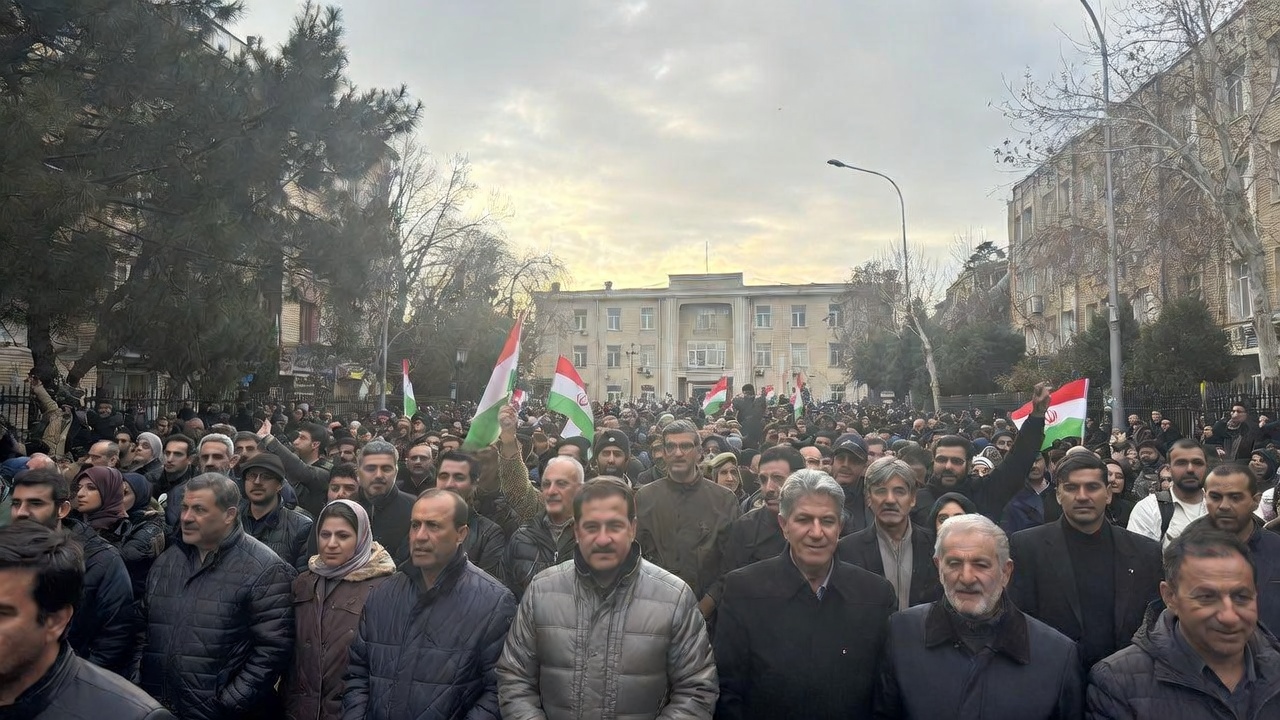
The most significant ceremonies include commemorative speeches, conferences, marches, parades, and cultural and artistic events, according to Mehr News Agency. On the final day, millions march toward Azadi Square, where the Iranian president traditionally delivers a keynote address.
Experience the Historic March at Azadi Square on February 11th
If there is one thing you absolutely must witness during 22 Bahman, it is the mass gathering at Azadi Square. This experience offers unparalleled insight into Iranian patriotism and collective identity.
The Significance of Azadi Square
Azadi Square, situated in western Tehran, serves as the focal point for all 22 Bahman celebrations. The square is dominated by the iconic Azadi Tower (formerly Shahyad Tower), a 45-meter marble monument completed in 1971 to mark the 2,500th anniversary of the Persian Empire.
The tower’s name translates to “Freedom Tower”—a name adopted after the 1979 revolution to symbolize the new era. The square witnessed some of the largest revolutionary demonstrations in 1978 and 1979. It has since become the symbolic heart of the Islamic Republic.
What to Expect on 22 Bahman
On the morning of February 11th, marchers depart from ten different points across Tehran. All routes converge at Azadi Square. The atmosphere is festive yet solemn. Families participate together. Street vendors sell snacks and beverages along the routes.
At Azadi Square, attendees can expect:
- A presidential address delivered from a stage facing the crowd
- Display of military equipment, including ballistic missiles and domestically produced defense systems
- Cultural performances by various regional groups
- Distribution of commemorative items and publications
Practical tip: Arrive early if you wish to secure a position with a good view. The square fills rapidly by mid-morning. Metro stations near Azadi Square experience heavy traffic. Consider walking from a nearby station.
Photography Guidelines
You are generally free to photograph the celebrations and the Azadi Tower. However, exercise discretion when photographing military equipment or personnel. When in doubt, ask permission.
Visit the Azadi Tower and Its Underground Museum
Beyond its role as a gathering point for 22 Bahman, Azadi Tower deserves exploration in its own right. The monument represents a fascinating blend of architectural styles and houses a museum worth visiting.
Architectural Marvel Blending Eras
The tower was designed by Hossein Amanat, who won a national competition for the project in 1966. According to Wikipedia, his design drew upon both pre-Islamic and Islamic Persian architectural traditions.
The main arch at the tower’s center recalls the Taq Kasra (Arch of Ctesiphon), a remnant of the Sasanian Empire. The upper arch incorporates elements of Islamic architecture from the Safavid period. Turquoise tilework, reminiscent of Isfahan’s famous mosques, adorns the spaces between the arches.
The structure stands approximately 45 meters tall and is clad in 8,000 pieces of white marble. It consists of a sixteen-sided structure with an oval dome.
Exploring the Underground Museum
Beneath the tower lies the Azadi Museum, accessible through massive granite doors weighing over 5.3 tons each. The museum houses artifacts spanning Iran’s history from ancient times through the present.
Notable exhibits include:
- Archaeological finds from Susa and other ancient sites
- Cuneiform tablets from the Achaemenid period
- Medieval ceramics and metalwork
- Illuminated Qurans and miniature paintings
- Historical photographic collections
Before the revolution, a copy of the famous Cyrus Cylinder was displayed here (the original remains at the British Museum).
Visiting information:
| Detail | Information |
|---|---|
| Location | Azadi Square, District 10, Tehran |
| Metro Access | Between Meydan Azadi and Ostad Moein stations |
| Entrance Fee | Free to view the tower; museum requires ticket purchase |
| Best Photography Time | Late afternoon for golden hour lighting |
Explore the UNESCO World Heritage Site: Golestan Palace
No visit to Tehran is complete without exploring Golestan Palace, the former royal Qajar complex located in the heart of the city. As a UNESCO World Heritage Site since 2013, it represents an essential destination for understanding Iran’s royal heritage.
Historical Background and Significance
Golestan Palace is among the oldest historical monuments in Tehran. According to UNESCO, the complex originated during the Safavid dynasty but received its most characteristic features in the 19th century under Qajar rule.
The name “Golestan” means “Rose Garden” or “Palace of Flowers”—an apt description given the lush gardens surrounding the royal buildings. The Qajar shahs used the palace as their primary residence and seat of government from 1794 until the constitutional revolution of 1906.
Architectural Highlights Worth Seeing
The palace complex comprises 17 structures, including:
Marble Throne (Takht-e Marmar): A striking terrace built in 1806 under Fath Ali Shah. Qajar coronations and formal court ceremonies took place here. The last coronation held at this throne was that of Reza Shah Pahlavi in 1925.
Shams-ol-Emareh (Edifice of the Sun): A two-towered structure offering panoramic views of Tehran. The towers were inspired by the viewing palace of Ali Qapu in Isfahan.
Hall of Mirrors: One of the most photographed spaces in the palace. Intricate mirrorwork, crystal chandeliers, and vibrant stained glass create a dazzling visual effect.
Diamond Hall (Talar-e Almas): Named for its brilliant crystalline interior decorations.
Negar Khaneh: An art gallery housing a remarkable collection of paintings and photographs.
Practical Information for Visitors
The palace operates on a ticketing system where each building requires a separate admission fee.
| Detail | Information |
|---|---|
| Location | Near Tehran Grand Bazaar, District 12 |
| Metro Station | Panzdah-e Khordad Station (Line 1/Red Line) |
| Ticket System | Main garden separate; each hall requires additional ticket |
| Visit Duration | 2-3 hours recommended for full exploration |
| Photography | Allowed; flash and tripods restricted in some areas |
Tip: Hire a local guide or obtain an audio guide. English signage is limited, and the historical context greatly enhances appreciation.
Navigate the Labyrinth of Tehran Grand Bazaar for Authentic Shopping
Steps away from Golestan Palace lies one of the Middle East’s most historic marketplaces: Tehran Grand Bazaar. During the 22 Bahman period, the bazaar operates normally (except on February 11th itself, when some shops may close).
History of the Grand Bazaar
Tehran’s Grand Bazaar has roots stretching back centuries, with some researchers suggesting commercial activity in this location since the 7th century CE. The bazaar as it exists today developed primarily during the Safavid and Qajar eras.
The market covers over 10 kilometers of winding corridors, according to Wikipedia. It contains mosques, guest houses, banks, and countless shops organized by specialty.
What to Buy at the Grand Bazaar
The bazaar is divided into sections dedicated to specific merchandise:
Persian Carpets: The carpet section features some of Tehran’s most impressive merchants. Expect persistent salespeople, but also stunning artisanal work. Carpets from Isfahan, Tabriz, and Kashan are particularly prized.
Gold and Jewelry: The gold bazaar operates like a miniature stock exchange. Prices fluctuate based on global gold rates. This section attracts both serious buyers and browsers.
Spices and Saffron: Iran produces some of the world’s finest saffron. Prices here are considerably lower than international markets. Also look for sumac, dried limes, and Persian tea.
Handicrafts: Seek out minakari (enamelwork), khatamkari (marquetry inlay), and hand-engraved copperware. Termeh (traditional brocade) from Yazd makes an excellent textile purchase.
Navigating and Bargaining
Bargaining is expected and respected. Begin by offering approximately half the quoted price and negotiate from there. Maintain a friendly demeanor throughout.
The bazaar’s layout can disorient newcomers. Consider downloading offline maps or following the main arteries. Getting lost, however, often leads to the most memorable discoveries.
| Detail | Information |
|---|---|
| Main Entrance | Sabze Meydan |
| Hours | Saturday-Thursday, approximately 9 AM to 8 PM |
| Closed | Friday (Islamic day of rest) |
| Metro Stations | Khayam or Panzdah-e Khordad (Line 1) |
| Duration | Minimum 2 hours; half-day for thorough exploration |
Dining tip: Eat lunch at Moslem Restaurant, located within the bazaar. This legendary establishment serves exceptional tahchin (saffron rice cake) and baghali polo (dill rice with lamb shank). Arrive before noon to avoid long queues.
Sample Authentic Persian Cuisine at Traditional Tehran Restaurants
A visit to Tehran during 22 Bahman demands full immersion in Persian gastronomy. The capital offers everything from humble eateries to upscale establishments, all serving cuisine refined over millennia.
Must-Try Persian Dishes
Chelo Kabab: The national dish of Iran. Steamed saffron rice served with skewered, grilled meat. Variations include koobideh (minced lamb), barg (thinly sliced lamb), and joojeh (chicken).
Tahchin: A layered rice dish baked with saffron, yogurt, and eggs, typically filled with chicken. The crispy bottom (tahdig) is the most prized portion.
Dizi (Abgoosht): A traditional lamb and chickpea stew served in a special stone crock. The broth is drunk first, then the solids are mashed and eaten with flatbread. This hearty dish provides perfect warmth during Tehran’s February chill.
Fesenjan: A sophisticated pomegranate-walnut stew, usually prepared with chicken or duck. Its sweet-sour flavor profile distinguishes it from other Persian dishes.
Barbari Bread: Iran’s most popular flatbread. Look for it fresh from traditional bakeries. Its chewy interior and slightly charred exterior pair perfectly with every meal.
Top Restaurant Recommendations
For Traditional Atmosphere:
Moslem Restaurant (Grand Bazaar): Budget-friendly institution known for tahchin. Expect crowds.
Shamshiri Restaurant: One of Tehran’s oldest kebab houses, operating since 1941. Multiple locations.
Alighapoo Restaurant: Traditional buffet-style dining with live Persian music. Located in an atmospheric basement setting.
For Upscale Dining:
Nayeb Saadatabad: Part of Tehran’s oldest chelow kebabi chain, established in 1875. The Saadatabad branch offers elegant ambiance with live piano music. Reservations recommended.
Narenjestan Restaurant: Located on the 11th and 12th floors of Soro Tower in Saadatabad. Features panoramic city views and both Persian and international menus.
For Regional Specialties:
Little Khoshbin: Popular among locals for Gilaki cuisine from northern Iran. The fried fish and pomegranate-based dishes are exceptional.
Essential Beverages
Doogh: A refreshing yogurt drink mixed with water, salt, and mint. It complements rich Persian dishes excellently and aids digestion.
Persian Tea: Served strong and often sweetened with rock sugar (nabat). Chai houses throughout Tehran offer perfect people-watching opportunities.
Ab-Haveej Bastani: A unique Persian creation combining fresh carrot juice with vanilla ice cream. Surprisingly delicious.
Discover Tehran’s World-Class Museums During the Fajr Decade
Tehran houses Iran’s finest museum collections. The 22 Bahman period often coincides with special exhibitions and extended programming. Several institutions merit dedicated visits.
National Museum of Iran
The country’s premier archaeological and historical museum occupies two buildings near the Grand Bazaar.
Iran Bastan Museum: Houses artifacts from prehistoric periods through the Sasanian Empire. Highlights include pottery from Susa, Achaemenid reliefs, and the famous Salt Man mummy.
Museum of Islamic Art: Contains works from the Islamic era, including calligraphy, ceramics, textiles, and metalwork.
| Detail | Information |
|---|---|
| Location | Si-e Tir Street, near Imam Khomeini Square |
| Metro Station | Imam Khomeini (Line 1 and 2) |
| Hours | 9 AM to 6 PM (closed on some holidays) |
| Duration | 2-3 hours |
Treasury of National Jewels
Housed in the basement vault of Iran’s Central Bank, this collection ranks among the world’s most valuable.
Exhibits include:
- The Peacock Throne (or a version thereof)
- The Darya-i-Noor Diamond (one of the largest pink diamonds globally)
- The Kiani Crown
- Countless tiaras, swords, and ornamental pieces dripping with gems
Note: Photography is strictly prohibited. The museum operates limited hours and may close unexpectedly. Confirm opening times before visiting.
Tehran Museum of Contemporary Art
Art enthusiasts should not miss TMoCA, which houses one of the world’s most valuable collections of Western masterpieces outside Europe and North America.
The collection includes works by:
- Pablo Picasso
- Claude Monet
- Jackson Pollock
- Francis Bacon
- Mark Rothko
- Andy Warhol
The museum building itself, designed by Iranian architect Kamran Diba, draws inspiration from traditional Persian architecture and wind catchers.
Holy Defense Museum
For visitors seeking deeper understanding of Iran’s contemporary history, the Holy Defense Museum documents the Iran-Iraq War (1980-1988).
The museum presents the conflict through Iranian perspectives. Exhibits include authentic military equipment, detailed dioramas, and personal testimonies. The experience proves sobering and profoundly educational.
Located near Tabiat Bridge, the museum can be combined with visits to that area.
Escape the City: Winter Sports at Tochal and Dizin Ski Resorts
One of Tehran’s best-kept secrets among international tourists is its proximity to excellent ski resorts. February represents prime ski season. The juxtaposition of skiing world-class slopes in the morning and exploring ancient palaces in the afternoon creates a uniquely Tehran experience.
Tochal Ski Resort: Skiing Above the Capital
Tochal Ski Resort sits just 10 kilometers from Tehran’s northern suburbs. At 3,963 meters elevation, it ranks among the world’s highest ski resorts.
Getting There: The resort is accessed via a 7.5-kilometer gondola ride (one of the world’s longest) from the Velenjak district. The ride itself offers spectacular views of Tehran spread below.
Ski Conditions: The season typically runs from December through April, sometimes extending to June at the highest elevations. January and February offer the best powder conditions according to Ski of Persia.
Facilities:
| Feature | Details |
|---|---|
| Elevation | 3,963 meters (13,002 feet) |
| Lifts | 2 chairlifts, 1 t-bar |
| Runs | 2 main slopes plus off-piste options |
| Rental | Available (~$30-40 for full equipment) |
| Dining | Restaurants at stations 5 and 7 |
| Accommodation | Hotel available at 3,500 meters |
Practical tips:
- Weekends (Thursdays and Fridays) experience long gondola queues. Weekdays are preferable.
- The gondola’s final morning departure varies seasonally. Confirm schedules in advance.
- Equipment rental quality varies. Bring your own gear if possible.
Dizin Ski Resort: Iran’s Premier Destination
Located approximately 70 kilometers north of Tehran, Dizin offers Iran’s most extensive ski terrain.
The resort features slopes ranging from 2,650 to 3,600 meters elevation. Its powder quality rivals European and North American destinations. Multiple chairlifts and gondolas provide access to varied terrain suitable for all skill levels.
Shemshak and Darbandsar
Advanced skiers seeking challenge should consider Shemshak, known for steep, mogul-covered runs. Darbandsar offers a quieter, cozier atmosphere with modern facilities.
All three resorts—Dizin, Shemshak, and Darbandsar—can be combined with off-piste touring for experienced mountaineers.
Hike Through Darband: Tehran’s Mountain Escape
Even non-skiers can enjoy Tehran’s mountain proximity through Darband, a charming village-turned-neighborhood in northern Tehran.
What to Expect in Darband
Darband sits at the foothills of the Alborz Mountains. A rushing stream runs through the main pathway. Traditional teahouses and restaurants line the route, their tables often positioned directly over the water.
The area offers:
- Hiking trails leading up toward Tochal
- Traditional restaurants serving excellent kebabs
- Teahouses offering shisha (hookah) and Persian tea
- Waterfalls accessible via moderate hiking
Practical Information
| Detail | Information |
|---|---|
| Access | Taxi from Tajrish Square or northern Tehran |
| Best Time | Daytime for hiking; evening for dining atmosphere |
| Winter Considerations | Paths may be icy; wear appropriate footwear |
| Duration | Half-day to full day depending on hiking ambitions |
Darband provides a perfect antidote to Tehran’s urban intensity. The mountain air, dramatic scenery, and relaxed pace create welcome contrast.
Walk Across Tabiat Bridge and Explore Northern Tehran’s Parks
Northern Tehran offers modern attractions complementing the city’s historical sites. The Tabiat Bridge (Nature Bridge) has become one of Tehran’s most iconic contemporary landmarks since its 2014 completion.
About Tabiat Bridge
Designed by architect Leila Araghian (who won the competition at age 26), Tabiat Bridge connects two popular parks—Taleghani Park and Abo Atash Park—across Modarres Highway.
Design features:
- Length: 270 meters (886 feet)
- Three levels connected by multiple staircases
- Restaurants and cafes integrated into the structure
- Landscaped with trees and seating areas
The bridge attracts Tehranis at all hours. Evening visits offer city lights views. The surrounding parks provide green space for walking, picnicking, and relaxation.
Nearby Attractions
Abo Atash Park: Popular family destination with recreational facilities.
Holy Defense Museum: Within walking distance, as previously mentioned.
Northern Tehran Neighborhoods: Areas like Tajrish, Darband, and Niavaran offer upscale shopping, dining, and the Niavaran Palace Complex (former Pahlavi residence).
Visit the Mausoleum of Imam Khomeini
For visitors wishing to understand the Islamic Revolution’s foundations, the Mausoleum of Imam Khomeini offers important context. The shrine complex lies approximately 10 kilometers south of central Tehran, adjacent to Behesht-e Zahra cemetery.
About the Complex
The mausoleum houses the remains of Ayatollah Ruhollah Khomeini, founder of the Islamic Republic, who died in 1989. The structure impresses with its scale—covering 20 hectares with capacity for thousands of worshippers.
Architectural features:
- Large golden dome
- Multiple minarets
- Vast prayer halls
- Islamic calligraphy and decorative arts
The site holds particular significance during the Ten Days of Fajr. On the anniversary of Khomeini’s return (February 1st), the Supreme Leader traditionally visits to pay respects.
Visitor Information
| Detail | Information |
|---|---|
| Location | Southern Tehran, near Behesht-e Zahra |
| Access | Metro Line 1 to Haram-e-Motahhar station |
| Entry | Free |
| Dress Code | Modest dress required; women must wear chador (available at entrance) |
| Separate Sections | Men and women enter through separate entrances |
Photography: Generally permitted in exterior areas. Ask permission inside prayer halls.
Practical Travel Tips for Visiting Tehran During 22 Bahman
Weather and What to Pack
February in Tehran brings winter weather. Temperatures typically range from 1°C to 10°C (34°F to 50°F). Snowfall occasionally occurs.
Packing essentials:
- Warm coat
- Layers for indoor/outdoor temperature differences
- Comfortable walking shoes with good traction
- Rain/snow jacket
- Scarf (required for women; useful for everyone in cold)
Dress Code Reminders
Iran maintains dress code requirements:
Women: Must cover hair with a scarf (hijab). Clothing should be loose-fitting, covering arms to wrists and legs to ankles. Long coats (manteau) over pants are common. Colors and styles have relaxed considerably in recent years.
Men: Long pants required. Short-sleeved shirts are acceptable in warm weather.
Currency and Payment
Iran operates primarily as a cash economy for tourists due to international banking sanctions. Credit cards and debit cards issued outside Iran generally do not function.
Recommendations:
- Bring sufficient foreign currency (USD, EUR)
- Exchange money at official exchange offices (sarafi)
- Negotiate exchange rates
- Download exchange rate apps for reference
Transportation
Tehran Metro: Efficient, affordable, and connects major tourist sites. Purchase rechargeable cards for convenience.
Taxis: Available throughout the city. Use Snapp (Iran’s equivalent to Uber) for transparent pricing. Download the app before arrival.
Private Tours: Many travelers hire guides with vehicles for convenience. Arrange through reputable agencies.
Language
Farsi (Persian) is the primary language. English proficiency varies. In tourist areas and among younger Iranians, basic English communication is often possible.
Useful Farsi phrases:
| English | Farsi (Pronunciation) |
|---|---|
| Hello | Salaam |
| Thank you | Mersi / Tashakor |
| Yes | Baleh |
| No | Na |
| How much? | Chand? |
| Beautiful | Ghashang |
Internet and Communications
International social media platforms face restrictions in Iran. Many visitors use VPN services to access their usual apps. Download a reliable VPN before arrival.
Local SIM cards from providers like Irancell and MCI offer affordable data plans.
Sample 5-Day Tehran Itinerary for 22 Bahman Holiday
Day 1: Arrival and Southern Tehran
- Morning: Arrive in Tehran. Check into accommodation.
- Afternoon: Visit Golestan Palace. Allow 2-3 hours.
- Evening: Explore Tehran Grand Bazaar. Dinner at Moslem Restaurant.
Day 2: Revolution Sites and Museums
- Morning: Metro to Imam Khomeini Mausoleum. Observe pilgrims and architecture.
- Afternoon: National Museum of Iran. Adjacent Treasury of National Jewels (confirm hours).
- Evening: Walk around Ferdowsi Square area. Dinner in city center.
Day 3: Northern Tehran and Mountains
- Morning: Tochal Telecabin ride. Skiing or simply enjoying mountain views.
- Afternoon: Return to city. Explore Tajrish Bazaar (northern bazaar alternative).
- Evening: Dinner in Darband. Traditional restaurant by the stream.
Day 4: Art and Modern Tehran
- Morning: Tehran Museum of Contemporary Art.
- Afternoon: Walk across Tabiat Bridge. Holy Defense Museum if interested.
- Evening: Upscale dinner at Nayeb or Narenjestan in Saadatabad.
Day 5: 22 Bahman Celebrations (February 11th)
- Morning: Early departure for Azadi Square. Witness the march convergence.
- Midday: Presidential address and ceremonies.
- Afternoon: Azadi Tower and museum (may be crowded).
- Evening: Find a vantage point for fireworks. Farewell dinner.
Cultural Etiquette and Respectful Travel
Visiting during 22 Bahman requires particular cultural sensitivity. The holiday carries profound significance for many Iranians. Even travelers who disagree with the Islamic Republic’s politics can approach the experience with respect and curiosity.
Respectful Engagement
- Observe quietly during official ceremonies
- Avoid political discussions unless invited by locals
- Accept hospitality graciously—Iranians are renowned for their warmth toward guests
- Photograph sensitively—ask permission when photographing individuals
Understanding Different Perspectives
Contemporary Iran contains multitudes. The 22 Bahman celebrations represent official state ceremony, yet Iranian society encompasses diverse viewpoints. Private conversations may reveal perspectives rarely seen in state media. Listen more than speak. Ask genuine questions.
Many Iranians separate patriotism and cultural pride from political opinions. Assume complexity rather than monolithic views.
Why 22 Bahman Offers a Unique Travel Experience
Visiting Tehran during the 22 Bahman holiday provides insights unavailable during ordinary travel periods. The combination of historical commemoration, cultural celebration, and daily life creates a multilayered experience.
You will witness:
- A nation engaging with its revolutionary heritage
- Public spaces transformed by ceremony and gathering
- Cultural continuity stretching back millennia
- Modern Iran in all its complexity
You will enjoy:
- World-class historical sites with fewer international tourists
- Winter skiing accessible from a major metropolis
- Exceptional cuisine at every price point
- Genuine hospitality from Iranian hosts
Tehran during 22 Bahman challenges assumptions. It rewards curiosity. It offers encounters with history both ancient and recent. For travelers seeking meaningful engagement with one of the world’s most misunderstood nations, no period offers richer opportunity.
Cultural Events and Festivals During the Fajr Decade
Beyond the main commemorative ceremonies, the Ten Days of Fajr bring numerous cultural events to Tehran. The Iranian government and cultural organizations host exhibitions, concerts, and performances throughout this period.
Fajr Film Festival
The Fajr Film Festival remains Iran’s most prestigious cinematic event. Established in 1982, it functions as Iran’s equivalent to the Academy Awards. The festival celebrates both domestic productions and international cinema.
According to the official Fajr International Film Festival website, the event welcomes filmmakers, critics, and cinema enthusiasts from around the world. Screenings take place at major venues across Tehran. International visitors can attend public screenings with appropriate tickets.
The festival showcases films that explore themes of justice, human dignity, and artistic excellence. Past editions have hosted prominent international filmmakers including Oliver Stone, Paul Schrader, and Jean-Pierre Léaud. The top prize, the Crystal Simorgh, is awarded in competitive sections.
Practical information:
- Film screenings held at multiple Tehran cinemas
- Some screenings offer English subtitles
- Check festival website for current programming
- Tickets available through official channels
Music and Performing Arts
The Fajr Music Festival and Fajr Theater Festival complement the film event. These celebrations bring traditional Persian music, regional folk performances, and contemporary artistic expressions to Tehran’s cultural venues.
Public concerts often take place at:
- Vahdat Hall: Tehran’s premier classical music venue
- Milad Tower: Features concert halls with modern facilities
- Cultural centers throughout the city
While finding specific schedules requires Farsi language skills or local assistance, wandering Tehran during this period often leads to unexpected cultural encounters. Street performances and impromptu celebrations occur throughout neighborhoods.
Art Exhibitions and Gallery Shows
Tehran’s numerous galleries typically mount special exhibitions during the Fajr decade. The Tehran Museum of Contemporary Art and smaller independent galleries in neighborhoods like Valiasr and Karimkhan often present thematically relevant shows.
The exhibition culture provides insight into contemporary Iranian artistic expression—a sphere where creativity flourishes despite external perceptions of cultural limitation. Many artists use this period to debut new works.
Accommodation Options for Every Budget
Tehran offers accommodation ranging from budget hostels to luxury hotels. During the 22 Bahman period, booking in advance is advisable as domestic tourism increases.
Budget Options
Hi Tehran Hostel: A beloved institution among international backpackers. Comfortable dorms, private rooms, excellent common areas, and helpful staff who assist with travel logistics. Located centrally with good metro access.
See You in Iran Hostel: Well-located with good amenities including rooftop terrace, free breakfast, and laundry facilities. Staff assist with train and bus bookings and can arrange local SIM cards.
Firouzeh Traditional Hotel: A budget-friendly option in a converted traditional house. Atmospheric setting with courtyard provides authentic Persian ambiance.
Mid-Range Hotels
Parsian Enghelab Hotel: Well-positioned near several major attractions including Golestan Palace. Reliable service and comfortable rooms at reasonable rates.
Ferdowsi Grand Hotel: Features a traditional restaurant worth visiting regardless of accommodation choice. Central location facilitates easy exploration.
Olympic Hotel: Good value near Azadi Square, particularly convenient for 22 Bahman ceremonies. Basic but clean facilities.
Luxury Accommodations
Espinas Palace Hotel: Tehran’s most luxurious address. Full amenities, multiple restaurants, spa facilities, and exceptional service. Located in upscale northern Tehran.
Espinas International Hotel: Another Espinas property offering high-end accommodation with modern facilities and professional service standards.
Laleh Hotel (Former InterContinental): Historic property with extensive facilities and central location near museums. A piece of Tehran hotel history.
Booking Considerations
Important: Due to international sanctions, major booking platforms like Booking.com and Airbnb do not operate in Iran. Book directly through hotel websites or via Iranian travel agencies.
Many travelers arrange accommodation through local tour operators who can handle bookings and payments in local currency. This approach often yields better rates and avoids complications with international payment systems.
Safety Information and Travel Considerations
International visitors naturally have questions about safety in Iran. The reality on the ground often differs significantly from media portrayals.
Personal Safety
Tehran is generally safe for tourists. Violent crime against foreigners is extremely rare. Pickpocketing exists but occurs less frequently than in many European cities. Most visitors report feeling safer than expected.
Standard precautions apply:
- Secure valuables in hotel safes
- Avoid displaying large amounts of cash publicly
- Be aware of surroundings in crowded areas like bazaars
- Keep copies of passport and visa separate from originals
- Register with your embassy if recommended by your government
Political Sensitivity
The 22 Bahman period involves political ceremonies with strong nationalist undertones. While tourists can observe peacefully, participation in any protest activity would be inadvisable and potentially dangerous.
Avoid photographing military installations, government buildings, or security personnel unless clearly permitted. When uncertain, ask. Iranians will appreciate your respectful approach.
Health Considerations
Tehran has excellent medical facilities. Major hospitals provide quality care with many English-speaking staff. Travel insurance covering medical evacuation is nonetheless recommended for any international journey.
Winter-specific concerns:
- Tehran’s air quality can worsen in winter due to temperature inversions
- Those with respiratory sensitivities should monitor air quality indices
- Carry any required medications with documentation
- Altitude at ski resorts requires gradual acclimatization
Women Travelers
Solo women and groups of women travel safely throughout Iran. The mandatory dress code applies, but harassment is uncommon. Iranian society generally treats foreign women respectfully, often with protective courtesy.
Practical tips for women:
- Carry a small scarf for quick adjustments throughout the day
- Loose-fitting clothing need not be dull—color and patterns are welcome
- Sunglasses and headscarves combine practically in sunny conditions
- Local women can offer guidance if uncertain about norms in specific contexts
Photography Tips for Tehran During 22 Bahman
The visual opportunities during the 22 Bahman celebrations are extraordinary. From sweeping crowd scenes to intimate architectural details, Tehran rewards photographers at every turn.
Best Locations for Photography
Azadi Square on February 11th: The convergence of marchers creates remarkable scenes. Arrive early for unobstructed positions. The tower itself photographs beautifully from multiple angles throughout the day.
Golestan Palace: The tilework, mirror halls, and garden settings demand slow, deliberate composition. Morning light works best for exterior shots. Interior halls benefit from patience and available light techniques.
Tehran Grand Bazaar: The interplay of light through domed roofs creates dramatic effects. Portrait opportunities abound, though always ask permission first. Vendors often appreciate attention when approached respectfully.
Tochal Telecabin: The ascending gondola offers panoramic city views. Clean windows vary by cabin—check before settling in.
Darband: Flowing water, traditional architecture, and mountain backdrops create compelling landscapes at various times of day.
Technical Considerations
Weather challenges:
- Winter light can be harsh or flat depending on conditions
- Snow creates exposure challenges—use compensation appropriately
- Cold drains batteries quickly—carry spares close to body warmth
- Condensation forms when entering warm interiors—allow equipment to acclimate gradually
Cultural considerations:
- Always ask permission before photographing individuals directly
- Women may decline being photographed—respect this immediately and graciously
- Military equipment at 22 Bahman displays may or may not be photographable—observe what others do
- Religious sites often permit photography but restrict flash
Recommended Equipment
Essential:
- Versatile zoom lens (24-70mm or equivalent)
- Extra batteries and memory cards
- Weather protection for equipment
Recommended additions:
- Wide-angle lens for architecture and crowds
- Telephoto for distant details and portraits
- Lightweight tripod for low-light situations
- Polarizing filter for reducing reflections on palace tilework
Getting Around Tehran Efficiently
Tehran’s size and legendary traffic require strategic transportation planning. The metro system provides the most reliable option for crossing the city efficiently.
Tehran Metro
The metro network connects major tourist sites with remarkable efficiency. Service runs from approximately 5:30 AM to 11:00 PM, with slight variations on weekends and holidays.
Key lines for tourists:
| Line | Color | Key Stations |
|---|---|---|
| Line 1 | Red | Imam Khomeini, Panzdah-e Khordad (Golestan Palace, Grand Bazaar), Haram-e Motahhar (Khomeini Mausoleum), Tajrish (northern Tehran) |
| Line 2 | Blue | Imam Khomeini, Tarbiat Modarres |
| Line 4 | Yellow | Azadi (for Azadi Tower area), Eram-e Sabz |
Metro tips:
- Purchase a rechargeable card for convenience and savings
- Women’s carriages available at front of trains provide comfortable option
- Peak hours (7-9 AM, 4-7 PM) bring significant crowds
- Stations announce stops in Farsi—track your progress or count stations
Taxis and Ride-Sharing
Snapp Application: Iran’s ride-hailing app functions like Uber. Download before arrival and set up your account. Payment occurs in cash at trip’s end. Drivers see your destination, eliminating negotiation stress.
Regular Taxis: Available throughout the city. Negotiate prices before entering the vehicle. Shared taxis (savari) run fixed routes for lower fares but require Farsi skills to navigate.
Walking
Tehran’s sidewalks vary dramatically in quality. Traffic does not yield to pedestrians as in some countries. Cross streets at designated crossings, but remain vigilant even with green signals. Many neighborhoods reward walking exploration despite challenges.
Inter-City Transport
Should you wish to explore beyond Tehran during your visit:
Domestic Flights: Iran has extensive domestic air networks connecting major cities. Book through local agencies or airline websites.
Buses: VIP buses connect Tehran to major cities in reasonable comfort. Overnight journeys cover significant distances while you sleep.
Trains: The rail network connects Tehran to cities like Isfahan, Shiraz, and Yazd. Scenic routes through mountains offer memorable journeys and opportunities to meet locals.
Connecting with Locals: Understanding Iranian Hospitality
Perhaps no aspect of Iranian travel surprises visitors more than the extraordinary hospitality they encounter. Iranians take genuine pride in welcoming guests to their country. Random encounters frequently lead to tea invitations, meal offers, and generous assistance.
Understanding Tarof
Tarof is the Persian custom of extreme politeness and ceremonial offers. A shop owner might insist you need not pay. A taxi driver might refuse fare. These are social rituals rather than literal offers.
How to navigate tarof:
- Decline politely once or twice before accepting genuine offers
- Insist on paying for services and goods despite protests
- Reciprocate kindness when opportunities arise
- Express genuine gratitude—it matters deeply in Persian culture
Making Connections
English-speaking Iranians often approach tourists out of curiosity and friendliness. Many younger Iranians speak conversational English learned through media and education.
Teahouses and cafes provide natural gathering spots for cross-cultural encounters. Sitting alone often leads to invitations to join others.
Guides and hosts offer deeper access to culture and meaning. Consider arranging local guides even for independent travel.
Reciprocating Hospitality
Iranians appreciate:
- Genuine interest in their culture and country
- Positive impressions shared about your visit
- Small gifts from your home country (though never expected)
- Respectful questions about their lives and perspectives
- Willingness to share about your own homeland
Final Thoughts: Preparing for Your Tehran 22 Bahman Adventure
The 22 Bahman holiday transforms Tehran into something more than an ordinary tourist destination. The city reveals its heart during these ten days. Monuments that might feel static during other seasons pulse with contemporary meaning. Streets fill with citizens engaging with their national identity.
Before you go:
- Obtain your visa well in advance. Requirements vary by nationality; research early.
- Book accommodation in central Tehran for convenient access to major sites.
- Arrange reliable transportation for February 11th specifically.
- Download offline maps and translation apps before arrival.
- Bring sufficient cash in foreign currency (USD, EUR preferred).
- Pack for winter weather and dress code requirements.
- Maintain an open mind and curious disposition throughout.
- Prepare for surprises—Iran rarely matches expectations.
Tehran awaits with 7,000 years of Persian civilization, revolutionary history still shaping the present, and citizens eager to share their remarkable homeland with respectful visitors. The 22 Bahman period offers a window into Iranian society available at no other time.
Welcome to Iran—or as locals will enthusiastically greet you:
خوش آمدید! (Khosh amadid!)
This comprehensive guide was researched and written in January 2026 using verified sources. Please verify current conditions, visa requirements, and specific attraction details before travel. Situations in any country can change; consult official travel advisories from your government before departure.