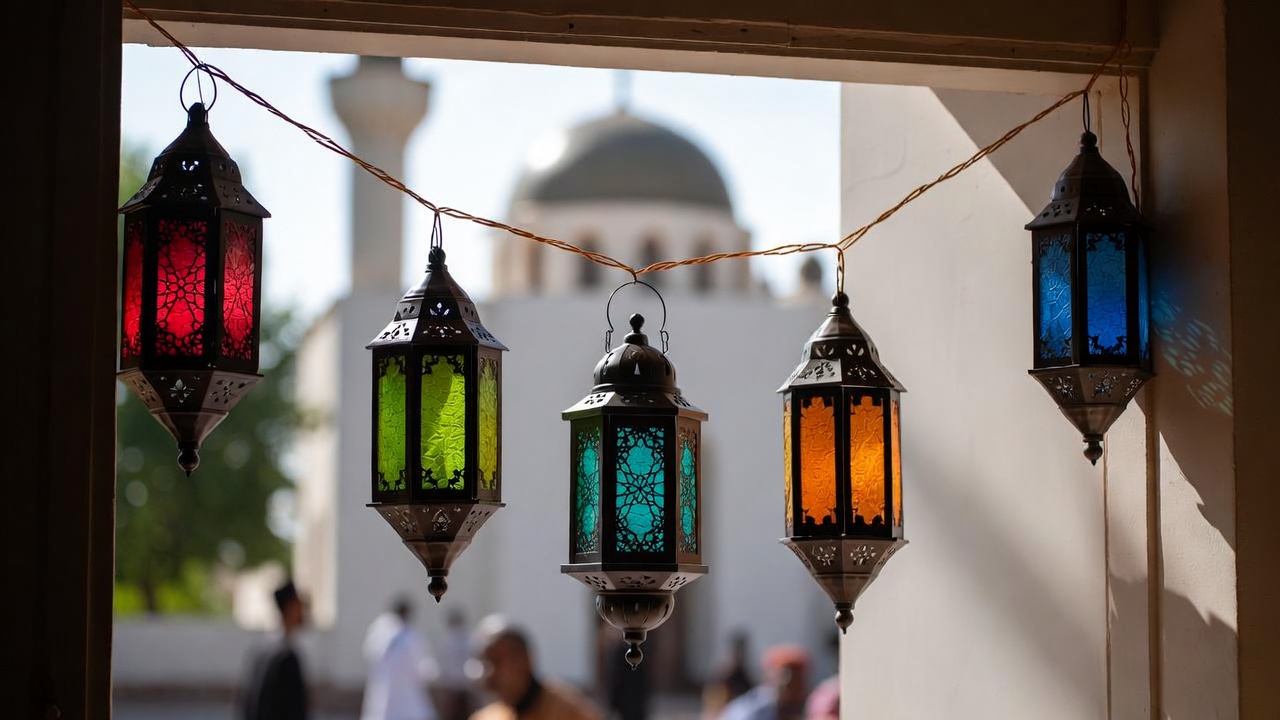
A comprehensive guide to creating a warm, inviting atmosphere during the holiest month in Islam
The crescent moon appears on the horizon, and with it comes the blessed month of Ramadan—a time of spiritual reflection, community gathering, and joyous celebration across the Muslim world. From the winding streets of Cairo to the modern skyline of Dubai, from the historic neighborhoods of Istanbul to Muslim communities in London, New York, and Sydney, homes and mosques transform into spaces of beauty and devotion. Traditional Ramadan decorations serve not merely as aesthetic embellishments but as powerful reminders of faith, heritage, and the sacred significance of this holy month.
Whether you are decorating your family home, preparing a community center, or helping beautify your local mosque, this guide walks you through the rich traditions, meaningful symbols, and creative ideas that will make your Ramadan truly special. We have gathered insights from cultural historians, interior designers who specialize in Islamic aesthetics, and families who have preserved decorating traditions across generations.
The Cultural Significance of Ramadan Home Decorations
Before diving into specific decoration ideas, it is essential to understand why Muslims decorate for Ramadan and the deeper meaning behind these practices. Unlike purely commercial holiday decorations in some traditions, Ramadan decorations carry spiritual weight and cultural heritage that spans over fourteen centuries.
The practice of decorating homes and places of worship during Ramadan grew organically from the Muslim community’s desire to mark this sacred period visually. In medieval Cairo, the Fatimid caliphs introduced elaborate street decorations and lanterns—traditions that continue today. The goal was never ostentation but rather creating an atmosphere conducive to worship, reflection, and community connection.
During Ramadan, families gather for iftar (the meal to break the fast) and suhoor (the pre-dawn meal), neighbors visit one another more frequently, and children learn about their faith through active participation. Decorations help transform ordinary spaces into extraordinary ones, signaling that this month is different, special, and worthy of notice.
Key purposes of Ramadan decorations include:
| Purpose | Explanation |
|---|---|
| Spiritual reminder | Visual cues throughout the home prompt family members to maintain mindfulness of worship and good deeds |
| Community building | Decorated homes signal welcome to guests and foster a sense of shared celebration |
| Teaching children | Engaging young ones in decoration helps them understand and appreciate Ramadan’s significance |
| Cultural preservation | Traditional decorations connect families to their heritage and the global Muslim ummah |
| Creating atmosphere | Beautiful surroundings enhance the emotional and spiritual experience of fasting and prayer |
Traditional Ramadan Lanterns: The Timeless Fanoos
No symbol captures the spirit of Ramadan quite like the fanoos (فانوس), the traditional lantern that has illuminated homes and streets during this holy month for over a thousand years. Originating in Egypt during the Fatimid period, the fanoos has become one of the most beloved and recognizable Ramadan decorations worldwide.
The History Behind the Ramadan Fanoos Lantern
Legend holds that when the Fatimid Caliph al-Mu’izz li-Din Allah entered Cairo in 969 CE, citizens greeted him carrying lanterns to light his way. Others trace the tradition to children who would carry lanterns while accompanying their fathers to the mosque for Tarawih prayers during the evenings of Ramadan. Whatever its precise origin, the fanoos evolved from a practical light source into a cherished cultural symbol.
Traditional fanoos lanterns were crafted from brass or tin with colored glass panels, often featuring intricate geometric patterns that cast beautiful shadows when lit. Skilled artisans in Cairo’s Khan el-Khalili bazaar have passed down fanoos-making techniques through generations, and these handcrafted pieces remain highly prized.
How to Choose Traditional Fanoos Lanterns for Your Home
When selecting fanoos lanterns for your Ramadan decorations, consider these factors:
Size and placement matters tremendously. Larger statement lanterns work beautifully as centerpieces on dining tables or entryway floors, while smaller versions can be grouped on mantels, windowsills, or outdoor spaces. Many families create a Ramadan decoration display area featuring multiple lanterns of varying heights for visual interest.
Materials range from traditional brass and glass to modern interpretations in wood, paper, or even fabric. Authentic Egyptian fanoos feature hand-cut colored glass—typically in red, blue, green, and amber—set into metal frames. Contemporary versions may use LED candles for safety while maintaining the warm glow that makes fanoos so inviting.
Craftsmanship varies widely. Mass-produced lanterns can be affordable and attractive, but investing in one or two handcrafted pieces supports traditional artisans and creates heirloom decorations your family will treasure for generations. According to The Met’s Islamic Art Collection, traditional Islamic metalwork and glass demonstrate sophisticated artistic techniques developed over centuries.
DIY Ramadan Lantern Ideas for Families
Creating homemade fanoos provides a wonderful family activity during Ramadan. Children especially enjoy participating in decoration-making, and the process offers opportunities to discuss the lantern’s history and meaning.
Simple paper lanterns can be crafted from cardstock, tissue paper, and LED tea lights. Cut geometric patterns into colored paper, roll into cylinders, and place over battery-operated candles. These make charming table decorations or can be strung together as a garland.
Mason jar lanterns transform ordinary glass jars into beautiful glowing decorations. Paint jars with glass paint in traditional colors, add star and crescent stencils or geometric designs, and place LED candles inside. Group several on a tray for a stunning iftar table centerpiece.
Wooden craft lanterns available at craft stores can be painted and decorated with Islamic geometric patterns, calligraphy, or simply in colors that match your home’s Ramadan theme.
Islamic Calligraphy Wall Art for Ramadan Decoration
Islamic calligraphy represents one of the highest art forms in Muslim culture, transforming words—particularly Quranic verses and names of Allah—into visual beauty. During Ramadan, displaying calligraphy in your home creates focal points for reflection and remembrance.
Popular Quranic Verses for Ramadan Wall Decorations
Certain verses hold particular significance during the holy month and appear frequently in Ramadan decorations:
| Arabic | Transliteration | Translation | Significance |
|---|---|---|---|
| شَهْرُ رَمَضَانَ الَّذِي أُنْزِلَ فِيهِ الْقُرْآنُ | Shahru Ramadana alladhi unzila fihil Qur’an | “The month of Ramadan in which the Quran was revealed” (2:185) | Directly references Ramadan and the Quran’s revelation |
| إِنَّا أَنْزَلْنَاهُ فِي لَيْلَةِ الْقَدْرِ | Inna anzalnahu fi laylat-il-qadr | “Indeed, We sent it down during the Night of Decree” (97:1) | References Laylat al-Qadr, the most sacred night |
| بِسْمِ اللَّهِ الرَّحْمَنِ الرَّحِيمِ | Bismillahir-Rahmanir-Rahim | “In the name of Allah, the Most Gracious, the Most Merciful” | The opening of nearly every Quran surah |
| رَمَضَان كَرِيم | Ramadan Kareem | “Generous Ramadan” | Common Ramadan greeting |
| رَمَضَان مُبَارَك | Ramadan Mubarak | “Blessed Ramadan” | Traditional Ramadan greeting |
Types of Islamic Calligraphy Art for Home Display
Several calligraphic scripts have developed over the centuries, each with distinct aesthetic qualities:
Thuluth script features large, elegant letters with extended vertical strokes. Its dramatic appearance makes it popular for wall art and architectural inscriptions. Thuluth pieces work well as statement decorations in living rooms or entryways.
Naskh script, with its more compact and readable form, is commonly used in printed Qurans. Decorations featuring Naskh calligraphy feel approachable and familiar to many Muslims.
Diwani script, developed during the Ottoman period, features flowing, connected letters with dramatic curves. Its ornate appearance suits formal spaces and creates an air of historical elegance.
Kufic script, one of the oldest Arabic scripts, has angular, geometric qualities that complement contemporary interiors surprisingly well. Modern artists often render Kufic calligraphy in minimalist styles that appeal to those with contemporary design sensibilities.
Where to Place Calligraphy Art During Ramadan
Positioning matters both aesthetically and spiritually. Place calligraphy art in areas where family members will see it frequently—near the dining table used for iftar, in the prayer area, along hallways, or in living spaces where guests gather.
Some families create a dedicated Ramadan reflection corner featuring calligraphy, prayer beads, a Quran stand, and comfortable cushions for contemplation. This space becomes a visual and spiritual anchor for the household during the month.
Crescent Moon and Star Decorations: Symbols of Islamic Heritage
The crescent moon and star have become widely recognized symbols associated with Islam and Muslim identity, making them popular motifs in Ramadan decorations. While scholars debate the symbols’ religious significance—noting they are cultural rather than strictly religious—their association with the Islamic world makes them meaningful decoration choices for many families.
The Crescent Moon in Ramadan Celebrations
The crescent moon holds special importance during Ramadan because the Islamic lunar calendar determines the month’s beginning and end. Sighting the new crescent moon traditionally marks both the start of fasting and the celebration of Eid al-Fitr that follows. This connection makes crescent imagery particularly appropriate for Ramadan decorations.
Ways to incorporate crescent moon decorations:
- Wooden or metal crescent wall hangings in gold, silver, or brass finishes create elegant focal points. These can be displayed alone or paired with star decorations.
- Crescent moon string lights have become increasingly popular, adding warm illumination while referencing Ramadan’s lunar connection. Drape them along mantels, across doorways, or around windows.
- Crescent-shaped serving platters for dates and iftar foods combine function with symbolic meaning.
- Crescent moon mobiles for children’s rooms help young ones feel included in Ramadan celebrations while learning about the moon’s significance.
DIY Crescent Moon Craft Ideas for Ramadan
Creating handmade crescent decorations provides meaningful family activities:
Paper crescent garlands are simple enough for young children. Cut crescent shapes from cardstock in gold, silver, purple, or green, punch holes at the tips, and string together. Hang across doorways or along walls.
Crescent moon wreath for your front door signals the season to visitors. Start with a wreath form, add artificial greenery or fabric flowers in traditional colors, and incorporate a prominent crescent centerpiece.
Wire crescent sculptures can be formed from sturdy craft wire, wrapped with string or ribbon, and displayed on mantels or as hanging decorations. Add LED fairy lights wrapped around the wire for an illuminated effect.
Traditional Color Palettes for Ramadan Home Decorations
Color choices significantly impact the atmosphere your decorations create. While no single color scheme is “required” for Ramadan, certain palettes have cultural resonance and traditional associations that many families embrace.
The Most Popular Colors for Ramadan Decorating
| Color | Significance | How to Incorporate |
|---|---|---|
| Gold | Associated with richness, generosity, and celebration | Lanterns, serving ware, calligraphy frames, table runners |
| Deep purple | Represents royalty, spirituality, and the night sky | Textiles, candles, flower arrangements, hanging decorations |
| Emerald green | Traditional color associated with Islam and paradise | Plants, fabrics, decorative objects, plates and bowls |
| White | Symbolizes purity, peace, and the clean slate Ramadan offers | Linens, candles, flowers, architectural elements |
| Silver | Complements gold and represents the moon | Trays, utensils, decorative accents, string lights |
| Deep blue | Evokes the night sky during Tarawih prayers | Textiles, ceramics, wall art, lantern glass |
Creating a Cohesive Ramadan Color Scheme
Rather than incorporating all traditional colors, consider choosing a primary palette of two or three colors that complement your existing home décor. This approach creates visual harmony while still signaling the special nature of the month.
A gold and white palette feels elegant and celebratory, working well in modern or traditional spaces. Green and gold offers a more distinctly Islamic aesthetic with strong cultural resonance. Purple and silver creates a rich, contemplative atmosphere perfect for evening gatherings and reflection.
Consistency throughout your home reinforces the seasonal transformation. Carry your chosen palette from the entryway through living spaces to the dining area where iftar takes place.
Ramadan Dining Table Decoration Ideas for Iftar
The iftar meal holds tremendous importance during Ramadan—it is the moment when families and communities gather to break their fast together. Creating a beautiful iftar table setting enhances this daily ritual and honors the significance of the meal.
Essential Elements of a Traditional Iftar Table
Certain items appear on iftar tables across the Muslim world, and your decorations can highlight these meaningful elements:
Dates are traditionally eaten first to break the fast, following the example of Prophet Muhammad (peace be upon him). Display dates prominently in a beautiful bowl or on a decorative plate at the table’s center.
Water holds obvious importance after a day of fasting. Use attractive pitchers, carafes, or decorative bottles. In some families, rose water or special beverages like jallab or qamar al-din take center stage.
The daf’ (prayer schedule) or a clock indicating prayer times helps coordinate the iftar timing. Some families use decorative prayer time displays as part of their table décor.
Ramadan Table Centerpiece Ideas
A thoughtful centerpiece anchors the iftar table and creates visual impact:
Lantern centerpiece arrangements group several fanoos of varying heights on a decorative tray, surrounded by scattered dates, flower petals, or tea light candles. This arrangement celebrates traditional symbolism while creating warm ambiance.
Floral centerpieces featuring seasonal blooms in your Ramadan color palette bring natural beauty to the table. White roses, purple hydrangeas, or greenery arrangements all work beautifully. Some families add crescent or star picks to floral arrangements.
Fruit and date displays transform the practical into the decorative. Arrange dates, figs, and other traditional iftar foods artfully on tiered serving stands or ornate plates.
Calligraphy table runners featuring Quranic verses or Ramadan greetings in elegant script provide a meaningful foundation for other decorations while protecting your table.
Place Setting Ideas for Ramadan Iftar Dinners
Individual place settings can incorporate Ramadan themes:
- Crescent moon napkin rings or napkins folded into crescent shapes
- Place cards featuring Arabic calligraphy of guests’ names
- Small date boxes or wrapped treats as guest favors
- Ramadan-themed plates or charger plates in gold or traditional colors
- Mini lantern candles at each setting
Mosque Decoration Ideas for Ramadan
Decorating a mosque for Ramadan requires balancing beauty with the sacred nature of the space. Mosque Ramadan decorations should enhance worship without becoming distracting, respect the architectural traditions of the building, and accommodate large numbers of worshippers.
Respectful Guidelines for Mosque Decorations
Before planning mosque decorations, consult with mosque leadership and consider these principles:
Simplicity honors the sacred space. Unlike home decorations where abundance may feel celebratory, mosque decorations typically err toward elegant simplicity. A few well-chosen elements create more impact than crowded displays.
Avoid blocking prayer spaces or walkways. Decorations should not interfere with the rows of worshippers during prayer or create obstacles, especially during crowded Tarawih prayers.
Fire safety is paramount. With large gatherings, traditional candles pose risks. LED alternatives provide the warm glow without danger. Ensure all decorations meet fire codes and building regulations.
Cultural sensitivity matters. Mosques serve diverse communities, and decoration choices should feel welcoming to Muslims from various cultural backgrounds. Focus on universally meaningful Islamic symbols rather than decorations specific to one culture.
Mosque Entrance and Exterior Decoration Ideas
The mosque entrance sets the tone for worshippers arriving for prayer:
String lights outlining the building’s architectural features create a welcoming glow without overwhelming the structure. White or warm-toned lights feel festive yet dignified.
Welcome banners featuring “Ramadan Mubarak” or “Ramadan Kareem” in Arabic and English (or other local languages) greet visitors. Position banners near entrances without blocking signage or accessibility features.
Potted plants and flowers flanking entryways add natural beauty. Green plants hold particular cultural resonance, and seasonal flowers in the mosque’s color scheme create visual appeal.
Large lantern displays near entrances reference traditional Ramadan symbolism while lighting pathways for evening prayer arrivals.
Interior Mosque Decoration Suggestions
Inside the mosque, thoughtful touches enhance the Ramadan atmosphere:
Calligraphy displays featuring relevant Quranic verses can be positioned on walls or displayed on easels in foyer areas. Verses about Ramadan, fasting, or the Quran’s revelation are particularly appropriate.
Crescent moon and star hangings suspended from high ceilings create visual interest without interfering with prayer spaces. Ensure hangings are securely installed by qualified professionals.
Special mihrab decorations around the prayer niche might include simple floral arrangements or fabric draping in green or white. These additions should never obscure the mihrab’s function.
Information displays sharing Ramadan prayer times, community iftar schedules, and charitable giving opportunities serve practical purposes while contributing to the Ramadan atmosphere.
Children’s Ramadan Decoration Ideas and Activities
Involving children in Ramadan decorating creates cherished memories and helps them connect with their faith. Kid-friendly Ramadan crafts and decorations make the month special for young ones while teaching important values.
Ramadan Countdown Calendars for Kids
Just as advent calendars build excitement for Christmas in Christian traditions, Ramadan countdown calendars help Muslim children anticipate and engage with the holy month:
Door-style calendars feature 30 small doors, one for each day of Ramadan. Behind each door, families might place a date, a small treat, a good deed suggestion, a Quranic verse to learn, or a Ramadan fact. You can purchase ready-made calendars or create one as a family project.
Pocket calendars made from fabric with 30 small pockets work similarly, allowing families to customize daily contents. Sew or glue fabric pockets onto a hanging backing, number them 1-30, and fill with meaningful items.
Chain link countdowns let children remove one paper link each day, visually representing Ramadan’s progression. Use paper in Ramadan colors and consider writing daily activities or duas on each link.
Easy Ramadan Crafts for Children
Craft activities provide hands-on learning opportunities:
Handprint art creates lasting keepsakes. Children can make handprint crescent moons, prayer hands, or mosque shapes. Date these yearly to create a collection showing how little hands grow.
Paper lanterns teach about the fanoos tradition while developing fine motor skills. Even young children can decorate pre-cut lantern shapes with stickers, stamps, or drawings.
Moon phase trackers help children understand Ramadan’s lunar basis. Create a chart where children draw or stamp the moon’s appearance each night, connecting astronomy with religious observance.
Charity jar decorations encourage sadaqah (charitable giving). Children decorate jars or boxes to collect coins throughout Ramadan, then help decide which cause to support with their collected funds.
Creating a Child’s Ramadan Decoration Corner
Designate a special space in your home as your child’s Ramadan corner. This area might include:
- A child-sized prayer rug
- Their decorated charity jar
- The Ramadan countdown calendar
- Books about Ramadan appropriate to their age
- Their handmade crafts and decorations
- A space to display Eid gifts when the month ends
This dedicated area helps children feel ownership over their Ramadan experience and creates a go-to spot for family discussions about the month’s meaning.
Outdoor Ramadan Decoration Ideas for Homes
While indoor decorations create intimate family atmospheres, outdoor Ramadan decorations share your celebration with neighbors and passersby. In Muslim-majority countries, outdoor decorations are commonplace; in areas where Muslims are minorities, they serve the additional purpose of raising awareness and normalizing Islamic observance.
Front Door and Porch Ramadan Decorations
Your home’s entrance offers the first opportunity to express Ramadan joy:
Ramadan wreaths signal the season to visitors. Create or purchase wreaths featuring crescents, stars, lanterns, or simply elegant greenery with touches of gold or your chosen color palette.
Door mats with “Ramadan Mubarak” or other greetings welcome guests. These practical decorations also serve as conversation starters with curious neighbors.
Porch lanterns and lights create warm, inviting entryways for evening guests arriving for iftar. Group lanterns of varying heights, add string lights to porch railings, or illuminate pathways with solar-powered lights.
Potted arrangements featuring seasonal plants in decorative containers add natural beauty. Consider herbs like mint (used in many iftar beverages) or flowering plants in your Ramadan palette.
Yard and Garden Ramadan Decorations
For those with yard space, larger-scale decorations make impressive statements:
Inflatable or lit crescent moons and stars have become available from retailers recognizing the market for Ramadan outdoor decorations. These create impact from a distance and signal celebration clearly.
Tree decorations can be as simple as hanging lanterns from branches or as elaborate as wrapping trunks with string lights. In warmer climates, decorated trees create gathering spaces for outdoor iftars.
Garden pathway lighting guides guests to your door while contributing to the festive atmosphere. Solar-powered lantern-style lights combine practicality with symbolism.
Ramadan banners or flags displayed on porches or in yards share greetings with the community. Weather-resistant materials ensure they remain attractive throughout the month.
Regional Ramadan Decoration Traditions Around the World
Ramadan is celebrated across dozens of countries, and each region has developed distinctive decorating traditions reflecting local culture and climate. Learning about these traditions can inspire your own decorations while connecting you to the global Muslim ummah.
Egyptian Ramadan Decoration Traditions
Egypt gave the world the fanoos, and Ramadan decorations remain a serious cultural affair in Egyptian homes and streets:
Mass-produced and handcrafted fanoos appear everywhere from elaborate handmade pieces in upper-class homes to simple tin versions in modest dwellings. The lanterns are so associated with Egypt that they serve as national symbols of the Ramadan season.
Street decorations in Egyptian cities create spectacular displays. Residents string lights across alleyways, hang lanterns from balconies, and display crescent moons and stars from rooftops. The collective effect transforms entire neighborhoods.
Special Ramadan fabric called “khayameya” (appliqué tent-making fabric with geometric patterns) appears in homes as tablecloths, wall hangings, and cushion covers. Traditional designs in red, black, and white or multicolored variations connect to centuries of Egyptian textile arts.
Turkish Ramadan Decoration Elements
Turkish Ramadan traditions blend Ottoman heritage with local customs:
Mahya refers to the illuminated messages strung between minarets during Ramadan. While creating actual mahya requires professional installation, the concept inspires home decorators to display illuminated words or messages.
Special Ramadan lamps in Turkish homes echo the elaborate chandeliers of Ottoman mosques. While few homes have actual chandeliers, decorative lamp arrangements and string lights reference this tradition.
Turkish ceramic and tile patterns featuring traditional İznik designs appear on plates, bowls, and decorative objects. The distinctive blue, red, and white florals add elegance to Ramadan table settings.
Gulf Countries Ramadan Décor
In Saudi Arabia, the UAE, Kuwait, Qatar, Bahrain, and Oman, distinctive traditions have emerged:
Elaborate date displays reflect the region’s date-producing heritage. Dates of various types are arranged artistically, sometimes in towering displays. Gold and crystal serving ware heightens the presentation.
Arabic coffee (gahwa) and date service areas are decorated as focal points in homes. Special della (coffee pots) and serving sets in gold or silver become displayed collections.
Modern luxury interpretations of traditional decorations reflect the region’s prosperity. Designer lanterns, crystal crescent centerpieces, and custom-made calligraphy pieces appear in affluent homes.
South Asian Ramadan Decoration Styles
In Pakistan, India, Bangladesh, and surrounding countries:
Colorful fabric decorations including banners, door hangings, and table coverings feature vivid hues and intricate embroidery or printing. Jewel tones—magenta, teal, gold, orange—dominate.
Henna designs extend beyond personal adornment to decorative elements. Some families incorporate henna-inspired patterns in their decorations or commission artists for display pieces.
Fresh flower garlands called haar or mala decorate doorways and gathering spaces. The fragrant jasmine, roses, and marigolds commonly used add natural beauty and scent.
Rangoli-inspired floor decorations at doorways welcome guests with colorful geometric or floral patterns created from colored powders, flower petals, or rice.
Moroccan and North African Ramadan Decorations
Morocco, Algeria, Tunisia, and Libya share some distinctive elements:
Brass and copper serving ware takes center stage during Ramadan. Traditional teapots, serving trays, and decorative objects are polished and displayed prominently.
Zellij tile patterns (geometric mosaic tilework) inspire decoration motifs. Even in homes without actual zellij, the patterns appear on textiles, tableware, and decorative objects.
Traditional carpets and cushions transform living spaces for Ramadan gatherings. Low seating arrangements on ornate carpets reflect traditional hospitality customs.
Modern Ramadan Decoration Trends and Ideas
While traditional decorations maintain their appeal, contemporary interpretations offer fresh options for modern Muslim homes. The key is balancing innovation with respect for tradition.
Minimalist Ramadan Decoration Approaches
For those preferring understated elegance:
Single statement pieces can carry the Ramadan message without visual clutter. One stunning calligraphy piece, an elegant lantern, or a beautiful crescent sculpture might be all you need.
Monochromatic palettes in white, gold, or green create sophisticated looks. All-white decorations with subtle gold accents feel refined and contemporary.
Natural elements like branches, dried florals, and greenery provide organic beauty aligned with minimalist aesthetics. Simple arrangements feel intentional rather than under-decorated.
Contemporary Ramadan Decor from Muslim-Owned Businesses
Supporting Muslim-owned businesses while decorating connects celebration with community economics. Numerous entrepreneurs have launched Ramadan decoration lines offering modern interpretations:
Acrylic and mirror decorations featuring calligraphy and crescent designs offer contemporary alternatives to traditional materials. These catch light beautifully and suit modern interiors.
Custom textiles and printables from Muslim designers ensure culturally authentic designs created by community members. Search for Muslim-owned shops on platforms like Etsy for unique offerings.
Modern fanoos interpretations reimagine traditional lantern forms in new materials, sizes, and styles while maintaining the spirit of the original.
Technology and Ramadan Decorations
Technology offers new possibilities:
Smart lights programmed to change colors at sunset (iftar time) or during specific prayer times create responsive environments. Some families program lights to dim during Tarawih times, signaling the household’s focus on worship.
Digital photo frames rotating through Islamic art, family Ramadan photos from previous years, or calligraphy create dynamic displays.
Projection lights casting crescent moon and star patterns on walls or ceilings add atmosphere without physical decoration placement.
Ramadan Decoration Shopping Guide: Where to Buy
Finding quality Ramadan decorations has become easier as retailers recognize Muslim consumers’ needs. Here is a guide to sourcing decorations:
Local and Community Sources
| Source Type | Benefits | What to Find |
|---|---|---|
| Islamic bookstores | Culturally authentic, supports community businesses | Calligraphy, prayer items, traditional decorations |
| Middle Eastern markets | Handcrafted items, unique finds | Lanterns, textiles, serving ware |
| Mosque gift shops | Proceeds support community | Cards, small decorations, books |
| Local artisans | One-of-a-kind pieces, custom options | Calligraphy, woodwork, textiles |
Online Retailers for Ramadan Decorations
Etsy hosts numerous Muslim-owned shops selling handmade and custom Ramadan decorations. Search terms like “Ramadan decor,” “Islamic calligraphy,” or “Eid decorations” yield extensive results.
Amazon carries increasingly diverse Ramadan decoration options, from budget-friendly basics to higher-end pieces. Quality varies, so review seller ratings carefully.
Specialized Islamic retailers like SHUKR, Modefa, and others carry curated decoration selections alongside clothing and other items.
Target, Walmart, and other major retailers have begun stocking Ramadan decorations during the season, reflecting growing mainstream recognition of Muslim consumers.
International Sources for Traditional Decorations
For authentic traditional pieces:
Egyptian fanoos can be ordered from Cairo-based shops or purchased from vendors at Khan el-Khalili if you have the opportunity to visit.
Turkish ceramics from İznik and other production centers offer distinctive pieces. Many shops ship internationally.
Moroccan brass and textiles available through Moroccan import shops or direct from artisan cooperatives provide authentic North African elements.
DIY Ramadan Decoration Ideas on a Budget
Celebrating Ramadan beautifully does not require extensive spending. Budget-friendly Ramadan decorations can be just as meaningful as expensive purchases—sometimes more so, because they involve personal effort and creativity.
Free and Low-Cost Decoration Ideas
Nature-based decorations cost nothing and connect celebrations to creation. Gather branches for displaying in vases, bring in flowering plants from your garden, or create arrangements with leaves and natural materials.
Printable decorations available free or for small fees online provide instant decoration options. Print Ramadan banners, wall art, gift tags, and more on your home printer. Websites like Etsy offer numerous printable designs.
Repurposed items take on new life with Ramadan themes. Paint mason jars, wrap existing décor in Ramadan-colored ribbons, or add crescent and star ornaments to houseplants you already own.
Paper crafts require only paper, scissors, and creativity. Make intricate cut-paper lanterns, crescent garlands, or geometric wall decorations inspired by Islamic geometric art.
Dollar Store Ramadan Decoration Finds
Discount stores offer surprising decorating potential:
- Glass candle holders can be painted or decorated with glass markers
- String lights work for any celebration theme
- Vases and jars become lanterns with LED candles
- Craft supplies like cardstock, ribbon, and adhesives enable DIY projects
- Trays and serving ware in gold or silver serve iftar tables
- Fabric and table linens in appropriate colors transform dining spaces
Upcycled Ramadan Craft Projects
Environmentally conscious decorating uses what you already have:
Tin can lanterns punctured with nail-hole patterns cast beautiful shadows when lit with LED candles. Paint in gold or leave natural for rustic appeal.
Fabric scrap bunting uses leftover material from sewing projects or worn-out clothing in appropriate colors. Cut triangles, stitch to ribbon or twine, and hang.
Cardboard crescent mobiles cut from shipping boxes and covered with fabric, paper, or paint become surprisingly elegant hangings.
Storing and Preserving Ramadan Decorations
Quality decorations deserve proper care between seasons. Preserving Ramadan decorations ensures they last for years of celebrations.
Organization Tips for Ramadan Décor Storage
Dedicated storage containers labeled specifically for Ramadan decorations make setup each year straightforward. Clear containers allow you to see contents without opening.
Categorize by room or type: Consider separate containers for table decorations, wall hangings, children’s items, and outdoor decorations. This system speeds annual decorating.
Inventory lists taped to container lids remind you what you have, preventing duplicate purchases and helping you find specific items quickly.
Photograph your displays each year before taking them down. These photos help you recreate successful arrangements and show how your decorating has evolved.
Caring for Specific Decoration Types
Metal lanterns should be dusted before storage and wrapped in soft cloth to prevent scratching. Store in dry locations to prevent tarnishing or rust.
Fabric items like tablecloths and wall hangings should be laundered or dry-cleaned before storage. Fold with acid-free tissue paper to prevent creasing.
String lights wound around cardboard prevent tangling. Test before storing to discard non-working strings rather than discovering problems next year.
Handmade items deserve special protection. Wrap fragile children’s crafts carefully and store flat when possible. These items often become treasured keepsakes.
Creating Meaningful Family Ramadan Decoration Traditions
Beyond the decorations themselves, the traditions surrounding decoration create lasting family memories. Consider establishing customs your family will anticipate year after year.
Ramadan Decoration Night Tradition
Many families designate an evening before Ramadan begins as decoration night. This annual event might include:
- Unpacking decorations together and reminiscing about past Ramadans
- Playing Ramadan nasheeds (Islamic songs) or reciting Quran during decorating
- Enjoying special treats as the family works
- Having children lead placement decisions for their areas
- Taking a family photo with completed decorations
Involving Extended Family and Community
Ramadan’s communal nature extends to decorating:
Decoration exchanges with family friends create variety without additional expense. Swap items each year or pass along decorations your family has outgrown.
Community decorating events at mosques or Islamic centers build connections while accomplishing practical work. Volunteer to help decorate shared spaces.
Gift decorations to new Muslim families, recent converts, or those who may not have resources for decorating. A simple lantern or calligraphy piece welcomes others into Ramadan celebration.
Evolving Traditions as Families Grow
Allow your decorating traditions to evolve:
Add to collections gradually. Rather than purchasing everything at once, add one or two meaningful pieces each year. This approach builds anticipation and spreads costs.
Incorporate children’s changing interests. What delights a toddler differs from what appeals to a teenager. Involve children in selecting age-appropriate additions.
Blend family backgrounds. In marriages combining different cultural traditions, decorations offer opportunities to honor both heritages. A Pakistani bride might incorporate her traditional textiles alongside her Egyptian husband’s family lanterns.
Sustainable and Eco-Friendly Ramadan Decoration Practices
As environmental awareness grows, many Muslims seek to align Ramadan decorating with Islamic principles of stewardship (khilafah) of the earth. Eco-friendly Ramadan decorations honor creation while celebrating the Creator.
Choosing Sustainable Materials
Natural materials like wood, bamboo, cotton, and paper decompose naturally, unlike plastic alternatives. Prioritize decorations made from renewable or recycled materials.
Quality over quantity means fewer, better items that last for years rather than disposable decorations replaced annually. Invest in one handcrafted lantern rather than several cheap ones that will break.
LED lighting uses far less energy than incandescent bulbs while providing the same warm glow. Modern LEDs last years, reducing waste from burned-out bulbs.
Potted plants rather than cut flowers reduce waste and can continue growing after Ramadan ends. Many families keep Ramadan plants as living reminders of the blessed month.
Reducing Decoration Waste
Reusable over disposable: Choose fabric napkins over paper, washable tablecloths over disposable, and permanent decorations over single-use items.
Repair rather than replace: Mend tears in fabric decorations, replace batteries in electronic items, and restore worn pieces rather than discarding them.
Donate unwanted items: Decorations your family has outgrown can bless another household. Pass along items in good condition rather than throwing them away.
Conclusion: Bringing It All Together for a Blessed Ramadan
Creating a beautifully decorated home or mosque for Ramadan is ultimately about cultivating an environment conducive to worship, reflection, and connection. The lanterns, the calligraphy, the crescents and stars—all serve to remind us that this month is special, set apart from ordinary time for extraordinary spiritual possibility.
As you plan your Ramadan decorations, remember that the most important element cannot be purchased or crafted: the spirit of sincerity, gratitude, and devotion you bring to the blessed month. Let your decorations express that spirit visually, creating spaces where your family and guests feel invited into the beauty and meaning of Ramadan.
Whether your approach is elaborate or minimal, traditional or contemporary, purchased or handmade, may your decorating process itself become an act of worship—a preparation of heart and home for the month when, as the Quran teaches, “the gates of Paradise are opened, the gates of Hellfire are closed, and the devils are chained.”
Ramadan Mubarak. May your home be blessed with light, your heart with peace, and your efforts with acceptance.
Frequently Asked Questions About Ramadan Decorations
When should I start decorating for Ramadan?
Most families begin decorating in the days leading up to Ramadan, often starting after the 15th of Sha’ban (the month before Ramadan). Some families decorate on the weekend before Ramadan begins for convenience. There is no religious requirement about timing—decorate whenever works best for your family.
Are there any decorations Muslims should avoid?
Islam prohibits images of prophets or divine figures, so decorations should not include such imagery. Beyond this, decoration choices are matters of culture and preference rather than religious law. Avoid anything that might be considered inappropriate for a sacred month—extremely lavish displays that might encourage showing off, for example.
Can non-Muslims display Ramadan decorations?
Non-Muslims who wish to honor Muslim neighbors or family members by decorating can certainly do so. This gesture of solidarity and respect is generally appreciated by Muslim communities. Focus on universal symbols like lanterns and crescents rather than Quranic verses if you are unfamiliar with their meaning and proper use.
How can I decorate respectfully if I’m new to Islam?
Start simple. A lantern or two, a “Ramadan Mubarak” banner, and some table decorations provide a meaningful foundation. As you learn more about Islamic traditions and develop your own family customs, your decorating can evolve. Ask Muslim friends or community members for guidance—most will be happy to share their traditions.
Do decorations need to be removed immediately when Ramadan ends?
Ramadan decorations typically come down as Eid al-Fitr decorations go up, or shortly after Eid celebrations conclude. Some families maintain Eid decorations for the three-day celebration period. There is no strict rule—use your judgment about when your household transitions back to everyday décor.
This guide was written with deep respect for the Muslim communities worldwide who bring such beauty and devotion to Ramadan celebrations. May the information shared here help families and mosques create spaces where the spirit of Ramadan can flourish.