When the mustard fields of North India explode into gold and the winter chill begins its slow retreat, you know Vasant Panchami is near. In 2026, Vasant Panchami falls on Friday, January 23, with the auspicious Panchami Tithi beginning at 2:28 AM and ending at 1:46 AM on January 24. The recommended Saraswati Puja muhurat runs from 7:15 AM to 12:50 PM, making the morning hours ideal for worship and cooking the festival’s signature yellow dishes.
This is no ordinary spring celebration. Vasant Panchami is the day when homes, temples, and school courtyards across India fill with the color yellow — in clothing, flowers, and above all, in food. Every dish prepared for this festival tells a story of devotion to Goddess Saraswati, the Hindu deity of wisdom, learning, music, and the arts. The yellow hue mirrors the blooming sarson (mustard) fields and represents knowledge, vitality, and fresh beginnings.
But what exactly should you cook? This guide walks you through the most beloved Vasant Panchami recipes, from the saffron-soaked sweets of Punjab to the milk-based desserts of Bengal and the spiced offerings of South India. Whether you are preparing bhog (sacred offering) for a home puja or simply celebrating the season with family, these recipes will bring the warmth and color of spring straight to your kitchen.
Why Are Yellow Foods Important on Vasant Panchami?
Before we get to the recipes, it helps to understand why the color yellow dominates every Vasant Panchami table.
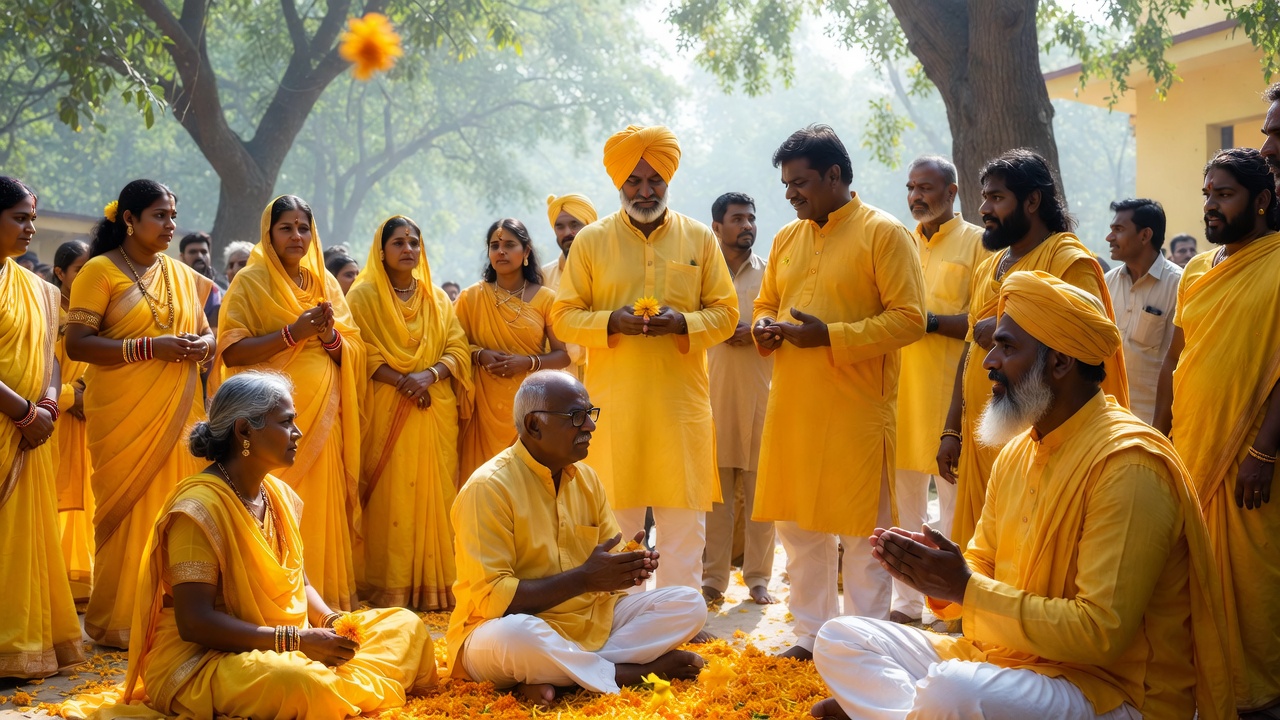
The connection is both spiritual and seasonal. Yellow is Goddess Saraswati’s beloved color. Devotees dress in yellow, offer yellow marigold and mustard flowers at her feet, and prepare golden-hued foods as prasad (sacred offering). The color also mirrors the natural landscape of late January in northern India, when mustard crops bloom across Punjab, Haryana, Uttar Pradesh, and Rajasthan, turning the countryside into a sea of gold.
In Ayurvedic terms, yellow foods are considered warming and energizing — exactly what the body needs during the seasonal transition from winter to spring. Ingredients like saffron (kesar), turmeric (haldi), gram flour (besan), and jaggery (gur) naturally provide that golden tone while offering real nutritional value.
Here is a quick overview of the key yellow ingredients and their roles in Vasant Panchami cooking:
| Ingredient | Hindi Name | Color Source | Common Use |
|---|---|---|---|
| Saffron | Kesar | Deep golden-yellow | Halwa, kheer, sweet rice, milk |
| Turmeric | Haldi | Bright yellow | Rice dishes, khichdi, idli batter |
| Gram flour | Besan | Pale golden | Ladoo, boondi, halwa |
| Jaggery | Gur | Amber-gold | Payesh, meethe chawal, puran poli |
| Ghee (clarified butter) | Desi ghee | Light gold | Nearly all festive sweets |
| Cardamom | Elaichi | — | Flavoring for most desserts |
These ingredients form the backbone of nearly every recipe on this list.
Meethe Chawal Recipe: How to Make Sweet Saffron Rice for Basant Panchami
If there is one dish that defines Vasant Panchami, it is meethe chawal — literally, “sweet rice.” Known also as zarda pulao in many households, this fragrant, golden rice preparation is arguably the most essential bhog item for Saraswati Puja across North India.
The dish originates from Punjabi kitchens, where it is prepared for festivals like Basant Panchami, Baisakhi, and Diwali. The combination of basmati rice, saffron, ghee, sugar, and whole spices creates a dish that is sweet, aromatic, and visually stunning.
Ingredients (Serves 4–6)
- 1½ cups basmati rice, soaked for 30 minutes
- 4 tablespoons desi ghee
- 1½ cups sugar (adjust to taste)
- A generous pinch of saffron strands, soaked in 2 tablespoons warm milk
- 3 green cardamom pods
- 3 whole cloves
- 1 small cinnamon stick
- 10–12 cashew nuts
- 10–12 raisins
- 1 tablespoon sliced almonds
- 1 tablespoon coconut slices (optional)
- 2 cups water
- A few drops of kewra water (optional, for fragrance)
Step-by-Step Method
- Rinse and soak the basmati rice in water for 30 minutes. Drain thoroughly.
- Prepare the saffron milk by crushing a generous pinch of saffron between your fingertips and stirring it into warm milk. Set aside.
- Heat ghee in a heavy-bottomed pan or pressure cooker. Add cloves, cinnamon, and cardamom. Sauté for 30 seconds until fragrant.
- Fry the dry fruits — cashews, raisins, almonds, and coconut slices — in the same ghee until the cashews turn light golden. Remove a few for garnishing.
- Add the drained rice and gently stir to coat every grain in ghee. Cook for 1–2 minutes.
- Pour in the water, sugar, saffron milk, and kewra water. Stir gently.
- Cook on low heat, covered, until the rice absorbs all the liquid and each grain is fluffy and separate. This takes about 15–20 minutes on a stovetop, or 3 whistles in a pressure cooker.
- Garnish with reserved fried nuts and serve warm.
Pro tip: Cook the rice to about 80–90% done before adding sugar, as sugar can make the grains sticky. For a healthier version, replace sugar with grated jaggery — the color will be darker, but the taste is wonderful.
Kesar Halwa for Saraswati Puja: The Classic Semolina Prasad Recipe
Kesar halwa (also called rava kesari or suji ka halwa) is the single most popular prasad served during Saraswati Puja. Walk into any North Indian home on Vasant Panchami morning, and you will smell it — the rich, nutty fragrance of semolina roasting in ghee, followed by the heady sweetness of saffron-infused syrup.
This recipe has been passed down through generations. The key to an exceptional kesar halwa lies in two things: proper roasting and the right ghee-to-semolina ratio. Traditional recipes call for equal parts ghee, semolina, and sugar, though modern cooks often reduce the ghee slightly.
Ingredients (Serves 4–5)
- 1 cup fine semolina (suji/rava)
- ½ cup ghee
- ¾ cup sugar
- 2 cups water
- A generous pinch of saffron strands, soaked in 2 tablespoons warm milk
- ¼ teaspoon cardamom powder
- 10 cashew nuts
- 1 tablespoon raisins
- 8–10 slivered almonds and pistachios for garnish
Step-by-Step Method
- Soak the saffron in warm milk for at least 10 minutes. Crush the strands between your fingertips before soaking to release more color and aroma.
- Heat ghee in a heavy-bottomed kadhai (wok). Add cashews and raisins. Fry until the cashews turn light gold and the raisins puff up. Remove and set aside.
- Add semolina to the same ghee. Roast on a low flame, stirring constantly, for 7–8 minutes. The semolina should turn a light pinkish-gold and give off a nutty aroma. This step is crucial — under-roasted semolina gives a raw, pasty taste.
- In a separate saucepan, boil the water with sugar until the sugar dissolves completely.
- Slowly pour the hot sugar water into the roasted semolina, stirring vigorously to prevent lumps. Be careful — the mixture will splutter.
- Add the saffron milk and cardamom powder. Stir well.
- Cook on low heat until the halwa thickens and begins to pull away from the sides of the pan. It will look glossy and cohesive.
- Fold in the fried cashews and raisins. Garnish with slivered pistachios.
- Serve hot as prasad or as a dessert alongside deep-fried pooris.
Cultural note: In South India, this same dish is known as rava kesari or kesari bath, and it is a staple offering at temples in Karnataka and Tamil Nadu. The technique is nearly identical, though some South Indian versions use a touch more ghee and sometimes pineapple for added flavor.
Boondi Ladoo Recipe for Vasant Panchami: Golden Festive Sweets
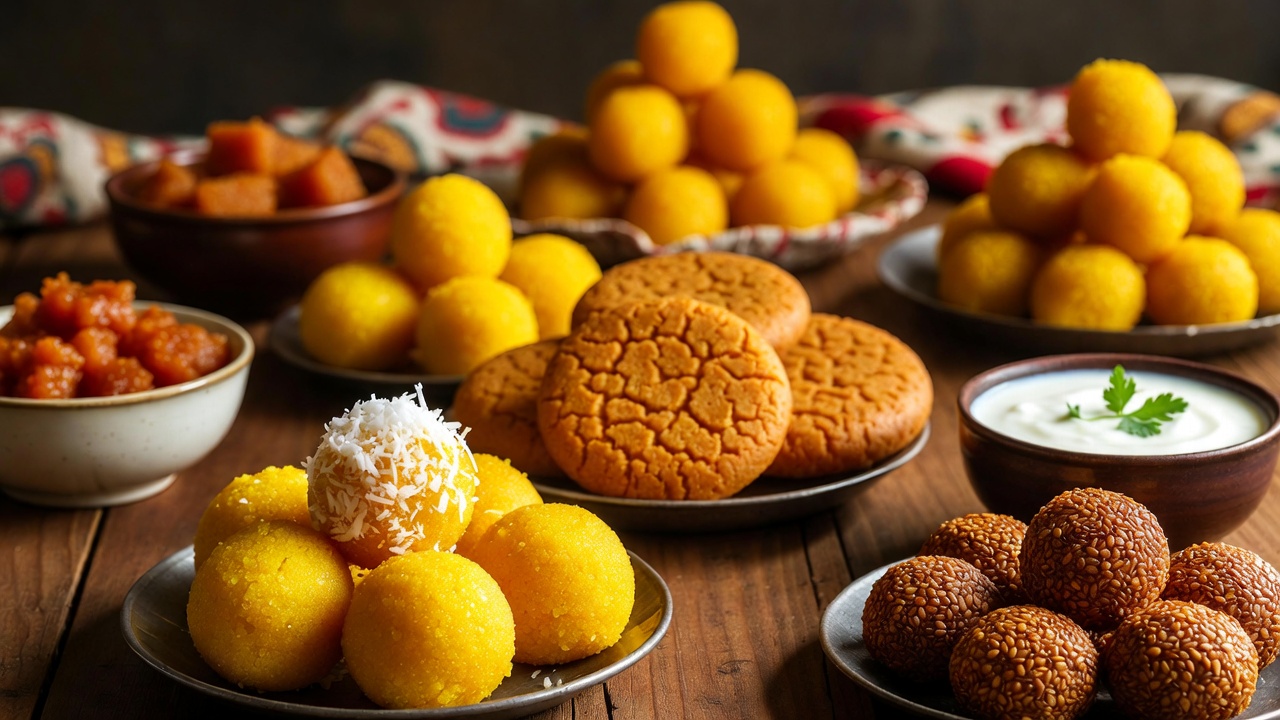
No Indian festive spread is complete without ladoos, and on Vasant Panchami, the bright golden boondi ladoo takes center stage. These round, bite-sized sweets are made from tiny droplets of gram flour batter, deep-fried until crisp, soaked in sugar syrup, and then shaped into balls.
The golden-yellow color of boondi ladoos makes them a natural fit for a festival that celebrates the color of spring. They are a favorite prasad offering to Goddess Saraswati and a staple at pandals (temporary worship structures) across eastern India during Saraswati Puja.
Ingredients (Makes 15–18 ladoos)
- 2 cups gram flour (besan)
- 1½ cups sugar
- ¾ cup water (for syrup)
- Water for batter (approximately 1 cup, added gradually)
- Oil or ghee for deep frying
- ¼ teaspoon cardamom powder
- A pinch of saffron strands (optional, for color)
- 2 tablespoons chopped cashews and pistachios
Step-by-Step Method
- Make the sugar syrup first. Combine sugar and water in a saucepan. Heat until it reaches a one-string consistency — when you press a drop between your thumb and index finger and pull apart, a single thread should form. Add the cardamom powder and saffron. Keep warm.
- Prepare the batter by gradually adding water to the gram flour and whisking until smooth. The consistency should be pourable but not too thin — similar to a thin pancake batter.
- Heat oil or ghee in a deep kadhai. Hold a perforated ladle (jhara) over the oil and pour a small amount of batter through it. The batter should drop into the hot oil as small, even droplets.
- Fry the boondi until crisp but not browned. Remove with a slotted spoon and drain briefly on paper towels.
- Immediately dip the warm boondi into the warm sugar syrup. Let it soak for 2–3 minutes.
- Remove from syrup and add chopped nuts. While still warm and pliable, shape into round balls using greased palms.
- Let them set at room temperature for 30 minutes before serving or packing.
Important: The sugar syrup must not be too thick, or the boondi will turn hard and chewy instead of soft and melt-in-the-mouth. If the syrup is too thin, the ladoos will not hold their shape. Getting the one-string consistency right is the make-or-break step.
Besan Ladoo for Basant Panchami: Easy Gram Flour Sweets at Home
Where boondi ladoos require frying, besan ladoos offer a simpler, no-frying alternative that is equally beloved. These dense, crumbly sweets are made by dry-roasting gram flour in generous amounts of ghee, then mixing with powdered sugar and shaping into balls.
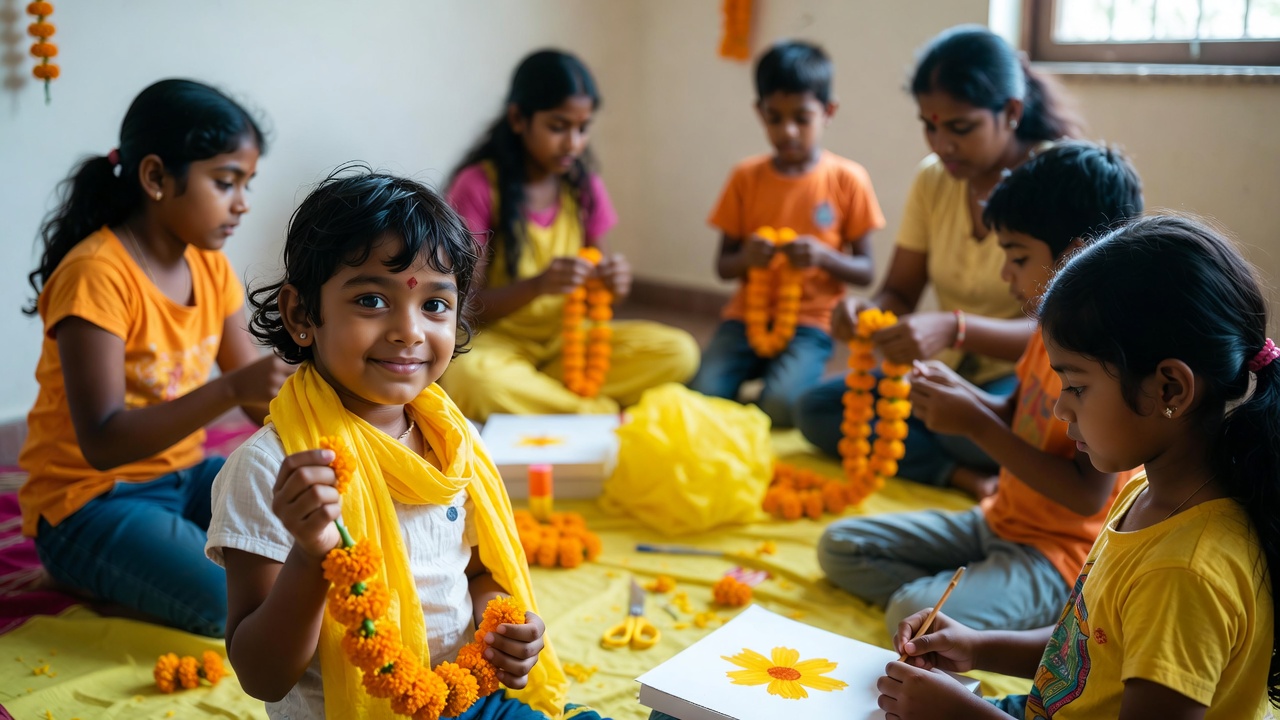
The warm golden color of besan makes these ladoos a perfect Vasant Panchami offering. In many families, besan ladoos are the very first sweet that children learn to shape during the festival, turning cooking into a shared family ritual.
Ingredients (Makes 12–15 ladoos)
- 2 cups gram flour (besan)
- ¾ cup ghee
- 1 cup powdered sugar
- ¼ teaspoon cardamom powder
- 2 tablespoons chopped almonds and pistachios
Step-by-Step Method
- Heat the ghee in a thick-bottomed pan on low flame.
- Add the gram flour and roast continuously, stirring without stopping, for 12–15 minutes. The flour will change color from pale yellow to a deeper golden tone and release a rich, nutty aroma. Patience here is essential — under-roasted besan gives a raw, bitter aftertaste.
- Remove from heat and let the mixture cool until you can comfortably handle it.
- Add powdered sugar, cardamom powder, and chopped nuts. Mix thoroughly.
- Shape into round ladoos while the mixture is still warm (but not hot). If the mixture feels too crumbly, add a small spoonful of melted ghee.
- Let them cool completely and store in an airtight container. Besan ladoos keep well for up to 2 weeks.
Saffron Kheer Recipe for Indian Spring Festival: Creamy Rice Pudding with Kesar
Kheer — India’s ancient rice pudding — is a comforting, universal dessert that appears at nearly every Hindu festival. For Vasant Panchami, the kheer is transformed with a generous infusion of saffron (kesar), turning it a warm golden-yellow and filling it with the luxurious aroma that has made saffron the world’s most precious spice.
Saffron kheer is especially popular in Uttar Pradesh, Bihar, and Rajasthan, where it is offered to Goddess Saraswati before being distributed as prasad.
Ingredients (Serves 4–5)
- ¼ cup basmati rice, washed and soaked for 20 minutes
- 1 liter whole milk
- ½ cup sugar
- A generous pinch of saffron, soaked in 2 tablespoons warm milk
- ¼ teaspoon cardamom powder
- 2 tablespoons mixed chopped almonds, cashews, and pistachios
- 1 tablespoon raisins
Step-by-Step Method
- Boil the milk in a heavy-bottomed pan, stirring often to prevent scorching.
- Add the drained, soaked rice and cook on a low flame, stirring every few minutes, until the rice is completely soft and the milk has thickened. This takes about 30–35 minutes.
- Add sugar and stir until dissolved.
- Pour in the saffron milk, cardamom powder, and chopped nuts. Cook for 5 more minutes.
- Serve warm or chilled, garnished with a few saffron strands and slivered pistachios.
Serving tradition: In many households, the kheer is prepared the night before Vasant Panchami and placed near Goddess Saraswati’s idol so she can “join” the feast. It is then served the next morning after the puja.
Regional Vasant Panchami Foods Across India: A State-by-State Guide
One of the most beautiful aspects of Vasant Panchami is how its food traditions vary from region to region while maintaining the common thread of the color yellow. Here is a guide to the distinct culinary traditions across India’s diverse states.
North India: Punjab, Haryana, Uttar Pradesh, and Rajasthan
North India is the heartland of Vasant Panchami celebrations. The sarson ke khet (mustard fields) are in full bloom, and kitchens come alive with yellow dishes.
- Meethe Chawal (Sweet Saffron Rice): The centerpiece of Basant Panchami meals in Punjab and Haryana.
- Sarson ka Saag with Makke ki Roti: While not a sweet, this classic Punjabi winter-to-spring staple often makes an appearance on the Vasant Panchami table. Mustard greens pair with corn flatbread — both seasonal and deeply tied to the golden landscape.
- Kesar Halwa: Prepared in nearly every household as the primary prasad.
- Khichdi: In Uttar Pradesh and parts of Bihar, a turmeric-tinted rice-and-lentil khichdi topped with ghee is a beloved offering. Simple, wholesome, and deeply symbolic.
- Kite-flying snacks: In Punjab and Haryana, kite flying is a major Vasant Panchami tradition. Snacks like gajak (sesame and jaggery brittle) and rewari (sesame seed candy) fuel the rooftop festivities.
Eastern India: West Bengal, Assam, Bihar, and Odisha
In eastern India, Vasant Panchami is widely known as Saraswati Puja and is one of the most eagerly awaited festivals of the year, especially among students.
- Khichuri (Bengali Khichdi): A fragrant, ghee-laden rice-and-moong-dal preparation offered as bhog.
- Payesh (Bengali Kheer): Rice pudding made with whole milk and sweetened with sugar or date palm jaggery (nolen gur), a seasonal specialty available only in winter.
- Patishapta: Thin rice-flour crepes stuffed with a sweet filling of coconut and nolen gur. This seasonal Bengali delicacy is closely associated with the Saraswati Puja period.
- Dahi Chura (Bihar): Flattened rice (chura) mixed with fresh curd and sweetened with jaggery or sugar. Light, refreshing, and deeply traditional.
- Gurer Payesh: A Bangla rice pudding where jaggery replaces sugar, giving the dessert a caramel-like depth that pairs beautifully with the spirit of the season.
Western India: Maharashtra, Gujarat, and Rajasthan
Western Indian states bring their own warmth to the Vasant Panchami table.
- Puran Poli (Maharashtra): Stuffed sweet flatbread filled with a mixture of chana dal (split chickpeas) and jaggery, flavored with cardamom and nutmeg. Served hot with a drizzle of ghee.
- Sukhdi (Gujarat): A simple but addictive sweet made from just three ingredients — wheat flour, jaggery, and ghee. It has a fudge-like texture and a toasty, caramelized flavor.
- Shrikhand with Kesar (Maharashtra): Strained yogurt blended with saffron, sugar, and cardamom. The saffron gives it a beautiful pale-yellow hue. It is rich, creamy, and refreshing.
South India: Karnataka, Tamil Nadu, Andhra Pradesh, and Telangana
South India observes Vasant Panchami with its own regional names and food customs. In many temples, especially the famous Sri Gnana Saraswathi Temple at Basar in Telangana, thousands of families bring children for Akshara Bhyasam (initiation of education) on this day.
- Rava Kesari (Karnataka): The South Indian cousin of kesar halwa — semolina roasted in ghee, sweetened, and dyed golden with saffron. A fixture in temple prasad distribution.
- Sakkarai Pongal (Tamil Nadu): Sweet rice and moong dal cooked with jaggery, cardamom, and generous amounts of ghee. Garnished with cashews and raisins.
- Pulihora / Lemon Rice (Andhra Pradesh): Tangy, turmeric-yellow rice prepared with tamarind paste, peanuts, and curry leaves. While savory, its vibrant color ties it to the Vasant Panchami theme.
- Payasam: Vermicelli or rice-based pudding sweetened with jaggery, a favorite in Kerala and Tamil Nadu temples.
- Kanchipuram Idli (Tamil Nadu): Steamed rice cakes spiced with cumin, pepper, and ginger, given a golden hue with turmeric. A unique temple offering.
How to Make Malpua for Basant Panchami: Traditional Indian Sweet Pancakes
Malpua is one of India’s oldest desserts, with references going back centuries. These sweet, deep-fried pancakes soaked in sugar syrup are especially loved during Vasant Panchami, Holi, and Diwali. In the holy city of Varanasi, malpua is practically a sacred food — street vendors have been making it the same way for generations.
Ingredients (Makes 10–12 malpuas)
- 1 cup all-purpose flour (maida)
- ¼ cup semolina (suji)
- ½ cup milk
- ¼ cup water (add as needed)
- ½ cup sugar (for syrup)
- ½ cup water (for syrup)
- A pinch of saffron strands
- ¼ teaspoon cardamom powder
- Ghee or oil for frying
- Rabri (condensed milk dessert) for serving (optional)
Step-by-Step Method
- Make the sugar syrup by boiling sugar, water, and saffron strands together until slightly thick. Set aside and keep warm.
- Prepare the batter by mixing flour, semolina, and milk. Add water gradually until the batter reaches a thick, pourable consistency — thicker than a crepe batter but thinner than a pancake batter.
- Let the batter rest for 15–20 minutes. The semolina will absorb the liquid and create a slightly fermented, richer flavor.
- Heat ghee in a flat pan or kadhai. Pour a small ladleful of batter and spread into a rough circle. Fry on medium heat until the edges turn golden.
- Flip and fry the other side until golden and crisp.
- Dip each malpua into the warm sugar syrup for 30 seconds to 1 minute. Let it absorb the sweetness.
- Serve warm, topped with a spoonful of rabri or a sprinkle of chopped pistachios.
Kesar Doodh Recipe: Warm Saffron Milk for Vasant Panchami Evening Prayers
Not every Vasant Panchami offering needs to be a complex dish. Kesar doodh (saffron milk) is one of the simplest and most comforting preparations of the festival — a warm glass of whole milk infused with crushed saffron, cardamom, and a handful of nuts.
It is traditionally served during the evening prayers on Vasant Panchami, when families gather after a day of puja, kite flying, and feasting. In cooler regions of North India, where January temperatures can still dip near freezing after sunset, a warm glass of kesar doodh feels like a gentle embrace.
Quick Recipe
- Heat 2 cups of whole milk in a saucepan until it just begins to simmer.
- Crush 8–10 saffron strands between your fingertips and add to the milk.
- Add a pinch of cardamom powder, 4–5 crushed almonds, and 3–4 crushed pistachios.
- Sweeten with sugar or honey to taste.
- Simmer for 5 minutes on low heat, stirring gently.
- Serve warm in small clay cups (kulhads) for an authentic touch.
Tips for Cooking Authentic Vasant Panchami Festive Food at Home
Whether you are a seasoned home cook or trying these recipes for the first time, here are some practical tips to make your Vasant Panchami kitchen truly festive:
On Saffron:
- Always buy saffron from a trusted source. Real saffron should have a deep red color with orange tips. It should give off a sweet, honey-like aroma when crushed.
- Soak saffron in warm (not boiling) milk or water for at least 10 minutes before using. This releases both color and flavor.
- A little goes a long way. Most recipes need only 10–15 strands.
On Ghee:
- Use desi ghee (traditional clarified butter) for the most authentic flavor. It is central to Indian festive cooking and is considered sacred in Hindu rituals.
- If you are health-conscious, you can reduce the ghee quantity slightly, but do not eliminate it entirely — it carries the flavor of every sweet.
On Presentation:
- Serve sweets on banana leaves or in small brass bowls (katoris) for a traditional look.
- Garnish every dish with a few saffron strands and slivered pistachios — the contrast of gold and green is striking.
- Use marigold flowers on the serving tray. They connect the food to the broader yellow theme of the festival.
On Timing:
- Prepare heavy items like ladoos and halwa a day in advance. They keep well and taste even better the next day.
- Cook meethe chawal and kheer fresh on the morning of the puja for the best texture and aroma.
Complete Vasant Panchami Menu: What to Cook for Saraswati Puja Bhog
Putting together a full bhog (sacred feast) menu can feel overwhelming. Here is a suggested menu that balances traditional offerings, variety, and practicality:
| Course | Dish | Region of Origin |
|---|---|---|
| Main prasad | Kesar halwa (semolina) | Pan-India |
| Sweet rice | Meethe chawal / Zarda pulao | Punjab, North India |
| Ladoo | Boondi ladoo or besan ladoo | Pan-India |
| Savory offering | Turmeric khichdi with ghee | Uttar Pradesh, Bihar |
| Rice pudding | Saffron kheer | Pan-India |
| Festive drink | Kesar doodh (saffron milk) | North India |
| Deep-fried sweet | Malpua with rabri | Uttar Pradesh, Bihar |
| Regional addition | Puran poli (West) or Patishapta (East) | Maharashtra / Bengal |
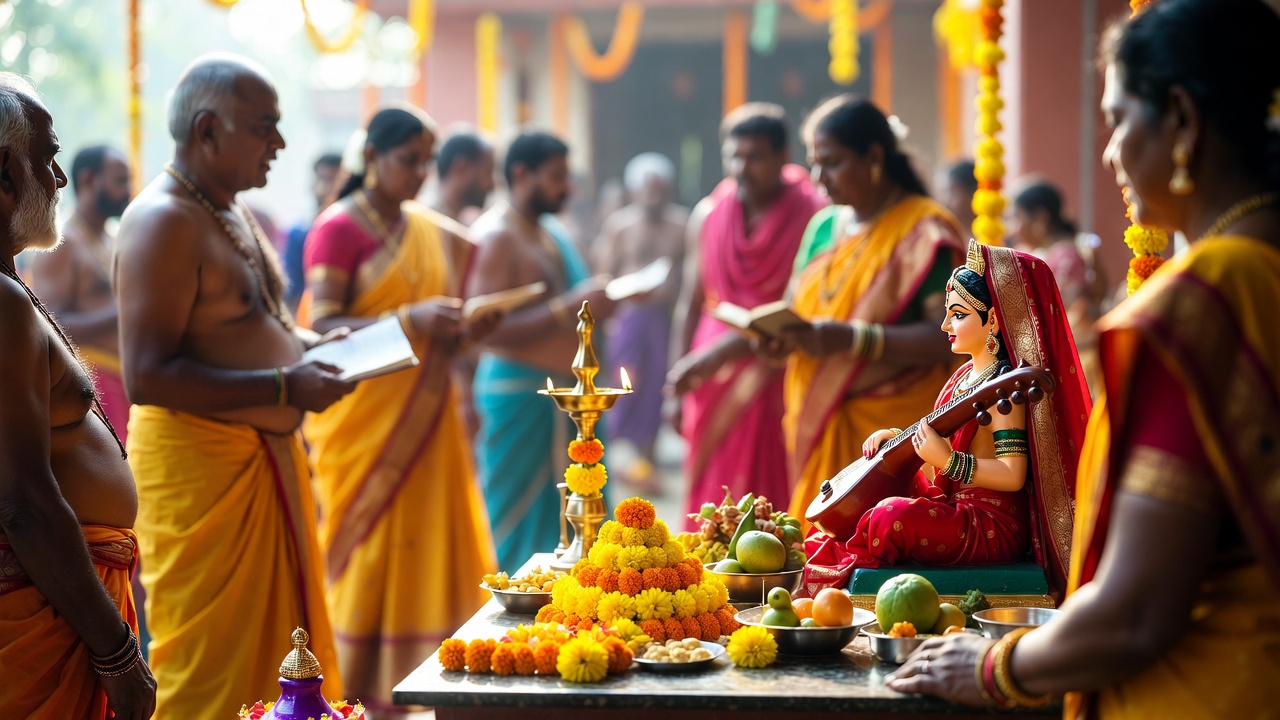
Serving order for puja: Place the kesar halwa and meethe chawal closest to the deity’s idol. Arrange fruits, ladoos, and kheer around the main prasad. Light the diya (oil lamp) and offer everything before distributing to family and guests.
Frequently Asked Questions About Vasant Panchami Recipes and Traditions
What is the most important food to prepare for Vasant Panchami? Kesar halwa (saffron semolina pudding) and meethe chawal (sweet saffron rice) are considered the two most essential Vasant Panchami foods across India. Both are offered as bhog to Goddess Saraswati during the puja.
Why is everything yellow on Basant Panchami? Yellow symbolizes knowledge, prosperity, and the vibrancy of nature in Hindu tradition. It is Goddess Saraswati’s preferred color. The blooming mustard fields of January further reinforce the association between this season and the color yellow.
Can I use turmeric instead of saffron for the yellow color? Yes. In many households, a small pinch of turmeric is used when saffron is unavailable or too expensive. The color will be similar, though the flavor will differ slightly. Turmeric has a subtle earthy taste, while saffron is sweeter and more floral.
Is Vasant Panchami food always vegetarian? Yes. All food prepared for Saraswati Puja bhog is strictly vegetarian. Many families also avoid onion and garlic in their puja offerings, keeping the food sattvic (pure and simple) in accordance with Hindu dietary principles for worship.
When is Vasant Panchami in 2026? Vasant Panchami 2026 falls on Friday, January 23, 2026. The Panchami Tithi begins at 2:28 AM on January 23 and ends at 1:46 AM on January 24.
Celebrating Spring Through Food: The Heart of Vasant Panchami
Cooking for Vasant Panchami is more than a culinary exercise. It is an act of devotion, a gesture of welcome to the new season, and a way of passing tradition from one generation to the next. When you roast that semolina in ghee until it sings, or when you crush saffron strands and watch the milk turn gold, you are participating in a ritual that millions of families across India have practiced for centuries.
The recipes in this guide are drawn from kitchens in Punjab, Bengal, Maharashtra, Karnataka, and beyond. Each region brings its own identity to the Vasant Panchami table, yet the spirit remains the same — a celebration of wisdom, renewal, and the simple joy of sharing good food with the people you love.
This January 23, may your kitchen smell of saffron and cardamom. May your meethe chawal be perfectly fluffy and your ladoos perfectly round. And may the blessings of Goddess Saraswati bring knowledge and light into your home.
Happy Vasant Panchami 2026. 🌼