Discover everything you need to know about Tu Bishvat 2026, the Jewish New Year for Trees. Learn about Tu Bishvat traditions, the Tu Bishvat seder, the Seven Species, tree planting customs, and how to celebrate this meaningful holiday on February 1-2, 2026.
Introduction: What Makes Tu Bishvat 2026 Special?
Tu Bishvat, the Jewish New Year for Trees, is one of the most beloved minor holidays in the Jewish calendar. In 2026, this ancient celebration takes on renewed significance as communities worldwide gather to honor nature, practice environmental stewardship, and connect with centuries-old traditions.
Whether you are looking to participate in a traditional Tu Bishvat seder, plant trees in honor of loved ones, or simply learn more about Jewish environmental traditions, this comprehensive guide covers everything you need to know about Tu Bishvat 2026.
When is Tu Bishvat 2026? Exact Dates and Times
Tu Bishvat 2026 begins at sundown on Sunday, February 1, 2026, and concludes at nightfall on Monday, February 2, 2026. Like all Jewish holidays, Tu Bishvat follows the Hebrew lunar calendar. The observance always falls on the 15th day of the Hebrew month of Shevat.
| Event | Date | Time |
|---|---|---|
| Tu Bishvat Begins | Sunday, February 1, 2026 | At Sundown |
| Tu Bishvat Ends | Monday, February 2, 2026 | At Nightfall |
| Hebrew Date | 15 Shevat 5786 | Full Day |
What is Tu Bishvat? Understanding the Jewish New Year for Trees
Tu Bishvat, also spelled Tu B’Shevat or Tu B’Shvat, literally translates to “the 15th of Shevat” in Hebrew. The name comes from Hebrew numerology (gematria), where the letters Tet (9) and Vav (6) combine to form “Tu,” equaling 15. This holiday is also known as Rosh HaShanah La’Ilanot, meaning “New Year of the Trees.”
The Four New Years in Jewish Tradition
According to the Mishnah (Tractate Rosh Hashanah), the Jewish calendar actually contains four different “new years,” each serving a specific purpose:
| New Year | Date | Purpose |
|---|---|---|
| 1 Nisan | Spring | Kings and festivals |
| 1 Elul | Late Summer | Animal tithes |
| 1 Tishrei | Fall | Rosh Hashanah (calendar years) |
| 15 Shevat | Winter | Trees and fruit (Tu Bishvat) |
The Historical Origins of Tu Bishvat: From Agricultural Law to Celebration
Tu Bishvat’s origins are rooted in ancient Jewish agricultural law. In biblical times, the holiday served as a critical date for calculating tithes and determining the age of fruit-bearing trees. Understanding these origins helps us appreciate the holiday’s evolution into the celebration we know today.
Orlah: The Three-Year Waiting Period
According to Leviticus 19:23, fruit from newly planted trees cannot be eaten during the first three years. This law is called orlah. Tu Bishvat serves as the cut-off date for calculating a tree’s age. Fruit ripening before Tu Bishvat of the third year is forbidden, while fruit ripening after is permitted.
Neta Reva’i: Fourth-Year Fruit Offerings
Leviticus 19:24 commanded that fourth-year fruit be brought to Jerusalem as a tithe. Tu Bishvat determined which year’s tithe the fruit belonged to. This practice connected Jewish farmers to the Temple and the sacred rhythms of the agricultural year.
The Kabbalistic Renaissance: 16th Century Safed
In the 16th century, Rabbi Yitzchak Luria and his disciples in Safed (Tzfat), Israel, transformed Tu Bishvat from a technical agricultural date into a mystical celebration. They created the Tu Bishvat seder, a ceremonial meal modeled on the Passover seder. This innovation spread throughout Jewish communities worldwide and remains central to Tu Bishvat observance today.
The Seven Species of Israel: Sacred Foods of Tu Bishvat
The Seven Species (Sheva Minim) are agricultural products with which the Land of Israel is blessed, according to Deuteronomy 8:8. These sacred foods hold central importance in Tu Bishvat celebrations and represent the bounty of the Holy Land.
| Species | Hebrew Name | Significance |
|---|---|---|
| Wheat | Chitah | Staff of life, sustenance |
| Barley | Se’orah | Humility, first harvest |
| Grapes | Gefen | Joy, celebration |
| Figs | Te’enah | Peace, sweetness |
| Pomegranates | Rimon | Good deeds (613 seeds) |
| Olives | Zayit | Light, wisdom |
| Dates | Tamar (Devash) | Righteousness, the “honey” of Israel |
Note: The “honey” mentioned in the biblical verse “a land flowing with milk and honey” traditionally refers to date honey (silan), not bee honey.
How to Host a Tu Bishvat Seder: Step-by-Step Guide
The Tu Bishvat seder is a beautiful ceremony that combines eating symbolic fruits with spiritual reflection. Originating from Kabbalistic traditions in 16th-century Safed, this ritual helps participants connect with nature, the Land of Israel, and Jewish mystical teachings.
The Four Cups of Wine: Seasonal Symbolism
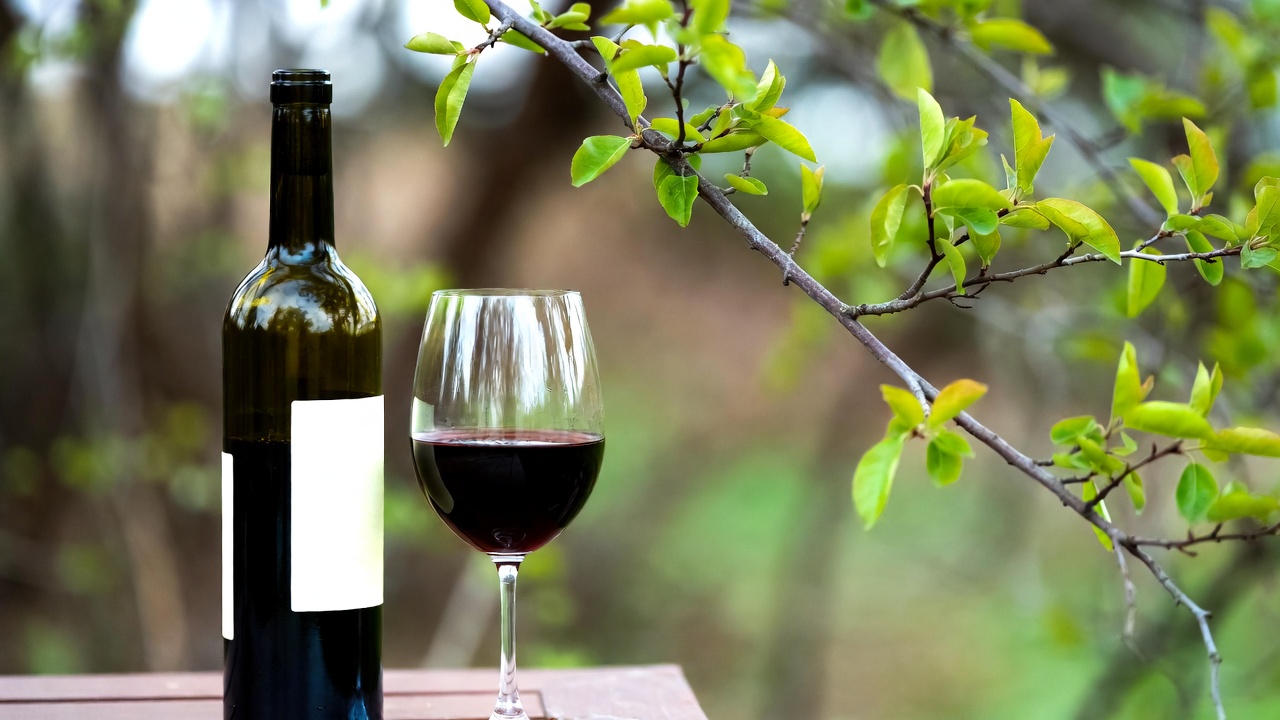
Similar to the Passover seder, the Tu Bishvat seder includes four cups of wine or grape juice. Each cup represents a season and the transition from winter to spring:
| Cup | Wine Color | Symbolism |
|---|---|---|
| First Cup | White wine | Winter, dormancy |
| Second Cup | White with a little red | Early awakening |
| Third Cup | Red with a little white | Spring blossoming |
| Fourth Cup | Red wine | Full summer, abundance |
The Three Categories of Fruit: Kabbalistic Symbolism
The Tu Bishvat seder organizes fruits into three categories based on their edibility. Each category corresponds to one of the Kabbalistic “Four Worlds” and represents different aspects of spiritual reality:
- Fruits with inedible shells/peels (Assiyah – World of Action): Walnuts, almonds, pistachios, coconut, oranges, pomegranates, avocado. The hard exterior protects the sweet interior.
- Fruits with inedible pits (Yetzirah – World of Formation): Dates, olives, peaches, plums, cherries. The core requires discernment.
- Fruits entirely edible (Beriyah – World of Creation): Figs, grapes, blueberries, raspberries. Nothing needs to be discarded.
Tu Bishvat Seder Shopping List
Here is what you will need to host a traditional Tu Bishvat seder:
- White and red wine or grape juice
- The Seven Species: wheat products, barley, grapes/raisins, figs, pomegranates, olives, dates
- Nuts with shells: walnuts, almonds, pistachios
- Fruits with pits: peaches, plums, cherries, apricots
- Fully edible fruits: figs, grapes, berries
- Traditional additions: carob (bokser), almonds, etrog (if available)
- A new fruit you have not eaten this season (for Shehecheyanu blessing)
Tu Bishvat Traditions and Customs Around the World
Eating New Fruits and Reciting Blessings
One of the most widespread Tu Bishvat customs is eating a “new” fruit, one you have not tasted yet this season. This practice allows you to recite the Shehecheyanu blessing, thanking God for allowing you to reach this special occasion.
The blessing for tree fruits is:
“Baruch atah Adonai, Eloheinu Melekh ha-olam, borei p’ri ha-etz” (Blessed are You, Lord our God, King of the universe, who creates the fruit of the tree).
Tree Planting: Connecting to the Land of Israel
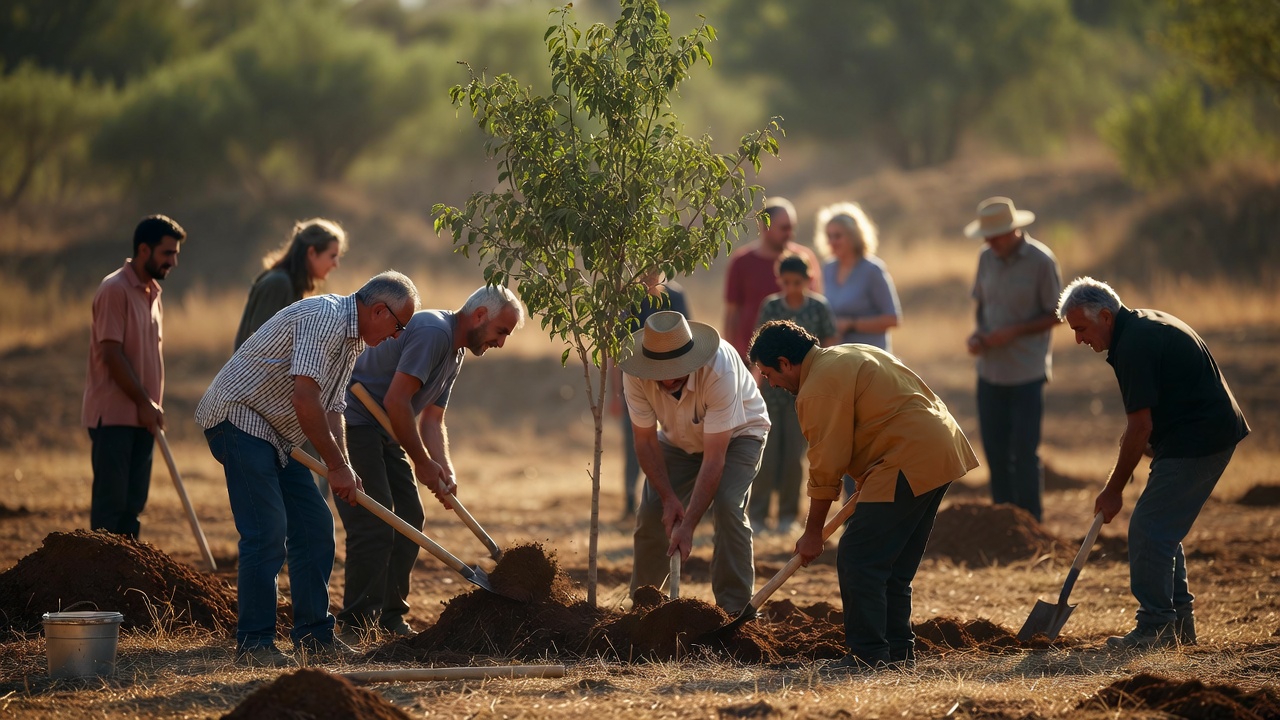
Tree planting has been central to Tu Bishvat observance since the late 19th century. In 1890, Rabbi Ze’ev Yavetz took his students to plant trees in Zikhron Ya’akov, Israel. This tradition was later adopted by the Jewish National Fund (JNF), established in 1901. Today, over a million Israelis participate in JNF tree-planting activities each Tu Bishvat.
If you cannot plant trees in person, many families donate to the Jewish National Fund to plant trees in Israel in honor of loved ones or to commemorate special occasions like Bar and Bat Mitzvahs.
Sephardic and Ashkenazic Traditions
Different Jewish communities have developed unique Tu Bishvat customs. Sephardic Jews traditionally prepare a sweet wheat pudding called ashure or trigo koco. In Hasidic communities, some families pickle or candy the etrog (citron) saved from Sukkot and eat it on Tu Bishvat, praying for a beautiful etrog the following year.
Tu Bishvat in Israel: The Israeli Arbor Day Experience
In Israel, Tu Bishvat has evolved into an ecological awareness day and is often referred to as Israeli Arbor Day. The holiday marks the season when almond trees begin to bloom, signaling the end of winter and the promise of spring. School children across the country participate in tree-planting field trips, and communities organize outdoor celebrations.
Historically, Tu Bishvat has been chosen for significant Israeli institutional events. The cornerstone of Hebrew University of Jerusalem was laid on Tu Bishvat 1918, and the Technion in Haifa held its cornerstone ceremony on Tu Bishvat 1925.
Tu Bishvat and Environmental Activism: A Modern Connection
Tu Bishvat has become a powerful symbol for Jewish environmental activism. The holiday provides an ancient and authentic framework for connecting Jewish values with contemporary ecological concerns. Many environmental organizations have adopted Tu Bishvat as an opportunity to educate about responsible stewardship of God’s creation.
The ecological interpretation of Tu Bishvat seders emerged in the 1970s, partly inspired by Jewish protests against the use of Agent Orange during the Vietnam War. Today, many seders incorporate discussions of climate change, sustainability, and environmental justice alongside traditional readings and fruit tastings.
Ways to Celebrate Tu Bishvat Sustainably
- Plant native trees in your community
- Choose organic and locally-sourced fruits for your seder
- Organize a community clean-up event
- Donate to environmental organizations
- Start a composting practice
- Learn about sustainable agriculture
The Spiritual Meaning of Tu Bishvat: What Trees Teach Us
The Torah teaches that “man is a tree of the field” (Deuteronomy 20:19). This metaphor offers profound insights for personal growth and spiritual development. Just as trees need strong roots, nourishment, and time to bear fruit, so too do humans require foundation, sustenance, and patience to flourish.
Lessons from Trees for Personal Growth
- Deep roots: Stay grounded in your values and heritage
- Patient growth: Development takes time; don’t rush the process
- Seasonal cycles: Embrace periods of dormancy and renewal
- Giving fruit: Share your gifts with the world
- Reaching upward: Always strive for spiritual growth
Frequently Asked Questions About Tu Bishvat 2026
Is Tu Bishvat a religious holiday?
Tu Bishvat is considered a minor Jewish holiday. Work is permitted, and there are no restrictions on activities. Both religious and secular Jews celebrate it, often with different emphases.
Do you have to be Jewish to celebrate Tu Bishvat?
No. Many people celebrate Tu Bishvat as a cultural or environmental holiday. It offers a perfect opportunity to focus on nature, sustainability, and appreciation for trees, which are universal themes.
What is the best way to celebrate Tu Bishvat at home?
You can host a Tu Bishvat seder with family and friends, featuring the Seven Species and four cups of wine. Even a simple celebration of eating dried fruits and nuts, especially those from Israel, honors the holiday’s traditions.
Is there a special greeting for Tu Bishvat?
You can say “Chag Tu Bishvat Sameach” (Happy Tu Bishvat holiday) or simply “Happy Tu Bishvat.” Some also say “Happy New Year to the Trees!”
Why do we eat carob on Tu Bishvat?
Carob (bokser) became popular because it could survive long journeys from Israel to Jewish communities in Europe. It serves as a connection to the Land of Israel and is featured in many Tu Bishvat seders.
Tu Bishvat Future Dates: Plan Ahead
| Year | Begins (Sundown) | Ends (Nightfall) |
|---|---|---|
| 2026 | Sunday, Feb 1 | Monday, Feb 2 |
| 2027 | Friday, Jan 22 | Saturday, Jan 23 |
| 2028 | Wednesday, Feb 9 | Thursday, Feb 10 |
Conclusion: Celebrating Tu Bishvat 2026 with Meaning and Purpose
Tu Bishvat 2026 offers a wonderful opportunity to connect with Jewish tradition, appreciate the natural world, and commit to environmental stewardship. Whether you choose to host an elaborate Tu Bishvat seder, plant a tree, or simply enjoy some figs and dates, you are participating in a tradition that spans millennia.
As we mark the Jewish New Year for Trees on February 1-2, 2026, let us remember the Kabbalistic teaching that eating fruits mindfully can help repair the world. In a time of environmental challenges, Tu Bishvat reminds us that growth often happens in the dark, before it becomes visible. Just as the sap begins to rise in the trees of Israel during Shevat, we too can plant seeds of hope and renewal.
Chag Tu Bishvat Sameach! Happy Tu Bishvat 2026!