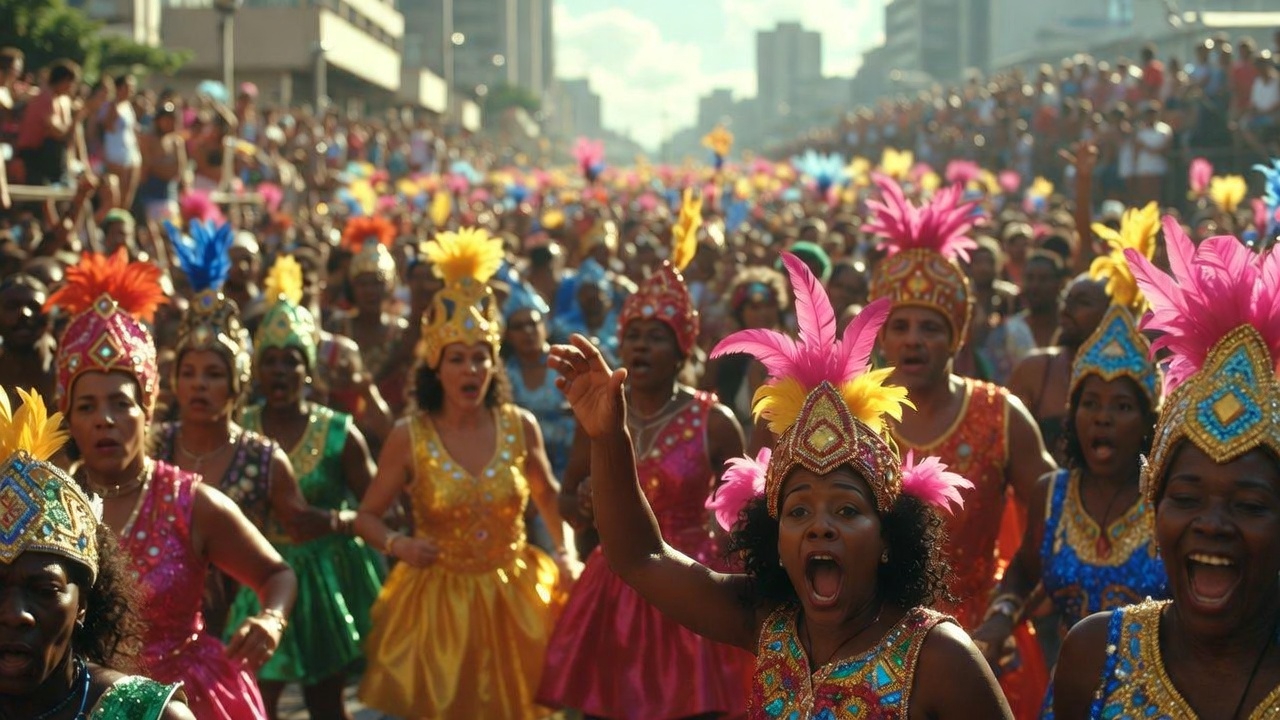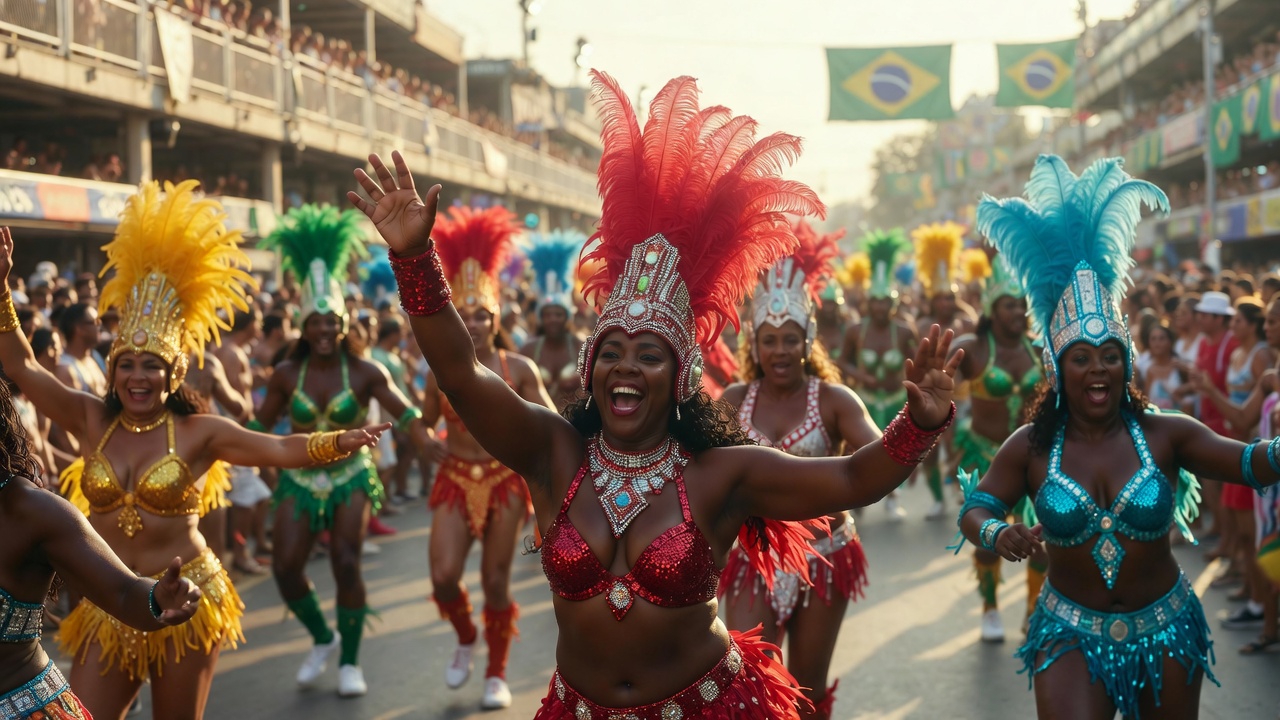
The drums begin to rumble across the hillsides of Rio de Janeiro. Sequins catch the tropical sun. Somewhere in Lapa, a bateria starts its first rehearsal. This is not just a festival. This is Carnaval—the greatest show on Earth.
If you have ever dreamed of losing yourself in a sea of feathers, glitter, and pure Brazilian joy, then Rio Carnival 2026 is your moment. With over 7 million participants expected and more than 500 street parties scattered across the Cidade Maravilhosa (Marvelous City), this year promises to be nothing short of spectacular.
But here is the truth that seasoned travelers know: experiencing Rio Carnival properly requires preparation. The best hotels book out months in advance. Sambadrome tickets sell faster than you can say samba-enredo. And if you do not know the difference between a bloco and a banda, you might miss some of the most authentic celebrations entirely.
This guide exists to change that. Whether you are a first-time visitor or a returning foliã (reveler), consider this your complete roadmap to navigating the chaos, culture, and pure magic of Carnaval no Rio de Janeiro 2026.
When Is Rio Carnival 2026? Official Dates and Schedule
Rio Carnival 2026 runs from Friday, February 13th through Saturday, February 21st, 2026.
Unlike fixed holidays, Carnival dates shift each year based on the Catholic liturgical calendar. The celebration always occurs 47 days before Easter Sunday, placing it in either late February or early March. For 2026, the timing falls perfectly in mid-February, meaning warmer weather and longer days for festivities.
Here is the complete Rio Carnival 2026 schedule broken down by event:
| Date | Day | Event |
|---|---|---|
| February 13, 2026 | Friday | Série Ouro (Access Group) Parade – Night 1 |
| February 14, 2026 | Saturday | Série Ouro (Access Group) Parade – Night 2 |
| February 15, 2026 | Sunday | Special Group Parade – Night 1 |
| February 16, 2026 | Monday | Special Group Parade – Night 2 |
| February 17, 2026 | Tuesday | Special Group Parade – Night 3 |
| February 18, 2026 | Wednesday (Ash Wednesday) | Winner Announcement & Celebrations |
| February 20, 2026 | Friday | Children’s Parade |
| February 21, 2026 | Saturday | Champions’ Parade |
The official Carnival period may conclude on Ash Wednesday, but celebrations extend well beyond these dates. Street parties (blocos) begin as early as late January and continue through the final weekend of February with “ressaca” (hangover) parties.
Pro tip: If you want the authentic Carioca experience without the peak crowds, consider arriving during the pre-Carnival weekend (February 7-8) when major blocos like Cordão da Bola Preta hold their warm-up events.
Understanding the Sambadrome Samba Parade Competition
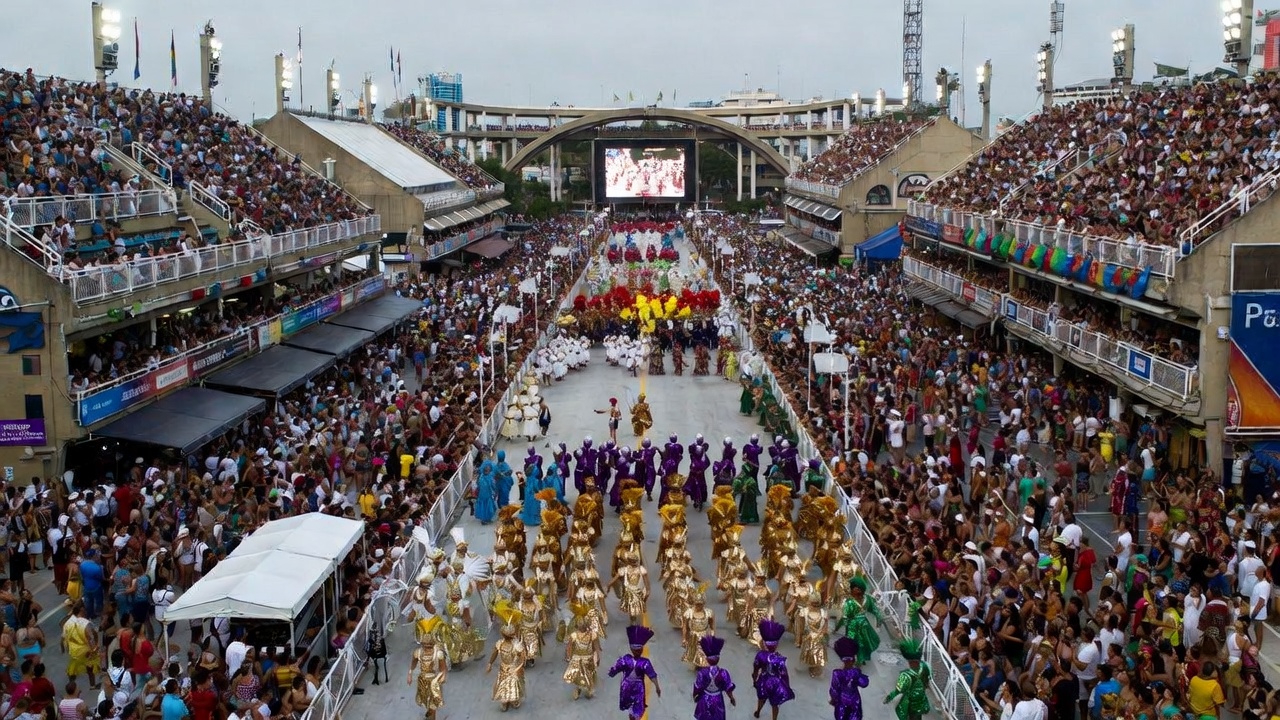
The Sambódromo Marquês de Sapucaí is where dreams are made and championships are won. This purpose-built parade stadium, designed by legendary architect Oscar Niemeyer in 1984, stretches 700 meters through downtown Rio and holds approximately 90,000 spectators.
But the Sambadrome is far more than a venue. It is the stage where Rio’s samba schools spend an entire year preparing for a single 80-minute performance that will determine their fate.
How the Samba School Competition Works in Rio Carnival
The samba schools of Rio de Janeiro operate much like European football leagues. Schools are organized into hierarchical groups, with promotion and relegation based on annual performance.
The Two Main Divisions:
- Grupo Especial (Special Group): The elite division featuring 12 of Rio’s most prestigious samba schools
- Série Ouro (Gold Series/Access Group): 16 schools competing for promotion to the Special Group
Each school represents a specific neighborhood or community. For many residents of Rio’s favelas and suburbs, their local samba school is not just entertainment—it is identity, heritage, and community pride wrapped into one glittering package.
What Judges Evaluate During Rio Carnival Parades
Thirty-six judges stationed throughout the Sambadrome evaluate each school across nine categories:
- Bateria (Drumming Section): Consistency, rhythm, and innovation within traditional constraints
- Samba-Enredo (Theme Song): Lyrics, melody, and emotional resonance
- Harmonia (Harmony): How well performers synchronize singing and movement
- Evolução (Flow and Movement): Pacing, energy, and smooth transitions
- Enredo (Theme Development): Creativity and clarity of storytelling
- Comissão de Frente (Front Commission): Opening choreography and impact
- Mestre-Sala e Porta-Bandeira (Flag Bearer and Escort): Technical dance skill and coordination
- Alegorias e Adereços (Floats and Props): Visual spectacle and craftsmanship
- Fantasias (Costumes): Design, execution, and thematic coherence
Scores range from 9 to 10 points per category, and a single deduction can mean the difference between championship glory and devastating defeat.
Special Group Parade Schedule for Rio Carnival 2026
For 2026, the 12 Special Group schools will parade across three nights instead of the traditional two:
Sunday, February 15, 2026 (Starting 10:00 PM)
- Four schools parade, approximately 80 minutes each
Monday, February 16, 2026 (Starting 10:00 PM)
- Four schools parade
Tuesday, February 17, 2026 (Starting 10:00 PM)
- Final four schools parade
The parade order was determined on April 12, 2025, through a lottery system overseen by the Liga Independente das Escolas de Samba do Rio de Janeiro (LIESA).
Legendary Samba Schools You Must Know Before Visiting Rio
Understanding Rio’s samba schools adds depth to your Carnival experience. These are not mere performance troupes—they are living institutions with decades (sometimes nearly a century) of history.
Estação Primeira de Mangueira
Founded in 1928, Mangueira is arguably the most iconic samba school in Brazil. Their distinctive green and pink colors represent the mangoes that once grew in their home neighborhood of Mangueira Hill.
Mangueira has produced some of the most celebrated samba-enredos in history. The school is known for preserving traditional samba styles while incorporating powerful social and political messages. Their 2019 parade honoring Marielle Franco and other marginalized Brazilians sparked national conversation.
Portela
Portela holds the record for most Carnival championships—22 titles since the competition began. Founded in 1923, this school from the Madureira neighborhood is defined by their sky blue and white colors.
The school’s parades are famous for their visual elegance and emotional storytelling. Portela faithful are known for their deep loyalty and the haunting beauty of their anthems.
Beija-Flor de Nilópolis
If you want technological spectacle, Beija-Flor (Hummingbird) delivers. This school from the Baixada Fluminense region has pioneered the use of elaborate mechanical floats, LED technology, and theatrical special effects.
Their bright blue and white ensembles often feature the most intricate costume work in the competition. Beija-Flor parades tend to feel like Broadway meets Burning Man meets ancient mythology.
Acadêmicos do Salgueiro
Founded in 1953 in the Tijuca neighborhood, Salgueiro is known for revolutionary theme choices that challenged Brazil’s racial status quo. They were among the first schools to celebrate Afro-Brazilian history and culture at a time when such themes were marginalized.
Their red and white colors blaze across the Sambadrome during performances that often tackle bold historical and cultural topics.
Unidos da Tijuca
Tijuca has earned a reputation as the “school of technology” for their innovative use of pyrotechnics, animatronics, and interactive floats. Their 2012 championship-winning parade featured actual performers flying through the air on wires.
Expect the unexpected from this blue, gold, and white powerhouse.
How to Buy Rio Carnival 2026 Sambadrome Tickets
Securing your place at the Sambadrome requires understanding the venue’s layout and ticket categories. Prices vary dramatically based on location, parade night, and seating type.
Types of Sambadrome Tickets for Rio Carnival
1. Arquibancadas (Grandstands) Price Range: $20 – $350 USD
Concrete bleacher-style seating without assigned spots. Arrive early to claim a good position. These tickets offer excellent value and the most authentic local atmosphere. You will be surrounded by passionate Cariocas singing every word of each samba-enredo.
2. Cadeiras Numeradas (Allocated Chairs) Price Range: $80 – $400 USD
Individual plastic chairs with assigned seating in Sector 12. The view is not premium, but you have guaranteed space. Ideal for those who want comfort without camarote prices.
3. Frisas (Front Boxes) Price Range: $110 – $500 USD
Ground-level boxes of approximately six chairs arranged in four rows (A, B, C, D). These positions put you closest to the performers—you can practically touch the floats. The sound of the bateria is overwhelming. This is the choice for photographers and those who want full sensory immersion.
4. Camarotes (Luxury Suites) Price Range: $300 – $1,500+ USD
All-inclusive covered boxes with air conditioning, open bar, gourmet food, private security, and VIP transportation. Popular camarotes include:
- Camarote Folia Tropical
- Camarote Mar
- Camarote Verde Rosa
These packages transform the parade into a nightclub-meets-five-star-restaurant experience.
Best Sectors for Viewing the Rio Carnival Parade
The Sambadrome is divided into numbered sectors running along both sides of the parade runway:
| Sector | Location | Best For | Price Level |
|---|---|---|---|
| 6, 7, 8, 9 | Central | Optimal views, judges’ section nearby | Highest |
| 4, 5 | Mid-parade | Balance of view and value | Medium-High |
| 2, 3, 10, 11 | Peripheral | Budget-conscious visitors, local atmosphere | Medium |
| 12, 13 | End of parade | Most affordable, “popular” sections | Lowest |
Sector 9 deserves special mention. It features assigned seating (unique among grandstand sections), multilingual guides, and excellent facilities. This sector is particularly popular with international visitors.
Where to Purchase Official Rio Carnival Tickets
Purchase through authorized vendors only:
- Rio Carnaval Official – The World’s #1 Online Agency for Rio Carnival
- Carnival Bookers – Comprehensive packages with hospitality services
- LIESA Official – Direct from the samba school league (Portuguese only)
Critical advice: Tickets typically become available between June and October of the preceding year. Special Group tickets for prime sectors sell out quickly—sometimes within hours. Book as early as possible to secure your preferred location and date.
Beware of scalpers and unofficial resellers. Counterfeit tickets are common, and you may be denied entry at the gate.
Rio Carnival Street Parties: Your Complete Guide to Blocos
While the Sambadrome commands international attention, the soul of Carnival lives in the streets. The blocos de rua (street blocks/parties) are where Cariocas themselves celebrate—and where the true spirit of Brazilian Carnival reveals itself.
What Are Blocos and Why Are They Essential?
Blocos are neighborhood-based street parties organized by local groups, often with decades of tradition behind them. Unlike the Sambadrome’s ticketed spectacle, blocos are completely free and open to everyone.
Each bloco has its own:
- Theme or identity (some are decades old with specific traditions)
- Musical repertoire (ranging from classic marchinhas to funk and international music)
- Parade route through specific neighborhoods
- Costume traditions (many blocos have signature dress codes)
For Carnival 2026, Rio expects more than 500 officially registered blocos hosting over 600 events throughout the festival period.
Best Blocos in Rio de Janeiro for Carnival 2026
Traditional and Iconic:
Cordão da Bola Preta The oldest bloco in Rio, founded in 1918. Their signature is an iconic black and white polka-dot dress code. Bola Preta parades through Centro (downtown) and regularly attracts over 1 million participants. This is the mega-bloco experience—enormous, overwhelming, and unforgettable.
Bloco das Carmelitas One of the most beloved blocos, parading through the bohemian Santa Teresa neighborhood. Legend has it that a Carmelite nun once escaped her convent to join the celebration. In honor of her spirit, many participants dress in nun costumes. The atmosphere is playful, intimate, and thoroughly Carioca.
Banda de Ipanema Founded in 1965, this bloco is famous for its LGBTQ+-friendly atmosphere and joyful irreverence. Parading along Ipanema’s beachfront, it attracts around 30,000 participants with its mix of glamour, drag queens, and classic samba.
Suvaco do Cristo (Christ’s Armpit) Named for its location directly beneath the outstretched arm of Christ the Redeemer, this bloco parades through the lush Jardim Botânico neighborhood. Known for humor, irreverence, and solid musical performances.
Monobloco This massive bloco from Leblon features a 120-piece ensemble capable of playing everything from samba to xote to quadrilha. Their post-Champions Parade Sunday event draws up to 800,000 people.
For Music Lovers:
Céu na Terra Parades early morning through Santa Teresa’s charming, hilly streets. Expect brass bands, playful costumes, and a fairytale atmosphere.
Bloco Fogo & Paixão Specializing in brega music (Brazilian pop that intellectuals love to hate), this bloco features elaborate Day of the Dead-inspired costumes and unapologetic kitsch.
Meu Bem, Volto Já A smaller, more intimate bloco in Laranjeiras perfect for those who prefer nostalgia over chaos.
How to Find and Join Rio Carnival Street Parties
The City of Rio publishes an official bloco schedule approximately 2-3 weeks before Carnival. You can find updated listings through:
- Riotur (official tourism agency)
- Instagram accounts like @ocarnavalnuncaacaba and @blocosderua
- Local newspapers including O Globo and Extra
Essential tips for blocos:
- Arrive early. Major blocos start between 7 AM and 10 AM. The biggest crowds form around noon.
- Follow the sound. If you cannot find the bloco, listen for drums. You will find your way.
- Dress the part. Costumes are encouraged. At minimum, wear something colorful.
- Stay hydrated. February in Rio means temperatures between 30-35°C (86-95°F). Carry water.
- Keep valuables minimal. Leave jewelry at the hotel. Carry only cash and one form of ID.
- Know your exit strategy. Major blocos can trap you for hours. Identify escape routes before diving in.
Best Neighborhoods for Rio Carnival 2026 Street Celebrations
Each bairro (neighborhood) offers a distinct Carnival personality. Choose your base wisely to match your preferred vibe.
Copacabana: The Classic Tourist Experience
The world-famous crescent beach serves as a natural stage for family-friendly blocos and beachfront celebrations. Accommodations here range from budget hostels to the legendary Copacabana Palace Hotel, which hosts the exclusive Baile do Copa ball.
Best for: First-time visitors, families, those who want easy access to beaches and nightlife.
Key blocos nearby: Several medium-sized blocos parade along Avenida Atlântica.
Ipanema and Leblon: Upscale Sophistication
These neighboring South Zone beaches attract a trendier, more affluent crowd. The atmosphere blends sophistication with genuine Carioca warmth. Accommodations here are pricier but offer calmer streets for recovery between parties.
Best for: LGBTQ+ travelers, those seeking upscale dining and nightlife, visitors who want beautiful beaches without downtown chaos.
Key blocos nearby: Banda de Ipanema, Simpatia é Quase Amor (up to 200,000 participants).
Santa Teresa: Bohemian Carnival Spirit
This hillside neighborhood connected to Lapa by historic tramway is where Rio’s artistic soul resides. Cobblestone streets, colonial architecture, and local handicrafts create a backdrop unlike anywhere else in the city.
Best for: Art lovers, those seeking authentic neighborhood vibes, travelers who want to escape the beach scene.
Key blocos nearby: Bloco das Carmelitas, Céu na Terra.
Lapa: The Heartbeat of Rio Nightlife
The Lapa arches (Arcos da Lapa) frame Rio’s most vibrant nightlife district. Samba clubs, live music venues, and bars spill onto streets that never seem to sleep during Carnival.
Best for: Night owls, live music enthusiasts, those who want authentic Brazilian nightlife beyond just Carnival.
Key venues: Circo Voador, Rio Scenarium, Carioca da Gema.
Centro (Downtown): Mega-Bloco Territory
The historic downtown core transforms into a massive open-air dance floor during Carnival. This is where the largest blocos parade along Rua Primeiro de Março and Avenida Presidente Antônio Carlos.
Best for: Those seeking the biggest bloco experiences, history buffs interested in colonial architecture.
Key blocos nearby: Cordão da Bola Preta, Bafo da Onça, Cacique de Ramos.
Flamengo: The Scenic Alternative
The gorgeous Aterro do Flamengo park, designed by Roberto Burle Marx, sprawls along Guanabara Bay with views of Sugarloaf Mountain. Several large blocos use this space for celebrations that feel more festival-like than claustrophobic.
Best for: Families, those seeking larger bloco experiences without downtown density.
How to March in the Rio Carnival Samba Parade
Here is a secret that transforms visitors from spectators to participants: you can march in the Sambadrome parade.
Yes, you. Even if you have never danced samba. Even if you do not speak Portuguese.
How Tourists Can Join Samba Schools at Sambadrome
Samba schools sell costumes to outside participants who wish to march in the alas (wings) of their parade. Your costume essentially serves as your ticket to march down the Passarela do Samba in front of 90,000 screaming fans and millions of television viewers worldwide.
The process:
- Choose your school. Research which school’s theme and aesthetic appeal to you.
- Select your ala (wing). Each school has numerous wings representing different aspects of their theme. Some are ground-level, some ride floats.
- Purchase your costume. Prices range from $200 USD for basic ground costumes to $10,000+ USD for elaborate float positions.
- Learn the samba-enredo. You will be expected to sing along throughout the parade. Schools release their theme songs in December.
- Attend rehearsals. While not always mandatory, rehearsals help you understand the choreography and pacing.
- Show up on parade night. Schools coordinate meeting points and have strict schedule requirements.
Where to Buy Rio Carnival Costumes
Contact samba schools directly through their official websites or work with authorized costume brokers. Reputable options include:
- Direct contact via school headquarters (often located in Cidade do Samba)
- Authorized sellers listed on Rio Carnaval
- Rio.com costume information
Important notes:
- Costumes are made to order starting around mid-October
- Float costumes sell out quickly on a first-come, first-served basis
- Your costume must arrive intact—damaged sequins or feathers can result in point deductions for the school
- Take care of your costume on the subway if using public transport
- After the parade, the costume is yours to keep
Marching in the Sambadrome is often described as a once-in-a-lifetime experience. The energy of the crowd, the boom of the bateria, the glittering lights—nothing else compares.
Rio Carnival Balls: Glamorous Parties and Exclusive Events
Beyond street parties and parades, Rio Carnival includes legendary formal balls (bailes) where Brazilian high society mingles with international visitors.
The Legendary Baile do Copa at Copacabana Palace
The Magic Ball at the Copacabana Palace Hotel is the most prestigious and expensive Carnival event in Rio. Since 1923, this historic hotel has hosted an exclusive black-tie gala featuring performances by Brazilian music legends.
Tickets often exceed $1,000 USD per person and sell out months in advance. The dress code demands evening wear, though elaborate costumes are enthusiastically welcomed.
Other Notable Rio Carnival Balls
Baile da Cidade – The city’s official ball held at various venues Scala Rio Balls – Multiple themed events throughout Carnival week Mangueira Ball – Hosted by the famous samba school in their quadra (headquarters)
Each ball offers a different atmosphere, from formal galas to raucous costume parties.
Essential Rio Carnival Safety Tips for Tourists
Carnival brings millions of people into Rio’s streets, and smart preparation prevents problems.
Personal Safety During Rio Carnival 2026
What to bring:
- Photocopy of your passport (leave original at hotel safe)
- Small amount of cash in Brazilian reais
- One credit/debit card
- Fully charged phone (consider a waterproof case)
- Sunscreen and sunglasses for daytime blocos
- Comfortable, broken-in shoes
What to leave behind:
- Expensive jewelry and watches
- Multiple credit cards
- Large amounts of cash
- Valuable cameras (use your phone instead)
Staying Safe at Rio Street Parties
- Travel in groups, especially at night
- Establish meeting points with friends in case you get separated
- Stay aware of your surroundings even while celebrating
- Keep belongings in front pockets or a secure money belt
- Avoid visibly counting money or displaying electronics
- Trust your instincts—leave any situation that feels uncomfortable
Health and Wellness Tips for Carnival
Hydration is critical. Rio in February is hot and humid. Drink water constantly, especially if consuming alcohol.
Sunscreen is mandatory. The tropical sun is intense even when clouds appear. Reapply every two hours.
Pace yourself. Carnival lasts over a week. Going hard every night leads to exhaustion by the main events.
Know your limits with alcohol. Dehydration plus excessive drinking in tropical heat is a dangerous combination.
Sleep when you can. Parades run until 4-5 AM. Build recovery time into your schedule.
Where to Stay During Rio Carnival 2026
Accommodation in Rio during Carnival requires advance planning. Popular areas book out 6-12 months ahead, and prices typically increase 200-400% compared to regular rates.
Best Hotels for Rio Carnival Experience
Luxury (South Zone):
- Copacabana Palace Hotel – Historic landmark, home of Baile do Copa
- Fasano Rio – Boutique elegance in Ipanema
- Hotel Emiliano – Modern luxury with Philippe Starck design
Mid-Range:
- Arena Ipanema Hotel – Excellent beach location
- Ritz Copacabana – Art Deco charm
- Windsor Atlantica – Copacabana beachfront
Budget-Friendly:
- Selina Copacabana – Social hostel atmosphere
- Che Lagarto Ipanema – Backpacker classic
- El Misti Hostel – Multiple locations
Alternative Accommodation Options
Short-term rentals through Airbnb and VRBO offer apartments across the city, though Carnival premiums apply here too.
Booking advice:
- Reserve by September 2025 for best selection
- Confirm cancellation policies carefully
- Consider locations near metro stations for easy transport
- South Zone (Copacabana, Ipanema, Leblon) offers safety and convenience
- Centro accommodations provide proximity to mega-blocos but less calm for recovery
Getting Around Rio de Janeiro During Carnival
Transportation during Carnival requires flexibility and patience. Streets close, traffic reroutes, and timing is everything.
Best Transportation Options for Rio Carnival
Metro Rio The subway operates 24 hours during main parade nights and is the most reliable way to reach the Sambadrome. The Central station provides direct access.
Authorized Transfers Many ticket packages include organized transportation from major neighborhoods. This eliminates navigation stress and ensures on-time arrival.
Taxi and Ride-Share (Uber/99) Functional but expensive during Carnival, especially post-parade. Surge pricing can reach 4-5x normal rates. Expect significant waits.
Public Buses Not recommended during Carnival. Routes change frequently, and overcrowding makes navigation difficult for visitors.
Private Vehicles Strongly discouraged. Street closures, parking restrictions, and traffic make driving more frustrating than any other option.
Getting to the Sambadrome
From South Zone hotels:
- Take the metro to Central station
- Follow the crowds and signage to the Sambadrome
- Allow extra time—security lines can be lengthy
Return trips after the parade end (around 4-5 AM) are challenging. Pre-book transfers or prepare for long waits and surge pricing.
What to Wear to Rio Carnival 2026
Costume culture is integral to Carnival. While elaborate outfits are not mandatory, they enhance the experience dramatically.
Costume Ideas for Rio Street Parties
Anything goes at blocos. Popular choices include:
- Glitter, sequins, and metallic fabrics
- Hawaiian shirts and tropical prints
- Superhero and pop culture characters
- Historical figures (Carmen Miranda remains iconic)
- Coordinated group themes
- Drag and gender-bending looks (widely celebrated)
- DIY creations from craft stores
Practical considerations:
- Choose lightweight, breathable fabrics for February heat
- Wear comfortable shoes you can dance in for hours
- Avoid anything too fragile—crowded blocos are rough on delicate costumes
- Consider how you will use the bathroom in your outfit
- Bring a small bag you can secure across your body
Dress Code for Sambadrome Parades
If attending as a spectator:
- Comfortable, casual clothing is fine
- Avoid formal wear unless attending a camarote with dress code
- Wear comfortable shoes—even seated, you will be standing and dancing
If marching with a samba school:
- Your official costume is required and provided
- Follow all instructions from your school regarding preparation and care
- Arrive in normal clothes and change at designated areas
Rio Carnival History and Cultural Significance
Understanding Carnival’s roots deepens appreciation for what you witness.
Origins of Brazilian Carnival Traditions
Carnival arrived in Brazil through Portuguese colonizers who brought European Entrudo traditions—raucous celebrations involving throwing water and food at passersby. The Brazilian adaptation absorbed African rhythms, indigenous influences, and local creativity to become something entirely new.
The transformation accelerated in the early 20th century when Afro-Brazilian communities began organizing ranchos and cordões (parade groups) that eventually evolved into modern samba schools. The first recognized samba school parade occurred in 1929 featuring Deixa Falar (later Estácio de Sá), Portela, and Mangueira.
How Samba Became the Sound of Rio Carnival
Samba emerged from Rio’s Afro-Brazilian communities in the early 1900s, particularly around the neighborhood of Estácio de Sá. The genre synthesized African percussion traditions, Portuguese melodies, and urban Carioca culture.
By the 1930s, samba had become Brazil’s unofficial national music. The genre’s integration into Carnival created a feedback loop—samba shaped Carnival, and Carnival propelled samba to global recognition.
Why Rio Carnival Matters Beyond Tourism
For many Brazilians, Carnival represents far more than a party. It is:
- Cultural preservation: Samba schools maintain Afro-Brazilian traditions that might otherwise fade
- Community empowerment: Working-class neighborhoods gain national prominence through their schools
- Social commentary: Parade themes frequently address politics, history, and social justice
- Economic engine: Carnival generates billions in revenue and employs thousands
- National identity: The celebration defines what it means to be Brazilian to the world
When you watch a samba school parade, you witness months of community labor, generations of tradition, and the creative genius of thousands of ordinary Cariocas.
Planning Your Rio Carnival 2026 Budget
Carnival costs vary dramatically depending on your choices. Here is a realistic breakdown:
Estimated Rio Carnival 2026 Costs
| Category | Budget | Mid-Range | Luxury |
|---|---|---|---|
| Flights (from US) | $800-1,200 | $1,200-2,000 | $2,500+ |
| Accommodation (7 nights) | $400-700 | $1,200-2,500 | $4,000+ |
| Sambadrome Ticket | $50-150 | $200-400 | $500-1,500 |
| Daily Food/Drinks | $30-50 | $75-150 | $200+ |
| Transportation | $50-100 | $100-200 | $300+ |
| Costume/Attire | $50-100 | $100-300 | $500+ |
| Estimated Total | $1,400-2,300 | $3,000-5,500 | $8,000+ |
Money-saving tips:
- Book flights and hotels the moment dates are confirmed
- Blocos are free—they offer authentic Carnival without Sambadrome costs
- Eat at local botequins and street vendors rather than tourist restaurants
- Use the metro rather than taxis whenever possible
- Bring costumes from home rather than buying in Rio
Rio Carnival 2026 Sustainability and New Initiatives
City officials have expanded sustainability efforts for 2026:
- Recycling stations positioned throughout bloco routes
- Biodegradable materials encouraged for costumes and decorations
- Improved waste management with expanded post-event cleanup
- Crowd-flow planning to reduce congestion in high-traffic areas
- Expanded medical teams positioned across the city
Additionally, family-friendly daytime events have increased, making Carnival more accessible for visitors with children.
Frequently Asked Questions About Rio Carnival 2026
When should I book my Rio Carnival 2026 trip?
As early as possible. Hotels begin accepting reservations for Carnival as soon as official dates are announced (typically the year prior). Sambadrome tickets become available between June and October. By December, prime options are often sold out.
Is Rio Carnival safe for tourists?
With standard precautions, yes. Millions of visitors enjoy Carnival each year without incident. Stick to populated areas, minimize visible valuables, stay aware of surroundings, and travel in groups at night.
Do I need to speak Portuguese?
No, but learning basic phrases enhances the experience. “Desculpa” (excuse me), “Obrigado/a” (thank you), and “Saúde” (cheers) go a long way. Most tourist-facing businesses have English-speaking staff.
Can children attend Rio Carnival?
Yes. Daytime blocos are often family-friendly. Children over 5 years old can enter the Sambadrome with tickets. The Children’s Parade on Friday, February 20 features young performers from samba schools.
What is the weather like during Rio Carnival 2026?
February in Rio means late summer. Expect temperatures between 25-35°C (77-95°F) with high humidity. Afternoon thunderstorms are common but typically brief. Pack light, breathable clothing and always carry sunscreen.
How many days should I spend at Rio Carnival?
A minimum of 5 nights allows you to experience both blocos and Sambadrome parades. 7-10 days provides comfortable pacing with time for sightseeing between events.
Your Rio Carnival 2026 Checklist
Three to Six Months Before:
- [ ] Book flights
- [ ] Reserve accommodations
- [ ] Purchase Sambadrome tickets
- [ ] Research samba school themes
One to Two Months Before:
- [ ] Order costume if marching
- [ ] Download bloco apps and follow social accounts
- [ ] Purchase travel insurance
- [ ] Notify bank of international travel
One Week Before:
- [ ] Confirm all reservations
- [ ] Download offline maps
- [ ] Check official bloco schedules
- [ ] Pack appropriate clothing
Day Of:
- [ ] Charge phone and portable battery
- [ ] Carry minimal valuables
- [ ] Apply sunscreen
- [ ] Stay hydrated
- [ ] Dance like nobody’s watching
Final Thoughts: Embracing the Spirit of Carnaval
There is a Portuguese word that captures what Carnival means to Brazilians: alegria. It translates roughly as joy, but that does not quite capture it. Alegria is joy without restraint. Joy shared with strangers who become friends. Joy that echoes through city streets until dawn.
Rio Carnival 2026 offers you the chance to experience this alegria firsthand. Whether you find yourself in the glittering stands of the Sambadrome or dancing through Lapa’s cobblestone streets at 4 AM, you are participating in something larger than a festival.
You are joining a celebration that has evolved over centuries. You are witnessing communities pour their hearts into 80 minutes of perfection. You are learning what it means to truly let go.
The drums are waiting. Rio is calling. And February 2026 might just be the moment everything changes.
Feliz Carnaval!
Have you attended Rio Carnival before? Planning your first trip? Share your questions and experiences in the comments below.