A comprehensive journey through the sacred month’s beginning, cultural customs, and essential preparations for Muslims worldwide
The gentle glow of lanterns illuminating ancient streets. The distant sound of drums waking neighborhoods before dawn. The anticipation in hearts as families gather to search the evening sky for a sliver of silver light. The start of Ramadan marks one of the most spiritually significant moments in the Islamic calendar, observed by over 2 billion Muslims worldwide—representing approximately 25% of the global population.
This ultimate guide explores everything you need to know about when Ramadan begins, the sacred traditions that herald its arrival, and the comprehensive preparations that transform this month into a profound spiritual experience. Whether you are a practicing Muslim seeking to deepen your observance, a curious traveler hoping to understand this magnificent celebration, or someone supporting fasting colleagues and friends, this guide will illuminate the beauty and significance of Ramadan’s beginning.
What Is Ramadan and Why Is It Important in Islam?
Ramadan holds a place of extraordinary significance in the Islamic faith. It is the ninth month of the Islamic lunar calendar and commemorates the period when, according to Islamic belief, the first verses of the Quran were revealed to the Prophet Muhammad more than 1,400 years ago.
The importance of Ramadan extends far beyond abstaining from food and drink. It represents one of the Five Pillars of Islam—the fundamental acts of worship that form the foundation of Muslim life. These pillars include:
| Pillar | Arabic Term | Description |
|---|---|---|
| Declaration of Faith | Shahada | Belief in one God and Muhammad as His messenger |
| Prayer | Salat | Five daily prayers |
| Fasting | Sawm | Fasting during Ramadan |
| Charity | Zakat | Obligatory giving to the poor |
| Pilgrimage | Hajj | Journey to Mecca once in a lifetime |
During Ramadan, Muslims fast from dawn until sunset, abstaining from food, drink, smoking, and sinful behavior during daylight hours. This practice teaches self-discipline, spiritual reflection, and empathy for those less fortunate. The experience of hunger heightens awareness of how people experiencing poverty feel every day—with the crucial difference that fasting Muslims know they will enjoy a nourishing meal once the sun sets.
How Is the Start of Ramadan Determined by Moon Sighting?
One of the most beautiful aspects of Ramadan is how its beginning is determined—through the ancient practice of moon sighting. Unlike fixed dates on the Gregorian calendar, the Islamic calendar follows the lunar cycle, making each month dependent on the visual sighting of the new crescent moon.
The Sacred Tradition of Hilal Sighting
The hilal—the thin crescent of the new moon—signals the transition between Islamic months. On the 29th day of Sha’ban, the month preceding Ramadan, people around the world search the skies. If the thin sliver of the hilal is seen, the next day marks the beginning of Ramadan.
This practice is rooted in the teachings of Prophet Muhammad, as recorded in hadith:
“Whenever you sight the new Moon (of the month of Ramadan) observe fast. And when you sight it (the new Moon of Shawwal) break it, and if the sky is cloudy for you, then observe fast for thirty days.” — Sahih Muslim
Why Moon Sighting Creates Different Start Dates
There are two ways to determine a crescent moon sighting: by seeing it physically, or by calculating it astronomically. The traditional, old-fashioned way is to see it with the naked eye.
This creates a fascinating phenomenon where Ramadan may begin on different days in different countries. Several factors contribute to these variations:
Geographic Considerations:
- The moon’s going to be in a different situation when the sun sets in Indonesia compared to when it sets in Saudi Arabia compared to when it sets in Chicago.
- Cloud cover and atmospheric conditions can prevent visibility
- Elevation and clear horizons affect sighting opportunities
Methodological Differences:
- Some communities rely solely on naked-eye observation
- Saudi Arabia allows telescopes for moon sightings
- The Fiqh Council of North America uses astronomical calculations, determining dates based on specific criteria for elongation and moon position
Community Choices:
- “One of the issues faced by Muslims in the UK is that we tend to differ amongst ourselves on which dates we celebrate Ramadan and Eid,” explains Imad Ahmed of the New Crescent Society. “This is because some Muslim communities in the UK follow the Islamic calendar of other countries.”
When Does Ramadan Start in 2025 and Beyond?
Understanding when Ramadan starts requires appreciating both confirmed dates and the inherent flexibility of lunar determination.
Ramadan 2025 Confirmed Dates
The first day of fasting for the Muslim holy month of Ramadan in Mecca was Saturday, March 1, 2025, following the sighting of the crescent by the moon-sighting committee in Saudi Arabia.
Other countries follow their own moon sightings, and the crescent moon was not sighted in Malaysia, Bangladesh, India, Pakistan and several other countries across Asia, making the first day of Ramadan March 2.
| Region | First Day of Ramadan 2025 |
|---|---|
| Saudi Arabia, UAE, Qatar | Saturday, March 1 |
| Pakistan, India, Bangladesh | Sunday, March 2 |
| Indonesia, Malaysia | Sunday, March 2 |
| Morocco | Varies by local sighting |
Why Ramadan Dates Shift Each Year
The Islamic ‘lunar visibility’ calendar is different from the Gregorian calendar. This calendar is based on the cycles of the moon’s phases, with the beginning of each month based on the sighting of the hilal. It takes the moon 29.5 days to complete a lunar cycle.
Because the Islamic calendar contains approximately 354 or 355 days compared to the Gregorian calendar’s 365-366 days, Ramadan shifts approximately 10-12 days earlier each year. This means:
- Over a Muslim’s lifetime, they experience Ramadan in every season
- In 2030, Muslims will observe Ramadan twice—first in January, and then December. This phenomenon last occurred in 1997.
- Ramadan is observed twice in a year every 33 years due to the difference between the Islamic and Gregorian calendars
Projected Future Ramadan Dates
| Year | Expected Start Date (Subject to Moon Sighting) |
|---|---|
| 2025 | March 1-2 |
| 2026 | February 18-19 |
| 2027 | February 8-9 |
| 2028 | January 28-29 |
| 2029 | January 16-17 |
| 2030 | January 6-7 and December 26-27 |
How to Prepare for Ramadan Spiritually and Mentally
The weeks leading up to Ramadan offer a precious opportunity for spiritual preparation. Just as an athlete would never enter a race without training, Muslims should not enter Ramadan without preparing their hearts, minds, and bodies.
Setting Your Spiritual Intentions (Niyyah)
Begin with setting your intentions (niyyah) for the month. Reflect on your goals, such as increasing your knowledge, improving patience, or becoming more charitable. Self-reflection helps in understanding personal weaknesses and setting spiritual goals to improve them.
Key Spiritual Preparations:
- Strengthen Your Quranic Connection
- Start reading more regularly before Ramadan begins to get into the habit
- Plan to read the entire Quran during the month, breaking it down into daily portions
- Consider reading a translation to deepen understanding
- Increase Voluntary Worship
- Begin incorporating extra prayers (nafl) and supplications (duas) into your daily routine
- This helps adjust your spiritual rhythm for more intensive worship during Ramadan
- Seek Knowledge
- Attend lectures, workshops, or webinars about Ramadan and its significance
- Learn about fasting rules, virtues, and history
- Practice Pre-Ramadan Fasting
- Fast once or twice a week – this will get your body used to going for extended periods of time without food or drink
- Fasting on Mondays and Thursdays follows the Sunnah (prophetic tradition)
Creating a Ramadan Calendar and Schedule
Create a Ramadan Calendar: Outline daily tasks and spiritual reminders. A well-structured schedule helps balance spiritual obligations with daily responsibilities.
Elements of an Effective Ramadan Schedule:
- Designated times for Quran reading
- Prayer schedules including optional prayers
- Work and family obligations
- Rest periods
- Charity goals and activities
What Are Essential Food Preparations for Ramadan?
Practical preparation is just as important as spiritual readiness. Smart meal planning reduces stress and allows more time for worship during the holy month.
Ramadan Grocery Shopping Tips and Checklist
Shopping habits change noticeably during Ramadan. In the one to two weeks before Ramadan, there is often a surge in bulk buying. Essentials such as rice, flour, frozen foods, cooking oil, lentils, and dried goods are commonly purchased in larger quantities.
Recommended Shopping Timeline:
- Start your shopping at least 1-2 weeks before the holy month begins. This allows you to avoid last-minute crowds and ensures you have time to prepare everything you need.
Essential Pantry Staples for Ramadan:
| Category | Items |
|---|---|
| Grains | Rice, oats, whole wheat bread, barley |
| Proteins | Lentils, chickpeas, chicken, fish, eggs |
| Dairy | Yogurt, milk, cheese |
| Fruits | Dates, watermelon, oranges, bananas |
| Vegetables | Cucumbers, tomatoes, spinach, carrots |
| Beverages | Water, herbal teas, rose water (Rooh Afza) |
| Spices | Cumin, turmeric, coriander, cardamom |
Preparing Your Kitchen for the Month
Make sure the kitchen is spotless by deep-cleaning all surfaces, including the floor, windows, cabinets, fridge, stove, and other dirty gadgets. You don’t want to be going through the stress of cleaning while you’re fasting.
Kitchen Preparation Checklist:
- ☐ Deep clean all surfaces and appliances
- ☐ Organize pantry and discard expired items
- ☐ Stock up on storage containers
- ☐ Invest in a good smoothie maker, juicer, or blender for making yummy fruit drinks
- ☐ Prepare and freeze meals in advance
- ☐ Create a meal plan with family input
Make-Ahead Meals and Freezer Preparations
Ramadan is about devoting ourselves in worship and that can be difficult to do when you’re faffing over what to cook every day. Being organised and prepared helps to reduce anxiety.
Freezer-Friendly Ramadan Meals:
- Soups and stews (portion into individual servings)
- Marinated proteins ready for cooking
- Samosas and spring rolls
- Dough for flatbreads
- Pre-chopped vegetables
You can reduce your weekly shopping to once or twice in Ramadan—one in the middle and one just before Eid (especially if you need to top up for Zakat ul Fitr). Grocery shopping while fasting can be very stressful.
Understanding Suhoor: The Pre-Dawn Meal Traditions
Suhoor (also known as Sahur, Suhur, or Sehri) is the pre-dawn meal consumed before the fast begins. It is not merely a meal but a blessed practice with significant religious merit.
Why Suhoor Is Important for Fasting Muslims
The Prophet Muhammad encouraged suhoor, saying: “Take suhoor, for there is blessing in suhoor.” This meal:
- Provides sustained energy throughout the fasting day
- Offers spiritual blessing (barakah)
- Distinguishes Muslim fasting from other traditions
- Creates a sacred moment for early morning worship
Best Foods for Suhoor to Stay Energized
It’s recommended that a healthy Suhoor is comprised of nuts, fruits, vegetables, a complex carbohydrate, and a source of protein. This is because each of these food groups provides the body with slow-releasing energy, successfully sustaining it throughout the day’s fast.
Optimal Suhoor Foods:
| Food Type | Examples | Benefits |
|---|---|---|
| Complex Carbohydrates | Oatmeal, whole grain bread, brown rice | Slow-release energy |
| Proteins | Eggs, yogurt, cheese, legumes | Sustained fullness |
| Healthy Fats | Nuts, avocado, olive oil | Long-lasting satiety |
| Fiber-Rich Foods | Whole grains, vegetables | Digestive health |
| Hydrating Foods | Watermelon, cucumber | Combat dehydration |
As for specific dishes, Greek yogurt with granola and fruit works well. “It’s great because Greek yogurt gives you protein, granola would give you whole grains and that fibre you need to sustain yourself and fruits, in particular berries, are not only yummy but also a good source of fibre.”
Traditional Suhoor Practices Around the World
Different cultures have unique traditions for waking families for suhoor:
- Turkey: Over 20,000 drummers roam the streets of Turkey to wake Muslims up for Suhoor. The Ramadan “davulcusu” dresses in a traditional Ottoman costume, including a fez and vest.
- Egypt & Jordan: The Mesaharaty or the “night caller” walks around the neighbourhood streets, calling out for people to wake up. The soft beating of the drum accompanies this act.
- Pakistan: Young people go around houses in groups encouraging people to wake up in good time by chanting inspirational quotes.
Iftar Traditions: Breaking the Fast at Sunset
Iftar (meaning “to break” in Arabic) is the evening meal that ends the daily fast. It is one of the most anticipated moments of each Ramadan day.
The Proper Way to Break Your Fast
The tradition of breaking fast follows the example of Prophet Muhammad:
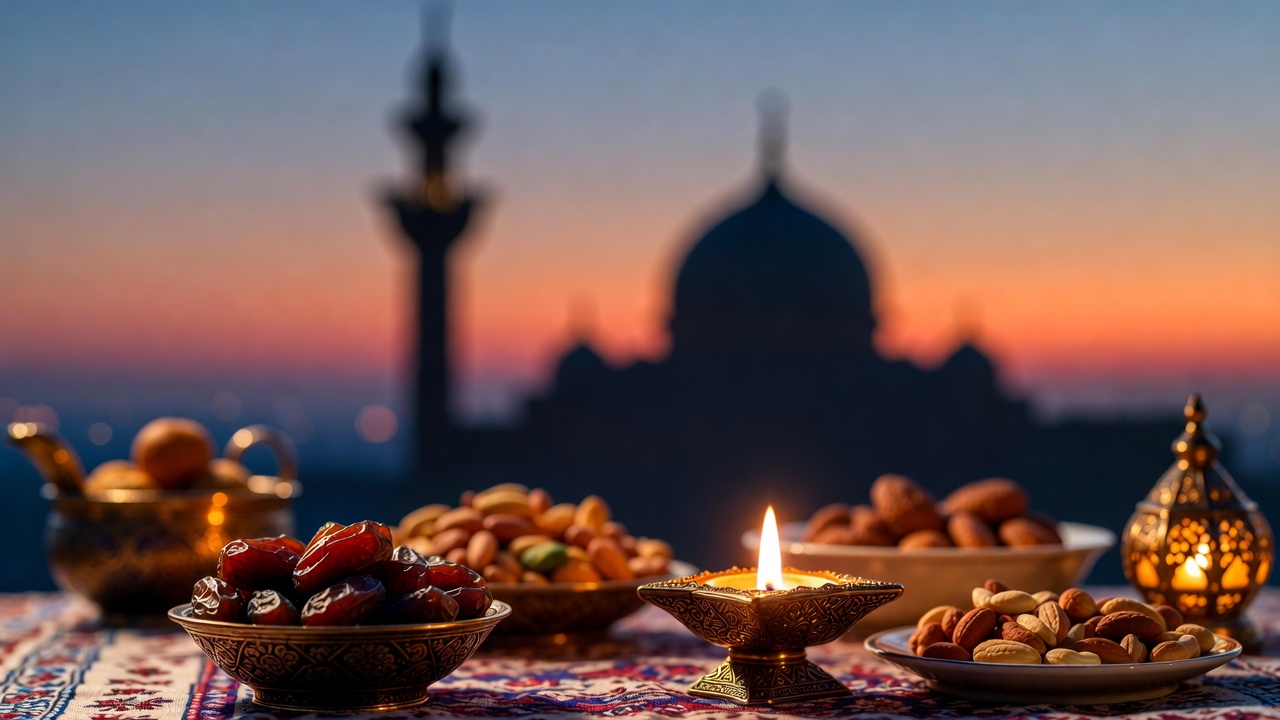
- Begin with dates and water – This gently eases the stomach back into eating
- Perform Maghrib prayer – The sunset prayer
- Enjoy the main meal – A balanced, nutritious dinner
It’s suggested that a healthy Iftar meal consists of two parts; those fasting should eat one or two dates to break the day’s fast, followed by a glass of water and some soup or yoghurt. The second part should be comprised of a sufficient amount of protein, including beans, fish, chicken, or meat.
Traditional Iftar Foods from Different Cultures
Iftar celebrations showcase the beautiful diversity of Muslim cultures worldwide:
Middle Eastern Traditions:
- Egypt: Khoshaf, a compote of dried fruits and nuts, followed by Qatayef, a sweet dumpling stuffed with cream or nuts
- Lebanon: Fattoush salad, hummus, grilled meats
- Saudi Arabia: Dishes like beans with olive oil and samosas
South Asian Specialties:
- Pakistan/India: Samosas, pakoras, and jalebis are among the quintessential snacks. These fried treats are balanced with healthier options like fruit chaats and chana chaat.
- Rooh Afza, a special rosy pink syrup made from a mix of ingredients including coriander, orange, pineapple, carrot, rose petals, spinach, and mint. “No Ramadan is complete without a bottle of Rooh Afza.”
North African Cuisine:
- Morocco: Traditional foods include Harira (soup), Tanjia Marrakchia, and Rfissa
- Tunisia: Lablabi (chickpea soup) and Baklava
Southeast Asian Traditions:
- In Indonesia, Ramadan bazaars pop up on street corners, and right before iftar, people flood the stalls in search of their favorite takjil—from kolak (banana in sweet coconut milk), to es buah (iced fruit cocktail), or fried treats like risoles and pastel.
Unique Iftar Announcement Traditions
The Midfa al Iftar (Iftar Cannon) tradition is said to have begun in Egypt over 200 years ago when the country was governed by the Ottoman ruler, Khosh Qadam. While testing a new cannon at sunset, Qadam accidentally fired it. The sound reverberated throughout Cairo, prompting many civilians to assume that this is the new way to signal the end of the fast.
Bosnia and Herzegovina maintains this tradition. Fired nightly at sunset to let Muslims in the city know they can break their fast, the cannon in Sarajevo is located in the Yellow Fortress, with many gathering here.
Taraweeh Prayer: The Special Night Prayer of Ramadan
Taraweeh is a special congregational prayer performed exclusively during Ramadan nights. It is one of the most spiritually enriching aspects of the holy month.
What Is Taraweeh and When Is It Performed?
The term “Tarawih” is the plural form of “Tarwihah,” which linguistically means resting or taking a break. According to Islamic jurisprudence (fiqh), Tarawih prayer is a confirmed Sunnah prayer performed specifically during the nights of Ramadan. The Tarawih prayer is performed after the Isha prayer until the time of Fajr.
Taraweeh is a voluntary prayer that carries enormous rewards. The Messenger of Allah (SAW) did not lead Muslims in Taraweeh every night out of the fear that it may become compulsory for them, causing them hardship.
How Many Rakaat in Taraweeh Prayer?
The minimum number of rakaat for this prayer is two, and there is no maximum limit, as there is no definitive evidence specifying the number of rakaat. Hence, it is not surprising that among Muslims, there are variations in its practice, with some performing eight rakaat, some twenty rakaat, some thirty-six rakaat, and some even more.
| School of Thought | Common Number of Rakaat |
|---|---|
| Hanafi | 20 + 3 Witr |
| Shafi’i | 20 + 3 Witr |
| Hanbali | 20 or 8 |
| Based on Aisha’s narration | 8 + 3 Witr |
Spiritual Benefits of Praying Taraweeh
Allah (SWT) has made Taraweeh in Ramadan a means of forgiveness and salvation for believers. The Messenger of Allah (SAW) said: “Whoever prays qiyam in Ramadan out of faith and in the hope of reward, his previous sins will be forgiven.”
Key Benefits:
- Greater opportunity for repentance because Ramadan is a sacred month full of forgiveness and mercy
- If performed in congregation, it is equivalent to praying the whole night
- Taraweeh allows Muslims to strengthen their bond with Allah, fostering a heightened sense of devotion and spiritual awareness
- Means of acquiring knowledge, as there are usually brief lectures after Tarawih prayers
Completing the Quran During Taraweeh
Ramadan Taraweeh is a glorious tradition of Islam where the whole Quran is completed from memory within one month. The beauty of the recitation has a soothing impact on the attendees, illustrating the glory of the divine revelation.
In many mosques, a Hafiz (someone who has memorized the entire Quran) leads the prayers, reciting a portion each night so that the entire Quran is completed by month’s end.
Laylat al-Qadr: The Night of Power and Its Significance
Among all the nights of Ramadan, none holds greater significance than Laylat al-Qadr—the Night of Power or Night of Decree.
What Is Laylat al-Qadr (Night of Power)?
Shab-e-Qadr, also known as Laylat al-Qadr, is one of the most important nights for Muslims during the holy month of Ramadan. It is believed to be the night when the first verses of the Quran were revealed to the Prophet Muhammad by the Angel Gabriel.
The Quran describes its significance:
“Indeed, it is We Who sent this Quran down on the Night of Glory. And what will make you realize what the Night of Glory is? The Night of Glory is better than a thousand months.” — Quran 97:1-3
Muslims believe that this night is more sacred than a thousand months and that worshipping Allah on this night is better than worshipping Him for a thousand months.
When Is Laylat al-Qadr?
The exact date of Shab-e-Qadr is unknown. However, it is believed to fall on one of the odd nights during the last ten days of Ramadan, i.e., 21st, 23rd, 25th, 27th or 29th night.
According to the most correct opinion, Laylat al-Qadr is the twenty-seventh night of Ramadan.
How to Seek and Maximize Laylat al-Qadr
The last 10 nights of Ramadan promise greater rewards. The Prophet (SAW) used to strive hard in worship during this time, seeking the night of Qadr.
Recommended Acts During the Last Ten Nights:
- Increase prayers and supplications
- Read and reflect on the Quran
- Make sincere repentance
- Give generously in charity
- Perform I’tikaf (spiritual retreat in the mosque)
“Whoever spends Laylat al-Qadr in prayer out of faith and in the hope of reward, his previous sins will be forgiven.”
Ramadan Traditions Around the World: A Cultural Journey
The unity of Ramadan worship is beautifully complemented by the diversity of cultural expressions across the Muslim world.
Egyptian Ramadan Traditions: Fanoos Lanterns and Mesaharaty
Egypt is famous for its vibrant and sparkling lanterns that are lit during the evening and night, called “fanous”. The origins of this tradition may have stemmed from the Fatimid Empire when Caliphate Al-Muʿizz li-Din Allah was greeted with colorful lanterns as he arrived in Cairo.
As part of the Ramadan traditions in Egypt, the streets, homes and neighbourhoods are lit up with these metal and glass lanterns. Known for their distinct designs and intricate craftsmanship, the fanous has become universally symbolic of Ramadan.
Indonesian Ramadan Customs: Padusan and Nyekar
Before the start of Ramadan, the Muslims of Indonesia bathe and cleanse themselves in the natural pools nearby. This deeply embedded cultural practice of Padusan is believed to purify the believer for Ramadan.
Nyekar is another Indonesian Ramadan practice that takes place before the holy month begins. The Javanese Muslims indulge in Nyekar to pay their respects to their family’s departed members. According to ancient Javanese beliefs, the month of Ramadan marks the beginning of a new life cycle.
Gulf Countries: Children’s Festivals and Gargee’an
“Haq Al Laila” tradition takes place on Ramadan 13th, 14th, and 15th. The tradition started in Bahrain, where children roam around the neighborhood dressed in bright clothing, collecting sweets while singing a traditional local song. The chant Aatona Allah Yutikom, Bait Makkah Yudikum translates from Arabic to ‘Give to us and Allah will reward you and help you visit the House of Allah in Mecca.’
In Bahrain, and throughout the wider Gulf, the drink most typically associated with Ramadan is Vimto. The British drink was first imported to Bahrain by the Aujan family in 1927, and has been a staple ever since, presumably because the high sugar content gives an energy boost to those breaking their fast.
Moroccan Ramadan Traditions
Ramadan in Morocco is more local because of these unique traditions its citizens add. Moroccans use traditional customs and a great collection of food such as Harira, Tanjia Marrakchia, and Rfissa. Men wear Djubba Gandoura in different colors, sometimes they wear it going to pray, and women have different types of clothes, but the most famous one is Kaftan.
South African Moon Watchers
In a beautifully unique tradition, in South Africa “moon watchers”, or “maan kykers” in Afrikaans, will stand atop Signal Hill, the shore at the Sea Point Promenade, or at Three Anchor Bay and declare when Eid-al-Fitr will be—only after seeing the crescent moon with their own eyes. Appointed directly by South Africa’s Muslim Judicial Council, this special tradition celebrates the practice of spotting the first crescent moon with the naked eye.
Iraqi Ramadan Games: Mheibes
If you’re in Iraq during Ramadan, you’ll likely encounter groups of men playing Mheibes. Believed to have origins in the Abbasid Caliphate (750-1258), the game sees one team hide a ring among its members while the other must try to work out who has it by reading their body language.
Although feared lost after so many years of war, “muheibes” is making a comeback in recent years as many Iraqis actively work to preserve such beloved traditional Ramadan games.
Sudanese Al Birish Tradition
In Sudan, there’s a tradition called Al Birish, named after the woven mats people lay out in the streets at sunset during Ramadan. Families place food and water on them—not just for themselves, but for anyone passing by. It’s a quiet yet powerful act of hospitality. Neighbours, strangers, travelers—everyone is welcome to break their fast together. No one eats alone.
South Asian Chaand Raat Celebrations
In Pakistan, India, and Bangladesh, the final night of Ramadan is anything but quiet. It’s called Chaand Raat—”Night of the Moon”—when the crescent is spotted and Eid is announced. Markets stay open all night. Women line up to get henna on their hands. Children pick out bangles and sweets. There’s laughter in the streets, last-minute gift buying, and a buzz in the air that only comes after a month of waiting.
Zakat al-Fitr: The Obligatory Ramadan Charity
Charitable giving reaches its peak during Ramadan, with Zakat al-Fitr (also known as Fitrana) being a mandatory obligation.
What Is Zakat al-Fitr and Who Must Pay It?
Zakat al-fitr (also known as Fitrana) is a charitable donation of food that must be given before Eid prayer, before the end of the month of Ramadan, for the love of Allah. Zakat al-fitr is compulsory upon every self-supporting adult Muslim who has food in excess of their needs, on behalf of themselves and their dependants.
Zakat al-Fitr is a duty which is considered wajib (required) of every Muslim, whether male or female, minor or adult, as long as they have the means to do so.
Key Differences Between Zakat al-Fitr and Zakat al-Mal:
| Aspect | Zakat al-Fitr | Zakat al-Mal |
|---|---|---|
| When Due | End of Ramadan | After one lunar year |
| Who Pays | Every Muslim | Those above nisab threshold |
| Amount | Fixed (2.5-3kg of food equivalent) | 2.5% of excess wealth |
| Purpose | Eid celebration for poor | General charity obligation |
How Much Is Zakat al-Fitr?
The required amount is the same for everyone regardless of income: one sa’ (four double handfuls) of food, grain, or dried fruit per family member, or the equivalent monetary value.
In monetary terms, this typically ranges from $7-15 USD per person depending on local food costs and scholarly interpretation.
When to Pay Zakat al-Fitr
In modern days, Zakat al-Fitr is often given during Ramadan so it can be distributed on the day of Eid. Different schools of Islamic law specify various times when Zakat al-Fitr is due, but many say the latest you should pay is before the Eid al-Fitr prayers.
Ibn Abbas reported: “The Messenger of Allah (peace be upon him) ordained zakat al-fitr to purify the fasting person from indecent words or actions, and to provide food for the needy. It is accepted as zakat for the person who gives it before the Eid prayer; but it is a mere sadaqah for the one who gives it after the prayer.”
Health Tips for Ramadan Fasting
Maintaining health during Ramadan requires thoughtful attention to nutrition, hydration, and rest.
How to Stay Hydrated While Fasting
Dehydration is one of the biggest challenges during Ramadan, especially in warmer climates. Strategic hydration between sunset and dawn is essential.
Hydration Tips:
- Drink at least 8 glasses of water between iftar and suhoor
- Consume water-rich foods like watermelon, cucumber, and oranges
- Avoid excessive caffeine which acts as a diuretic
- Opt for unsweetened herbal teas like chamomile, peppermint, or ginger tea
Maintaining Energy Levels Throughout the Day
When shopping for Ramadan, prioritise foods that provide slow-release energy. Complex carbohydrates, fibre-rich foods, and high-protein items help sustain you throughout the fast, while excessive sweets and fried foods can increase fatigue.
Energy-Sustaining Strategies:
- Focus on complex carbohydrates at suhoor
- Include protein in every meal
- Limit processed foods and refined sugars
- Avoid processed foods: They can cause bloating and fatigue
- Manage sleep: Aim for at least 6 to 7 hours of rest to aid digestion and recovery
Exercise During Ramadan
Although it’s important to exercise during Ramadan, it’s even more vital that you do this safely. You should do low to moderate intensity exercises, such as walking, yoga, or Pilates. Exercise should be executed within one of two time slots, including an hour or two ahead of Iftar and after Iftar.
Preparing Your Home for Ramadan Decorations and Ambiance
Creating a spiritually uplifting environment enhances the Ramadan experience for the whole family.
Traditional Ramadan Decorations
Popular Decoration Elements:
- Lanterns (fanoos) in various sizes
- Crescent moon and star motifs
- String lights in warm colors
- Table centerpieces for iftar gatherings
- Countdown calendars for children
Decorate with intention – Add simple Ramadan decorations to create an uplifting, spiritual atmosphere.
Creating a Ramadan-Ready Space
Room-by-Room Preparation:
| Room | Preparation Tips |
|---|---|
| Kitchen | Deep clean, organize, stock pantry |
| Dining Area | Arrange for family iftar gatherings |
| Prayer Space | Clean prayer rugs, ensure quiet atmosphere |
| Living Room | Set up Quran reading area with good lighting |
| Bedroom | Adjust for altered sleep schedule |
Involving Children in Ramadan Preparations and Traditions
Teaching children about Ramadan creates lasting memories and instills spiritual values from an early age.
Age-Appropriate Fasting for Children
While kids aren’t expected to fast until they hit puberty, they’re certainly not left out during Ramadan. In many Muslim countries, school days will be shorter to accommodate for the fact that they will have been kept up late and woken up early to spend time with their families.
Gradual Introduction to Fasting:
- Ages 5-7: Half-day fasts or “mini fasts”
- Ages 8-10: Fasting until mid-day
- Ages 11-13: Full fasts on weekends
- Post-puberty: Full observance expected
Fun Ramadan Activities for Kids
- Ramadan Lantern Crafts – Create their own fanoos
- Good Deed Charts – Track acts of kindness
- Quran Story Time – Learn Prophetic stories
- Charity Projects – Participate in giving
- Cooking Together – Help prepare iftar treats
- Countdown Calendars – Build excitement for Eid
The night prayer is an aspect of Ramadan in which young children can be involved. Observing Taraweeh as a family is a great way to introduce kids to acts of worship in the holy month. It will strengthen their bond with Allah (SWT) and teach them about the rules of prayer.
Ramadan Etiquette for Non-Muslims
Understanding Ramadan customs helps non-Muslims be respectful and supportive of their Muslim colleagues, friends, and neighbors.
How to Support Fasting Colleagues and Friends
Workplace Considerations:
- Avoid eating or drinking prominently in front of those fasting
- Be understanding of potentially lower energy levels
- Offer flexible meeting times when possible
- Don’t pressure fasting individuals to eat or drink
- Express genuine interest in learning about their experience
Attending an Iftar Dinner as a Guest
Etiquette Tips:
- Accept invitations graciously
- Wait for hosts to announce it’s time to eat
- Follow their lead on prayers
- Bring a gift (dates, flowers, or sweets are appropriate)
- Show appreciation for the hospitality
- Ask questions respectfully
Final Preparations Before Ramadan Starts
As the month approaches, these final preparations ensure a smooth transition into Ramadan.
Last-Week Checklist
Spiritual Preparations:
- ☐ Make sincere intention (niyyah) for the month
- ☐ Seek forgiveness from those you may have wronged
- ☐ Write a Letter to Yourself: Reflect on your progress and intentions
- ☐ Set a Ramadan Budget: Allocate funds for charity, groceries, and community events
Practical Preparations:
- ☐ Complete major grocery shopping
- ☐ Prepare and freeze meals
- ☐ Adjust sleep schedule gradually
- ☐ Plan Eid outfits and gifts in advance
- ☐ Coordinate iftar invitations and gatherings
Preparing for Eid in advance allows you to focus fully on worship during Ramadan’s final days. Early planning can reduce stress and ensure a joyful celebration for you and your loved ones.
Setting Personal Goals for the Month
Create a daily Ramadan schedule that allocates time for prayer, Quran reading, work, rest, and family. A structured day can help you balance your spiritual obligations with daily responsibilities.
Sample Goal Categories:
- Quran Goals: Complete full reading, memorize specific surahs
- Prayer Goals: Attend Taraweeh regularly, add voluntary prayers
- Character Goals: Improve patience, reduce negative speech
- Charity Goals: Set total donation amount, volunteer time
- Family Goals: Daily iftar together, teach children
Frequently Asked Questions About the Start of Ramadan
What time does fasting start and end each day?
Fasting begins at Fajr (true dawn, before sunrise) and ends at Maghrib (sunset). Exact times vary by location and change daily throughout the month.
Can I fast if I’m traveling?
Islam permits travelers to postpone fasting and make up missed days later. The decision depends on individual circumstances and scholarly guidance.
What breaks the fast?
Eating, drinking, smoking, and intimate relations break the fast. Unintentional actions (like accidentally swallowing water) typically don’t invalidate the fast.
Who is exempt from fasting?
Exemptions include: children before puberty, the elderly, pregnant or nursing women, menstruating women, those who are ill, and travelers.
How do I know exactly when Ramadan starts in my area?
Check with your local mosque, Islamic center, or follow announcements from regional Islamic authorities. Many use ISNA or Islamic Finder for guidance.
Conclusion: Embracing the Blessed Month
The start of Ramadan represents far more than the beginning of a month of fasting. It marks the opening of a spiritual door—an invitation to transformation, reflection, and renewal. From the ancient tradition of moon sighting to the modern preparations in kitchens and hearts around the world, Ramadan connects over 2 billion Muslims in a shared experience of faith.
Ramadan is a golden opportunity for spiritual transformation. By strengthening your worship, disciplining your heart, adjusting your habits, and organising your life, you set yourself up for a productive, meaningful, and spiritually uplifting month.
Whether you observe Ramadan yourself or simply wish to understand and support those who do, may this guide illuminate the beauty, depth, and significance of this sacred month. The countdown to Ramadan is not merely about preparing meals and adjusting schedules—it’s about preparing the heart to receive the extraordinary blessings that this month brings.
Ramadan Mubarak to all who observe. May your fasts be easy, your prayers accepted, and your hearts filled with peace.