Mozambique is a nation shaped by revolution, resilience, and renewal. Stretched along the Indian Ocean coastline of southeastern Africa, this Portuguese-speaking country carries its history in its holidays. Every public holiday on the Mozambican calendar tells a story — of liberation fighters who died for freedom, of women who broke barriers in wartime, of peace accords that ended decades of bloodshed. If you are planning a trip, doing business, or simply want to understand this vibrant country better, knowing these holidays is essential.
In this guide, you will find every official public holiday in Mozambique for 2026, along with the historical background, cultural significance, and practical travel tips that make each date come alive. Whether you are a traveler timing your visit to coincide with Independence Day parades in Maputo, a business professional planning around office closures, or a student of African history, this is the only resource you need.
Complete List of Mozambique Public Holidays in 2026 with Dates and Days of the Week
Mozambique observes nine fixed-date public holidays each year. These holidays are established by national law and apply across the entire country. According to Section 10, Article 95 of the Mozambique Labour Code, all workers are entitled to a day off on each public holiday. Any holiday that falls on a Sunday is observed on the following Monday.
Here is the full calendar for 2026:
| Date | Day | Holiday Name (English) | Portuguese Name | Type |
|---|---|---|---|---|
| January 1 | Thursday | New Year’s Day | Dia do Ano Novo | Public Holiday |
| February 3 | Tuesday | Mozambican Heroes’ Day | Dia dos Heróis Moçambicanos | Public Holiday |
| April 7 | Tuesday | Mozambican Women’s Day | Dia da Mulher Moçambicana | Public Holiday |
| May 1 | Friday | Workers’ Day (May Day) | Dia do Trabalhador | Public Holiday |
| June 25 | Thursday | Independence Day | Dia da Independência Nacional | Public Holiday |
| September 7 | Monday | Victory Day (Lusaka Accord Day) | Dia da Vitória | Public Holiday |
| September 25 | Friday | Armed Forces Day (Revolution Day) | Dia das Forças Armadas | Public Holiday |
| October 4 | Sunday | Peace and Reconciliation Day | Dia da Paz e Reconciliação | Public Holiday |
| October 5 | Monday | Observed Day Off (for Oct. 4) | Ponte / Dia de descanso | Public Holiday |
| December 25 | Friday | Family Day | Dia da Família | Public Holiday |
Key note for 2026: Peace and Reconciliation Day falls on a Sunday, so Monday, October 5 becomes an additional observed day off. This gives workers a long weekend.
Good Friday (April 3, 2026) is widely observed as a religious occasion but is classified as an observance rather than a full national public holiday. Christian public sector workers received a full-day exemption for Good Friday starting in 2016.
How Many Public Holidays Does Mozambique Have in 2026?
Mozambique has nine official fixed-date public holidays in 2026. With the observed Monday substitute for Peace and Reconciliation Day, workers effectively receive ten days off from work during the year. This puts Mozambique roughly in line with neighboring countries in the Southern African Development Community (SADC) region.
One notable feature of the Mozambican holiday calendar is its entirely secular character. The government of Mozambique does not officially recognize any religious holidays. This reflects the country’s post-independence commitment to secularism, which was established under FRELIMO’s socialist-era constitution and maintained through the transition to multiparty democracy. December 25 is officially called “Family Day” rather than Christmas. Even Good Friday, while widely observed, holds a different status than the fixed public holidays.
This secular framework has not been without debate. In the mid-1990s, Muslim parliamentarians proposed adding Eid al-Fitr and Eid al-Adha to the holiday calendar. The proposal sparked discussion about equity, since Christians effectively celebrate Christmas under the “Family Day” label. The bill ultimately stalled amid concerns about preserving the state’s secular framework.
New Year’s Day in Mozambique 2026: January 1 Celebrations and Traditions
Date: Thursday, January 1, 2026
New Year’s Day, or Dia do Ano Novo, launches the Mozambican calendar year the same way it does in most countries around the world — with fireworks, festivities, and fresh beginnings. But in Mozambique, the celebration carries a distinctly local flavor.
In Maputo, the capital city, New Year’s Eve is one of the most beloved occasions of the year. The waterfront along the Marginal comes alive with street parties, music, and fireworks over the Indian Ocean. Families and friends gather in homes and restaurants for festive meals. The atmosphere is warm, open, and communal. Music — particularly marrabenta, Mozambique’s signature genre blending Portuguese guitar traditions with local rhythms — fills the air well into the early hours.
Along the coast, from Inhambane to Vilankulo to the beaches of Tofo, tourists and locals alike welcome the new year under the stars. Mozambique’s December and January fall in the middle of the Southern Hemisphere summer, meaning warm temperatures and long, sun-drenched days.
Practical tip: January 1 is a day when most businesses, government offices, and banks are closed. If you are traveling during this period, plan ahead for cash, transportation, and supplies. The festive period from late December through early January is also peak tourist season along the coast, so booking accommodation in advance is strongly recommended.
Mozambican Heroes’ Day 2026: Honoring Eduardo Mondlane and the Independence Fighters on February 3
Date: Tuesday, February 3, 2026
Mozambican Heroes’ Day, or Dia dos Heróis Moçambicanos, is one of the most solemn and significant dates on the national calendar. It falls on February 3 every year — the anniversary of the assassination of Eduardo Chivambo Mondlane, the founder and first president of the Mozambique Liberation Front (FRELIMO).
The Story of Eduardo Mondlane
Eduardo Mondlane was born on June 20, 1920, in the Gaza Province of what was then Portuguese East Africa. The fourth of sixteen sons of a local chief, Mondlane grew up herding sheep before pursuing his education at missionary schools. His intellectual path led him to the United States, where he studied at Oberlin College in Ohio, earned degrees at Northwestern University, and conducted research at Harvard University. He also served as a United Nations official and taught at Syracuse University before returning to Africa.
In 1962, Mondlane founded FRELIMO in Dar es Salaam, Tanzania, uniting several smaller independence groups into a single front against Portuguese colonial rule. On September 25, 1964, FRELIMO launched its first armed offensive, beginning a guerrilla war that would last a decade.
On February 3, 1969, a package containing a bomb was delivered to Mondlane at FRELIMO headquarters in Dar es Salaam. When he opened it, the device exploded, killing him instantly. He was 48 years old. Most historians believe the Portuguese secret police (PIDE) orchestrated the assassination, though internal FRELIMO rivals have also been implicated.
How Mozambicans Celebrate Heroes’ Day
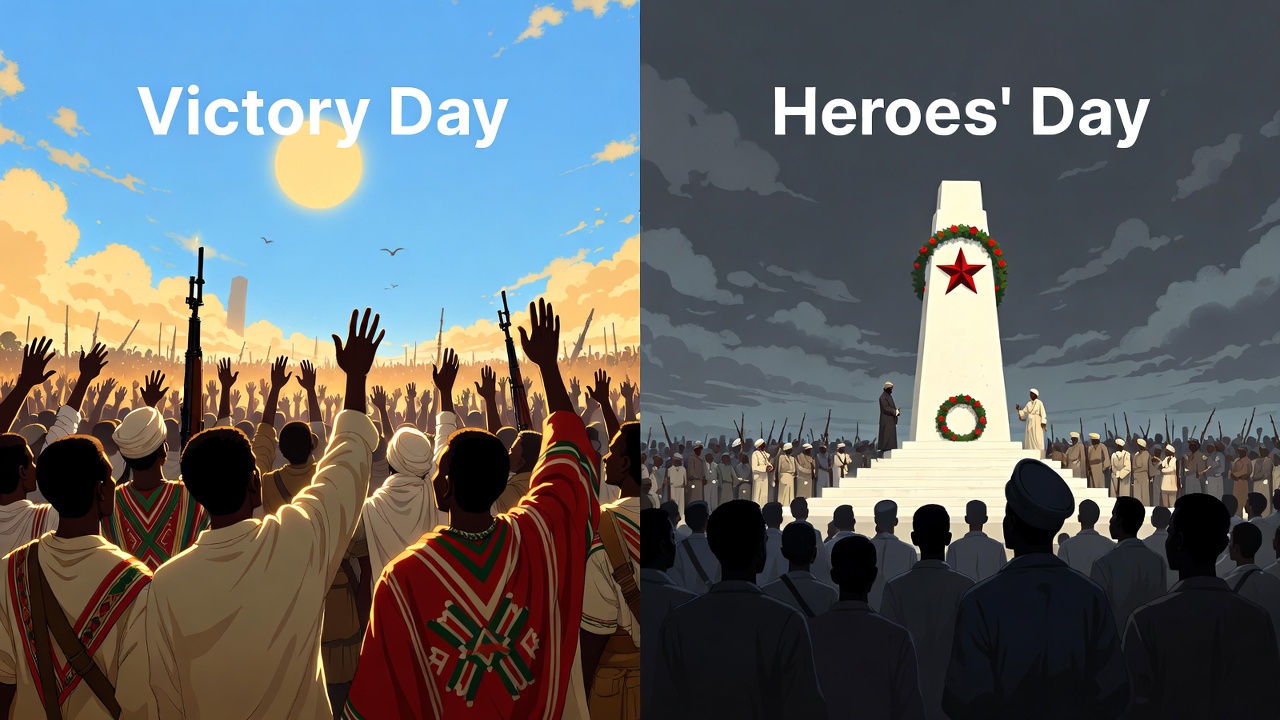
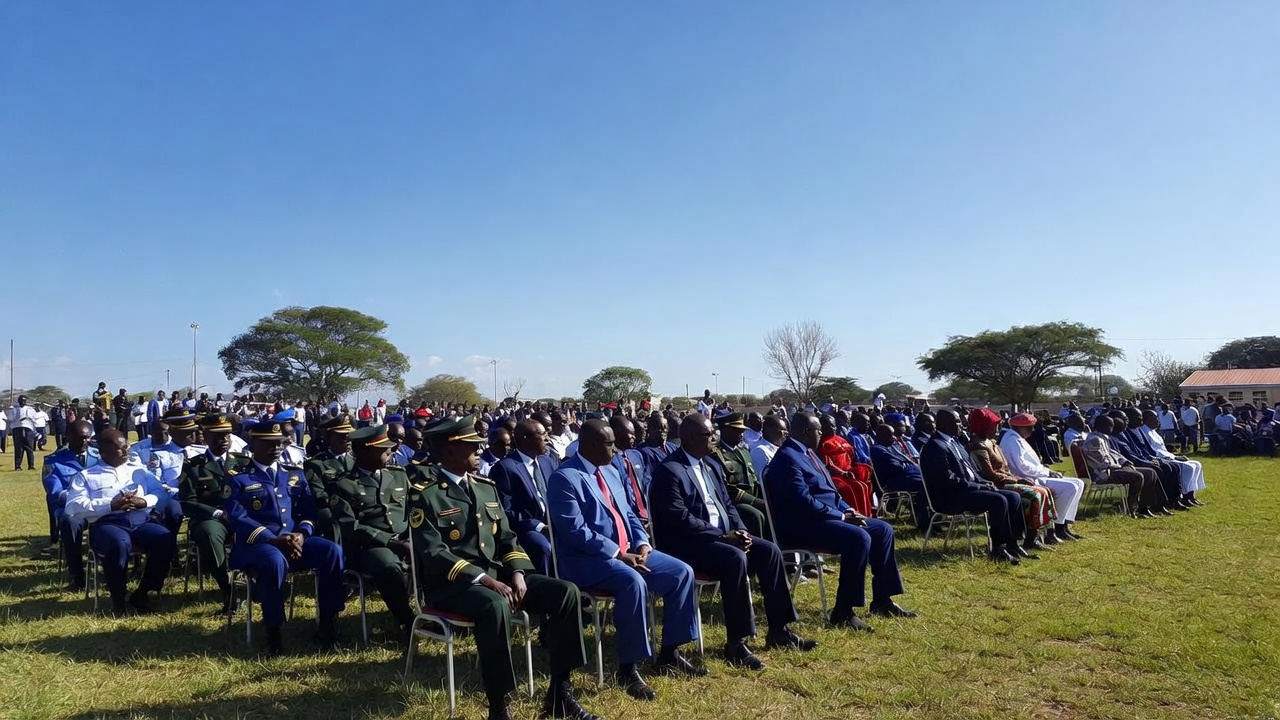
On this day, the president of Mozambique typically addresses the nation at Heroes’ Square (Praça dos Heróis) in Maputo. Government officials and citizens lay wreaths at monuments dedicated to national heroes. Military parades, speeches, and educational programs take place across the country. Schools organize activities to teach students about the independence struggle. Families visit cemeteries and monuments to pay respects.
In 2025, President Daniel Chapo led the Heroes’ Day ceremonies at Heroes’ Square, marking the 56th anniversary of Mondlane’s assassination. He called on Mozambicans to pursue economic independence while rejecting corruption and nepotism.
For visitors: Heroes’ Day provides a powerful window into the Mozambican soul. The ceremonies are public and accessible. If you are in Maputo on February 3, a visit to Heroes’ Square is a moving experience.
Mozambican Women’s Day 2026: Celebrating Josina Machel’s Legacy on April 7
Date: Tuesday, April 7, 2026
Mozambican Women’s Day, or Dia da Mulher Moçambicana, is a public holiday observed every year on April 7. It marks the anniversary of the death of Josina Abiathar Muthemba Machel, a revolutionary who became a symbol of women’s empowerment in Mozambique and across Africa.
Who Was Josina Machel?
Josina Machel was born on August 10, 1945, in Vilankulo, Inhambane Province, into a family with deep anti-colonial roots. Her grandfather was jailed for speaking out against Portuguese rule. At 18, she fled Mozambique and traveled to Tanzania to join FRELIMO. She was one of 25 young women to undergo military training at the Nachingwea camp in southern Tanzania.
Within FRELIMO, Josina rose quickly. By 1969, at just 24 years old, she was placed in charge of the party’s Social Affairs Department and the Women’s Department. That same year, she married Samora Machel, who would go on to become the first president of independent Mozambique.
In 1970, Josina was diagnosed with liver cancer. Despite her doctors’ orders to rest, she continued working for the liberation cause. She died on April 7, 1971, in Dar es Salaam, Tanzania, at the age of 25. Her final words to her companions were: “Comrades, I can continue no longer. Give this to the military commander of the province so that it may contribute to the salvation of the Mozambican people.”
The following year, FRELIMO declared April 7 as National Women’s Day. In 1973, FRELIMO established the Organization of Mozambican Women (OMM) as the movement’s social and political arm for women.
How Mozambique Celebrates Women’s Day
Today, April 7 is marked with ceremonies, speeches, community gatherings, and cultural events across the country. Leaders pay tribute to Josina Machel and to prominent Mozambican women such as writer Paulina Chiziane, activist Graça Machel, and former Prime Minister Luísa Diogo. Theater performances, art exhibitions, and educational workshops focusing on gender equality are held in cities and rural communities alike.
A rare distinction: Having a national public holiday dedicated to a specific woman is exceptionally rare worldwide. This fact alone speaks to the high regard in which Mozambicans hold Josina Machel’s memory.
Workers’ Day in Mozambique 2026: How May Day Is Celebrated on May 1
Date: Friday, May 1, 2026
Workers’ Day, or Dia do Trabalhador, falls on May 1 and is celebrated in Mozambique as it is in much of the world. It honors the contributions of workers and labor movements.
In Maputo and across Mozambique, May Day is marked with marches, parades, and public rallies. Trade unions organize events, and political leaders deliver speeches about workers’ rights, economic development, and labor conditions. Cultural performances, music, and community gatherings accompany the more formal proceedings.
For workers and travelers: All businesses, government offices, banks, and most shops are closed on May 1. In 2026, May Day falls on a Friday, creating a welcome three-day weekend for Mozambicans. Coastal towns and beach destinations see an increase in domestic tourism during this long weekend.
Mozambique’s music festival scene also overlaps with this period. The country’s vibrant arts culture — from the open-air music festivals in Maputo to the traditional Chopi music events in Inhambane Province — makes May an excellent time for culturally minded visitors.
Mozambique Independence Day 2026: Celebrating Freedom from Portugal on June 25
Date: Thursday, June 25, 2026
Independence Day, or Dia da Independência Nacional, is the most celebrated holiday on the Mozambican calendar. On June 25, 1975, Mozambique officially declared its independence from Portugal after more than four centuries of colonial rule and nearly a decade of armed struggle.
The Road to Independence
Portuguese explorers, led by Vasco da Gama, first reached the coast of Mozambique in the late 15th century. By 1530, Portugal had established a firm colonial presence, controlling the region’s trade routes and exploiting its natural resources and people — including through the slave trade, which transported hundreds of thousands of Mozambicans to the New World and beyond.
The independence movement gained momentum in the 1960s. FRELIMO, founded by Eduardo Mondlane in 1962, launched a guerrilla war against the Portuguese on September 25, 1964. After Mondlane’s assassination in 1969, the struggle continued under the leadership of Samora Machel. The war lasted until 1974, when the Carnation Revolution in Portugal overthrew the authoritarian Estado Novo regime and paved the way for negotiations with FRELIMO.
On June 25, 1975, independence was formally proclaimed at the Machava Stadium in Matola, near Maputo. Samora Machel became the country’s first president.
How Independence Day Is Celebrated in 2026
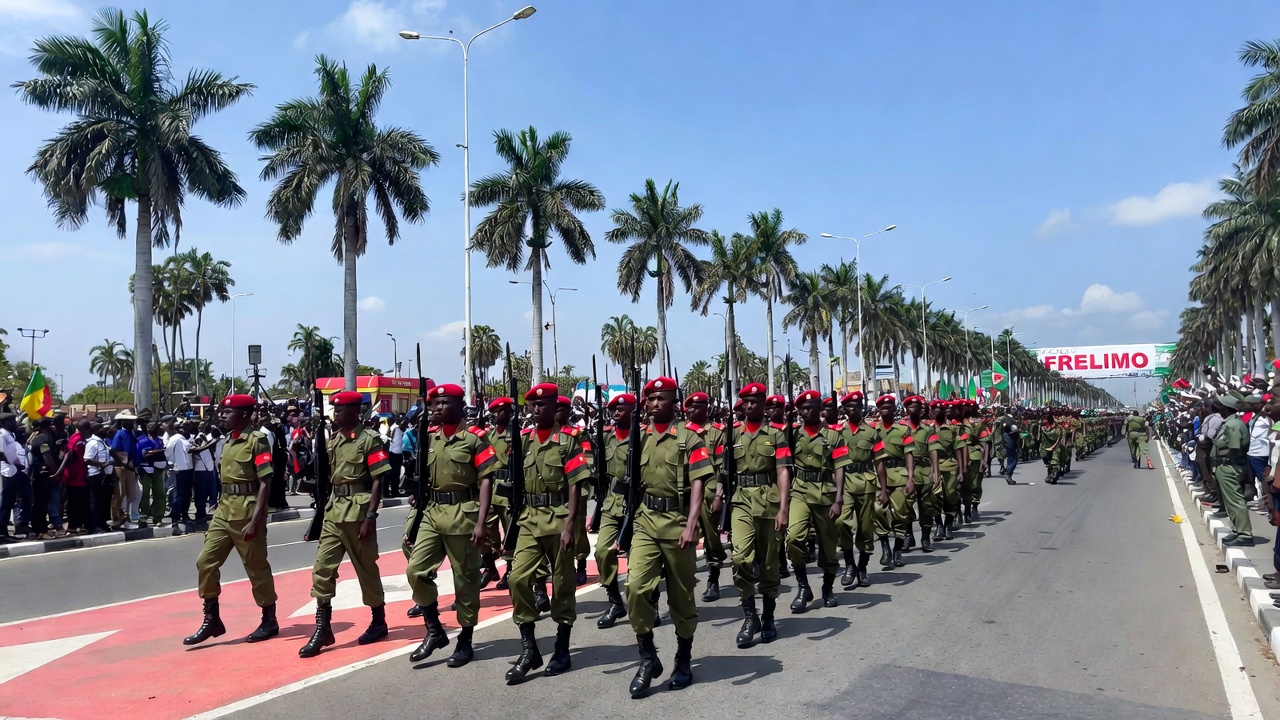
Independence Day is a day of immense national pride. The centerpiece of the celebrations is typically held in Maputo, where the national stadium hosts live concerts by celebrated Mozambican bands, cultural performances, and speeches by the president and other officials. Parades wind through the streets, and people come out in their finest clothes to celebrate.
In 2025, Mozambique celebrated the 50th anniversary of independence with major commemorations. President Daniel Chapo lit a “torch of national unity” that traveled the length of the country before arriving at the historic Machava Stadium. Over 32 heads of state confirmed attendance, including the President of Portugal, making it one of the most significant Independence Day events in the nation’s history.
Across the country — from Pemba in the north to Inhambane in the south — communities celebrate with traditional dances, feasts, and cultural activities. The week surrounding Independence Day often features art exhibitions, film screenings, and poetry readings.
Travel tip: If you plan to visit Mozambique around Independence Day, June is also a beautiful time weather-wise. The dry winter season (May through October) offers comfortable temperatures and clear skies, perfect for exploring the beaches, diving in the Bazaruto Archipelago, or visiting Gorongosa National Park.
Victory Day in Mozambique 2026: Remembering the Lusaka Accord on September 7
Date: Monday, September 7, 2026
Victory Day, or Dia da Vitória, also known as Lusaka Peace Agreement Day, is observed on September 7 each year. It marks the signing of the Lusaka Accord in 1974, which formally ended the Mozambican War of Independence.
The Lusaka Accord
After a decade of guerrilla warfare between FRELIMO and the Portuguese military, a turning point came on April 25, 1974, when the Carnation Revolution in Lisbon toppled Portugal’s authoritarian government. The new Portuguese administration moved quickly to negotiate with its colonies.
On September 7, 1974, in the Zambian capital of Lusaka, FRELIMO leader Samora Machel and Portuguese Foreign Minister Mario Soares signed the Lusaka Accord. The agreement formally recognized Mozambique’s right to independence and established a timetable for the transfer of power. The document was read publicly by Joaquim Chissano, FRELIMO’s Secretary of Defence and Security, who would later serve as Mozambique’s second president. Zambian President Kenneth Kaunda, who presided over the signing ceremony, reportedly wept during his closing remarks.
The accord established that independence would be proclaimed after a transition period. Mozambique became independent on June 25, 1975.
How Victory Day Is Celebrated
On Victory Day, the president of Mozambique delivers a national address and lays wreaths at the Monument to Heroes in Maputo. The day is a time for reflection on the sacrifices made during the independence struggle. Military and civilian ceremonies take place across the country.
A cultural landmark in Maputo: When driving from the international airport to the city center, you pass along the Avenida Acordo de Lusaka (Lusaka Accord Avenue), which connects to Avenida Kenneth Kaunda and Avenida Julius Nyerere — a living tribute to the allies who helped Mozambique win its freedom.
Armed Forces Day in Mozambique 2026: Revolution Day Celebrated on September 25
Date: Friday, September 25, 2026
Armed Forces Day, also known as Revolution Day (Dia das Forças Armadas), is observed on September 25 every year. This date marks the beginning of the Mozambican War of Independence, when FRELIMO launched its first armed offensive against Portuguese colonial forces on September 25, 1964.
How the Armed Struggle Began
By the early 1960s, anti-colonial sentiments were sweeping across Africa. FRELIMO was formally established on June 25, 1962, in Dar es Salaam, Tanzania, uniting three existing independence groups. For two years, the movement organized, trained, and prepared. Then, on September 25, 1964, FRELIMO fighters launched their first attack against Portuguese military targets in the northern provinces of Mozambique.
The war would last nearly ten years. FRELIMO’s guerrilla campaign, supported by several African states and backed both by Western governments and the Soviet Union, gradually extended the movement’s control over northern and central Mozambique. The conflict claimed an estimated 10,000 lives before the 1974 ceasefire.
Celebrations and Observances
Armed Forces Day is celebrated with military parades, speeches by public officials, flag-raising ceremonies, concerts, and sporting events. Historical displays and art exhibitions are common. It is also a day for honoring the members of Mozambique’s armed forces, both past and present.
In 2026, September 25 falls on a Friday, creating a long weekend. Combined with the Victory Day holiday on September 7, September is a month filled with patriotic observances in Mozambique.
Culinary note: Celebrations often feature traditional Mozambican dishes. Look for peri-peri grilled chicken (frango à zambeziana), mucapata (a coconut bread roll from the north), and matapa (a dish made from cassava leaves, ground peanuts, and coconut milk). These flavors are at the heart of Mozambican identity.
Peace and Reconciliation Day in Mozambique 2026: October 4 and the Rome General Peace Accords
Date: Sunday, October 4, 2026 (observed Monday, October 5)
Peace and Reconciliation Day, or Dia da Paz e Reconciliação, commemorates the signing of the Rome General Peace Accords on October 4, 1992, which ended Mozambique’s devastating civil war.
The Mozambican Civil War (1977–1992)
Independence from Portugal in 1975 did not bring peace to Mozambique. Within two years, the country was plunged into a brutal civil war between the ruling FRELIMO party, which had established a one-party Marxist state, and the opposition RENAMO (Mozambican National Resistance), which was initially backed by Rhodesia’s secret service and later by South Africa’s apartheid-era military.
The civil war lasted 16 years and was one of the deadliest conflicts in African history. An estimated one million Mozambicans lost their lives. Another 1.7 million became refugees in neighboring countries. The war devastated the country’s infrastructure, economy, and social fabric.
The Road to Peace in Rome
Peace talks began in 1990, brokered by a remarkable team of mediators: two members of the Italian Community of Sant’Egidio (Andrea Riccardi and Matteo Zuppi), the Archbishop of Beira, Jaime Pedro Gonçalves, and Italian government representative Mario Raffaelli. The negotiations were held in Rome over more than two years.
On October 4, 1992, President Joaquim Chissano and RENAMO leader Afonso Dhlakama signed the General Peace Accord in Rome. The agreement established a ceasefire, set terms for democratic elections, and laid the groundwork for national reconciliation. The United Nations deployed ONUMOZ, a peacekeeping mission, to oversee the implementation.
The first multiparty elections were held in 1994, and Mozambique has maintained a democratic framework since.
How Peace Day Is Celebrated
In 2025, hundreds of events were held across the country to mark the 33rd anniversary of the Rome Peace Accords. In Maputo, a major interfaith gathering on the theme of “Apostar na Paz” (“Betting on Peace”) brought together religious leaders, diplomats, and civil society leaders — including former President Joaquim Chissano, who originally signed the accord.
Across the country, from Tete to Nampula, communities organized marches, school assemblies, and inter-religious dialogues. The theme of these gatherings is always the same: that peace must be actively built, not simply maintained.
In 2026, October 4 falls on a Sunday. Under Mozambican labor law, the holiday is observed on Monday, October 5, giving workers a guaranteed long weekend.
Family Day in Mozambique 2026: How December 25 Is Celebrated Beyond Christmas
Date: Friday, December 25, 2026
Family Day, or Dia da Família, is Mozambique’s official name for the December 25 public holiday. While the date coincides with Christmas, the Mozambican government designated it as a secular holiday to respect the country’s religiously diverse population.
Why It Is Called Family Day, Not Christmas
Mozambique’s population is approximately 40% to 50% Christian (primarily Roman Catholic and Methodist), with roughly 15% to 20% Muslim, and the remainder following traditional African religions or no formal religion. After independence in 1975, the FRELIMO government committed to strict secularism. No religious holidays were included in the official calendar. December 25 was retained as a holiday but reframed as a celebration of family unity rather than the birth of Christ.
This framing has not gone uncontested. Muslim leaders have pointed out that Christians effectively celebrate Christmas under the “Family Day” label, while Islamic observances like Eid al-Fitr have no equivalent national recognition. The government has attempted to bridge this gap by allowing Muslim workers leave for Eid through ministerial declarations, but Eid remains an informal rather than official public holiday.
How Mozambicans Celebrate Family Day
For Christian Mozambicans, December 25 is celebrated with midnight masses, choir performances of African carols, nativity scenes, and festive meals shared with extended family. Churches across the country hold special services, and the sound of a cappella singing fills communities.
For all Mozambicans, regardless of faith, December 25 is a time to gather with family. Home-cooked meals take center stage — expect dishes like peri-peri chicken, grilled seafood (Mozambique is famous for its prawns), feijoada (a bean stew with Portuguese roots), and coconut rice. Gift-giving is more modest than in Western traditions but growing, especially in urban areas like Maputo.
Because December falls in the Southern Hemisphere summer, celebrations often include beachside gatherings and outdoor activities. Children play football on sandy pitches, families picnic under mango trees, and coastal towns bustle with vacationers.
Travel tip: December is peak season for Mozambique tourism. Beaches in Tofo, Vilankulo, and the Bazaruto Archipelago are at their most popular. Book accommodation well in advance.
Mozambique Holiday Calendar 2026: Best Long Weekends for Travel Planning
Smart travel planning means knowing which holidays create long weekends. Here is a breakdown of the best opportunities in 2026:
| Holiday | Date(s) | Days Off | Long Weekend? |
|---|---|---|---|
| New Year’s Day | Thu, Jan 1 | Thursday | Yes — bridge to Friday for a 4-day break |
| Heroes’ Day | Tue, Feb 3 | Tuesday | Possible bridge Monday for a 4-day break |
| Women’s Day | Tue, Apr 7 | Tuesday | Possible bridge Monday for a 4-day break |
| Workers’ Day | Fri, May 1 | Friday | Yes — natural 3-day weekend |
| Independence Day | Thu, Jun 25 | Thursday | Yes — bridge to Friday for a 4-day break |
| Victory Day | Mon, Sep 7 | Monday | Yes — natural 3-day weekend |
| Armed Forces Day | Fri, Sep 25 | Friday | Yes — natural 3-day weekend |
| Peace Day (observed) | Mon, Oct 5 | Sunday + Monday | Yes — natural 3-day weekend |
| Family Day | Fri, Dec 25 | Friday | Yes — natural 3-day weekend |
Best months for long weekends in 2026: May, September, October, and December each offer natural three-day weekends without needing to take extra leave. September is especially good, with both Victory Day (Monday, September 7) and Armed Forces Day (Friday, September 25) creating long weekends.
Understanding Mozambique Labor Law on Public Holidays and Days Off
Mozambique’s labor regulations regarding public holidays are straightforward but important for employers, employees, and visitors to understand.
Key provisions include:
- All workers are entitled to a paid day off on each official public holiday. This right is enshrined in the Mozambique Labour Code.
- If a public holiday falls on a Sunday, the following Monday becomes the observed day off. This rule applies in 2026 to Peace and Reconciliation Day (October 4), which falls on a Sunday.
- Workers required to work on a public holiday are entitled to extra compensation, typically at a premium rate.
- Ad-hoc holidays can be declared by the government at short notice for special occasions. These are mandatory and must be respected by both government and non-governmental organizations. For example, the inauguration of President Daniel Chapo on January 15, 2025, was declared a one-off national holiday.
- No official religious holidays are recognized at the national level, though the government has historically allowed Muslim workers time off for Eid through ministerial declarations.
Travel Tips for Visiting Mozambique During Public Holidays in 2026
Planning a trip to Mozambique around its public holidays? Here are essential tips to make your visit smooth and enjoyable.
Best Time to Visit Mozambique
The dry season (May through October) is generally considered the best time to visit. Temperatures are comfortable, skies are clear, and wildlife viewing in parks like Gorongosa is excellent. The wet season (November through April) brings heavy rain, potential flooding, and cyclone risks along the coast.
Visa and Entry Requirements
As of early 2026, citizens of 29 countries — including the United States, United Kingdom, Canada, and most EU nations — can enter Mozambique without a visa for stays of up to 30 days. You will need a passport valid for at least six months, a return ticket, and proof of accommodation. An Electronic Travel Authorization (ETA) system was introduced in early 2025, though it has experienced technical challenges. Check the latest requirements before departure.
Safety Considerations
The U.S. State Department rates Mozambique at Level 2: Exercise Increased Caution as of early 2026, due to health issues, crime, civil unrest, and terrorism. Higher-risk areas include Cabo Delgado Province in the north, where an Islamist insurgency has been active since 2017. Most tourist destinations in southern and central Mozambique — including Maputo, Inhambane, Vilankulo, and the Bazaruto Archipelago — are considered safer.
Common-sense precautions apply: avoid displaying valuables in cities, take taxis after dark, and stay informed about local conditions. During public holidays, protests are less likely but can occur at short notice; avoid crowds if they appear.
What Closes on Public Holidays
On public holidays, expect the following closures:
- Government offices — closed
- Banks — closed
- Schools — closed
- Most private businesses — closed or operating on reduced hours
- Tourist resorts and restaurants — generally open, especially in coastal areas
- Markets — some remain open, especially informal markets
Plan ahead for cash withdrawals, since ATMs in smaller towns may run out of funds during holiday weekends.
Getting Around
Mozambique’s main highways connecting provincial capitals are in fair condition, but rural roads can be challenging, especially during the wet season. Traffic flows on the left side of the road. If you are renting a vehicle, a four-wheel-drive is strongly recommended for travel outside Maputo. Avoid driving at night due to poor lighting, pedestrians on highways, and the risk of vehicle breakdowns.
Domestic flights connect Maputo to Vilankulo, Inhambane, Beira, and Pemba. During peak holiday periods, book flights early.
Mozambique Festivals and Cultural Events Worth Timing Your Visit Around
While public holidays anchor the calendar, Mozambique’s cultural scene extends far beyond official dates. Here are some events worth planning around:
- Maputo International Music Festival (May) — A multi-day open-air festival in the capital featuring local and international acts, workshops, and craft exhibitions.
- Tambo International Art Festival (July, Pemba) — A week-long celebration of cultural diversity through music, dance, theater, and art exhibitions in the northern coastal city of Pemba.
- Festival of Chopi Music (late July–August, Quissico) — Traditional Chopi timbila orchestral music, recognized by UNESCO as intangible cultural heritage, takes center stage in this Inhambane Province event.
- Independence Day Week (late June) — Cultural activities, concerts, and art exhibitions across the country in the days surrounding June 25.
Frequently Asked Questions About Public Holidays in Mozambique 2026
Does Mozambique celebrate Christmas?
Not officially. December 25 is a public holiday called Family Day (Dia da Família). However, Christians — who make up roughly half the population — celebrate Christmas with midnight masses, choir singing, and family feasts. The secular naming reflects the government’s commitment to religious neutrality.
What happens if a Mozambique public holiday falls on a weekend?
Under Mozambican labor law, if a public holiday falls on a Sunday, the following Monday is observed as the day off. In 2026, this applies to Peace and Reconciliation Day (October 4), which is observed on Monday, October 5.
Are there any religious public holidays in Mozambique?
No. Mozambique’s public holidays are entirely secular. Good Friday is widely observed by Christians but is classified as an observance, not a full national public holiday. Muslim holidays like Eid al-Fitr are acknowledged through ministerial declarations but are not official public holidays.
Is Mozambique safe to visit during public holidays?
Most public holidays are peaceful and festive, particularly in the southern tourist regions. However, political tensions can occasionally lead to protests or demonstrations. Always monitor local news and follow travel advisories from your home country.
Can I enter Mozambique without a visa in 2026?
Citizens of 29 countries, including the US, UK, Canada, and most EU nations, can enter visa-free for up to 30 days. An ETA may be required — check the latest status before you travel.
Why Mozambique’s Public Holidays Matter: A Window into the Nation’s Soul
Mozambique’s holiday calendar is unlike that of almost any other country. There are no saints’ days, no harvest festivals, no ancient religious traditions enshrined in law. Instead, every single holiday is tied to a specific chapter in the nation’s modern history — its struggle against colonialism, its fight for women’s rights, its painful civil war, and its hard-won peace.
When you stand in Heroes’ Square on February 3, you are standing where a nation remembers the man who gave his life so that it could be free. When you watch the parades on June 25, you are witnessing a people celebrate the independence they fought for over decades. When you join the interfaith dialogues on October 4, you are participating in a country’s ongoing commitment to building peace after unimaginable loss.
Understanding these holidays is not just practical — it is a gateway to understanding Mozambique itself. The dates on the calendar are milestones in a journey that is still unfolding. And for the traveler, the business visitor, or the curious reader, knowing these stories transforms a trip to Mozambique from a vacation into an encounter with one of Africa’s most compelling modern histories.
This guide is current as of February 2026. Public holidays in Mozambique can occasionally be amended by government declaration. For the latest information, check official sources such as the Mozambique Embassy or timeanddate.com.