Moving to New Zealand? Here’s your essential guide to the founding document that shapes Kiwi life today.
New Zealand is stunning. The mountains. The beaches. The friendly locals. But there’s something deeper here. Something that defines this nation’s identity.
It’s called Te Tiriti o Waitangi — the Treaty of Waitangi.
Whether you’re planning to immigrate to New Zealand or just arrived, understanding this document is essential. It’s not just history. It’s living, breathing, and shaping modern Aotearoa every single day.
Let’s break it down.
1. What Is the Treaty of Waitangi? A Quick History
The Treaty of Waitangi is New Zealand’s founding document. Think of it as the nation’s birth certificate.
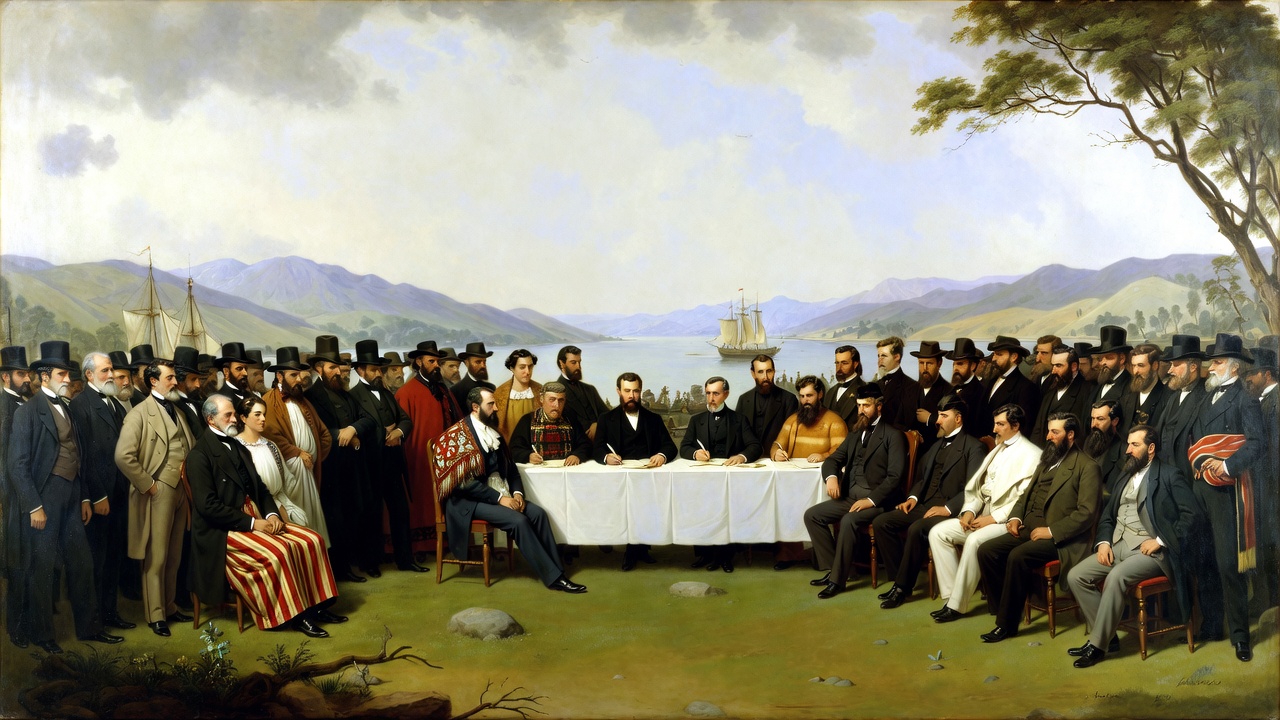
On February 6, 1840, British Crown representatives and Māori chiefs gathered at Waitangi in the Bay of Islands. They came to negotiate. They came to sign an agreement.
The goal? To establish British governance while protecting Māori rights, lands, and taonga (treasures).
Over 500 Māori chiefs eventually signed the Treaty. Some signed the original at Waitangi. Others signed copies carried throughout the country.
This wasn’t just paperwork. It was a promise between two peoples.
Key Dates to Remember
| Date | Event |
|---|---|
| February 6, 1840 | First signing at Waitangi |
| May 21, 1840 | British sovereignty proclaimed |
| 1975 | Waitangi Tribunal established |
| 1840-present | Ongoing Treaty interpretation and claims |
2. Two Versions, Two Languages, Two Interpretations
Here’s where things get complicated.
The Treaty exists in two versions:
- English version — written by British officials
- Te Reo Māori version — translated by missionary Henry Williams
The problem? They don’t say exactly the same thing.
The Translation Controversy Explained
The biggest difference involves the word “sovereignty.”
| English Version | Māori Version |
|---|---|
| Māori cede “sovereignty” to the Crown | Māori cede “kāwanatanga” (governance) |
| Crown has complete authority | Chiefs retain “tino rangatiratanga” (self-determination) |
Most Māori chiefs signed the Māori version. They believed they were sharing power, not giving it away entirely.
This translation difference still fuels debate today. Courts, tribunals, and politicians continue wrestling with its meaning.
Understanding this tension helps newcomers grasp why Treaty discussions can get heated.
3. The Three Articles: What the Treaty Actually Says
The Treaty of Waitangi contains three articles. Each one matters.
Article One: Governance
The Crown gained the right to govern New Zealand. British law would apply. A formal government would be established.
Article Two: Protection of Māori Rights
This is the big one.
Māori were guaranteed:
- Tino rangatiratanga — full chieftainship over their lands, villages, and treasures
- Protection of their resources
- The Crown’s exclusive right to purchase Māori land (to prevent exploitation)
Article Three: Equal Rights
All Māori would receive the same rights and privileges as British subjects. Citizenship. Protection. Equality under the law.
The Principles in Modern Practice
Today, three principles guide Treaty interpretation:
- Partnership — The Crown and Māori work together
- Protection — Māori interests must be actively protected
- Participation — Māori must participate in decision-making
These principles appear everywhere. Government policy. Business practices. Healthcare. Education. You’ll encounter them constantly as a newcomer.
4. Waitangi Day: New Zealand’s National Holiday
Every year on February 6, New Zealand celebrates Waitangi Day.
It’s a public holiday. Banks close. Many businesses shut down. Families gather.
But it’s not just barbecues and beach trips.
What Happens at Waitangi Day Celebrations?
The main events take place at the Waitangi Treaty Grounds in the Bay of Islands.
Typical celebrations include:
- Pōwhiri (traditional Māori welcome ceremony)
- Waka (canoe) ceremonies on the bay
- Cultural performances and kapa haka
- Speeches from political and Māori leaders
- Community festivals throughout the country
Is Waitangi Day Controversial?
Honestly? Sometimes.
For some New Zealanders, it’s a day of celebration. For others, it’s a day of protest. Many Māori see it as an opportunity to highlight unresolved grievances.
This complexity is healthy. It shows a nation engaging with its past honestly.
As a newcomer, approach Waitangi Day with respect and curiosity. Attend local events. Listen to different perspectives. Learn.
5. Why the Treaty Matters Today: Living Document, Living Debates
The Treaty of Waitangi isn’t locked in a museum (though the original is preserved at Archives New Zealand in Wellington).
It’s alive. It influences daily life in ways you’ll notice immediately.
Treaty Principles in Everyday New Zealand
| Area | How the Treaty Applies |
|---|---|
| Government | Treaty obligations guide policy and legislation |
| Healthcare | Māori health equity is a priority |
| Education | Te Reo Māori is taught in schools; bicultural curriculum |
| Business | Many organizations have Māori engagement strategies |
| Environment | Māori often have guardianship roles over natural resources |
| Place Names | Dual English/Māori names are increasingly common |
The Waitangi Tribunal
Established in 1975, the Waitangi Tribunal investigates Treaty breaches.
Māori can bring claims for historical and contemporary grievances. The Tribunal makes recommendations to the government for settlements.
Billions of dollars in settlements have been paid. Apologies have been issued. Land has been returned.
This process is ongoing. It’s how New Zealand attempts to address past wrongs.
What This Means for Newcomers
You don’t need to take sides. But you do need to understand.
Treaty principles will appear in your workplace policies. Your children will learn about them in school. News stories will reference Treaty claims and settlements.
Understanding the basics helps you participate in New Zealand society fully.
Practical Tips for Newcomers: Respecting Treaty Culture
Ready to engage respectfully? Here’s how:
Do’s
- ✅ Learn basic Te Reo Māori greetings (Kia ora, Tēnā koe)
- ✅ Visit the Waitangi Treaty Grounds
- ✅ Attend local Waitangi Day events
- ✅ Listen when Māori perspectives are shared
- ✅ Pronounce Māori place names correctly (ask locals for help!)
- ✅ Acknowledge you’re living on land with deep indigenous history
Don’ts
- ❌ Dismiss Treaty discussions as “ancient history”
- ❌ Assume you understand complex issues immediately
- ❌ Compare New Zealand’s indigenous relations to other countries
- ❌ Avoid the topic entirely — engagement shows respect
Where to Learn More About the Treaty of Waitangi
Curious to dive deeper? These resources help:
Museums and Sites:
- Waitangi Treaty Grounds, Bay of Islands
- Te Papa Tongarewa (Museum of New Zealand), Wellington
- Auckland War Memorial Museum
Online Resources:
- New Zealand History (nzhistory.govt.nz)
- Waitangi Tribunal website
- Te Ara — The Encyclopedia of New Zealand
Books:
- The Treaty of Waitangi by Claudia Orange
- Ka Whawhai Tonu Mātou: Struggle Without End by Ranginui Walker
Final Thoughts: Embracing Your New Home
Moving to New Zealand is exciting. The landscapes will take your breath away. The people will welcome you warmly.
But true belonging requires understanding.
The Treaty of Waitangi represents an ongoing conversation. It’s about partnership. About acknowledging the past. About building a future together.
As a newcomer, you’re now part of that conversation.
Learn the history. Respect the culture. Engage with the debates.
That’s how you truly become a Kiwi.
Kia ora and welcome to Aotearoa!
Have questions about New Zealand culture or planning your move? Drop a comment below — I’d love to help!