What is World Interfaith Harmony Week and Why It Matters for Global Peace
World Interfaith Harmony Week is an annual event. It takes place in the first week of February. The United Nations set it up to build peace among people of different faiths. This week helps people understand each other better. It promotes respect and cooperation.
Many people around the world face conflicts due to religious differences. World Interfaith Harmony Week addresses this issue. It shows that dialogue can lead to harmony. Beginners can learn that faith groups share common values. These values include love and kindness.
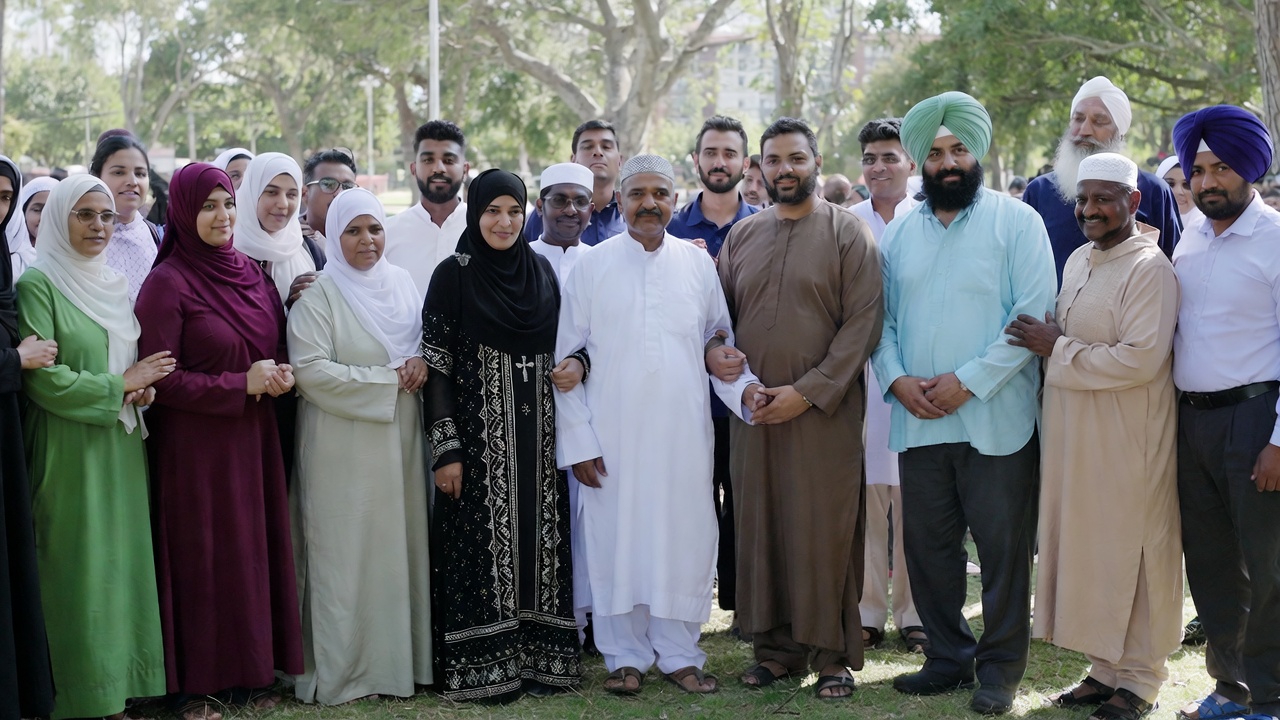
The week encourages events in places like churches, mosques, and temples. People come together to talk and share. This builds trust. It reduces fear and hate.
Why does this matter? In today’s world, divisions grow. Wars and arguments often link to religion. But harmony efforts prove we can live together. This week reminds us of our shared humanity.
According to the United Nations, mutual understanding forms a key part of peace. The event started in 2010. It has grown each year.
Beginners should know this week is open to all. You do not need to be religious. People with no faith can join too. The goal is goodwill for everyone.
Here is a simple table of basic facts:
| Fact | Details |
|---|---|
| Dates | First week of February each year (e.g., February 1-7, 2026) |
| Founder | Proposed by King Abdullah II of Jordan |
| UN Resolution | A/RES/65/5, adopted October 20, 2010 |
| Main Goal | Promote harmony among all faiths and beliefs |
| Who Can Join | Governments, faith groups, individuals, and civil society |
This table helps beginners grasp the basics quickly.
World Interfaith Harmony Week matters because it fights hate. It builds bridges. In places like the Middle East or Europe, events during this week have reduced tensions. For example, dialogues have led to friendships across faiths.
As a beginner, start by learning about your local events. Check online for groups near you. In Taiwan, interfaith groups often hold talks on harmony. These fit the global spirit.
The week aligns with UN goals for sustainable development. Peace is key to progress. Without harmony, societies struggle.
In short, this week is a call to action. It asks us to see the good in others. That leads to a better world.
The History of World Interfaith Harmony Week: From Jordan’s Proposal to Global UN Observance
The story of World Interfaith Harmony Week begins in Jordan. King Abdullah II saw the need for peace among religions. He proposed the idea at the UN General Assembly on September 23, 2010.
Jordan has a history of promoting dialogue. The king wanted to expand this. He focused on common values in faiths.
The UN liked the idea. On October 20, 2010, the General Assembly adopted resolution A/RES/65/5. All members agreed. This made the first week of February the official time.
The first observance happened in 2011. Events started small. Groups held talks and prayers.
In 2012, the United African Congress organized a forum at the UN. It focused on diaspora as a force for change. Ethiopia’s mission co-sponsored it.
By 2013, the week included indigenous faiths. An African leader from Guinea spoke on peace and nature.
2014 honored Nelson Mandela. The theme was tolerance and forgiveness. This linked to South Africa’s history.
In 2015, events helped after Hurricane Sandy. Volunteers cleaned homes. They delivered food. Missions from Ethiopia, Indonesia, and Jamaica supported this.
2016’s theme was building bridges. It tied to UN development goals. It marked the end of the Ebola crisis.
After a break due to COVID-19, 2022 went virtual. It discussed faith in pandemic recovery. Missions from Sierra Leone, Canada, Morocco, the Holy See, and Bahrain sponsored it.
In 2023, the theme was harmony in crisis. It covered pandemics and disasters.
The week builds on earlier efforts. It draws from the 2007 Common Word initiative. This called for Muslim-Christian dialogue based on love.
Prince Ghazi bin Muhammad helped author the UN resolution. He worked with the king.
Over time, the week has grown. Thousands of events happen each year. They occur in many countries.
In Asia, groups in India and Pakistan hold marches. In Europe, concerts mix music from faiths.
The history shows growth from one idea to a global movement. It proves one person’s vision can change the world.
For beginners, this history teaches patience. Change takes time. But steady efforts build harmony.
Key milestones in a list:
- 2007: Common Word initiative starts dialogue.
- September 2010: King Abdullah proposes at UN.
- October 2010: UN adopts resolution.
- 2011: First week observed.
- 2012-2023: Themes evolve with global issues.
- 2026: Upcoming events like Geneva Dialogue on multilateralism.
This list helps track the progress.
The UN resolution recalls past declarations. These include tolerance principles from 1995.
History matters. It shows the week’s roots in real needs. Conflicts drove the creation. Now, it prevents more.
Core Principles of World Interfaith Harmony Week Explained for Newcomers
World Interfaith Harmony Week rests on simple ideas. These ideas come from major religions.
The main principles are love of God and love of the neighbor. Or, love of the good and love of the neighbor.
These allow inclusion. People with faith or without can join.
The UN resolution states this clearly. It says states should spread goodwill in places of worship.
Why these principles? They are common in Christianity, Islam, and Judaism. The Common Word initiative highlighted them.
Love of God means respect for the divine. Love of the neighbor means kindness to others.
For non-religious people, love of the good replaces God. This makes it open to all.
Beginners can think of it as basic human values. Treat others well. Seek what unites us.
The principles guide events. Talks focus on shared ethics. Service projects show care.
In practice, these lead to actions. People share meals. They visit each other’s holy sites.
The principles fight hate. They promote understanding.
A table of principles and examples:
| Principle | Explanation | Example in Action |
|---|---|---|
| Love of God | Honor the divine in your way. | Prayers from different faiths at events. |
| Love of the Neighbor | Show kindness to others. | Community service like food drives. |
| Love of the Good | Seek positive actions. | Environmental cleanups together. |
This table makes it easy to understand.
The principles respect cultures. Events adapt to local traditions.
In Taiwan, principles align with Buddhist and Taoist ideas of compassion.
Newcomers should reflect on these. Ask: How can I show love to my neighbor?
The principles are timeless. They apply to daily life.
They link to UN goals. Peace needs these values.
In short, the core is simple. Love and respect build harmony.
How is World Interfaith Harmony Week Celebrated Around the World: Traditions and Activities
Celebrations vary by place. But they share goals of unity.
Many hold interfaith dialogues. People talk about beliefs. They find common ground.
Others organize service projects. Groups clean parks or help the poor.
Concerts and arts events mix traditions. Music from different faiths plays.
Open houses let people visit holy sites. This builds curiosity.
In 2025, the Charter for Compassion held meditations. Themes were compassion practices.
In Houston, 2026 events include dinners and welcomes. Houses of worship open doors.
Virtual events grew after COVID. Webinars connect global participants.
Some celebrate with marches. Thousands walk for peace.
Educational seminars teach about religions. Schools join too.
Prayer vigils happen. People pray for world peace.
Community art projects create symbols of unity.
In Africa, events include indigenous rituals.
In Europe, film screenings spark talks.
Asia has festivals with food from cultures.
A list of common activities:
- Dialogues and panels.
- Service days.
- Cultural shows.
- Open door events.
- Online meetings.
- Art and music.
- Prayer gatherings.
These fit any group size.
Celebrations respect local customs. In Muslim areas, they tie to Islamic teachings. In Christian places, to Jesus’ words.
Beginners can start small. Host a coffee meet with friends from different faiths.
The week extends sometimes. Some events run into March.
Prizes recognize best events. Jordan’s king gives awards. First prize is $25,000.
Winners include groups from Nigeria and Philippines.
Celebrations show diversity. But unity is the theme.
Global events prove harmony works.
Real-Life Examples of World Interfaith Harmony Week Events in Different Countries
Examples help beginners see the week in action.
In India, Bhaichara Diwas happens. It means brotherhood day. Faith leaders meet and pledge peace.
In South Africa, prayers go to troubled areas. Buddhists, Baha’is, Muslims, and others join.
Brazil has cooperation circles. They hold events on compassion.
In the US, Florida groups do interfaith cafes. People share stories.
Yemen celebrates with acts of kindness. People help neighbors.
Portugal has concerts of three cultures. Judaism, Christianity, and Islam mix music.
Spain screens films on bridging beliefs. Debates follow.
In Canada, Vancouver hosts talks. Ahmadiyya Muslims lead.
Pakistan has seeds of peace events. Youth learn dialogue.
Russia observes in Moscow. Slovakia and Czech Republic too.
Australia focuses on environmental action with faiths.
In Jordan, the home country, big events happen. The king attends sometimes.
Europe’s Council promotes city events. Gardens host dialogues.
Houston’s AWE theme welcomes everyone. Art and meals build bonds.
A table of country examples:
| Country | Event Type | Details |
|---|---|---|
| India | Pledge meetings | Leaders handshake for brotherhood. |
| South Africa | Prayer walks | Uplift needy areas with multi-faith prayers. |
| US (Florida) | Cafes | Share food and stories. |
| Portugal | Concerts | Music from Abrahamic faiths. |
| Yemen | Kindness acts | Help others daily. |
| Canada | Panels | Discuss themes like reconciliation. |
These show variety.
In Taiwan, similar events could include Taoist and Christian dialogues. Local groups adapt.
Examples inspire. Beginners can copy ideas.
One story: In 2015, singer Sami Yusuf released a song. It filmed in holy sites.
Such creativity spreads the message.
Events often go unnoticed. The week highlights them.
From small talks to big marches, all count.
The Impact and Significance of UN World Interfaith Harmony Week on Society and Culture
The impact is real. It changes minds and communities.
Significance lies in promoting peace. The UN says dialogue is vital for culture of peace.
In divided places, events reduce conflict. Friendships form.
It fights stigma. During pandemics, faith leaders combat hate.
Environmental preservation ties in. Faiths teach care for earth.
Gender equality gets focus. Women lead in many events.
Mental health benefits. Sharing eases stress.
The week links to UN goals. Goal 16 is peaceful societies. Goal 17 is partnerships.
Impact shows in numbers. Thousands of events yearly. Millions join.
Winners of prizes expand work. Like mediation centers in Africa.
Significance for culture: It preserves traditions while uniting.
In multicultural cities, it builds inclusion.
For youth, it teaches tolerance early.
A list of impacts:
- Reduces religious hate.
- Builds community ties.
- Supports global goals.
- Honors diversity.
- Inspires action.
Significance grows in crises. 2023 theme was harmony in crisis.
It helps heal after disasters.
In 2022, recovery from COVID focused on spiritual leadership.
The week reminds us faith can unite, not divide.
For society, it fosters trust. Governments support it.
Culture gains from shared stories. Art and music blend.
Overall, the significance is hope. It shows peace is possible.
Beginners see the big picture. Small acts add up.
Step-by-Step Guide: How Beginners Can Participate in World Interfaith Harmony Week
Participation is easy. Start simple.
Step 1: Learn the dates. For 2026, it’s February 1-7.
Step 2: Find local events. Search online or ask faith groups.
Step 3: Plan your own if none exist. Gather friends.
Step 4: Choose an activity. Like a dialogue or service.
Step 5: Invite diverse people. Include different faiths.
Step 6: Hold the event. Keep it respectful.
Step 7: Share online. Use #WIHW.
Step 8: Reflect after. What did you learn?
For beginners, start with digital. Join webinars.
Or do acts of kindness. Write notes to neighbors.
In Houston, register for dinners or service.
URI suggests marches or gatherings.
Use social media. Post harmony messages.
If organizing, make it decentralized. No need for big plans.
Beginners avoid debates. Focus on listening.
Adapt to culture. In Taiwan, include local festivals.
Resources help. Visit official sites.
Participation builds skills. You learn empathy.
Join as volunteer. Help at events.
Family involvement works. Teach kids.
The guide makes it accessible. No experience needed.
Resources and Tools for Deepening Your Knowledge on Interfaith Harmony
Many resources exist.
Official UN site: https://www.un.org/en/observances/interfaith-harmony-week. It has history and events.
World Interfaith Harmony Week site: https://worldinterfaithharmonyweek.com/. For participation tips.
URI: https://www.uri.org/WIHW. Ideas and stories.
Charter for Compassion: Events and recordings.
Books: “A Common Word” on dialogue.
Videos: UN Web TV on harmony in crisis.
Apps: For interfaith learning.
Local libraries have books on religions.
Online courses: On platforms like Coursera.
A list of key resources:
- UN resolutions.
- Past event reports.
- Faith organization sites.
- Social media groups.
- Podcasts on harmony.
Use these to learn more.
In Taiwan, check local interfaith councils.
Resources make knowledge easy.
Conclusion: Embracing Interfaith Harmony for a United Future in Our Diverse World
World Interfaith Harmony Week offers hope. It unites us.
Beginners now know the basics. History, principles, celebrations.
Participation is key. Start small. Make a difference.
The impact lasts. Peace grows from actions.
Respect cultures. Listen. Love neighbors.
A united future awaits. Join the movement.