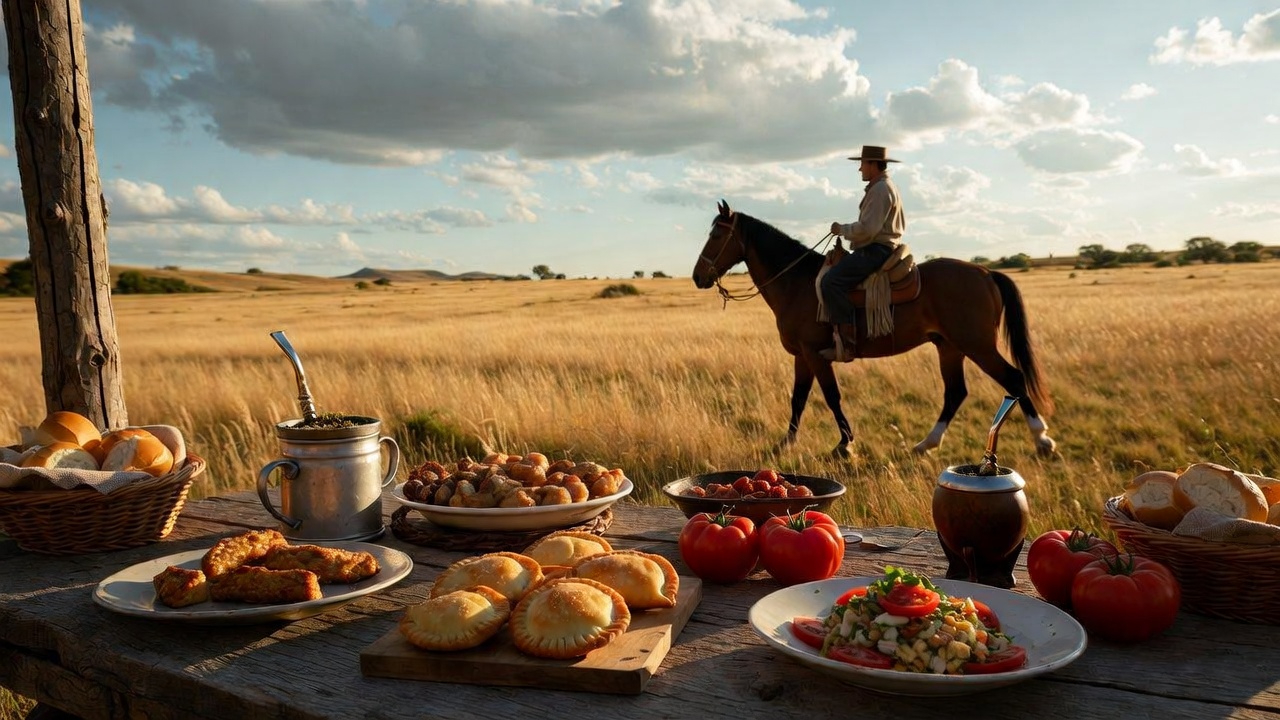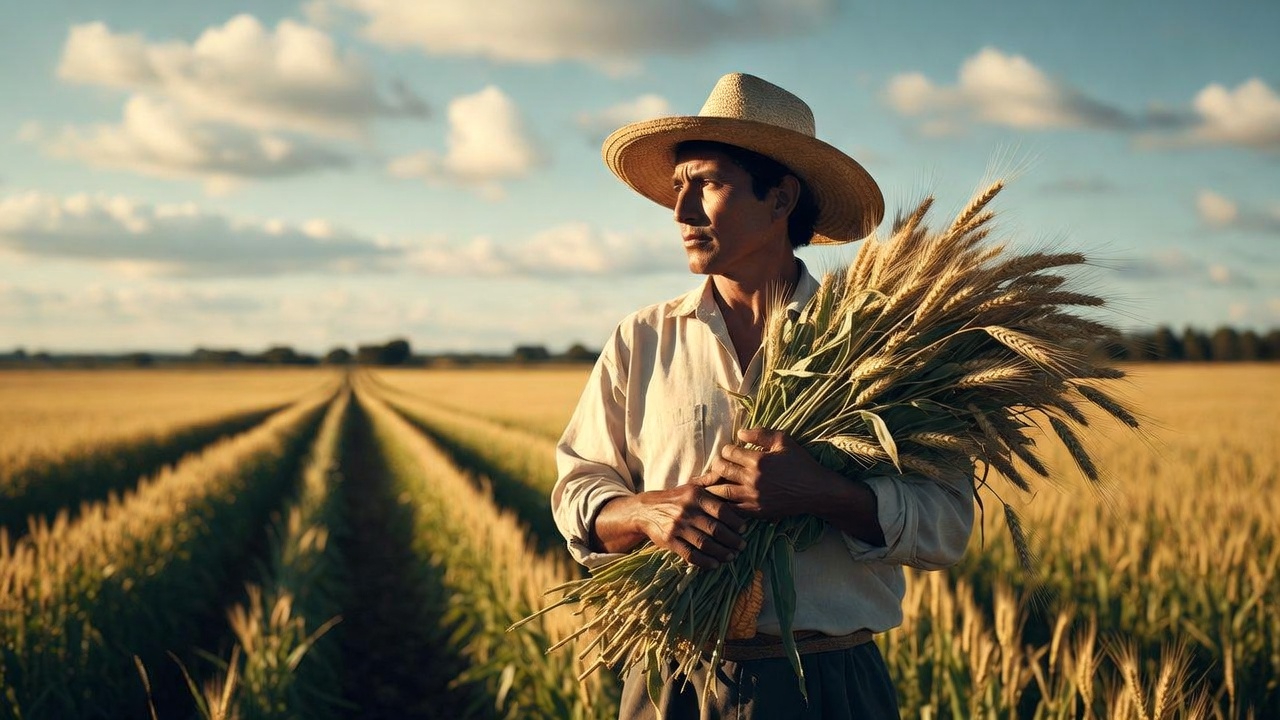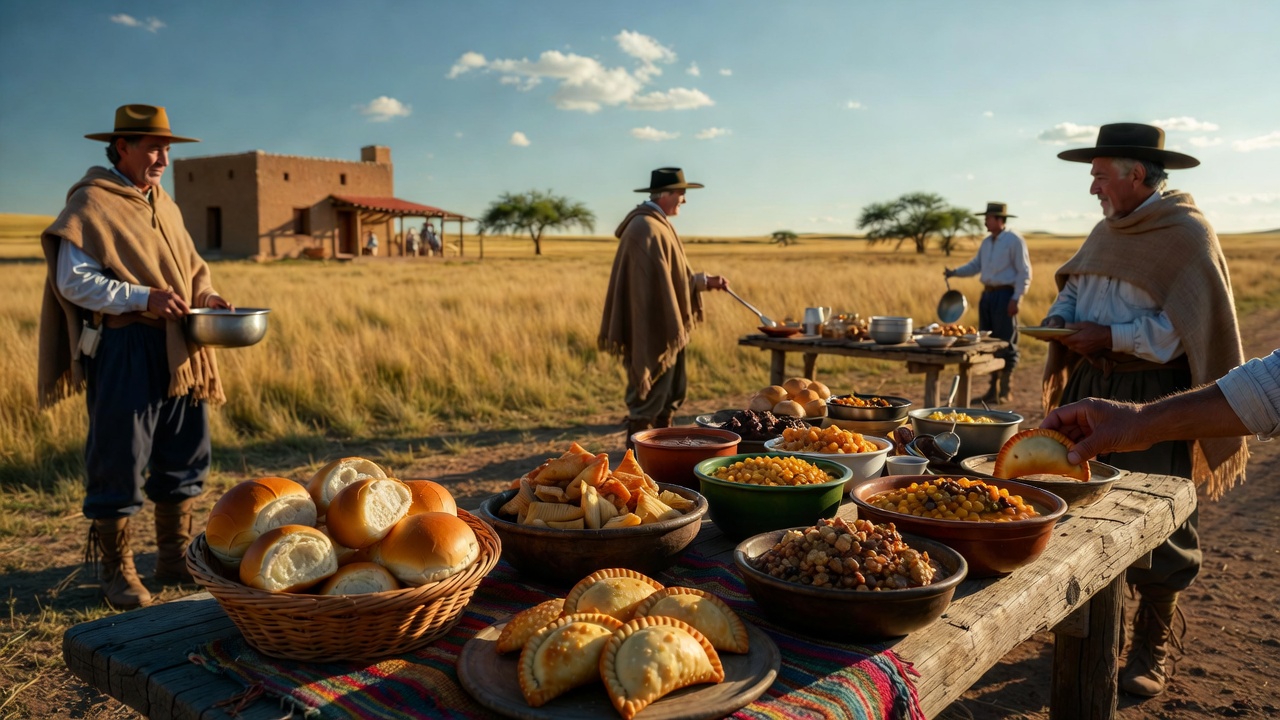
The wind carries the smell of wood smoke and roasting beef across the open grasslands. A guitar strums softly near a fire pit. Somewhere in the distance, a gaucho rides along a fence line at dawn, checking cattle before the sun burns the dew off the pampa. This is Argentina’s heartland. This is the world of the campesino.
Argentina is many things to many travelers. It is tango in Buenos Aires. It is Malbec in Mendoza. It is glaciers in Patagonia. But beneath all of that lies something deeper and older: the life and labor of rural workers who have fed a nation and shaped its very identity. The Día del Campesino — the day honoring the peasant farmer, the field worker, the seed sower — is not just a date on a calendar. It is a living story of struggle, pride, and an unbreakable bond between people and their land.
In this guide, we will walk you through every layer of that story. You will learn why Argentina celebrates its rural workers on specific dates each year. You will meet the gauchos, the immigrant settlers, and the modern small-scale farmers who keep this tradition alive. You will discover festivals that pulse with the heartbeat of the countryside. And you will learn how to experience this remarkable culture for yourself.
Let us begin.
What Is Día del Campesino and Why Does Argentina Honor Its Rural Workers?
The term campesino carries deep weight across Latin America. It refers to the peasant farmer, the agricultural laborer, the person whose hands touch the soil every single day. Many countries in the region dedicate a special day to these workers. In Peru, for instance, Día del Campesino falls on June 24 each year, a tradition rooted in Inca solstice celebrations and formalized in 1969 under President Juan Velasco Alvarado’s agrarian reform.
Argentina, however, follows its own calendar and its own history. The country honors its rural workforce through two distinct celebrations:
| Celebration | Date | Origin |
|---|---|---|
| Día del Trabajador Rural (Rural Worker’s Day) | October 8 | Commemorates the 1944 Estatuto del Peón de Campo |
| Día de la Agricultura y del Productor Agropecuario (Day of Agriculture and Agricultural Producers) | September 8 | Marks the 1856 founding of Colonia Esperanza |
Both dates serve a common purpose. They ask Argentines — and the world — to pause and recognize the men and women who make the nation’s agricultural power possible. Agriculture accounts for roughly 10% of Argentina’s GDP and about 60% of its total exports. Without the campesino, the country’s economy simply would not function.
The spirit of the campesino extends far beyond economics, though. It lives in the folk songs played on guitar around a fire. It lives in the asado that brings families together every Sunday. It lives in the careful, calloused hands that plant wheat in the spring and harvest it under the summer sun.
The History Behind Argentina’s Rural Worker Celebrations and the Estatuto del Peón de Campo
To understand why October 8 matters so much to Argentine rural workers, you must travel back to 1944. At that time, conditions for field laborers — known as peones de campo — were dire. There were no minimum wages. No regulated work hours. No guaranteed housing standards. No paid vacations. Many workers lived in conditions that bordered on servitude.
On October 8, 1944, the government of General Edelmiro Farrell signed Decree 28.169, creating the first Estatuto del Peón de Campo (Field Worker’s Statute). The initiative came from the Secretariat of Labor, led at the time by a man who would later become one of the most consequential figures in Argentine history: Juan Domingo Perón.
The statute was groundbreaking. For the first time, it established:
- Minimum wages for rural laborers
- Payment in national currency (ending the practice of paying in goods or vouchers)
- Mandatory rest days and holidays
- Basic housing and hygiene standards
- Provision of work clothing
- Medical and pharmaceutical care
- Paid vacations
According to the Registro Nacional de Trabajadores Rurales y Empleadores (RENATRE), this statute had enormous importance in shaping workers’ rights and organizing labor across the Argentine countryside.
The road after 1944 was far from smooth. The statute was derogated by a military government, then reinstated in 1974, derogated again during the brutal military dictatorship of 1976–1983, and finally reinstated and updated in 2004. In 2011, Argentina passed Law 26.727, a new and more comprehensive statute governing rural labor under the umbrella of the Unión Argentina de Trabajadores Rurales y Estibadores (UATRE).
Today, October 8 functions as a paid holiday for all workers under the National Rural Labor Regime. It is a day of rest, recognition, and remembrance — a reminder that the rights rural workers enjoy today were won through decades of organizing and struggle.
Colonia Esperanza: How Argentina’s First Agricultural Colony Transformed the Pampas Forever
If October 8 honors the worker, then September 8 honors the very idea of farming in Argentina. This date celebrates the founding of Colonia Esperanza (“Colony of Hope”) — the country’s first formally organized agricultural settlement.
The story begins in the mid-1850s. Argentina was a young nation still defining itself. President Justo José de Urquiza believed that European immigration could populate vast empty lands and build a farming economy. He supported an ambitious colonization contract led by Aarón Castellanos, a military man turned entrepreneur from Salta.
Castellanos traveled to Europe and recruited 200 families — immigrants from Switzerland, Germany, France, Italy, Belgium, and Luxembourg. The first group arrived in Buenos Aires in January 1856. By the end of February, they had settled on plots of land in Santa Fe province, about 38 kilometers from the provincial capital.
The town was officially founded on September 8, 1856. Each family received approximately 33 hectares of land, along with seeds, tools, and basic provisions. Life was extraordinarily hard in those early years. The settlers faced drought, locust plagues, conflicts with indigenous groups, and the chaos of Argentina’s political divisions.
But they persevered. By the 1860s, Esperanza was thriving. The colony became a prototype for dozens of agricultural settlements across the Pampas. According to the Encyclopedia.com entry on Esperanza Colony, the area settled by these immigrants became known as the pampa gringa — the “foreign pampa” — because of the sheer number of European settlers who called it home.
The impact was staggering. In 1874, Argentina still needed to import wheat. By 1880, the agricultural colonies produced enough to supply the entire nation. By the end of the 19th century, Argentina had become a major global wheat exporter.
On August 28, 1944, Decree No. 23.317 officially established September 8 as the Day of Agriculture and Agricultural Producers in honor of this founding. Today, the city of Esperanza — population roughly 46,753 according to the 2022 INDEC census — remains the heart of one of Argentina’s most important dairy districts.
Who Are Argentina’s Campesinos? A Guide to Understanding Heartland Farmers in the Pampas
The word campesino in Argentina does not refer to a single type of person. It covers a wide spectrum of rural lives and livelihoods. Understanding this spectrum is key to appreciating the richness of Argentina’s countryside.
Large-Scale Commercial Farmers
At one end of the scale are the owners and operators of vast estancias — ranches and farms that can stretch across thousands of hectares. These operations dominate the production of soybeans, corn, wheat, and sunflower seeds. They rely on modern technology, GPS-guided tractors, satellite crop monitoring, and genetically modified seed varieties.
Small-Scale Family Farmers (Agricultores Familiares)
At the other end are the agricultores familiares — family farmers who work smaller plots, often without formal land titles. According to the last National Agricultural Census, published in 2019, 36% of exploitable farmland in Argentina is controlled by just 1% of landowners. This leaves millions of small-scale farmers in a precarious position, competing against industrial agriculture with limited resources.
The Gauchos
No discussion of Argentina’s rural life is complete without the gaucho. Often compared to the American cowboy, the gaucho is a skilled horseman and cattle worker whose roots stretch back to the 18th century. Gauchos were historically of mixed European and Indigenous ancestry. They developed a distinct culture built around the horse, the guitar, the mate gourd, and the open grasslands.
Immigrant Farming Communities
Argentina’s countryside was also shaped by waves of European immigration in the 19th and early 20th centuries. Swiss, German, Italian, Spanish, French, and Eastern European settlers established farming communities across Santa Fe, Córdoba, Entre Ríos, and Buenos Aires provinces. Many of their descendants still work the land today.
Indigenous and Migrant Workers
In the northern provinces — Chaco, Salta, Jujuy, Misiones — many rural workers come from indigenous communities or are migrants from neighboring countries like Bolivia and Paraguay. These workers often face the harshest conditions, including low wages, unstable employment, and limited access to healthcare.
Gaucho Culture and the Enduring Spirit of Argentina’s Rural Traditions
The gaucho is perhaps the most powerful cultural symbol in all of Argentina. To understand the campesino spirit, you must understand the gaucho.
The word itself may come from the Quechua word huachu, meaning “orphan” or “wanderer.” From the mid-18th century onward, gauchos roamed the vast Pampas — the immense grasslands that stretch across central Argentina, Uruguay, and southern Brazil. They were fiercely independent. They answered to no one. They lived off the land, hunting wild cattle and horses, sleeping under the stars, and moving with the seasons.
What Defines Gaucho Identity
Gaucho culture is built on a foundation of specific values, skills, and symbols:
- Horsemanship: The gaucho’s relationship with his horse is almost spiritual. Riding skills are passed from parent to child, and competitive displays of horsemanship remain central to rural festivals.
- Mate: The bitter herbal tea shared from a gourd is not just a drink — it is a ritual of friendship and trust. Sharing mate with someone is an invitation into your world.
- Asado: The slow-cooked barbecue over an open flame is the gaucho’s culinary masterpiece. It is not merely food. It is ceremony, family, and identity.
- Music and Poetry: Gauchos are known for payadas — improvised poetic duels accompanied by guitar. These performances carry oral history, wisdom, and social commentary across generations.
- Traditional Dress: The bombacha (baggy trousers), boina (beret), poncho, leather boots, and the facón (long knife worn at the belt) all serve practical purposes on the range. They are also deeply symbolic.
Gaucho Literature and National Identity
The most famous work of Argentine gaucho literature is “El Gaucho Martín Fierro” by José Hernández, published in 1872. This epic poem tells the story of a gaucho forcibly recruited into military service, his suffering, and his defiance. It became a cornerstone of Argentine national identity, placing the rural worker at the very center of the country’s self-image.
Another landmark work is “Don Segundo Sombra” by Ricardo Güiraldes, published in 1926. Güiraldes lived in San Antonio de Areco, the town that would become the spiritual capital of gaucho culture. His novel portrays the gaucho as wise, dignified, and deeply connected to the natural world — a mentor figure rather than an outlaw. Together, Hernández and Güiraldes created a literary foundation that lifted the campesino from the margins of society to the center of Argentina’s national imagination.
The Malambo and Folklore Dance
The malambo is one of the most striking expressions of gaucho culture. It is a solo dance performed almost exclusively by men. The dancer stamps his feet in rapid, complex rhythms against the ground, producing a percussive display of agility and strength. Competitions can be fierce, with dancers trying to outperform each other in skill and endurance.
Beyond the malambo, Argentine folklore includes partner dances such as the chacarera, the zamba, and the gato. These dances are performed at festivals, family gatherings, and peñas (informal folk music clubs) throughout the countryside. They tell stories of courtship, farewell, and the beauty of rural life.
Gaucho Values in Modern Argentina
Today, the gaucho is more than a historical figure. The values associated with gaucho culture — hospitality, loyalty, courage, humility, and respect for the land — continue to shape rural Argentine identity. In many parts of the Pampas, these values guide everyday behavior. A stranger arriving at an estancia will be offered food, mate, and shelter without question. A neighbor in need can count on help from the community. These are not abstract ideals. They are living practices.
The Fiesta de la Tradición: Argentina’s Biggest Celebration of Rural Heritage and Gaucho Life
If you want to witness the campesino spirit at its most vibrant, there is one event you cannot miss: the Fiesta de la Tradición in San Antonio de Areco, Buenos Aires province.
Origins and Significance
The festival has been held since 1939, making it the oldest gaucho celebration in Argentina. It takes place on the weekend closest to November 10, which is the birthday of José Hernández, author of Martín Fierro. The week leading up to the festival is known as the Semana de la Tradición (Week of Tradition).
San Antonio de Areco sits just 110 kilometers from Buenos Aires. Despite its proximity to the capital, it feels like a different world. Colonial-era buildings line quiet streets. Historic pulperías (old taverns) still operate. Artisans craft silver belt buckles, leather saddles, and hand-braided whips using techniques unchanged for centuries.
What Happens During the Fiesta de la Tradición
The 86th edition of the festival took place in November 2025, running from November 14 to 16. Activities included:
| Activity | Details |
|---|---|
| Gaucho Parade (Desfile de la Tradición) | Over 2,000 riders and 72 herds of horses paraded through the main square in 2025 |
| Criollo Skills (Destrezas Criollas) | Demonstrations of lassoing, bronco riding, and cattle handling at the Parque Criollo Ricardo Güiraldes |
| Artisan Exhibition | The 51st Artesanía Arequera exhibition showcased local silverwork, leathercraft, and rope-making |
| Fogón Surero | An evening gathering of traditional guitar music, poetry, and storytelling around a fire pit |
| Country Dance (Baile de Campo) | Folk dancing at the Museo Gauchesco Ricardo Güiraldes |
| Traditional Mass (Misa Criolla) | A Catholic service blending religious devotion with gaucho cultural expression |
The festival draws visitors from across Argentina and around the world. It represents 65 traditional centers and is accompanied by live folk music, traditional asado feasts, and the warm hospitality that defines the Argentine countryside.
Argentina’s Agricultural Economy in 2025–2026: Record Harvests and Emerging Challenges for Farmers
Argentina’s campesinos are not relics of the past. They are the backbone of a modern agricultural powerhouse that feeds hundreds of millions of people worldwide.
Argentina by the Numbers
Argentina’s agricultural statistics are staggering:
- 3rd largest soybean producer in the world (behind the U.S. and Brazil)
- 4th largest corn producer globally
- World’s leading exporter of soybean oil and soybean meal
- 4th largest beef producer worldwide
- 3rd largest honey producer on the planet
According to the Rosario Grains Exchange, total grain and byproduct exports are forecast to reach a record 105.1 million metric tons during the 2025/26 crop year. This would surpass the previous all-time high of 104.1 million tons set in 2018/19.
Record Wheat Production in 2025–2026
The 2025–2026 season has brought especially remarkable news for wheat. The Rosario Board of Trade (BCR) estimated Argentina’s wheat harvest at a record 27.7 million metric tons, up from 23 million tons the previous year. The USDA raised its estimate to 24 million metric tons in its January 2026 World Agricultural Supply and Demand Estimates report.
This bumper crop was driven by favorable weather conditions, especially steady rainfall across the key growing province of Buenos Aires.
Soybean Outlook
For soybeans, the 2025/26 marketing year tells a more nuanced story. According to the USDA Foreign Agricultural Service, soybean exports are projected at 8.2–8.3 million metric tons — a 5% increase from the prior year and the highest volume in six years. Soybean crush is expected to hit a record 43 million metric tons, driven by robust global demand for soybean meal.
However, planted area is expected to decline by approximately one million hectares as farmers rotate back toward corn. Production costs continue to rise, and margins on rented land are expected to be razor-thin.
Export Tax Reductions
In December 2025, Argentina’s Minister of Economy Luis Caputo announced a new round of reductions in export duties — a policy of direct relevance to every campesino in the country. The new rates included:
| Commodity | Old Rate | New Rate |
|---|---|---|
| Soybeans | 26% | 24% |
| Soybean byproducts | 24.5% | 22.5% |
| Wheat and barley | 9.5% | 7.5% |
| Corn and sorghum | 9.5% | 8.5% |
| Sunflower | 5.5% | 4.5% |
These reductions were welcomed by the agricultural sector, though industry contacts indicated that further cuts would be needed to significantly shift planting decisions.
How Smallholder Farmers in Argentina Are Fighting for Land and Food Sovereignty
Behind the export statistics lies a very different reality for many of Argentina’s campesinos. Not every farmer operates a thousand-hectare spread with satellite-guided machinery. Millions of small-scale producers face a daily fight for survival.
The Land Concentration Crisis
Land ownership in Argentina is extraordinarily concentrated. According to data from the most recent National Agricultural Census, a tiny percentage of landowners controls an outsized share of farmland. Meanwhile, nearly a quarter of Argentina’s farming families are involved in some kind of dispute over their land, with the majority of these conflicts emerging in the last two decades.
The expansion of industrial soybean farming since the legalization of genetically modified soy in 1996 has driven much of this displacement. Soy now covers a vast portion of cultivated land, and six major corporations dominate production of the crop and its derivatives.
The Union of Land Workers (UTT)
One of the most remarkable stories in Argentine agriculture is the rise of the Unión de Trabajadores de la Tierra (UTT) — the Union of Land Workers. Founded roughly a decade ago, the UTT now brings together some 22,000 food-producing family farms across 18 provinces.
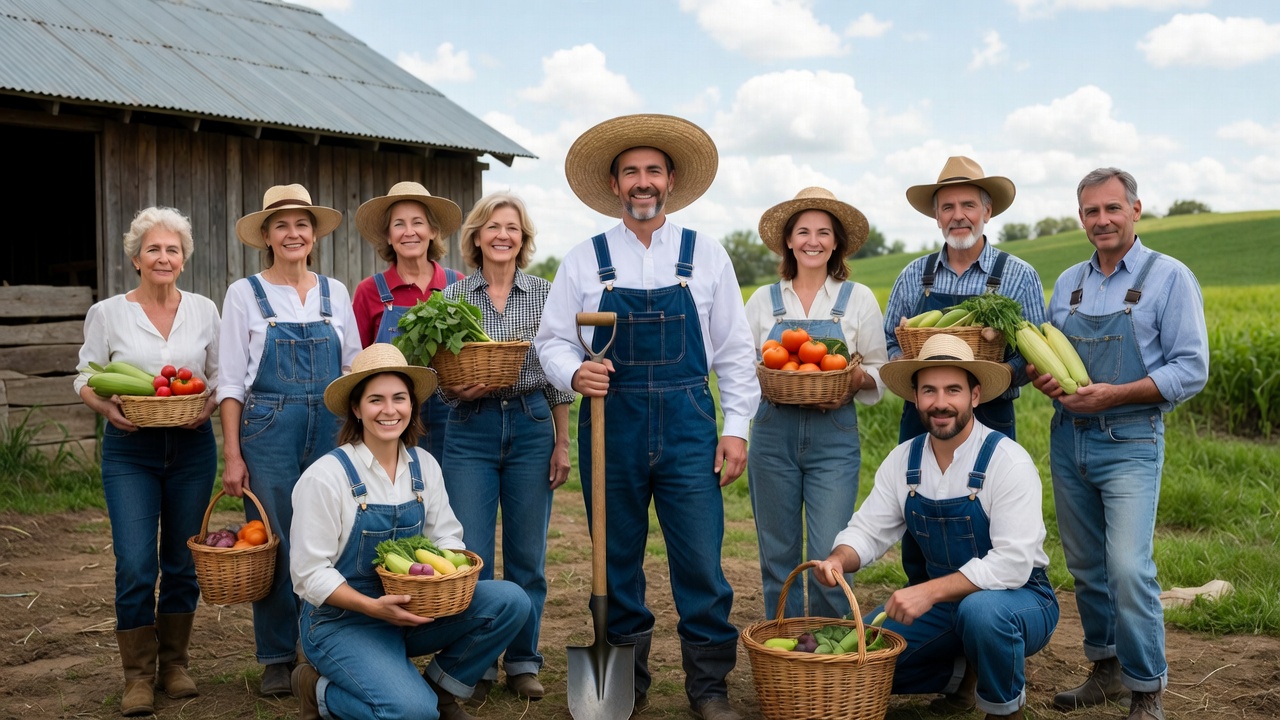
The union organizes small-scale farmers to produce fruits and vegetables without pesticides and within a fair-trade framework. It sells produce at more than 200 locations in cities across Argentina. Its Instagram account, @almacenutt, has attracted over 100,000 followers, using visual storytelling to connect urban consumers with the farmers who grow their food.
As Lucas Tedesco of the UTT has stated: “Our role is also communicative. We build and rebuild an identity. When we say ‘we are land workers’ we mean we generate dignity, culture, and bonds of solidarity.”
The UTT has also proposed a Land Access Law to the Argentine Congress. The idea is straightforward: a credit program enabling 2,000 families to each purchase two acres of land for agroecological production. Farmers would repay the loan with their profits while producing healthy food and living with dignity.
The Agroecology Movement
Argentina is home to approximately 4,800 organic and agroecological farming establishments covering over four million hectares, according to data cited in a study published in PMC (PubMed Central). These operations — many run by peasant families — grow everything from vegetables to grains to honey, all without synthetic pesticides.
The FAO (Food and Agriculture Organization) has actively supported agroecological training programs for small farmers in Argentina. These programs use participatory methods to blend the scientific knowledge of agroecology with the traditional expertise of the farmers themselves.
The National Peasant and Indigenous Movement (MNCI) has taken this further by establishing a Universidad Campesina (Peasant University) offering courses in agroecology, rural development, human rights, and popular culture.
Traditional Argentine Food and Campesino Cuisine Every Traveler Should Experience
Food is where the campesino spirit becomes tangible. Argentine rural cuisine is not fancy. It is honest, generous, and deeply satisfying. Here are the dishes and traditions you must know.
Asado: The Sacred Ritual of Argentine Barbecue
Asado is not simply a barbecue. It is a ceremony. Large cuts of beef, pork ribs, chorizo sausages, morcilla (blood sausage), and sometimes lamb are cooked slowly over wood coals. The process can take hours. The asador (grill master) tends the fire with patience and skill, adjusting the distance between meat and flame to achieve the perfect crust and juicy interior.
An authentic asado includes chimichurri — a pungent sauce of parsley, garlic, oregano, vinegar, and olive oil. It is served with crusty bread, simple salads, and generous quantities of red wine — usually Malbec.
In the countryside, asado is a Sunday family ritual. It is the moment when three generations gather around a fire. Stories are told. Children play. The mate gourd circulates. Time slows down.
Mate: More Than a Drink
Mate (pronounced MAH-teh) is Argentina’s national beverage. It is brewed from dried leaves of the yerba mate plant, steeped in hot water inside a hollowed gourd, and sipped through a metal straw called a bombilla. Argentina is the world’s largest producer of yerba mate.
Sharing mate is an act of trust and friendship. If someone offers you mate, accept it. If you do not finish the gourd, pass it back. The ritual has its own unspoken rules, and following them shows respect.
Other Campesino Staples
| Dish | Description |
|---|---|
| Empanadas | Stuffed pastries filled with beef, onion, egg, olives, or cheese, baked or fried |
| Locro | A thick stew of corn, beans, squash, and meat, traditional for national holidays |
| Humita | A preparation of fresh corn, onion, and spices, wrapped in corn husks and steamed |
| Tortas fritas | Fried dough rounds, often eaten on rainy days in the countryside |
| Dulce de leche | Caramelized milk spread, used in pastries, cakes, and as a topping |
| Carbonada | A sweet-and-savory stew with beef, corn, peach, sweet potato, and squash |
These dishes are not tourist attractions. They are the daily diet of the campesino — made from what the land provides, prepared with care and shared with generosity.
The Role of Bread and Baking in Rural Argentina
In the countryside, bread is baked fresh in wood-fired ovens called hornos de barro. These clay ovens dot the landscape of rural Argentina, standing in backyards and beside farmhouses. The campesino baker rises early, lights the fire, and waits for the oven to reach the right temperature. The result is bread with a crisp, smoky crust and a soft, chewy interior that no urban bakery can replicate.
Special occasions call for tortas asadas — flat, unleavened bread cooked on the grill alongside the meat. During winter months, sopaipillas (fried pumpkin dough) and pastelitos (crispy pastries filled with quince paste) appear on the table.
Wine and the Campesino Table
Argentina is the world’s fifth-largest wine producer, and wine has been part of rural life since Spanish missionaries planted the first vines in the 16th century. In Mendoza and San Juan provinces, campesinos who tend vineyards are known as viñateros. Their work is physically demanding — pruning, harvesting, and maintaining irrigation channels under the intense Andean sun.
At the campesino table, wine is not a luxury. It is a staple, often poured from a simple jug. The Malbec grape, originally brought from France, has found its spiritual home in Argentina’s high-altitude vineyards. But in the countryside, you are just as likely to find a robust Bonarda or a crisp Torrontés — varieties that reflect the diversity of Argentina’s wine regions.
How to Experience Authentic Argentine Farm Life: Estancias, Festivals, and Rural Tourism Tips
For travelers who want to go beyond Buenos Aires and touch the heart of Argentina, rural tourism (turismo rural) offers an extraordinary gateway.
Stay at a Working Estancia
An estancia is a traditional Argentine ranch. Many estancias in the Pampas now welcome visitors for day trips or overnight stays. A typical visit includes:
- Horseback riding across the open grasslands with gaucho guides
- A full asado lunch cooked over an open fire
- Demonstrations of gaucho horsemanship and cattle handling
- Sharing mate and conversation with the ranch family
- Visits to artisan workshops where leather, silver, and rope crafts are made
Some well-known estancia regions include the areas around San Antonio de Areco (Buenos Aires province), the Sierras Chicas of Córdoba, and the Entre Ríos province along the Paraná River.
Attend Key Festivals
Beyond the Fiesta de la Tradición in San Antonio de Areco (November), travelers can also experience:
- Festival Nacional de Doma y Folklore in Jesús María, Córdoba (January) — a ten-day celebration of bronco riding, folk music, and traditional culture
- Expo Rural in Palermo, Buenos Aires (July/August) — Argentina’s largest agricultural exhibition, running annually since 1875 and generating approximately 10,000 temporary jobs each year
- Fiesta Nacional del Sol in San Juan, Fiesta de la Vendimia in Mendoza — regional harvest festivals celebrating wine, agriculture, and local identity
Practical Travel Tips
- Best time to visit: September through November (Argentine spring) offers mild weather and coincides with the Tradition Week celebrations.
- Getting there: San Antonio de Areco is about 1.5 hours by bus or car from Buenos Aires.
- Language: Spanish is essential in rural areas. Learning basic phrases will greatly enrich your experience.
- Respect local customs: Accept mate when offered. Do not rush an asado. Ask permission before photographing people or their property.
- Support local: Buy artisan products directly from craftspeople. Choose locally owned accommodations over chain hotels.
The Future of Argentina’s Campesinos: Sustainability, Technology, and the Fight to Preserve Tradition
Argentina’s rural world stands at a crossroads. The forces of globalization, climate change, and industrial agriculture are reshaping the countryside at an unprecedented pace. Yet the campesino spirit endures — adapting, resisting, and innovating.
Climate Challenges
Argentine farmers are increasingly confronting the effects of climate variability. The 2020–2023 period brought three consecutive years of drought that devastated crops and depleted stocks. Meanwhile, the 2024–2025 season saw excessive rainfall in key Pampas regions that delayed planting. Farmers must now navigate a landscape of alternating extremes.
Technology on the Farm
Modern Argentine agriculture is embracing technology at a rapid pace. Precision agriculture — using satellite imagery, GPS-guided equipment, and AI-driven advisory systems — is becoming standard on large commercial farms. The country practices a widespread “no-till” system (siembra directa), where the soil is not plowed between seasons. This method preserves humidity, builds soil carbon, and reduces erosion.
For smallholder farmers, affordable satellite monitoring platforms and mobile apps are beginning to democratize access to the same data that large operations use. Organizations like INTA (the National Agricultural Technology Institute) provide technical assistance and training across the country.
Preserving Tradition in a Changing World
Perhaps the greatest challenge facing Argentina’s campesinos is cultural. As young people migrate to cities in search of education and employment, rural communities risk losing the knowledge, skills, and customs that define them.
Yet there are signs of resilience everywhere. The UTT is reconnecting urban consumers with rural producers. The Fiesta de la Tradición draws bigger crowds each year. Artisans in San Antonio de Areco continue to teach their children the craft of silverwork and leather-making. Agroecological farms are proving that small-scale, sustainable agriculture can be economically viable.
At Estancia Los Potreros in the Sierras Chicas of Córdoba, guests do not watch gaucho culture from a distance — they live it. As the estancia itself puts it: “Cultural heritage survives best when it is lived, not staged.”
This is the essence of the campesino story. It is not a museum exhibit. It is a living, breathing, evolving way of life.
The No-Till Revolution
One of Argentina’s greatest contributions to global agriculture is its widespread adoption of direct seeding — commonly known as the no-till system. Under this approach, farmers plant seeds directly into the soil without plowing the land first. This preserves the soil’s natural structure, retains moisture, reduces erosion, and increases carbon content over time.
Argentina was among the earliest large-scale adopters of this technique, and today the vast majority of the country’s crop production relies on it. For campesinos working smaller plots, the no-till system offers a practical way to maintain soil health without expensive heavy machinery. It is a quiet revolution that has changed the face of Argentine farming.
Rebuilding After Drought
The three consecutive years of drought from 2020 to 2023 reminded Argentina just how vulnerable its agricultural sector remains to climate extremes. Crop losses during that period were severe, and many smallholder farmers were pushed to the brink. The recovery since then — aided by returning rains and favorable conditions in 2024 and 2025 — has been significant but uneven.
In the Entre Ríos province, organizations like the Fundación Proiectum Macrillanti are working with local farmers on data-driven climate resilience plans. According to UNDP Climate Change Adaptation, these efforts cover nearly 2,000 hectares in the Gómez Creek basin. The focus is on affordable, practical land management solutions — terracing, water channel construction, and cooperative resource sharing among neighboring farmers.
What began as individual efforts quickly became collective action. Farmers who had worked in isolation for decades started collaborating, sharing machinery, and pooling resources. This spirit of cooperation is deeply campesino. It echoes the mutual aid traditions that have sustained rural communities for generations.
Frequently Asked Questions About Día del Campesino in Argentina
When is Día del Campesino celebrated in Argentina?
Argentina honors its rural workers on two key dates: October 8 (Día del Trabajador Rural, marking the 1944 Estatuto del Peón de Campo) and September 8 (Día de la Agricultura y del Productor Agropecuario, commemorating the 1856 founding of Colonia Esperanza). The broader Latin American “Día del Campesino” tradition, especially associated with Peru on June 24, shares the spirit of honoring agricultural laborers.
What is the Estatuto del Peón de Campo?
The Estatuto del Peón de Campo was Argentina’s first legal framework protecting the rights of rural workers. It was enacted on October 8, 1944, via Decree 28.169 during the government of General Edelmiro Farrell. Juan Domingo Perón, then Secretary of Labor, championed the measure. It established minimum wages, rest days, housing standards, and medical care for field laborers.
What is the best festival to attend in Argentina to experience campesino culture?
The Fiesta de la Tradición in San Antonio de Areco (held annually in mid-November) is widely considered the most authentic and historic gaucho festival in Argentina. It has been celebrated since 1939 and features parades, criollo skill demonstrations, folk music, artisan exhibitions, and traditional asado feasts.
How important is agriculture to Argentina’s economy?
Agriculture is the engine of Argentina’s economy. It accounts for approximately 10% of GDP and roughly 60% of total exports. Argentina is among the world’s top three exporters of soybeans, corn, and soybean meal. In the 2025/26 crop year, total grain and byproduct exports are projected to reach a record-breaking 105.1 million metric tons.
Can tourists visit working farms in Argentina?
Yes. Many estancias across the Pampas, Córdoba, and Entre Ríos provinces welcome visitors for day trips or overnight stays. Activities typically include horseback riding, asado lunches, gaucho demonstrations, and nature walks. San Antonio de Areco, about 110 km from Buenos Aires, is the most popular base for estancia tourism.
What is the agroecology movement in Argentina?
Argentina has a growing agroecology movement led by organizations like the Unión de Trabajadores de la Tierra (UTT), which represents approximately 22,000 family farms across 18 provinces. These farmers produce pesticide-free fruits and vegetables and distribute them through fair-trade networks. The movement advocates for land reform, food sovereignty, and environmental sustainability.
Final Thoughts: Why the Story of Argentina’s Campesinos Matters Now More Than Ever
In a world that is rapidly urbanizing, the campesino reminds us of something fundamental. Food does not appear on supermarket shelves by magic. It comes from the earth. It comes from human hands. It comes from centuries of accumulated knowledge about soil, weather, seeds, and seasons.
Argentina’s heartland farmers — from the Swiss settlers who founded Esperanza in 1856, to the gauchos who rode the open Pampas, to the small-scale agroecological producers organizing through the UTT in 2026 — represent a thread of continuity in a world of constant change. They are the reason Argentina can feed itself and contribute to feeding the world.
The next time you bite into a perfectly grilled steak, sip yerba mate from a gourd, or watch a gaucho ride across a sunlit field, remember the story behind the scene. Remember the Estatuto del Peón de Campo. Remember Colonia Esperanza. Remember the quiet dignity of someone waking before dawn to work the land.
That is the secret of Día del Campesino. It is not just a holiday. It is a promise — a promise that the people who feed us will not be forgotten.
Have you visited Argentina’s heartland? Experienced an estancia or attended the Fiesta de la Tradición? Share your story in the comments below. And if you are planning a trip, bookmark this guide — it is your gateway to one of the most authentic cultural experiences South America has to offer.