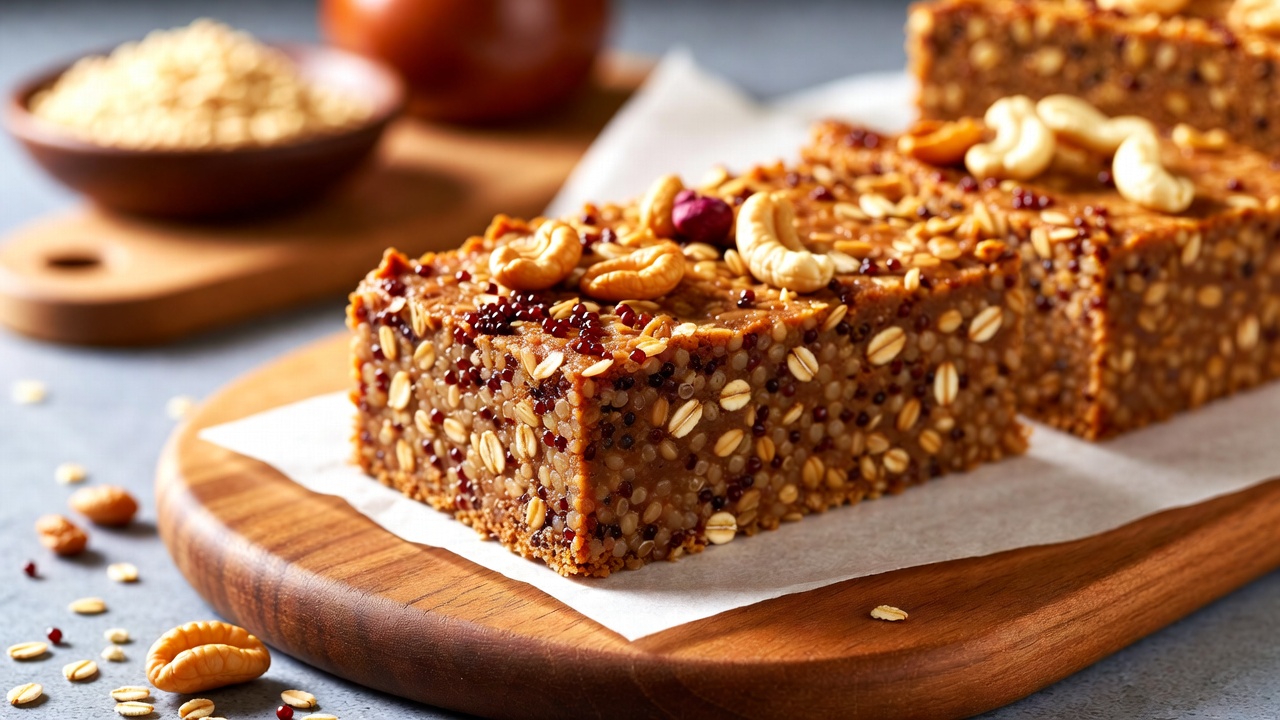
Discover how to celebrate the Jewish New Year for Trees with delicious plant-based recipes featuring the sacred Seven Species and nutrient-rich ancient grains.
What Is Tu Bishvat and Why Do Jews Celebrate the New Year for Trees?
Tu Bishvat, also spelled Tu B’Shevat or Tu BiShvat, is one of Judaism’s most nature-centered holidays. Falling on the 15th day of the Hebrew month of Shevat (typically January or February), this celebration marks the “New Year for Trees” in the Jewish calendar. The holiday has deep agricultural roots in ancient Israel, where it served as a marker for calculating the age of trees for tithing purposes.
In modern times, Tu Bishvat has evolved into a Jewish Earth Day. Families and communities gather to plant trees, discuss environmental stewardship, and most importantly, enjoy a festive meal centered around fruits, nuts, and grains. The celebration emphasizes humanity’s connection to the natural world and our responsibility to protect it.
The timing is significant. In Israel, this date marks the point when winter rains begin nurturing tree roots. Almond trees—the first to blossom—signal the approaching spring. This agricultural wisdom connects us to thousands of years of Jewish farming traditions in the Land of Israel.
For those following vegan and gluten-free diets, Tu Bishvat offers a unique opportunity. The holiday naturally centers on plant-based foods. With some thoughtful adaptations using ancient biblical grains and modern culinary techniques, anyone can participate fully in this beautiful celebration.
The Seven Species of Israel: Sacred Foods for Tu Bishvat Celebrations
The foundation of Tu Bishvat eating comes from the Shivat HaMinim, or Seven Species. These are the seven agricultural products specifically praised in the Hebrew Bible as blessings of the Land of Israel. Found in Deuteronomy 8:8, they represent the bounty promised to the Israelites.
Complete List of the Biblical Seven Species
| Species | Hebrew Name | Botanical Name | Nutritional Highlights |
|---|---|---|---|
| Wheat | Chitah | Triticum aestivum | Protein, fiber, B vitamins |
| Barley | Se’orah | Hordeum vulgare | Beta-glucan, selenium |
| Grapes/Wine | Gefen | Vitis vinifera | Resveratrol, antioxidants |
| Figs | Te’enah | Ficus carica | Potassium, calcium, fiber |
| Pomegranates | Rimon | Punica granatum | Vitamin C, punicalagins |
| Olives/Oil | Zayit | Olea europaea | Healthy fats, vitamin E |
| Dates/Honey | Devash (D’vash) | Phoenix dactylifera | Natural sugars, minerals |
These seven foods form the centerpiece of traditional Tu Bishvat seders (ceremonial meals). The fruits are naturally vegan and gluten-free. However, the grains—wheat and barley—require special consideration for those avoiding gluten.
Understanding the Seven Species helps us appreciate their spiritual significance. In Kabbalistic tradition, eating these foods during Tu Bishvat creates a connection between the physical and spiritual worlds. Each fruit corresponds to different spiritual realms, making the meal a form of meditation and prayer.
Understanding Ancient Biblical Grains and Their Health Benefits
Ancient grains refer to cereals and seeds that have remained largely unchanged over the last several hundred years. Unlike modern wheat varieties, which have been extensively hybridized for commercial farming, these heritage grains retain their original nutritional profiles and genetic integrity.
What Makes a Grain “Biblical” or “Ancient”?
Biblical grains are those specifically mentioned in religious texts or historically cultivated in the ancient Near East. They were staples of the diet in biblical times and continue to be grown using traditional methods in various parts of the world.
Key characteristics of ancient grains include:
- Minimal genetic modification from original varieties
- Higher nutrient density compared to modern wheat
- Diverse amino acid profiles providing complete proteins
- Rich mineral content including iron, zinc, and magnesium
- Lower glycemic impact than refined modern grains
- Unique flavor profiles ranging from nutty to sweet
According to the Whole Grains Council, ancient grains have seen a remarkable surge in popularity as consumers seek more nutritious and sustainable food options. Sales have grown consistently as awareness of their benefits spreads.
Nutritional Comparison: Ancient Grains vs. Modern Wheat
| Grain | Protein (per cup cooked) | Fiber | Gluten Content | Notable Nutrients |
|---|---|---|---|---|
| Einkorn | 8g | 4g | Low (ancient gluten) | Lutein, beta-carotene |
| Emmer (Farro) | 8g | 5g | Contains gluten | Iron, magnesium |
| Spelt | 11g | 8g | Contains gluten | Niacin, copper |
| Kamut (Khorasan) | 10g | 7g | Contains gluten | Selenium, zinc |
| Teff | 10g | 7g | Gluten-free | Calcium, resistant starch |
| Millet | 6g | 2g | Gluten-free | B vitamins, phosphorus |
| Sorghum | 11g | 6g | Gluten-free | Antioxidants, iron |
| Quinoa* | 8g | 5g | Gluten-free | Complete protein |
| Amaranth* | 9g | 5g | Gluten-free | Lysine, calcium |
*Technically pseudocereals, not true grains, but commonly grouped with ancient grains.
Gluten-Free Ancient Grains Perfect for Tu Bishvat Recipes
For those with celiac disease, gluten sensitivity, or choosing a gluten-free lifestyle, several ancient grains offer excellent alternatives. These grains allow full participation in Tu Bishvat celebrations without compromising health or taste.
Teff: The Tiny Ethiopian Powerhouse
Teff (Eragrostis tef) is the world’s smallest grain. Native to Ethiopia, it has been cultivated for over 3,000 years. Despite its tiny size—about 150 grains equal one kernel of wheat—teff packs an impressive nutritional punch.
Why teff is perfect for Tu Bishvat:
- Naturally gluten-free with no cross-contamination risk when sourced properly
- High in resistant starch, which feeds beneficial gut bacteria
- Excellent source of calcium, containing more than any other grain
- Mild, slightly sweet flavor that complements date and fig dishes
- Versatile cooking options: porridge, flour for baking, or grain pilaf
Teff flour makes exceptional flatbreads reminiscent of traditional Middle Eastern bread. Its earthy, slightly nutty taste pairs beautifully with honey (date syrup) and olive oil—two other Seven Species.
Millet: The Forgotten Biblical Grain
Millet holds a special place in biblical history. Referenced in Ezekiel 4:9, it was combined with wheat, barley, beans, lentils, and spelt to make bread during the prophet’s symbolic siege of Jerusalem. This makes millet one of the few gluten-free grains with direct biblical connections.
Millet’s benefits for holiday baking:
- Alkaline-forming in the body, unlike most grains
- High in magnesium, supporting hundreds of enzymatic reactions
- Mild, slightly corn-like flavor that works in both sweet and savory dishes
- Fluffy texture when cooked as a pilaf
- Affordable and widely available in health food stores
Millet flour creates tender, cake-like textures in baked goods. Combined with date syrup and ground almonds, it produces Tu Bishvat treats that rival wheat-based versions.
Sorghum: The Drought-Resistant Superfood
Sorghum (Sorghum bicolor) originated in Africa over 5,000 years ago and spread throughout the ancient world. While not mentioned by name in the Bible, archaeological evidence suggests it was cultivated in the region during biblical times.
Why choose sorghum for your Tu Bishvat table:
- Neutral flavor profile that absorbs accompanying flavors well
- Chewy, hearty texture similar to wheat berries
- Exceptionally high in antioxidants, particularly darker varieties
- Sustainable crop requiring significantly less water than other grains
- Naturally sweet, reducing the need for added sugars
Popped sorghum makes a delightful addition to Tu Bishvat trail mixes alongside dried fruits and nuts. The whole grain can also be cooked and served as a pilaf with pomegranate seeds and toasted pistachios.
Buckwheat: An Ancient Pseudocereal for Modern Celebrations
Despite its misleading name, buckwheat contains no wheat and is completely gluten-free. This pseudocereal has been cultivated for over 8,000 years in Southeast Asia before spreading westward along ancient trade routes.
Buckwheat’s culinary advantages:
- Rich, earthy flavor that complements Mediterranean ingredients
- Complete protein containing all nine essential amino acids
- High in rutin, a flavonoid supporting cardiovascular health
- Quick cooking time compared to other whole grains
- Versatile forms: groats, flour, and even noodles (soba)
Roasted buckwheat groats (kasha) create a wonderful base for Tu Bishvat grain bowls topped with roasted vegetables and tahini dressing.
Traditional Tu Bishvat Seder Explained: A Guide to the Four Cups and Four Worlds
The Tu Bishvat Seder emerged from 16th-century Kabbalistic tradition in Safed, Israel. Created by followers of Rabbi Isaac Luria (the Ari), this mystical meal parallels the Passover Seder but focuses on fruits rather than matzah and symbolic foods.
The Four Cups of Wine and Their Spiritual Significance
| Cup Number | Wine Color | Spiritual World (Kabbalah) | Corresponding Season |
|---|---|---|---|
| First | White | Assiyah (Action/Physical) | Winter |
| Second | White with red | Yetzirah (Formation) | Spring |
| Third | Red with white | Beriah (Creation) | Summer |
| Fourth | Red | Atzilut (Emanation) | Fall |
The progression from white to red wine symbolizes the transition from winter dormancy to the vibrant life of spring and summer. For vegan participants, ensure wines are unfined or fined without animal products like isinglass, gelatin, or egg whites. Many kosher wines are naturally vegan, and organizations like Barnivore maintain databases of vegan-friendly wines.
The Three Categories of Fruit in the Tu Bishvat Seder
Traditional seders organize fruits into three mystical categories based on their physical structure:
1. Fruits with Inedible Shells (Assiyah – Physical World)
- Oranges, pomegranates, walnuts, almonds, pistachios
- The hard exterior represents the physical world that must be penetrated to reach inner sweetness
- Gluten-free and naturally vegan
2. Fruits with Inedible Pits (Yetzirah – Emotional World)
- Dates, olives, apricots, cherries, plums, peaches
- The pit represents hidden potential and the heart of creation
- Gluten-free and naturally vegan
3. Fruits Eaten Whole (Beriah – Intellectual World)
- Figs, grapes, berries, carobs
- Complete consumption represents pure understanding
- Gluten-free and naturally vegan
This structure demonstrates how Tu Bishvat inherently accommodates vegan and gluten-free diets when focused on traditional fruit consumption.
How to Make Gluten-Free Date Honey (Silan) at Home
Date honey, called silan in Hebrew or dibs in Arabic, represents the “honey” mentioned among the Seven Species. Biblical scholars agree that references to “honey” in ancient Israel typically meant this thick, sweet syrup rather than bee honey.
Why Make Your Own Silan?
Commercial date syrups sometimes contain additives or preservatives. Homemade silan offers:
- Pure, unprocessed sweetness with no additives
- Rich mineral content including potassium, magnesium, and iron
- Lower glycemic impact than refined sugar
- Complex caramel-like flavor perfect for holiday treats
- Connection to ancient culinary traditions
Step-by-Step Gluten-Free Date Honey Recipe
Ingredients:
- 1 pound Medjool dates (about 20 large dates)
- 4 cups water
- Pinch of sea salt (optional)
Instructions:
- Prepare the dates: Remove pits and roughly chop the dates. Place in a large pot.
- Simmer: Cover with water and bring to a boil. Reduce heat and simmer for 2-3 hours until dates are completely soft and falling apart.
- Mash and strain: Mash the mixture thoroughly, then strain through a fine-mesh sieve or cheesecloth, pressing to extract all liquid.
- Reduce: Return strained liquid to the pot. Simmer on low heat for 1-2 hours until reduced to a thick, honey-like consistency. Watch carefully to prevent burning.
- Store: Cool completely and transfer to sterilized glass jars. Refrigerate for up to 6 months.
Yield: Approximately 1 cup of thick date honey
This naturally vegan and gluten-free sweetener works beautifully drizzled over teff porridge, mixed into baked goods, or served alongside fresh fruit at your Tu Bishvat celebration.
Vegan Tu Bishvat Recipes Using Ancient Grains and Biblical Ingredients
Transform your Tu Bishvat celebration with these plant-based recipes featuring ancient grains and the Seven Species. Each recipe is completely vegan and includes gluten-free options.
Recipe 1: Millet and Fig Pilaf with Pomegranate Jewels
This stunning side dish incorporates three of the Seven Species: wheat (substituted with millet), figs, and pomegranates.
Ingredients:
- 1 cup millet, rinsed
- 2 cups vegetable broth
- 1 tablespoon extra-virgin olive oil (Seven Species)
- 1 small onion, diced
- 2 cloves garlic, minced
- 1/2 cup dried figs (Seven Species), chopped
- 1/4 cup pistachios, roughly chopped
- Seeds from 1 pomegranate (Seven Species)
- 2 tablespoons fresh parsley, chopped
- Salt and pepper to taste
- 1 tablespoon date honey (silan)
Instructions:
- Toast millet in a dry pan over medium heat for 3-4 minutes until fragrant.
- Add vegetable broth, bring to boil, then reduce heat and simmer covered for 20 minutes.
- Meanwhile, sauté onion in olive oil until translucent. Add garlic and cook 1 minute more.
- Fluff cooked millet with fork. Fold in sautéed onion, chopped figs, and pistachios.
- Drizzle with date honey and top with pomegranate seeds and parsley.
- Season with salt and pepper. Serve warm or at room temperature.
Servings: 6 | Prep time: 15 minutes | Cook time: 25 minutes
Recipe 2: Teff and Date Energy Balls (No-Bake Tu Bishvat Treats)
These protein-rich bites make perfect portable snacks for Tu Bishvat gatherings or everyday enjoyment.
Ingredients:
- 1 cup Medjool dates (Seven Species), pitted
- 1/2 cup cooked teff, cooled
- 1/4 cup almond butter
- 2 tablespoons raw cacao powder
- 1 tablespoon date honey (silan)
- 1 teaspoon vanilla extract
- Pinch of sea salt
- 1/4 cup shredded coconut (for rolling)
- 2 tablespoons sesame seeds (for rolling)
Instructions:
- Process dates in a food processor until a sticky paste forms.
- Add cooked teff, almond butter, cacao powder, date honey, vanilla, and salt.
- Pulse until mixture comes together and can be rolled into balls.
- Using wet hands, roll into 1-inch balls (approximately 16-18 balls).
- Roll half in shredded coconut and half in sesame seeds.
- Refrigerate for at least 30 minutes to firm up.
- Store in airtight container in refrigerator for up to 2 weeks.
Servings: 16-18 balls | Prep time: 15 minutes | Chill time: 30 minutes
Recipe 3: Buckwheat Galette with Roasted Grapes and Olive Oil
This savory-sweet rustic tart celebrates the Seven Species in an elegant presentation.
Ingredients:
For the crust:
- 1 1/4 cups buckwheat flour
- 1/4 teaspoon salt
- 6 tablespoons cold coconut oil
- 4-6 tablespoons ice water
For the filling:
- 2 cups red or black grapes (Seven Species)
- 3 tablespoons extra-virgin olive oil (Seven Species), divided
- 2 tablespoons date honey (Seven Species)
- 1 teaspoon fresh thyme leaves
- Flaky sea salt
Instructions:
- Make the crust: Whisk buckwheat flour and salt. Cut in cold coconut oil until mixture resembles coarse crumbs. Add ice water one tablespoon at a time until dough comes together.
- Wrap dough in plastic and refrigerate for at least 1 hour.
- Preheat oven to 400°F (200°C).
- Roll out dough on parchment paper to a 12-inch circle.
- Toss grapes with 2 tablespoons olive oil and date honey. Spread over dough, leaving a 2-inch border.
- Fold edges over filling, pleating as you go.
- Brush crust with remaining olive oil.
- Bake 35-40 minutes until crust is golden and grapes are bursting.
- Sprinkle with thyme leaves and flaky salt before serving.
Servings: 8 | Prep time: 20 minutes | Chill time: 1 hour | Cook time: 40 minutes
Recipe 4: Sorghum Tabbouleh with Olives and Fresh Herbs
This Middle Eastern-inspired salad substitutes gluten-free sorghum for traditional bulgur wheat.
Ingredients:
- 1 cup sorghum, rinsed
- 3 cups water
- 1/2 teaspoon salt
- 2 cups fresh parsley, finely chopped
- 1/2 cup fresh mint, finely chopped
- 1 cup cherry tomatoes, quartered
- 1/2 cup Kalamata olives (Seven Species), pitted and sliced
- 1/4 cup green onions, thinly sliced
- 1/4 cup extra-virgin olive oil (Seven Species)
- 3 tablespoons fresh lemon juice
- Salt and pepper to taste
Instructions:
- Combine sorghum, water, and salt in a pot. Bring to boil, then reduce heat and simmer covered for 50-60 minutes until tender but still slightly chewy.
- Drain any excess water and spread sorghum on a baking sheet to cool completely.
- In a large bowl, combine cooled sorghum, parsley, mint, tomatoes, olives, and green onions.
- Whisk together olive oil and lemon juice. Pour over salad and toss well.
- Season with salt and pepper. Refrigerate for at least 30 minutes to allow flavors to meld.
- Taste and adjust seasonings before serving.
Servings: 8 | Prep time: 20 minutes | Cook time: 60 minutes | Chill time: 30 minutes
Creating a Vegan and Gluten-Free Tu Bishvat Seder at Home
Hosting an inclusive Tu Bishvat Seder requires thoughtful planning but results in a meaningful celebration accessible to all dietary needs.
Essential Elements for Your Tu Bishvat Table
Fruits and Nuts (All Naturally Vegan and Gluten-Free):
- Fresh and dried dates
- Fresh figs or dried mission figs
- Pomegranates (whole and seeded)
- Grapes and raisins
- Olives (various types)
- Almonds, walnuts, pistachios
- Oranges, carob pods, apples
Gluten-Free Grain Dishes:
- Teff porridge with date honey
- Millet pilaf with dried fruits
- Sorghum salad with olives
- Buckwheat-based baked goods
Beverages:
- Vegan kosher wines (check Barnivore)
- Fresh grape juice
- Pomegranate juice
- Almond milk
Sample Tu Bishvat Seder Menu
| Course | Dish | Seven Species Represented |
|---|---|---|
| First Cup | White wine with almonds, oranges | Grapes |
| Second Cup | Rosé with dates, figs | Grapes, Dates, Figs |
| Third Cup | Light red with olives, pomegranate | Grapes, Olives, Pomegranates |
| Fourth Cup | Red wine with grain dishes | Grapes, Wheat (GF sub) |
| Dessert | Teff-date energy balls | Dates, Barley (GF sub) |
The Environmental Significance of Tu Bishvat and Sustainable Eating
Tu Bishvat’s message about human-nature relationships resonates powerfully in our current environmental moment. The holiday invites us to consider how our food choices impact the planet.
How Ancient Grains Support Sustainable Agriculture
Environmental benefits of choosing ancient grains:
- Biodiversity preservation: Growing heritage varieties maintains genetic diversity in our food system
- Lower water requirements: Many ancient grains, especially sorghum and millet, require significantly less irrigation
- Reduced chemical inputs: Heritage varieties often have natural pest and disease resistance
- Soil health improvement: Deep root systems of ancient grains improve soil structure
- Climate resilience: Diverse grain crops provide insurance against climate variability
The Food and Agriculture Organization (FAO) recognizes sorghum and millet as critical crops for food security in the face of climate change. Supporting these grains through consumer demand helps maintain their cultivation.
Plant-Based Eating and Jewish Environmental Ethics
Jewish tradition contains numerous teachings about environmental stewardship (bal tashchit – do not destroy) and compassion for animals (tza’ar ba’alei chayim). Tu Bishvat offers an opportunity to align eating habits with these values.
Key Jewish environmental concepts:
- Bal Tashchit: Prohibition against wasteful destruction
- Shmirat Ha’Adamah: Guarding the earth
- Tikkun Olam: Repairing the world
- L’Dor V’Dor: Responsibility to future generations
Choosing vegan and plant-based foods during Tu Bishvat celebrations reduces environmental impact while honoring ancient agricultural traditions. This alignment of values creates a deeply meaningful holiday experience.
Health Benefits of a Plant-Based Tu Bishvat Celebration
Beyond spiritual and environmental considerations, the foods traditionally eaten during Tu Bishvat offer remarkable health benefits.
Nutritional Powerhouses Among the Seven Species
Dates: Often called “nature’s candy,” dates provide:
- Immediate energy from natural sugars
- Significant fiber for digestive health
- Potassium levels exceeding bananas
- Antioxidant compounds including flavonoids
Pomegranates: These ruby-red fruits contain:
- Punicalagins—powerful antioxidants unique to pomegranates
- Three times the antioxidants of green tea
- Anti-inflammatory properties
- Compounds that may support heart health
Figs: Both fresh and dried figs offer:
- More calcium than any other fruit
- Prebiotic fiber supporting gut bacteria
- Blood sugar-stabilizing effects
- Natural digestive enzymes
Olives and Olive Oil: Mediterranean diet staples provide:
- Monounsaturated fats supporting heart health
- Oleocanthal with anti-inflammatory properties
- Vitamin E and polyphenols
- Compounds linked to cognitive health
According to research published in the Journal of the American College of Cardiology, the Mediterranean diet—which heavily features Seven Species foods—significantly reduces cardiovascular disease risk.
Why Ancient Grains Outperform Modern Wheat
For those who can consume gluten, ancient wheat varieties like einkorn and emmer offer distinct advantages over modern wheat:
- Different gluten structure that some sensitive individuals tolerate better
- Higher micronutrient density per calorie
- More diverse amino acid profiles
- Lower glycemic index values
- Richer flavor profiles requiring less processing
For those avoiding gluten entirely, the naturally gluten-free ancient grains provide excellent nutrition without compromising taste or texture in holiday recipes.
Tips for Finding Quality Ancient Grains and Seven Species Ingredients
Sourcing authentic, high-quality ingredients elevates your Tu Bishvat celebration from ordinary to extraordinary.
Where to Buy Ancient Grains
Online retailers specializing in ancient grains:
- Bob’s Red Mill – Wide selection of teff, millet, sorghum
- To Your Health Sprouted Flour Co. – Sprouted ancient grain flours
- Specialty health food stores and co-ops
- International grocery stores (Ethiopian markets for teff)
What to look for:
- Certified gluten-free labels for cross-contamination concerns
- Organic certification when possible
- Whole grain rather than refined versions
- Recent harvest dates for optimal freshness
- Proper storage in cool, dry conditions
Selecting Quality Seven Species Products
| Product | Quality Indicators | Avoid |
|---|---|---|
| Dates | Soft, glossy, wrinkled skin | Crystallized, very dry, hard |
| Figs | Plump, slightly soft | Shriveled, sour smell |
| Pomegranates | Heavy for size, firm | Soft spots, cracks |
| Olives | Labeled processing method | Vague origins, too salty |
| Olive Oil | Harvest date, dark bottle | Light exposure, no date |
| Grapes | Firmly attached to stems | Falling off, brown stems |
Israeli products: Many specialty stores carry authentic Israeli products during Tu Bishvat season, including Medjool dates from the Jordan Valley and olive oils from Galilee.
Celebrating Tu Bishvat with Children: Vegan and Allergy-Friendly Activities
Tu Bishvat offers wonderful opportunities for family-friendly education about nature, nutrition, and Jewish tradition.
Kid-Friendly Tu Bishvat Activities
1. Seven Species Scavenger Hunt Create cards featuring each of the Seven Species. Children search the grocery store or farmers’ market to find all seven items.
2. Gluten-Free Fruit Leather Making Blend dates, figs, and a splash of pomegranate juice. Spread on parchment-lined baking sheets and dehydrate for homemade fruit leather.
3. Ancient Grain Exploration Station Set up jars of different ancient grains. Let children touch, smell, and compare teff, millet, sorghum, and quinoa.
4. Indoor Tree Planting Start avocado pits, date seeds, or citrus seeds in clear containers so children can observe root development.
5. Tu Bishvat Blessing Chart Create a colorful chart listing the special blessings (brachot) for different categories of food—especially meaningful for children learning Hebrew.
Safe Treats for School Tu Bishvat Parties
These recipes accommodate common allergens while celebrating the holiday:
Allergen-Free Trail Mix:
- Sunflower seeds (nut-free)
- Pumpkin seeds
- Dried cranberries
- Coconut flakes
- Popped sorghum
- Date pieces
Certified gluten-free, nut-free, vegan, and kosher when properly sourced.
Historical Origins of Tu Bishvat Customs and Ancient Grain Consumption
Understanding historical context deepens appreciation for Tu Bishvat traditions.
Agricultural Calendar of Ancient Israel
The Jewish calendar reflects agricultural rhythms of the Land of Israel. Tu Bishvat (15th of Shevat) marked a legal boundary for tithing purposes—fruit from trees that bloomed before this date belonged to the previous year’s tithe.
Agricultural significance:
- Almond trees begin blooming around Tu Bishvat
- Sap begins rising in trees after winter dormancy
- Rainfall has saturated the soil, nourishing roots
- New growth becomes visible in orchards
Grain Cultivation in Biblical Times
Ancient Israelites cultivated various grains central to their diet and economy. Archaeological excavations reveal extensive grain storage facilities and grinding implements throughout the region.
Grains mentioned in Hebrew Bible:
- Chitah (wheat) – Premium grain for fine flour
- Se’orah (barley) – Common grain, spring harvest
- Kussemet (spelt) – Hardy winter grain
- Dohan (millet) – Drought-resistant supplement
The Mishnah and Talmud contain detailed discussions about grain cultivation, harvesting, and processing—reflecting the agricultural sophistication of ancient Jewish communities.
Modern Tu Bishvat Celebrations Around the World
Tu Bishvat observances have spread globally, adapting to local environments while maintaining core themes.
Israel: Tree Planting and Environmental Activism
In Israel, Tu Bishvat is a national environmental holiday. The Jewish National Fund (JNF) has planted over 250 million trees in Israel since 1901, with many planting ceremonies occurring around Tu Bishvat.
Israeli Tu Bishvat traditions:
- School children plant saplings in designated areas
- Environmental organizations host clean-up events
- Agricultural festivals celebrate local produce
- Restaurants feature Seven Species-focused menus
Diaspora Celebrations: Adapting to Local Climates
Jewish communities worldwide have developed unique Tu Bishvat customs:
North America:
- Indoor tree planting and seed-starting activities
- Donations to reforestation organizations
- Tu Bishvat seders at synagogues and homes
- Environmental action campaigns
Europe:
- Focus on symbolic rather than agricultural celebration
- Imported Israeli products for seder tables
- Educational programs about Israel’s environment
Southern Hemisphere:
- Summer timing creates different agricultural context
- Local fruit and grain substitutions
- Connection to regional environmental issues
Conclusion: Embracing Tu Bishvat’s Message Through Mindful Eating
Tu Bishvat invites us to pause and appreciate our profound connection to the natural world. Through the simple act of eating fruits, nuts, and grains, we participate in a tradition stretching back thousands of years while making choices that impact the future.
Vegan and gluten-free celebrations are not compromises—they represent a thoughtful engagement with Tu Bishvat’s deepest teachings. By choosing ancient grains like teff, millet, and sorghum, we support agricultural biodiversity and connect with foods our ancestors may have known.
The Seven Species remain as relevant today as in biblical times. Dates still provide natural sweetness without refined sugars. Pomegranates still burst with antioxidants. Olive oil still nourishes body and soul. These foods transcend dietary trends because they represent fundamental human-plant relationships.
As you plan your Tu Bishvat celebration, consider:
- Which ancient grains will you explore this year?
- How can your food choices reflect environmental values?
- What traditions will you pass to the next generation?
May your Tu Bishvat be filled with delicious, nourishing foods that honor both ancient wisdom and modern health consciousness. Whether you gather for a full seder or simply enjoy some dates and figs, remember that each bite connects you to the sacred cycle of growth, harvest, and renewal.
Frequently Asked Questions About Vegan and Gluten-Free Tu Bishvat
Q: Is Tu Bishvat always vegan-friendly? A: Traditional Tu Bishvat celebrations focus primarily on fruits, nuts, and grains—making them naturally plant-based. However, some modern celebrations may include dairy or meat dishes, so it’s always good to ask hosts about menu plans.
Q: Are all biblical grains gluten-free? A: No. Wheat, barley, and spelt—three grains mentioned in the Bible—contain gluten. However, millet (Ezekiel 4:9) is gluten-free, and other naturally gluten-free grains like teff and sorghum have ancient cultivation histories.
Q: Can I celebrate Tu Bishvat if I have multiple food allergies? A: Absolutely. The core Tu Bishvat foods—fruits and dried fruits—are free from most common allergens. Focus on the Seven Species fruits (dates, figs, pomegranates, grapes, olives) for a meaningful celebration.
Q: What blessing do I say over ancient grains? A: Dishes made with grains like millet, teff, or sorghum would typically receive the blessing “Borei Minei Mezonot” if they’re the main component, or the blessing for the primary food in mixed dishes.
Q: How can I make my Tu Bishvat celebration more sustainable? A: Choose organic and locally-sourced products when possible, minimize packaging waste, plant trees or donate to reforestation organizations, and focus on whole, unprocessed foods.
Chag Tu Bishvat Sameach! Happy Tu Bishvat!