The Ultimate Guide to Experiencing One of the World’s Most Magical Festivals
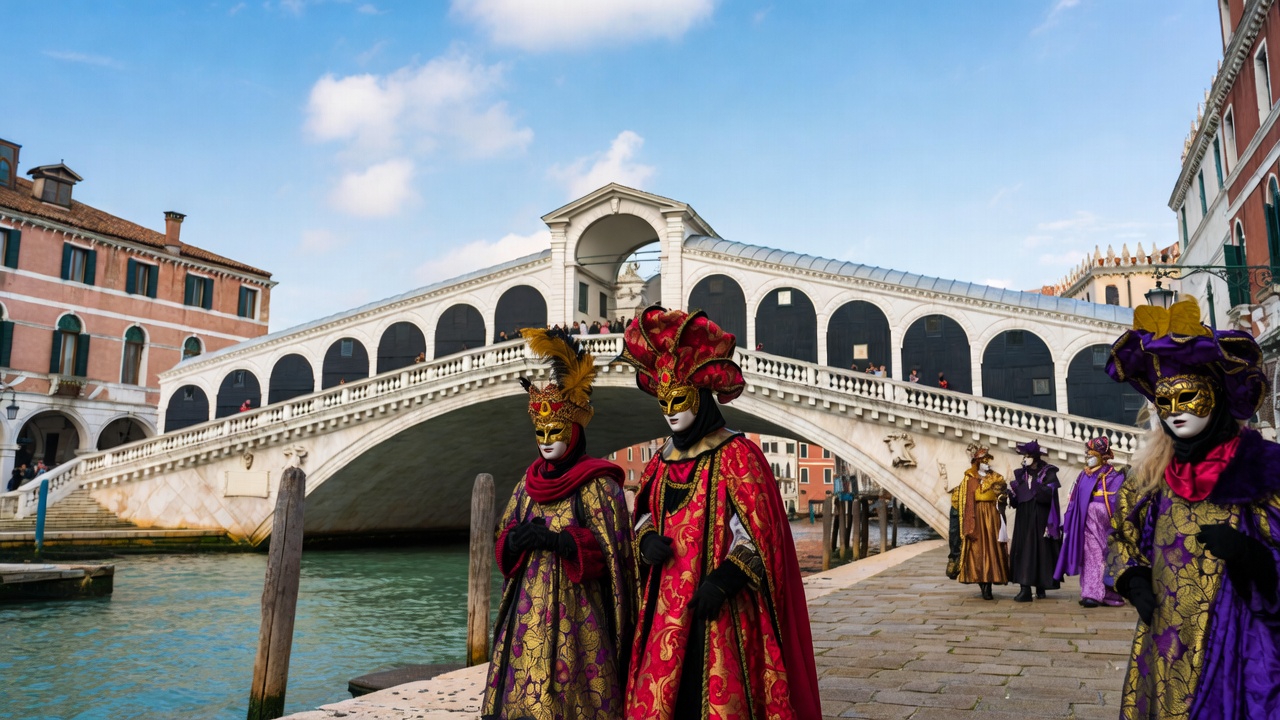
Every winter, as mist rises from ancient canals and church bells echo across the lagoon, Venice transforms into a living theater of masks, mystery, and magnificence. The Venice Carnival (Carnevale di Venezia) is not merely a festival—it is a portal to another era, where nobles in tricorn hats promenade alongside plague doctors, where every narrow alleyway becomes a stage, and where the boundary between fantasy and reality dissolves completely.
For first-time visitors, the Venice Carnival can feel both exhilarating and overwhelming. With approximately 3 million visitors descending upon this fragile city each year during the festivities, preparation is not just helpful—it is essential. This comprehensive guide will arm you with everything you need to experience the magic while avoiding common pitfalls that plague unprepared travelers.
Whether you dream of attending an opulent masquerade ball in a Renaissance palazzo, photographing elaborate costumes in Piazza San Marco, or simply wandering the fog-laden streets in your own mysterious mask, this guide will help you transform your first Venice Carnival from a dream into an unforgettable reality.
What Is the Venice Carnival and Why Is It So Famous Worldwide?
The Venice Carnival is one of the oldest and most celebrated festivals in the world, with origins stretching back over 900 years to the medieval period. According to the official Venice Carnival website, the first documented celebration occurred in the second half of the 13th century, making it a living tradition that has survived the rise and fall of empires.
The Historical Significance of the Venetian Masked Festival
The Carnival was born from a spirit of celebration and social liberation. In 1162, the Republic of Venice achieved a significant military victory over the Patriarch of Aquileia, and the citizens gathered in Piazza San Marco to celebrate with dancing, feasting, and revelry. This spontaneous celebration gradually evolved into an annual tradition.
What made the Venice Carnival truly revolutionary was its radical democratization of society. Behind the anonymity of masks, the strict social hierarchies of Venetian society dissolved. Nobles could mingle with commoners. Merchants could flirt with aristocratic ladies. Gambling houses and coffee shops became stages for intrigue and adventure. As Simply Masquerade notes, the practice of wearing masks reached its peak around the 18th century, when Venetians of different social classes used the celebration as an opportunity to interact without fear of recognition or social repercussion.
The mask-makers, known as mascherari, became so important that they were officially recognized with their own guild in 1436. The oldest document referring to these craftsmen dates back to 1271 C.E., making mask-making one of the oldest continuously practiced crafts in Venice.
Why Was the Venice Carnival Banned and Later Revived?
The Carnival’s era of excess came to an abrupt end when Napoleon conquered Venice in 1797, and the subsequent Austrian rulers banned the festival, viewing it as a potential source of rebellion and disorder. For nearly 200 years, the magnificent tradition lay dormant.
The modern revival came in 1979, when local organizations and the Italian government recognized the cultural and economic value of resurrecting this unique tradition. Since then, the Venice Carnival has reclaimed its position as one of Europe’s greatest cultural events, blending historical authenticity with contemporary creativity. Today, according to Goodtime Monty, the carnival attracts millions of visitors annually who come to experience the masks, costumes, and timeless atmosphere that make this celebration utterly unique.
Venice Carnival 2026 Dates and Schedule: When Does the Festival Take Place?
Planning your trip around the correct dates is crucial, as the Venice Carnival follows the religious calendar and shifts each year based on the date of Easter. Understanding the schedule will help you maximize your experience.
Venice Carnival 2026 Official Dates and Theme
| Year | Start Date | End Date | Theme |
|---|---|---|---|
| 2026 | February 7 | February 17 | “Olympus, the Origins of Play” |
| 2027 | January 27 | February 9 | TBA |
| 2028 | February 19 | February 29 | TBA |
| 2029 | February 3 | February 13 | TBA |
The 2026 Venice Carnival will celebrate the theme “Olympus, the Origins of Play” in homage to the Olympic spirit of the 2026 Milan-Cortina Winter Olympics being held in Italy. As Visit Venice Italy reports, this theme invites visitors to rediscover the fun, imagination, and athletic spirit that define Venice’s celebration of life and creativity.
Understanding the Pre-Carnival and Main Carnival Periods
The Venice Carnival is divided into two distinct periods:
Pre-Carnival Period (January 31 – February 6, 2026):
- Street shows and entertainment begin
- Water parade along the Grand Canal to Cannaregio
- Traditional boat processions
- Opening ceremonies
- Note: The spectacular costumes and mask displays won’t be prevalent yet during this period
Main Carnival Period (February 7 – February 17, 2026):
- Full costume parades and displays
- Masked balls and gala events
- Best Mask Contest
- Flight of the Angel (Volo dell’Angelo)
- Flight of the Lion (Volo del Leone)
- Festa delle Marie parade
- Street theater performances throughout the city
Best Days to Visit the Venice Carnival for First-Timers
The timing of your visit significantly impacts your experience:
| Day Type | Pros | Cons | Best For |
|---|---|---|---|
| Weekdays (early carnival) | Fewer crowds, lower prices | Fewer costumes visible | Budget travelers, photography |
| First Weekend | Opening festivities, Festa Veneziana | Growing crowds | Water parade enthusiasts |
| Mid-week | Good costume activity, manageable crowds | Limited special events | Balanced experience |
| Final Weekend | Peak celebrations, maximum costumes | Extreme crowds, highest prices | Once-in-a-lifetime experience |
| Giovedì Grasso | Traditional celebrations | Very crowded | Cultural immersion |
| Martedì Grasso | Grand finale, maximum spectacle | Extremely crowded | Festival peak |
As Global Highlights advises, the best days for the grandest celebrations are Giovedì Grasso (Fat Thursday) and Martedì Grasso (Fat Tuesday/Mardi Gras), but these are also the most crowded times.
How Much Does It Cost to Attend Venice Carnival? Budget Planning Guide
Understanding the financial commitment required for Venice Carnival helps you plan appropriately and avoid unpleasant surprises.
Complete Venice Carnival Budget Breakdown by Travel Style
| Category | Budget Traveler | Mid-Range | Luxury |
|---|---|---|---|
| Flights (from USA) | €400-600 | €700-1,000 | €2,000+ |
| Accommodation (3 nights) | €200-400 | €500-900 | €1,500-5,000 |
| Costume/Mask | €30-100 | €150-400 | €500-2,000+ |
| Food & Drink (per day) | €40-60 | €80-150 | €200+ |
| Events/Balls | Free events only | €100-300 | €600-1,500 |
| Transportation | €50-100 | €100-150 | €300+ |
| Activities | €50-100 | €150-300 | €500+ |
| Total Estimate | €770-1,360 | €1,535-2,900 | €5,100-10,000+ |
According to Europa Tips travel guide, for an average carnival experience, you should budget €1,500-2,000 per person including flights, three nights’ accommodation, costume rental, meals, and at least one ticketed event.
Free Venice Carnival Events You Can Attend
The good news for budget travelers is that many of the best Venice Carnival experiences are completely free:
- Street performances in Campo Santo Stefano, Campo Santa Margherita, Campo Geremia
- Costume watching in Piazza San Marco and throughout the city
- Water parade viewing along the Grand Canal and Rio di Cannaregio
- Flight of the Angel spectacle in Piazza San Marco
- Festa delle Marie parade
- Best Mask Contest in St. Mark’s Square
- Live music and entertainment in public squares
- Simply wandering and photographing the incredible costumes
Ticketed Venice Carnival Events and Their Costs
For those seeking a more immersive experience, ticketed events range widely in price:
| Event Type | Price Range | What’s Included |
|---|---|---|
| Mask-making workshop | €24-77 | Materials, instruction, finished mask |
| Opera performance | €35-95 | Teatro La Fenice or church venues |
| Dinner cruise | €110-190 | Meal, entertainment, canal views |
| Minuetto Ball | €150-300 | Period dancing, refreshments |
| Gala dinner events | €400-600 | Gourmet meal, entertainment, venue |
| Ballo del Doge | €600-1,500+ | Ultimate masquerade experience |
Where to Stay During Venice Carnival: Best Neighborhoods and Hotels
Choosing the right accommodation is perhaps the most critical decision for your Venice Carnival experience. The city’s compact size and unique geography mean location truly matters.
Best Venice Neighborhoods for Carnival Accommodation
San Marco (Most Central)
- Pros: Steps from main events, iconic views, prime costume-watching
- Cons: Extremely crowded, highest prices, noisy during festivities
- Best for: First-timers who want to be in the heart of the action
- Price range: €200-1,000+ per night
Cannaregio (Local Atmosphere)
- Pros: More authentic Venetian feel, reasonable prices, historic Jewish Ghetto
- Cons: Further from Piazza San Marco (10-15 minute walk)
- Best for: Travelers seeking balance between access and tranquility
- Price range: €100-400 per night
Dorsoduro (Art & Bohemian Vibes)
- Pros: Peggy Guggenheim Collection nearby, local restaurants, quieter evenings
- Cons: Requires water taxi or walks to main venues
- Best for: Art lovers and those preferring a relaxed base
- Price range: €120-500 per night
Castello (Quiet & Authentic)
- Pros: Quietest main neighborhood, local feel, easy access to San Marco
- Cons: Less nightlife, some areas far from main action
- Best for: Travelers seeking peaceful nights after eventful days
- Price range: €90-350 per night
Giudecca (Island Escape)
- Pros: Beautiful views of main Venice, luxury hotels, peaceful atmosphere
- Cons: Requires water taxi to main events
- Best for: Luxury travelers and those wanting distance from crowds
- Price range: €150-800 per night
How Far in Advance Should You Book Venice Carnival Accommodation?
According to multiple travel experts, including advice from Europa Tips, you should book your accommodation 6-8 months in advance for Venice Carnival. If you start looking in January for the same year, you will either have to choose from limited remaining options or pay 2-3 times the normal rate.
Booking Timeline Recommendation:
- 8+ months before: Best selection, best prices
- 6 months before: Good selection, moderate prices
- 3 months before: Limited selection, elevated prices
- 1 month before: Very limited, premium prices
- Last minute: Only cancellations available, highest prices
Hotel Recommendations for Different Budgets
Budget-Friendly Options:
- Hostels and guesthouses in Cannaregio or Castello
- B&Bs in residential areas
- Mainland accommodation in Mestre (cheaper but requires daily commute)
Mid-Range Choices:
- Hotel Giorgione – Classic Venetian décor, courtyard pool
- Hotel Flora – Antique-filled rooms, quiet courtyard near events
- Boutique hotels throughout Dorsoduro
Luxury Properties:
- Carnival Palace Hotel – Cannaregio Canal views, jacuzzi rooms
- The Gritti Palace – Historic palazzo on the Grand Canal
- Aman Venice – 16th-century Palazzo Papadopoli
- The St. Regis Venice – Contemporary luxury near San Marco
What to Wear to Venice Carnival: Costume and Mask Guide
The costumes and masks are the soul of Venice Carnival. Understanding your options—from simple masks to elaborate period costumes—helps you participate at whatever level feels comfortable.
Venice Carnival Dress Code: Do You Need a Costume?
No, you absolutely do not need a costume to attend Venice Carnival. Many visitors simply come to observe and photograph the spectacular displays. However, wearing at least a simple mask will significantly enhance your experience and help you feel part of the celebration rather than a mere spectator.
Participation Options:
- No costume – Come as a photographer/observer
- Simple mask only – Entry-level participation (€15-50)
- Mask plus themed accessories – Hat, cape, or period elements (€50-150)
- Full period costume rental – Complete 18th-century attire (€150-800)
- Custom bespoke costume – Made-to-measure historical accuracy (€1,500-5,000+)
Traditional Venetian Carnival Masks: Types and Meanings
Understanding the different mask types enriches your experience and helps you choose appropriately:
| Mask Type | Description | Historical Significance | Best For |
|---|---|---|---|
| Bauta | White mask with square jawline | Allowed eating/drinking, distorted voice | Men seeking traditional look |
| Volto | Full-face white mask (also called Larva) | Complete anonymity | Classic Carnival aesthetic |
| Colombina | Half-mask often decorated elaborately | From Commedia dell’Arte servant character | Women preferring elegance |
| Medico della Peste | Long-beaked “plague doctor” mask | Originally worn by doctors during epidemics | Most recognizable choice |
| Moretta | Black velvet oval mask | Worn by women to convents | Understated feminine elegance |
| Arlecchino | Half-mask with short nose | Harlequin character from comedies | Playful, colorful option |
| Pantalone | Mask with long hooked nose | Venetian merchant character | Character role-playing |
| Gatto | Cat-shaped mask | Venetian folklore about cat scarcity | Whimsical option |
As Venezia Maschere explains, masks were originally worn nearly seven months a year in Venice—from October to Ascension Day—not just during Carnival.
Where to Buy Authentic Venetian Masks in Venice
Warning: Many shops near Piazza San Marco sell mass-produced masks imported from China. To purchase authentic, handmade Venetian masks, seek out workshops in quieter neighborhoods.
Signs of an Authentic Mask:
- Certificate of authenticity (sticker or tag, not just a stamp)
- Made from papier-mâché using traditional techniques
- Hand-painted details
- Sold by the artisan who made it
- Higher price point (quality costs money)
Recommended Authentic Mask Shops:
According to The Creative Adventurer’s mask guide, these shops offer genuine craftsmanship:
- Ca’ Macana (Dorsoduro) – One of Venice’s most respected mask workshops
- Papier Mache Venezia (Castello) – Unique designs painted with Venice imagery
- Il Canovaccio – Near tourist areas but tucked away, knowledgeable staff
- Bluemoon Venice – Metal masks with Swarovski crystals, blank canvases for DIY
- Schegge (Castello) – Family-run workshop with exceptional hand-painted designs
Venice Carnival Costume Rental: How It Works and What It Costs
For those wanting the full experience, costume rental brings the celebration to life. According to Vivo Venetia, here’s what to expect:
Rental Process:
- Browse online catalogues and select preferred costumes
- Submit availability request with dates and sizing information
- Schedule fitting appointment at atelier (usually near Rialto)
- Arrive in Venice and visit workshop for adjustments
- Collect costume and accessories
- Return after rental period (typically 24 hours)
Costume Rental Pricing:
| Costume Type | 24-Hour Rental | Includes |
|---|---|---|
| Simple period dress | €150-280 | Basic dress/suit, minimal accessories |
| Standard noble attire | €280-400 | Dress, jewelry, basic accessories |
| Elaborate noble costume | €400-600 | Full ensemble including cape, hat, detailed accessories |
| Premium/Custom costume | €600-800+ | Museum-quality reproduction, all accessories |
Additional fees may apply for:
- Hotel delivery and pickup (convenient but costly)
- Extended rental periods (typically 50% of daily rate per additional day)
- Premium accessories (elaborate wigs, specific masks, parasols)
Must-See Venice Carnival Events and Celebrations for 2026
The Venice Carnival packs hundreds of events into its approximately ten-day span. Knowing what to prioritize ensures you don’t miss the most spectacular moments.
The Flight of the Angel: Venice Carnival’s Most Iconic Spectacle
What: A performer in elaborate costume descends via zip-line from the Campanile (bell tower) of St. Mark’s to the stage below.
When: Opening weekend of the main Carnival period
Where: Piazza San Marco
Cost: Free to watch
Tips:
- Arrive 2-3 hours early to secure a good viewing spot
- The square will be extremely crowded—be prepared
- Bring water and snacks as you’ll be standing
- This marks the official opening of the Carnival festivities
Festa Veneziana: The Water Parade on the Grand Canal
What: A spectacular flotilla of decorated traditional Venetian boats parading along the Grand Canal to Rio di Cannaregio, culminating in the “explosion” of the Pantegana (giant rat) at the Rialto Bridge.
When: First weekend of Carnival (typically Saturday)
Where: Grand Canal from Dogana da Mar to Cannaregio
Cost: Free
Schedule (approximate):
- 10:30 – Boats gather at Dogana da Mar near Salute church
- 11:00 – Procession departs
- 11:20 – Pantegana “explosion” at Rialto Bridge
- 11:30 – Arrival at Campo dell’Erbaria in Rialto
Best Viewing Spots:
- Rialto Bridge (arrive very early)
- Along the Grand Canal banks
- From hired water taxi or private boat
- Waterfront cafés (book in advance)
Festa delle Marie: The Parade of Beautiful Young Venetians
What: A ceremonial parade featuring 12 young women representing Venice’s districts, dressed in magnificent period costumes—a tradition dating back to the 9th century.
When: During the main Carnival period
Where: Through central Venice to Piazza San Marco
Cost: Free to watch
Historical Note: This tradition commemorates a legend in which Venetian young women were kidnapped by pirates, then heroically rescued. The parade celebrates Venetian beauty, courage, and community.
Best Mask Contest: Witnessing Creative Excellence
What: Participants from around the world showcase their elaborate costumes and masks, competing for the title of best mask in various categories.
When: Multiple days during Carnival, with finals on the closing weekend
Where: Piazza San Marco
Categories:
- Most Traditional
- Most Creative
- Most Beautiful
- Best Group
- People’s Choice
Tips: This is one of the best free events for photography, as participants want to be photographed and will often pose for visitors.
Masquerade Balls and Gala Events: The Ultimate Carnival Experience
For those seeking the full 18th-century experience, Venice’s palazzos host magnificent balls throughout Carnival:
Il Ballo del Doge
- Venice’s most prestigious masked ball
- Held at Palazzo Pisani Moretta
- Price: €600-1,500+
- Includes: Gourmet dinner, entertainment, world-class performances
- Dress code: Period costume required
Casino di Venezia Events (Ca’ Vendramin Calergi)
- Overlooking the Grand Canal
- Multiple gala dinners throughout Carnival
- Price: €400-600
- More accessible than Ballo del Doge
Minuetto Balls
- Dance instruction included
- Multiple venues and dates
- Price: €150-300
- Great for those wanting to learn period dancing
According to Vivo Venetia’s event guide, booking these events well in advance is essential—the most popular balls sell out months before Carnival.
Traditional Venice Carnival Food and Drinks You Must Try
No festival experience is complete without its culinary traditions. Venice Carnival boasts a distinctive food culture that dates back centuries.
Frittelle (Fritole): The Official Sweet of Venice Carnival
What: Round, fried dough balls—the undisputed queen of Venetian Carnival sweets.
History: According to Through Eternity Tours, the first documented recipe dates back to the year 1300. Frittelle were so important that by the 17th century, licensed artisans called fritoleri formed their own guild of approximately 70 members who held exclusive rights to produce and sell these treats.
Varieties:
| Type | Description | Traditional? |
|---|---|---|
| Sensa Gnente | Simple, unfilled, with raisins and pine nuts | Most traditional |
| Con Crema | Filled with pastry cream | Very popular |
| Con Zabaglione | Filled with egg/sugar/alcohol custard | Decadent |
| Con Cioccolato | Chocolate-filled | Modern favorite |
| Con Mela | Apple slices inside | Seasonal variation |
Where to Find the Best Frittelle: According to Great Italian Chefs:
- Pasticceria Tonolo (Dorsoduro) – Considered by many the best in Venice
- Rizzardini (San Polo) – Cult-status zabaglione-filled frittelle
- Dal Mas – Excellent galani as well
- Rosa Salva (Campo SS Giovanni e Paolo) – Historic café with traditional recipes
Galani (Crostoli): Crispy Ribbons of Sweetness
What: Paper-thin, crispy fried pastry strips dusted with powdered sugar.
History: These treats trace back to ancient Rome, when similar dishes called “frictilia” were prepared for Saturnalia—the Roman equivalent of Carnival.
Regional Names: Galani in Venice, cenci in Tuscany, frappe in Rome, chiacchiere in Lombardy, bugie in Piedmont.
Characteristics:
- Light, crispy, and delicate
- Melt-in-your-mouth texture
- Heavily dusted with powdered sugar
- Sometimes flavored with aniseed
Other Carnival Treats to Sample
| Treat | Description |
|---|---|
| Castagnole | Small, chestnut-shaped fried dough balls, often filled with cream or chocolate |
| Zabaglione | Warm custard made with eggs, sugar, and Marsala wine |
| Krapfen | Austrian-influenced filled doughnuts |
| Favette | Walnut-sized fried bites |
Savory Foods and Drinks at Venice Carnival
While sweets dominate, don’t miss Venice’s savory offerings:
Traditional Venetian Foods:
- Cicchetti – Venetian tapas served at bacari (wine bars)
- Sarde in saor – Sweet and sour sardines
- Baccalà mantecato – Creamed salt cod
- Risi e bisi – Rice and pea risotto
Drinks:
- Spritz – The classic Venetian aperitivo
- Prosecco – Local sparkling wine
- Bellini – Prosecco and peach purée (invented at Harry’s Bar)
- Fragolino – Sweet strawberry wine
Venice Weather in February: What to Pack for Carnival
Venice in February is cold, damp, and often foggy—but this atmospheric weather adds to the Carnival’s mysterious allure.
Venice February Temperature and Weather Conditions
| Condition | Average |
|---|---|
| Daytime High | 7-10°C (45-50°F) |
| Nighttime Low | 0-4°C (32-39°F) |
| Average Rainfall | 54-74mm |
| Rainy Days | 7-9 days |
| Sunshine Hours | ~4 hours/day |
| Humidity | 57-93% |
According to Holiday Weather, February is slightly warmer than January but still requires proper winter clothing. The high humidity makes temperatures feel colder than the numbers suggest.
Essential Venice Carnival Packing List
Clothing:
- Warm winter coat – Preferably water-resistant
- Layering pieces – Thermal underwear, fleece, sweaters
- Waterproof outer layer – Rain jacket or coat
- Scarf, hat, gloves – Essential for outdoor events
- Waterproof walking shoes – Venice requires extensive walking
Carnival-Specific Items:
- Mask – At minimum, a simple eye mask
- Costume elements – If not renting locally
- Makeup kit – For carnival looks
- Small handbag – Costume-appropriate if possible
Practical Items:
- Umbrella – Compact travel size
- Waterproof phone case – For photography in rain
- Portable charger – You’ll be taking many photos
- Comfortable day bag – For carrying layers and supplies
- Hand warmers – For extended outdoor viewing
Understanding Acqua Alta: Venice’s High Water Phenomenon
Acqua Alta (high water) can occur during February, temporarily flooding low-lying areas including parts of Piazza San Marco. While less common during Carnival season than in November, it’s worth understanding:
What to Know:
- The city sets up elevated walkways (passerelle) during flooding
- Water typically recedes within a few hours
- Waterproof boots (gumboots) can be purchased locally
- Check Venice tide forecasts before your visit
- Hotel reception can advise on conditions
How to Get Around Venice During Carnival: Transportation Tips
Venice is a car-free city where walking and water transport are your only options. Understanding the system saves time and frustration.
Getting to Venice for Carnival
From Marco Polo Airport (VCE):
| Method | Time | Cost | Notes |
|---|---|---|---|
| ATVO Bus | 20 min | €8 one-way, €15 return | To Piazzale Roma |
| ACTV Bus (Line 5) | 25-30 min | €8 | Multiple stops |
| Water Taxi (private) | 25-30 min | €100-130 | Direct to hotel |
| Alilaguna Water Bus | 60-90 min | €15 | Scenic but slow |
| Train (expected 2026) | 15-20 min | €5-10 | New direct service—verify availability |
From Venice Santa Lucia Train Station: You’re already in Venice! Walk or take vaporetto to your accommodation.
Vaporetto (Water Bus) Navigation
The vaporetto is Venice’s public water bus system operated by ACTV.
Key Lines for Carnival:
- Line 1: Grand Canal (all stops)—slow but scenic
- Line 2: Grand Canal (express)—faster between key stops
- Line 4.1/4.2: Circular route around Venice
- Line 5.1/5.2: Circular route including Murano
- Line 12: To Murano, Burano, and Torcello islands
Ticket Options:
| Type | Duration | Price | Best For |
|---|---|---|---|
| Single journey | 75 minutes | €9.50 | One trip |
| 24-hour pass | 24 hours | €25 | Short visit |
| 48-hour pass | 48 hours | €35 | Weekend trip |
| 72-hour pass | 72 hours | €45 | Standard visit |
| 7-day pass | 7 days | €65 | Extended stay |
Tips:
- Buy passes from ACTV ticket offices or tobacco shops
- Validate your ticket at the yellow machines before boarding
- During Carnival, vaporetti can be extremely crowded—especially Line 1
Walking in Venice: Navigation Tips
Venice is best explored on foot. The entire historic center is approximately 2.5 km (1.5 miles) across.
Navigation Tips:
- Follow yellow signs pointing to major landmarks (Rialto, San Marco, Ferrovia)
- Download offline maps—GPS works but can be unreliable among tall buildings
- Accept that you will get lost—it’s part of Venice’s charm
- Major routes become very crowded during Carnival
- Alternative back streets often lead to better discoveries
Venice Access Fee: Does It Apply During Carnival?
According to Goodtime Monty’s guide, visitors to the Venice Carnival 2026 do not need to worry about the Venice Access Fee. The €5-10 day-tripper fee only applies to specific days from April through July. Carnival season is currently exempt from this charge.
Photography Tips for Venice Carnival: Capturing the Magic
The Venice Carnival offers some of the most spectacular photography opportunities in the world. These tips will help you capture memorable images.
Best Times for Venice Carnival Photography
| Time | Lighting | Crowds | Best Subjects |
|---|---|---|---|
| Sunrise (7:00-8:30) | Golden, misty | Very few | Architecture, empty scenes |
| Early morning (8:30-10:00) | Soft, clear | Light | Costumed early-risers |
| Mid-morning (10:00-12:00) | Bright | Moderate to heavy | Costumes, events |
| Midday (12:00-14:00) | Harsh | Heavy | Inside venues, detail shots |
| Afternoon (14:00-17:00) | Warming | Heavy | Street scenes, parades |
| Golden hour (17:00-18:30) | Beautiful warm | Moderate | Best costume portraits |
| Blue hour (18:30-19:30) | Dramatic | Light | Atmospheric shots |
| Night | Artificial | Light to moderate | Lit venues, mystery |
Best Photography Locations During Carnival
Piazza San Marco:
- The main stage for costumes and events
- Extremely crowded but essential
- Arrive early morning for less-crowded shots
Rialto Bridge:
- Classic composition with Grand Canal
- Best at sunrise before crowds
- Water parade viewpoint
Ponte dell’Accademia:
- Views toward Basilica della Salute
- Less crowded than Rialto
- Excellent sunrise/sunset location
Campo Santo Stefano:
- Street performance venue
- More intimate than San Marco
- Good costume spotting
Burano (day trip):
- Colorful houses as backdrop
- Less crowded during Carnival
- Unique contrast with costumes
Camera Equipment Recommendations
Essential Gear:
- Wide-angle lens (16-35mm) for architecture and crowds
- Portrait lens (50-85mm) for costume details
- Telephoto zoom (70-200mm) for events and candids
- Spare batteries (cold drains them faster)
- Waterproof bag or cover
Smartphone Tips:
- Use portrait mode for costumed subjects
- Clean your lens frequently
- Consider a small tripod for steady night shots
- Download editing apps for on-the-go processing
Venice Carnival Photography Etiquette
Do:
- Ask permission before photographing individuals in costume
- Most costumed participants love posing—a simple gesture of asking is courteous
- Thank your subjects after the photo
- Offer to share photos via email or social media
Don’t:
- Block walkways while photographing
- Use flash in people’s faces without warning
- Follow or harass unwilling subjects
- Photograph children without parent permission
- Obstruct other photographers during events
Essential Venice Carnival Etiquette and Cultural Tips
Understanding Venetian customs and Carnival traditions ensures a respectful and more rewarding experience.
Interacting with Costumed Participants
The magnificently costumed people you see are not hired performers—they are enthusiasts, lovers of the Venice Carnival, who create their extraordinary costumes themselves, often requiring several months of work. According to Visit Venice Italy, these amateurs have no connection with the events organized by the city.
Etiquette Guidelines:
- Always ask before photographing – A smile, gesture, or “Photo?” is sufficient
- Express appreciation – “Bellissimo!” or “Che bello!” are appropriate
- Give them space – Don’t crowd or touch costumes without permission
- Understand they’re human – They may need breaks, meals, or rest
- Return the favor – If you’re costumed, be gracious about photo requests
General Venice Behavior Guidelines
Venice is a fragile, living city—not a theme park. Show respect:
- Don’t sit on bridges, monuments, or steps when prohibited
- Keep noise levels reasonable – Venice is a residential city
- Don’t feed the pigeons – It’s illegal and damages buildings
- Don’t swim in canals – It’s prohibited and dangerous
- Don’t walk shirtless – Even in warm weather, it’s inappropriate
- Support local businesses – Choose authentic restaurants over tourist traps
- Dispose of trash properly – Venice has limited waste infrastructure
Venetian Phrases That Will Delight Locals
| English | Italian | Venetian Dialect |
|---|---|---|
| Hello | Ciao | Ciao |
| Thank you | Grazie | Grasie |
| Beautiful | Bellissimo | Beìssimo |
| Mask | Maschera | Màsscara |
| Costume | Costume | Costume |
| Carnival | Carnevale | Carnevae |
| Cheers | Cin cin | Cin cin |
| Excuse me | Permesso | Permesso |
Venice Carnival Safety Tips and Practical Advice
While Venice is generally very safe, the crowds during Carnival require extra awareness.
Crowd Safety During Venice Carnival
- Avoid bottlenecks – Narrow passages near San Marco become extremely crowded
- Know alternative routes – Learn back streets between major areas
- Stay aware – Pickpockets target crowded tourist areas
- Keep valuables secure – Use money belts or secure inner pockets
- Establish meeting points – In case your group gets separated
- Carry emergency information – Hotel address, emergency contacts
- Stay hydrated – Carry water, especially during long event waits
Emergency Information
| Service | Number |
|---|---|
| General Emergency | 112 |
| Police (Carabinieri) | 112 |
| Medical Emergency | 118 |
| Fire | 115 |
| Venice Hospital | Ospedale SS. Giovanni e Paolo |
Health Considerations
- Travel insurance is essential – Medical costs in Italy can be high for non-EU visitors
- Cold and flu season – Pack necessary medications
- Comfortable footwear – You’ll walk extensively on stone surfaces
- Foot care – Blisters are common; bring blister plasters
- COVID-19 – Check current guidelines before travel
Day Trips from Venice During Carnival: Nearby Attractions
While Carnival is the main event, consider these nearby destinations for a break from the crowds:
Murano and Burano Islands
Murano (30 minutes by vaporetto):
- Famous for glass-making tradition
- Watch master artisans at work
- Glass museums and factories
- Less crowded than Venice center
Burano (45 minutes by vaporetto):
- Colorful painted houses—perfect backdrop for costume photos
- Famous for lace-making tradition
- Excellent seafood restaurants
- Much quieter than main Venice
- Burano Island Carnival events during festival
Verona and Padua
Both cities are accessible by train (under 2 hours) and offer their own Carnival celebrations if you want to experience Italian festival culture beyond Venice.
The Veneto Countryside
Wine tours in Prosecco country provide a refreshing contrast to Venice’s intensity. Many tours depart daily from Venice.
Frequently Asked Questions About Venice Carnival
Is Venice Carnival worth visiting?
Absolutely yes—but with preparation. Venice Carnival is one of the world’s most unique cultural experiences, offering a combination of history, artistry, and atmosphere found nowhere else. However, it’s not for everyone: crowds are intense, costs are high, and weather is cold. If you appreciate cultural immersion, photography, costume arts, and don’t mind some inconvenience, it’s unforgettable.
Can you visit Venice Carnival for just one day?
Yes, but you’ll only scratch the surface. A single day allows you to see costumes in Piazza San Marco and perhaps catch one event. For the full experience—including an evening ball, exploring different neighborhoods, and truly absorbing the atmosphere—three to four days is recommended.
Do I need tickets for Venice Carnival?
Not for the public events. Street performances, parades, costume viewing, and most festivities are free. However, ticketed events like masquerade balls, gala dinners, opera performances, and some workshops require advance booking.
What happens if it rains during Venice Carnival?
The Carnival continues! Venetians are accustomed to their city’s weather. Indoor events proceed normally, and many costumed participants brave the rain with umbrellas or protective covers. Some special events may be relocated indoors. Pack waterproof gear and embrace the atmospheric conditions.
Is Venice Carnival family-friendly?
Yes, during daytime hours. Children are enchanted by the costumes and masks, and there are specific family-oriented activities and workshops. However, evening balls are typically adults-only, and the crowded conditions require close supervision of young children.
When should I book my Venice Carnival trip?
Six to eight months in advance for the best accommodation selection and event availability. Popular masked balls sell out months ahead. Last-minute bookings are possible but expensive and limited.
Can I attend masquerade balls without a costume?
Most exclusive balls require period costumes as part of the dress code. Some less formal evening events may accept elegant formal wear with masks. Always check the specific event requirements before booking.
What’s the difference between Venice Carnival and other carnivals?
While Rio de Janeiro’s Carnival emphasizes dance and parade competitions and New Orleans’ Mardi Gras celebrates music and revelry, Venice Carnival is distinguished by its elegant sophistication, historical costumes, and mysterious atmosphere. There are no massive parades or nightclub parties—instead, the emphasis is on beautiful attire, artistic expression, and experiencing a living piece of Renaissance culture.
Final Thoughts: Making Your First Venice Carnival Unforgettable
The Venice Carnival is more than a festival—it is a transformation. For those few days in February, the modern world recedes, and something ancient and magical takes its place. Gondolas glide past palazzos as they have for centuries. Masked figures pose on misty bridges. The boundary between spectator and participant dissolves as you don your own mask and become part of the living theater.
Your first Venice Carnival will challenge you—the cold, the crowds, the navigation, the expense. But it will also reward you with experiences impossible to find anywhere else: the sight of a noblewoman in full 18th-century regalia having espresso at a café; the moment a masked stranger makes eye contact and nods in recognition of your own costume; the collective gasp as the Angel descends into Piazza San Marco; the first bite of a warm, sugar-dusted frittella.
My personal recommendations for first-time visitors:
- Book early – 6+ months for accommodation and events
- Invest in a real mask – Even a modest authentic piece transforms the experience
- Attend at least one ticketed event – Even a small ball or workshop
- Go beyond Piazza San Marco – The quieter neighborhoods have their own magic
- Wake up early – Dawn in Venice during Carnival is ethereal
- Stay until evening – The atmosphere changes beautifully as darkness falls
- Get lost – The best discoveries happen on unplanned wanderings
- Talk to costumed participants – Their stories are fascinating
- Eat the sweets – Diet starts after Carnival
- Return – Your first visit will leave you wanting more
The Venice Carnival has survived conquest, revolution, and centuries of change. It endures because it speaks to something fundamental in the human spirit—the desire to escape everyday life, to become someone else, to participate in beauty and mystery and joy.
Welcome to the most magical two weeks in the world. May your masks be beautiful, your frittelle be warm, and your memories last a lifetime.